A new paper shows that as automation has reduced the number of rote jobs, it has led to an increase in the proportion and value of occupations that involve decision-making.
Why it matters: Automation and AI will shape the labor market, putting a premium — at least for now — on workers who can make decisions on the fly, while eroding the value of routine jobs.
The Nintendo Switch remakes of "Pokémon Diamond" and "Pearl," classics first released in 2006, will come out on Nov. 19.
The big picture: As much as the video game industry and its culture focus on the novelty of new releases, 2021 is shaping up to be a showcase for the appeal of the old.
Specific language about the QAnon conspiracy theory has all but disappeared from mainstream public social media platforms, new research concludes.
Driving the news: Researchers from the Atlantic Council's Digital Forensics Lab found that the volume of QAnon content available online plummeted following major moderation and policy moves from Google, Facebook and Twitter.
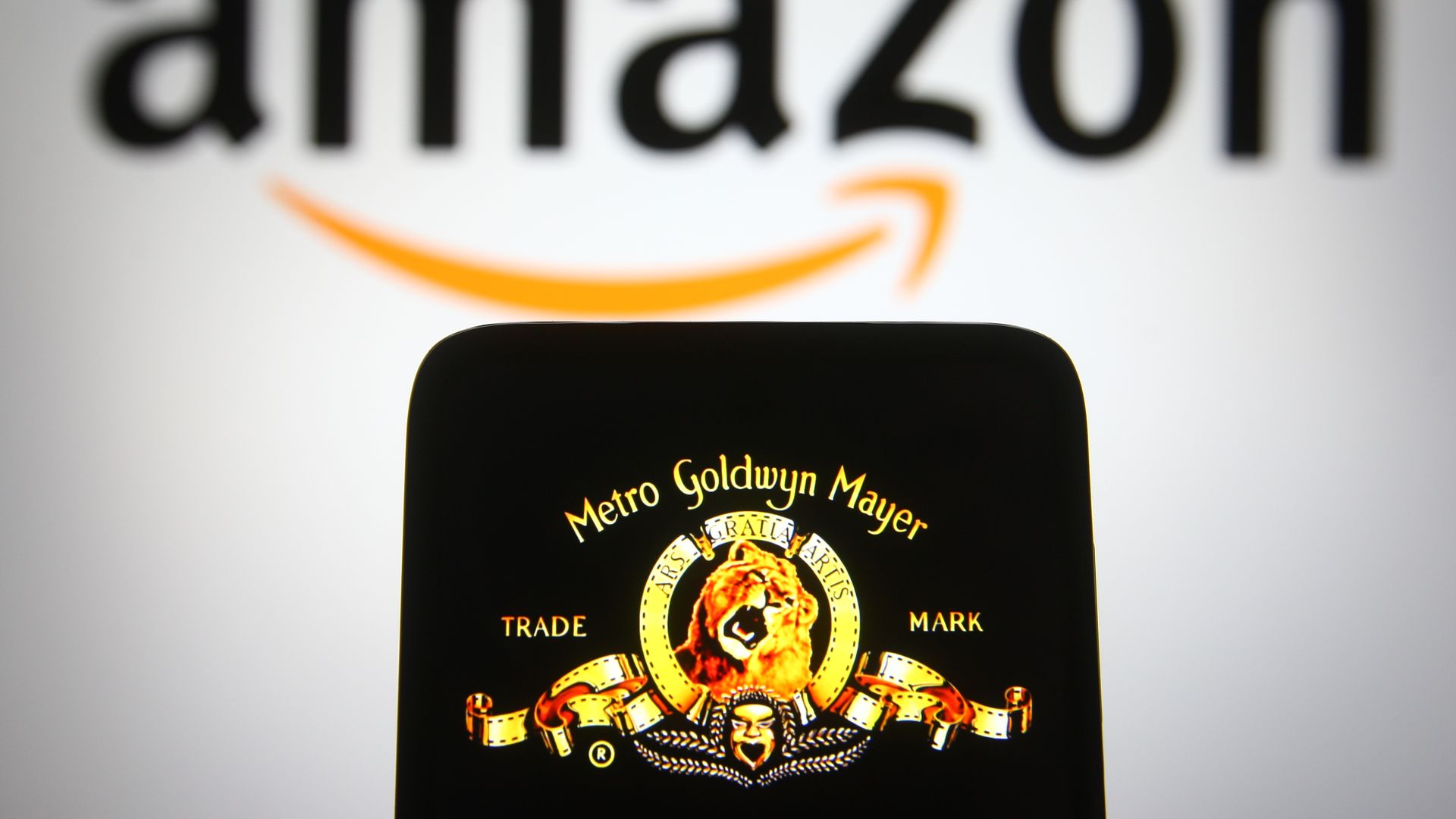
Amazon announced Wednesday it reached a deal to acquire MGM Studios for $8.45 billion, including debt. MGM is the home to several blockbuster franchises, including James Bond.
Why it matters: The deal — Amazon's second-largest acquisition ever, behind the $13.7 billion Whole Foods deal — represents a major milestone in the tech sector's push into entertainment.
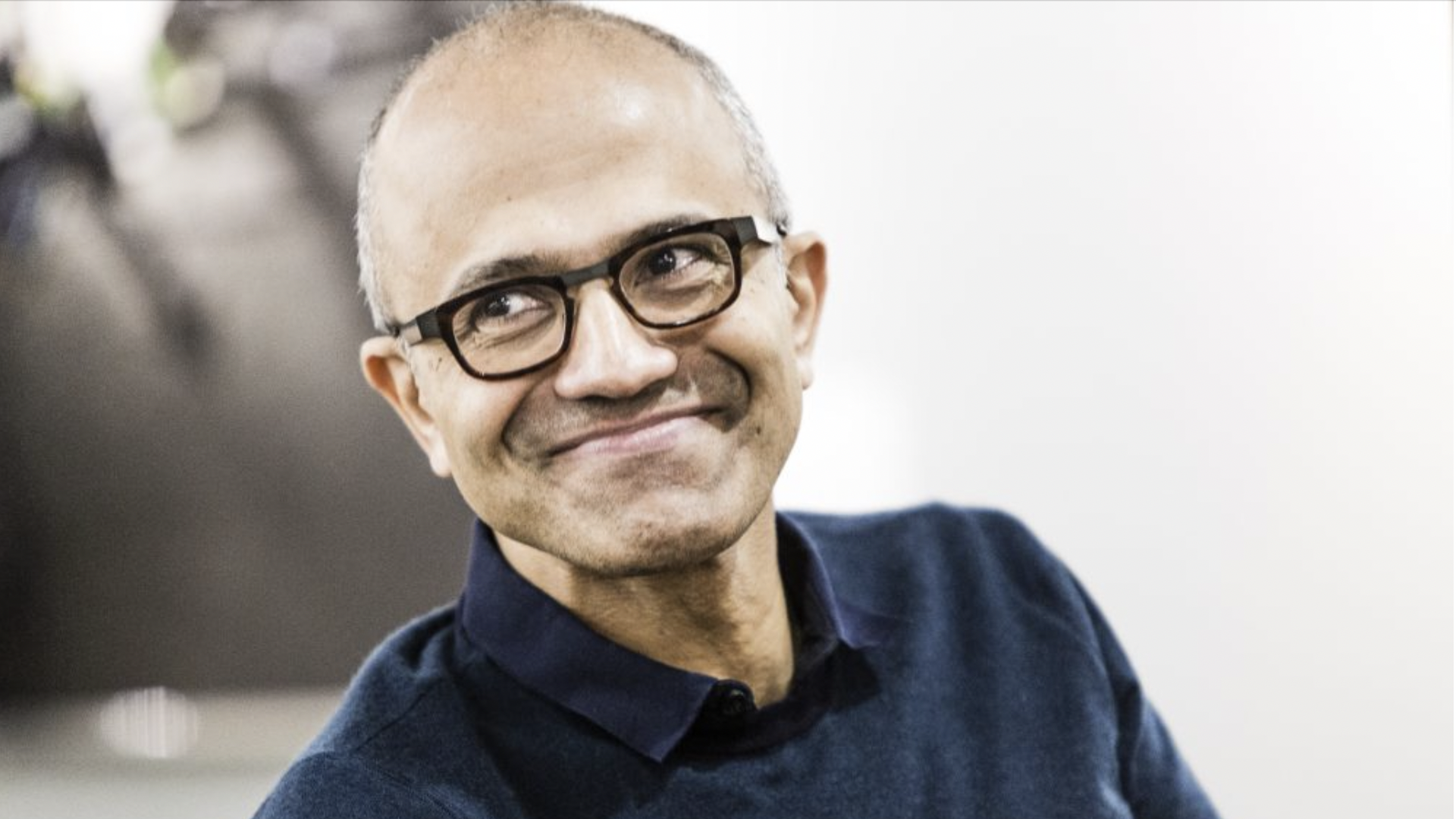
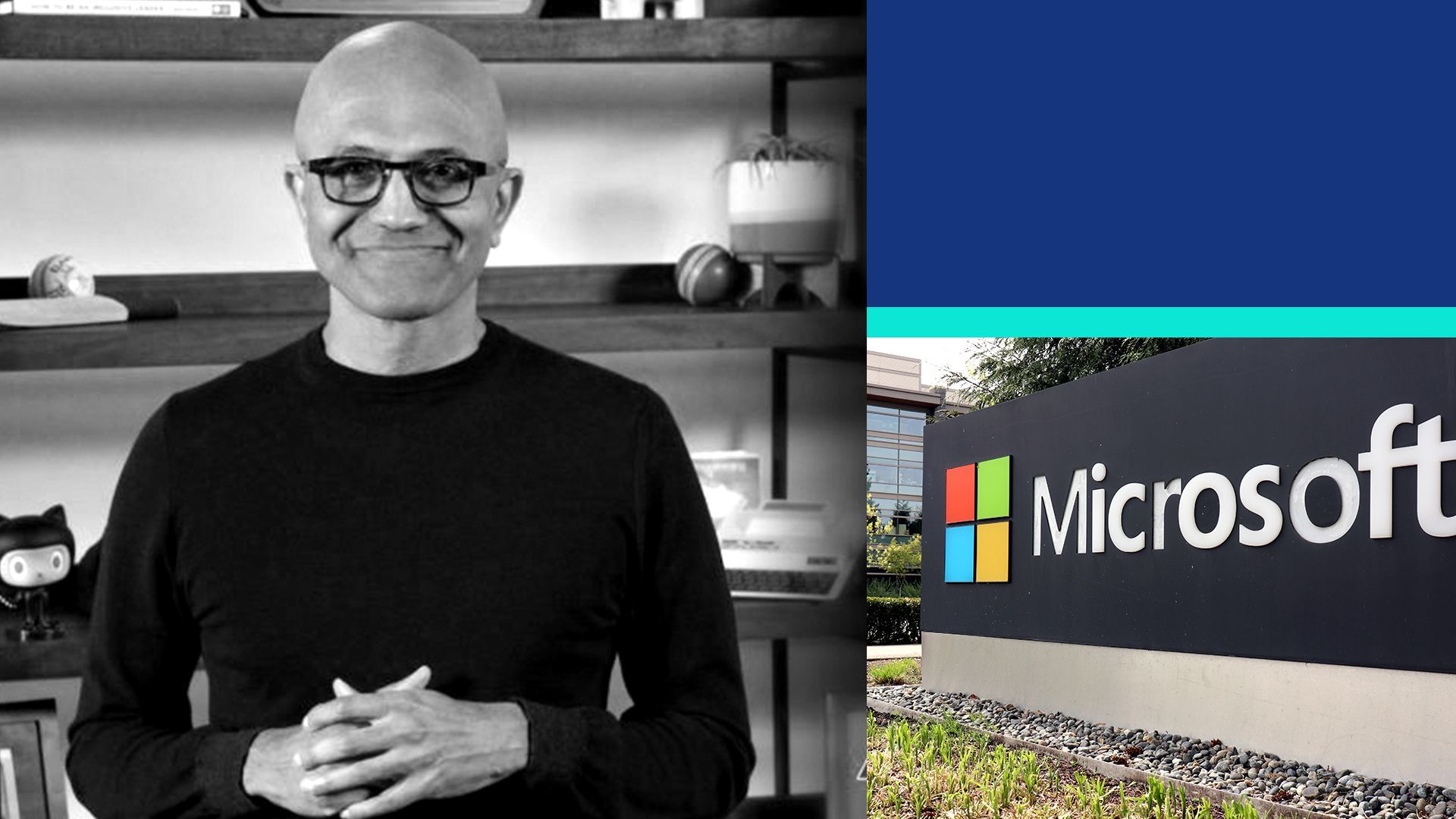
Critics argue that the impact of technology has grown so large that society can't afford for companies to release products just because they can, without fully anticipating issues like privacy and security. Microsoft CEO Satya Nadella couldn't agree more.
What they're saying: "Tech is becoming so pervasive in our lives, in our society and our economy, that when it breaks, it’s not just about any one tech breaking or one company breaking," Nadella said in an exclusive interview with Axios. "It impacts us all."
If software developers don't see Microsoft as the coolest trillion-dollar tech company out there, CEO Satya Nadella is OK with that, he told Axios in an exclusive interview as Microsoft's annual developer conference kicked off Tuesday.
Driving the news: "My sales pitch to anybody, whether it’s an intern or a college grad joining Microsoft is, hey, if you want to be cool, go join someone else," Nadella said. "If you want to make others cool, join Microsoft."
WhatsApp filed a lawsuit against India's government in the Delhi High Court Wednesday over new rules requiring the company to make users' messages traceable.
Why it matters: The Facebook-owned encrypted messaging service says the regulations that take effect Wednesday violate users' privacy, which it argues is in breach of the country's constitution.
During concluding arguments in Epic v. Apple Monday, Judge Yvonne Gonzalez Rogers expressed qualms with both sides, as they posited contrasting views over whether Apple runs its app store in illegal, anti-competitive ways.
Why it matters: Rogers will decide whether Apple needs to change the way it runs its app store.
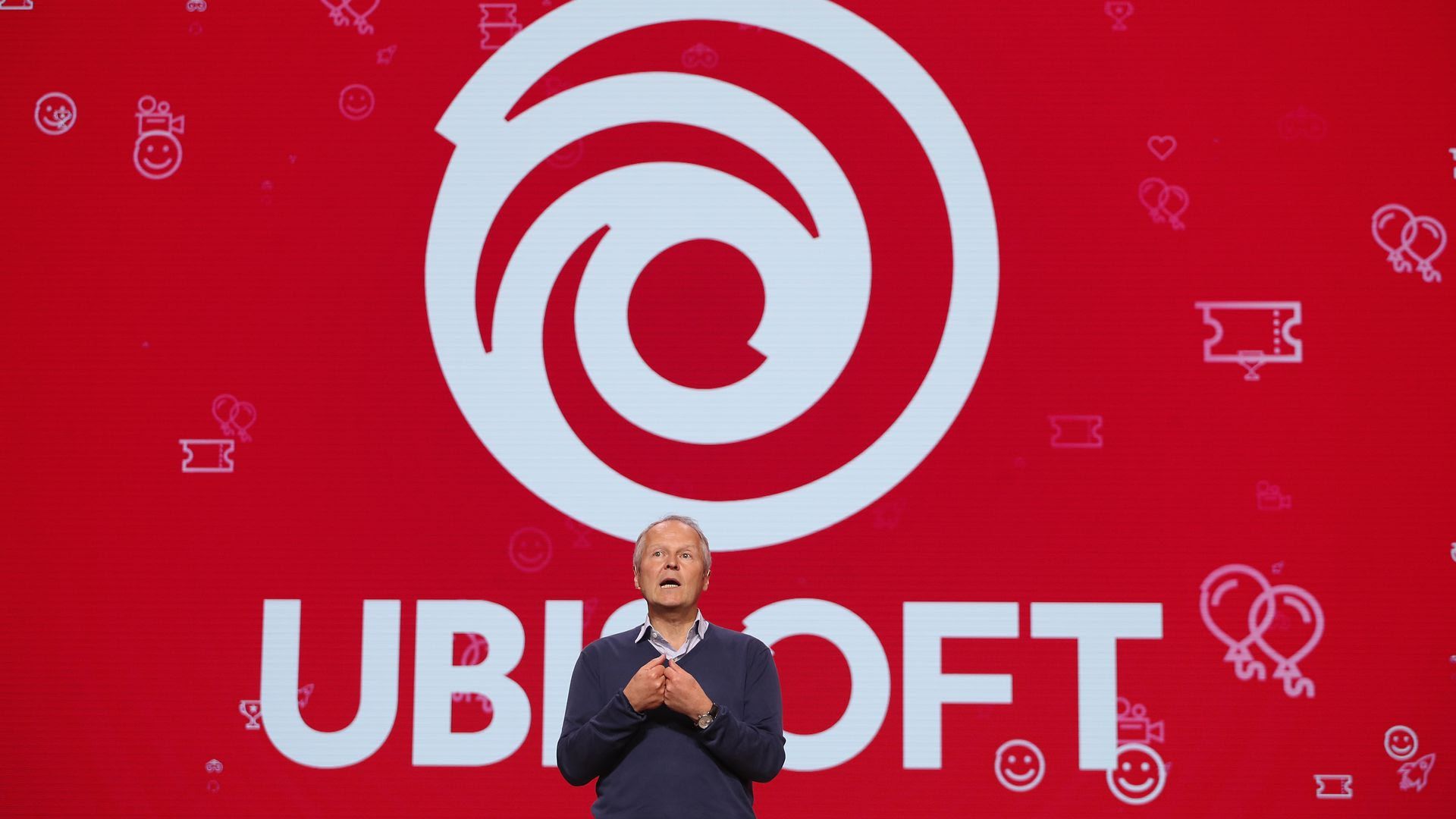
Ubisoft CEO Yves Guillemot claims "considerable progress" has been made in the past year, following a summer of harassment and misconduct allegations against some of the "Assassin’s Creed" publisher's top figures.
The big picture: Guillemot's announcement comes just weeks after French publication Le Télégramme reported that the company's initiatives so far have been minimal.
Ubisoft CEO Yves Guillemot claims “considerable progress” has been made in the past year, following a summer of harassment and misconduct allegations against some of the “Assassin’s Creed” publisher’s top figures.
The big picture: Guillemot’s announcement comes just weeks after French publication Le Télégramme reported that the company’s initiatives so far have been minimal.
Washington, D.C. Attorney General Karl Racine on Tuesday filed an antitrust lawsuit against Amazon, alleging the e-commerce giant's anticompetitive pricing practices result in higher costs for consumers and less choice in the online retail market.
Why it matters: The lawsuit concerns how Amazon negotiates with more than 2 million third-party sellers on the platform, which are crucial to the company's business and end up absorbing fees that Amazon charges to list their merchandise.
The Department of Homeland Security will issue new cybersecurity regulations on fuel and oil pipelines to prevent future cyber attacks like the one that crippled the Colonial Pipeline, senior DHS officials told the Washington Post.
Why it matters: The new directives on pipelines demonstrate the significance of the Colonial breach, since only a few vital infrastructure sectors — like bulk electric power and nuclear plants — have to follow federal cybersecurity regulations in event of an attack.
Microsoft announced on Tuesday that it is teaming up with Github, Accenture and Thoughtworks to establish a nonprofit aimed at cutting emissions across the software industry.
Why it matters: Software is an overlooked factor partly responsible for driving up carbon emissions from the tech sector. Companies that develop software used across the IT industry, including Microsoft, need to address this in order to fulfill their own ambitious climate goals.
Simon Segars has been a busy guy during the pandemic, even if the Arm CEO has spent the bulk of the last 15 months at home: Overseeing a redesign of his company's products, helping his customers deal with a global chip shortage and engineering a $40 billion deal to sell his company.
Why it matters: U.K.-based Arm, uniquely in the chip industry, neither designs nor manufactures entire processors. It focuses on chip cores, and its energy-efficient designs sit at the heart of billions of products, from phones and computers to cars and home electronics.
There's broad agreement among leaders of both parties that Big Tech needs to be reined in — but widely different views on how to do it, as two Monday stories illustrated.
The state of play: In Washington, Democrats on a key House committee met with various stakeholders to carefully craft new legislation that might fly with both industry and its critics, Axios' Margaret Harding McGill scooped. Representatives of Facebook, Twitter and Google all attended.
As media and tech companies look for ways to combine and grow their content footprints, regulators are beginning to eye their efforts with skepticism.
The big picture: Big Tech deals "will probably heighten calls for antitrust legislation," says former Justice Department antitrust chief Makan Delrahim.
Data: Company earnings reports; Chart: Danielle Alberti/Axios
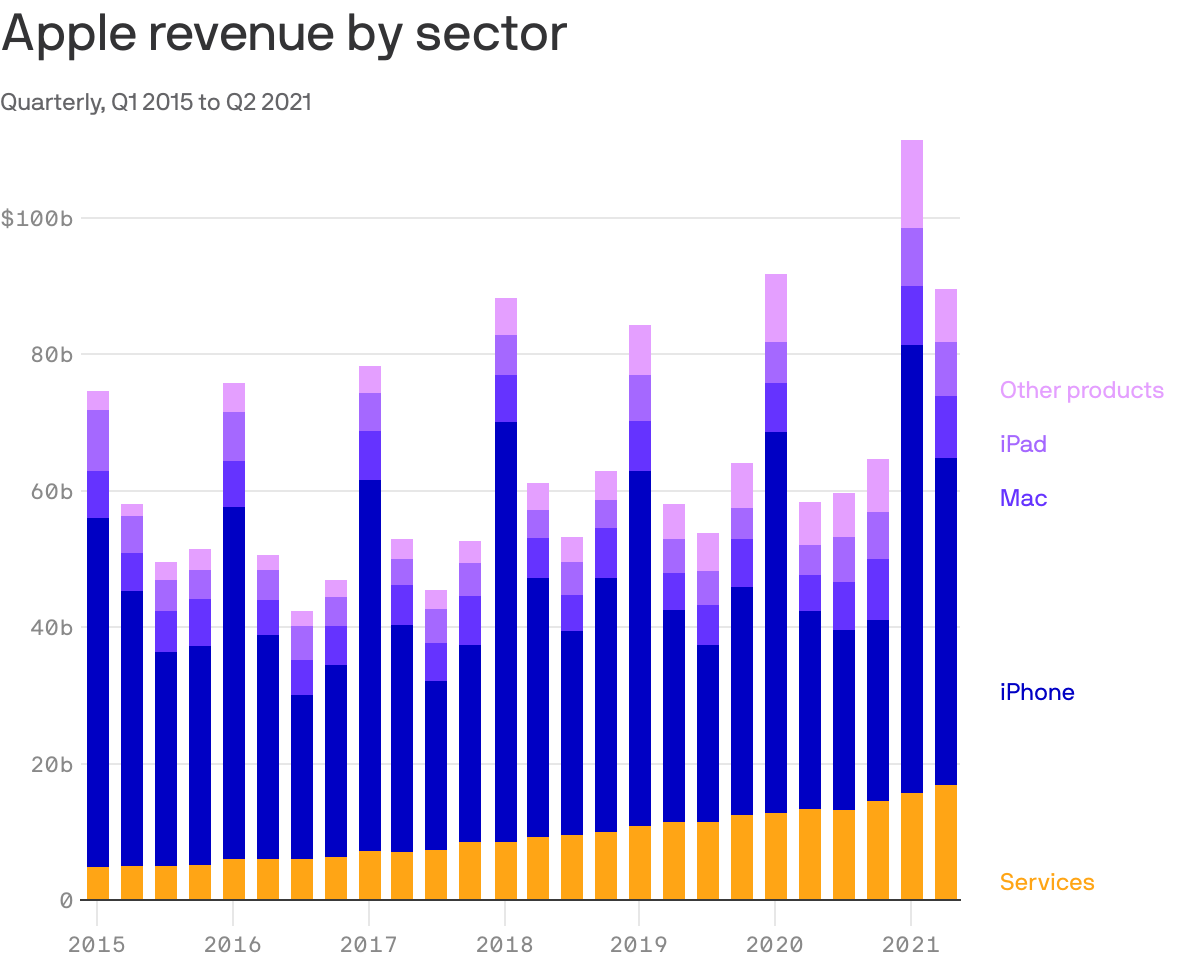
Apple's successful long-term effort to generate new revenue from the services that run on top of iPhones and Macs is also carving out new vulnerabilities for the giant — including antitrust charges, lawsuits by developers and new conflicts over privacy and content moderation.
Why it matters: Apple has been relatively unscathed by the criticisms that dog Facebook, Google and Amazon, but the more cash it squeezes out of its App Store and other services, the more of a target it will become.
The leader of a key House committee discussed legislative proposals on reining in Big Tech content moderation practices with Facebook, Google, Twitter and others Monday, Axios has learned.
Why it matters: Lawmakers are working toward making good on their promise to pass new laws to curb tech's power.