With a black eye and a sullied reputation, Big Tech may be entering an age of tapered profits, the victim of much-reduced public tolerance for the industry's free ride, say U.S. and European industry leaders, analysts and academics.
Why it matters: Google, Facebook, Amazon and other major platforms are symbols of U.S. tech prowess and are expected to be among the country's most vibrant engines of future economic growth and jobs. But the new public zeitgeist casts doubt on how they have achieved their heights, and senior leaders at some of the companies themselves are internally rethinking their business models.
Cambridge Analytica has announced it's closing operations Wednesday and has filed for bankruptcy in the wake of revelations that it misused Facebook data to build a system to predict and influence choices at election polls.
The details: The Wall Street Journal, which first reported the closure, said this comes as the company is losing clients and facing growing legal fees in the ongoing probe over the misuse of Facebook data. The company reportedly told employees to return their computers.
Quad9, a free internet switchboard that amplifies security, has grown to 27 million users after launching with 1 million just five months ago.
Why it matters: Quad9 is a global, secure domain name system (DNS) — the thing that turns text-based internet addresses (e.g. axios.com) into machine-readable internet addresses. It is designed to protect privacy and halt other online threats. The growth of Quad9 and the introduction of competitors like CloudFlare's 1.1.1.1 demonstrate a global interest in privacy and security.
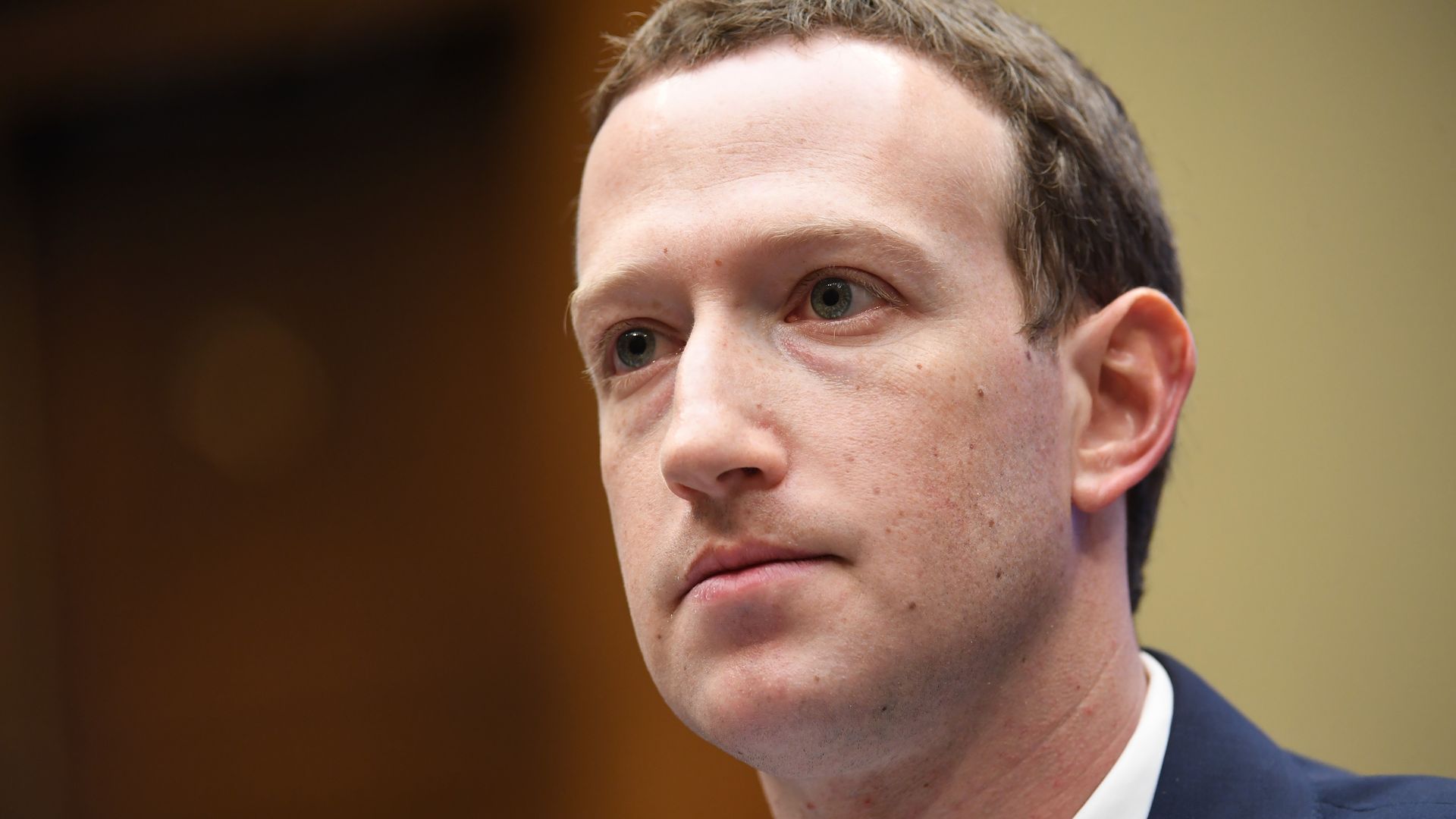
Facebook CEO Mark Zuckerberg tried to convince journalists Tuesday that the company is committed to boosting trusted news outlets and supporting journalism as a whole, but didn’t give much reassurance that individual outlets would recoup lost revenue or traffic.
The big picture: The tension is growing between Facebook and media as it controls a large portion of digital ads and is a primary news distributor, but doesn't help newsrooms recoup dwindling revenue. And recent News Feed algorithm changes resulted in a dramatic drop — an average of 20%, Zuckerberg says — of Facebook-generated traffic to media sites.
To address allegations of bias, Facebook is bringing in two outside advisors — one to conduct a legal audit of its impact on underrepresented communities and communities of color, and another to advise the company on potential bias against conservative voices.
Why it matters: The efforts are happening in response to allegations that the tech giant censors conservative voices and discriminates against minority groups. Facebook hopes the independent audit and formal advising partnership will show it takes these issues very seriously.
United Airlines will ban 25 pet breeds when it resumes transportation of pets in its airplane cargo holds next month, the carrier announced Tuesday.
Why it matters: This comes after the death of a dog in March when an attendant told an owner to to place the dog’s carrying case in an overhead luggage compartment during a 3.5-hour flight. The airlines said the restrictions are meant to improve the well-being of all pets. United had accounted for 18 of the 24 animals that died on a major U.S. carrier last year, per the U.S. Department of Transportation.
Mark Zuckerberg says Facebook is now working to rank news outlets by how trustworthy and informative they are. He also said news consumption will not be the primary focus of the social network, and there are no plans to pay publishers regular fees for their content.
Why it matters: Facebook is coming to terms with its responsibility to moderate content on its site, reduce fake news and prevent malicious manipulation of content in its news feed. Zuckerberg said he sees Facebook’s primary responsibilities in this realm to be boosting trustworthy news on the platform, supporting the institution of journalism broadly, and finding ways to boost quality video.
During its earnings call, Snapchat's parent company announced the upcoming roll out of Snap Pro, which will enable celebrities and brands to broadcast organic content to followers, get analytics, and manage advertising on the app.
Why it matters: Unlike other social media services, Snapchat long resisted giving brands and celebrities additional tools for organic content, instead encouraging them to use its ad products. This announcement builds on Snap's move in February to provide analytics to some popular accounts.
Steve Ballmer, former CEO of Microsoft and current owner of the Los Angeles Clippers, told Bloomberg TV that he sold his stake in Twitter because "[t]he price looked pretty good," and being an investor was "probably not for [him]."
The big picture: Despite the drama surrounding social media giants in the last few months, Twitter shares "have more than doubled over the past two years," Bloomberg reports. Ballmer, who acquired a 4% stake in the company in 2015, per Bloomberg, told CNBC: "I think Twitter will succeed and it will move forward, but I simplified my life and I got out at a very nice price."
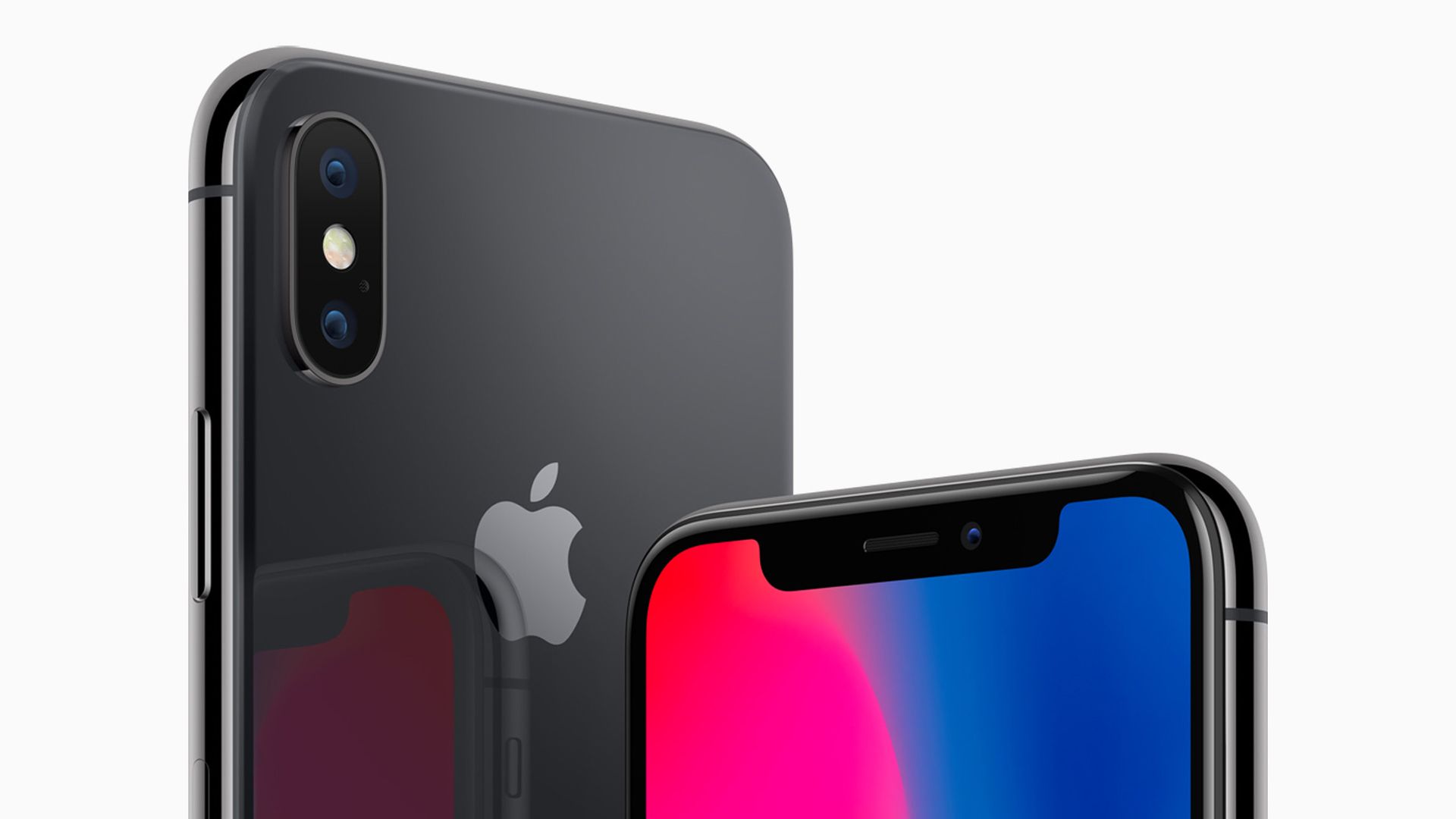
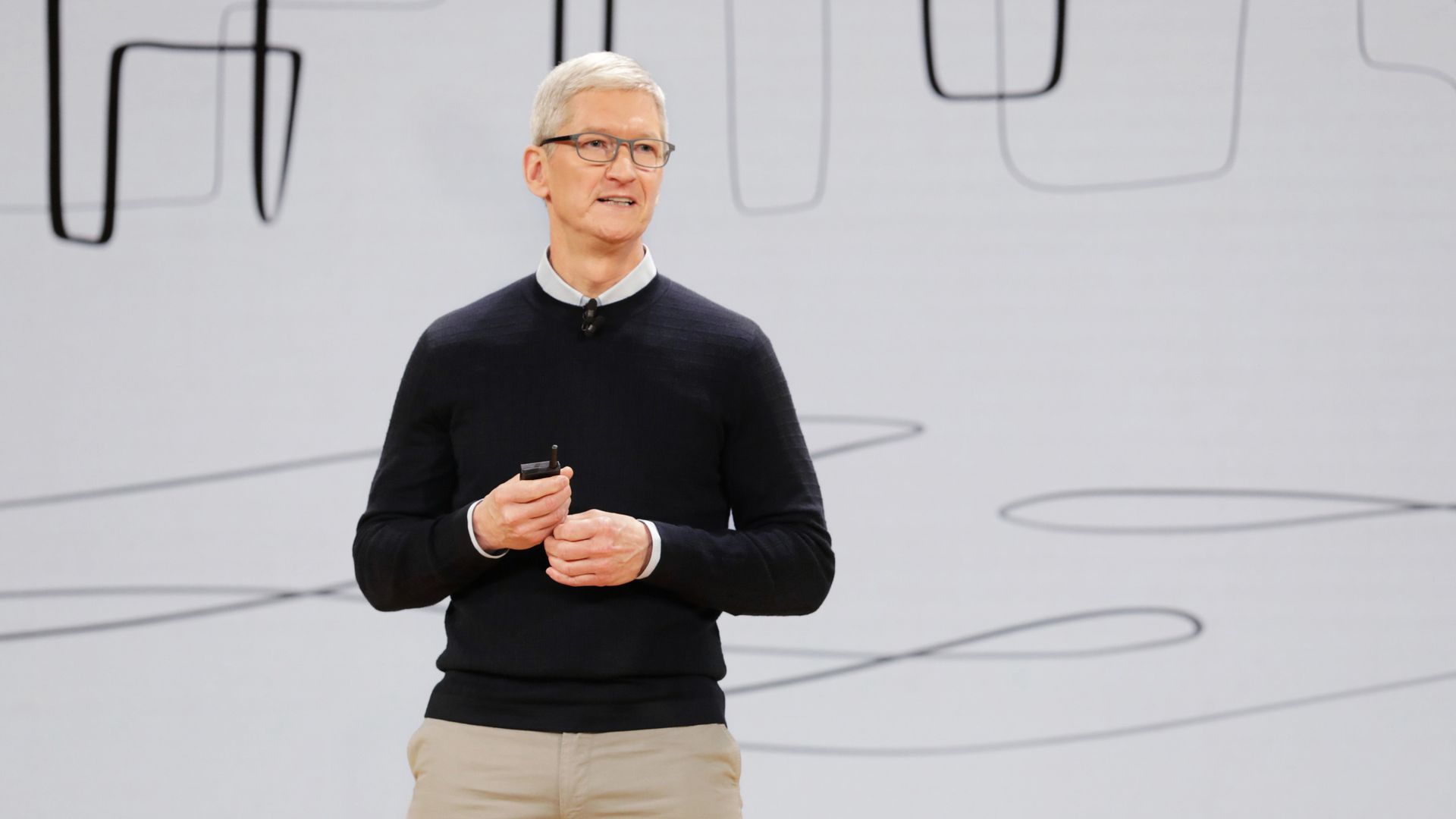
Apple CEO Tim Cook told investors Tuesday that the iPhone X was the best selling iPhone for each week during the last quarter.
Why it matters: There have been reports that Apple had slashed production in the wake of weak demand. Cook's remarks, made on a conference call with analysts, appear designed to ease those concerns.
The encrypted messaging app Signal said Tuesday it had been threatened by Amazon's cloud division after disguising Signal traffic as an Amazon site.
Why it matters: The Signal app, like most apps, used a trick called "domain fronting" to circumvent censorship measures by countries like Iran. Amazon banned domain fronting on Friday, leaving Signal and countless protesters worldwide in the lurch.
Despite concerns over iPhone demand, Apple on Tuesday reported financial results that largely matched what analysts had been looking for. The company sold 52.3 million iPhones last quarter, slightly less than some predictions, but earnings came in slightly ahead of consensus estimates, as did Apple's outlook for the current quarter.
The bottom line: While not necessarily cause for celebration, the results show Apple's business hasn't fallen off a cliff. Investors seemed relieved, sending shares higher in after-hours trading. Apple also announced a new stock buyback and increased dividend.
More than 60 conservative leaders are demanding an end to what they see as "censorship" from "liberal-leaning" Silicon Valley companies, such as Facebook and Google.
Why it matters: The group's joint statement, which Axios obtained in advance, is a sign of surging anti-Silicon Valley rhetoric among the right, and follows up on a congressional hearing last week featuring the pro-Trump YouTube personalities Diamond and Silk.
Parliament has issued an ultimatum to Facebook: make Mark Zuckerberg available to testify voluntarily in front of its Digital Culture Media and Sport Committee or face a summons next time he enters British territory, according to a letter Tuesday from committee chairman Damian Collins.
Why it matters: Facebook is facing heat from regulators in Europe who want Zuckerberg to answer questions about data privacy just as he did in the U.S. Facebook isn't commenting for the record, but a company official noted that its chief technology officer, Mike Schroepfer, already testified for five hours last week and said Facebook plans to answer the other questions the committee still has.
Shares of Match Group fell more than 18% on Tuesday after Facebook announced it plans to expand into online dating.
Why it matters: Facebook already has a gigantic user base and knows a ton about people so it comes at this with some natural advantages. That said, it's doing so at a time where people's trust in the service has been shaken.
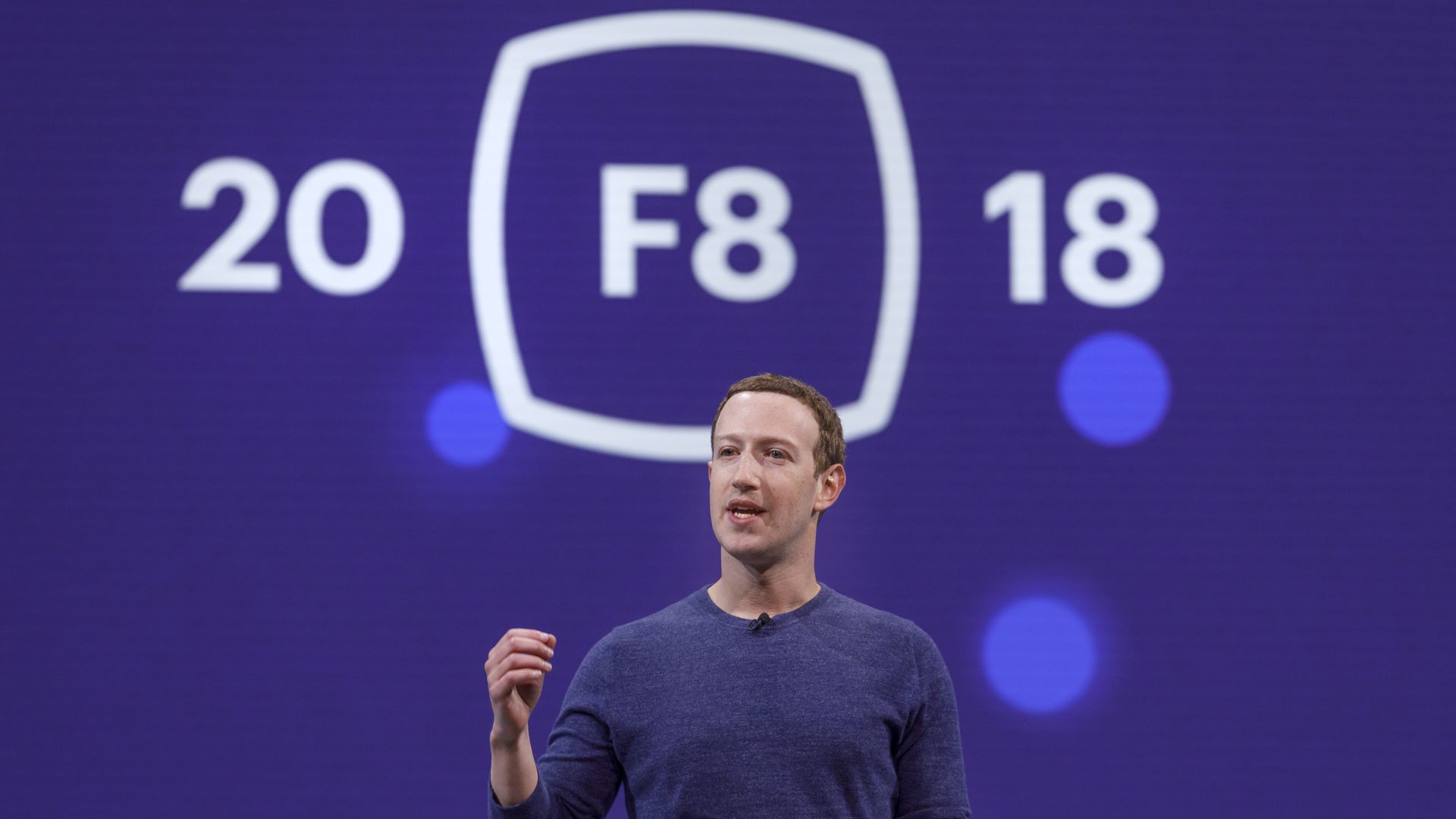
Facebook's F8 developer conference is just yet started, but CEO Mark Zuckerberg has already announced an upcoming feature for users to have more control over the data about them the company stores.
Why it matters: It's a sign of what we can expect from the company's announcements — new features centered around privacy and security. It remains to be seen what Facebook will offer developers, who in general have been losing options as Facebook cracks down in the name of protecting users.
Facebook said Tuesday that in the coming months it would let users see and wipe the data fed into its ad targeting system by outside websites and applications.
Why it matters: Facebook is grappling with a data privacy reckoning after the Cambridge Analytica scandal focused a spotlight on its relations with external developers.
Web trackers, on average, make some of the most-trafficked websites load twice as slow compared to when trackers are blocked, according to a new study published by Ghostery, a web tracker extension, and its parent company Cliqz.
Why it matters: A privacy reckoning around data collection from social media platforms has Americans paying more attention to how web trackers collect data, but this study shows that trackers aren't just a privacy problem. They can also cause terrible user experiences.
The two sides of the encryption debate are so dug in that it's become hard to publicly discuss a compromise.
The issue: Law enforcement groups insist they need access to encrypted data lest criminals go free; security experts posit that providing such access invites global security disasters and mass hacking. No one wants to to suggest to peers that maybe some criminals should go free — or that some amount of security disasters would be A-OK.
After skittish comments from several companies that supply iPhone components, everyone is keen to hear what Apple itself has to say about demand when it issues its financial earnings results later today.
The big picture: Apple shareholders are eager to hear promised details on how much money the company plans to return to shareholders through dividends and stock buybacks, especially after Apple brings back all its overseas cash.
A whopping 361,000 people watched all nine episodes of the second season of Netflix's Stranger Things on its premiere date, according to data shared by Nielsen at its annual NewFronts breakfast in New York.
By the numbers: At 52 minutes per episode, that's 7.8 hours of content consumption on premiere day per person.