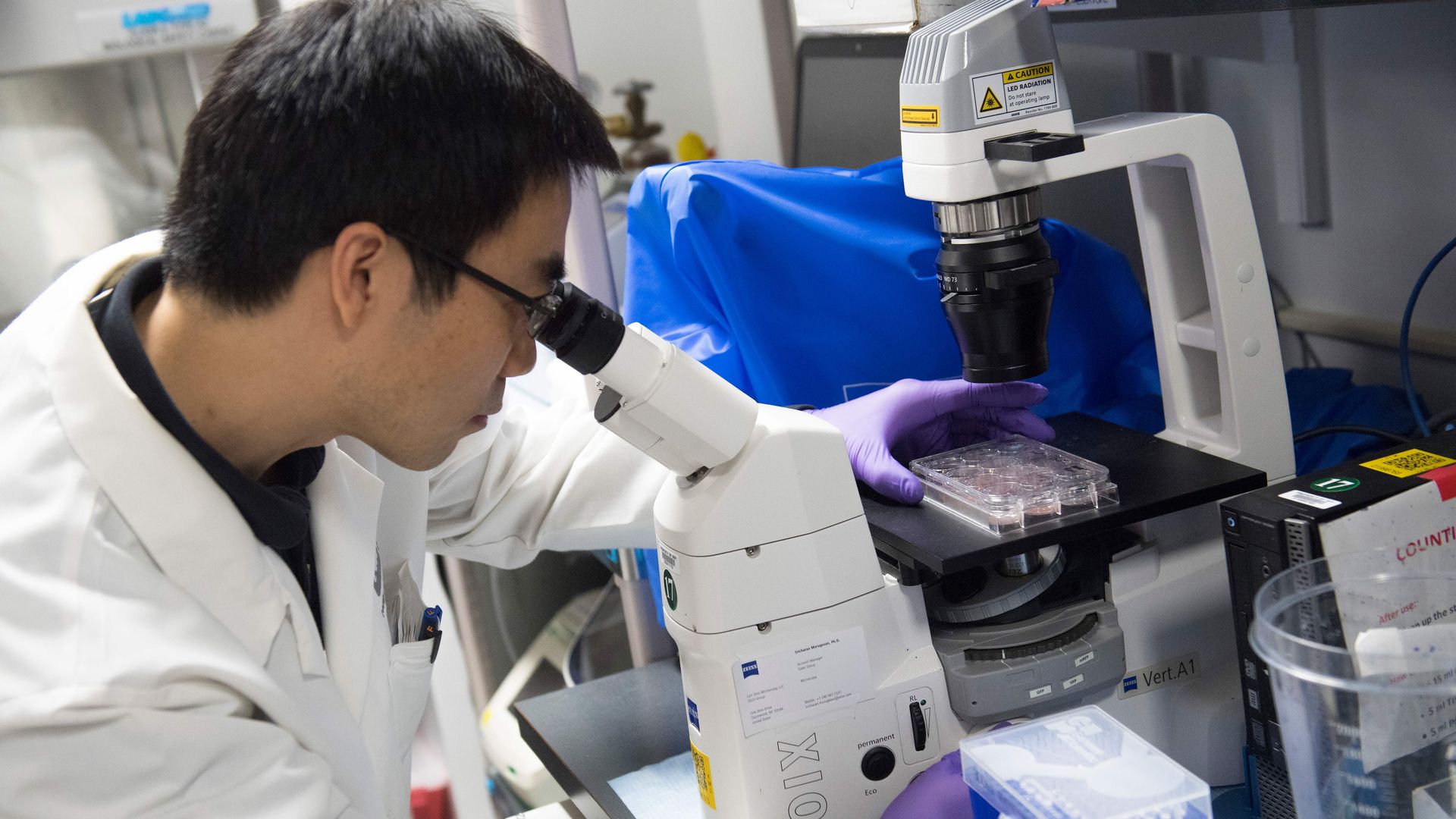
Gilead Sciences is contracting with Verily Life Sciences, part of Alphabet and a sister company to Google, to research immune cells in the hopes of finding new treatments for rheumatoid arthritis, inflammatory bowel disease, and lupus-related diseases.
Why it matters: Gilead has several drug candidates in the works that go after these diseases, and the drug giant is making a bet that Verily can get them across the finish line. Meanwhile, Forbes pegged the deal at $90 million over three years.
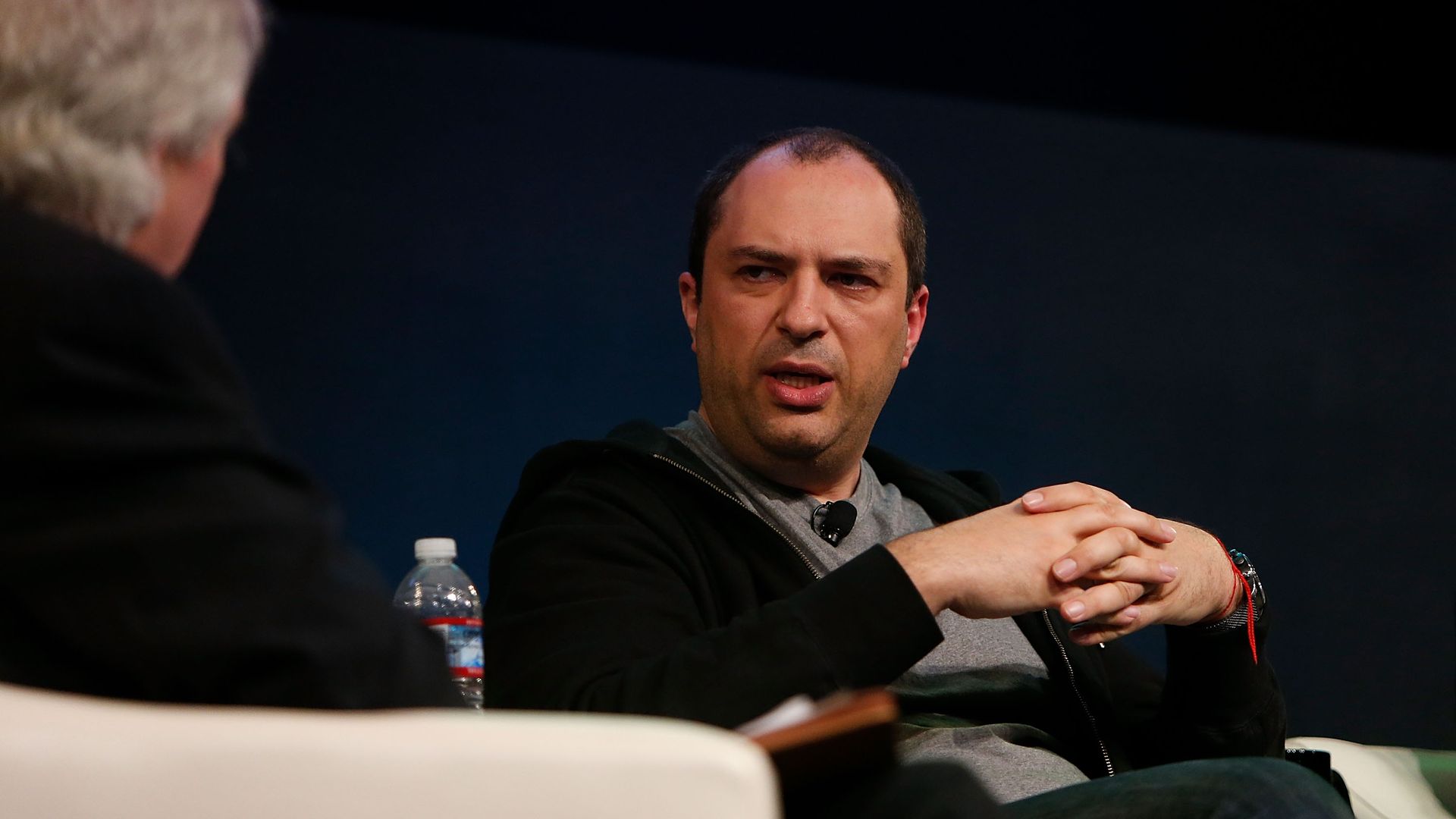
WhatsApp founder and chief executive Jan Koum is leaving the company more than four years after it was bought by Facebook following what the Washington Post, which broke the story, describes as fights with the social giant over data privacy issues.
Why it matters: Koum's departure comes as Facebook faces scrutiny from users and regulators over its treatment of consumer data — and right before its F8 developer conference.
Canadian Prime Minister Justin Trudeau announced in a Monday morning press conference that Amazon will be expanding its Vancouver offices and adding 3,000 new jobs with a new office, which is expected to open by 2022.
Our thought bubble: Axios' Tech Correspondent Ina Fried says, "opening offices in Vancouver is convenient for Seattle-based companies given the proximity and helps with workers who have U.S. visa issues. Microsoft already has a significant presence there."
T-Mobile U.S. and Sprint have agreed to merge in a move to better compete against their two larger rivals in the cellphone business.
Why it matters: Regulators must still approve a deal and, in the past, authorities have been opposed to any deal that would reduce the number of national competitors from four to three.
T-Mobile and Sprint executives said that the coming together of tech and media, along with the looming arrival of 5G networks necessitate their combination. The companies also said a deal will create jobs, not kill them.
Why it matters: The companies face a tough battle to convince regulators to allow them to merge, reducing the number of national cell phone providers from four to three.
Electric scooters are popping up in cities all over the U.S. They're a convenient and fun way to get around, but local governments are now trying to regulate them.
The bottom line: Transportation innovation isn't slowing down, and these companies will be asking for forgiveness — not permission.