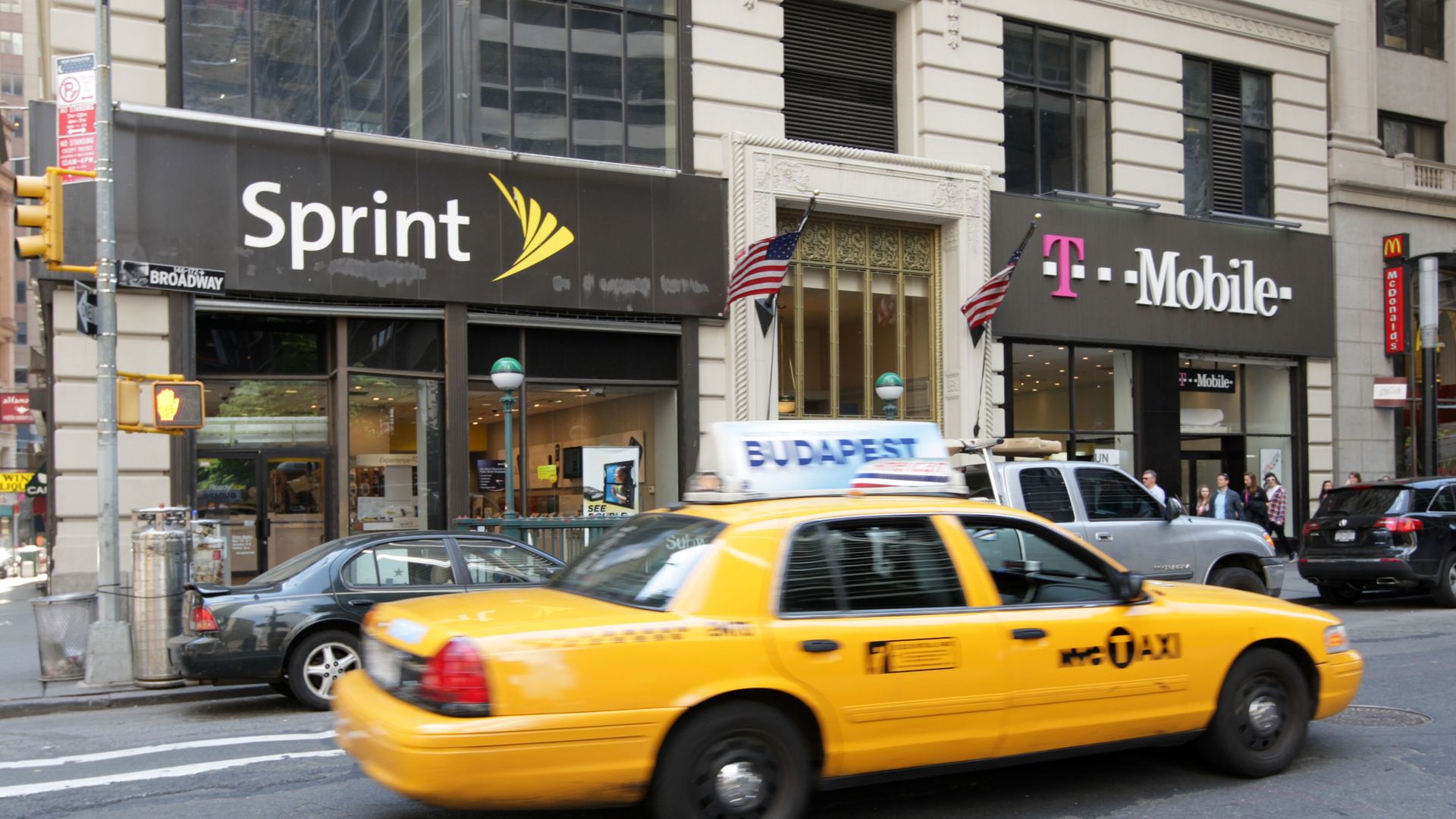
Reports that Sprint and T-Mobile are, once again, close to a merger raise key questions about regulatory approval and what the deal means for consumers.
Why it matters: Despite a few false starts, Wall Street sees the deal as inevitable, as the smaller wireless carriers struggle to compete against their larger rivals, AT&T and Verizon. The combination of Sprint and T-Mobile would would remove one of the four national carriers from the market, something Obama-era regulators opposed.
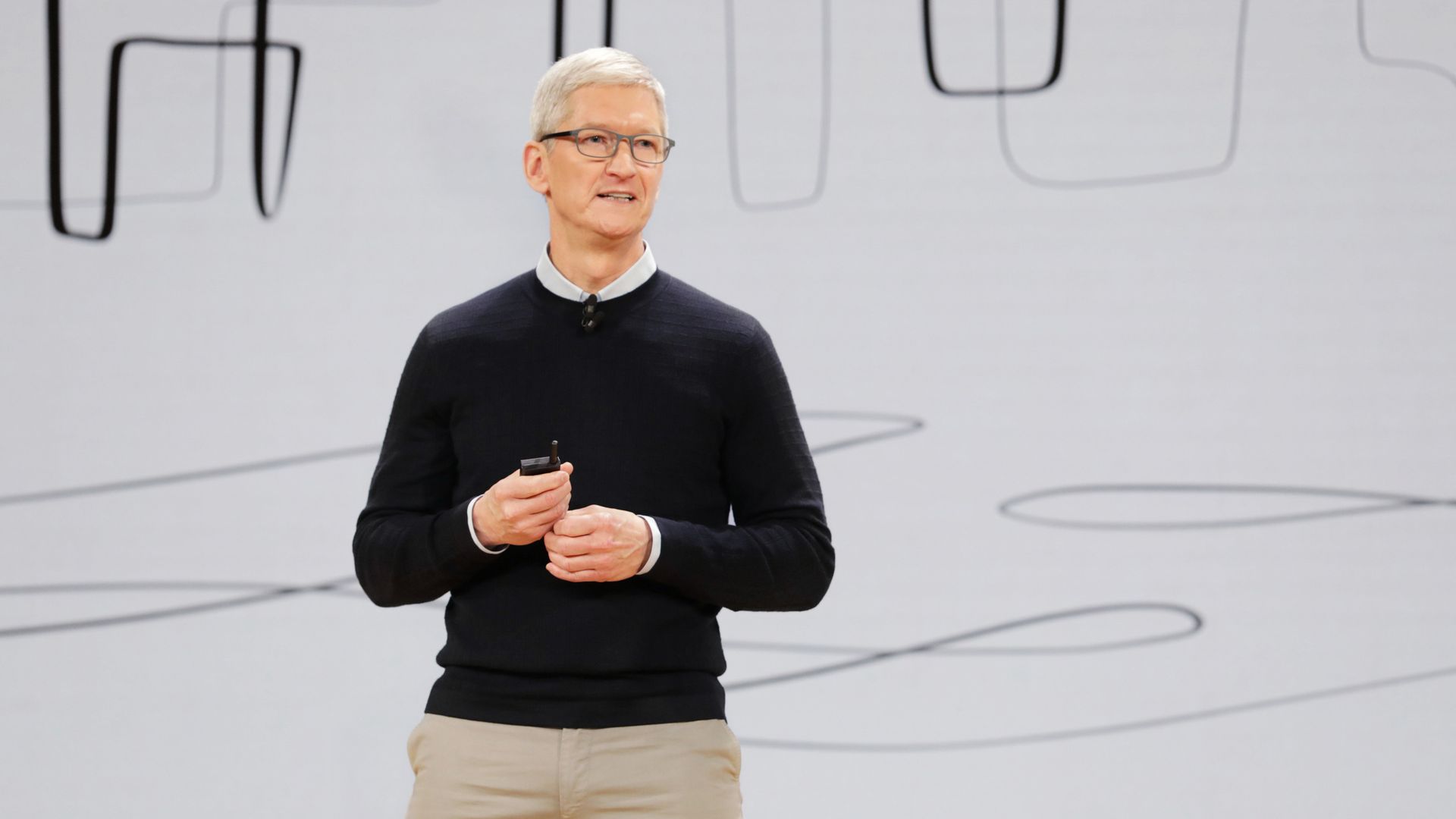
Apple is working to have a headset capable of supporting augmented and virtual reality ready by 2020, according to a a new report from CNET, which cites an unnamed source.
Why it matters: Apple CEO Tim Cook has long expressed the company's belief that augmented reality is a big deal. An untethered headset offers lots of advantages over a smartphone for both AR and VR, but the bulk, battery life and cost of components make a mainstream consumer device currently impractical.
The Federal Trade Commission warned China-based Gator Group Co., Ltd., and Sweden-based Tinitell, Inc., that collecting geolocation data from children under the age of 13 without parental consent violates U.S. privacy rules.
Why it matters: Foreign companies are also required to comply with the FTC's Children's Online Privacy Protection Act if their services are directed at U.S.-based children.
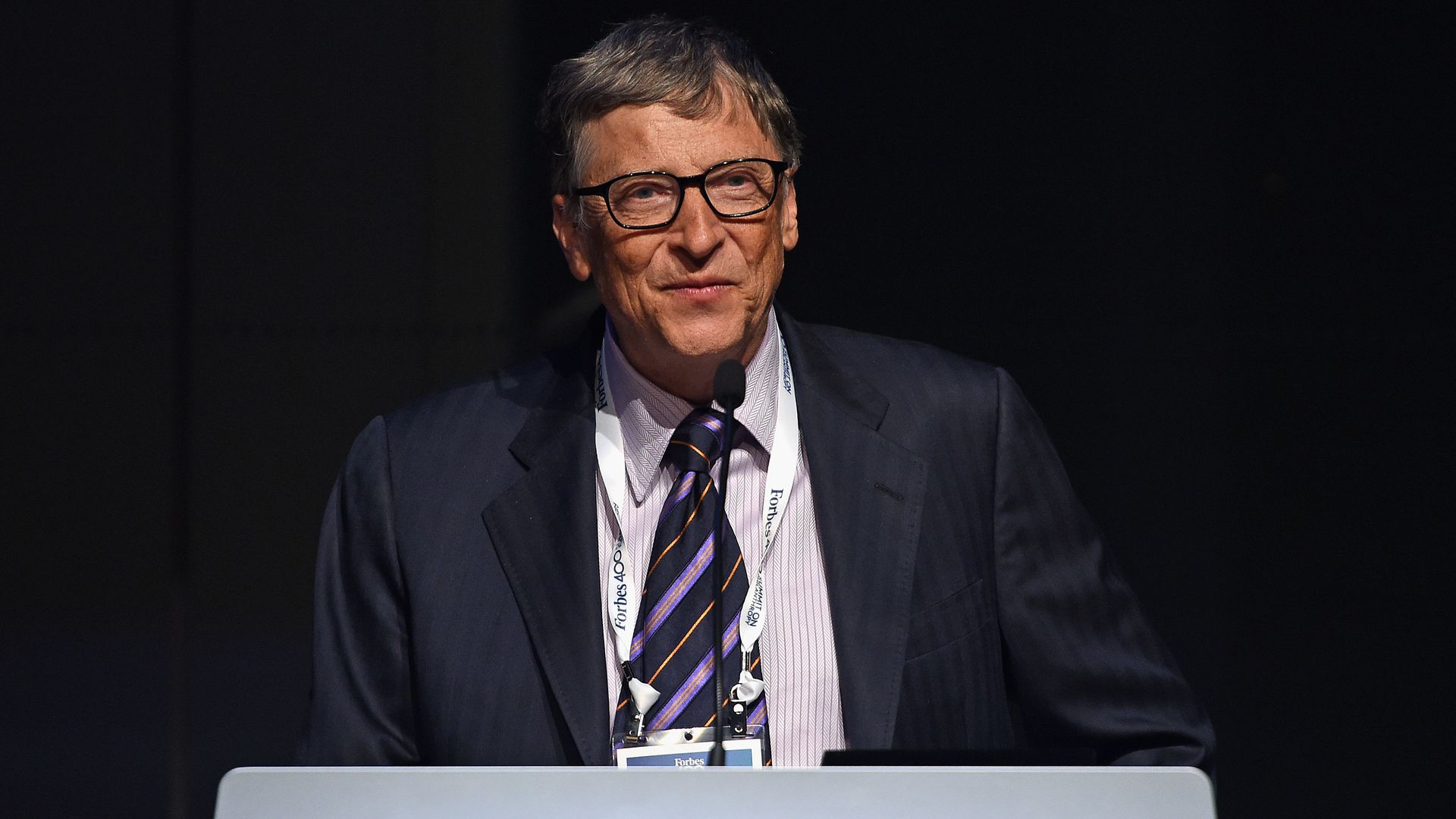
Bill Gates today announced a $12 million "Grand Challenge" to boost the development of a universal flu vaccine, as part of efforts to create a global pandemic response system.
Why it matters: Gates says world leaders need to prepare for the next global pandemic — whether it originates from a bioterrorist attack, new flu viral outbreak or other pathogen — which could have the potential to kill nearly 33 million people in six months, Gates says.
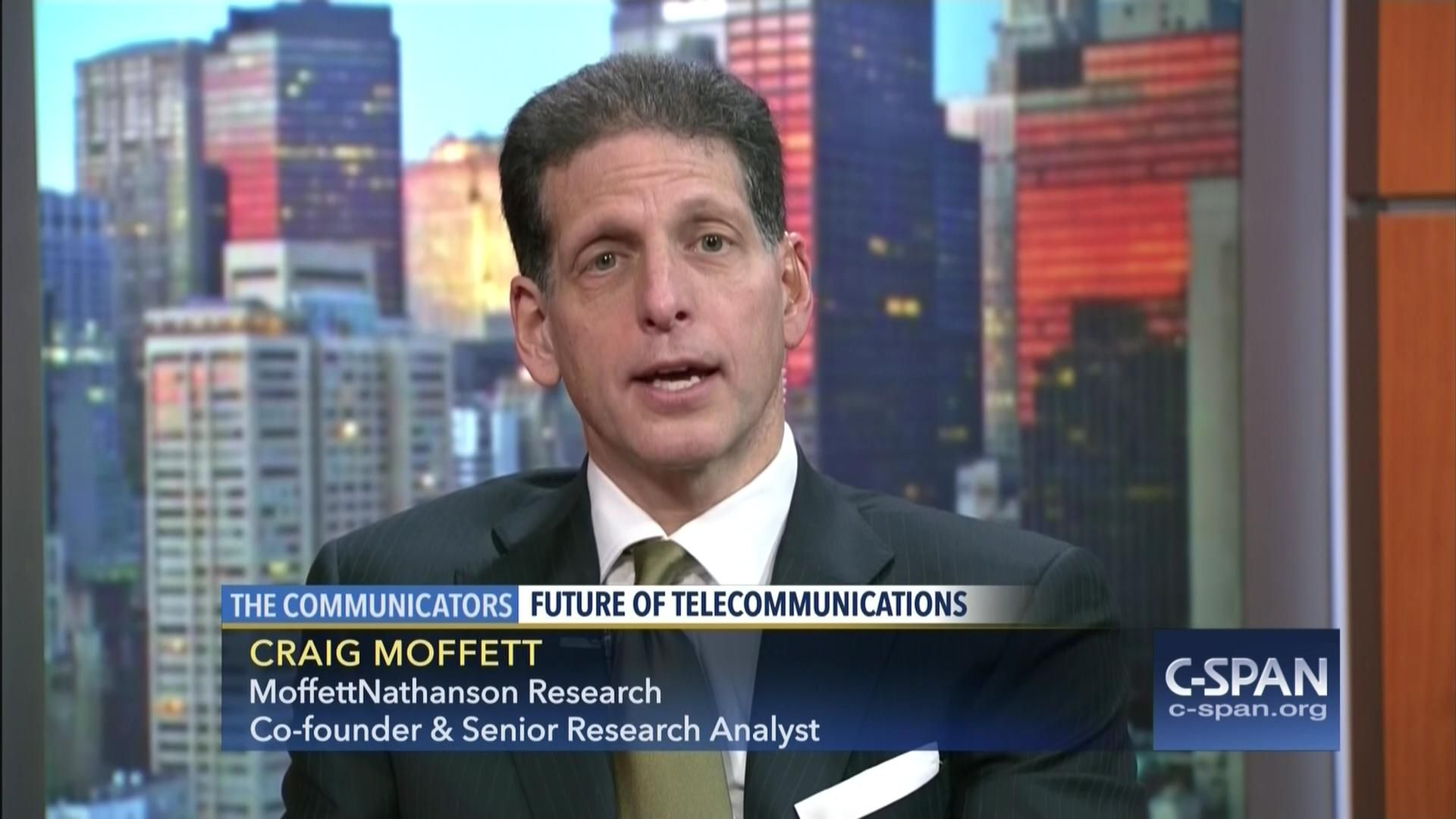
The tech industry is "one crisis away" from seeing significant privacy legislation out of Congress, according to well-known media and telecom analyst Craig Moffett.
Why it matters: Moffett, founding partner of MoffettNathanson Research, said lawmakers aren't yet motivated enough to act, despite Facebook's data scandal. "If there's another crisis, all bets are off," he said. "I think it's easy to imagine there will be one eventually. But right now, I don't think we're there yet."
Facebook is used to being the cool kid. But now it’s eating lunch alone: Companies are trying to figure out how to be as un-Facebook-like as possible.
What’s happening: Several tech companies, including Apple, IBM and Salesforce, have publicly differentiated themselves from Facebook. Now that lawmakers are getting more interested in regulating tech, other companies are considering launching their own campaigns to stay as far away as possible from Facebook's privacy drama, D.C. tech lobbyists tell Axios.
Facebook stock has regained two-thirds of what it lost following last month's revelations that user data was improperly accessed by Cambridge Analytica.
Big picture: Facebook isn't yet out of the U.S. regulatory woods, but investors are willing to give their benefit of the doubt so long as earnings remain strong.