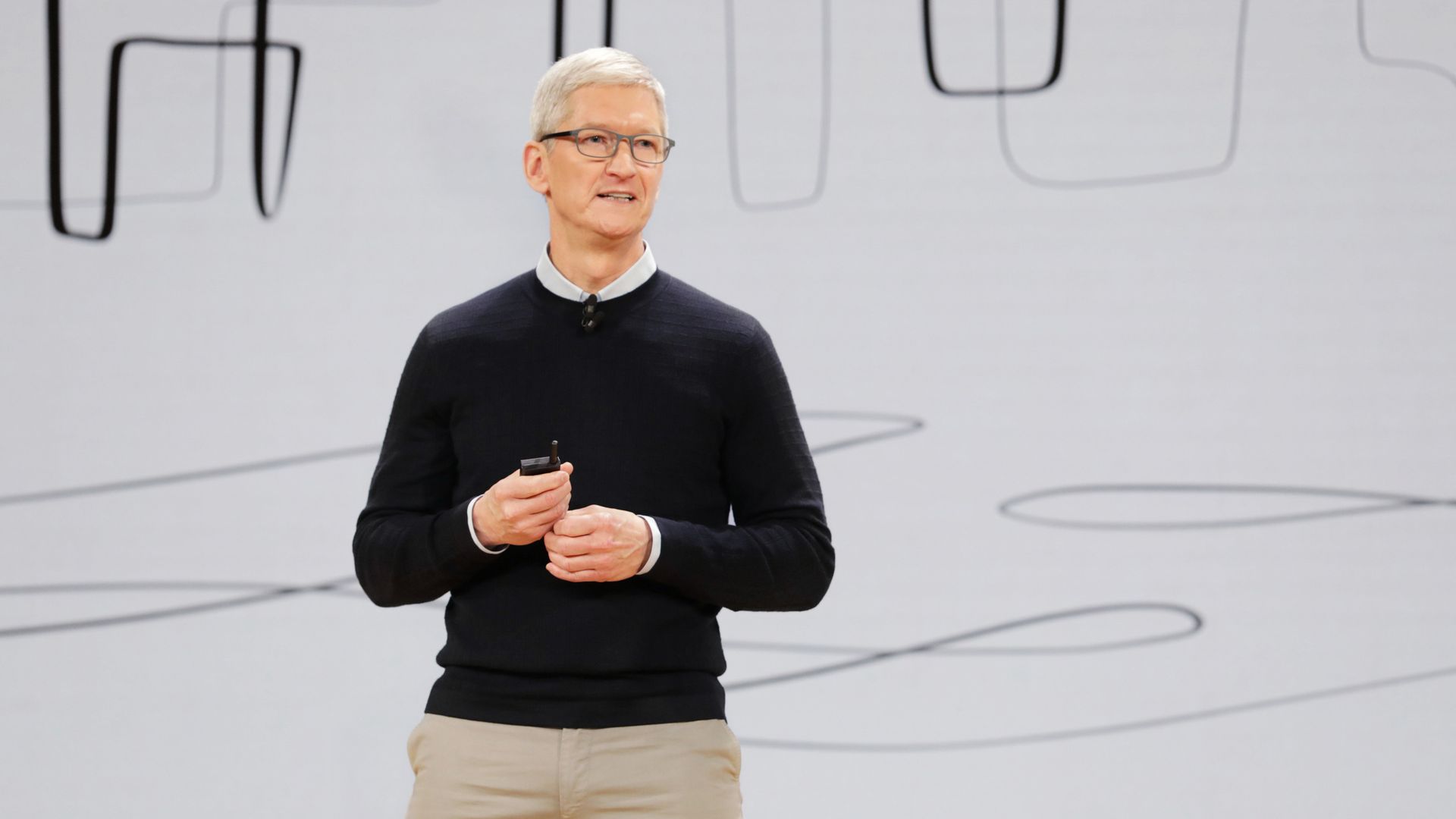
Apple is working to have a headset capable of supporting augmented and virtual reality ready by 2020, according to a a new report from CNET, which cites an unnamed source.
Why it matters: Apple CEO Tim Cook has long expressed the company's belief that augmented reality is a big deal. An untethered headset offers lots of advantages over a smartphone for both AR and VR, but the bulk, battery life and cost of components make a mainstream consumer device currently impractical.
The Federal Trade Commission warned China-based Gator Group Co., Ltd., and Sweden-based Tinitell, Inc., that collecting geolocation data from children under the age of 13 without parental consent violates U.S. privacy rules.
Why it matters: Foreign companies are also required to comply with the FTC's Children's Online Privacy Protection Act if their services are directed at U.S.-based children.
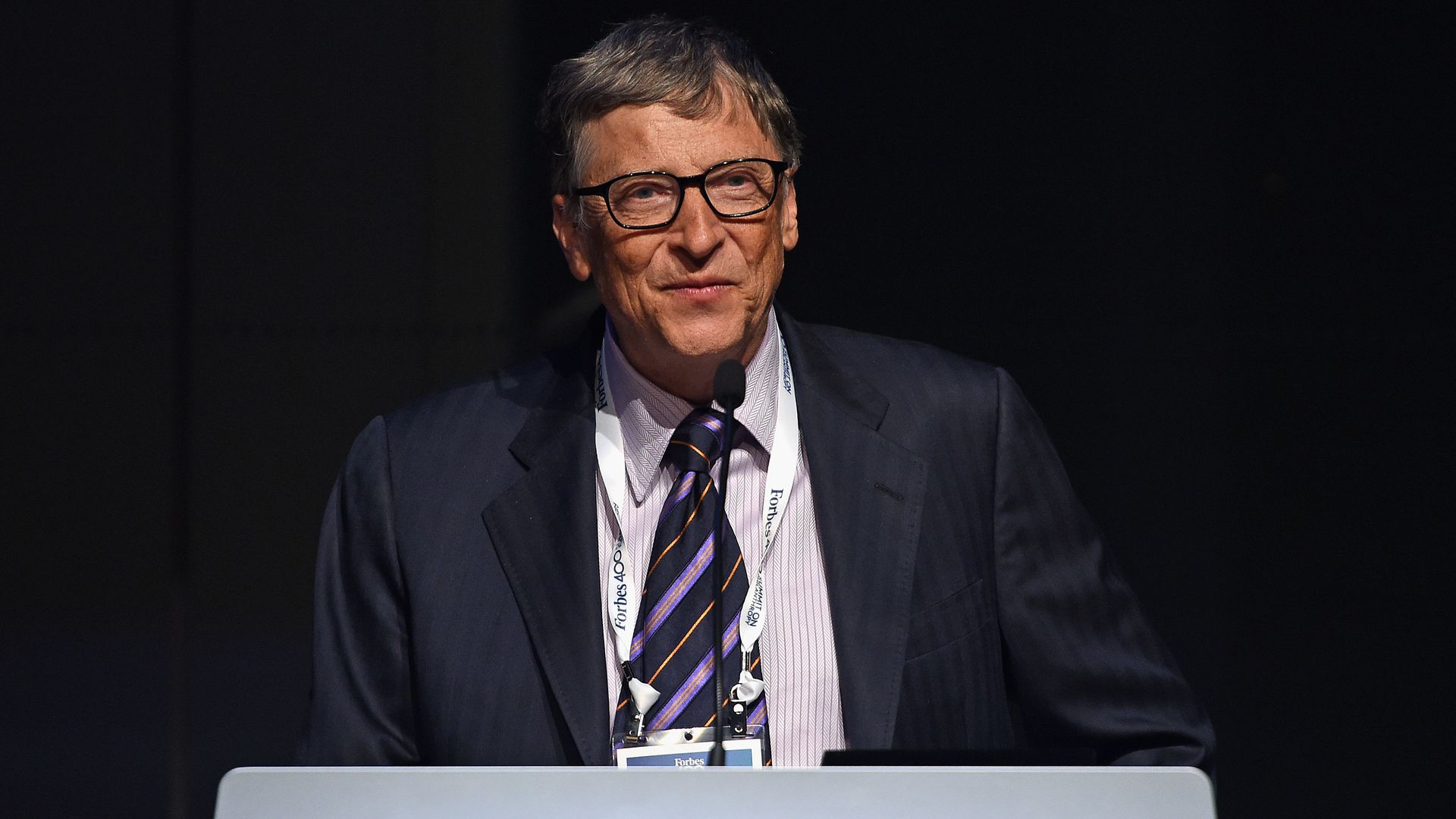
Bill Gates today announced a $12 million "Grand Challenge" to boost the development of a universal flu vaccine, as part of efforts to create a global pandemic response system.
Why it matters: Gates says world leaders need to prepare for the next global pandemic — whether it originates from a bioterrorist attack, new flu viral outbreak or other pathogen — which could have the potential to kill nearly 33 million people in six months, Gates says.
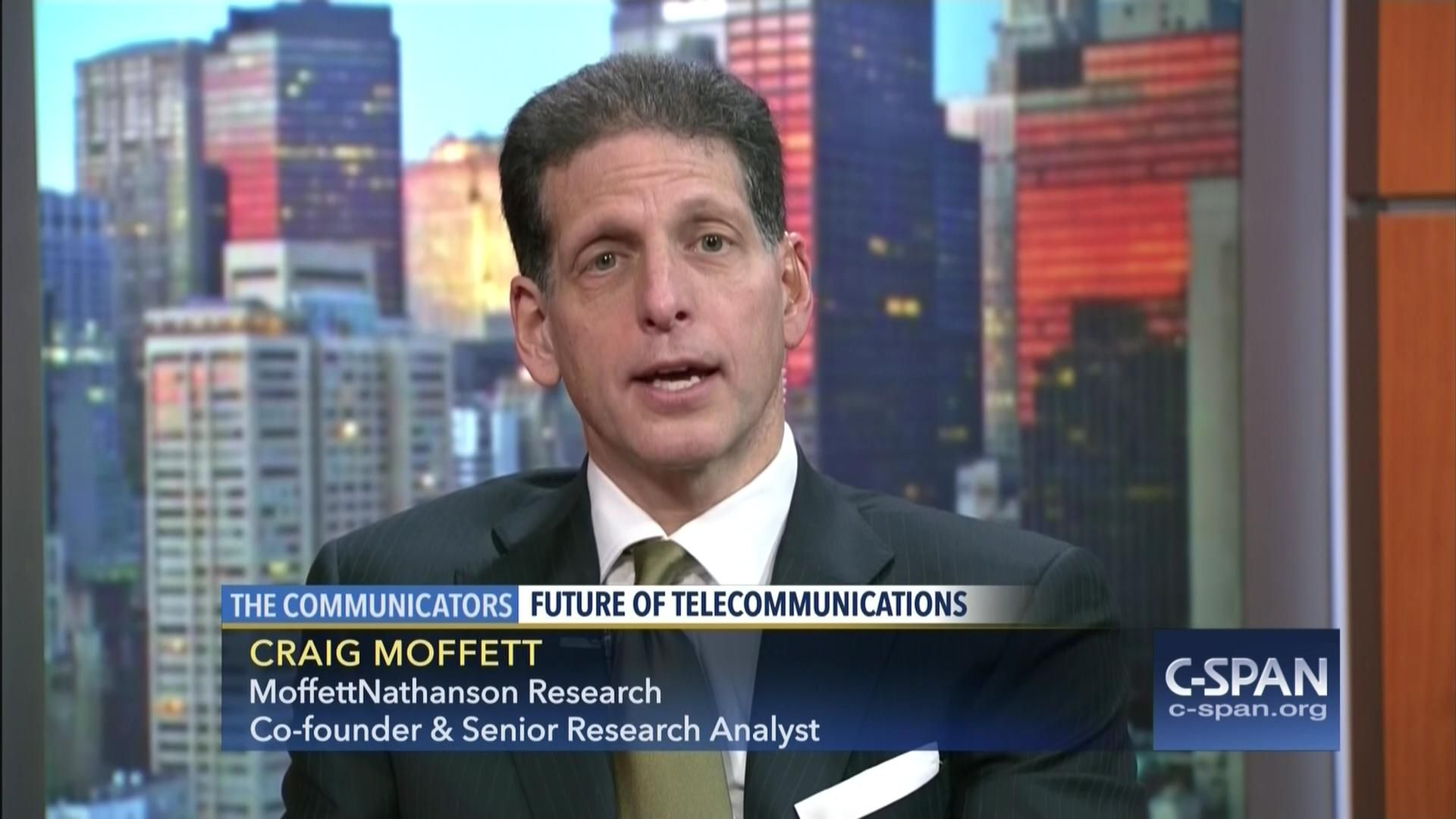
The tech industry is "one crisis away" from seeing significant privacy legislation out of Congress, according to well-known media and telecom analyst Craig Moffett.
Why it matters: Moffett, founding partner of MoffettNathanson Research, said lawmakers aren't yet motivated enough to act, despite Facebook's data scandal. "If there's another crisis, all bets are off," he said. "I think it's easy to imagine there will be one eventually. But right now, I don't think we're there yet."
Facebook is used to being the cool kid. But now it’s eating lunch alone: Companies are trying to figure out how to be as un-Facebook-like as possible.
What’s happening: Several tech companies, including Apple, IBM and Salesforce, have publicly differentiated themselves from Facebook. Now that lawmakers are getting more interested in regulating tech, other companies are considering launching their own campaigns to stay as far away as possible from Facebook's privacy drama, D.C. tech lobbyists tell Axios.
Facebook stock has regained two-thirds of what it lost following last month's revelations that user data was improperly accessed by Cambridge Analytica.
Big picture: Facebook isn't yet out of the U.S. regulatory woods, but investors are willing to give their benefit of the doubt so long as earnings remain strong.
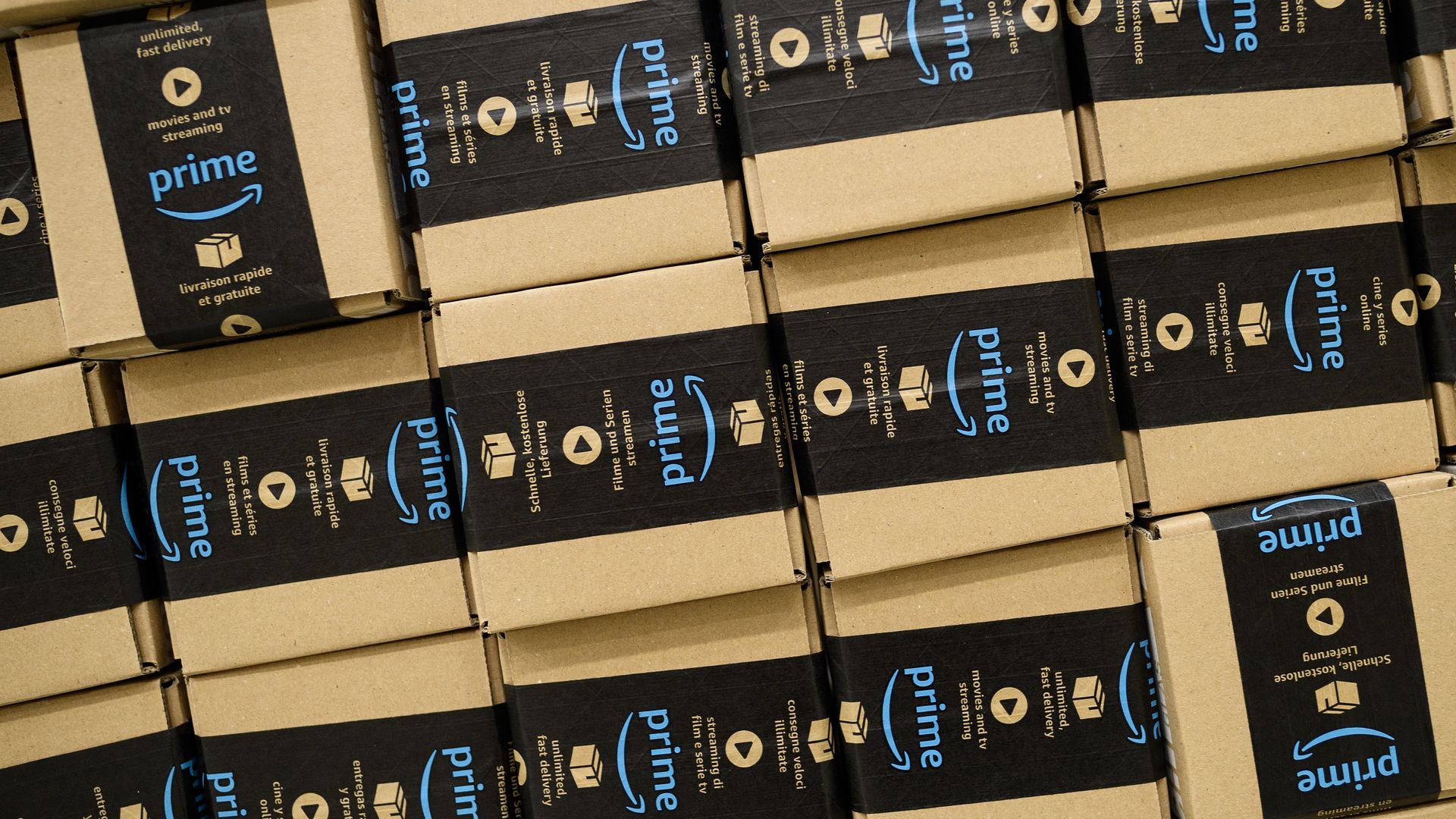
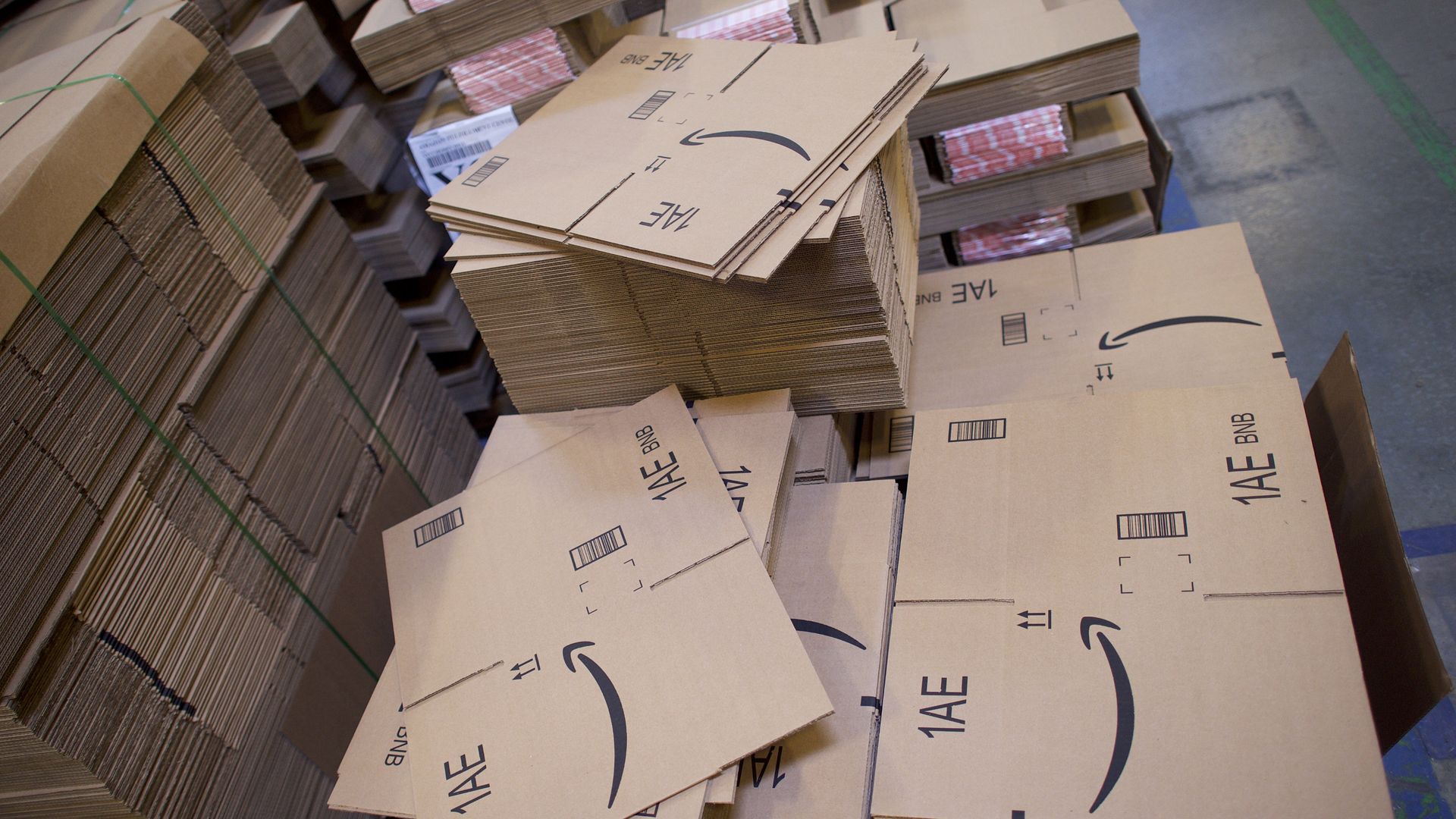
Amazon announced a 20% price increase in its annual Amazon Prime fee, from $99 to $119, beginning May 11 for new customers. Existing customers renewing will begin paying the higher fee in June, the company said on its quarterly earnings call.
Why it matters: Last week Amazon announced it had more than 100 million Prime members globally, so the price increase could bring in around $2 billion in additional annual revenue.
Amazon also raised the Prime fee for monthly customers from $10.99 to $12.99 in January.
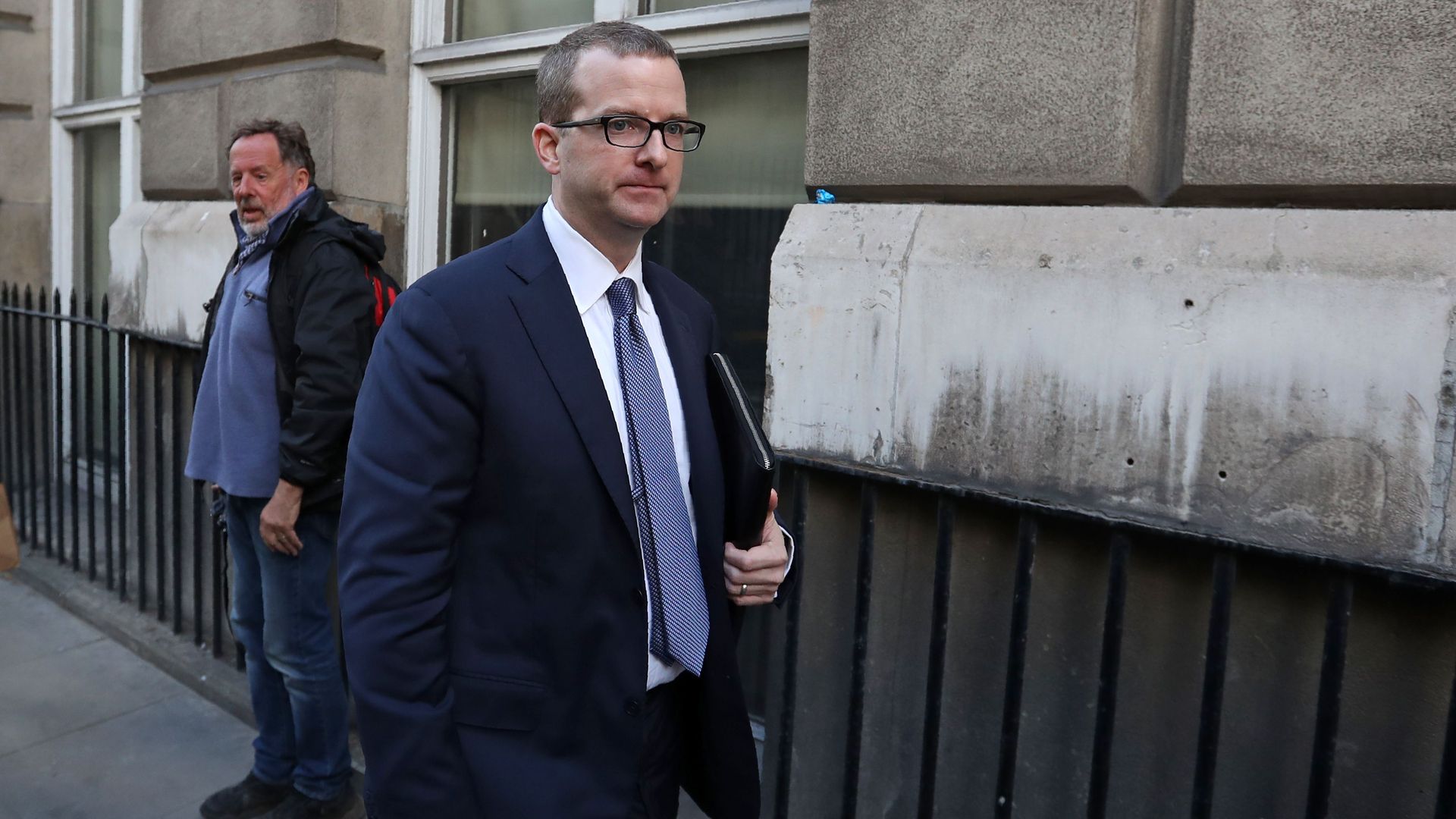
British lawmakers said Thursday they aren't satisfied with the answers they got from Facebook Chief Technology Officer Mike Schroepfer after speaking to him in Parliament — and want to talk to his boss Mark Zuckerberg.
The big picture: Zuckerberg put in more than 10 hours testifying before the United States Congress after the Cambridge Analytica data scandal. Now, the action has shifted to Europe, where the chief executive is reportedly close to agreeing to talk with lawmakers in the European Parliament.
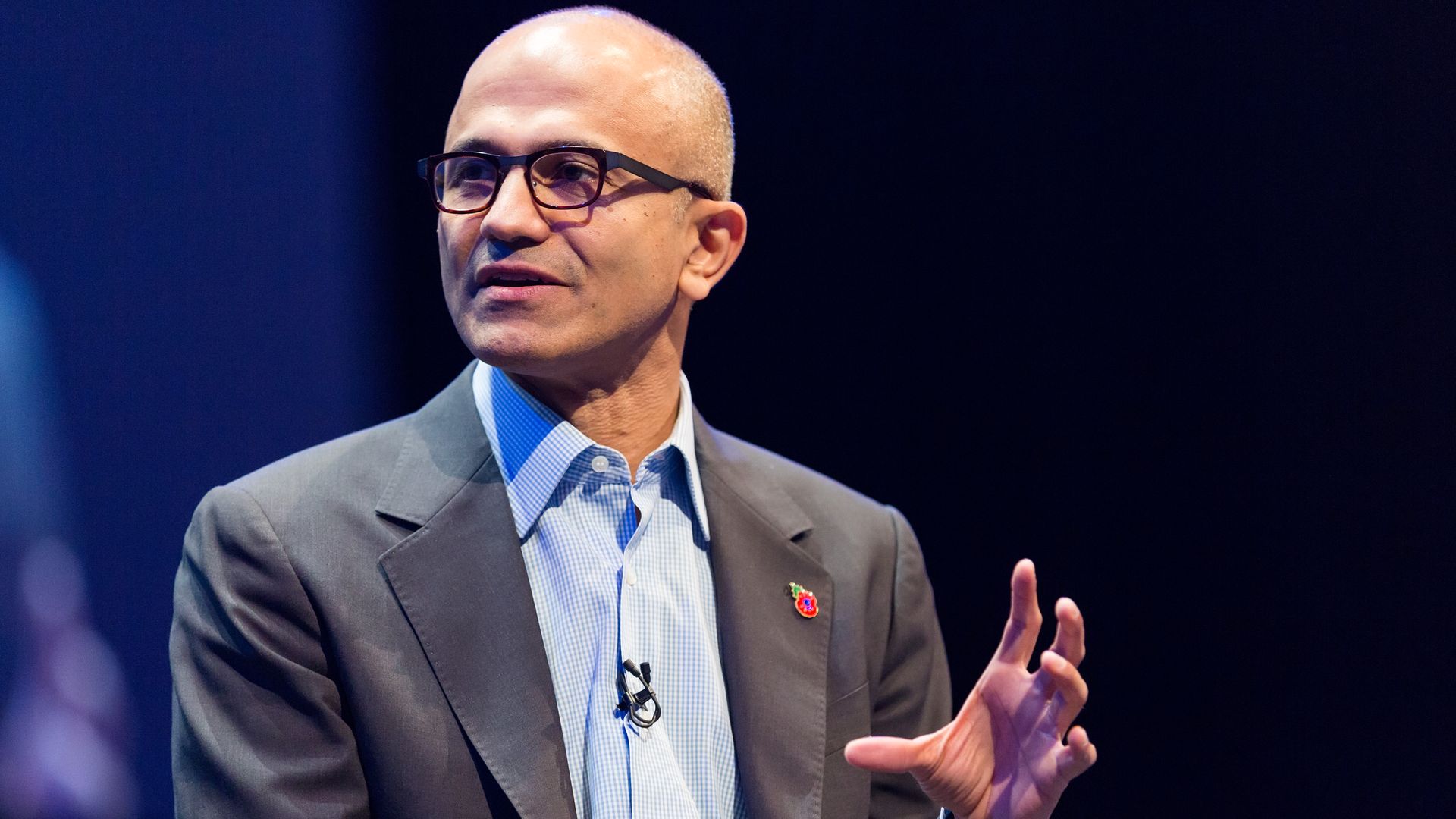
PC giants Intel and Microsoft turned in better-than-expected financial results on Thursday even as the companies that rely on smartphones warned of sluggish demand.
The bottom line: In both cases, it was their data center businesses, not PCs, fueling the growth. That said, it must come as some comfort to executives and long-term shareholders as both companies have taken lots of lumps for missing out on the mobile wave.
With sales up 43 percent and earnings per share nearly tripling analyst estimates, Amazon.com released quarterly results today that sent its stock soaring after hours.
In addition, the company announced a 20% price increase in its annual Amazon Prime fee, from $99 to $119, beginning May 11.
Why it matters: Amazon spent years plowing profits back into its business, telling investors it was strictly a long-term play. That long term may finally have arrived.
A group of women who have sued Uber, alleging that they were sexually assaulted by drivers, is asking Uber's board to release them from their arbitration agreements, according to a copy of a letter sent to Axios.
Why it matters: Companiesrely on arbitration clauses buried in terms of service to keep legal disputes out of court. The practice has come under fire recently, as critics charge companies use it to hide illegal activities and silence victims.
Pro-Trump online personalities Diamond and Silk repeatedly clashed with lawmakers at a Thursday hearing and claimed that they had not received money from the Trump campaign, despite campaign finance records that show otherwise.
The big picture: The hearing became a tug-of-war between Democrats concerned about Russian election interference and Republicans who wanted to debate ideologically driven censorship on Facebook.
A redesigned version of Snapchat's camera eyeglasses called "Spectacles" is now available in the U.S., Canada, U.K., and France, with additional countries in Europe to follow on May 3.
Why it matters: Snapchat has previously struggled with its older version of Spectacles, and the company took a $40 million write down for excess inventory last fall. At the time, CEO Evan Spiegel said they "made the wrong decision" with regard to their Spectacles product.
Earnings reports from Samsung and Qualcomm on Wednesday suggest a serious industrywide slowdown in smartphone sales. Samsung's report is especially telling, since it also makes displays and other components for Apple.
Why it matters: The smartphone business is an incredibly crowded space, so a slowdown could lead to even steeper price competition. That's a potential short-term boon for consumers, but could put the hurt on a whole host of technology companies.
Facebook, Google and Twitter hit record first quarter earnings this week, despite pressure from Washington and Brussels to rein in their power.
Why it matters: Advertisers and users have largely shrugged off the scandals surrounding user privacy, consumer safety and election meddling. Meanwhile, the companies still face hearings and investigations, but it's unclear if significant regulation will follow.
Facebook, despite years of outreach to conservatives, remains a punching bag for the right.
Why it matters: Facebook can't maintain its power as a network for everyone if one group of lawmakers — and users — keeps perceiving it as biased against them.
The EU and U.K. both announced major investments in artificial intelligence research this week, with more than 50 tech companies contributing to a £1 billion deal in the U.K., and the European Commission announcing it would be allocating €1.5 billion to AI research until 2020.
The big picture: The U.K.'s deal, as detailed in a government press release, will include funding for "8,000 specialist computer science teachers, 1,000 government-funded AI PhDs by 2025," and development for a "prestigious global Turing Fellowship" program to attract top talent. Per the release, the U.K. will also be developing "a world-leading Centre for Data Ethics and Innovation," to emphasize ethical standards with AI research. The EU's deal also includes laying out clear ethical guidelines by the end of 2018.