Amid criticism that it has failed to adequately respond to Russian propaganda and misinformation, the State Department says it's adding new staff and resources to the effort.
The latest: State's Global Engagement Center (G.E.C), designed to counter propaganda from U.S. adversaries, has now been exempted from a hiring freeze and plans to bring on experts on Russia, China and Iran, Acting Under Secretary for Public Diplomacy and Public Affairs Heather Nauert told Axios. The agency also "anticipates the arrival of $40 million ... to counter propaganda and disinformation," and will be reviewing "proposals from civil society groups to fight Russian disinformation," she said.
Facebook stock was up nearly 3% in after-hours trading Wednesday after the tech giant beat Wall Street expectations on first quarter earnings, revenue and user growth.
Why it matters: Chaos surrounding user privacy and election integrity, driven by the Cambridge Analaytica scandal, didn't scare advertisers or significantly impact their bottom line.
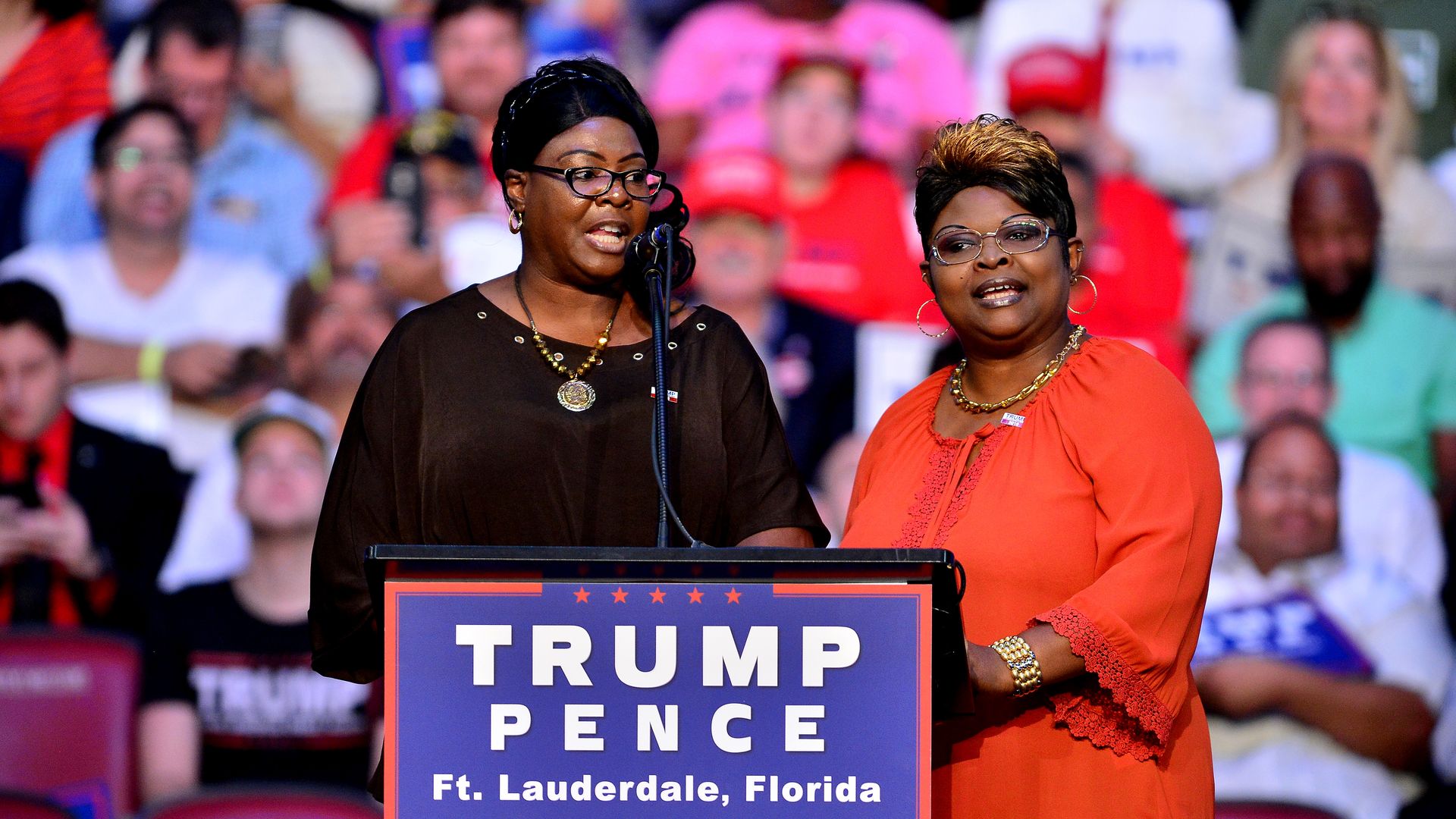
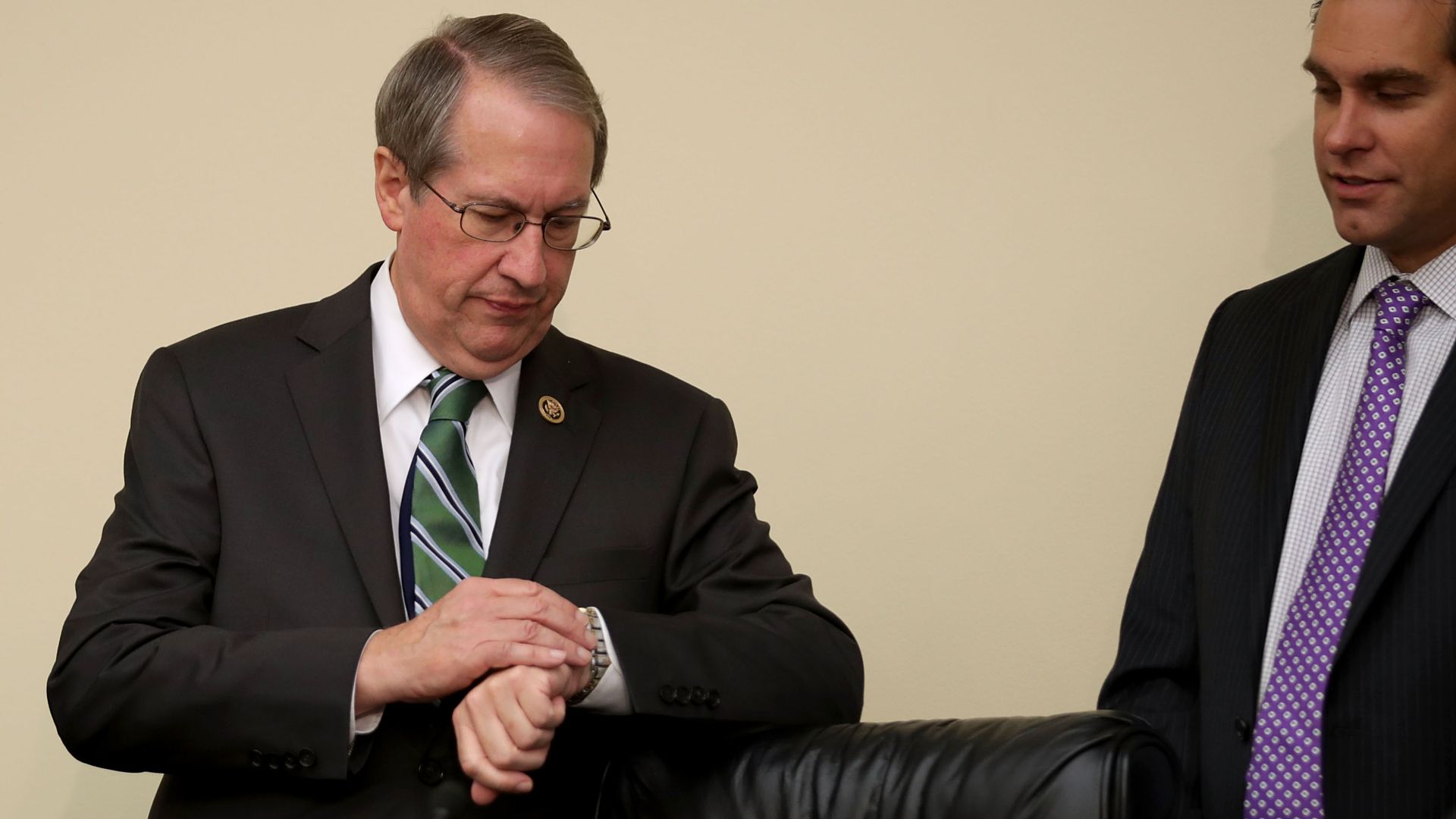
Facebook said Wednesday it won't attend a House Judiciary Committee hearing later this week featuring two conservative video personalities, Diamond and Silk, who have accused the social platform of limiting the reach of their videos.
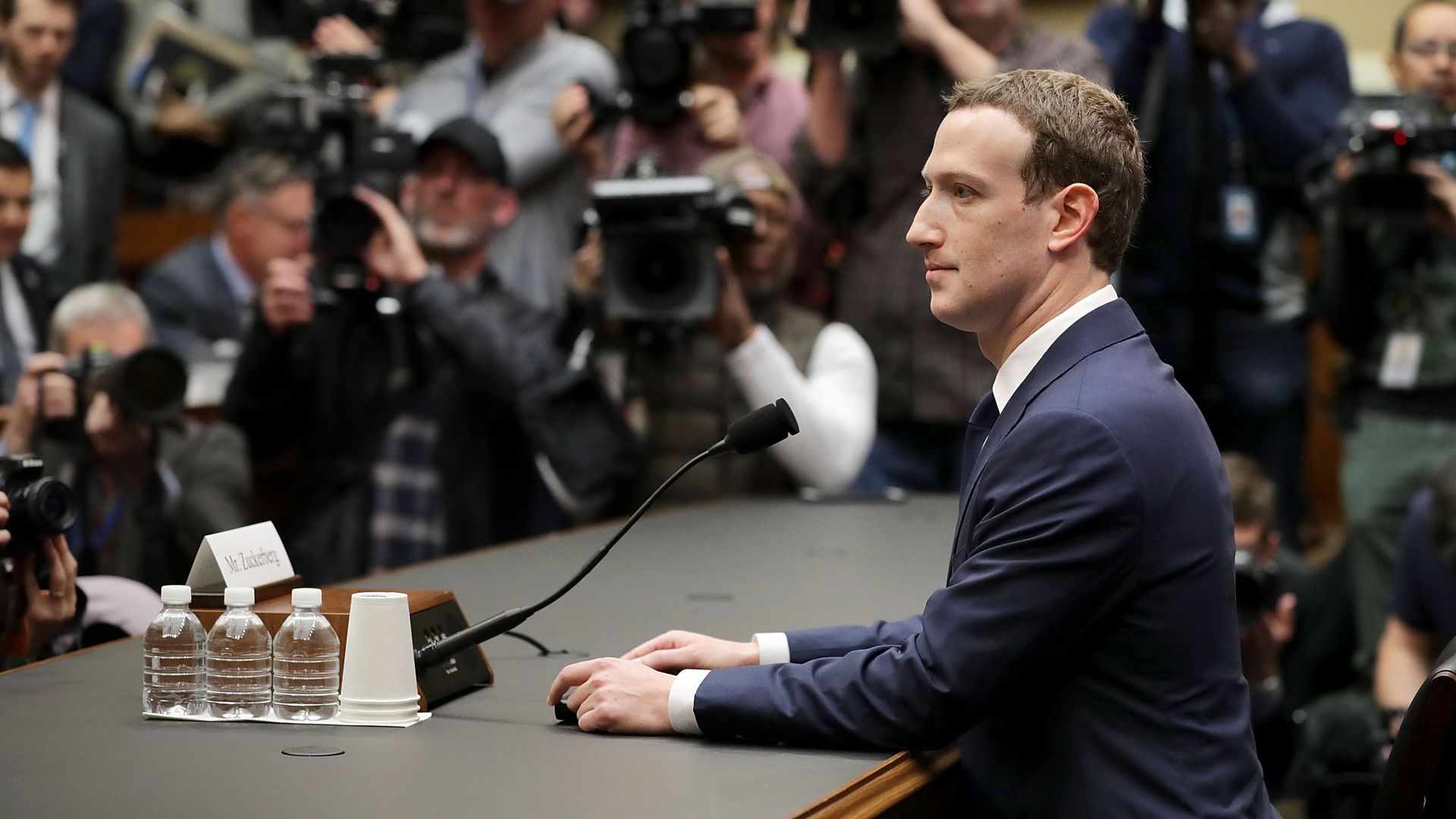
Why it matters: The company would have been exposing itself to some tough exchanges if it had appeared at the hearing, which will likely focus on how web platforms treat conservative views — though Facebook has denied charges of a company-wide bias against conservatives. Facebook CEO Mark Zuckerberg addressed the issue multiple times during his more than 10 hours of congressional testimony earlier this month.
Researchers at the security firm CheckMarx discovered a security flaw in Amazon's Alexa voice enabled digital personal assistant that could have been used to eavesdrop and transcribe any ambient conversation.
But, there are caveats: The flaw requires a user to not only install, but also run a malicious app on Alexa, and not notice Alexa's trademark blue light never turns off. Amazon has now released a patch, meaning it is not an issue for up-to-date Alexa systems.
Twitter shares spiked Wednesday in pre-market hours after beating Wall Street expectations on earnings and revenue.
Why it matters: Strong earnings helped the company achieve its second quarter as a profitable company since going public in 2013 with $61 million net income. Twitter credits strong advertising growth, especially in video, for revenue increases.
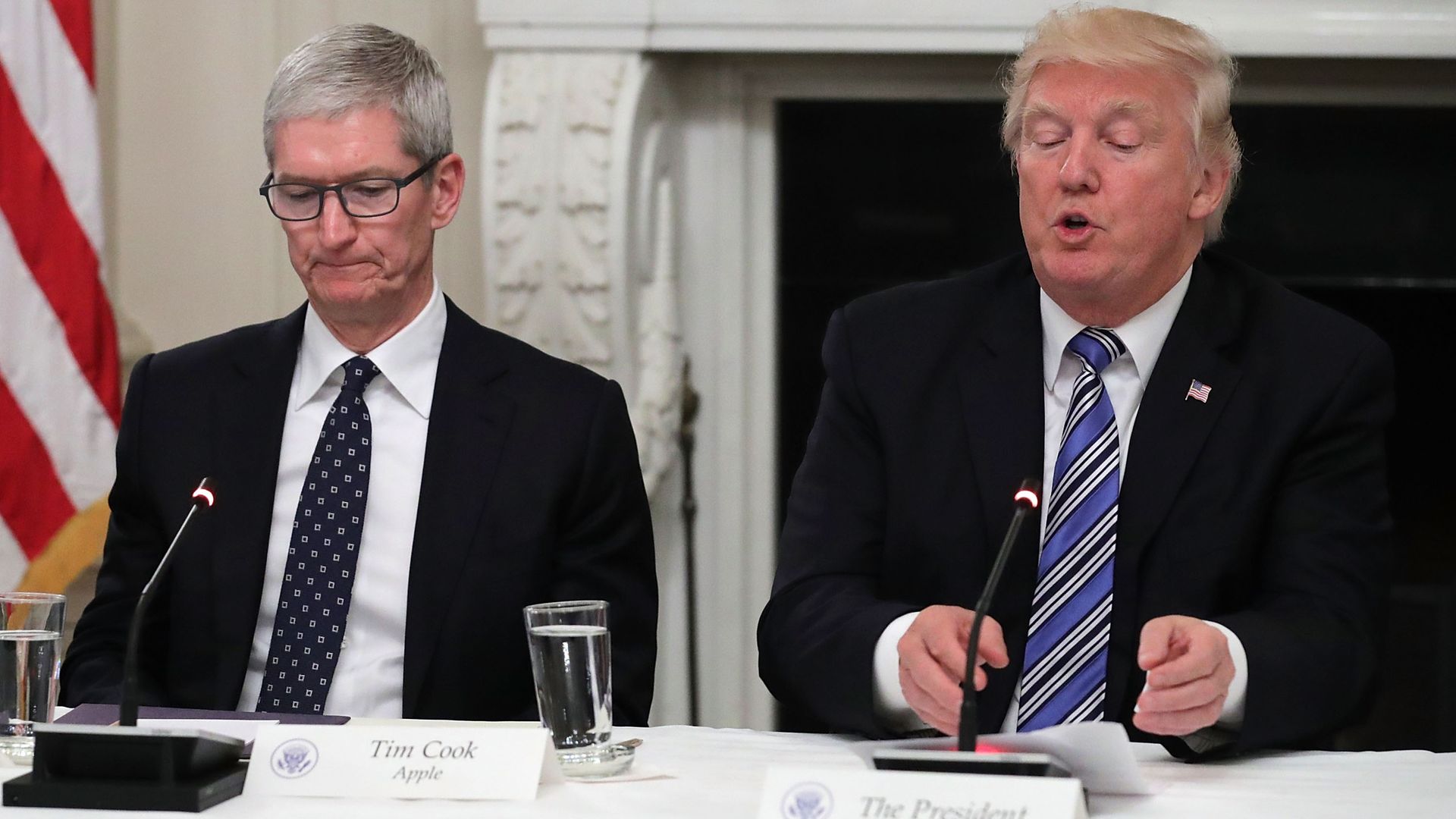
Apple CEO Tim Cook is set to meet later today with President Trump, and tariff concerns are on top of his list of concerns.
The bottom line: When Trump decided to pick a trade war with China, he sent shivers through Silicon Valley. Talking down Trump is high on the list of many tech leaders — not just Cook.
The "scooter wars” are raging in San Francisco (and other cities), but one scooter is emerging victorious: the Xiaomi Mi electric scooter, used by several of the startups.
Why it matters: For now, these scooter companies have found a reliable vehicle in the Xiaomi product — but as this war heats up, they may find that designing and manufacturing their own scooters will help differentiate them.
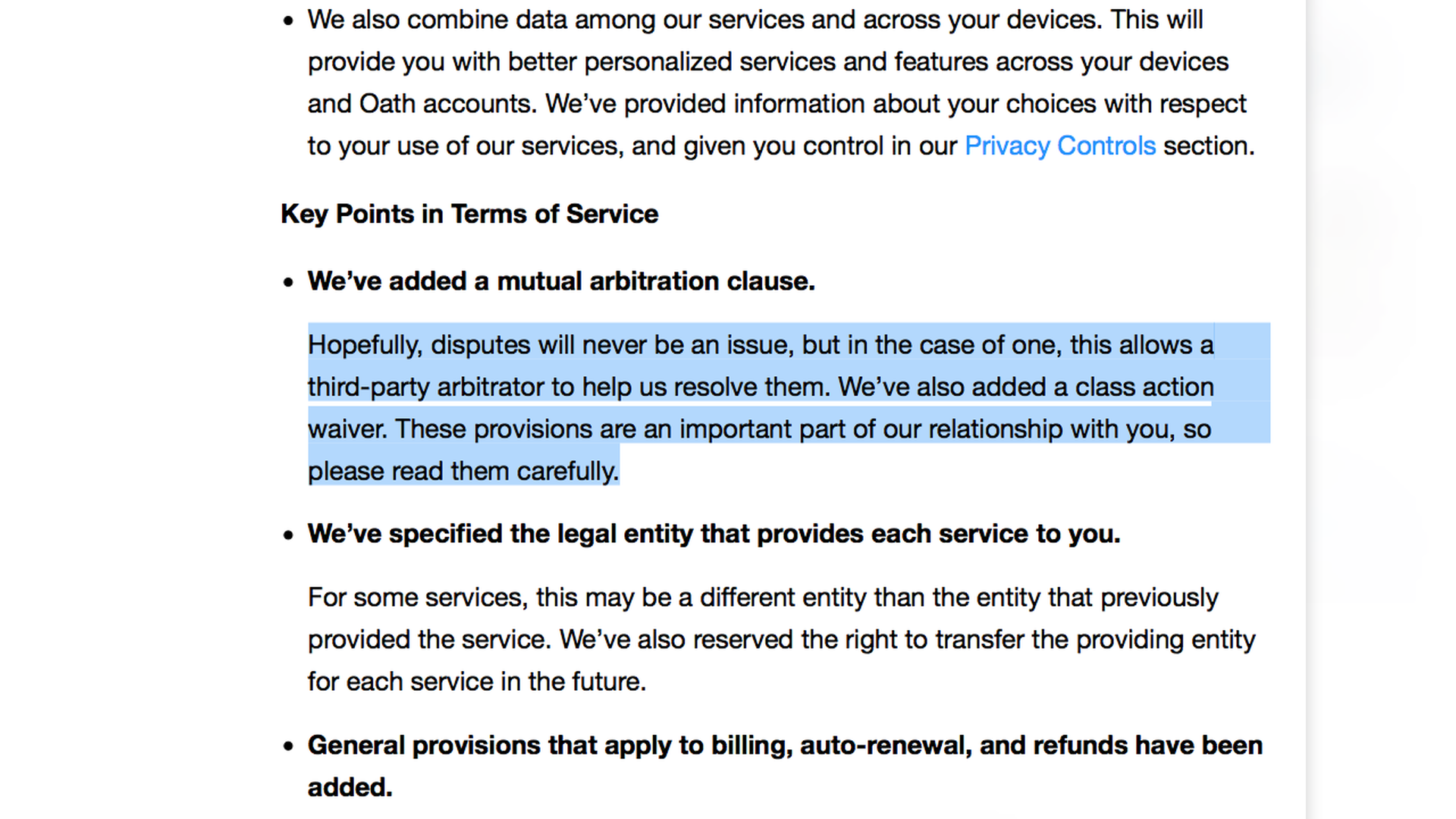
Verizon's Oath unit, which includes Yahoo, AOL and other media properties, is making a change that requires users to give up their right to be part of class action lawsuits. All disputes will have to be handled through arbitration, according to its revised terms of service.
Why it matters: Yahoo, as you'll remember, has had some data breach issues in the past. Litigating such matters as an individual consumer, even through arbitration, is impractical.
Facebook is shaking up its Washington office and replacing its top United States policy staffer with a former Republican Federal Communications Commission (FCC) chairman, it said Tuesday night.
Why it matters: It comes after the company was hit hard in Washington over online Russian election interference and the Cambridge Analytica data scandal. Along with the forthcoming privacy regulations in Europe, the scandal has created a privacy reckoning for the social giant.
A new data privacy bill proposed by two senators who have aggressively questioned Facebook's data practices mostly includes measures that the company has already embraced.
Why it matters: Even the lawmakers in the United States who are critical of Silicon Valley so far seem uninterested in cracking down too hard on the web companies or introducing the kind of sweeping privacy regulation set to go into effect soon in Europe.
Christopher Wylie, the source who revealed more about Cambridge Analytica's harvesting of Facebook data to the news media, says he hopes Democratic lawmakers he met with Tuesday will investigate the company, per Politico.
What's next: Wylie talked Tuesday with Democrats on the House's Judiciary and Oversight committees. He'll meet with House Intelligence Committee Democrats on Wednesday.
Go deeper: Democrats are talking with Wylie but Republicans aren't, underscoring the partisan divide when it comes to revisiting the 2016 presidential campaign. AP has more.
When the House Judiciary Committee holds a hearing Thursday on whether online platforms censor conservative voices, one advocacy group that had been expected to give in person testimony won't be at the witness table.
Why it matters: The Electronic Frontier Foundation cited concerns the discussion wouldn't be substantive. Its absence could make the hearing, featuring conservative video stars Diamond and Silk and Rep. Marsha Blackburn, even more political.
The Securities and Exchange Commission fined Altaba, the holding company of the of the remaining bits and pieces of Yahoo, $35 million on Tuesday for failing to disclose its historic data breach to shareholders.
The big picture: Hackers stole hundreds of millions of usernames, email addresses, phone numbers, birthdates, encrypted passwords and security questions and answers from Yahoo in 2014. Yahoo did not disclose the breach until it began closing its sale to Verizon in 2016.
What they're saying: “We do not second-guess good faith exercises of judgment about cyber-incident disclosure," said Steven Peikin, co-director of the SEC Enforcement Division. said in a written statement. "But we have also cautioned that a company’s response to such an event could be so lacking that an enforcement action would be warranted. This is clearly such a case.”
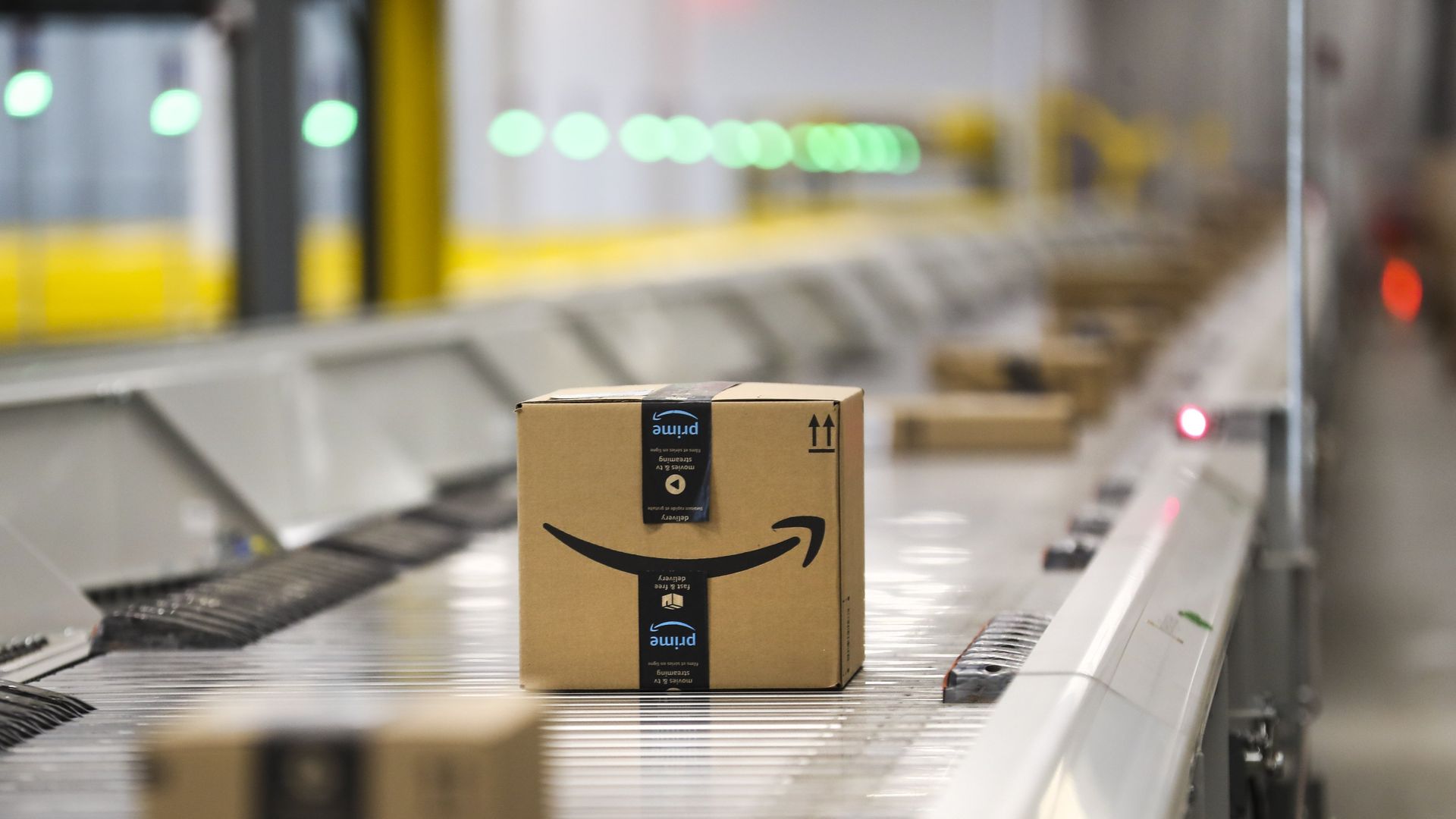
Amazon announced Thursday it is launching a new service that will deliver packages to trunks of GM and Volvo cars in 37 cities by leveraging connected technologies installed in many cars today, The Verge reports.
Uber released its second annual workforce diversity report, and there's barely any change from last year — meaning, it's still mostly white and male, with some improvement within its technical ranks.
Why it matters: Uber has been heavily criticized for its difficult environment for women and other underrepresented minorities. But, at least when it comes to the raw numbers, it's largely on par with the rest of the industry.
LinkedIn CEO Jeff Weiner tells Axios that "arguably the most important" way LinkedIn stays ahead of fake news and platform abuse is "manual curation and the role of editors."
A member of the Justice Department's criminal division and a special agent with the FBI attended Rubicon Project's digital advertising conference, Executive Exchange, last Thursday to speak about the future of ad fraud and crime.
The big picture: While this was the first industry conference that they've attended, sources say it likely won't be the last.
Trust in tech firms (or lack of it) is a big topic of conversation these days. IBM’s Bridget van Kralingen thinks blockchain technology could be a way to rebuild that trust.
What they're saying: Blockchain is best known for making cryptocurrencies like bitcoin possible, but IBM is experimenting with other uses for the distributed ledger technology. It has more than 400 initiatives underway — including tracking food, managing personal data, and determining the origin of prescription drugs.
Beginning May 25, "Brussels wants its new General Data Protection Regulation, or GDPR, to stop tech giants and their partners from pressuring consumers to relinquish control of their data in exchange for services," reports the Wall Street Journal.
Yes, but: "[S]ome of the restrictions are having an unintended consequence: reinforcing the duopoly of Facebook Inc. and Alphabet Inc.’s Google."
Facebook has published the internal guidelines it uses to make tough decisions on sensitive topics on its platform, including hate speech, child safety and terrorism.
Why it matters: It's Facebook's way of telling censorship critics that the tech giant is methodological and consistent about how it polices content on its platform.
LinkedIn CEO Jeff Weiner, visiting Washington as part of Silicon Valley's new attentiveness to D.C., told Axios that tech companies still need to do more to deal with the unintended consequences of the power of their platforms.
His big picture: "And when you amass the kind of scale and influence that current technology companies are capable of, those audiences that they're capable of reaching, it carries enormous responsibility."
Axios’ Mike Allen and Sara Fischer sat down with LinkedIn CEO Jeff Weiner to discuss the mistakes made on the internet over the past several years, and what that means moving forward.