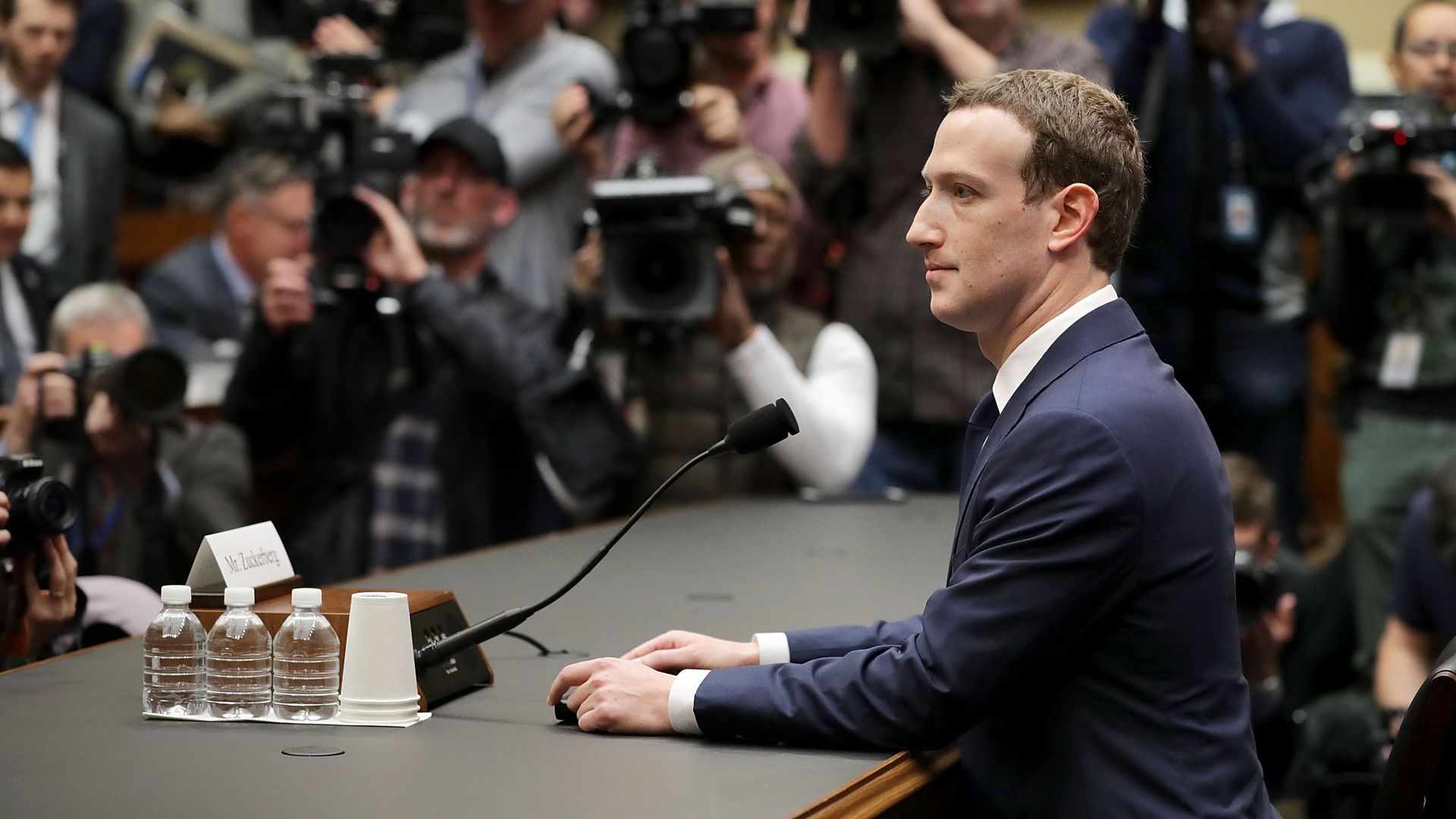
Facebook is shaking up its Washington office and replacing its top United States policy staffer with a former Republican Federal Communications Commission (FCC) chairman, it said Tuesday night.
Why it matters: It comes after the company was hit hard in Washington over online Russian election interference and the Cambridge Analytica data scandal. Along with the forthcoming privacy regulations in Europe, the scandal has created a privacy reckoning for the social giant.
A new data privacy bill proposed by two senators who have aggressively questioned Facebook's data practices mostly includes measures that the company has already embraced.
Why it matters: Even the lawmakers in the United States who are critical of Silicon Valley so far seem uninterested in cracking down too hard on the web companies or introducing the kind of sweeping privacy regulation set to go into effect soon in Europe.
Christopher Wylie, the source who revealed more about Cambridge Analytica's harvesting of Facebook data to the news media, says he hopes Democratic lawmakers he met with Tuesday will investigate the company, per Politico.
What's next: Wylie talked Tuesday with Democrats on the House's Judiciary and Oversight committees. He'll meet with House Intelligence Committee Democrats on Wednesday.
Go deeper: Democrats are talking with Wylie but Republicans aren't, underscoring the partisan divide when it comes to revisiting the 2016 presidential campaign. AP has more.
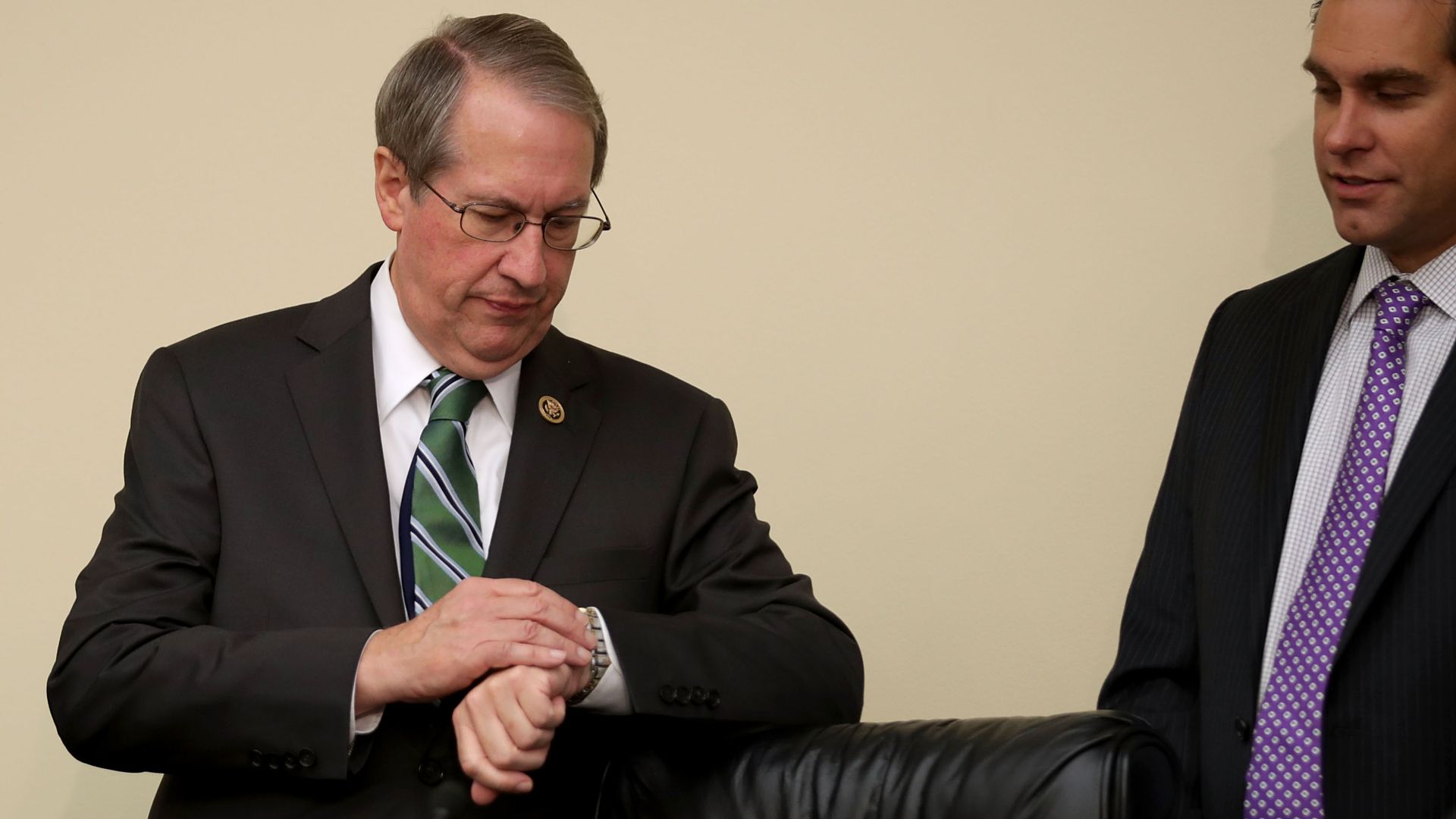
When the House Judiciary Committee holds a hearing Thursday on whether online platforms censor conservative voices, one advocacy group that had been expected to give in person testimony won't be at the witness table.
Why it matters: The Electronic Frontier Foundation cited concerns the discussion wouldn't be substantive. Its absence could make the hearing, featuring conservative video stars Diamond and Silk and Rep. Marsha Blackburn, even more political.
The Securities and Exchange Commission fined Altaba, the holding company of the of the remaining bits and pieces of Yahoo, $35 million on Tuesday for failing to disclose its historic data breach to shareholders.
The big picture: Hackers stole hundreds of millions of usernames, email addresses, phone numbers, birthdates, encrypted passwords and security questions and answers from Yahoo in 2014. Yahoo did not disclose the breach until it began closing its sale to Verizon in 2016.
What they're saying: “We do not second-guess good faith exercises of judgment about cyber-incident disclosure," said Steven Peikin, co-director of the SEC Enforcement Division. said in a written statement. "But we have also cautioned that a company’s response to such an event could be so lacking that an enforcement action would be warranted. This is clearly such a case.”
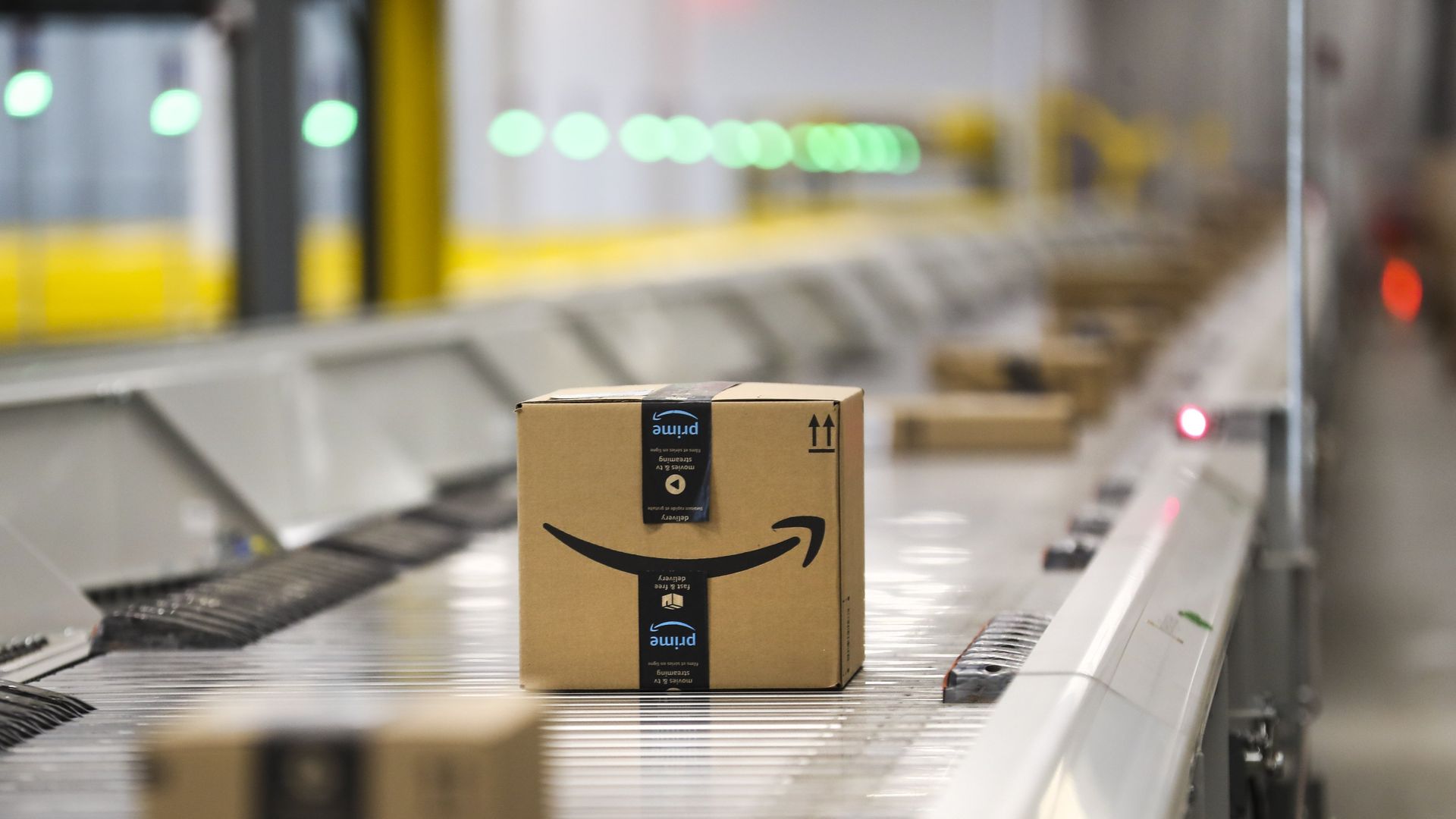
Amazon announced Thursday it is launching a new service that will deliver packages to trunks of GM and Volvo cars in 37 cities by leveraging connected technologies installed in many cars today, The Verge reports.
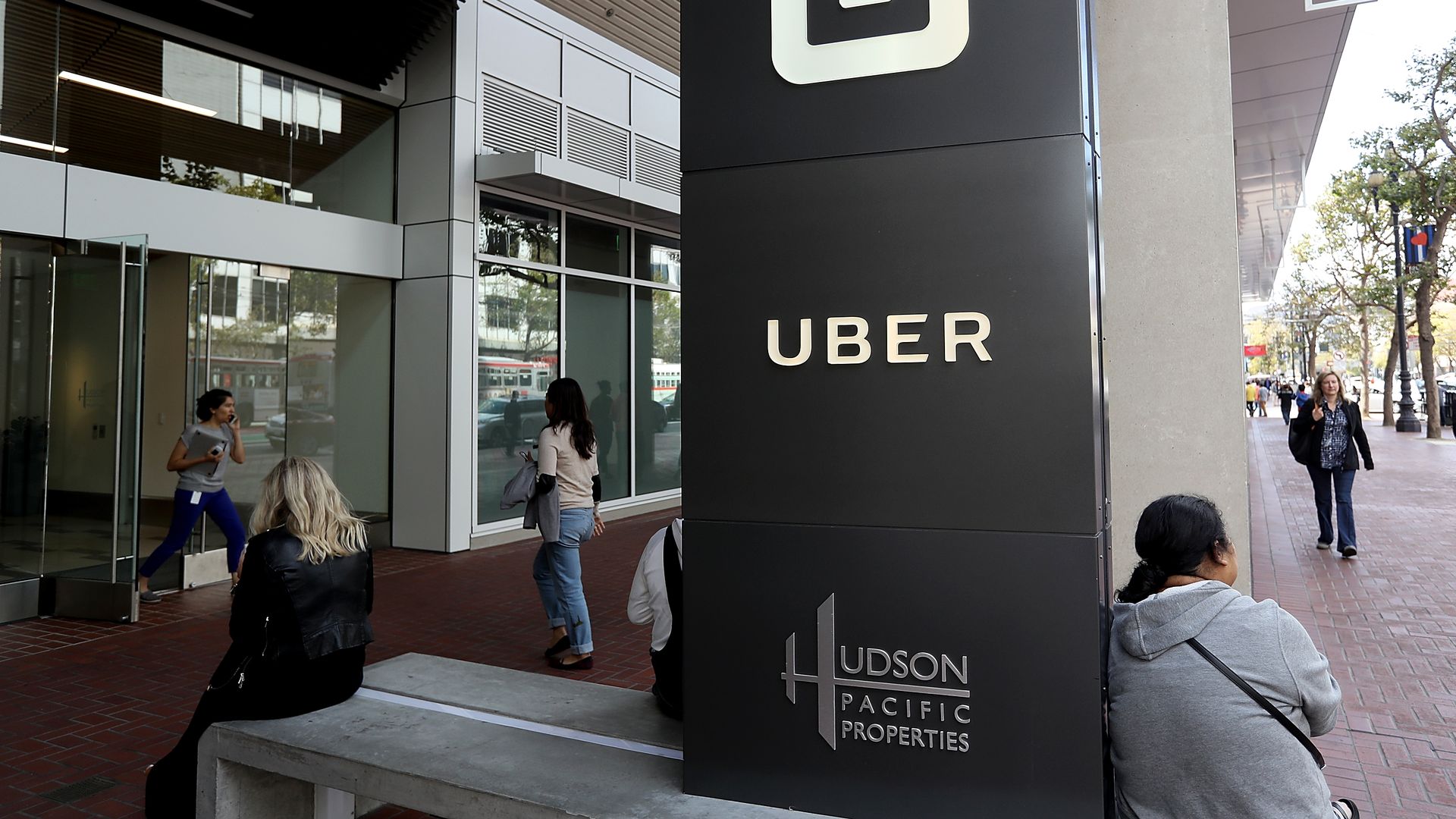
Uber released its second annual workforce diversity report, and there's barely any change from last year — meaning, it's still mostly white and male, with some improvement within its technical ranks.
Why it matters: Uber has been heavily criticized for its difficult environment for women and other underrepresented minorities. But, at least when it comes to the raw numbers, it's largely on par with the rest of the industry.
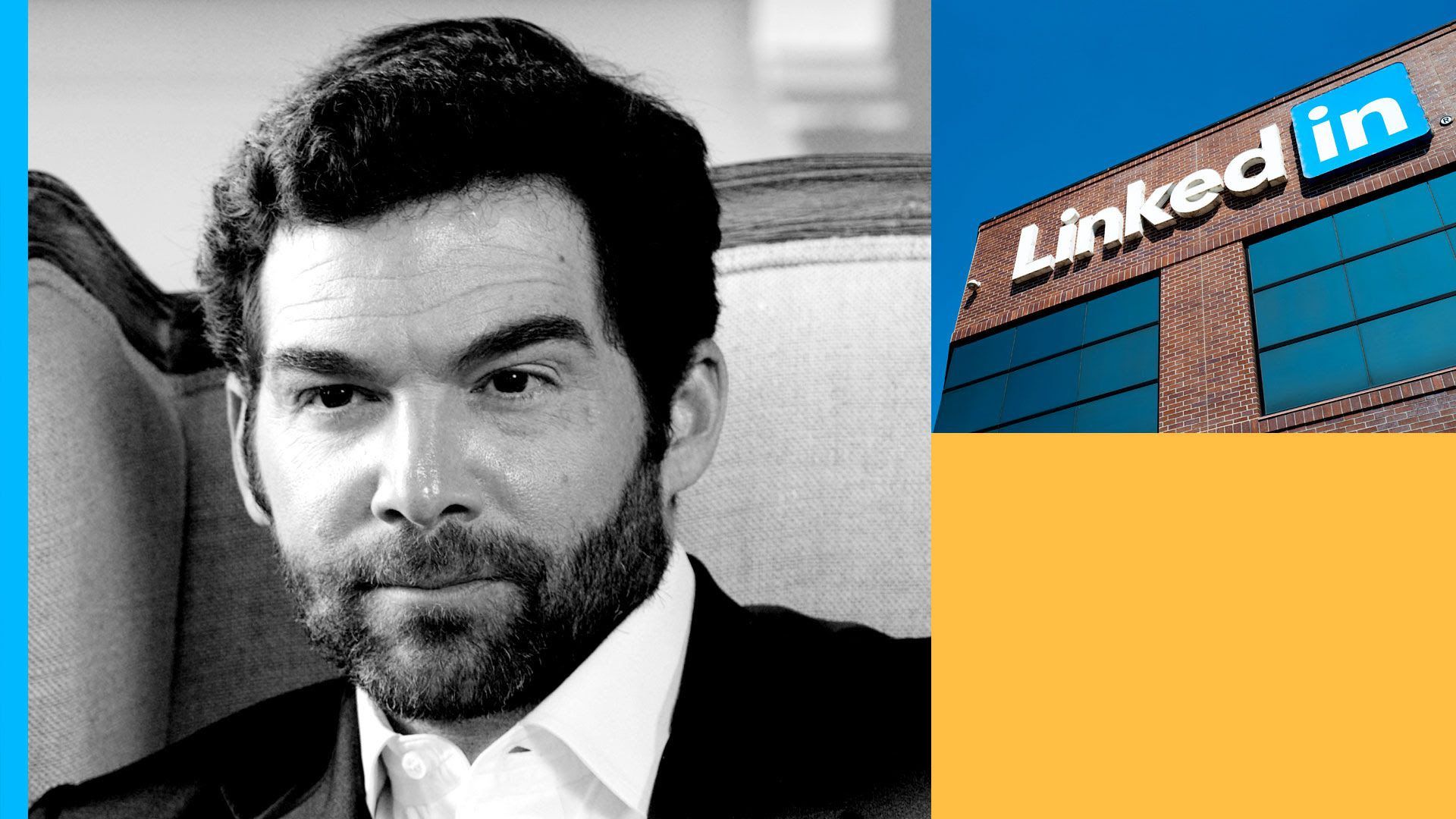
LinkedIn CEO Jeff Weiner tells Axios that "arguably the most important" way LinkedIn stays ahead of fake news and platform abuse is "manual curation and the role of editors."
A member of the Justice Department's criminal division and a special agent with the FBI attended Rubicon Project's digital advertising conference, Executive Exchange, last Thursday to speak about the future of ad fraud and crime.
The big picture: While this was the first industry conference that they've attended, sources say it likely won't be the last.
Trust in tech firms (or lack of it) is a big topic of conversation these days. IBM’s Bridget van Kralingen thinks blockchain technology could be a way to rebuild that trust.
What they're saying: Blockchain is best known for making cryptocurrencies like bitcoin possible, but IBM is experimenting with other uses for the distributed ledger technology. It has more than 400 initiatives underway — including tracking food, managing personal data, and determining the origin of prescription drugs.
Beginning May 25, "Brussels wants its new General Data Protection Regulation, or GDPR, to stop tech giants and their partners from pressuring consumers to relinquish control of their data in exchange for services," reports the Wall Street Journal.
Yes, but: "[S]ome of the restrictions are having an unintended consequence: reinforcing the duopoly of Facebook Inc. and Alphabet Inc.’s Google."
Facebook has published the internal guidelines it uses to make tough decisions on sensitive topics on its platform, including hate speech, child safety and terrorism.
Why it matters: It's Facebook's way of telling censorship critics that the tech giant is methodological and consistent about how it polices content on its platform.
LinkedIn CEO Jeff Weiner, visiting Washington as part of Silicon Valley's new attentiveness to D.C., told Axios that tech companies still need to do more to deal with the unintended consequences of the power of their platforms.
His big picture: "And when you amass the kind of scale and influence that current technology companies are capable of, those audiences that they're capable of reaching, it carries enormous responsibility."
Axios’ Mike Allen and Sara Fischer sat down with LinkedIn CEO Jeff Weiner to discuss the mistakes made on the internet over the past several years, and what that means moving forward.