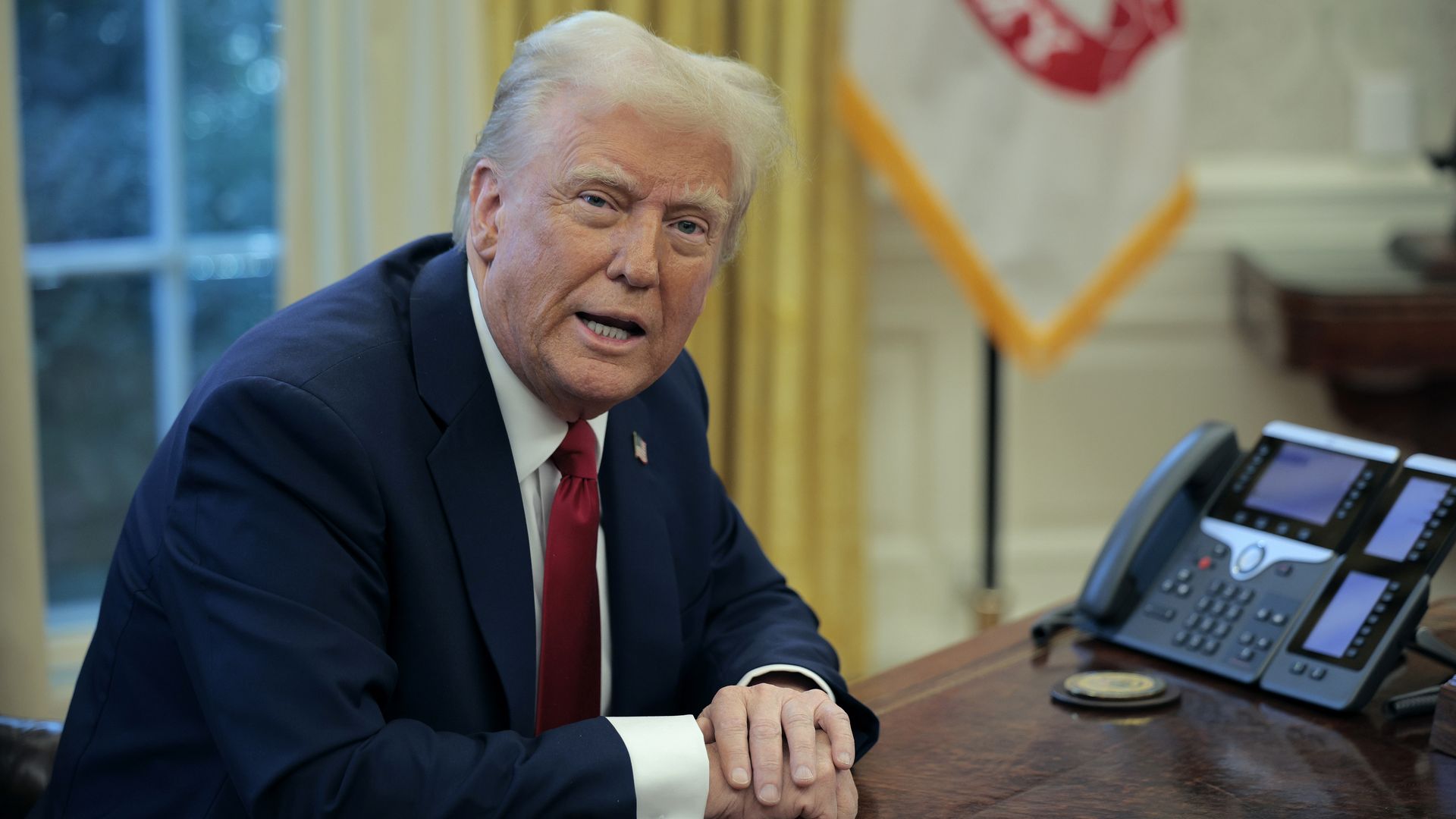
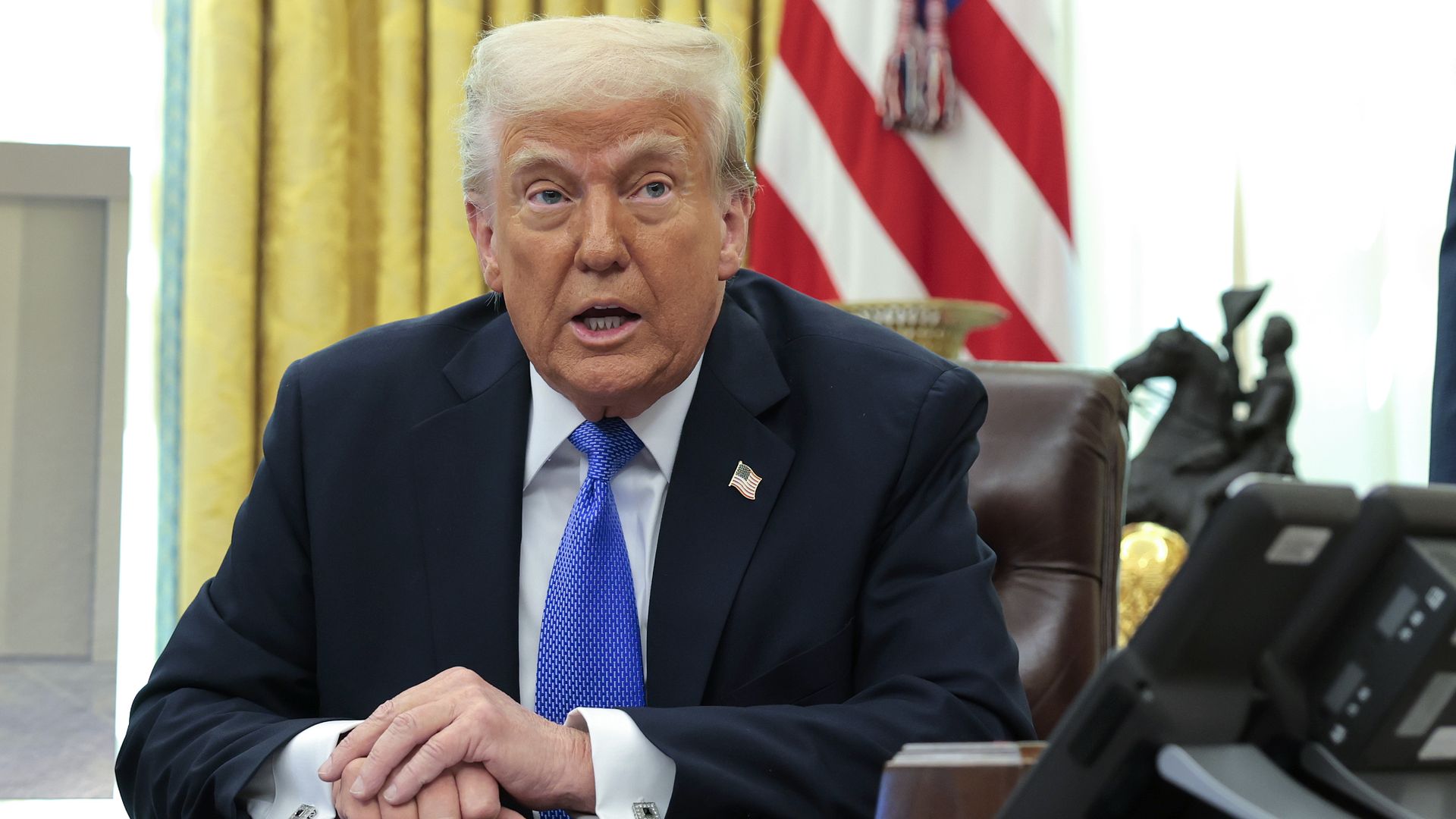
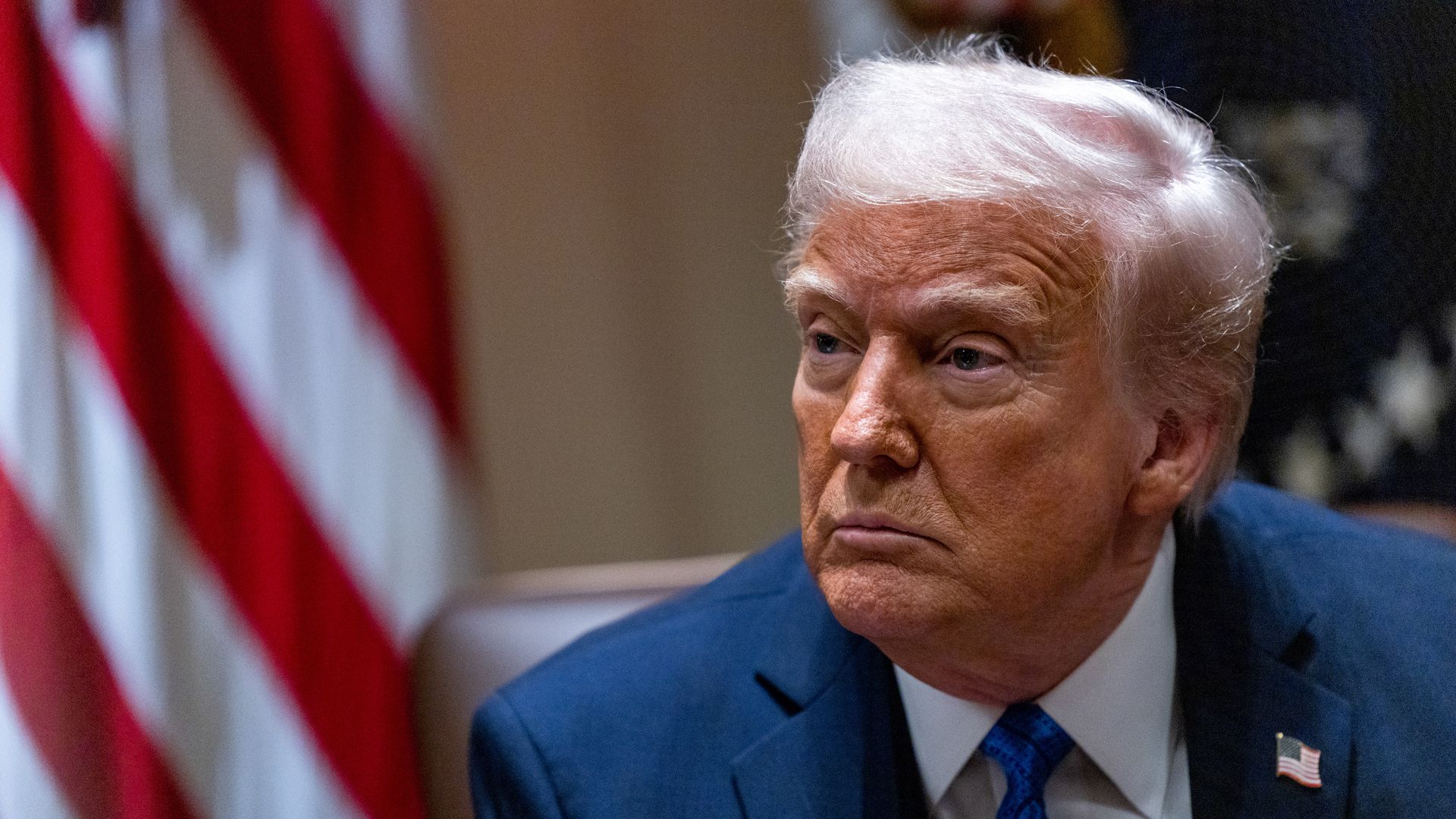
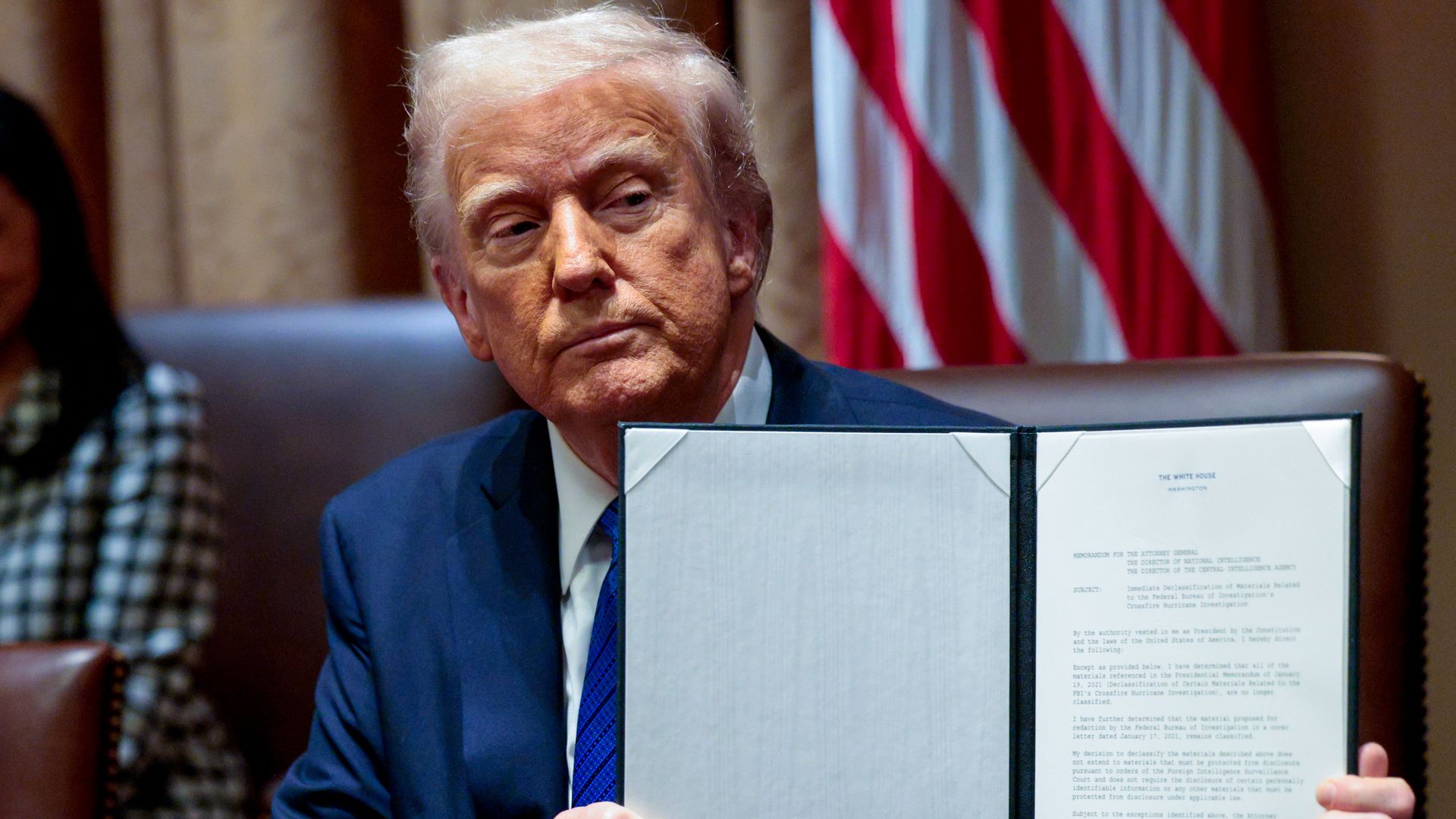
President Trump on Wednesday announced 25% tariffs on autos and auto parts that are not produced in the U.S., effective April 2.
Why it matters: The auto industry has always loomed as one of the biggest potential casualties of the administration's trade policies, and these levies threaten to put new pressure on consumers as prices inevitably rise.
The Social Security Administration on Wednesday said it would postpone controversial changes to phone service and partially relax new rules on identity verification.
Why it matters: Advocates and current and former officials have said the changes could break an already strained system and leave the most vulnerable populations without their benefits.
A federal appeals court on Wednesday maintained the temporary block on the Trump administration's use of an 18th-century wartime law to swiftly deport alleged Venezuelan gang members.
The big picture: A divided D.C. Circuit Court of Appeals ruled that lower-court orders halting the use of the Alien Enemies Act stand as a high-stakes legal battle testing President Trump's power plays out.
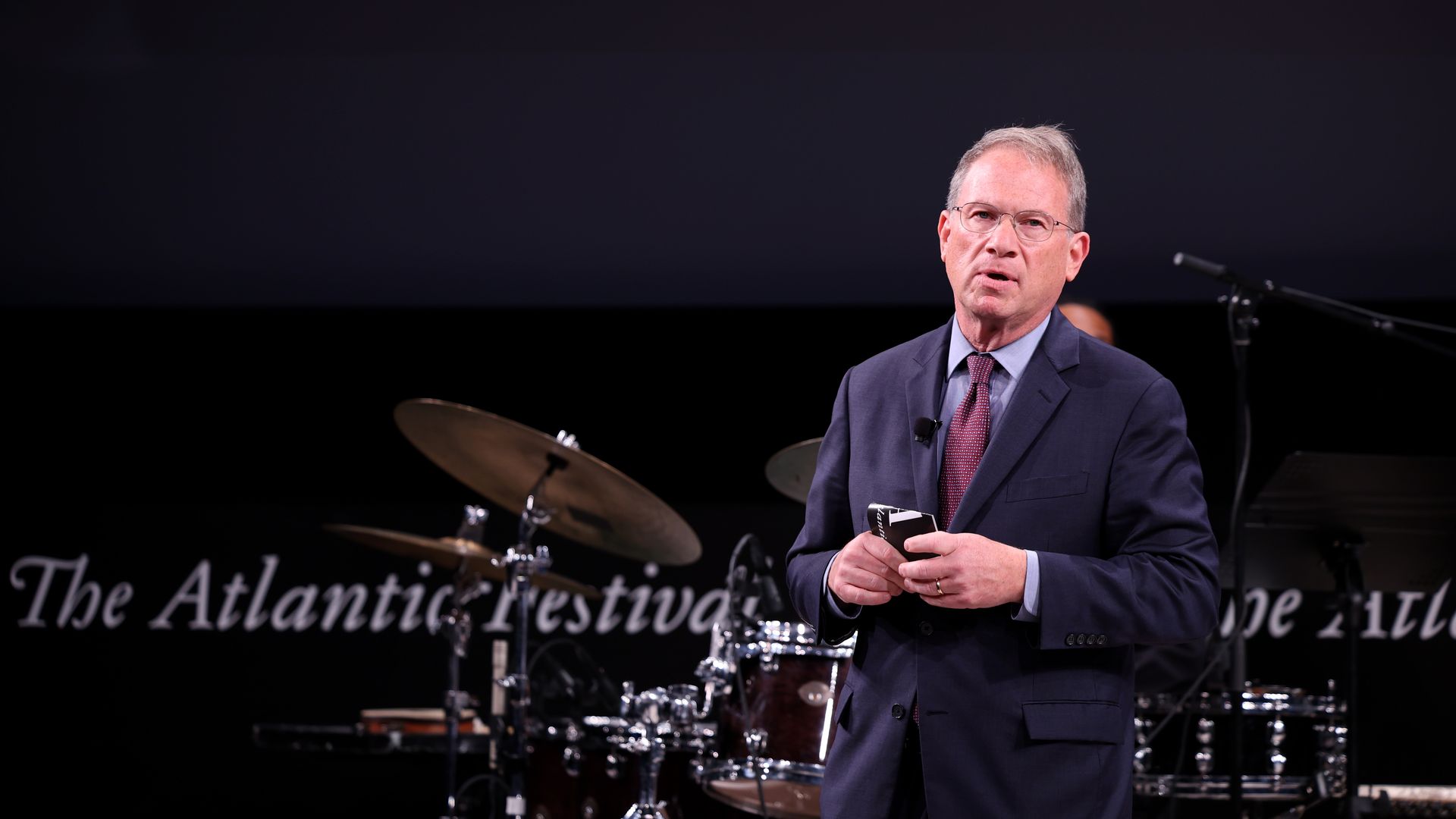
An inadvertent invitation to a group chat thrust The Atlantic's editor-in-chief Jeffrey Goldberg into the center of an explosive national security breach that's put the White House on the defensive.
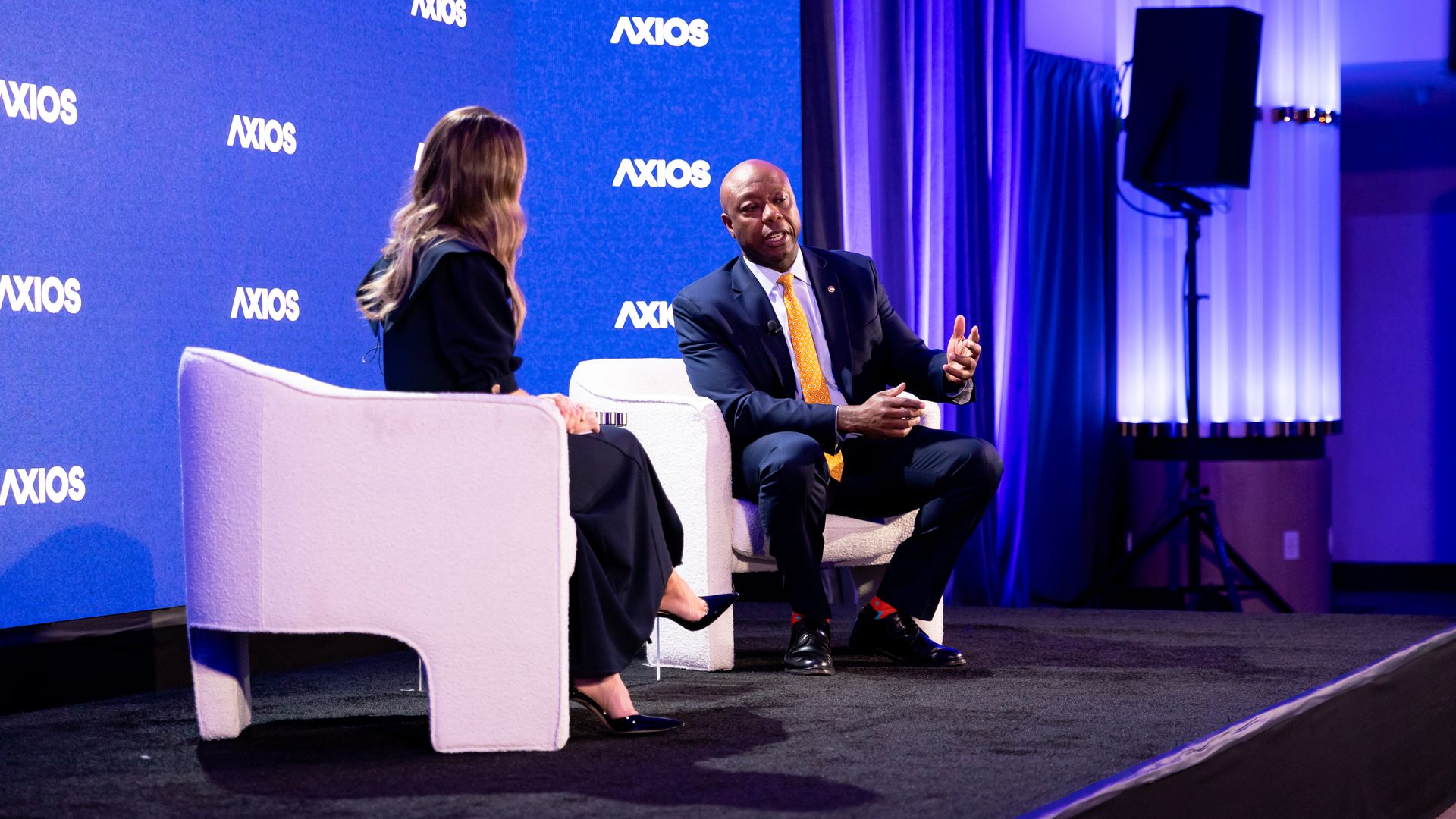
New NRSC Chair Sen. Tim Scott (R-S.C.) is talking with President Trump on how to defend GOP incumbents and avoid nasty GOP primaries, he said during an interview for Axios' What's Next Summit.
Why it matters: The senator says there's no doubt the NRSC will support incumbents, even if they draw a mega-MAGA challenger. But it's virtually impossible to win a primary if Trump turns on them, he acknowledged.
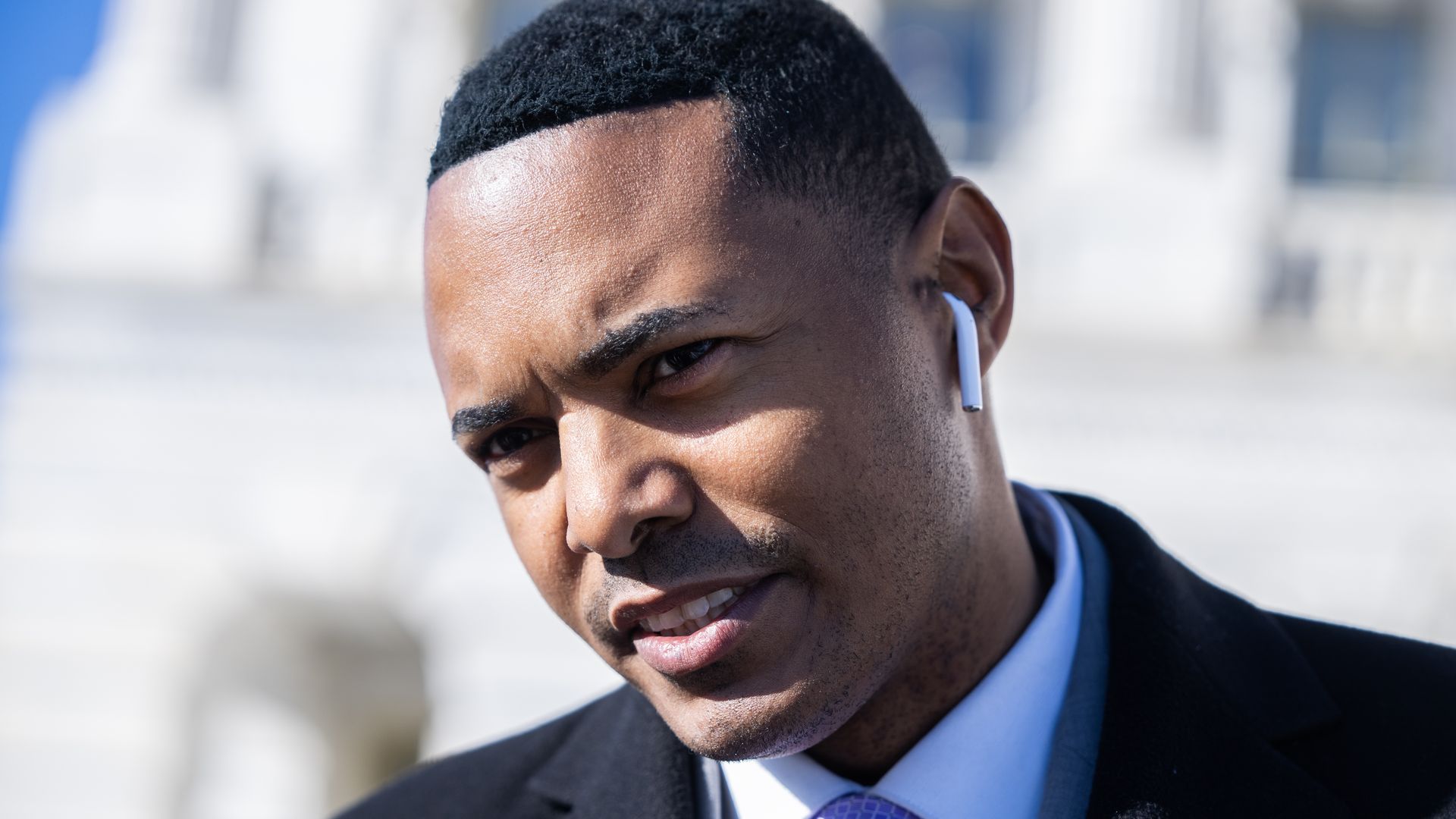
A House Democrat's long-shot bill to criminalize the sharing of classified information through unsecured messaging systems like Signal will be called the "HOUTHI PC SMALL GROUP Act," Axios has learned.
Why it matters: It's a sign of just how eager Democrats are to seize on the Trump national security team's blunder in accidentally adding a journalist to a Signal chat in which high-level military operations were discussed.
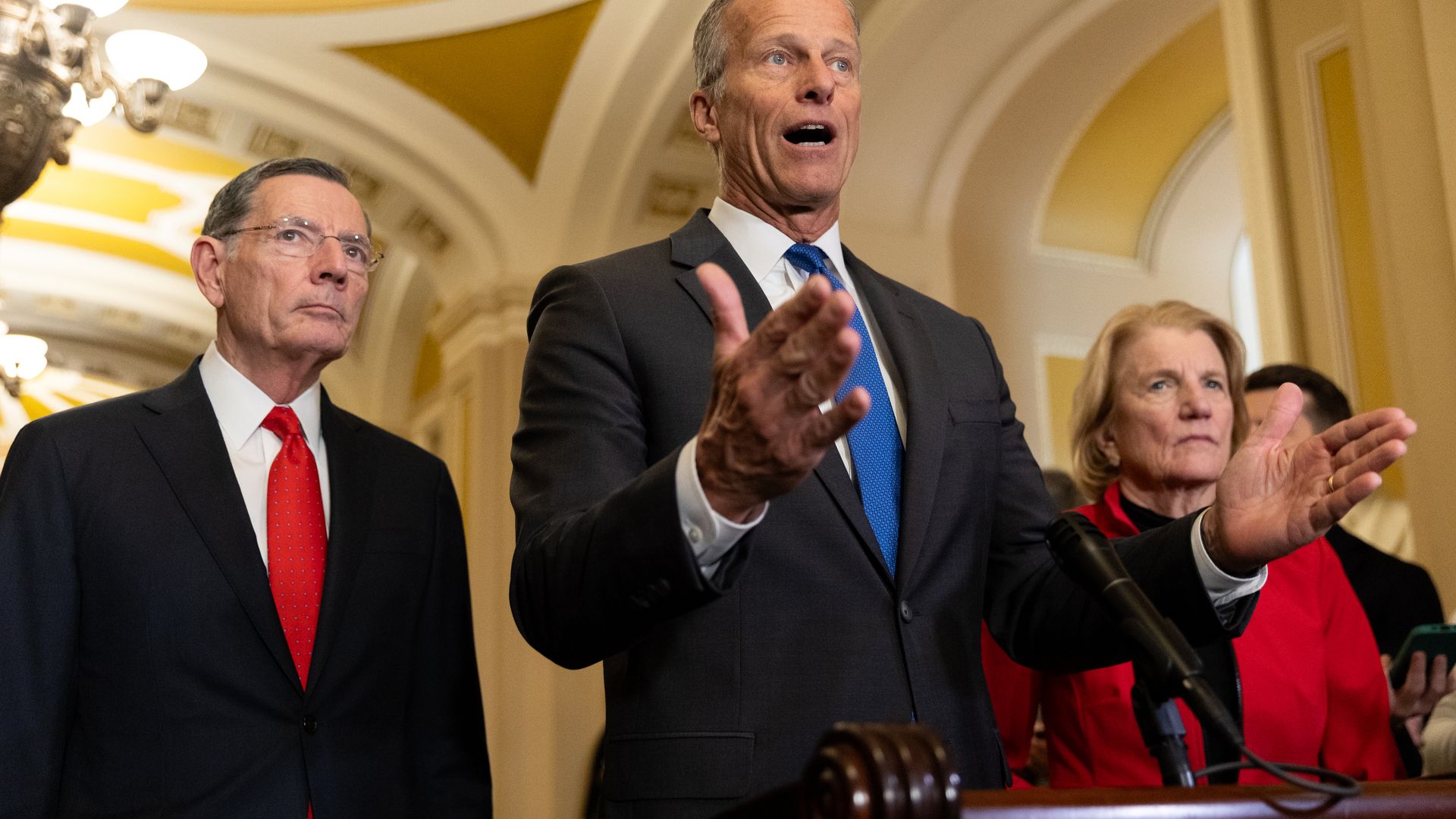
Senate Majority Leader John Thune (R-S.D.) signaled to senators in a closed-door lunch on Wednesday that he may move even faster to pass a sweeping budget resolution next week, two sources told Axios.
Why it matters: President Trump wanted the debt ceiling raised back in December, and wants more border money now. The House wants to get its part done by Easter recess, and it may be in Thune's interest to jam senators who are already balking at raising the debt ceiling.
Why it matters: The complaint filed Wednesday before the Merit System Protection Board directly challenges President Trump's anti-DEI purge across the federal government and could be the first step in a class action lawsuit.
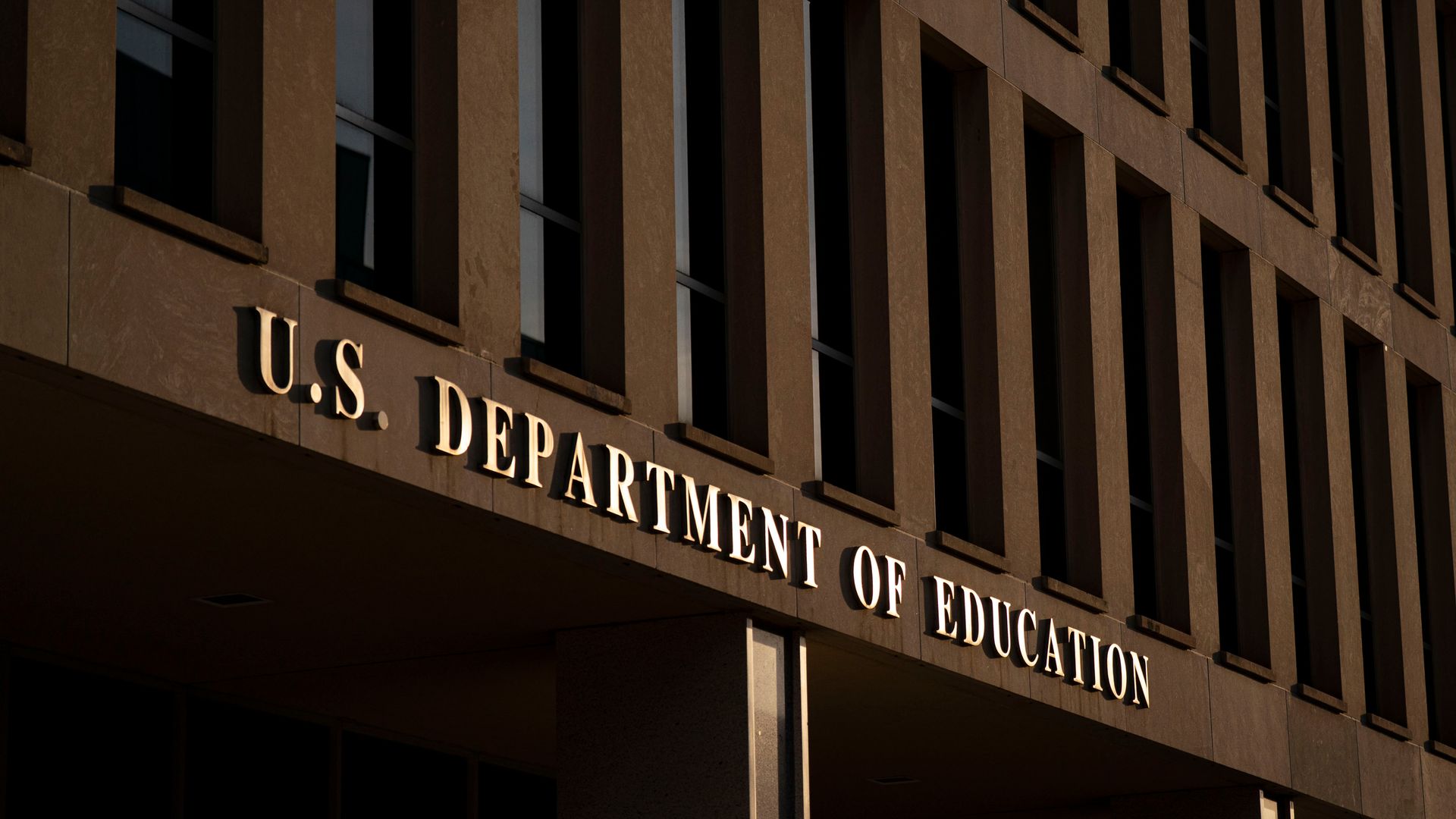
The Trump administration on Wednesday asked the U.S. Supreme Court to pause a lower court's order to reinstate millions in federal education grants that were terminated on the basis of cuts to diversity, equity and inclusion-driven funding.
Why it matters: The solicitor general's appeal challenged the notion that district judges have jurisdiction over some executive branch actions — as judges across the country are flooded with lawsuits against President Trump's policies.
Trump administration officials' use of a Signal chat that included the editor-in-chief of The Atlantic, Jeffrey Goldberg, rocked Washington this week, raising questions about possible violations of the Espionage Act.
Why it matters: The Signal chat's revelation of sensitive information about airstrikes on Houthi targets in Yemen threatens to wreck dire political consequences on members of President Trump's national security team.
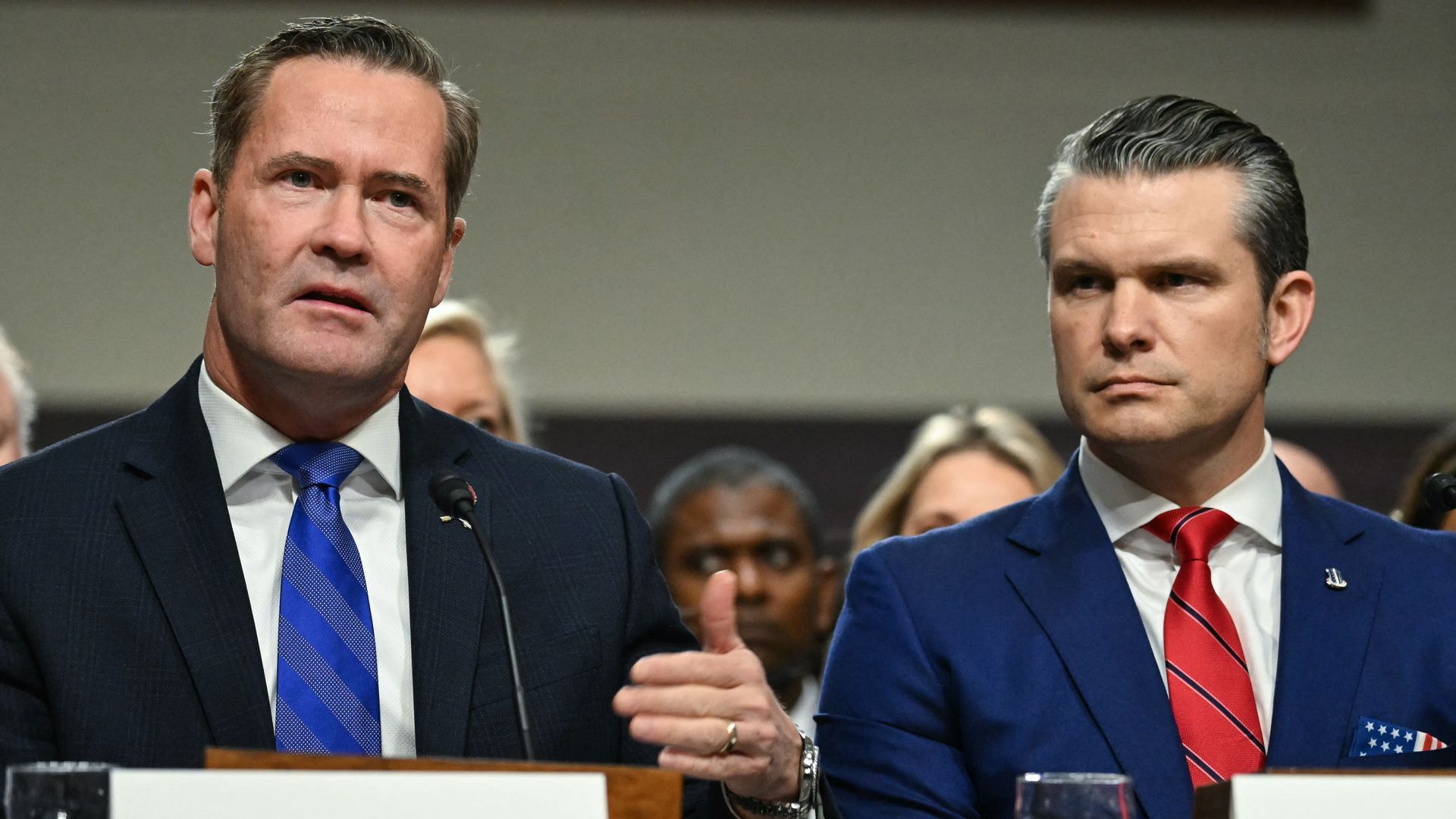
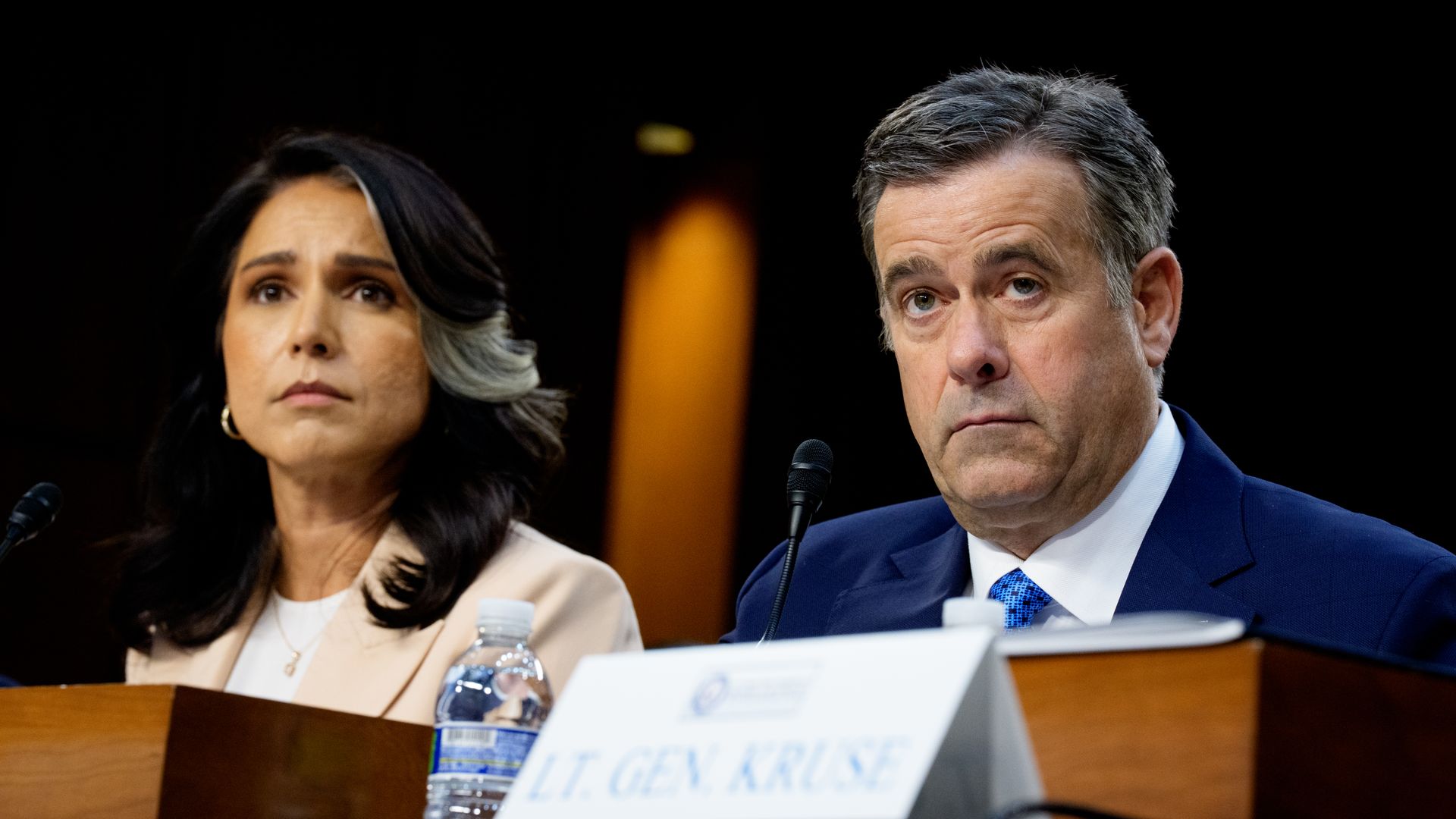
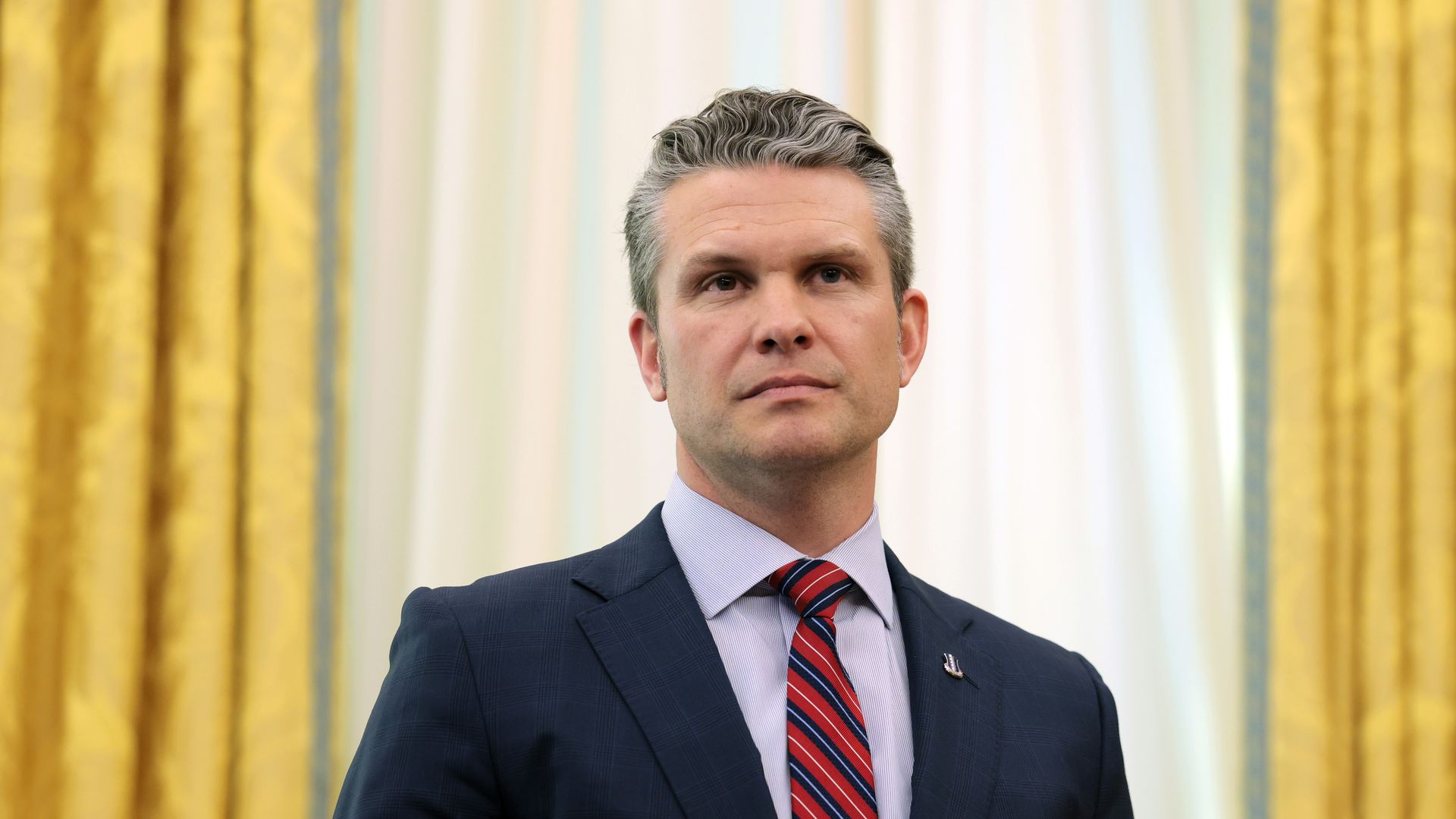
A House Intelligence Committee hearing devolved into fury on Wednesday after Trump administration intelligence officials were questioned about Defense Secretary Pete Hegseth's "drinking habits."
Why it matters: Democrats used the hearing to grill the officials on highly sensitive details about military operations that Hegseth sent to a Signal chat that mistakenly included a journalist.
Hyundai Motor Group has found success in the United States by giving car buyers exactly what they want: desirable features packaged in a good deal.
The Korean automaker displayed the same salesmanship in its dealings this week with President Trump.
Why it matters: Hyundai's headline-grabbing announcement of a $21 billion U.S. investment — most of which was already underway — was all Trump needed to show that his global tariff threats were working.
Government spending cuts, an obsession with more efficient government and an economic growth scare: Those are the dynamics on both sides of the Atlantic.
Why it matters: The U.K.'s top economic official announced deep public spending cuts to account for the huge global shifts, including a surge in borrowing costs, since the initial plans were unveiled just last fall.
The Atlantic has called the Trump administration's bluff, publishing in full the Signal messages about an upcoming attack on the Houthis in Yemen that were inadvertently sent to the magazine's editor-in-chief, Jeffrey Goldberg.
Why it matters: The country's top national security figures argued Goldberg was overhyping the scale of the intelligence breach, and claimed no classified information or "war plans" were shared. Now, the texts are available to the public.
The Atlantic published additional messages Wednesday from the Trump administration's now-infamous Signal group chat, revealing the full extent of who received the messages.
Why it matters: The chat's messages revealed classified information regarding U.S. plans for bombing Yemen, sparking political blowback and a White House cleanup effort.
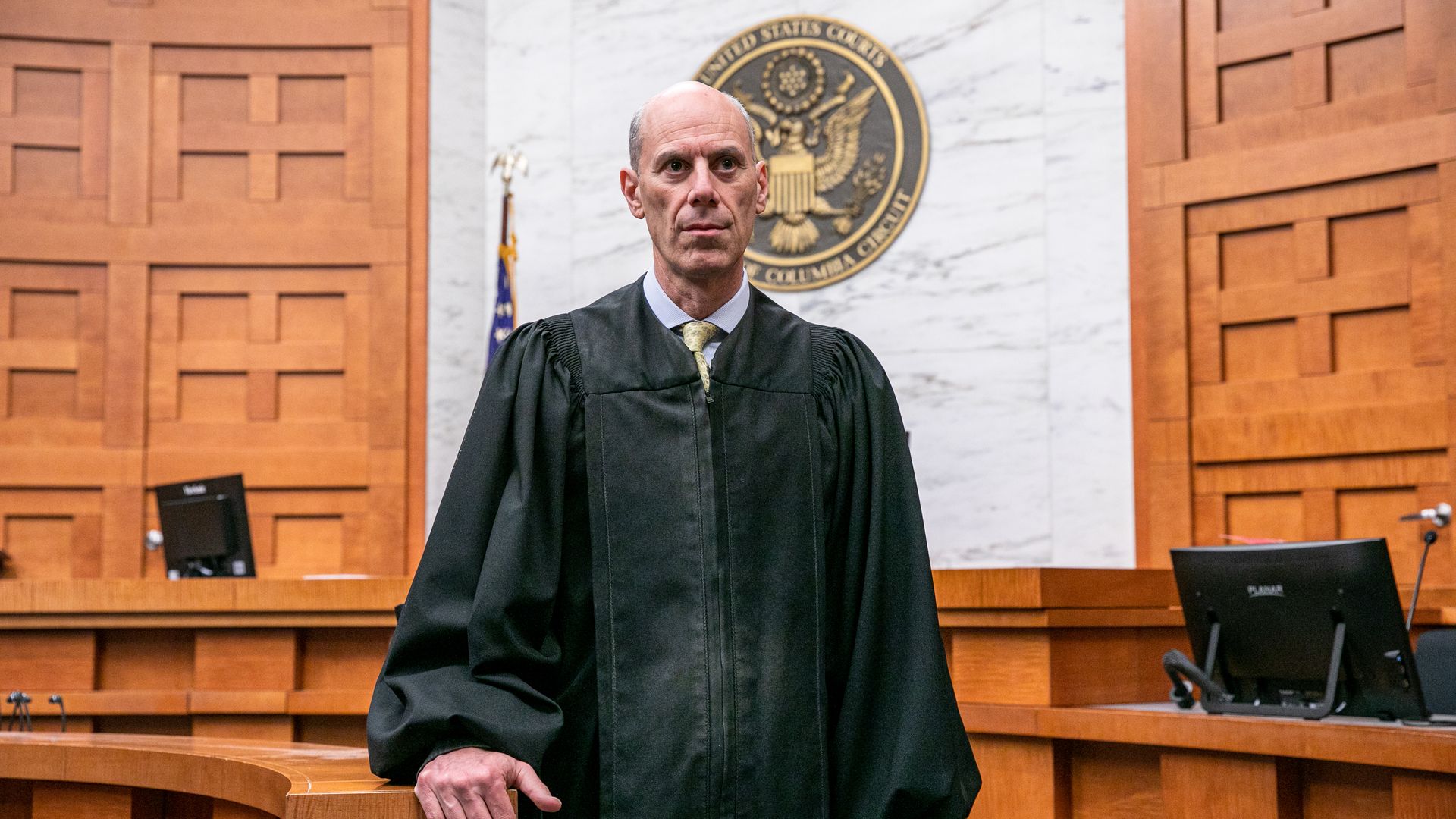
The federal judge Republicans want to impeach for blocking deportation flights to El Salvador will handle a new lawsuit alleging Trump officials violated federal law by discussing an attack on Yemen in a Signal chat.
The Atlantic on Wednesday published additional messages Trump administration officials sent in a Signal group chat that inadvertently included the magazine's editor-in-chief Jeffrey Goldberg.
Why it matters: President Trump,Defense Secretary Pete Hegseth and other administration officials strongly denied that "war plans" and "classified materials" were shared — essentially daring The Atlantic to publish info it had previously opted not to release.
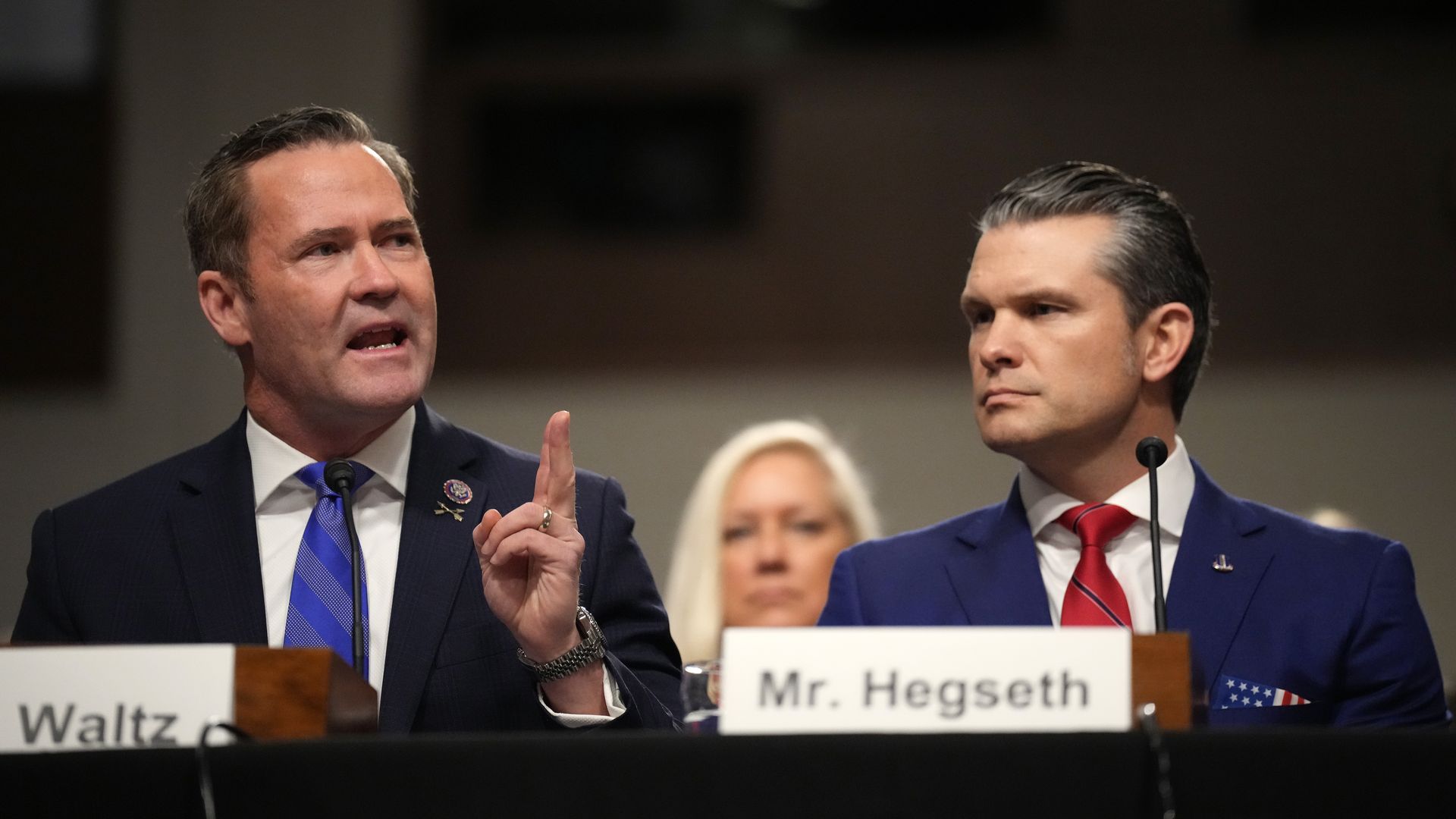
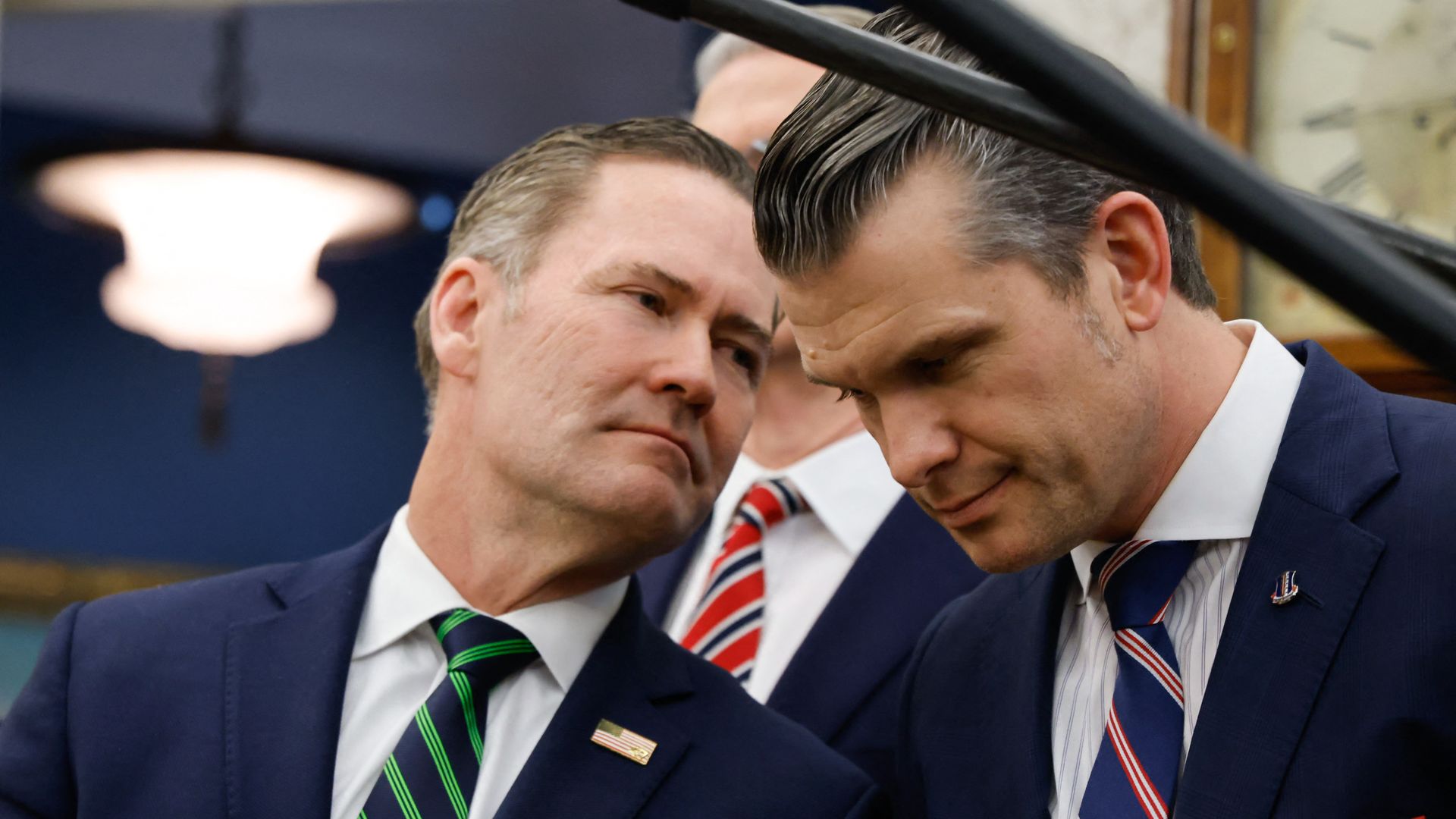
A growing number of Democrats in Congress are calling for Defense Secretary Pete Hegseth and National Security Advisor Mike Waltz to be fired or resign over the leak of a Signal chat discussing a strike in Yemen.
Why it matters: The Atlantic — whose editor-in-chief, Jeffrey Goldberg, was inadvertently added to the chat — published the entire transcript Wednesday morning.
The Atlantic released unredacted messages from the now-infamous Signal chat in which top Trump administration officials discussed plans to bomb the Houthis in Yemen.
Why it matters: Top Trump officials had denied that any classified information was discussed, effectively daring The Atlantic's Jeffrey Goldberg to release texts he had previously withheld for national security reasons.
For the first time in over a decade, climate change or environmental issues were missing from spy agencies' assessment of worldwide threats to the U.S. on Tuesday.
Why it matters: The change — which drew public pushback from one Senate Intelligence Committee member — reflects the new priorities of the Trump administration and the de-emphasis of climate change across agencies.
Why it matters: The incident has raised serious questions about whether the group chat violated laws including the Espionage Act and some Democratic lawmakers are calling for an investigation and potential repercussions against the officials involved.
A federal judge issued an order Tuesday barring federal immigration officials from detaining a Columbia University student whom the Trump administration has targeted for participating in pro-Palestinian protests.
Why it matters: Yunseo Chung's case is the latest example of the Trump administration's efforts to detain and deport people who are legally in the U.S., including some who have been targeted for their political views and activities.
Senators had a lot of questions Tuesday for Frank Bisignano, the president's nominee for Social Security commissioner — but hovering over it all was the specter of Elon Musk'sDepartment of Government Efficiency.
Why it matters: Social Security might be one of the few federal agencies targeted by Musk that is viewed as essential on both sides of the aisle, but it is facing a moment of DOGE-driven disruption that advocates and former officials warn could break the system.
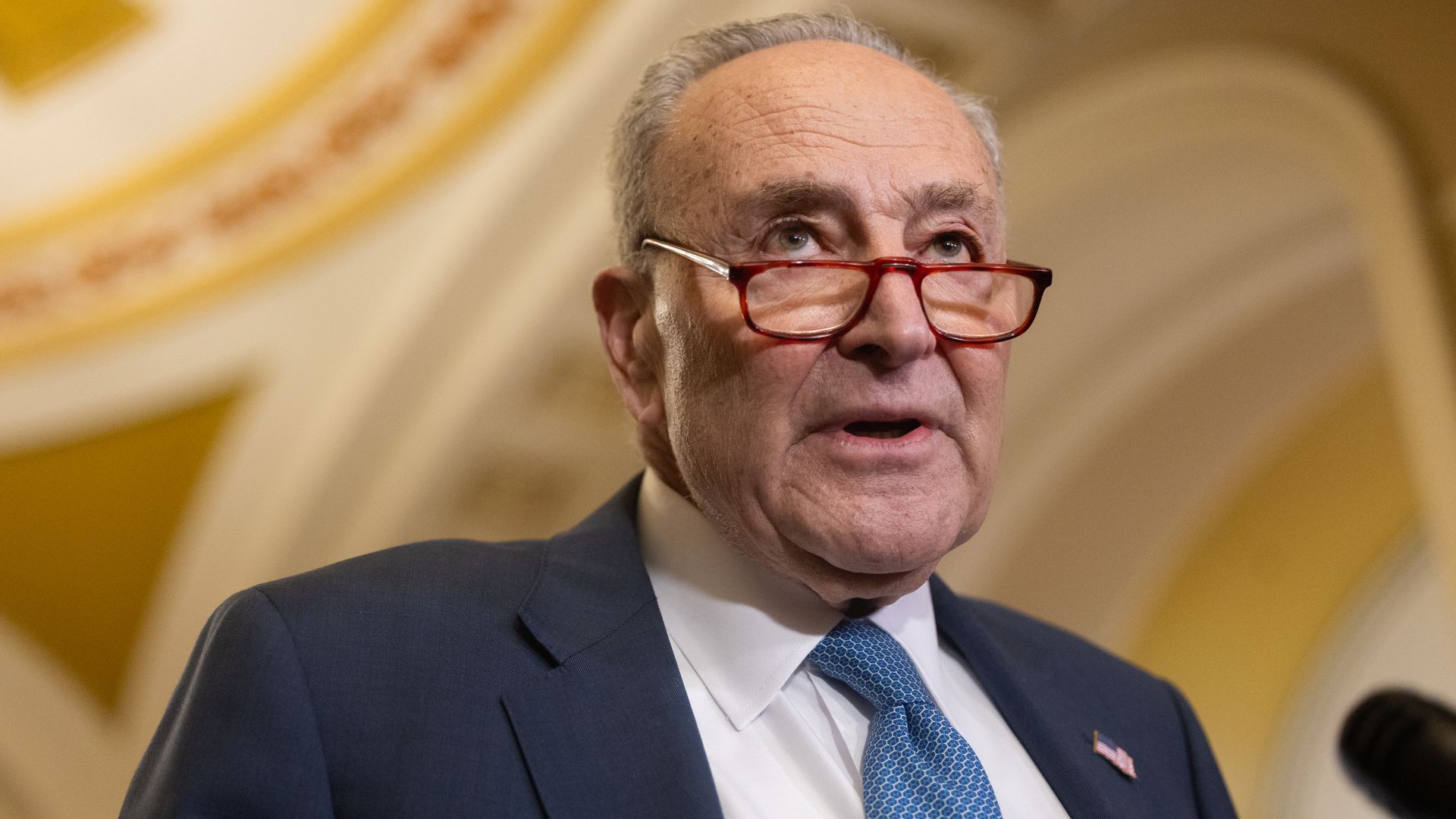
Senate Minority Leader Chuck Schumer (D-N.Y.) on Wednesday led Democrats in demanding a federal investigation into the alleged use of a private messaging app by Trump officials to discuss highly sensitive defense information.
Why it matters: Democrats are scorching the GOP for the scandal, arguing it reveals dangerous mismanagement at the highest levels of the Trump administration.
President Trump's downplaying of the #Signalgate scandal as a mere "glitch" is the latest entry in a long-running — and ever-expanding — legacy of indifference toward America's secrets.
Why it matters: No president has expressed such open disdain for the U.S. intelligence community or the security protocols designed to protect it. But even after facing criminal charges in 2023, Trump has never suffered enduring political consequences.
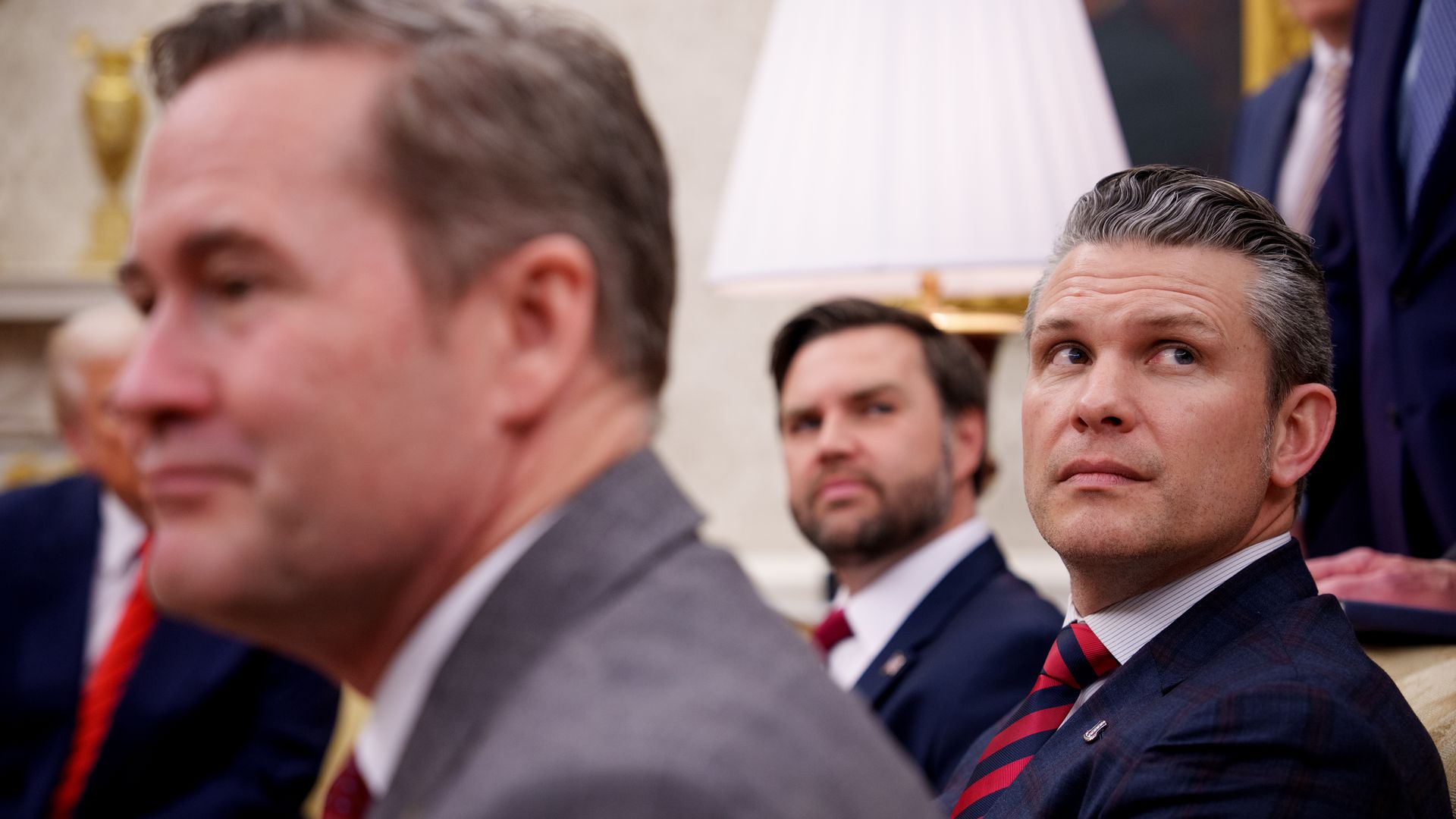
The text-message debacle over the U.S. attacks on the Houthis is the latest example that Vice President Vance is the Trump team's chief antagonist of Europe — both publicly and behind the scenes.
Why it matters: Vance's private argument against the attacks, included in the texts among top U.S. officials that were revealed by The Atlantic, matched his recent pattern of public hawkishness toward European allies.
National security adviser Mike Waltz said Tuesday he takes "full responsibility" for the scandal involving the use by senior officials of an unclassified commercial chat app to discuss plans to strike Yemen.
The big picture: President Trump made clear he does not plan to fire Waltz for establishing the Signal group and inadvertently adding Atlantic magazine editor-in-chief Jeffrey Goldberg to it, telling Newsmax on Tuesday night he believed a "lower level" employee who works for his national security adviser had added the journalist's number.
The big picture: American Oversight alleges in its lawsuit that the chat on the unclassified commercial app that mistakenly included The Atlantic's editor-in-chief Jeffrey Goldberg violated federal records laws.
The big picture: Newsmax's Greg Kelly asked Trump during their interview whether there would be a "compensation fund" for the roughly 1,500 defendants he issued a sweeping pardon for and the president confirmed "there's talk about that."
A House Democrat is introducing long-shot legislation to make it a crime punishable by up to 5 years in prison to share classified information on messaging apps like Signal, Axios has learned.
Why it matters: It's the first direct legislative response to President Trump's national security team discussing military strikes in Yemen on a Signal chat that included the editor-in-chief of The Atlantic, Jeffrey Goldberg.
Canada has updated its travel advisory for the U.S. following the Trump administration's immigration crackdown.
The big picture: The update on a registration rule for visitors to the U.S. comes after several European nations changed their advisories in response to Trump administration rollbacks on transgender rights and as Canadians and other foreign nationals have been detained by U.S. immigration authorities over travel visa issues.
President Trump signed Tuesday an executive order to make sweeping changes to federal elections that includes a proof of citizenship requirement and aims to prevent states from counting mail-in ballots that arrive after Election Day.
Why it matters: Trump said on Truth Social his administration believes this is "the farthest-reaching executive action taken in the history" of the U.S. to "Secure our Elections" — and it's likely to face legal challenges, with Colorado Secretary of State Jena Griswold's (D) among those already calling the order "unlawful."
The big picture: Archer, who was convicted of fraud in 2018, provided key testimony during the congressional inquiry into the business entanglements of former President Biden's son.