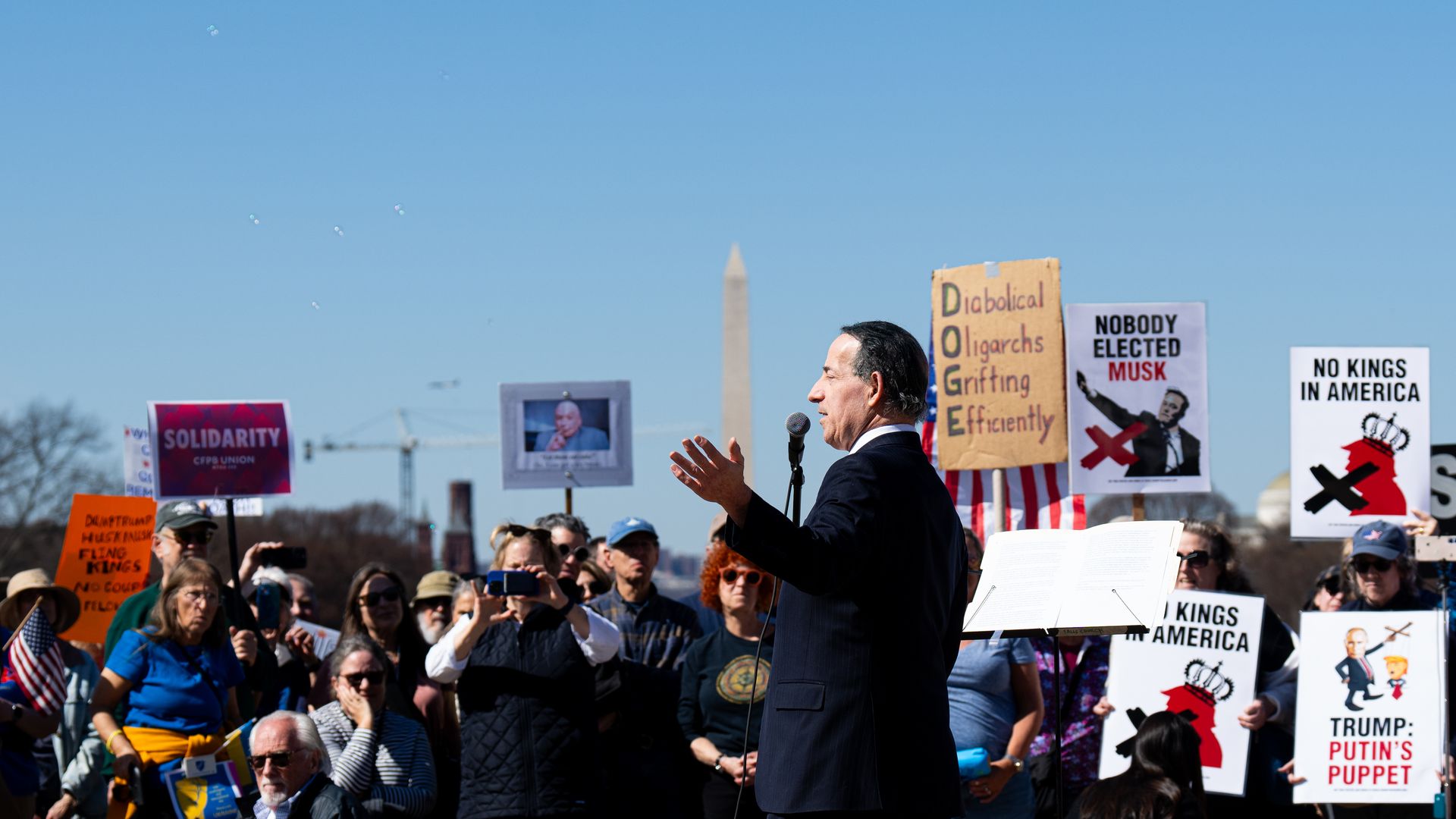
House Democrats have a new go-to phrase when pressed by constituents on how they'll fight back if President Trump touches off a constitutional crisis: We have Rep. Jamie Raskin (D-Md.) on it.
Why it matters: Democratic lawmakers have been taking flak from their grassroots base for not adopting enough of a pugilistic stance against the president. Elevating their resistance folk hero is one way of deflecting that.
The sudden panic over Florida's special elections has finally put President Trump on the same page as House Speaker Mike Johnson (R-La.): The GOP's margin is too close for comfort.
Why it matters: Trump is coming to terms with how difficult it's going to be for him and Johnson to pass a massive tax and spending bill this summer.
Wisconsin Attorney General Josh Kaul (D) announced Friday the state is taking legal action against Elon Musk for the billionaire's offer in a since-deleted post to pay voters for casting ballots in the state's Supreme Court race.
The big picture: Musk has spent millions on the contest for a single seat, in what has become a nationalized proxy fight between political parties and billionaire benefactors — and a referendum on President Trump.
The Trump administration on Friday moved to formally dissolve the U.S. Agency for International Development (USAID), despite the unilateral shutdown being deemed unconstitutional by a federal judge.
Why it matters: The executive branch is now informing Congress that USAID functions will be moved to the State Department or otherwise be terminated if they don't align with President Trump's policies.
"Bad things" will happen to Iran unless it reaches a deal with the U.S. on its nuclear program, President Trump said Friday.
Why it matters: Trump's comments came after Iran responded to the letter the president sent the country's supreme leader three weeks ago, which threatened military action if no deal is reached in two months.
The Trump administration on Friday asked the Supreme Court to allow it to resume use of the Aliens Enemies Act to deport alleged Venezuelan gang members to El Salvador.
Why it matters: President Trump has already demanded the impeachment of the district court judge who blocked the deportation flights as he exerts wide-ranging power to deport immigrants with little or no due process.
The Trump administration is discussing a surprising option to help fulfill his campaign-trail promises: Allowing the richest Americans' tax rates to rise in return for cutting taxes on tips, a senior White House official tells Axios.
The big picture: Some White House officials believe letting income taxes on the very highest earners rise would buy breathing room on other priorities, and help blunt Democrats' attacks as they seek to extend President Trump's 2017 tax cuts.
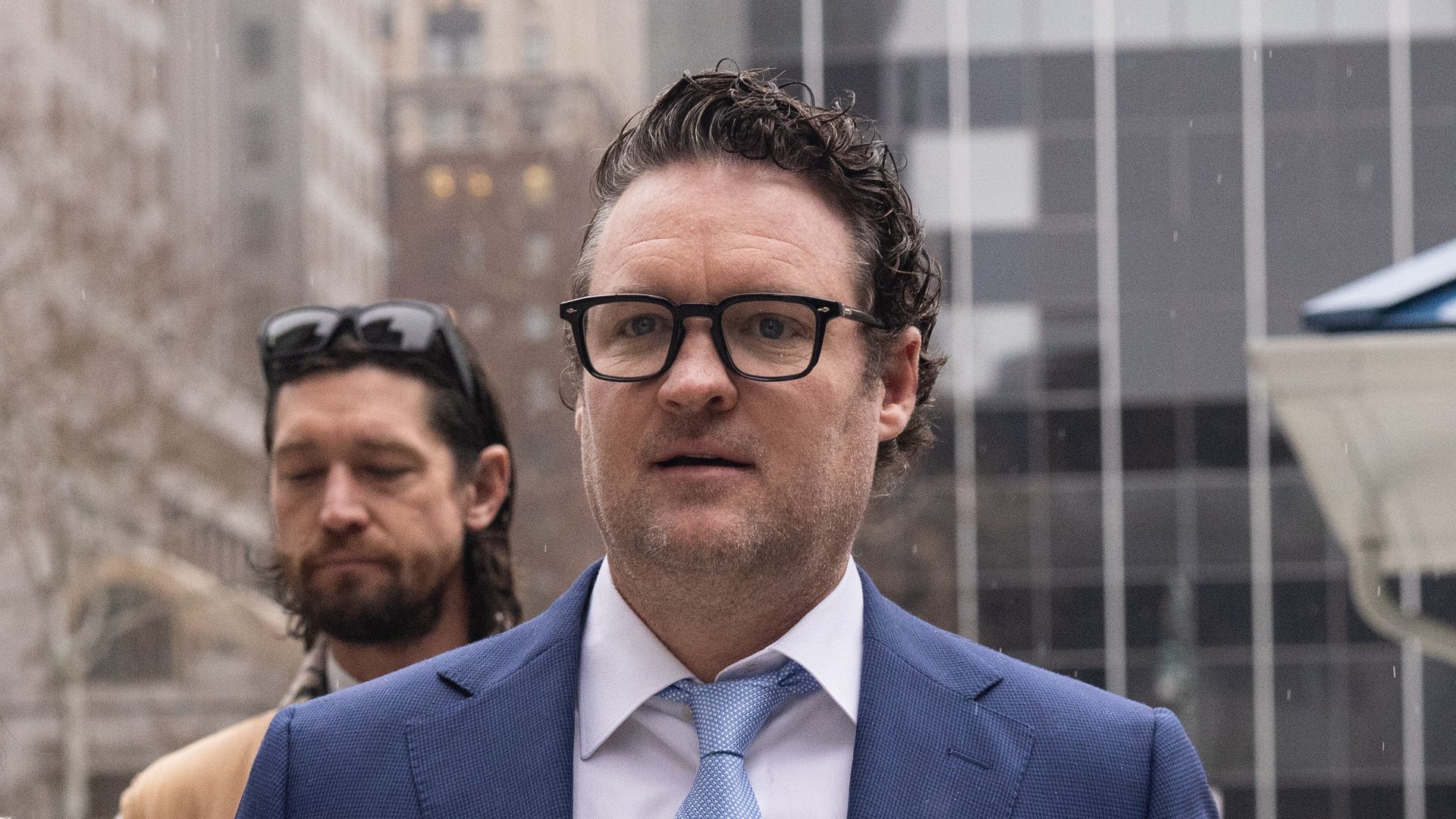
President Trump has pardoned Trevor Milton, founder of now-bankrupt hydrogen and electric truck maker Nikola, who was convicted in 2022 of misleading investors.
Why it matters: His conviction on securities and wire fraud charges followed allegations of false statements about the functionality of Nikola's tech and readiness of its products.
BlackRock will not sign an agreement next week to buy two Panama ports from Hong Kong's CK Hutchison, as originally planned, a source tells Axios.
Why it matters: President Trump touted this deal in his recent address to Congress, and it seemed like an offramp for U.S. threats to retake control of the Panama Canal.
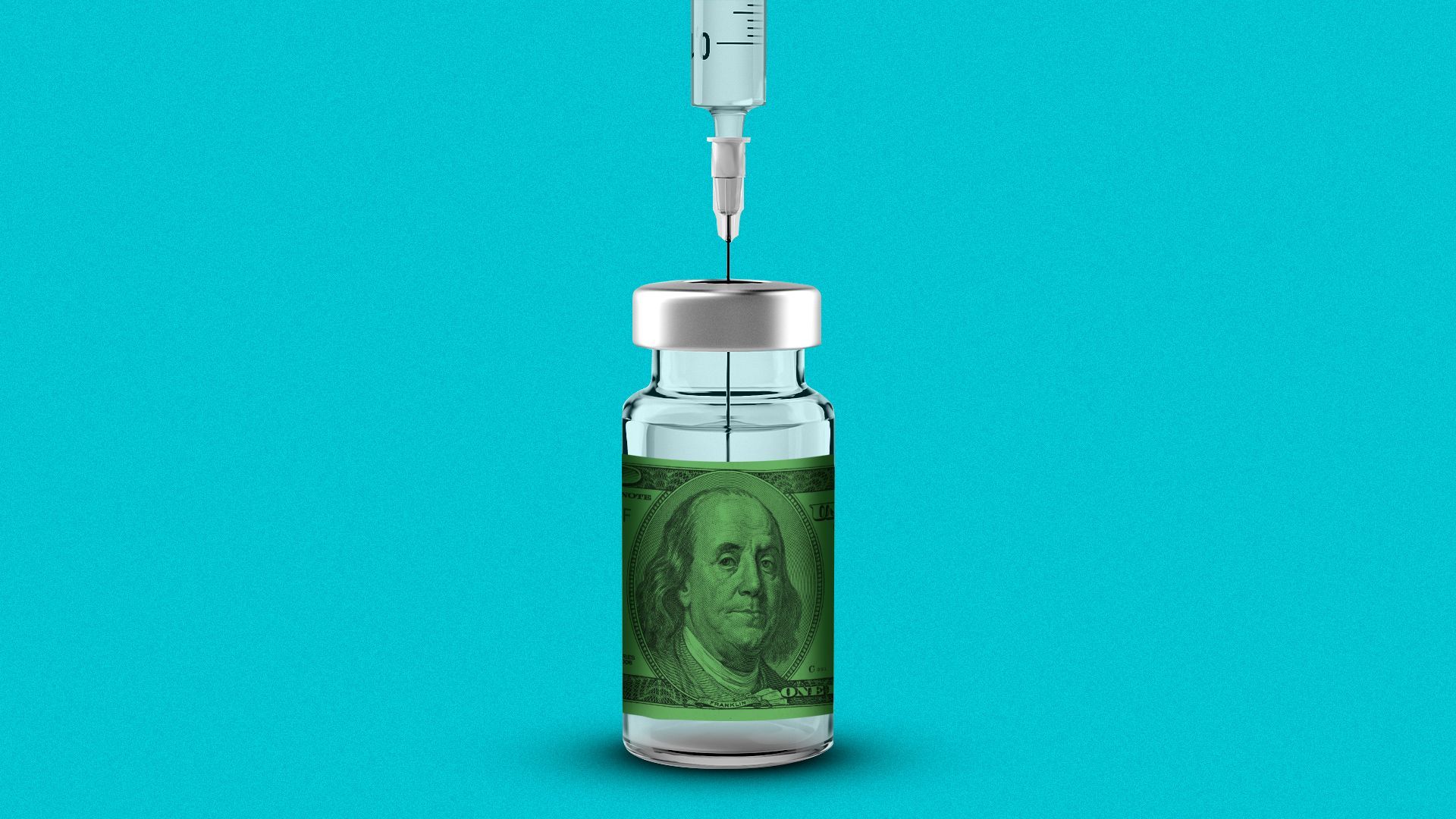
The not-so-slow drip of vaccine-unfriendly news coming from the Trump administration poses the longer-term question of just how much drugmakers would be willing to take before they decide the historically fragile market is too volatile to participate in.
Why it matters: The availability of vaccines in the U.S. isn't just dependent on whether the federal government has approved them; manufacturers have to be willing to continue making and selling them.
Actions taken by the Trump administration — including HHS Secretary Robert F. Kennedy Jr., a longtime vaccine critic — could ultimately convince drug companies that the market is too risky to enter or remain in, either because of depressed demand or an increased threat of litigation.
"It's a fragile market and it's not something we can take for granted, and it is a market we have seen drastically threatened before," said Richard Hughes, a professor of vaccine law at George Washington University and a partner at Epstein, Becker & Green.
Driving the news: The Washington Post reported this week that a longtime promoter of the debunked theory that vaccines cause autism will lead the Trump administration's planned study into the link between the two.
David Geier, who has published papers with his father claiming that vaccines cause autism, has also been disciplined by Maryland regulators for practicing medicine without a license. Axios confirmed that a David Geier is listed in the HHS employee directory, although HHS declined to comment.
Reminder: There's already been tons of research on vaccines and autism, and the scientific community has confidently concluded there is no link. One CDC-endorsed study, should it reach the opposite conclusion, would be weighed against a pile of evidence.
The big picture: The steady flow of vaccine news from HHS since Kennedy took office has been interpreted by many experts as an ominous sign of what's to come. But none of the major policy changes feared when Kennedy was first nominated have occurred — yet.
And some may never. Kennedy has explicitly vowed not to revoke the approval of the polio vaccine, for example (although he dodged saying the same about all vaccines).
But a government-endorsed study — no matter how poorly conducted — that concludes certain vaccines cause autism would mark a major escalation in terms of government actions with the potential to harm vaccine uptake.
Vaccine hesitancy itself can be bad for vaccine markets. Case in point: Moderna's struggle to succeed financially after the demand for COVID vaccines slumped post-pandemic.
"When uptake drops — which we want high uptake for herd immunity, public heath — but that has a revenue effect as well," Hughes said.
Another major policy grenade with potentially even more significance would be if Kennedy began to chip away at vaccine makers' federal liability protections, which have been fiercely criticized by Kennedy allies, including the anti-vaccine organization he founded.
Sources close to HHS expect the agency is interested in reforms to the federal Vaccine Injury Compensation Program (VICP), which was established under a law passed by Congress in 1986 in response to the threat of vaccine lawsuits leading to shortages.
The VICP is essentially an alternative legal system for resolving vaccine injury cases. Successful plaintiffs win money from the U.S. government, not vaccine manufacturers.
Weakening or removing liability protections for certain vaccines could be the thing that makes manufacturers contemplate leaving the market, experts say — or at least causes them to significantly raise prices.
"Could them being sued directly send them out of the vaccine market? Absolutely. It did in the past. That or vaccines are going to be so expensive that nobody could get them," said Renee Gentry, director of the Vaccine Injury Litigation Clinic at George Washington's law school.
Of course, a big unknown is whether the White House would greenlight such a controversial move.
What they're saying: Kennedy was asked during the confirmation process what changes he's contemplating making to the VICP.
Kennedy allies in the past, as well as Kennedy himself, have argued the program takes away manufacturers' incentive to make vaccines safe.
In Kennedy's written response to senators during his confirmation process, he avoided answering the question.
"I will do nothing as HHS secretary that makes it difficult or discourages people from taking vaccines. As I testified to the Committee, I am not anti-vaccination. I support transparency and sound data for vaccines," he wrote.
Yes, but: A much more straightforward way to disrupt the vaccine market would be to simply cancel government contracts with manufacturers.
"That's probably one of the most directly impactful levers that he has," Hughes said.
"You take companies that have much smaller portfolios and a research and development pipeline ... these are companies that are very much put at risk when contracts get canceled" or the threat of liability increases, he added.
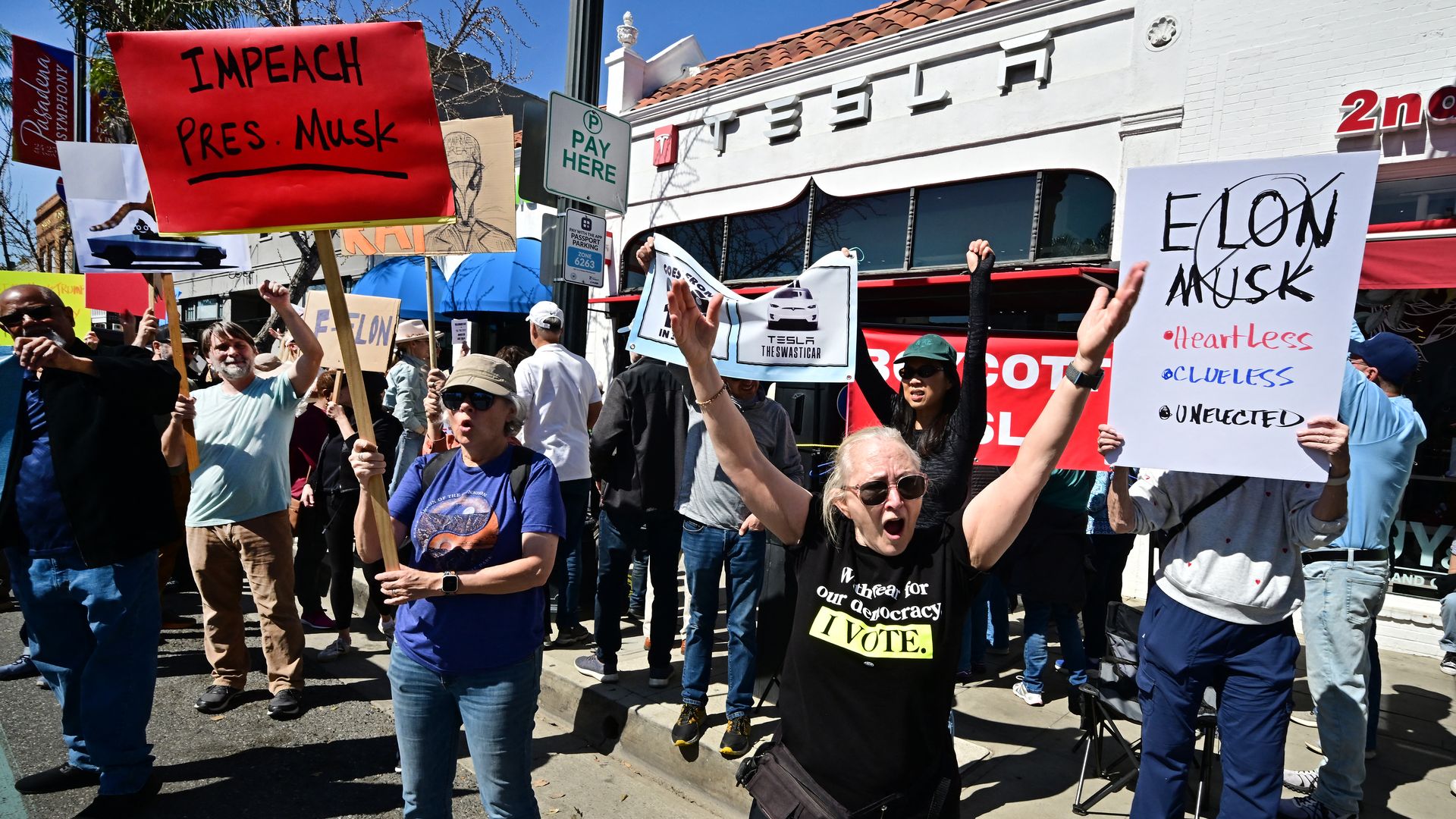
The Tesla Takedown movement is expecting hundreds of demonstrations to take place at the automaker's showrooms across the world Saturday for what it has dubbed a "global day of action."
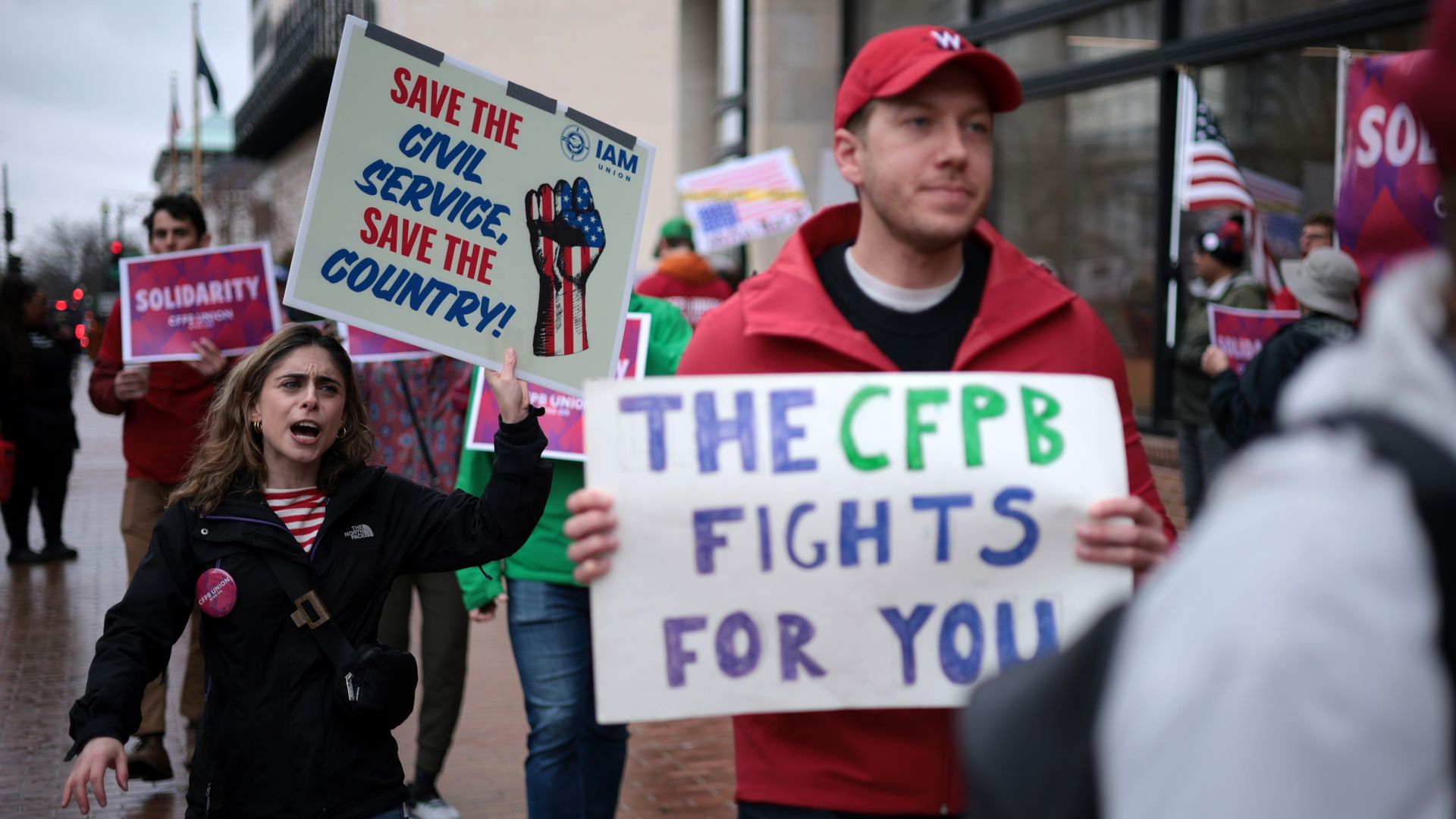
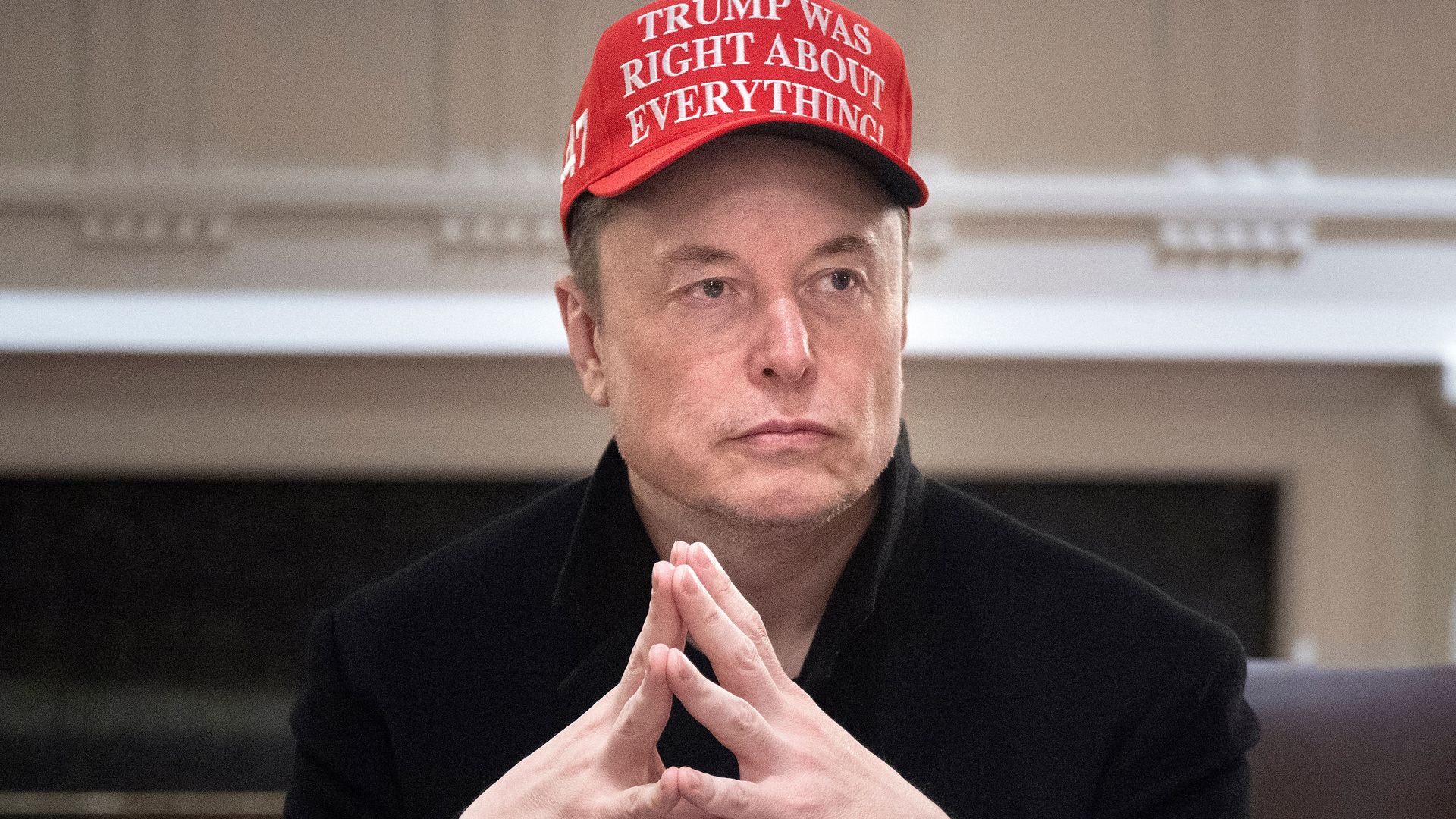
Why it matters: The protest movement has drawn the Trump administration's ire and cast Elon Musk's signature brand into turmoil for his role in slashing the federal government.
The Federal Reserve's go-to gauge showed inflation stayed hot in February, the Commerce Department said on Friday.
Why it matters: It is a warning to officials at the White House and the Fed, with aggressive tariffs expected to be unveiled next week that could stoke inflation and squeeze economic demand.
The top universities President Trump is targeting for federal funding cuts are sitting on billions in endowments, but schools often can't tap that cash to fill the gaps.
Why it matters: Endowments, also under a federal microscope, largely help offset students' tuition costs.
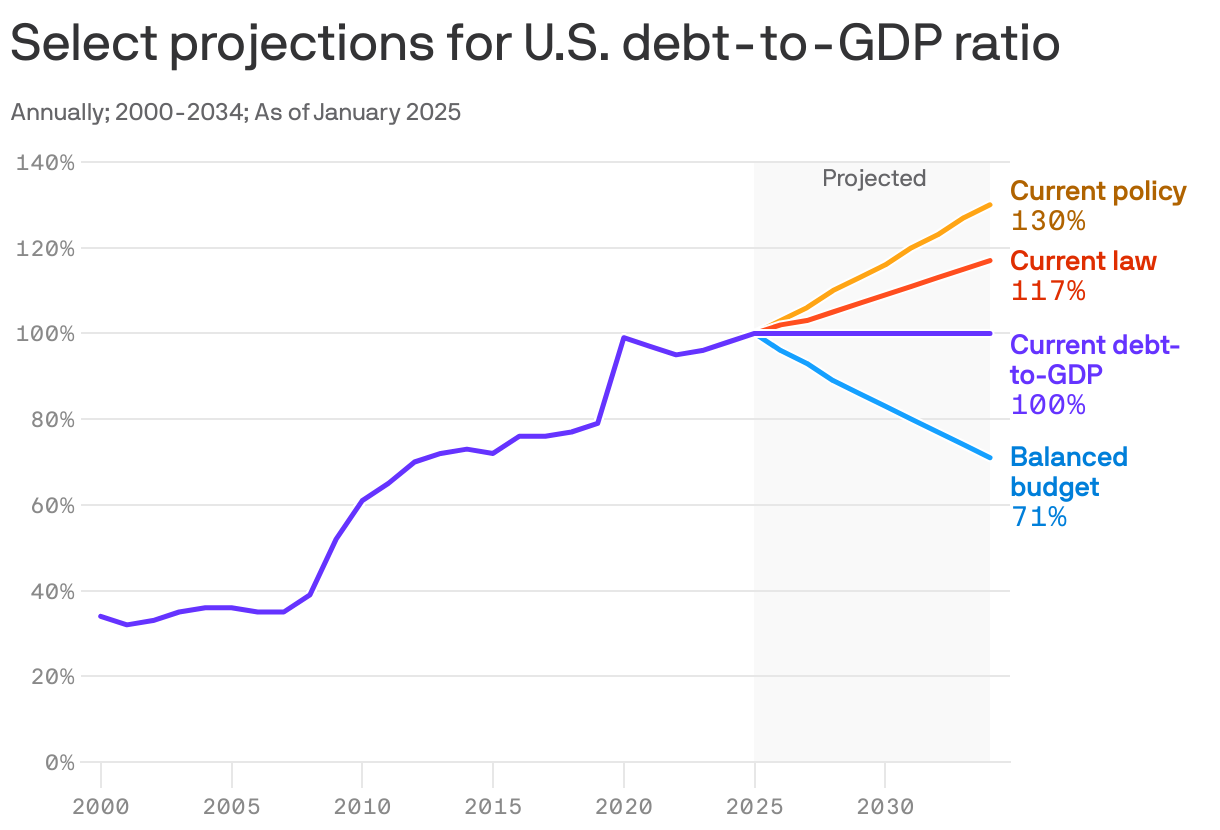
Data: CBO, Committee for a Responsible Federal Budget; Note: Federal debt held by the public; Chart: Axios Visuals
One word you're going to hear a lot in coverage of budget negotiations is "baseline." It sounds simple enough — but in fact it's a slippery and contentious concept.
Why it matters: This wonkish terminological tussle is at heart a debate over what counts as zero, for the purposes of budgetary impact.
Depending on where it ends up, it could raise America's debt-to-GDP ratio by 47 percentage points, per a Congressional Budget Office (CBO) analysis released last Friday.
If you're a foreign leader or a CEO about to meet with President Trump — or if you want to avoid his vengeance — come bearing gifts.
Why it matters: Government officials and business leaders around the world have gotten the message and are strategizing about how to give Trump real or perceived wins to try to smooth out any relationship bumps with the new administration, and avoid economic or legal penalties.
About a dozen political groups, using unlimited and undisclosed donations, are running ads with twin goals: Boosting — and flattering — President Trump.
Why it matters: The groups — separate from Trump's official political operation — have combined to spend more than $20 million since his election. Their spending is expected to escalate dramatically in the coming months.
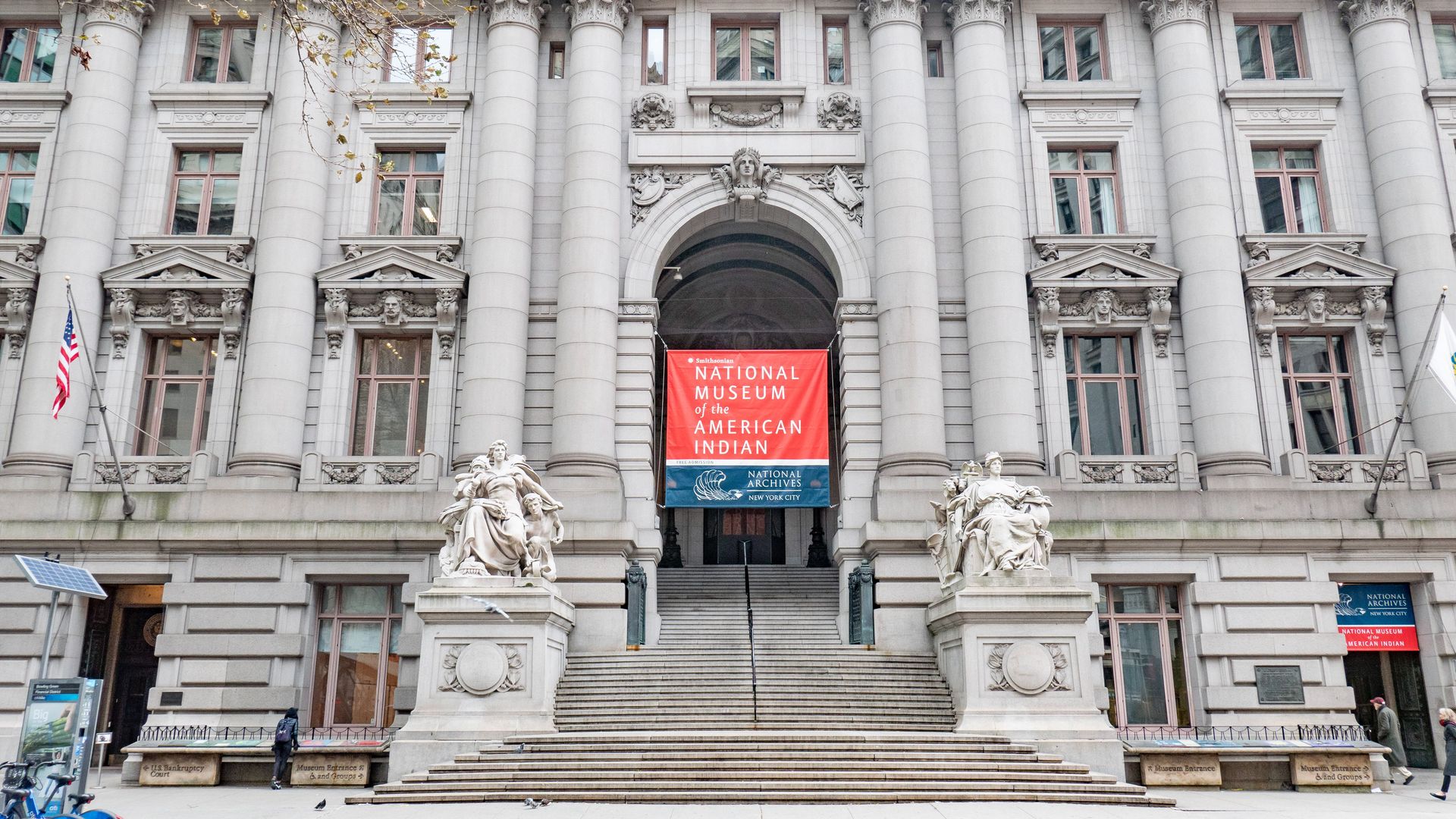
President Trump signed an executive order Thursday aimed at reshaping the Smithsonian Institution and removing what he deems "improper ideology" from its museums, education and research centers and the National Zoo.
The big picture: The move against the Smithsonian, which operates nearly two dozen museums and galleries, is the latest effort to gut diversity, equity and inclusion (DEI) initiatives.
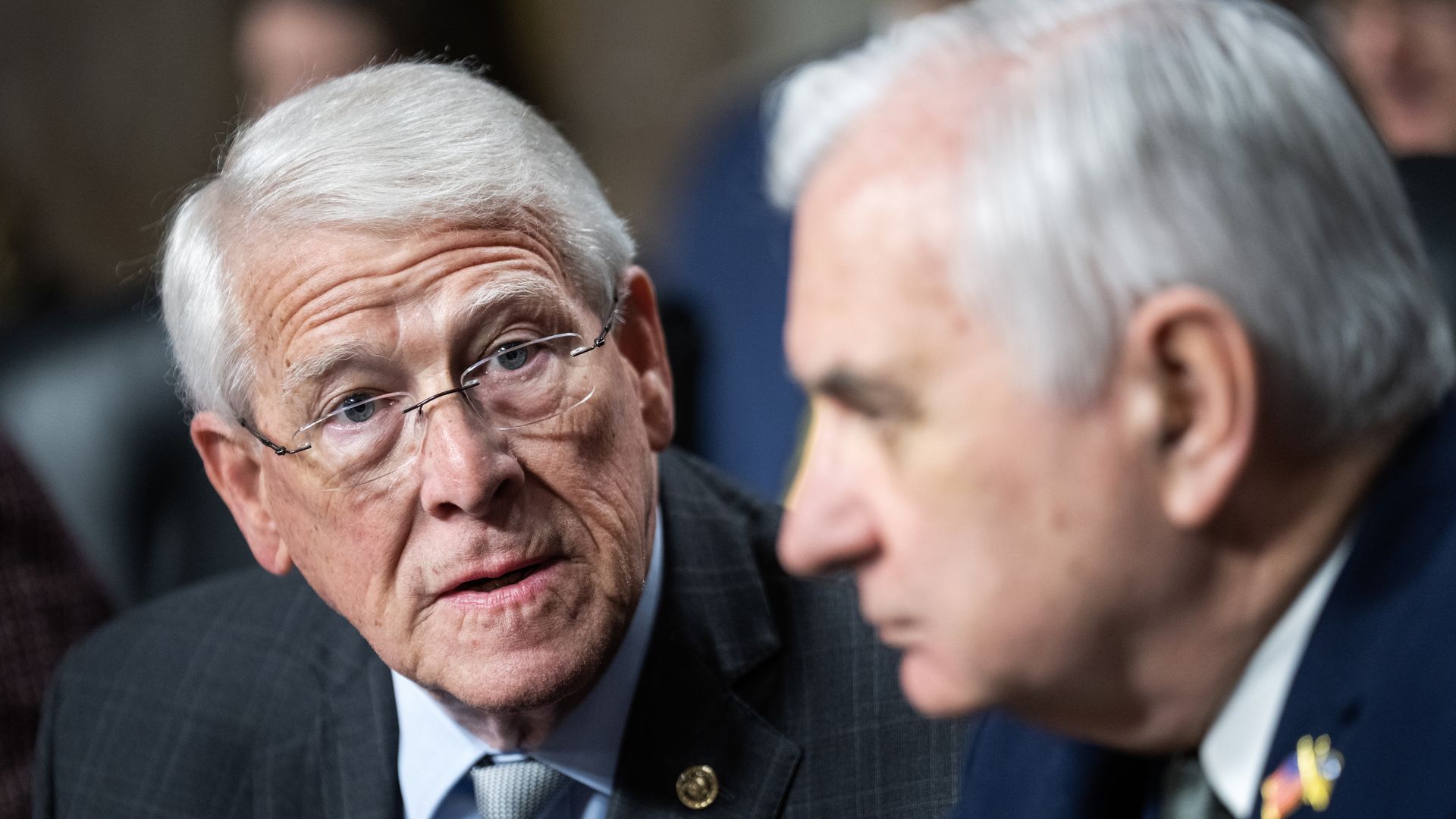
Two Senate GOP committee chairs sent letters to top Trump officials on Thursday raising concerns about recent budget cut moves and how a reporter ended up in a group chat in which sensitive military details were shared.
Why it matters: It's rare for congressional GOP leaders these days to dare to formally question President Trump.
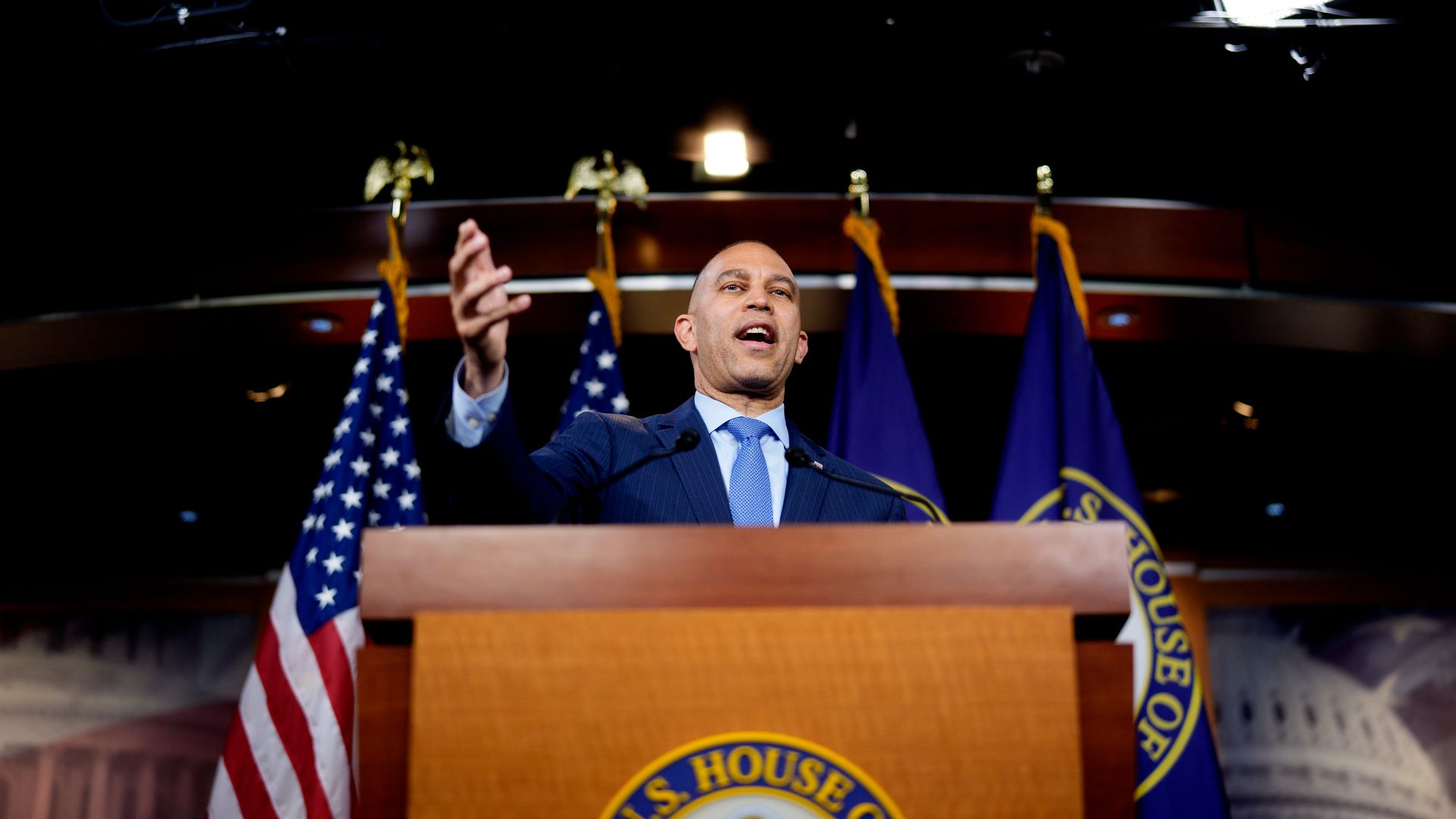
A pair of progressive insurgents running against veteran House Democrats in 2026 declined to say they would vote for Minority Leader Hakeem Jeffries (D-N.Y.) as speaker in interviews with Axios.
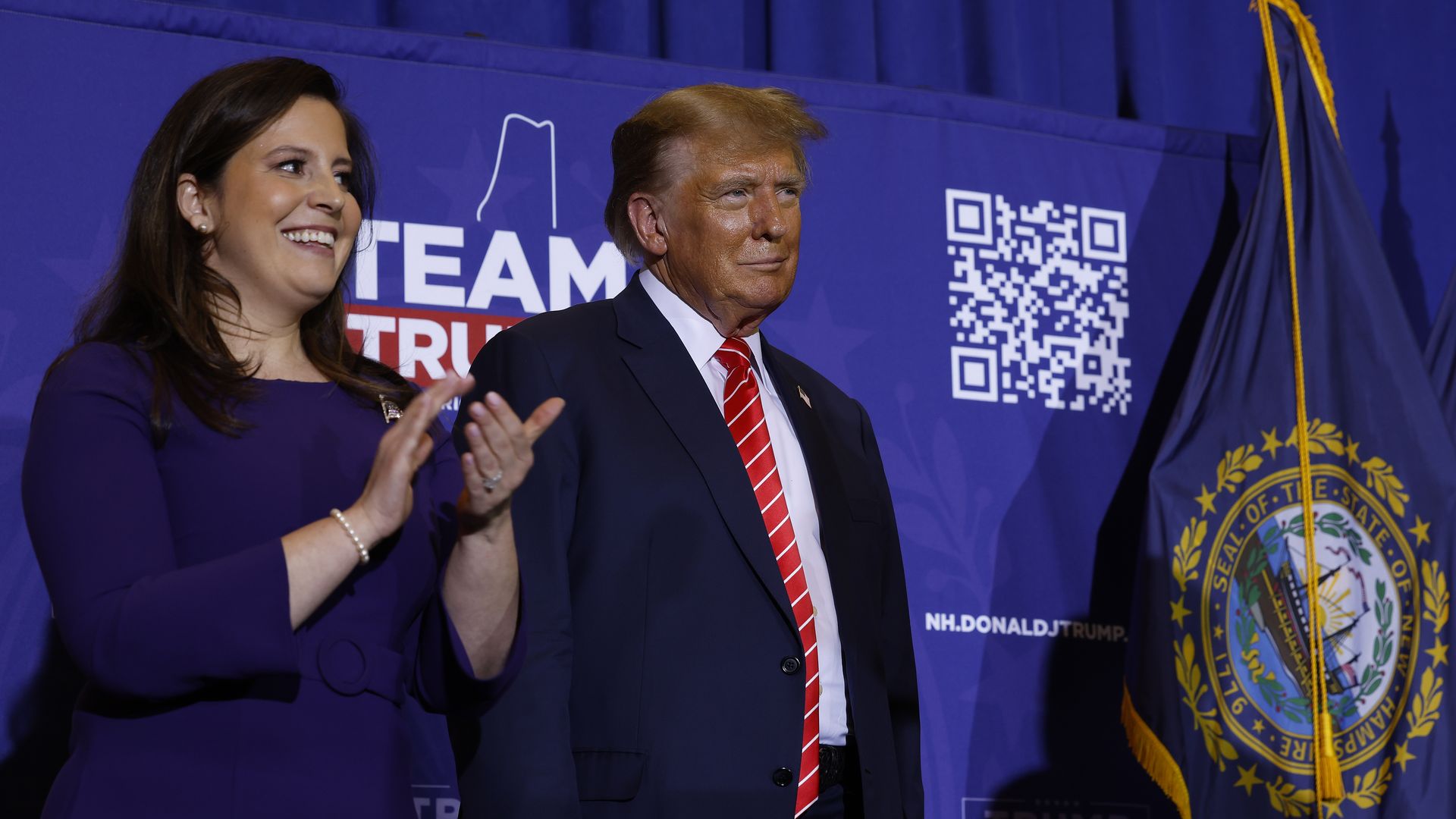
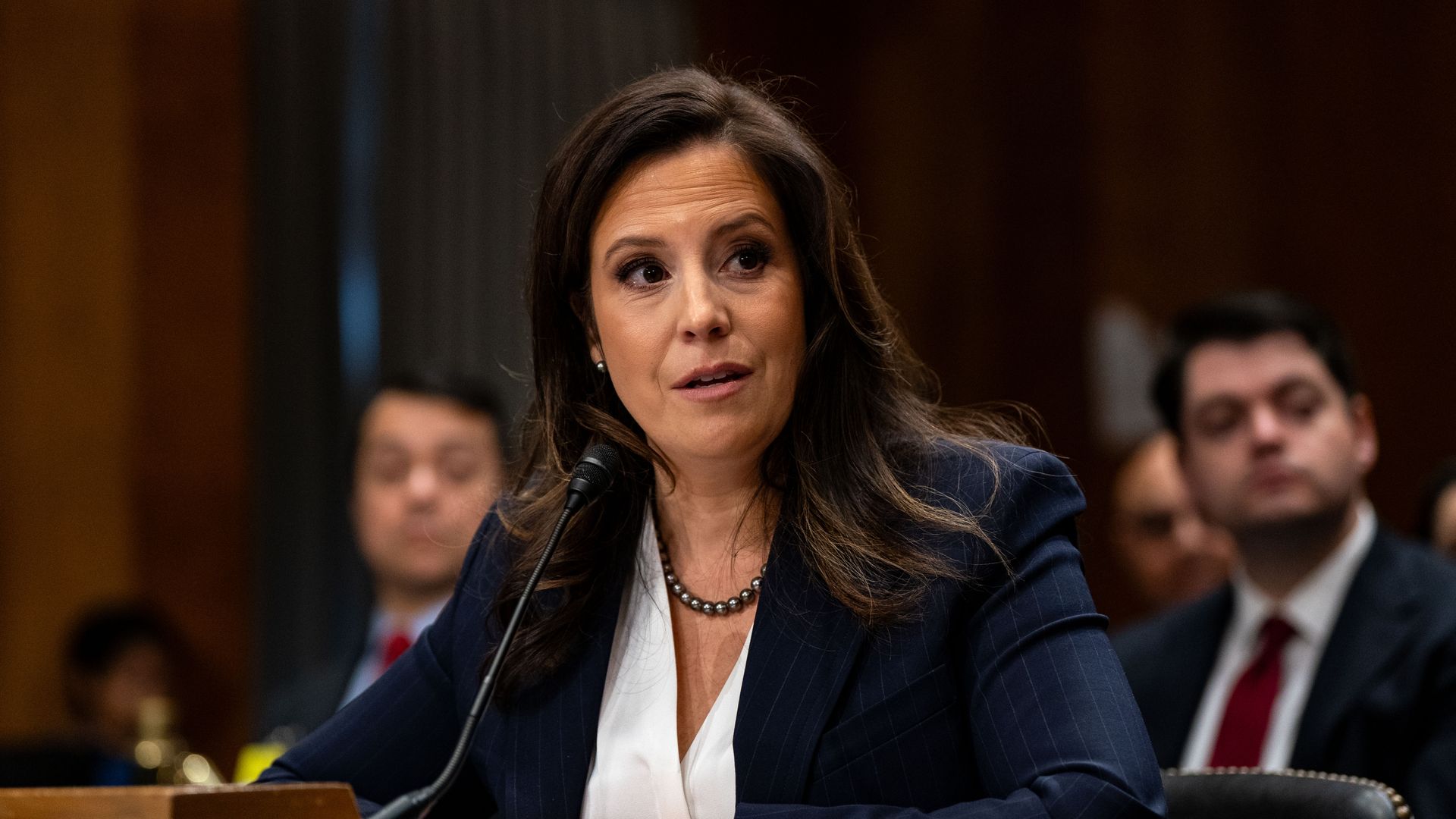
President Trump's dramatic rug pull of Rep. Elise Stefanik's (R-N.Y.) UN ambassador nomination has given House Speaker Mike Johnson (R-La.) a new series of headaches.
Why it matters: Johnson has to reassure GOP lawmakers after their president said he's nervous about a Trump +20 district.