South Korea and Hong Kong recorded no new local cases yesterday, and New Zealand and Australia also approached that milestone.
The big picture: Beyond those poster children of effective COVID-19 responses (Germany and Taiwan also qualify), there are a number of other success stories with lessons to offer the world.
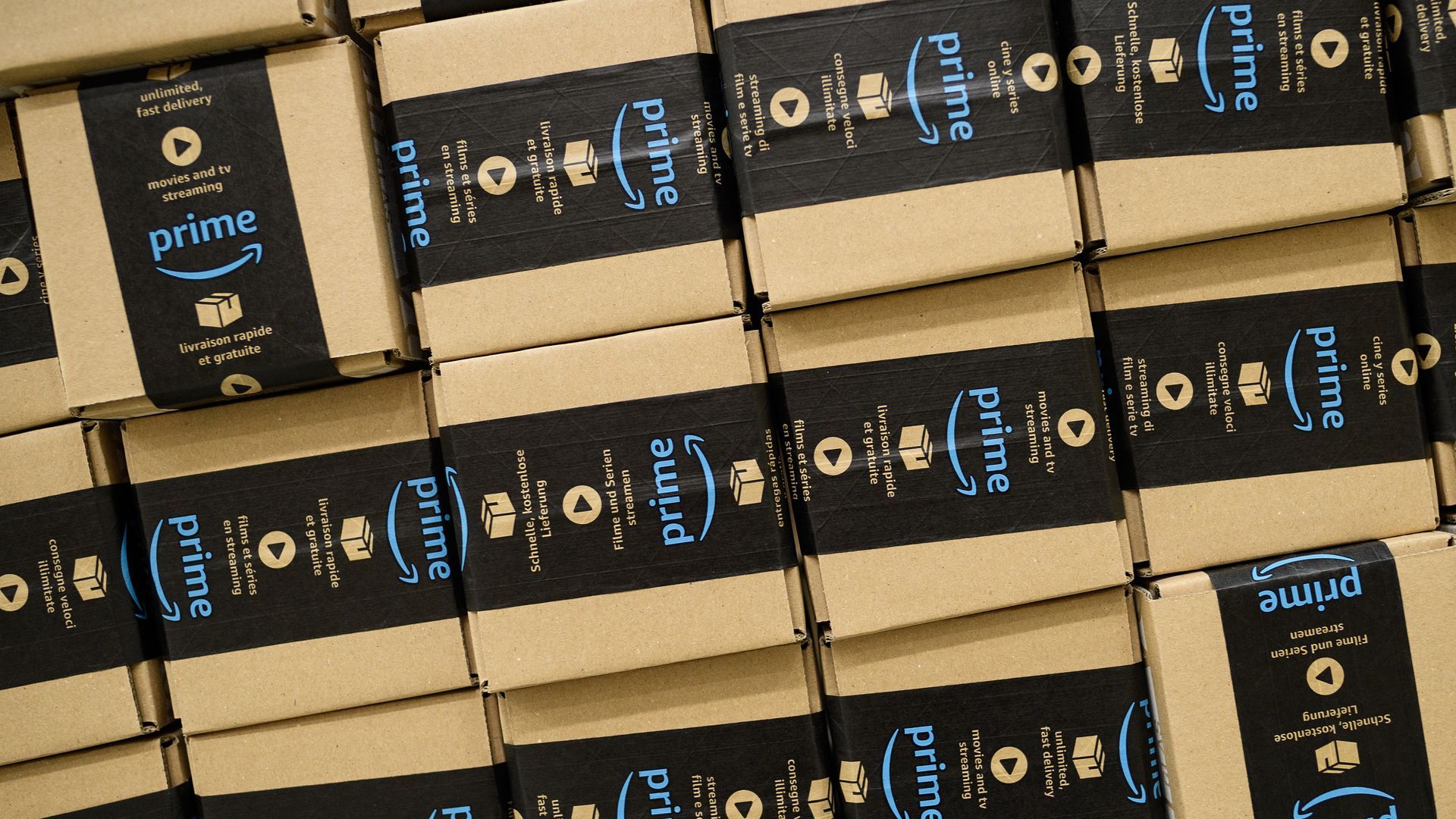
Amazon's stock was down nearly 5% in after-hours trading Thursday after the tech giant said that shareholders should expect coronavirus-related costs to eat up all the $4 billion in profits it would expect for Q2.
"If you’re a shareowner in Amazon, you may want to take a seat, because we’re not thinking small."
Hundreds of Michigan residents demonstrated outside the state Capitol Thursday with signs, flags and guns protesting against Gov. Gretchen Whitmer's coronavirus restrictions. Some were successful in pushing inside the building.
Why it matters: State lawmakers are expected to vote Thursday on whether to extend the state of emergency for another 28 days before it expires at midnight. Protesters in Michigan and throughout the country are calling on states to reopen businesses and resume work, though the majority of Americans support lockdown measures.
Russian Prime Minister Mikhail Mishustin told President Vladimir Putin in a televised meeting on Thursday that he had tested positive for the novel coronavirus.
Why it matters: Mishustin is one of just a handful of major elected world leaders to test positive for the virus. U.K. Prime Minister Boris Johnson tested positive in early April and was forced to step away from his work for several weeks, including for a stint in intensive care.
Global demand will be high for a successful COVID-19 vaccine, even if it's years down the road before any become available.
State of play: There will not be enough vaccines to meet initial demand, experts say. That’s left nations racing to secure future supplies and international organizations scrambling to make sure there is equitable access to any vaccines for the novel coronavirus.
The seasonal return of influenza in the fall and winter is set to further complicate the ongoing response to the COVID-19 pandemic — but it doesn't have to be a double disaster.
The big picture: Influenza kills tens of thousands of Americans each year, with symptoms similar to COVID-19 that make it easy to mistake one for the another. But the flu has a vaccine — and a dedicated plan to increase vaccination rates could avert a magnified disease crisis.
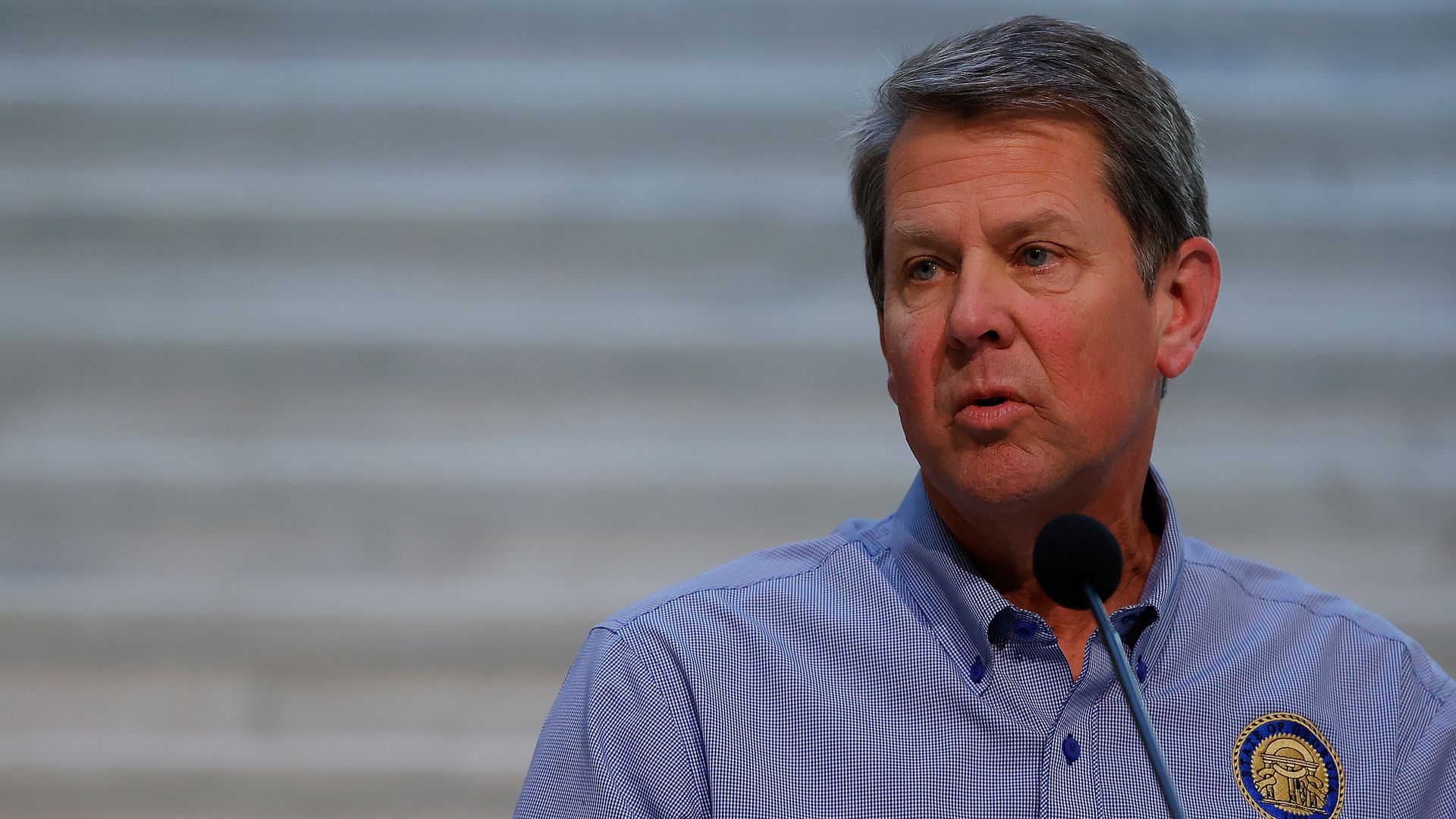
Georgia Gov. Brian Kemp (R) has announced that he will lift the state's shelter-in-place order for most residents on Thursday at 11:59 pm, though it will remain in place for the elderly and “medically fragile” through June 12.
Why it matters: Kemp has come under fire for his aggressive efforts to roll back coronavirus restrictions earlier than most governors. Even President Trump, an ally of the governor, said he "strongly disagrees" with Kemp's decision last week to reopen non-essential businesses like gyms, bowling alleys and tattoo parlors.
Good restaurants are by their nature small businesses — and they're bearing the brunt of the coronavirus shutdown as locked-down retail and service-sector businesses can shut down and reopen much more easily.
Why it matters: The CARES Act has earmarked hundreds of billions of dollars to help small businesses through this crisis, but it has largely failed small restaurants.
Regional food is a kind of language. It lives through hard-earned knowledge and practice, shared among a sufficiently large group of people, passed on through generations.
Why it matters: It can die of neglect. Or, it turns out, of COVID-19.
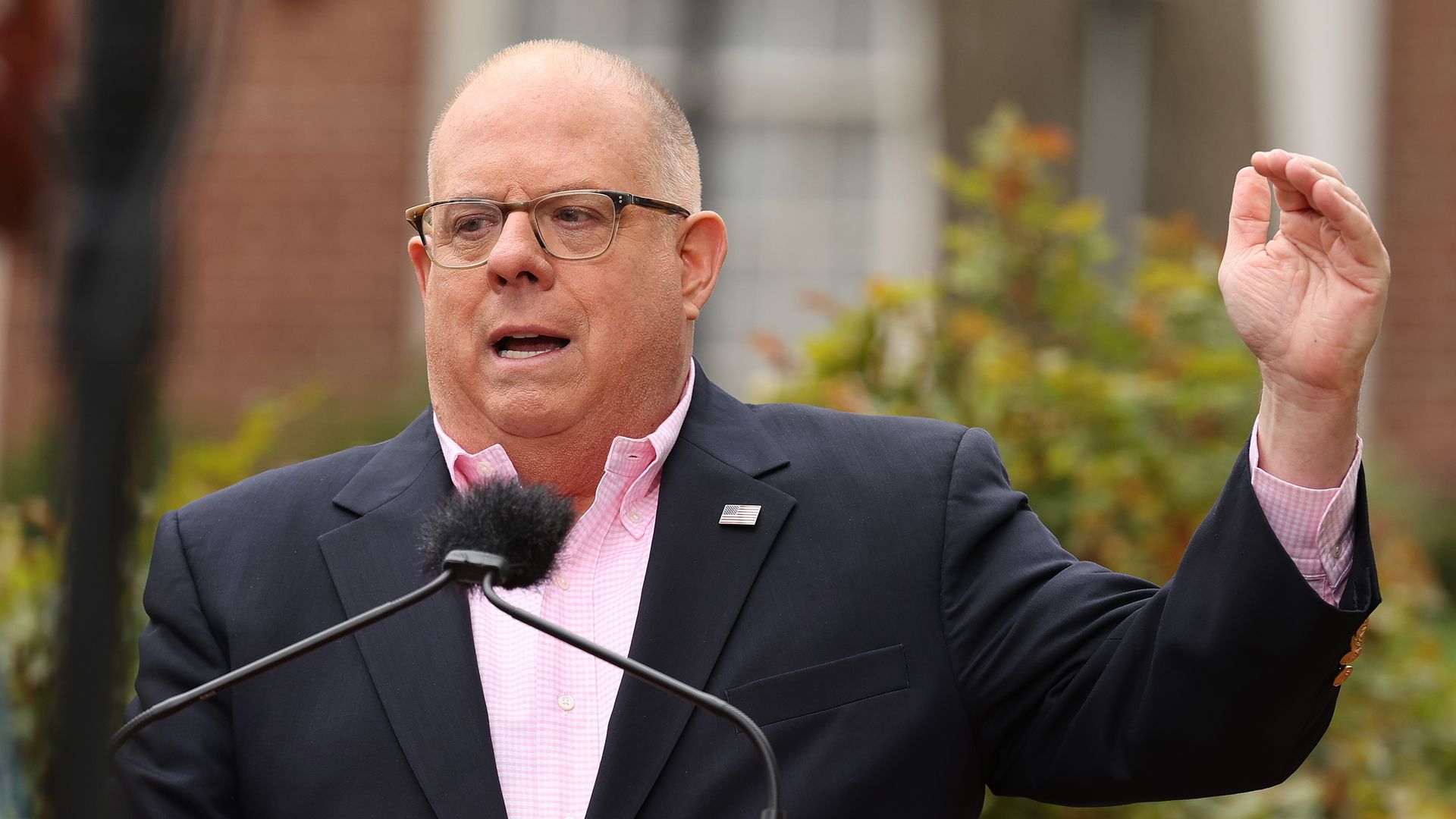
Why it matters: Hogan said the state wanted to guard the tests "from whoever might interfere with it," referencing reports from Massachusetts and other states that the federal government had effectively confiscated shipments of personal protective equipment.
Large farms, food processors and restaurant operators have much brighter prospects than their smaller counterparts grappling with the coronavirus crisis.
The big picture: They have access to capital markets, including the trillions of dollars being injected into the fixed-income markets by the Federal Reserve.
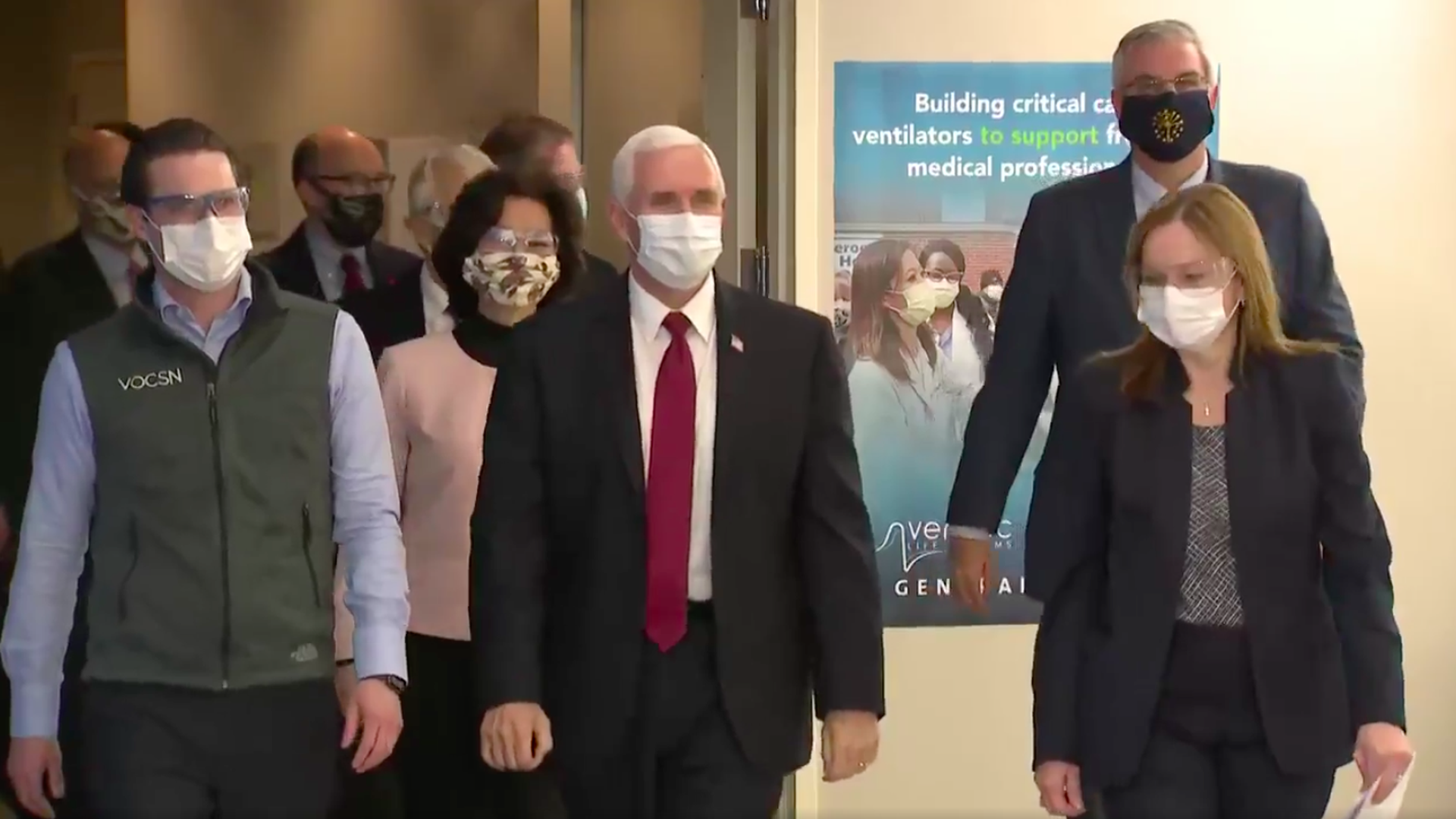
Vice President Mike Pence wore a face mask while touring a General Motors plant in Kokomo, Indiana, on Thursday, after coming under fire for flouting the Mayo Clinic's mandatory face mask policy during a visit on Tuesday.
Why it matters: This is the first time that Pence, who has traveled all over the country as head of the White House's coronavirus task force, has publicly worn a face mask. The CDC issued guidance this month recommending that Americans wear face coverings to help stop the asymptomatic spread of the coronavirus.
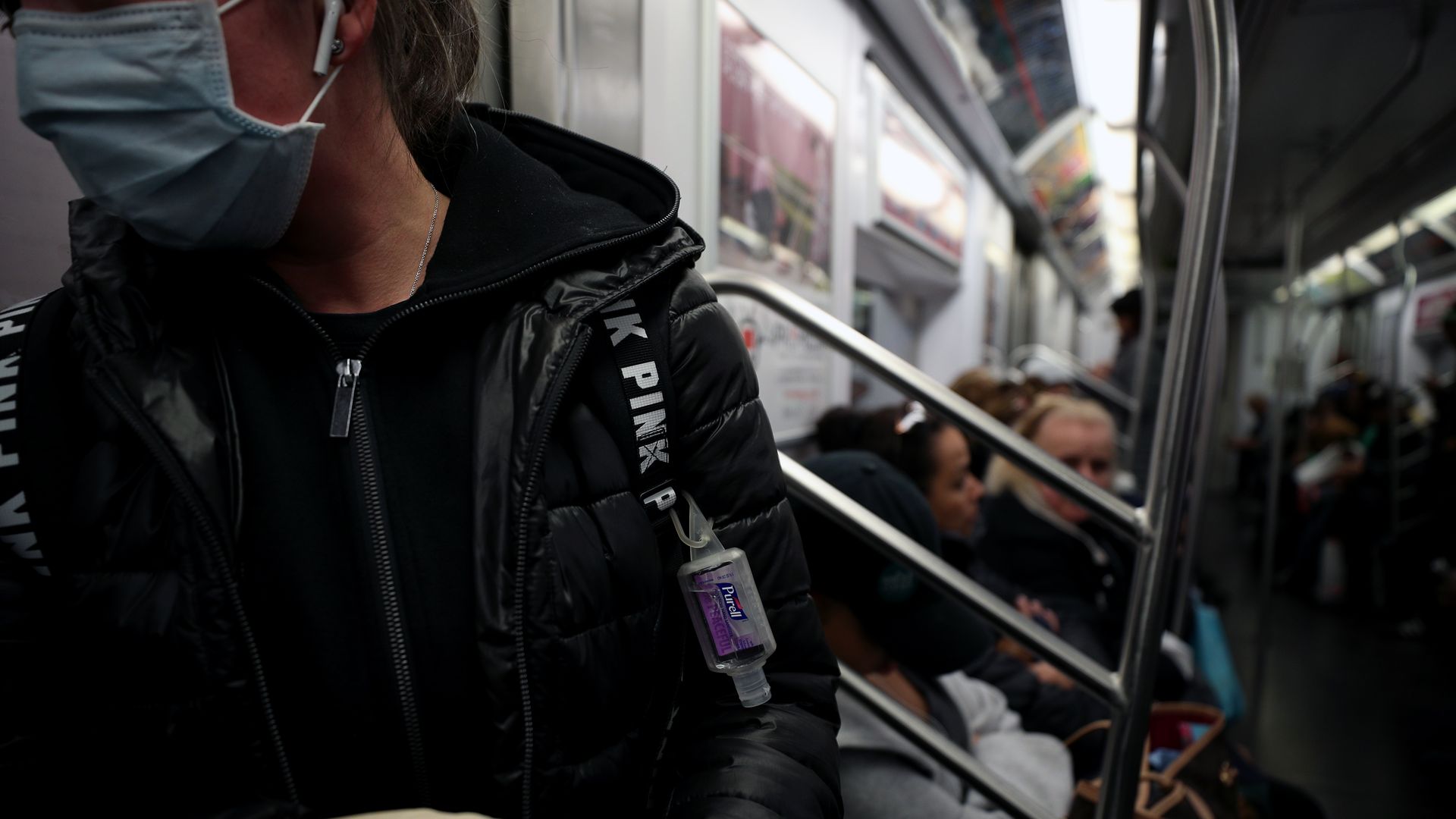
New York Gov. Andrew Cuomo and New York City Mayor Bill de Blasio announced Thursday that the city's subway system will end 24-hour service to disinfect trains overnight amid the coronavirus pandemic.
Why it matters: It's the first time since the subway began running in 1904 that continuous service will not be offered.
Returning to the podium Thursday for the first time since recovering from the coronavirus, Prime Minister Boris Johnson said he could confirm that the U.K. is "past the peak of this disease."
Why it matters: The U.K. has Europe's second-highest death toll, behind Italy, and the number of active cases continued to tick upwards last week even as it fell in other hard-hit countries like France and Spain. With the situation now improving, Johnson said he'll announce a "comprehensive plan" next week for re-opening the economy, schools and transportation.
As more and more venture capital-backed startups acknowledge having received Paycheck Protection Program (PPP) loans, many have wondered why their VCs didn't bail them out.
What's happening: It comes down to the deep pocket fallacy. Venture capital funds are not the same as the rich uncle. They have their own investors, or limited partners, to whom they owe a fiduciary duty.
3.8 million people filed for unemployment last week, the Labor Department announced Thursday.
Why it matters: While the pace of unemployment filings has slowed since its peak in late March, the number of workers who have lost their jobs in recent weeks — as efforts to contain the coronavirus pandemic slammed the labor market — tops 30 million.
Online brokerages have seen a record number of new accounts opened this year as so-called mom and pop retail investors look to buy the dips and cash in on the market's late February selloff.
What's happening: "The rush of retail investors into U.S. equities is at least partly a function of a world with no casinos, no sports betting to speak of (horses and ping-pong aside), and little to do outside the home," DataTrek Research co-founder Jessica Rabe points out in a note to clients.
Initially hailed as a savior of Brazil's economy as stock prices climbed to record highs after his election, President Jair Bolsonaro now has the country's markets on a crash course.
What's happening: Brazil's benchmark stock index has been one of the world's worst performers, down by nearly 30% in its local currency so far this year, and lower by 46% in U.S. dollar terms.
Microsoft delivered the goods in its earnings report Wednesday, announcing increased profit and sales that not only beat analysts' expectations but showed the company could continue its impressive growth trajectory in the face of the coronavirus pandemic.
Why it matters: The impact of Microsoft's strong earnings is magnified by the fact that it is one of the five Big Tech companies that account for around 20% of the entire S&P 500's market cap — along with Apple, Amazon, Alphabet and Facebook — the index's highest level of concentration since the 2000 tech bubble.
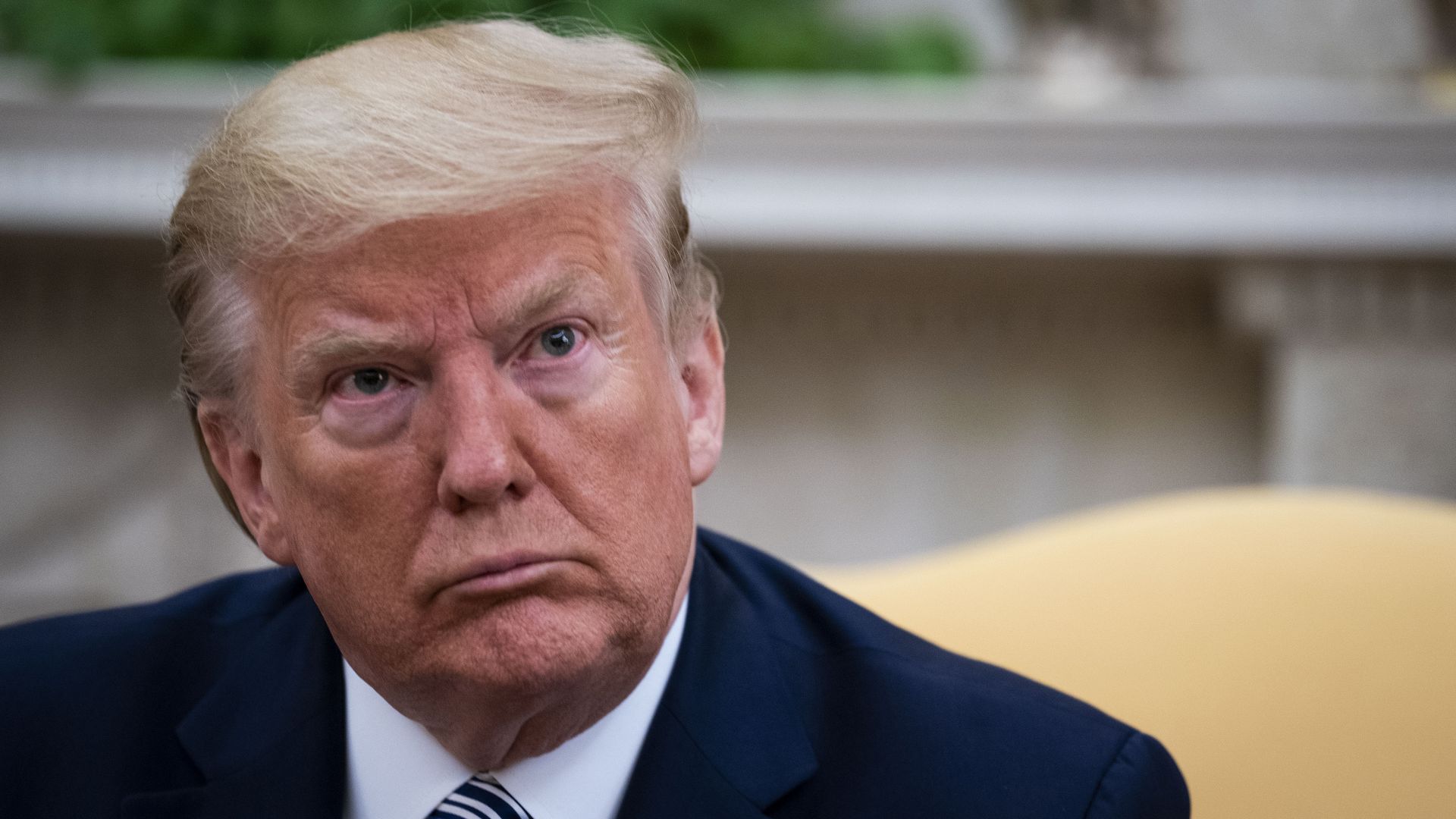
President Trump's handling of the coronavirus crisis has produced a political emergency for the White House, with a raft of signs suddenly pointing to possible big trouble when he faces re-election six months from now.
The state of play: His favorability rating, mostly stable throughout his presidency, has ticked down in Gallup to 43%, from 49% on March 22 — and a furious Trump blew up at his campaign team last week, snapping at campaign manager Brad Parscale: "I am not f---ing losing to Joe Biden," AP reported.
As some states take steps to partially re-open their economies, public health officials and local governments are trying to aggressively ramp up contact tracing to track the spread of COVID-19 in their communities.
Why it matters: If we are indeed in the midst of a war against an invisible enemy, a contact-tracing offensive — launched by both an army of human tracers and an arsenal of technological tools — will be a big part of the key to winning.
Several large employer groups this week refused to sign on to funding requests they consider a "handout" for hospitals and insurers, according to three people close to the process.
The big picture: Coronavirus spending bills are sharpening tensions between the employers that fund a significant portion of the country's health care system and the hospitals, doctors and insurers that operate it.
President Trump’s order to reopen meat processing plants, despite the fact that they're coronavirus hot spots, raises a tangle of liability issues that could keep courts and trial lawyers busy for years.
Why it matters: The scrap over meat plants — which is just heating up — may be a microcosm of the ones other businesses will face once commerce opens up more broadly.
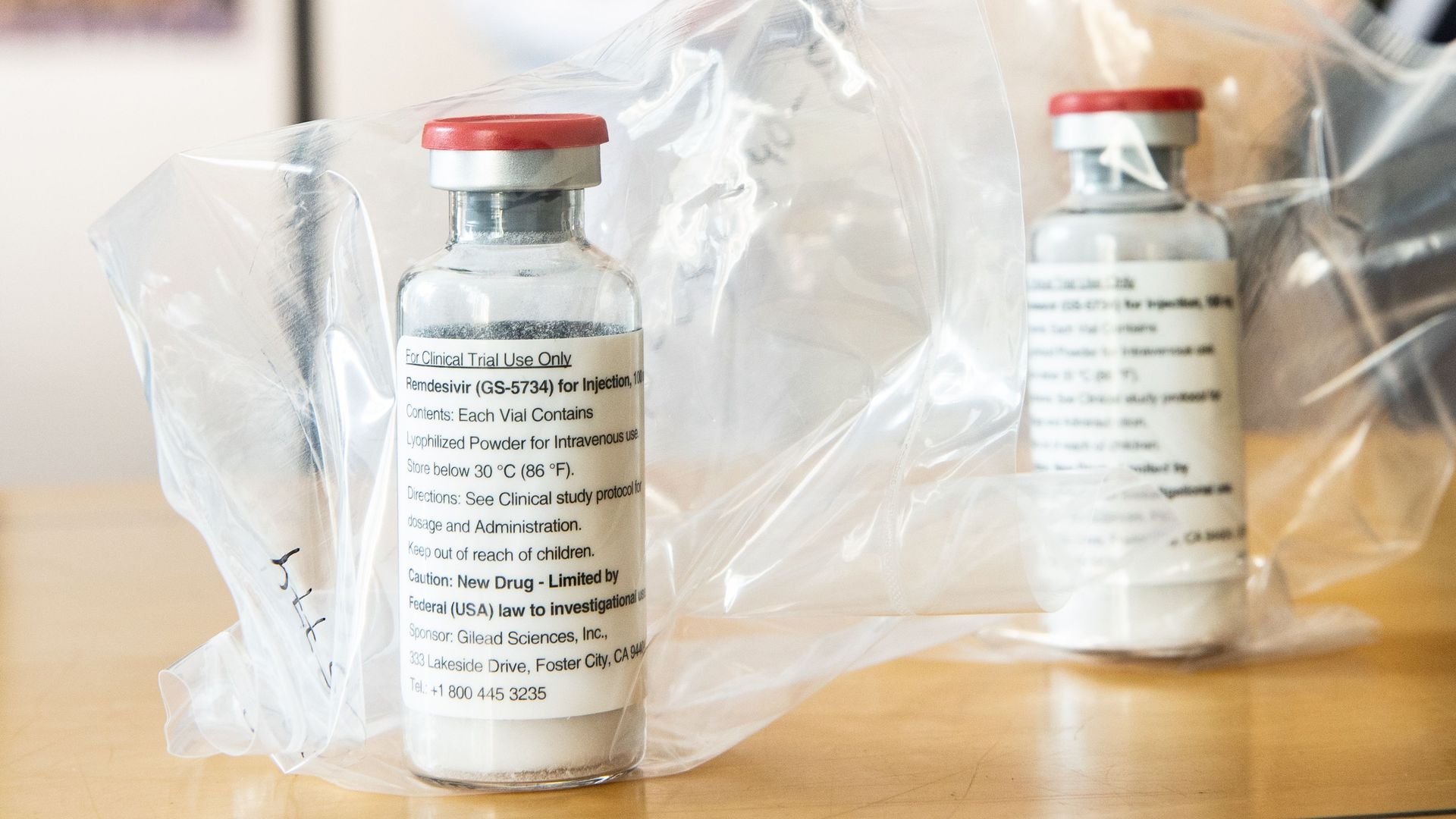
If you feel like you're suffering whiplash from the new, conflicting study data on Gilead Sciences' experimental coronavirus drug, remdesivir, you're not alone.
The big picture: Remdesivir could provide some help and lay the groundwork for more research, but this drug on its own does not appear to be any kind of "cure" for the novel coronavirus.
Americans are among thousands of cruise ship workers stuck at sea because of a CDC order issued in response to the novel coronavirus outbreak. But the CDC says it's up to cruise liners to ensure they meet the legal safety requirements during the pandemic.
The big picture: The CDC said in its No Sail Order extension announcement on April 9 that the Coast Guard was monitoring some 120 cruise ships in U.S. waters with nearly 80,000 crew members on board and this is still the case, per CBS News, which reported Wednesday 132 Americans were "marooned on cruise ships owned by Carnival Cruise Line companies" — including nine aboard the Oosterdam who were denied disembarkation at Los Angeles Tuesday.
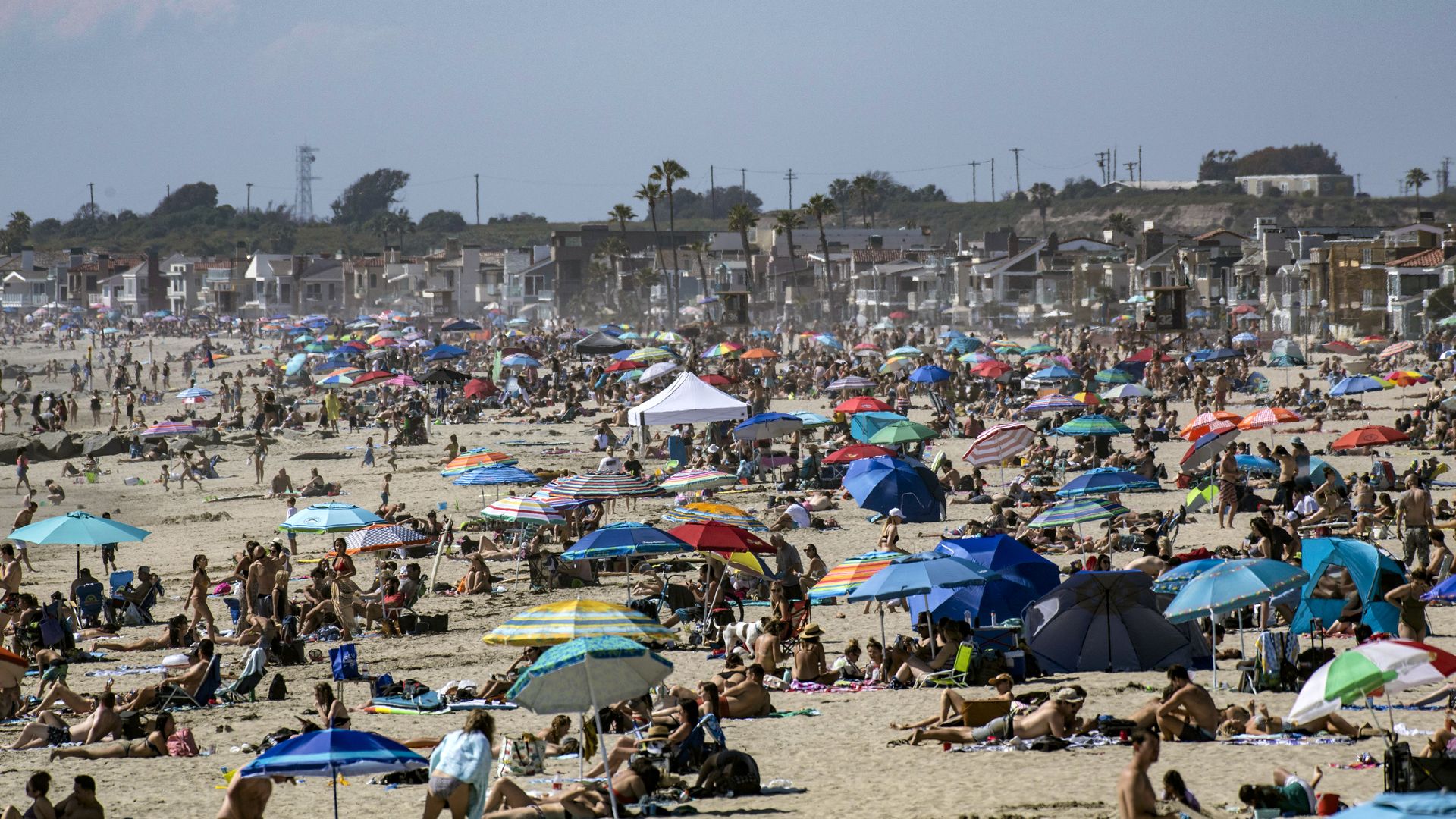
California Gov. Gavin Newsom will order all beaches and state parks to close Friday to avoid a repeat of last weekend's "violation" of lockdown measures when the coast became "overcrowded," a police memo leaked to a local Fox station said Wednesday.
The big picture: California Police Chiefs Association president Eric Nuñez told AP the memo was sent for planning purposes ahead of Newsom's announcement Thursday. Newsom said earlier Wednesday he was working with local authorities to take further action after Newport Beach City Council voted to keep its beaches open, per the Los Angeles Times. The novel coronavirus has killed 1,887 people in California and infected 46,500 others, per the latest state health figures.
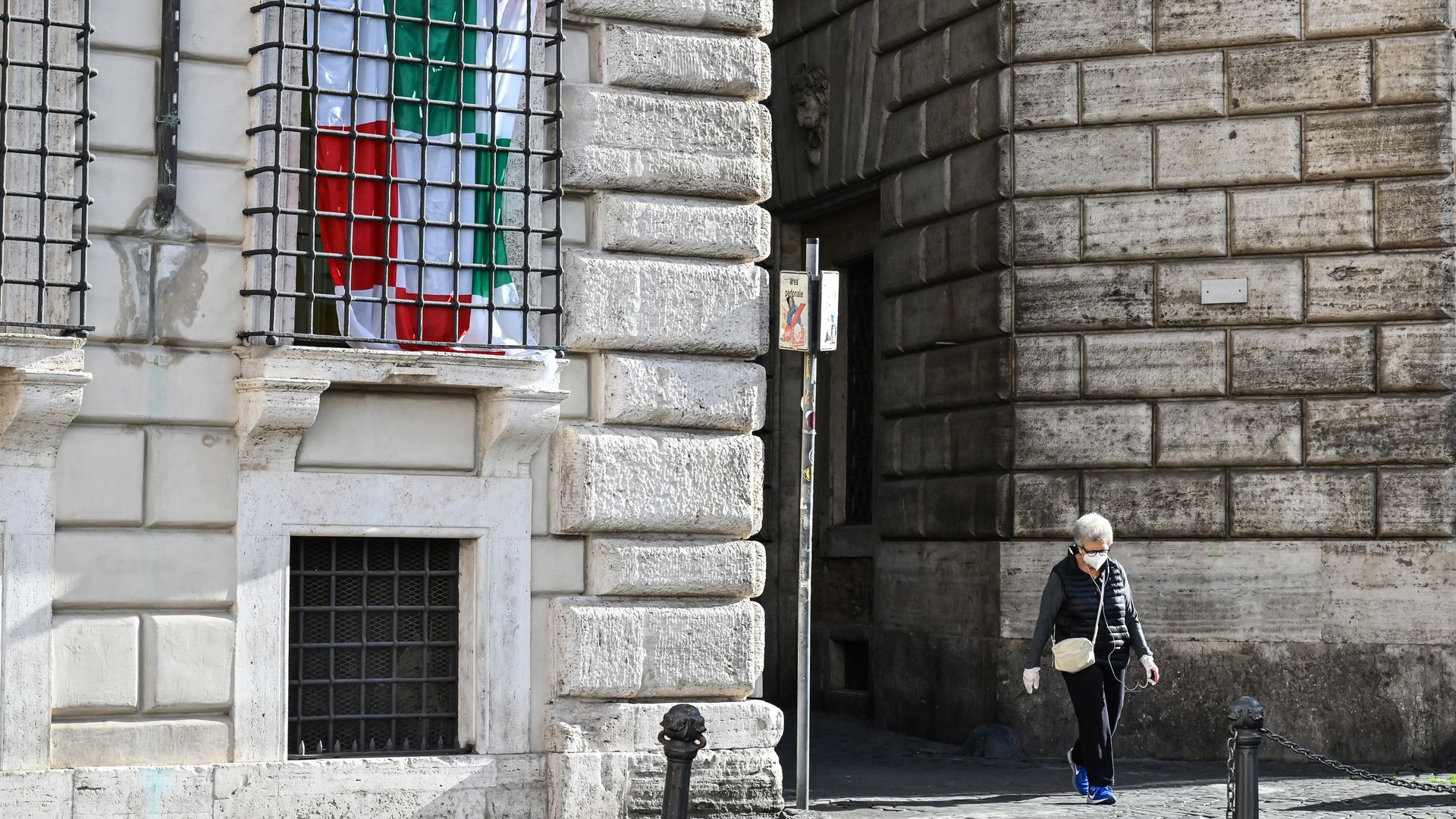
Over 4 million workers have applied to Italy's national welfare agency to get €600 payments (roughly $650) for wages lost due to the country's stay-at-home order, the agency tweeted on Wednesday.
The big picture: Italy plans to phase out of the world's longest-running coronavirus lockdown next week. As factories and construction sites reopen, the country will have to keep infections down to prevent another novel coronavirus spike.
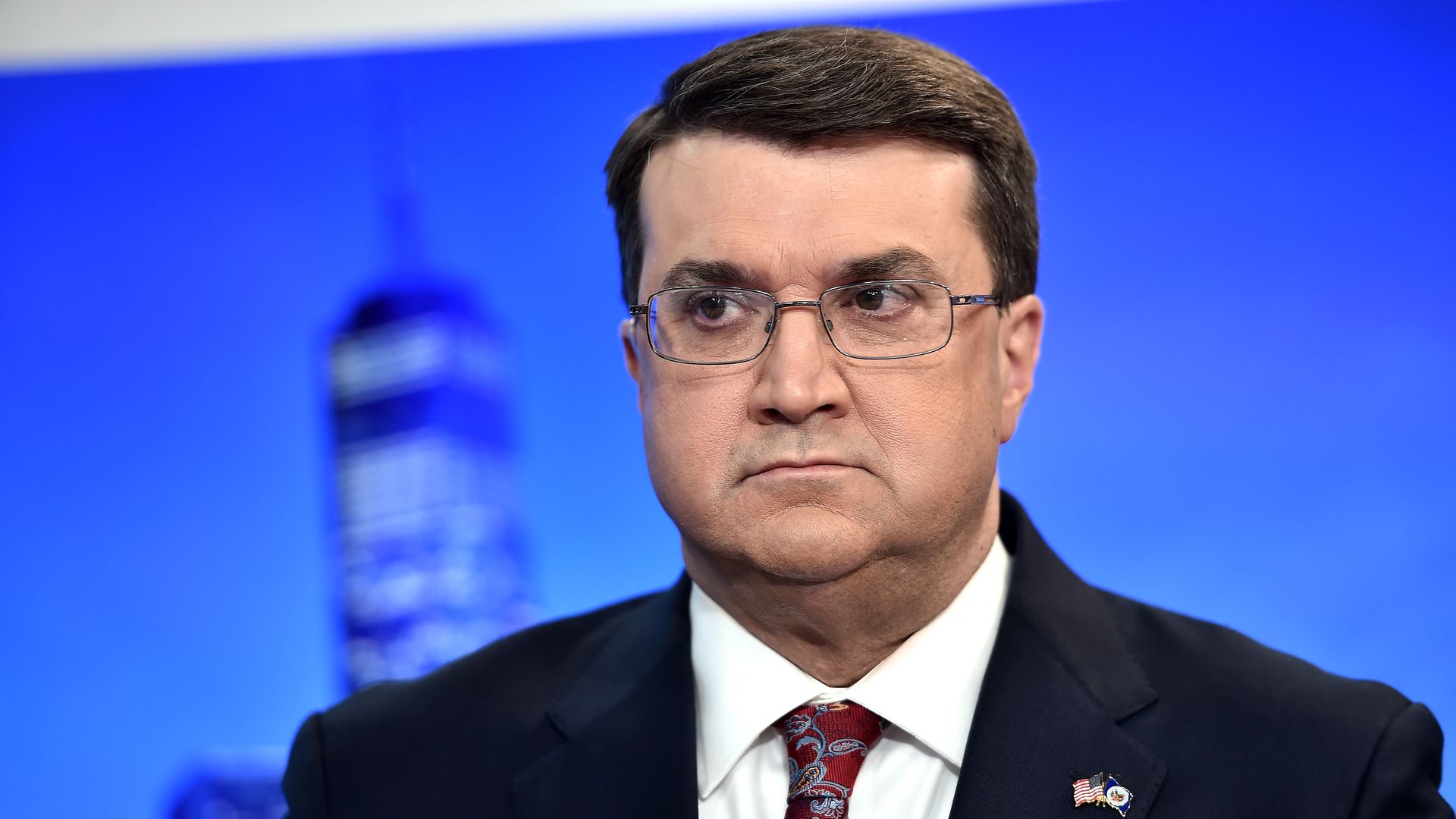
Veterans Affairs Secretary Robert Wilkie said in a letter on Wednesday that veterans are being treated for the novel coronavirus with hydroxychloroquine only when patients and their doctors find it medically necessary.
Why it matters: The Food and Drug Administration warned doctors last week about prescribing the antimalarial drug to COVID-19 patients as it appears to be causing some serious and potentially life-threatening side effects.
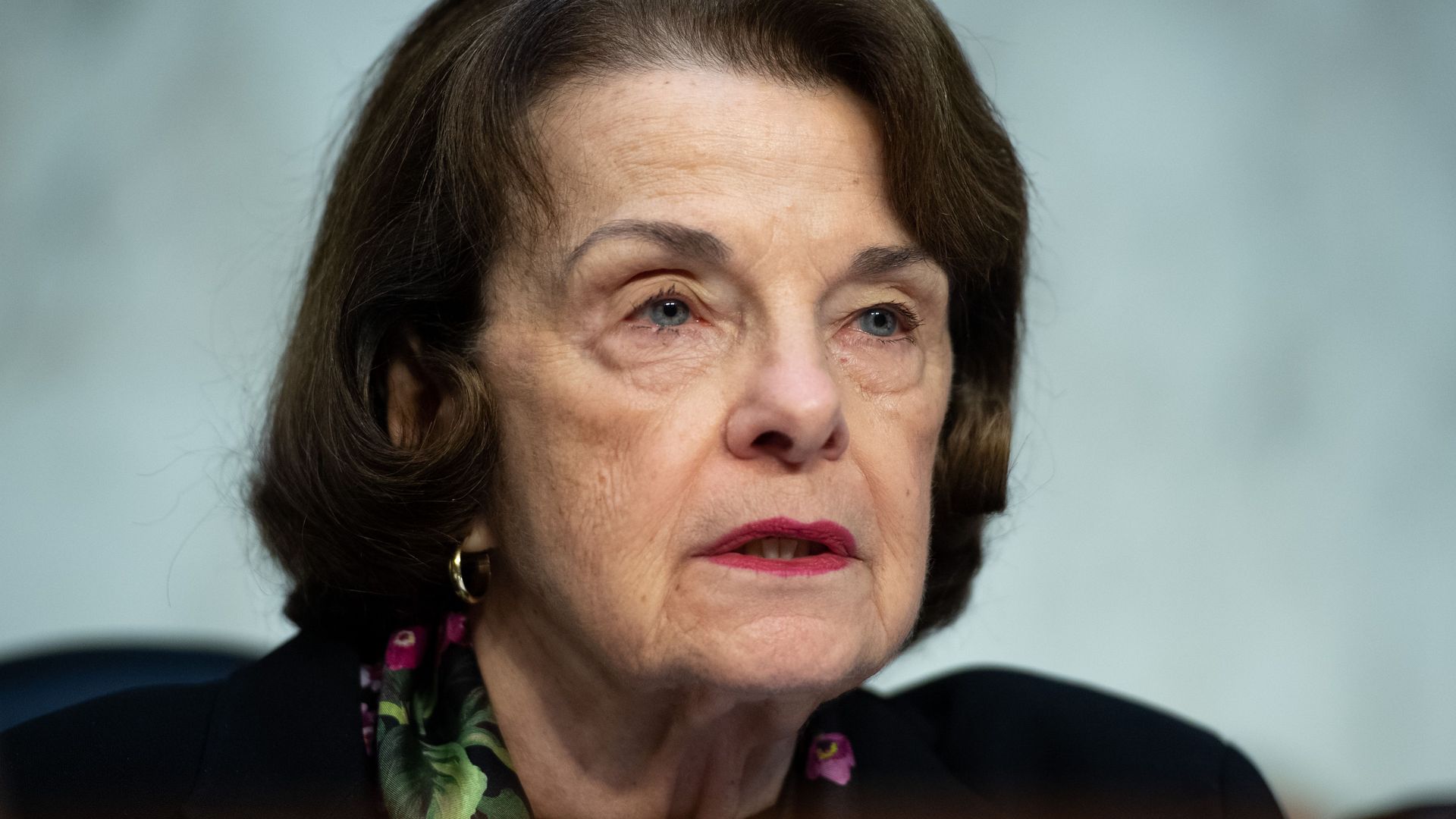
Sen. Dianne Feinstein (D-Calif.) sent a letter to Majority Leader Mitch McConnell (R-Ky.) Wednesday calling on him to not recall sessions in the chamber amid the novel coronavirus outbreak.
Why it matters: McConnell said Monday that the Senate will reconvene on May 4 as it begins to consider the next coronavirus stimulus package. Feinstein at 86 is the oldest member of the Senate. She asked him to allow the chamber to continue working remotely "in the interest of public health and sending the right message to the nation."