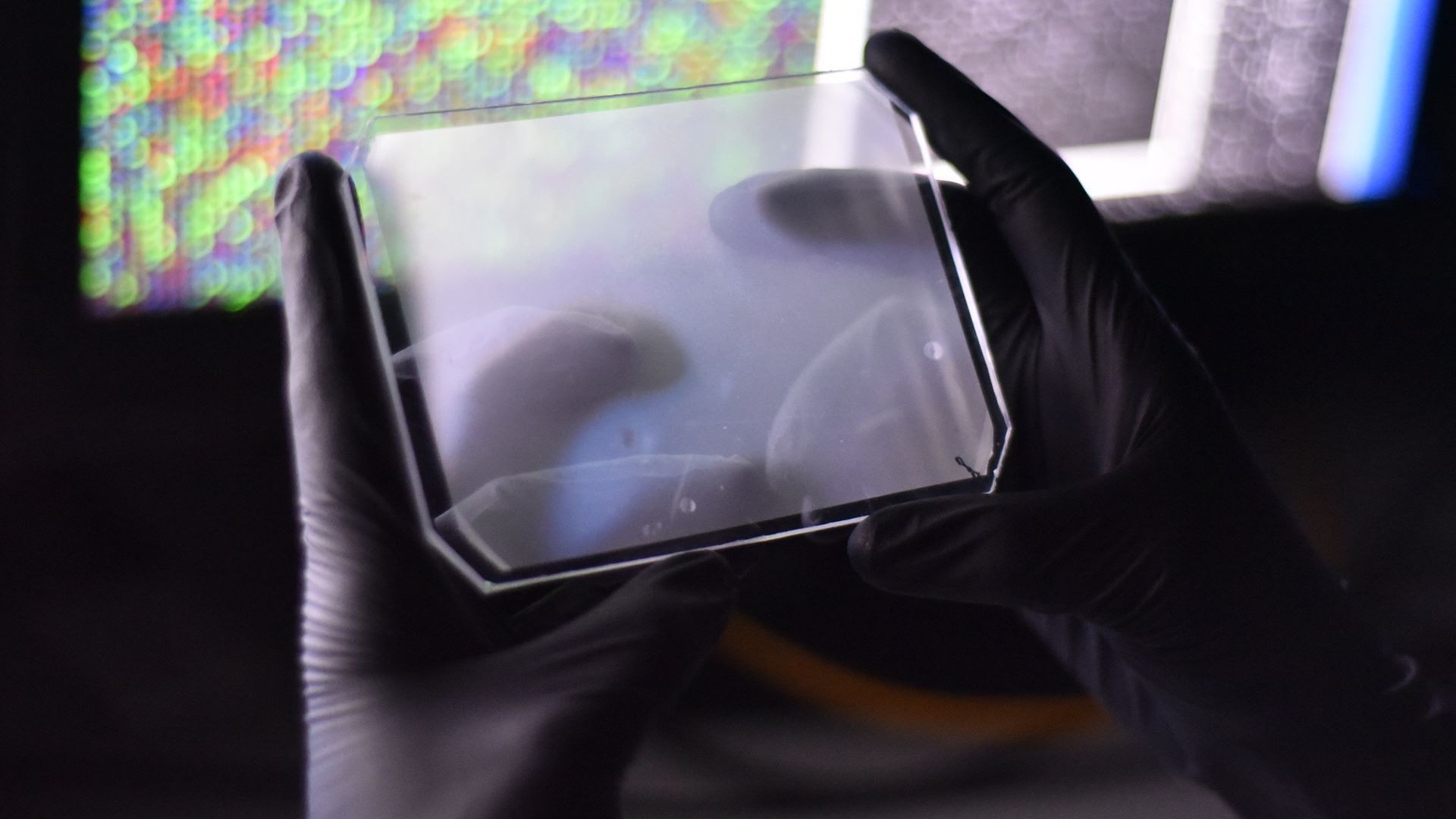
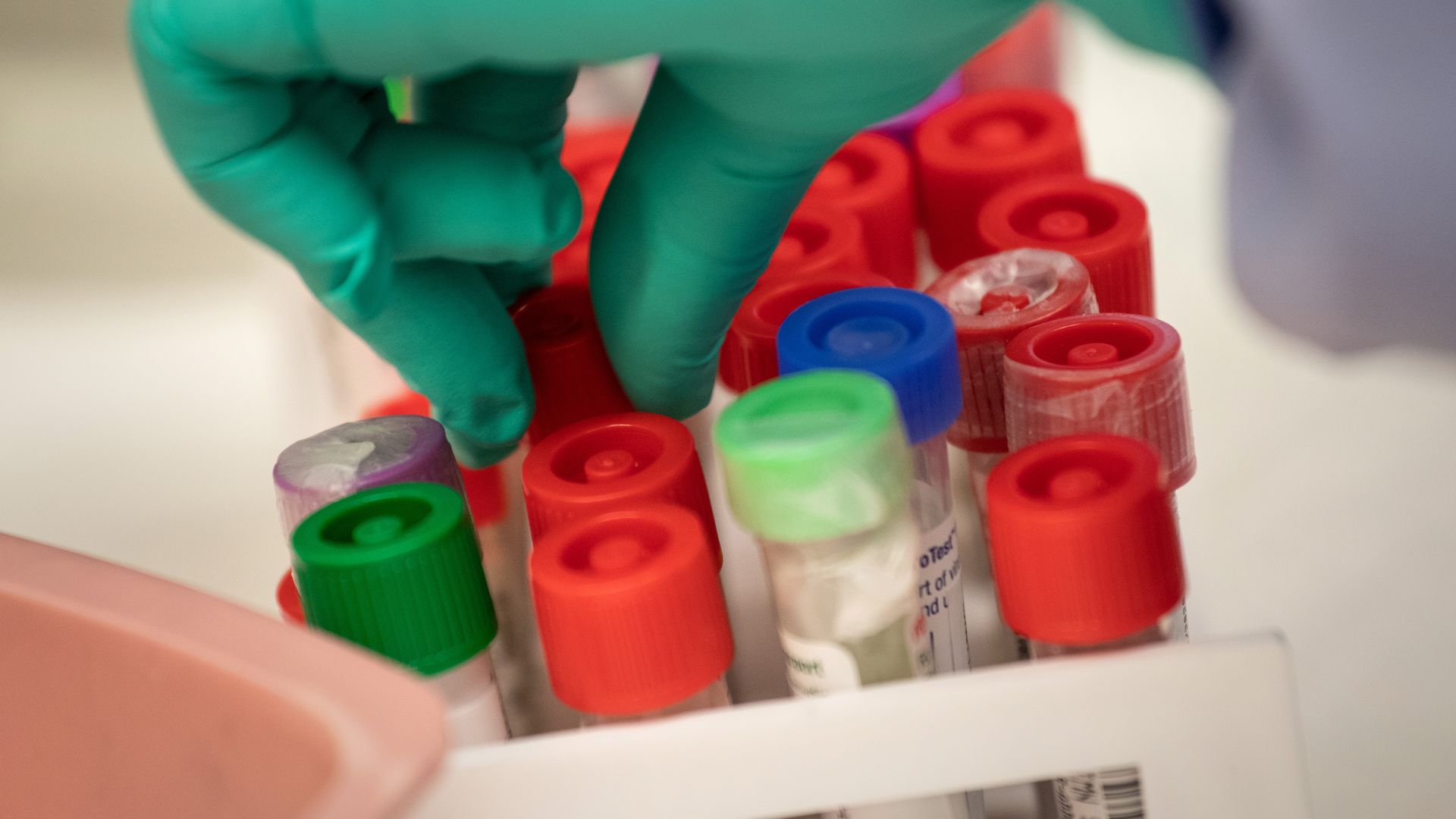
A new technology has been developed using CRISPR-based molecular diagnostics to run thousands of tests for diseases simultaneously, per a paper published in Nature today.
Why it matters: COVID-19 has painfully demonstrated the limits of conventional diagnostics methods for infectious disease. A new platform that would allow doctors to test a single sample for thousands of different pathogens could revolutionize disease response.
With deaths from the novel coronavirus potentially cresting and some U.S. states taking early steps to reopen their economies, the COVID-19 pandemic is at a critical moment.
Why it matters: State and local leaders are trying to figure out what to open and when.Properly managing the pandemic on a social and personal level will require hard honesty about what we know and what we don't.
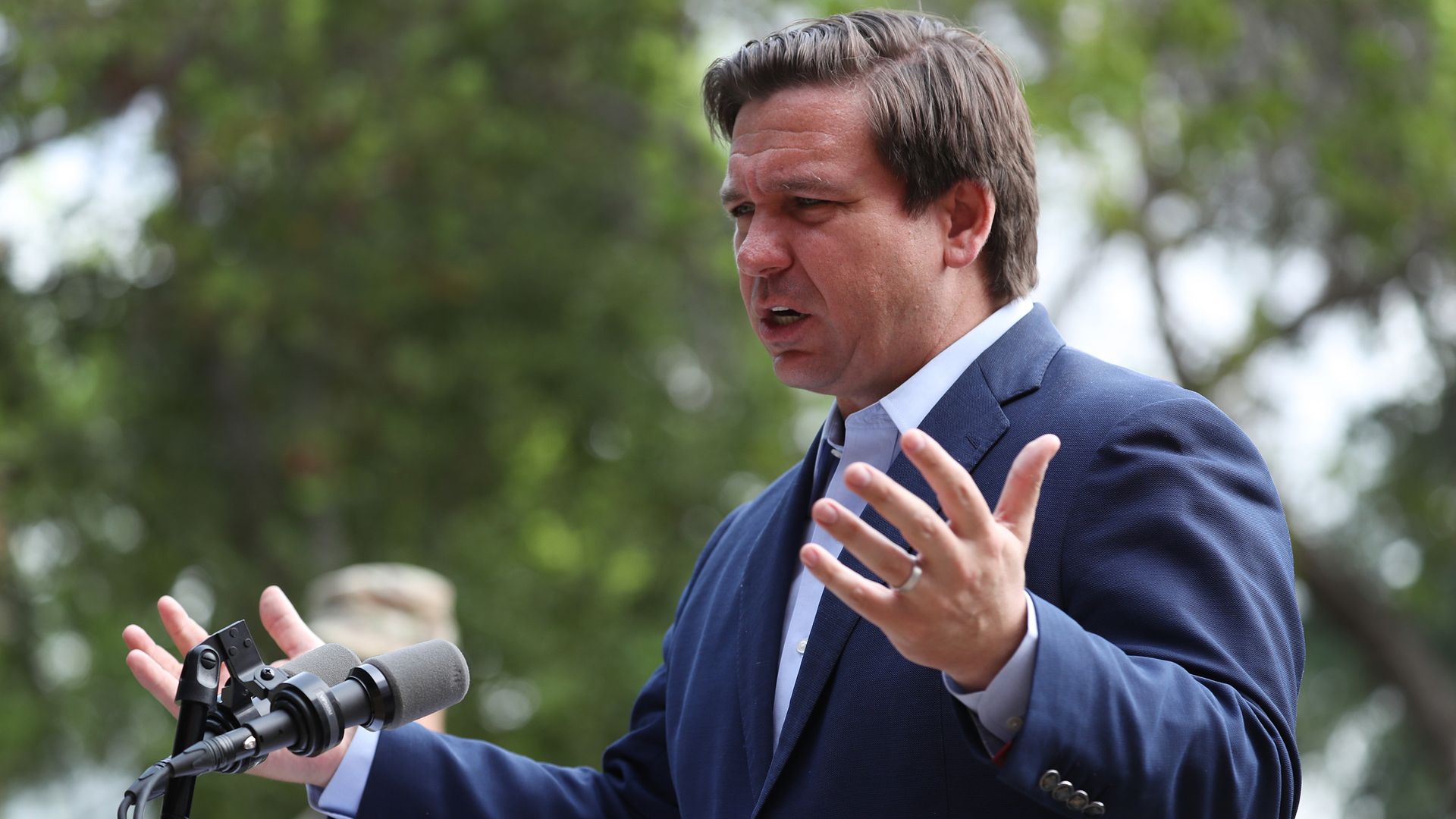
Florida Gov. Ron DeSantis (R) announced on Wednesday that phase one of the state's reopening will begin in most counties on Monday, with stores and restaurants permitted to operate at a 25% occupancy limit.
Why it matters: Florida has been one of the epicenters of the coronavirus outbreak in the U.S., reporting more than 33,000 confirmed cases and 1,200 deaths thus far, per Johns Hopkins.
One worst-case scenario caused by the novel coronavirus is that the number of malaria deaths in sub-Saharan Africa could double, World Health Organization Director-General Tedros Adhanom Ghebreyesus said.
The big picture: Roughly 380,000 people living in countries observed by WHO's African Region died from malaria in 2018, the latest year that data from WHO is available.
Trump administration advisers are hinting at a willingness to spend billions and elevate their risk tolerance in the hope of getting coronavirus treatments out this year.
What they're saying: "There had been frustration about how slow CDC was moving on a vaccine, and there had been discussions on how to bypass some of the bureaucracy and speed the process up significantly," a White House official told Axios' Alayna Treene.
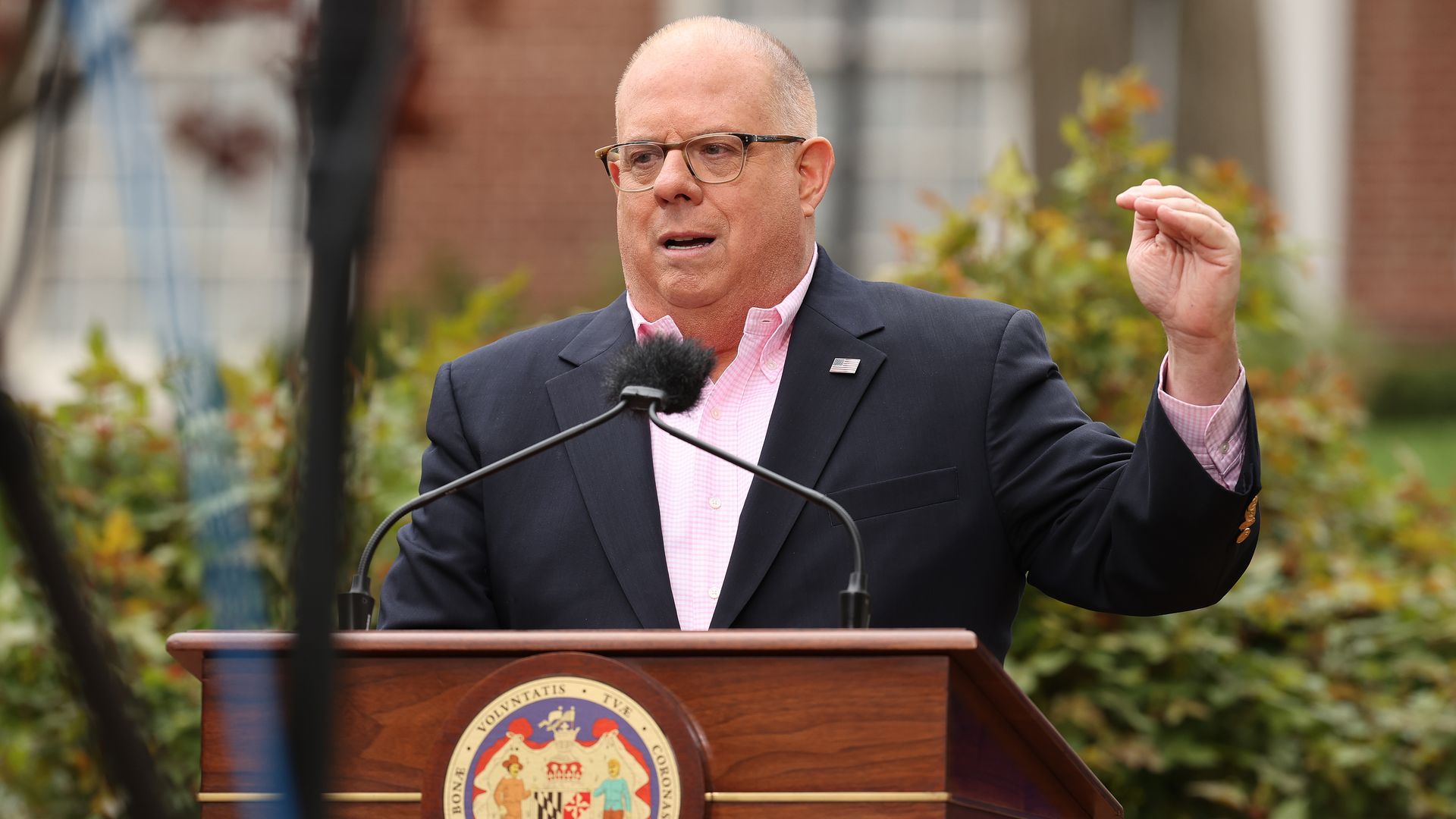
Maryland Gov. Larry Hogan (R) issued an executive order Wednesday requiring universal coronavirus testing for all of the state's nursing home residents, the Baltimore Sun reports.
Why it matters: Nursing homes in Maryland account for 46% of the state's coronavirus deaths and 19% of its cases, Hogan said Wednesday. Clusters of cases in nursing homes nationwide, which house a total of 2.5 million Americans, have proven to be among the most deadly.
Remdesivir, an antiviral drug made by Gilead Sciences, appears to help coronavirus patients recover more quickly than no treatment at all, but it does not significantly reduce death, according to preliminary data released today from the National Institutes of Health.
Yes, but: A conflicting trial in China, which also released full data today, said the opposite: That remdesivir doesn't appear to have a lot of clinical benefit.
Lyft disclosed Wednesday that it is laying off 982 employees, about 17% of its workforce, and furloughing another 288 — as well as implementing salary cuts for many employees for 12 weeks.
Why it matters: Despite its attempt to roll out new services like delivery, Lyft has been hit hard by the coronavirus pandemic as people remain home and largely avoid interacting with others. Rival Uber is said to be in talks to cut 20% of its employees as well, as it faces the same market shifts.
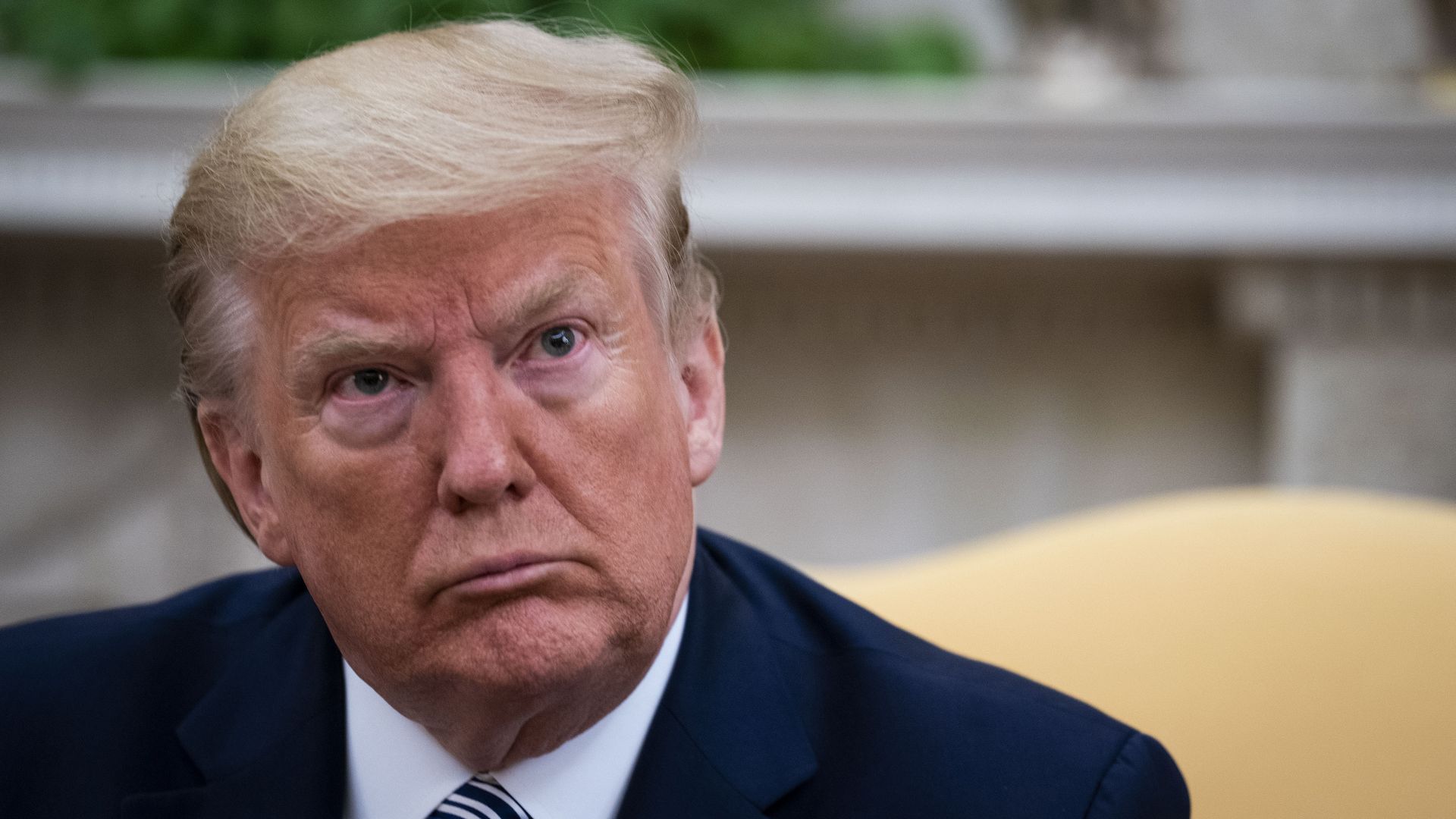
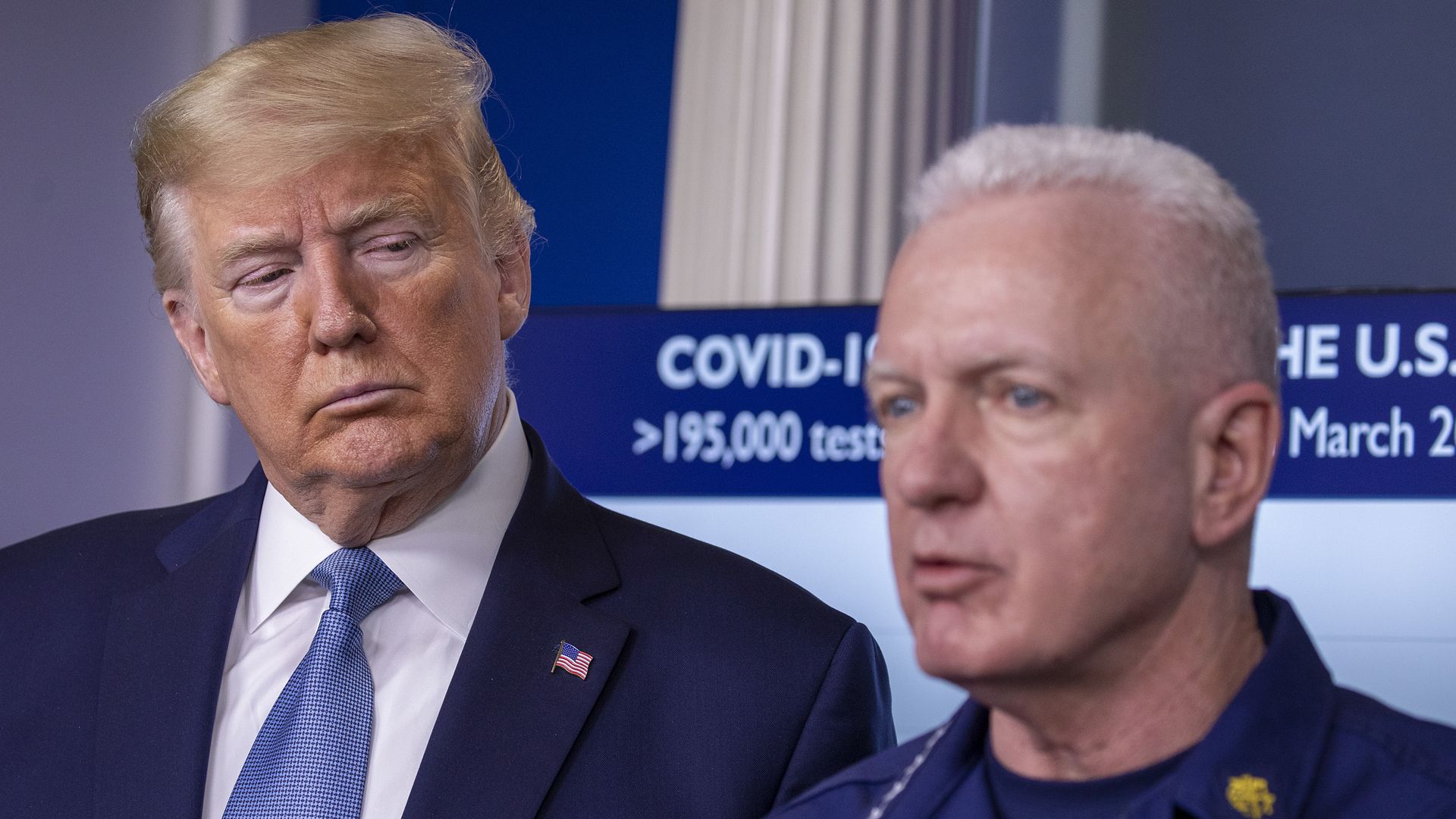
Assistant Secretary of Health Adm. Brett Giroir, the official leading the federal government's coronavirus testing response, told Time Tuesday “there is absolutely no way" the U.S. will be able to conduct 5 million coronavirus tests per day, contradicting comments President Trump made at a press briefing later in the day.
Why it matters: A Harvard University paper assessed that the U.S. would need to conduct 5 million tests daily by early June, and 20 million a day by late July, to reopen safely. But Giroir called the number “an Ivory Tower, unreasonable benchmark.” He said modeling projections did not call for it, nor could technology support it.
Apple and Google said Wednesday that they have given an early version of their Bluetooth-based COVID-19 exposure notification technology to certain developers working with public health authorities.
Why it matters: Releasing test code now is key to offering the technology broadly by mid-May.
A watchdog group has filed more than 200 Freedom of Information Act (FOIA) requests across 50 states, seeking communications between the Trump administration and state policymakers that contradict public coronavirus messaging or show how federal efforts fell short, particularly around testing.
Why it matters: Since states tend to be faster and more responsive to public records requests, the approach may offer a quicker path toward transparency and accountability than document requests to the federal government — or congressional investigations.
Meat processing plants, which were slow to institute effective safety measures, have started to close due to worker infections. Yesterday, President Trump signed an executive order to reopen them. Dan digs into the state of our food supply chain with the Washington Post's Laura Reiley.
White House senior adviser Jared Kushner said on "Fox & Friends" on Wednesday that the federal government "rose to the challenge" of the coronavirus pandemic, calling the Trump administration's response a "great success story."
The big picture: More than 1 million Americans have tested positive for the coronavirus and 58,000 have died as of Wednesday — more than the total number of U.S. deaths during the Vietnam War.
The National Institutes of Health is spending $1.5 billion in federal stimulus money to speed the development of COVID-19 tests, with a goal of creating "millions" of quick tests every week "by the end of summer 2020, and even more in time for the flu season," the federal agency said Wednesday.
Why it matters: Containing the coronavirus outbreak and resuming a semblance of normal life will require a big increase in the country's testing capacity, which is still well below where experts say it should be.
Boeing said Wednesday it would cut 10% of its workforce in the face of dismal demand for its planes during what is likely to be a long recovery for the airline industry from the coronavirus pandemic.
The big picture: Boeing is facing a double whammy from the coronavirus-induced decline of air travel plus the more than yearlong grounding of its best-selling plane, the 737 MAX.
The economic and logistical toll of the coronavirus pandemic is affecting the rollout of several electric vehicle models, and even canceling one project.
Driving the news: Ford and the EV startup Rivian just scrapped plans to jointly develop a vehicle under the Lincoln brand that would use Rivian's "skateboard" platform.
Tesla, which dominates electric vehicle sales in the U.S. and has a growing global reach, will report its first-quarter earnings after markets close today.
The big picture:Bloomberg's preview of CEO Elon Musk's quarterly call tonight points out that Tesla's share price has been resilient despite production shutdowns from the coronavirus pandemic.
The U.S. economy shrank by an annualized 4.8% in the first quarter, the government said on Wednesday.
Why it matters: It's the biggest quarterly drop in over a decade and shows the beginning of an economic slowdown that's expected to get worse as the coronavirus roils the economy. Economists are bracing for current quarter figures, with some projecting a record annualized decline of about 40%.
As the coronavirus pandemic persists, a divide is growing between stock investors and business owners.
The state of play: Wealthy investors remain confident about the future and their stock portfolios, while business leaders are growing increasingly worried, new surveys show.
Thousands of independent restaurant owners from across the country will join a Zoom press conference today to push Congress to create a "restaurant stabilization fund" to save small eateries that are on the brink of insolvency.
Why it matters: The federal PPP loan program doesn't work for these restaurants because of requirements to hire back employees. These establishments are closed and not generating revenue.
Whether in the workplace or the mall, people can expect that an opened-up world will involve more intrusive security measures and surveillance.
Why it matters: All the new coronavirus protocols that companies are considering for their workers and customers — from contact tracing and temperature-taking to heat mapping and "immunity passports" — have privacy and civil liberties implications.
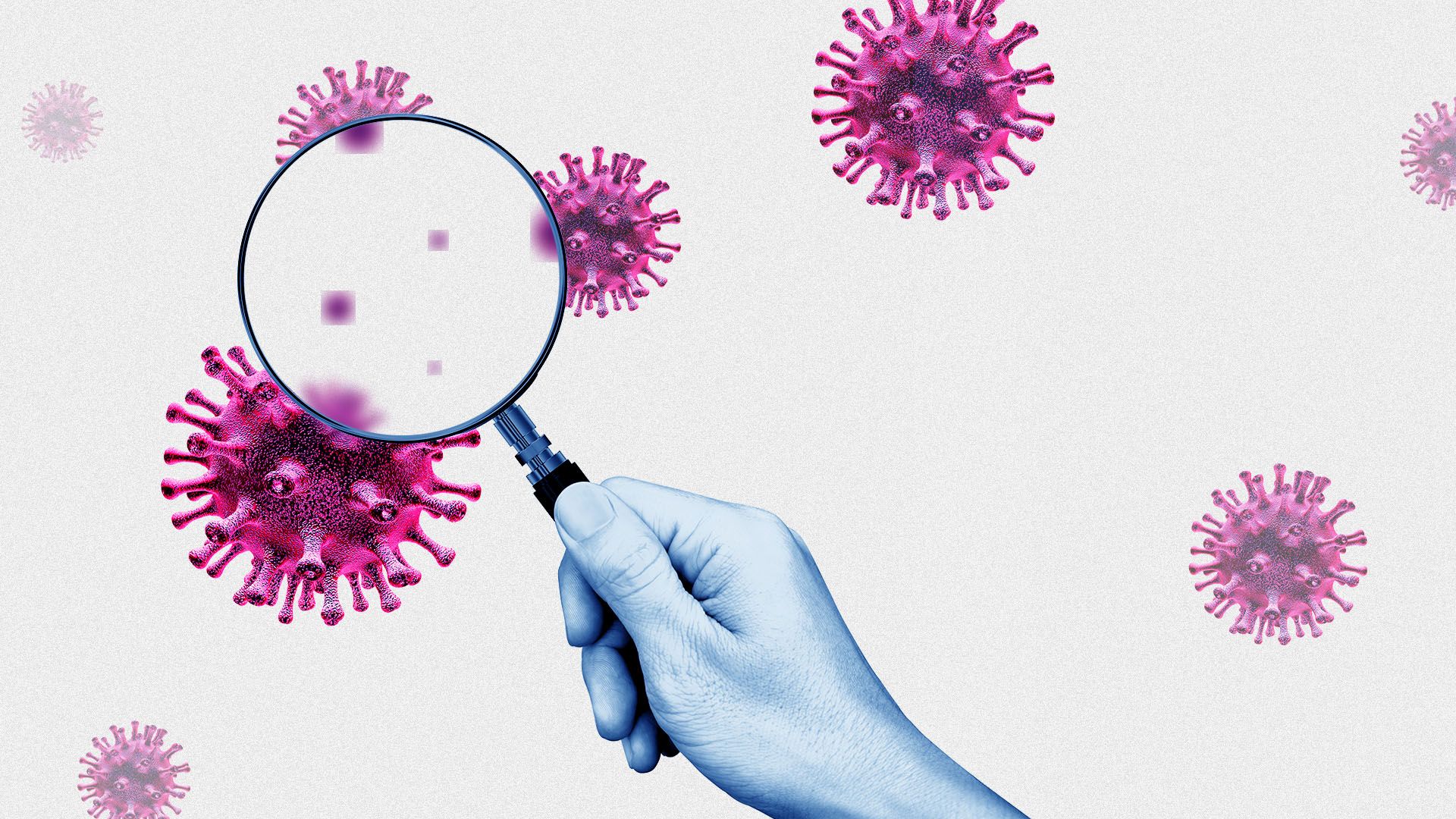
Some states — generally those without major coronavirus outbreaks — are doing enough testing for now, at least according to one metric.
Between the lines: Although the U.S. as a whole still falls far short of where it needs to be on testing, several individual states are testing enough people to put their positive rate at or below 10% of the total number of people tested — an important indicator of whether the state can successfully identify new outbreaks.
New York City Mayor Bill de Blasio, along with police, attempted to break up groups of mourners at a rabbi's funeral Tuesday. De Blasio denounced via Twitter the holding of gatherings during the coronavirus pandemic.
Details: De Blasio called the large funeral gathering in Williamsburg "unacceptable." "When I heard, I went there myself to ensure the crowd was dispersed," he tweeted. "And what I saw WILL NOT be tolerated so long as we are fighting the Coronavirus." But Some Jewish leaders criticized de Blasio for singling out "one specific ethnic community."
President Trump signed an executive order on Tuesday requiring meat processing plants to stay open under the Defense Production Act during the coronavirus pandemic.
Why it matters: America's food supply chain is at risk due to coronavirus outbreaks in rural meatpacking plant communities.






















/2020/04/28/1588113470845.gif?w=3840)