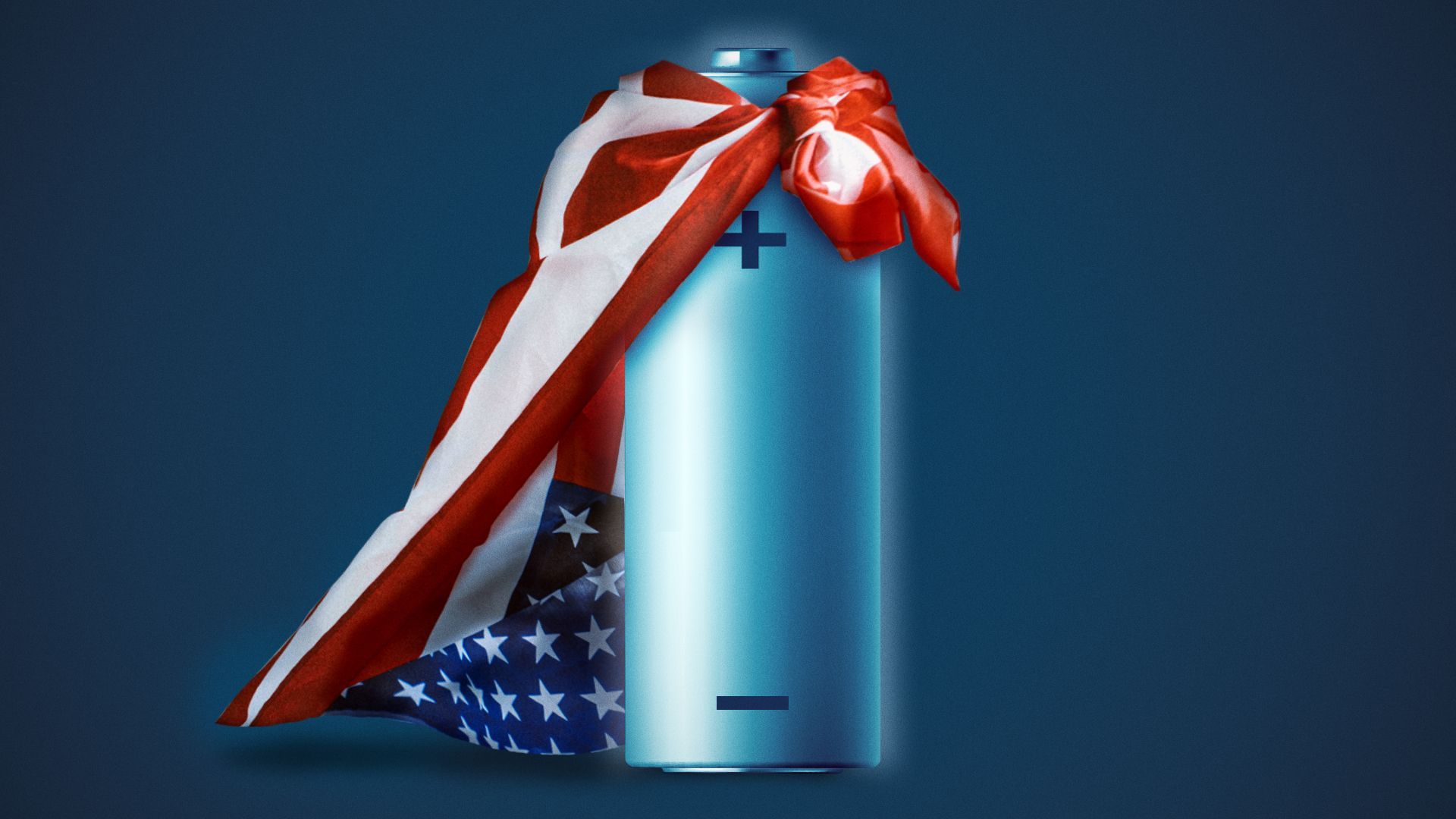
Driving the news: Venture capital and private equity investors on Tuesday invested over $2 billion into nearly a dozen climate tech companies, making it one of the sector's busiest deal days.
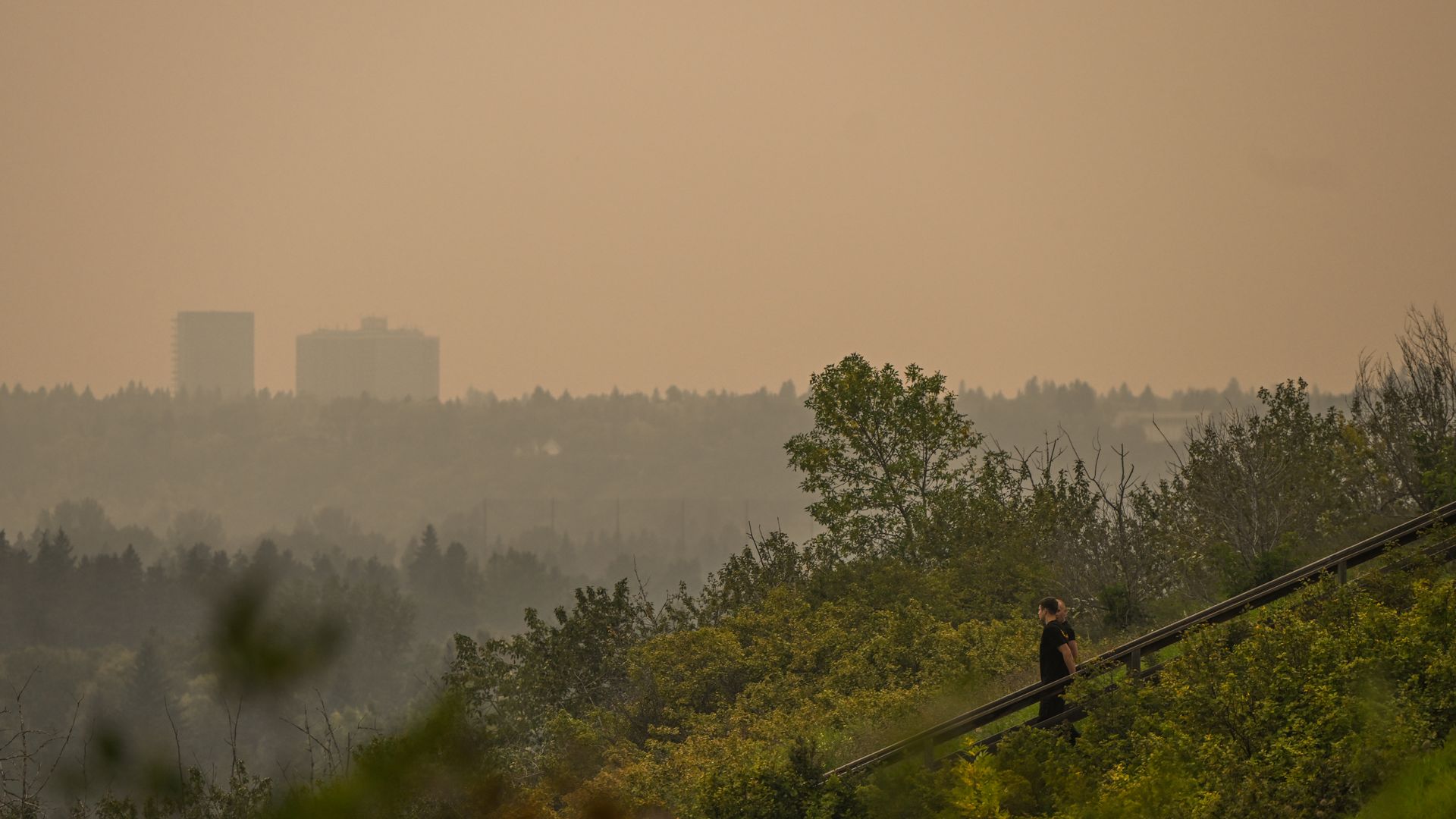
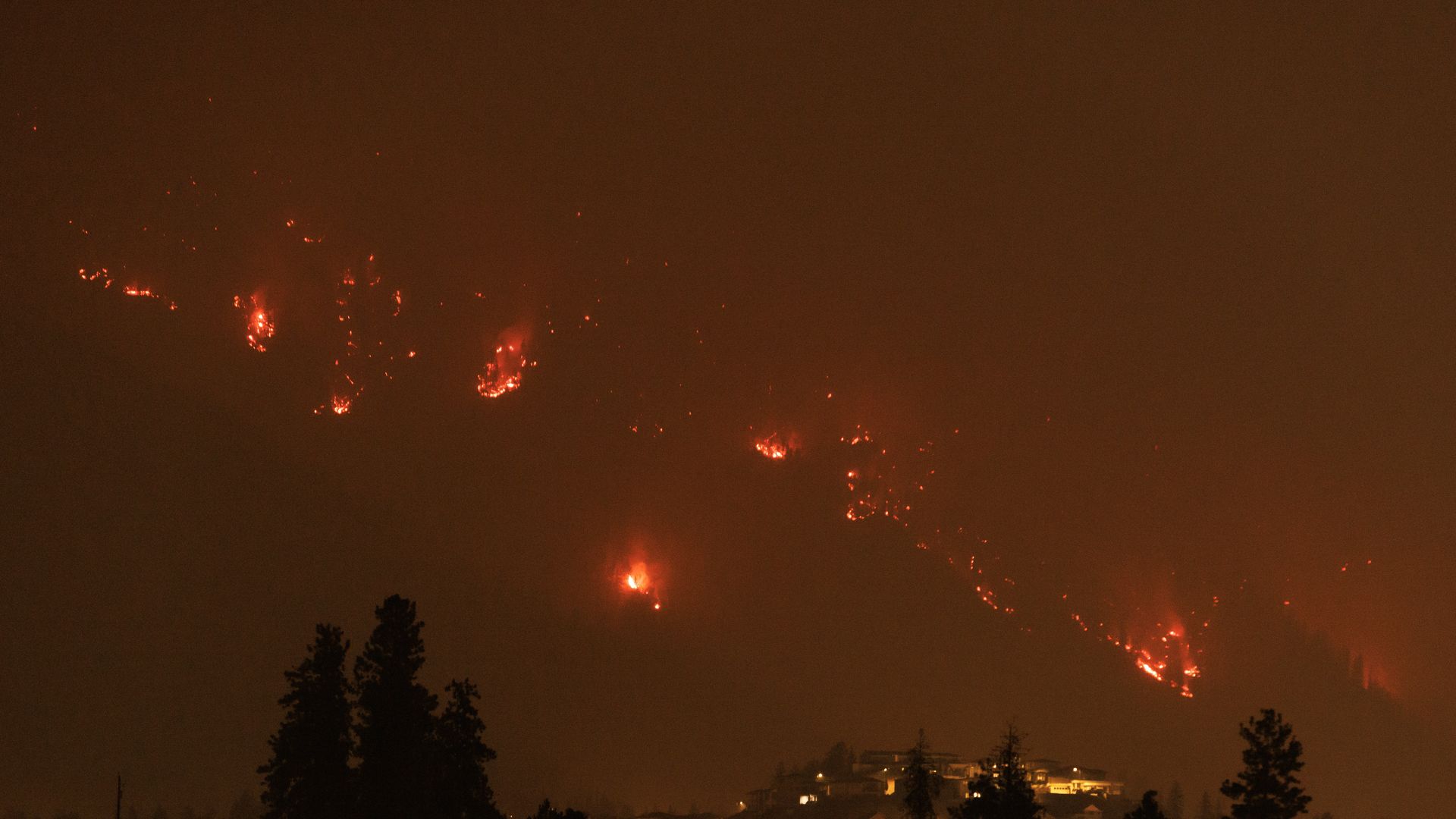
Toxic smoke from Canada's historic wildfires is drifting across the U.S. — triggering air quality alerts throughout much of Colorado, Wyoming, Minnesota and Nebraska through Thursday.
The big picture: Canadian officials warn there's no immediate let-up in sight from the country's worst-ever wildfire season which has left an estimated 41 million acres razed and repeatedly choked North American cities with unhealthy smoke this summer, sending carbon emissions to record levels and posing a grave threat to people's health.
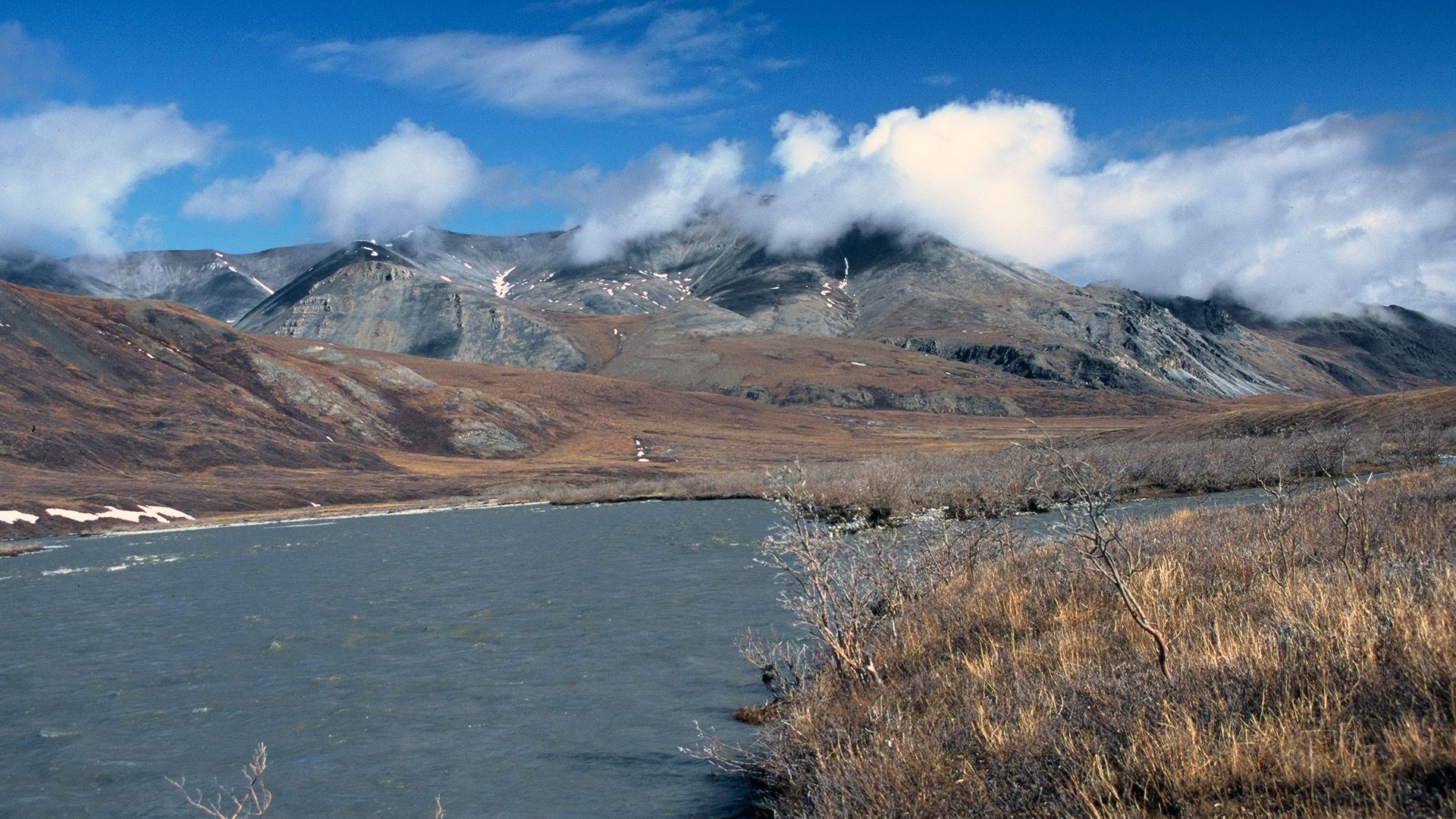
The Biden administration announced Wednesday that it will reverse Trump-era decisions on oil drilling in Alaska in a move intended to protect millions of acres of public land and waters.
Driving the news: The Department of the Interior canceled all existing oil and gas leases in Alaska's Arctic National Wildlife Refuge and proposed new regulations for the National Petroleum Reserve in Alaska (NPR-A), a vast area of northern Alaska that is oil rich but ecologically vulnerable.
The Centers for Disease Control and Prevention alerted doctors and other health care professionals last week to look out for infections from a rare "flesh-eating" bacteria in salty coastal waters that has killed at least 12 people this year.
Why it matters: The CDC said extreme weather events, such as recent Hurricane Idalia that struck Florida's Big Bend region, can make the bacteria Vibrio vulnificus more prevalent in inland areas, increasing people's risk of exposure.
August was the planet's second-warmest month on record, according to new data out Wednesday.
The big picture: August trailed only July on the list, during the planet's hottest calendar year summer in the Northern Hemisphere. While summer 2023 set a seasonal record, the magnitude of the benchmarks combined with key statistics demonstrate just how unusual the season was.
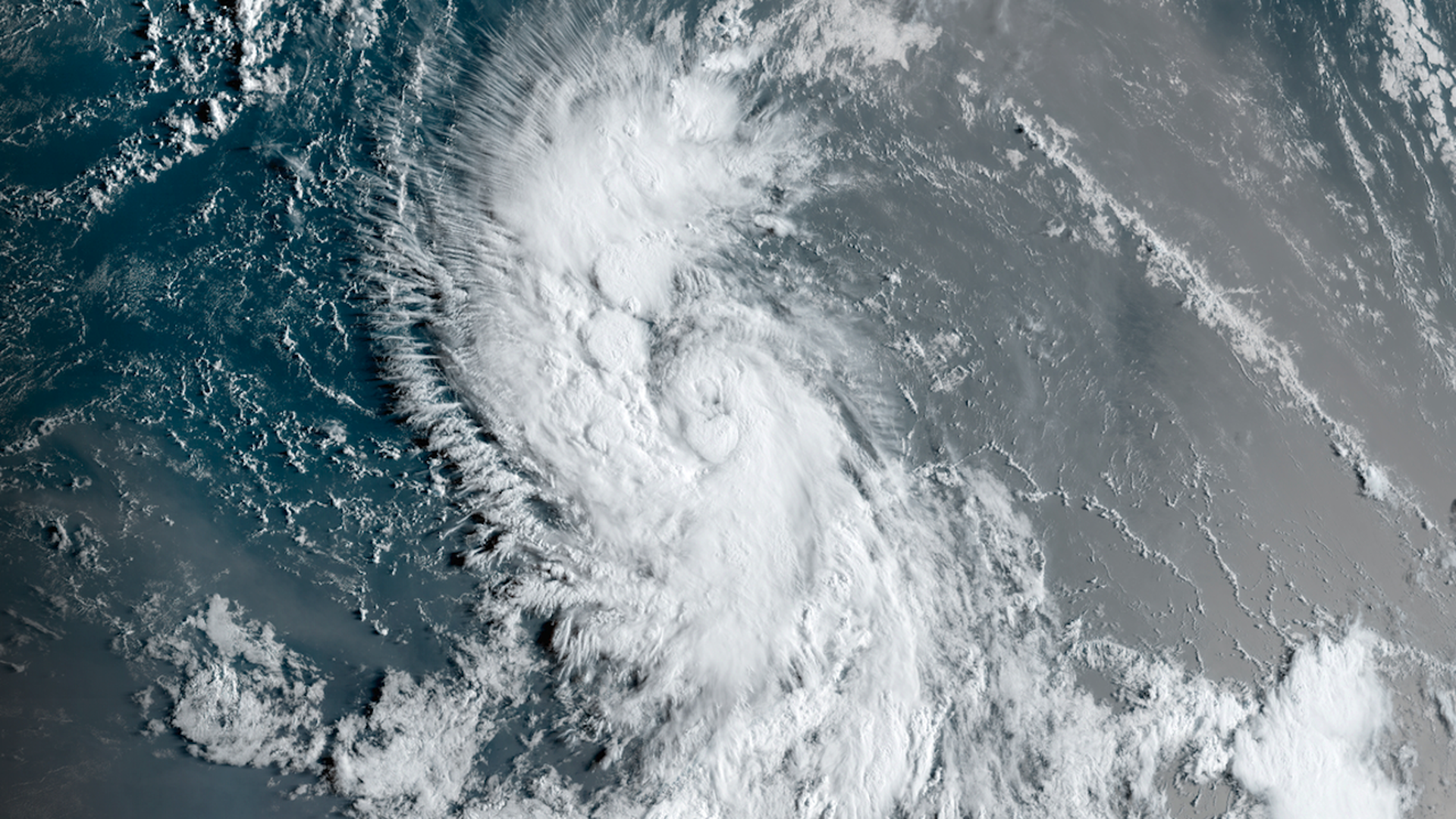
Tropical Storm Lee is intensifying in the central tropical Atlantic, and it's expected to undergo "explosive intensification" into an "extremely dangerous" Category 4 hurricane by the weekend as it churns west-northwest.
The big picture: The current forecast track takes the storm on a west-northwesterly path to the north of the Lesser Antilles and Puerto Rico into this weekend.
Saudi Arabia's extension of oil production cuts until the end of 2023 or longer helps ensure energy prices will become an election 2024 debate.
Why it matters: U.S. gasoline prices, which have been on the rise, are closely tethered to global oil prices. Meanwhile, the presidential campaign season is heating up — and voters already give the White House low marks on the economy.