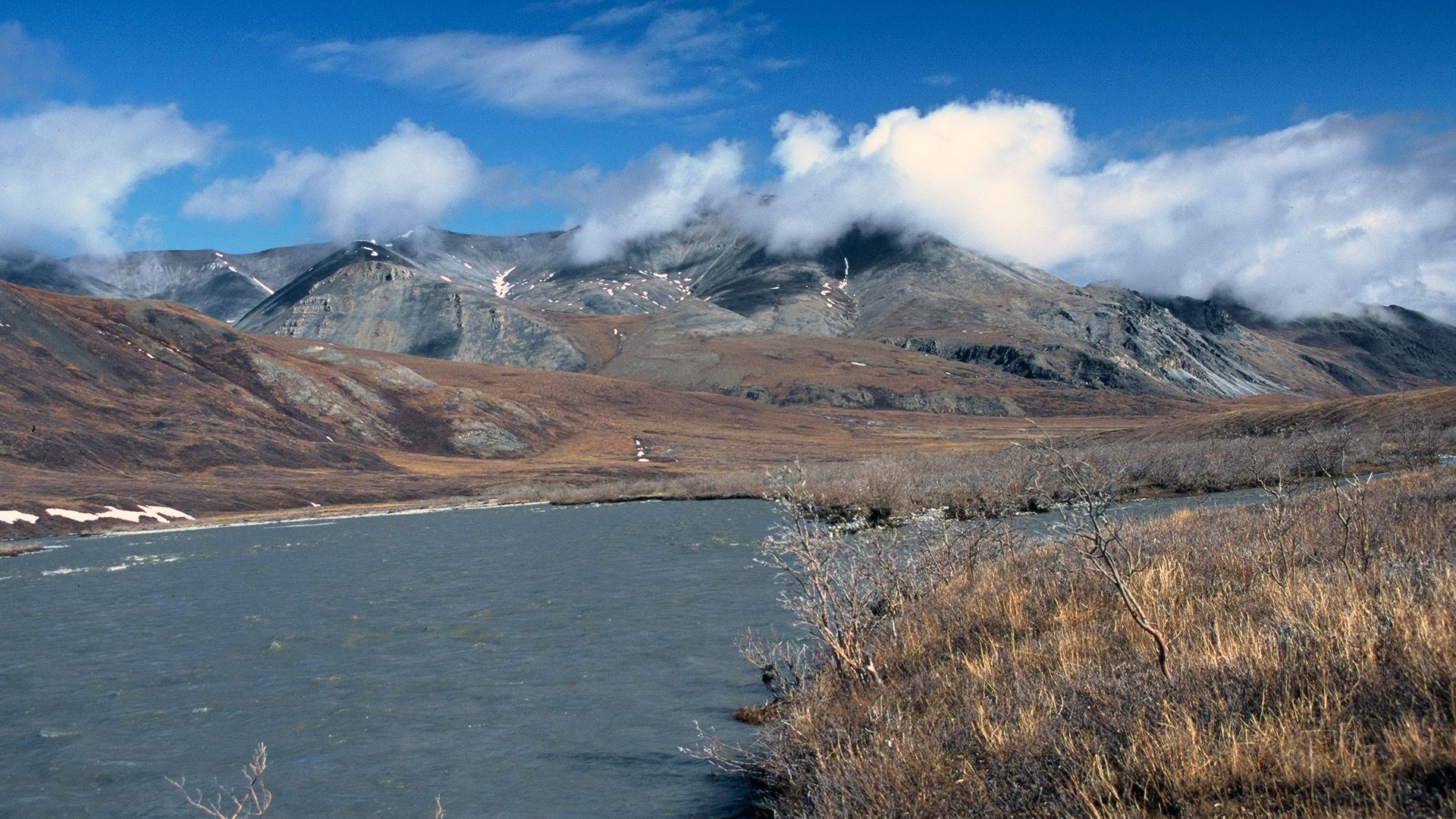
The Biden administration announced Wednesday that it will reverse Trump-era decisions on oil drilling in Alaska in a move intended to protect millions of acres of public land and waters.
Driving the news: The Department of the Interior canceled all existing oil and gas leases in Alaska's Arctic National Wildlife Refuge and proposed new regulations for the National Petroleum Reserve in Alaska (NPR-A), a vast area of northern Alaska that is oil rich but ecologically vulnerable.
The Centers for Disease Control and Prevention alerted doctors and other health care professionals last week to look out for infections from a rare "flesh-eating" bacteria in salty coastal waters that has killed at least 12 people this year.
Why it matters: The CDC said extreme weather events, such as recent Hurricane Idalia that struck Florida's Big Bend region, can make the bacteria Vibrio vulnificus more prevalent in inland areas, increasing people's risk of exposure.
August was the planet's second-warmest month on record, according to new data out Wednesday.
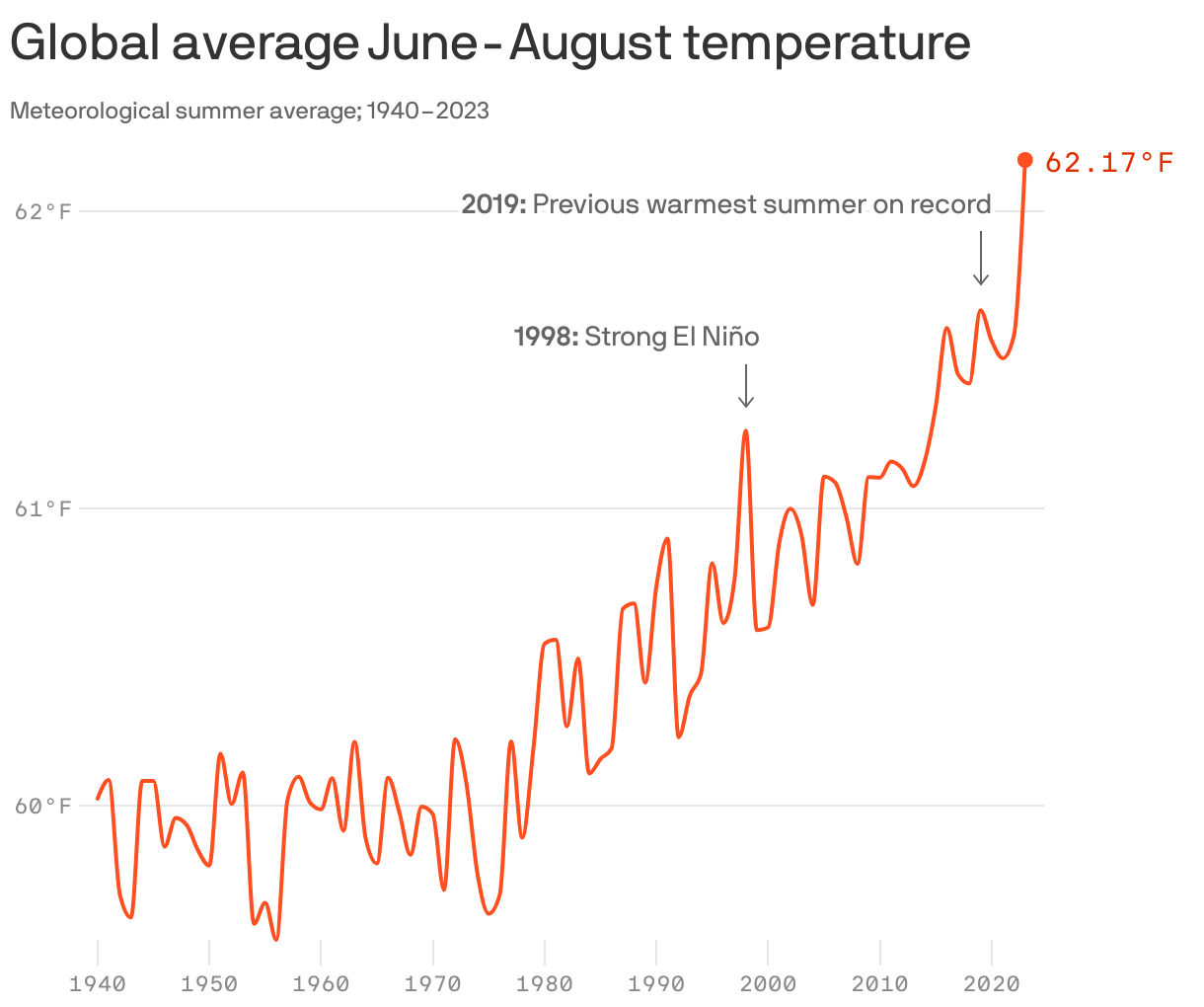
The big picture: August trailed only July on the list, during the planet's hottest calendar year summer in the Northern Hemisphere. While summer 2023 set a seasonal record, the magnitude of the benchmarks combined with key statistics demonstrate just how unusual the season was.
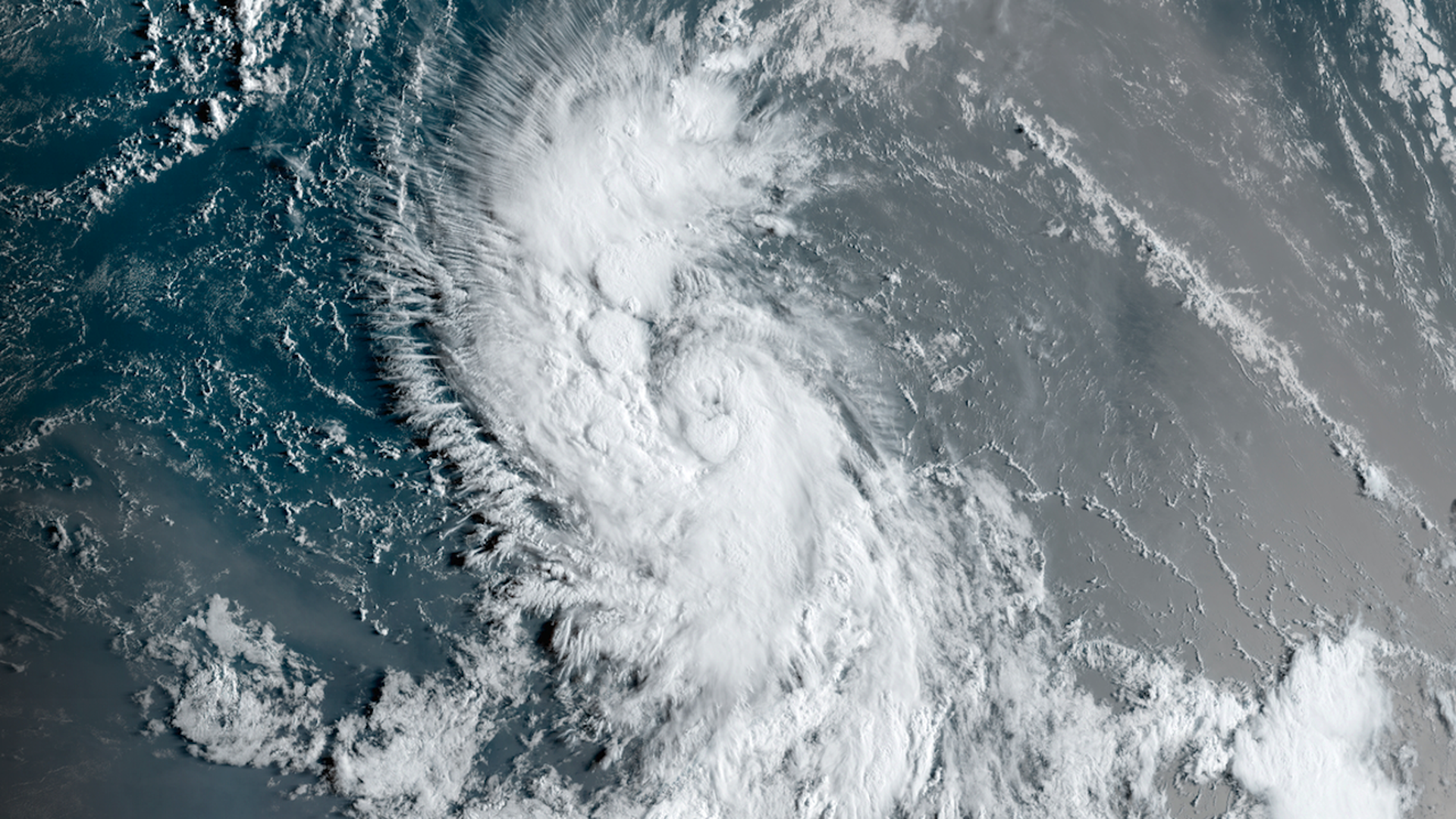
Tropical Storm Lee is intensifying in the central tropical Atlantic, and it's expected to undergo "explosive intensification" into an "extremely dangerous" Category 4 hurricane by the weekend as it churns west-northwest.
The big picture: The current forecast track takes the storm on a west-northwesterly path to the north of the Lesser Antilles and Puerto Rico into this weekend.
Saudi Arabia's extension of oil production cuts until the end of 2023 or longer helps ensure energy prices will become an election 2024 debate.
Why it matters: U.S. gasoline prices, which have been on the rise, are closely tethered to global oil prices. Meanwhile, the presidential campaign season is heating up — and voters already give the White House low marks on the economy.
Rick Klau spent nine years as a partner with Google Ventures, before leaving in 2020 to become California's chief technology innovation officer. Now he's back in the private sector with a startup that wants to revolutionize the humble hot water heater.
Driving the news: Klau is co-founder of Onsemble, which today will announce $3 million in seed funding and a rollout in three Northern California counties.
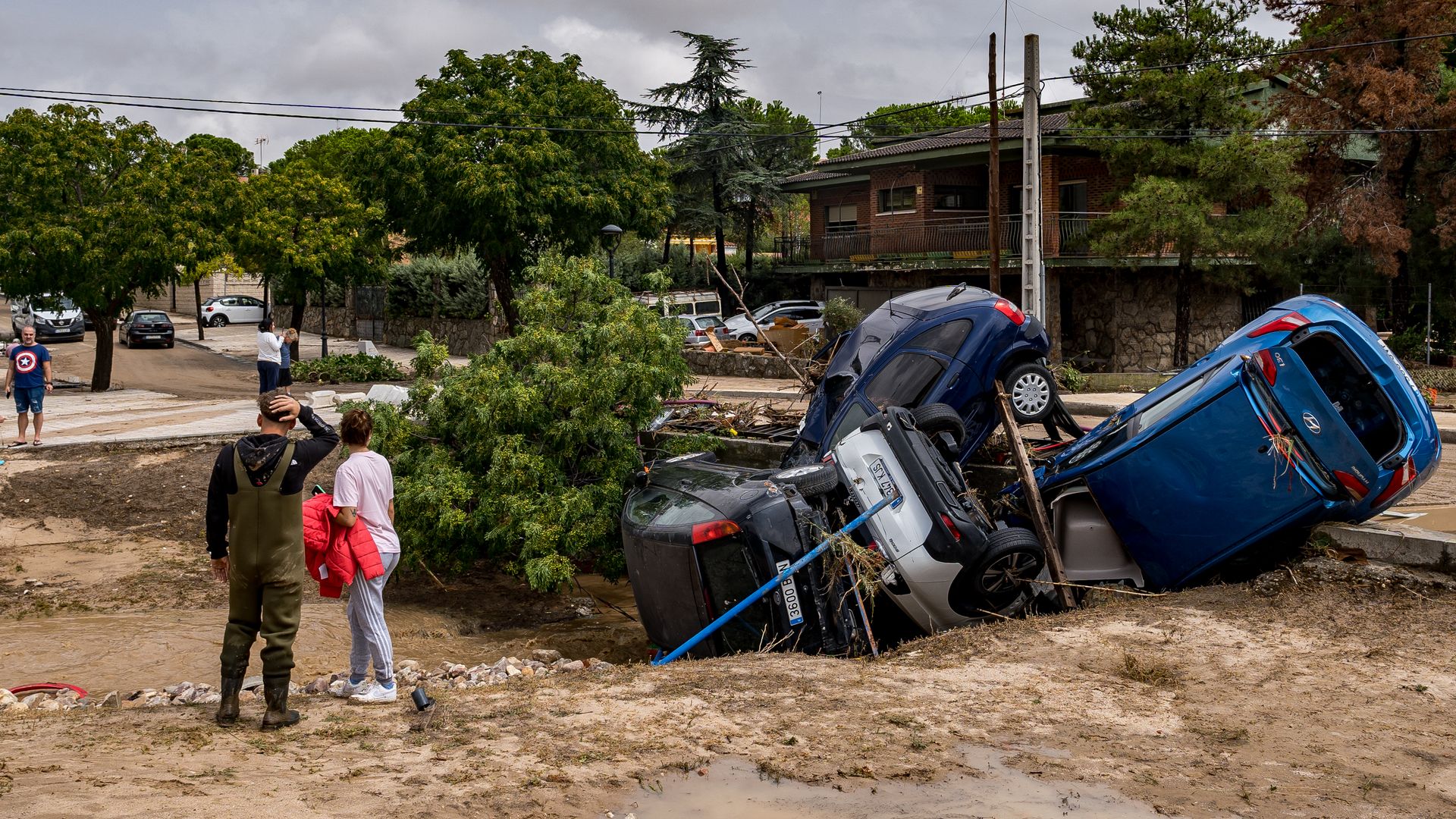
Why it matters: These extreme events, along with flooding that struck Spain Sunday into early Monday, are each tied to an unusually stuck weather pattern, with elevated water temperatures in the Mediterranean adding to the trouble.
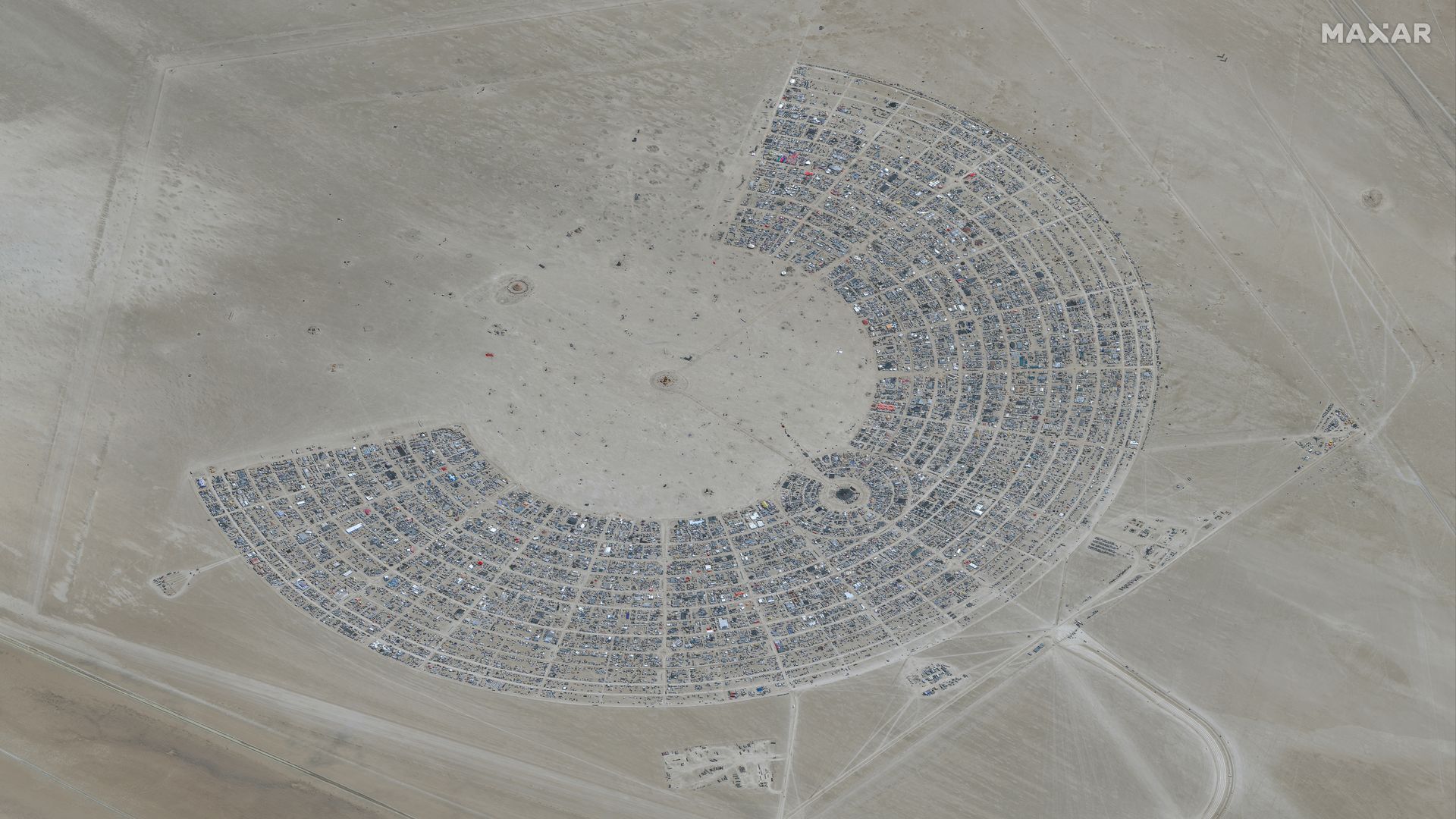
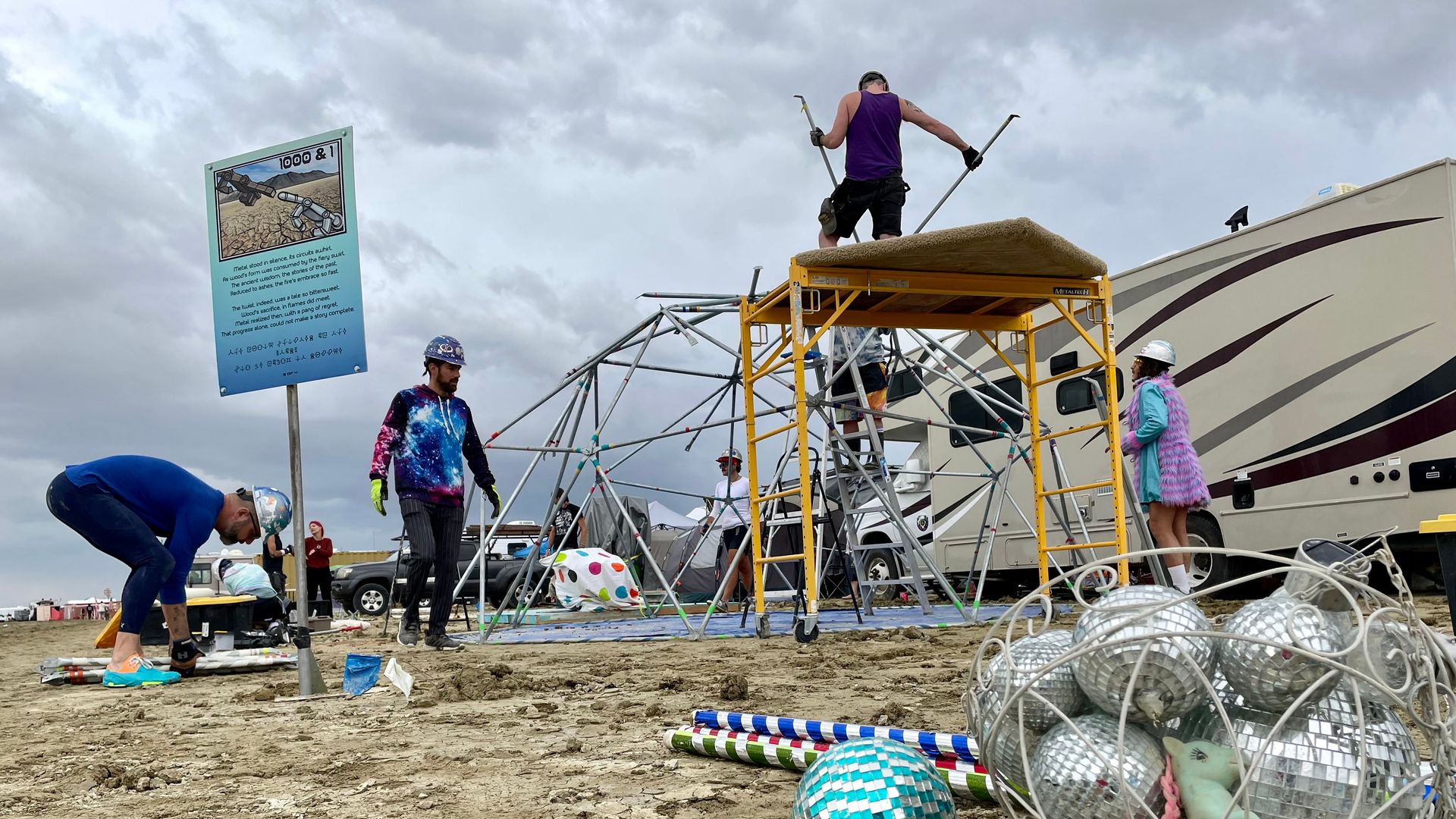
Over 70,000 Burning Man festival-goers were stranded in Nevada's Black Rock Desert following heavy rain over the weekend.
The latest: Shelter-in-place orders were lifted on Monday and attendees were cleared to leave Nevada's Black Rock Desert. "Exodus" operations officially began at 2pm Monday local time, but there was an hours-long departure delay as satellite images showed hundreds of vehicles attempting to leave the muddy site.
Hundreds of Burning Man attendees continued to leave Nevada's Black Rock Desert Tuesday after extreme flooding left them stranded for days — but there's an hours-long wait to depart,festival officials said.
Driving the news: Heavy rains in the usually dry Black Rock Desert prompted shelter-in-place orders at the annual camp-out that attracted some 70,000 people on Saturday evening.
Data: ECMWF/ERA5 via Brian Brettschneider; Chart: Axios Visuals
The first of many batches of temperature data is in for August — and not only did the globe have its hottest such month on record, but temperature anomalies secured meteorological summer's place in the history books.
The big picture: The unmistakably large jump in meteorological summer's global average surface temperature compared to past years is a telltale reflection of deadly heat waves and record warm oceans.