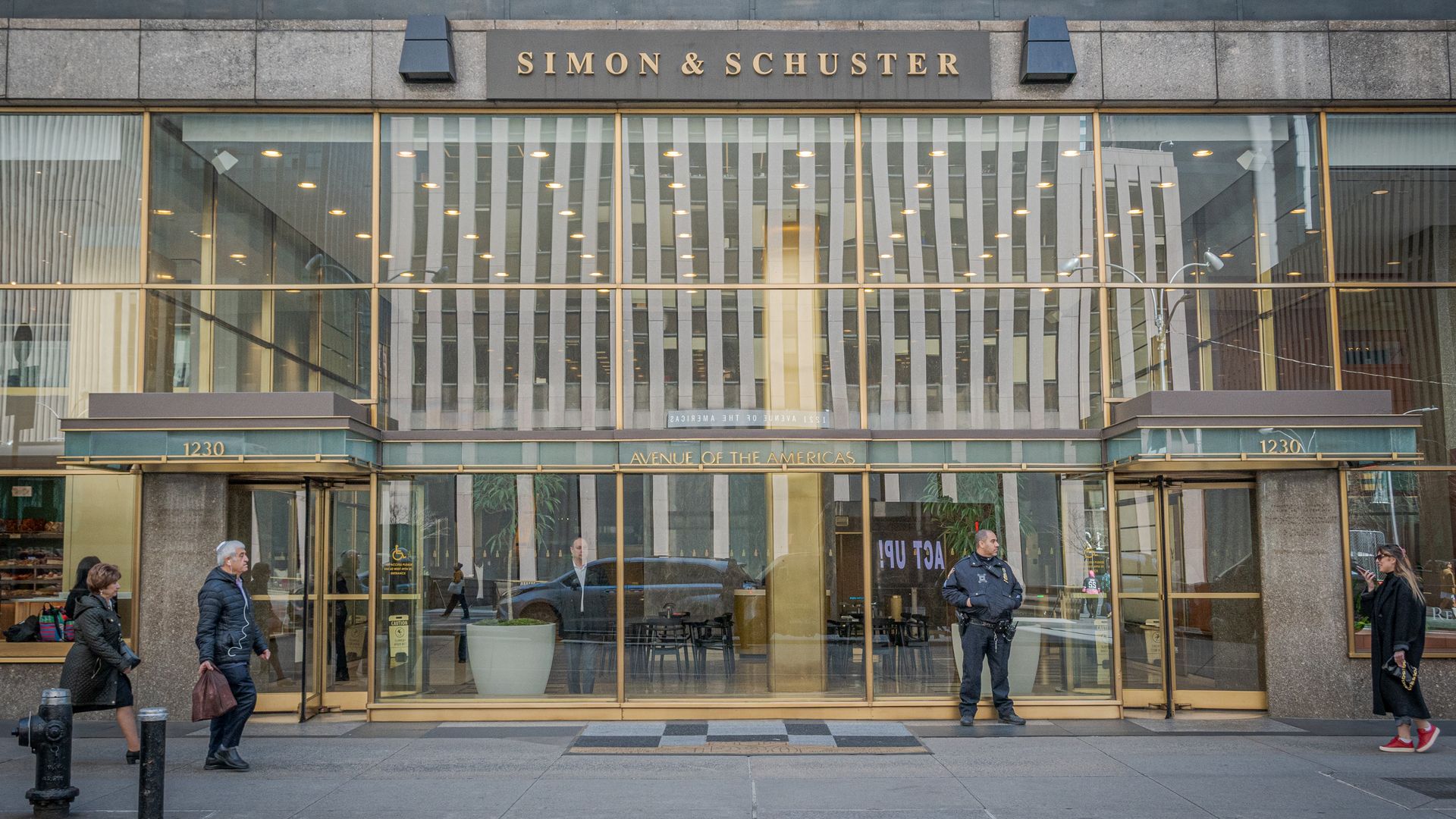
KKR has agreed to buy Simon & Schuster from Paramount for $1.62 billion in an all-cash deal, the company announced Monday.
Why it matters: One of the country's biggest book publishers will soon be under private equity ownership, after a previous deal with Penguin Random House was blocked over antitrust concerns.
Apple's comparatively soft hardware sales are a concern for Wall Street, but there's at least one market where the technology giant's products still command top dollar.
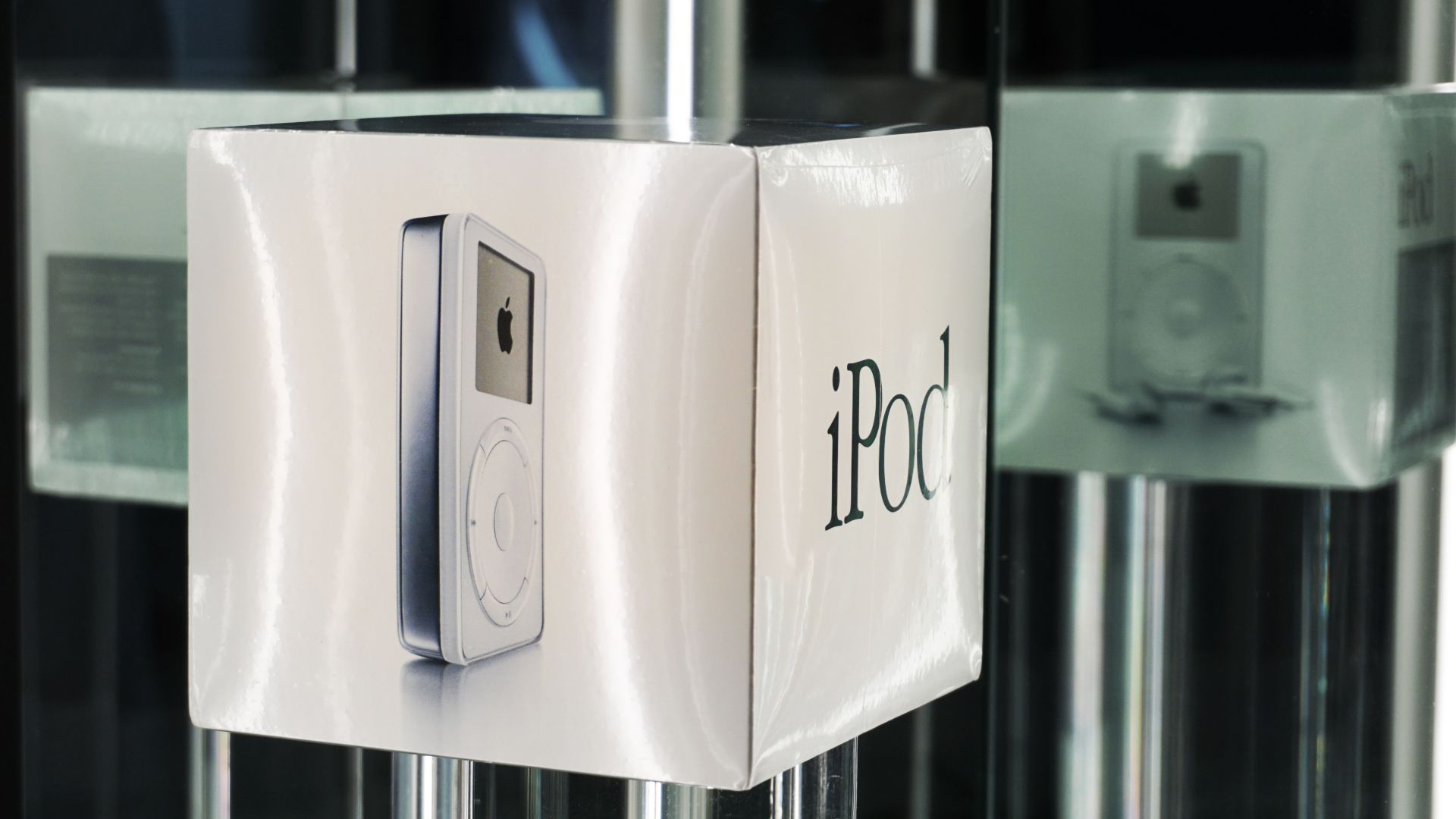
Driving the news: Last week — just hours before Apple reported earnings that highlighted its third consecutive quarter of falling turnover in iPhones, iPads and Macs — Rally sold a mint-condition, first-generation iPod on its collectibles investing platform for $29,000.
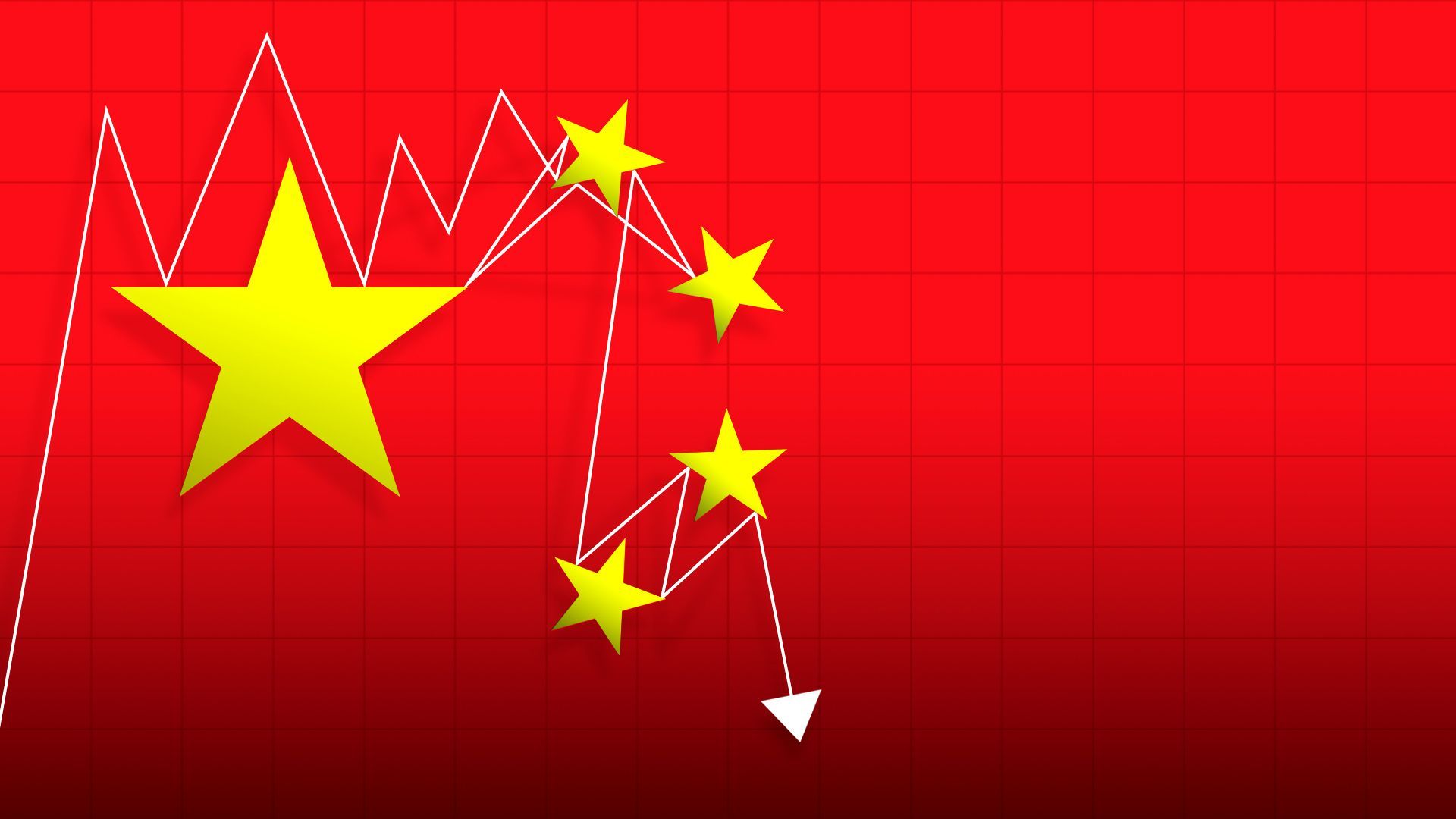
The Chinese economy is in worse long-term shape than is widely understood, a prominent American economist is arguing, in ways that cannot be easily fixed. It is "economic long COVID," featuring a persistent dearth of investment and consumer demand, writes Adam S. Posen in Foreign Affairs.
Why it matters: Belief in a Chinese economic juggernaut has been a core assumption in the mainstream understanding of the global economy and diplomatic landscape for a generation. If it's no longer true, China's position on the world stage is weaker than is commonly understood.
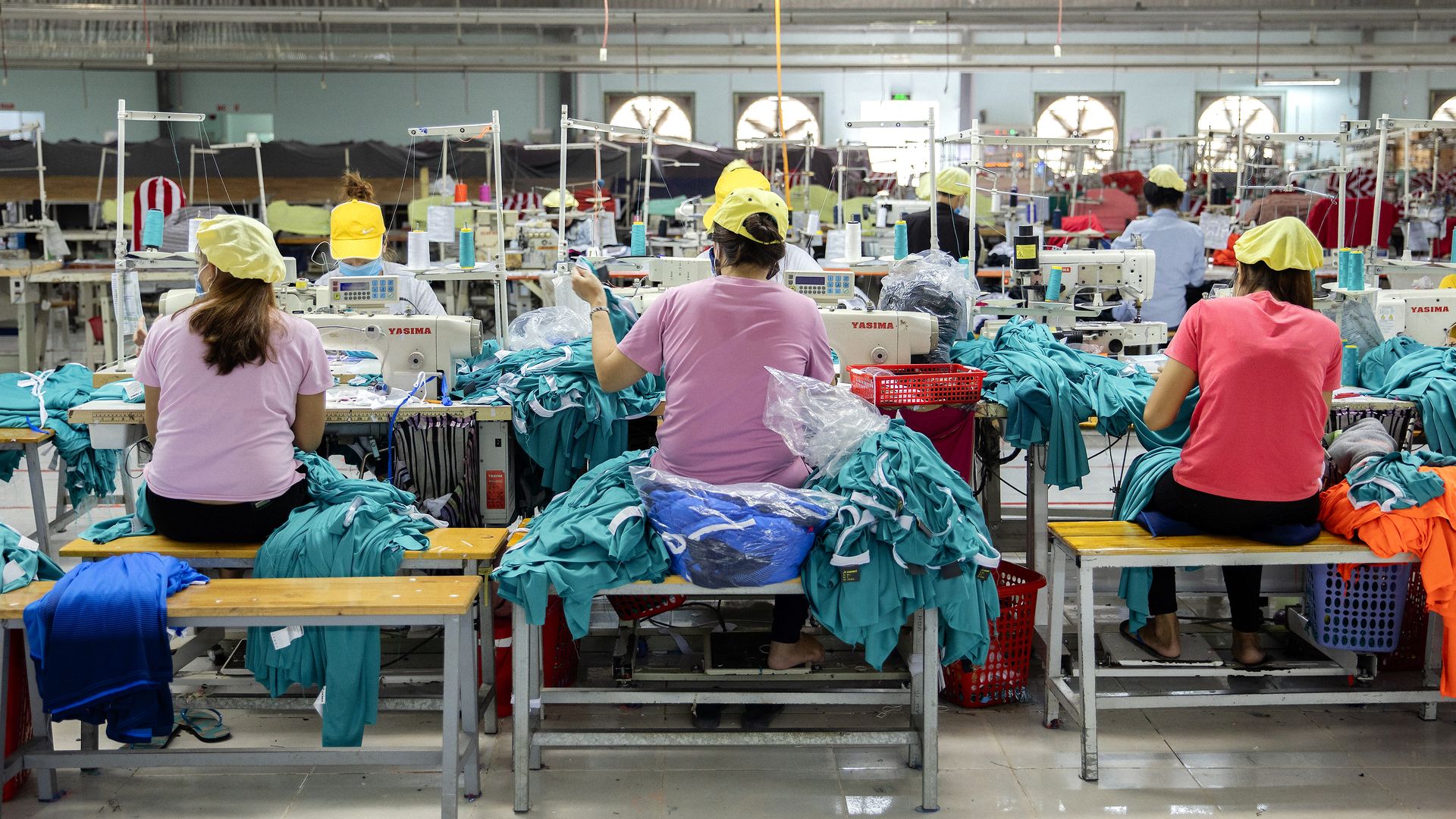
Why it matters: With about 142,000 employees worldwide as of October, Tyson is the one of the world's largest meat processors.
Driving the news: The maker of Jimmy Dean, Hillshire Farm and Ball Park meat brands announced Monday that it will close facilities in North Little Rock, Arkansas; Corydon, Indiana; Dexter, Missouri; and Noel, Missouri.
The move "demonstrates our commitment to bold action and operational excellence as we drive performance, including lower costs and improving capacity utilization," Tyson said in a statement.
The big question: How many workers are affected?
Spokesman Derek Burleson declined to disclose the amount.
Context: Tyson on Monday posted a 3% sales decline in its most recent quarter, compared with a year earlier.
Chicken sales rose by 2.8%, but average chicken prices declined by 5.5% as food inflation eases.
For the same period, the company posted a $314 million operating loss on chicken products.
The impact: Tyson's stock was down 8% Monday morning.
The bottom line: Yet another COVID-era success story has come back to earth. The high-flying sales and prices that Tyson enjoyed earlier in the pandemic have waned.
Telephone and Data Systems said it's exploring options for U.S. Cellular, in which it holds an 83% stake.
Why it matters: Chicago-based U.S. Cellular is America's largest regional wireless carrier with 5 million customers and 4,600 employees, having so far avoided the industry's consolidation wave.
Why it matters: Yellow on Sunday night filed for Chapter 11 bankruptcy protection and said it will shutter, destroying tens of thousands of jobs and likely wiping out most of a loan that many in Congress believe should have never been made.
General Assembly, a tech-skills training company, has appointed Daniele Grassi president.
Details: Grassi was previously president and chief business officer of tech bootcamp company Ironhack. He replaces Lisa Lewin, who left to be CEO-in-residence at Primary Venture Partners.
In an interview, Grassi tells Axios that he wants to help General Assembly expand its enterprise relationships — such as building training programs for established tech workers inside of businesses.
Flashback: General Assembly was acquired by Adecco Group, a Swiss staffing and workforce development company, in 2018.
By that time, a majority of its revenue had already shifted from consumer-facing to business clients.
Zoom out: Grassi's appointment and vision will undoubtedly further integrate General Assembly's programs into Adecco Group's employer partnerships. This is crucial, as growth in bootcamp enrollment across the industry has been flat this year compared to last year.
There's been a shift in the type of students — from "early adopters" to students from a broad range of sectors, such as professional services and finance — as companies double down on tech, according to Grassi.
What they're saying: "[T]he tech industry has matured and the demand for tech roles has expanded to a broader range of industries," says Grassi, whose official start date was July 31.
What to watch: Demand for data analytics is very high, and will continue to grow with the development of AI and large language models.
Comparatively, UX design skills have become less in demand.
Extreme weather events and our warming planet are primed to strike commodities and the food supply like never before.
Why it matters: The recent global heat wave, deadly floods across China's grain belt and wildfires that spanned several continents have put a spotlight on how climate change may wreak havoc on the world's most-consumed food crops.
The big picture: For all the attention garnered by Meta's release of its Llama open source AI models, the company's more essential use of AI has been in leveraging the technology at the heart of its advertising business.
Imagine San Diego,San Jose, New Orleans, Pittsburgh and Boise all rolled up into the same metropolitan area.
Zoom in: That would give you a sense of just how many people now live in the Dallas-Fort Worth area's major cities, which aside from the titular pair also include Arlington, Plano and Garland.








/2023/08/06/1691355076774.gif?w=3840)