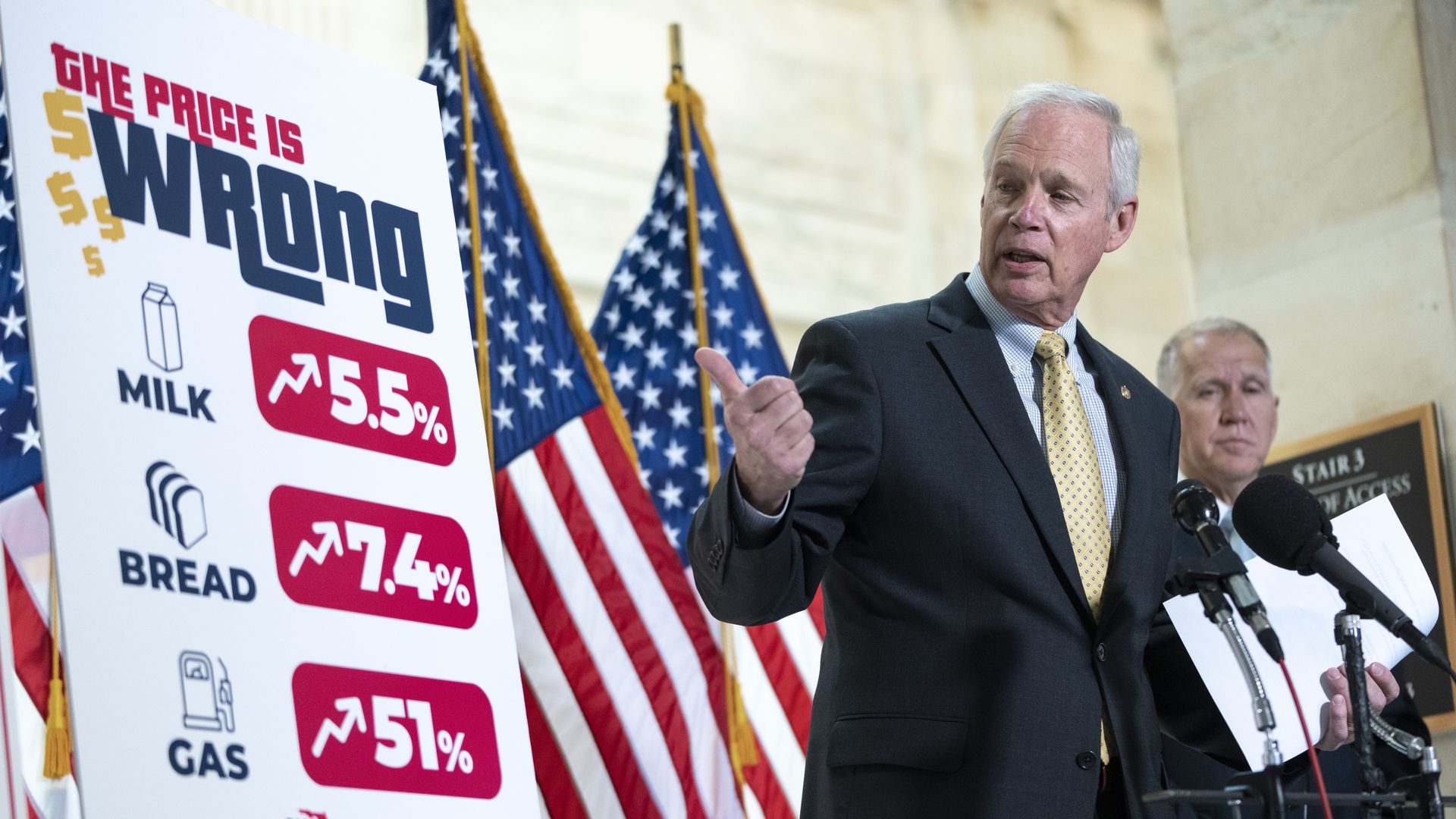
Pockets of the U.S. economy (housing and autos, for instance) are on fire — and consumers are having to pay more than they have in years, fresh inflation data today showed.
Why it matters: “Not everybody’s wages are going up fast enough to keep up with these price increases,” David Wessel, a senior fellow at the Brookings Institution, tells Axios.
Netflix on Thursday debuted an online merchandise store, Netflix.shop, that features products inspired by shows on its streaming platform.
Why it matters: It is the company's first foray into commerce. Until now, the streaming giant made almost all of its money selling streaming video subscriptions.
Federal authorities this week announced they successfully traced and recovered most of the bitcoin that had been paid by Colonial Pipeline to a ransomware gang called DarkSide, following the May hack that shut off gas supplies to much of the East Coast.
Axios Re:Cap digs into the battle between law enforcement and crypto hackers, including how ransomware has become a global industry of its own, with Gurvais Grigg, a 23-year FBI veteran who now serves as public sector CTO at crypto firm Chainalysis.
UnitedHealthcare is delaying a new policy, at least until the "end of the national public health emergency period," that would have declined or limited coverage of an emergency room visit if the visit was found to be non-emergent after the fact.
The big picture: Patients, doctors and hospitals slammed the policy, arguing it violated federal law that requires all emergency care to be covered as long as a "prudent layperson" believes it was an emergency.
The first-ever NFT, Kevin McCoy's "Quantum," was auctioned this morning for $1.47 million, about half an hour after one of 10,000 CryptoPunks sold to betting-technology billionaire Shalom Meckenzie for $11.75 million.
Why it matters: The auction ratifies a truth about the art market that is understood more in theory than in practice.
Stablecoins — digital currencies linked in a fixed 1-to-1 exchange rate to real currencies like the dollar or the euro — face an existential threat from the world's central banks.
Why it matters: If the future of currency is digital, then stablecoins offer version 1.0 of what a digital dollar might look like. But they are also under-regulated, systemically risky, and uniquely vulnerable to the rise of official central bank-backed digital currencies, or CBDCs.
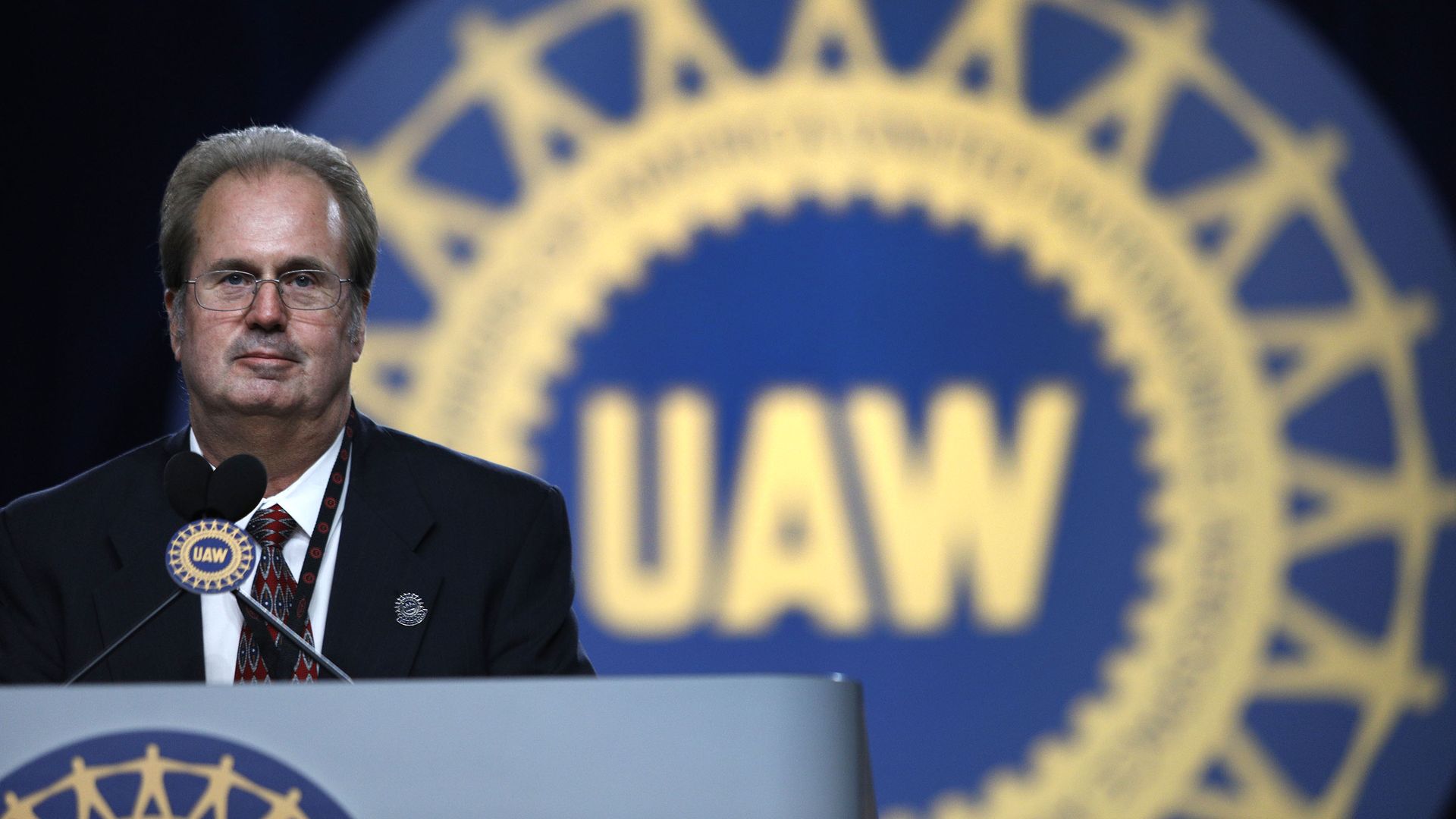
Former United Auto Workers (UAW) President Gary Jones was sentenced Thursday to 28 months in federal prison and will be forced to repay thousands of dollars after he pleaded guilty to two counts of conspiracy in 2020 for plotting to steal $1.5 million in union dues, according to AP.
Why it matters: Jones' crimes, and other corruption cases within the union, have significantly hurt the UAW's credibility and its members’ confidence.
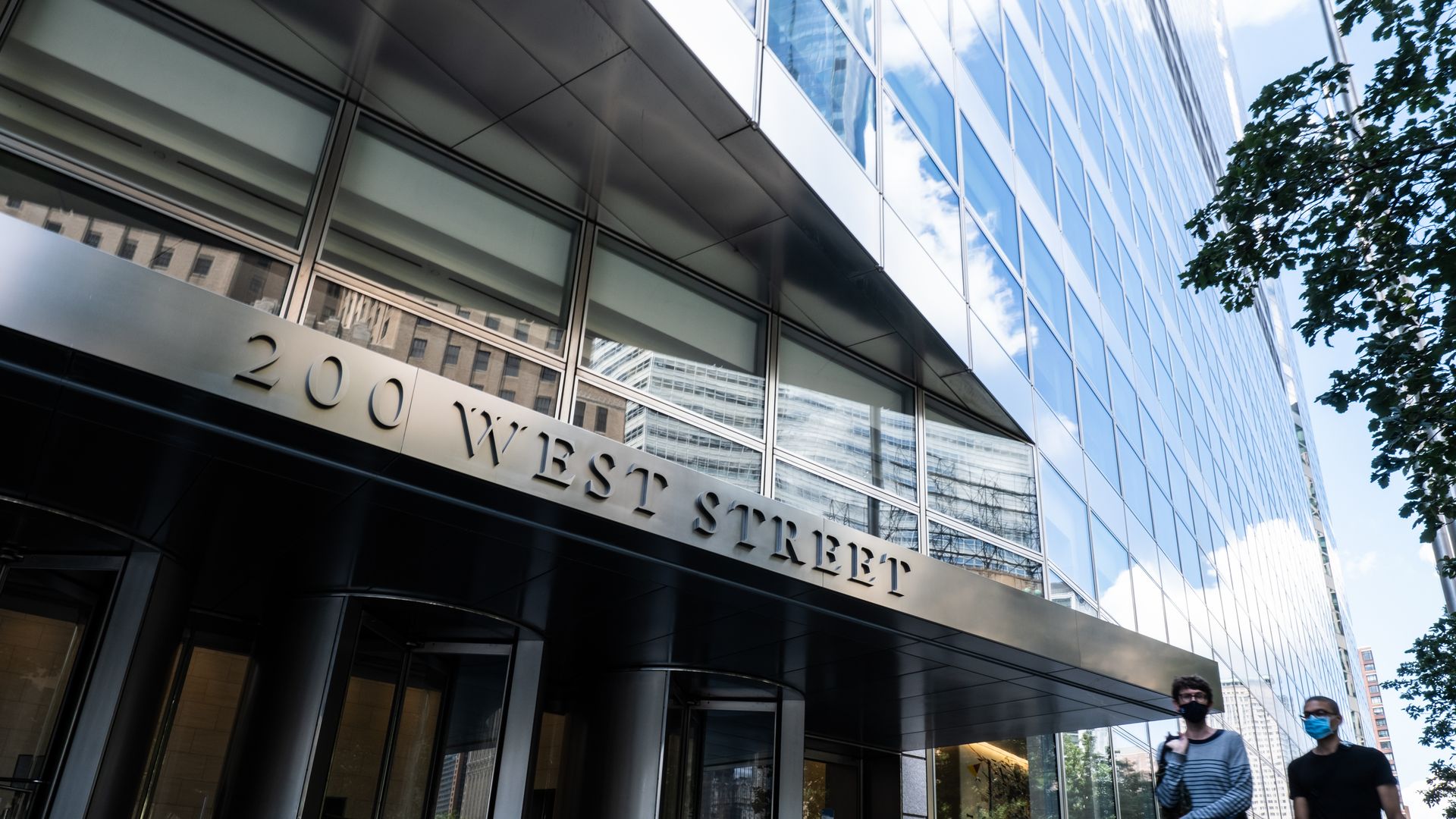
Goldman Sachs is mandating its U.S. employees to report whether or not they've received a COVID-19 vaccine by noon Thursday, reports the New York Times.
Why it matters: The federal government has said it is legal for companies to require workers to get vaccinated against the coronavirus. Yet vaccine "passports" are a point of controversy, with several Republican-led states forbidding some private businesses from using them.
Driving the news: Consumer prices rose 5% year-over-year, including a 0.06% bump between April and May, according to Consumer Price Index data released this morning. It's the biggest year-over-year gain since August 2008, and came in well above economist estimates.
Consumer prices rose last month by 5% compared to May of 2020, marking the biggest year-over-year gain since August 2008, according to Consumer Price Index data released this morning. Prices were 0.6% higher in May than they were in April.
Why it matters: April’s CPI reading intensified concerns that inflation is heating up and will be hard to contain. Today’s data could stoke those fears further and contribute to a self-fulfilling cycle of rising prices.
Owners of independent brick-and-mortar businesses have a bleak outlook of the competitive threat posed by online shopping.
Driving the news: A new survey of local U.S. retailers published by Shopify Thursday shows that 82% of respondents agree that major online marketplaces are making it more difficult to operate.
About two-thirdsof service-sector workers said they could not take leave, or took less leave than they wanted, when they experienced a major life event, according to a Harvard and UC San Francisco study released today. Within this group, 71% said the reason was they couldn’t afford to.
Why it matters: Part of President Biden’s American Families Plan provides 12 weeks of guaranteed paid family and sick leave to workers, marking the first time that a U.S. president has introduced a national-level paid leave program.
In appearances this week, SEC chairman Gary Gensler laid the groundwork for his agency to play offense.
Why it matters: Phenomenons like SPACs and an explosion of retail trading have taken off over the last year, presenting new market realities for regulators to consider. On Wednesday, Gensler outlined plans for a broad review of the equity market's structure — with a goal of modernizing the rules of the game.
Investors on the hunt for buying opportunities in equities probably haven't come across some of this year's notable success stories. That's because they are hiding in an illiquid, old-school market — and being traded by fixed-income desks.
Why it matters: After Chapter 11, many companies are left for dead by the broader investing community — keeping their comebacks under the radar due to the private market in which they trade. SPACs (special purpose acquisition vehicles) are increasingly starting to take notice as they search for targets to buy.
Virginia-based AllyAlign Health, a Medicare Advantage insurance company focused on senior housing, just raised a nearly $300 million funding round led by New Enterprise Associates.
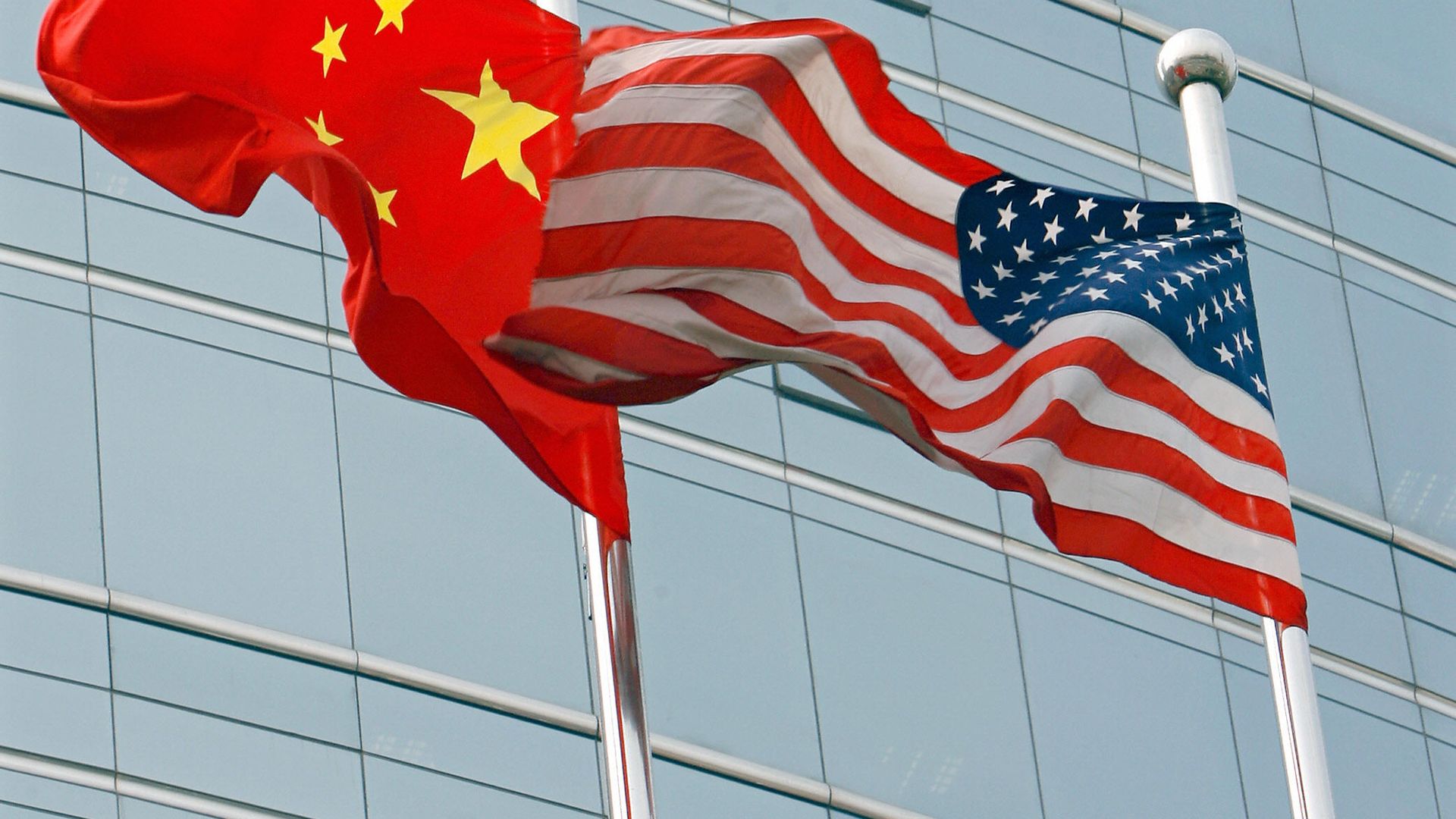
Besting China is one of the very few goals that Democrats and Republicans in Washington can agree on — as a new White House executive order and Senate passage of a new $200 billion bill, both targeting China's tech industry, show.
Yes, but: Where the Trump administration took an impulsive and haphazard approach to banning Chinese companies and products, President Biden is approaching the China rivalry in a more systematic and process-oriented way.
Criminals may have stolen as much as half of the unemployment benefits the U.S. has been pumping out over the past year, some experts say.
Why it matters: Unemployment fraud during the pandemic could easily reach $400 billion, according to some estimates, and the bulk of the money likely ended in the hands of foreign crime syndicates — making this not just theft, but a matter of national security.
A new poll of more than 1,400 people who work in the biotech and pharmaceutical industries by John Carroll of Endpoints News reveals a clear consensus: The FDA made a big mistake approving Aduhelm, Biogen's Alzheimer's treatment, and the $56,000 price tag does not match any possible benefit.
Why it matters: Even the industry's own experts are not defending the FDA and Biogen.
China's government announced late Wednesday that it had reached an agreement with U.S. commerce officials to press ahead with trade and investment ties.
Driving the news: Commerce Secretary Gina Raimondo and her Chinese counterpart Wang Wentao "agreed to promote the healthy development of pragmatic trade and investment cooperation and properly handle differences," according to a statement from China's government translated by the South China Morning Post.
The staff shortfalls Americans are finding as they head to restaurants and summer vacation spots illustrate the risk for Democrats over whether the government's extra $300 per week in enhanced unemployment benefits is to blame.
Why it matters: Twenty-five states — all run by Republican governors — are eliminating some or all of the UI benefits. Some are even offering back-to-work bonuses to further encourage a return to work. Expect the results to become midterm fodder next year.
Ahead of Thursday's inflation data, the White House is confident the economic recovery will continue, with sources highlighting recent analysis — including from Goldman Sachs — that inflation will remain transitory.
Why it matters: The monthly release of the Consumer Price Index will add fresh fodder to the debate about whether inflation will be short-term or part of a long-term, and dangerous, cycle. Republican critics are already seizing on the topic.







/2021/06/10/1623341243738.gif?w=3840)