UnitedHealthcare is postponing a new policy that would have declined or limited coverage of an emergency room visit if it was found to be non-emergent after the fact, Axios' Bob Herman reports.
The big picture: Patients, doctors and hospitals slammed the policy, arguing it violated federal law that requires all emergency care to be covered as long as a "prudent layperson" believes it was an emergency.
The endgame of the pandemic is giving both employers and workers a chance to create a more humane relationship — both in the office and out of it.
The big picture: Companies need workers, but many employees aren't ready to go back to the way things used to be. A hybrid setup could provide the best possible way forward, if both sides are willing to give.
Two years ago, it was easy to know what your office, your commute, your neighborhood or your kid’s school would look like in coming months. Not any more.
What's happening: First the pandemic upended our plans, and now its aftermath is breaking our predictions.
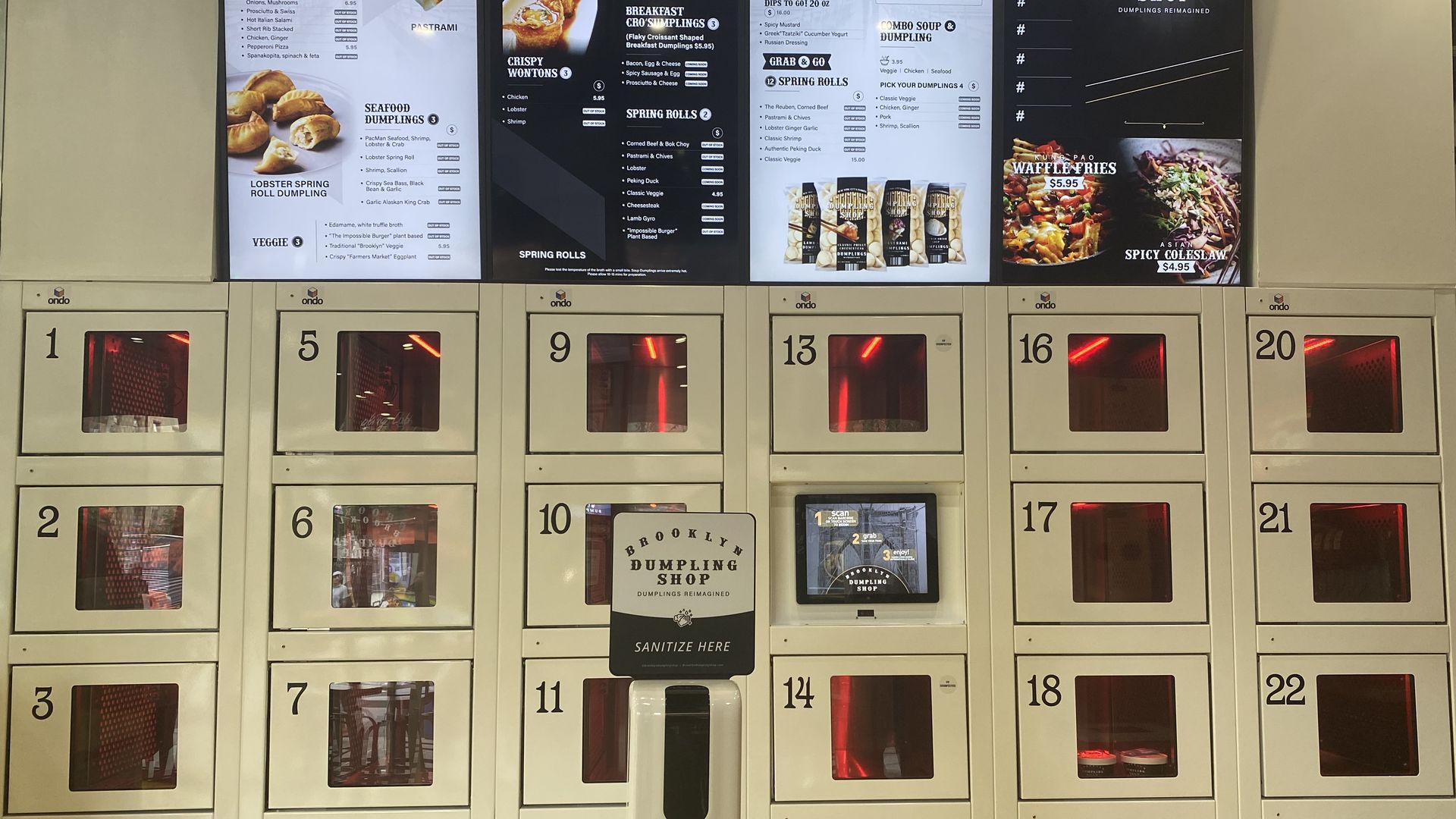
Inspired by pandemic-era social distancing and propelled by post-pandemic labor shortages, businesses are experimenting with taking humans out of the retail equation.
Case in point: I had lunch at the server-less Brooklyn Dumpling Shop this week. The three-week-old fast casual eatery in Manhattan's East Village has screens where patrons punch in their preferences, and then, when their food is ready, it appears in a cubby.
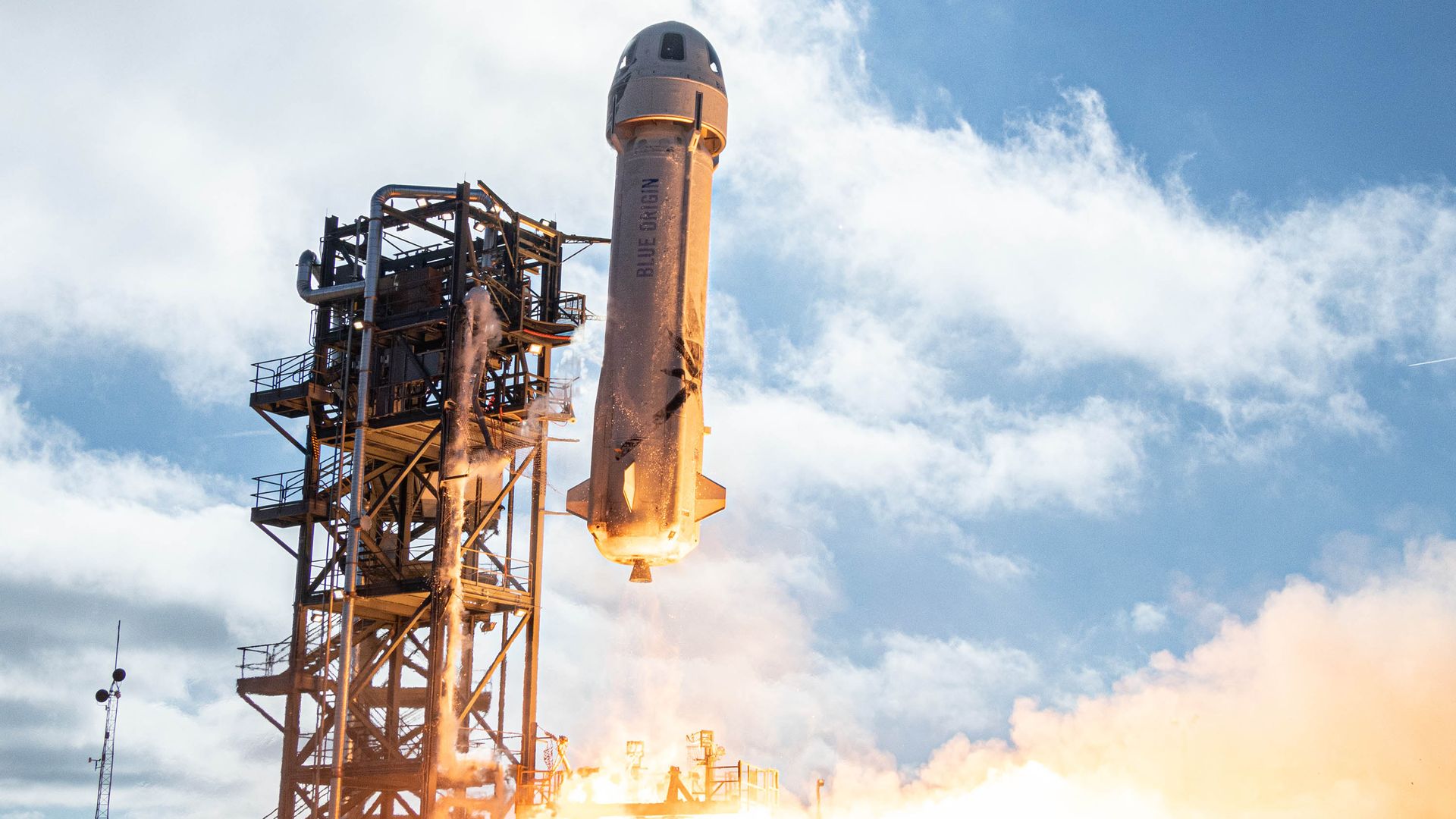
A seat aboard Blue Origin’s first crewed flight to suborbital space fetched $28 million during a live auction on Saturday.
Why it matters: While the market for suborbital tourist flights to space may not be huge, experts say it's an important, public-facing part of the space industry that could popularize it as more people start flying.
Investors have poured billions into startups promising to get self-driving cars on the road to shuttle passengers and parcels. Now, the startup world has largely shifted to applying autonomous driving to specific industrial use cases — in an effort to build a business much faster.
Why it matters: Despite bold predictions that we'd soon be riding in robotaxis around town, the task is taking much longer than expected and is a lot more expensive.
Americans are itching to put pandemic life behind them, but many of the necessary ingredients for a summer of carefree fun — everything from neighborhood pools to car rentals — still aren't fully available.
The big picture: Labor shortages, scrambled supply chains and simple logistics are all making it harder for a whole range of businesses to meet post-pandemic demand, and that’s making “hot vax summer” a little harder to pull off.
Blue Origin's auction of a seat on the company's first passenger flight to space comes to an end on Saturday with a live webcast of the event.
Why it matters: The company's first crewed suborbital flight will kick off its bid to send paying tourists up to the edge of space, a market expected to grow in the coming years.
President Biden is increasingly unlikely to get his corporate or individual tax hikes, at least without reconciliation, and most venture capital firms are keeping their fingers crossed instead of prepping tax avoidance strategies.
Behind the scenes: VC lawyers and CFOs have spent the past couple of months discussing new fund structures that could offset the elimination of carried interest's beneficial tax treatment, as proposed last month by the U.S. Treasury Department.
Amazon on Thursday said it was adjusting its policy on remote work, after earlier indicating it planned to return to an office-first culture as the pandemic eases. Under the new guidance, Amazon says most office workers will need to come in just three days per week, with further leniency possible.
The big picture: Some tech companies, including Twitter and Square, are offering workers the ability to remain fully remote, while even office-centric companies like Apple and Amazon, are recognizing the need for flexibility.
The European Central Bank said Thursday it would keep its key interest rates unchanged, and continue its emergency €1.85 trillion bond-buying program through at least March of next year.
Why it matters: The ECB appears to be signaling a longer timeline for maintaining its current level of market support than the Fed has in the U.S.
Buy-now-pay-later, or BNPL, is one of the fastest-growing areas of finance.
Why it matters: The biggest player in the space, Klarna, on Thursday announced that it has raised $639 million at a valuation of $45.6 billion — an astonishing quadrupling in value in just eight months.
The May reading of the Consumer Price Index, out Thursday, was a doozy. In short, overall prices jumped 0.6% during the month, and were up 5% over the last 12 months.
Why it matters: We're only three months into this go-round of rising prices, so the crucial question of whether inflation is temporary, as the Fed expects it to be, or more structural, as some fear, isn't yet answerable.
UnitedHealthcare is delaying a new policy that would have declined or limited coverage of an emergency room visit if the visit was found to be non-emergent after the fact.
Driving the news: The largest U.S. health insurer came under fire from provider and hospital groups who said the policy came at a particularly bad time, given that many patients might still be avoiding seeking appropriate care because of lingering COVID fears.
Amazon and peers eBay and Etsy are waging a lobbying war to scuttle bills pushed by brick-and-mortar retailers who want to require their online rivals to disclose more information about third-party sellers.
Why it matters: Online shopping became a lifeline for consumers and businesses during the pandemic, and lawmakers say that makes fighting online fraud and theft even more important.
After years of dominating video streaming, Netflix is beginning to eye new business lines that could help it stay ahead of competitors.
Driving the news: The company on Thursday unveiled an online merchandise store, Netflix.shop, that features products inspired by shows on its streaming platform.
The U.S. is starting a national conversation arounda central bank digital currency (CBDC).
Why it matters: Several other countries have already experimented with or released early versions of CBDCs. Such a pivot could aid underbanked populations, and help make banking and monetary policy more efficient.
Two Biogen executives said in an interview the company's newly approved Alzheimer's drug is priced fairly, and that it didn't conduct another clinical trial before approval because the FDA didn't push them to do so.
Why it matters: The scientific consensus is the drug, Aduhelm, has not been proven to work. But Biogen and the FDA are content with "hopefully" validating the $56,000 drug's efficacy at some unknown point in the future.
Data: U.S. Bureau of Labor Statistics; Chart: Michelle McGhee/Axios
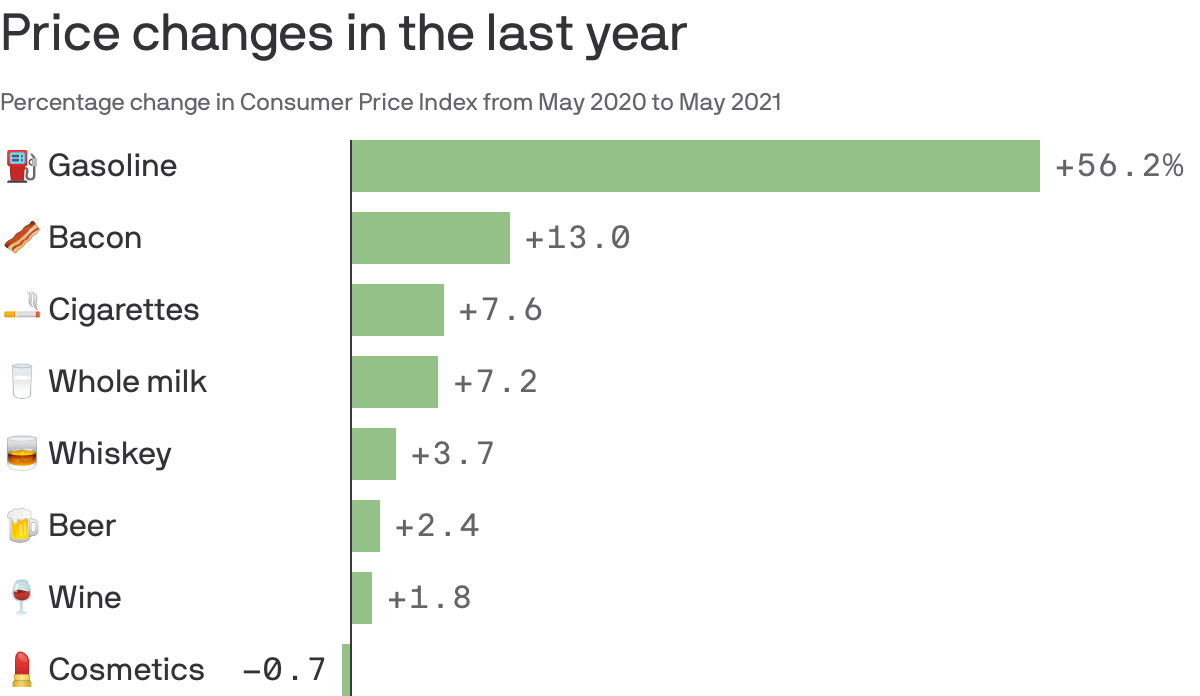
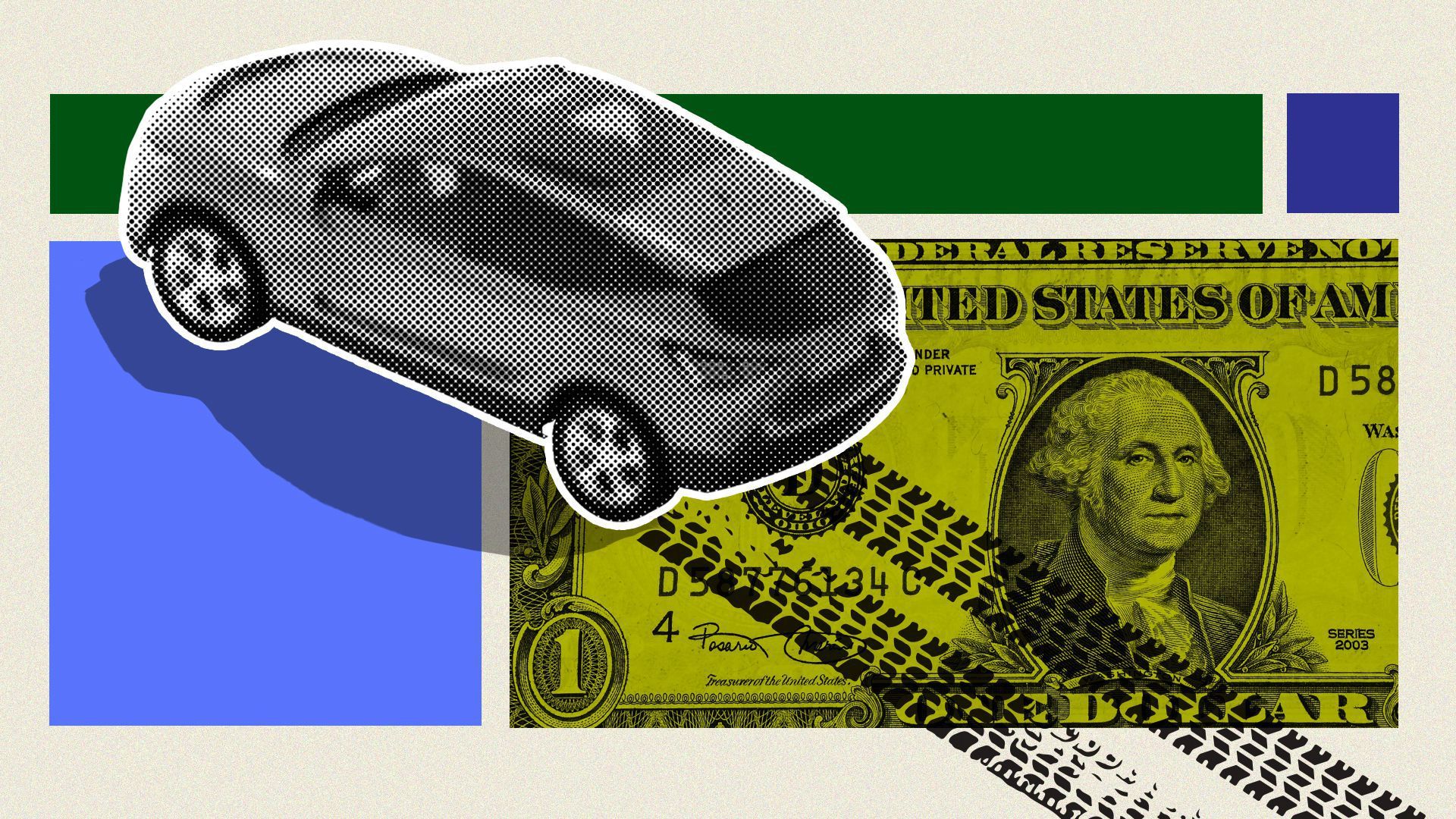
While a 5% increase in the Consumer Price Index grabbed headlines on Thursday, a third of it was driven by higher prices for used cars and trucks, which jumped 29.7% from a year ago. And the gas index was up 56.2%.
Why it matters: Underneath the hood of the CPI numbers, it's clear that not all items moved in tandem.
Though restaurants are bustling and signs of life are returning across a nearly post-pandemic United States, swing voters in Axios’ latest Engagious/Schlesinger focus group say they feel anxious about the current state of the economy.
Why it matters: Main Street is living a debate being fought in the ivory tower and among economists. Only 3 of 13 voters said they felt the U.S. economy is “booming.” The rest expressed fear of an impending crash following the injection of federal stimulus money during the pandemic.






















/2021/06/10/1623368291479.gif?w=3840)