The CEO of the world's largest container-shipping company cautions that international firms have to be careful of taking political stances.
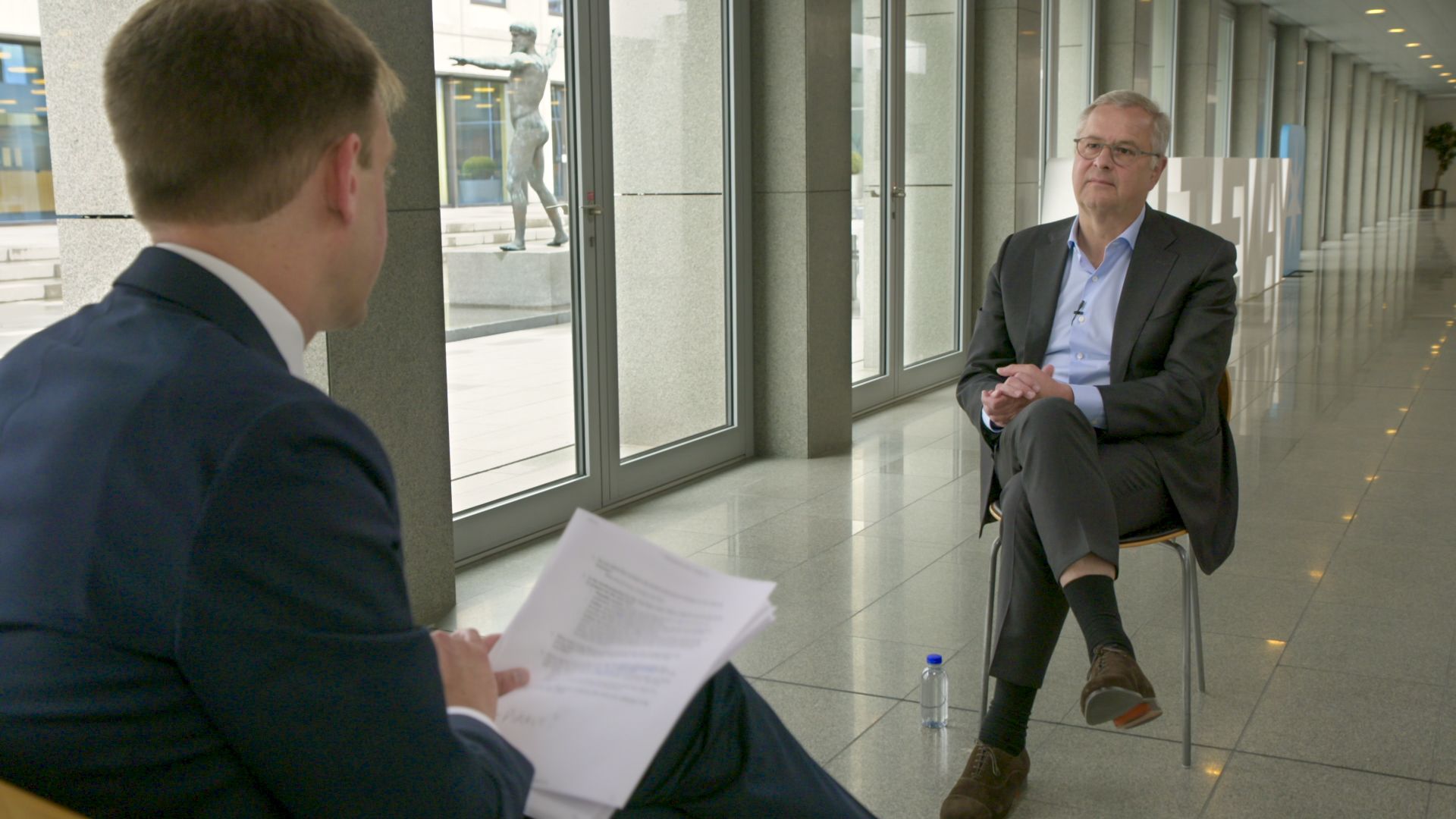
What they're saying: "We cannot run a global business if we start to have views on politics in every single country that we are in," Maersk CEO Søren Skou tells "Axios on HBO."
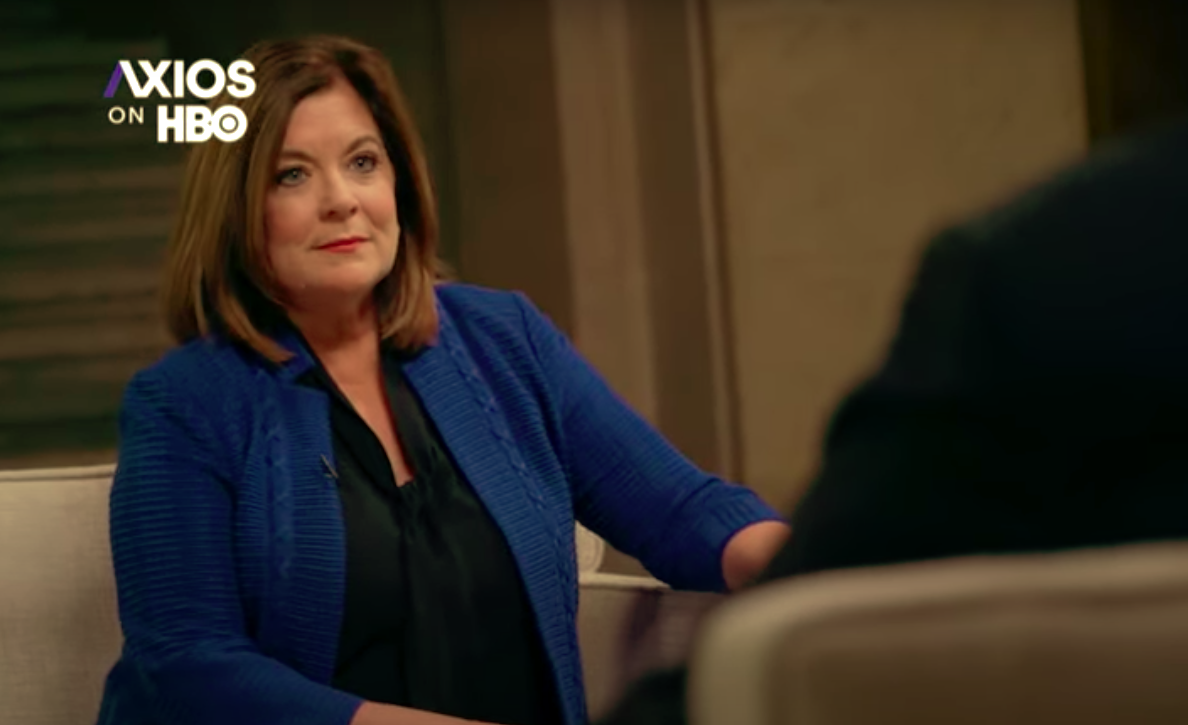
U.S. Chamber of Commerce president and CEO Suzanne Clark told me for "Axios on HBO" that she finds the Biden administration "easy to talk to. They're easy to reach. They're professional."
"But sometimes they give us bad news very efficiently and quickly," she said with a laugh.
The big picture: The chamber, the world’s largest business lobby, is having success under President Biden on promoting infrastructure spending, but opposes his planned tax increases.
U.S. Chamber of Commerce president and CEO Suzanne Clark told me on "Axios on HBO" that the business group was right to endorse vulnerable House Democrats last year, despite the flak that resulted from Republicans.
Clark, who took over the top job in March, said those House Democrats "had really helped push business's number one priority, which was the free trade agreement with Canada and Mexico, over the finish line."
"All of the Republicans that we work with on tax, on regulation — those people are really, really important to us," she added: "So we have to be willing to have a different coalition on every issue."
American workers have been losing power since 1980 — but now the tables are turning.
Why it matters: The 2010s gave us the gig economy and left millions of workers stranded seemingly forever on the precipice of financial ruin. The 2020s could be the decade when workers seize back the reins of power.
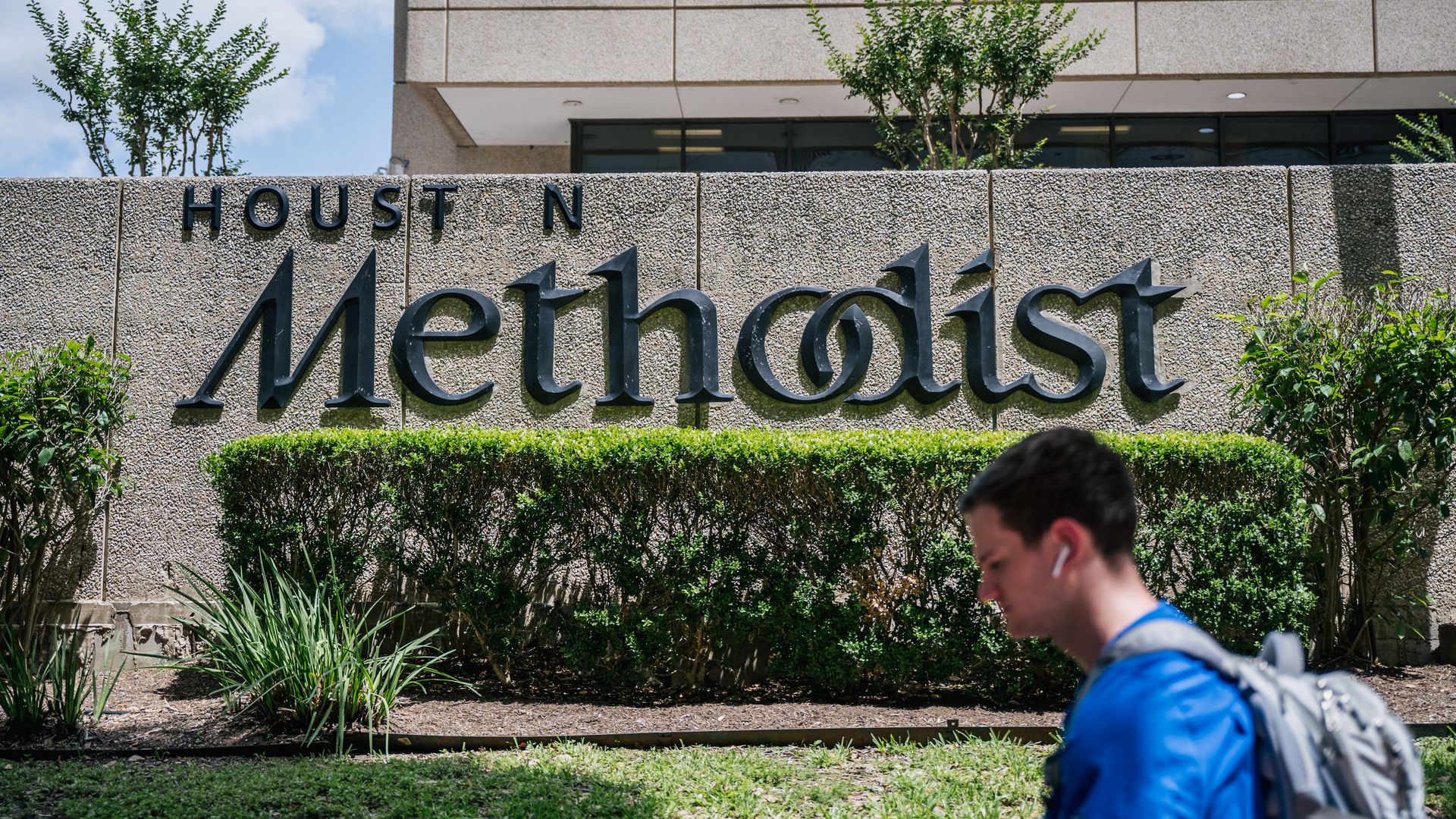
A federal judge on Saturday dismissed a lawsuit brought by 117 Houston Methodist staff over the hospital's policy requiring all employees to be vaccinated against COVID-19.
Why it matters: This is the first federal court ruling on a coronavirus vaccine mandate. Attorney Jared Woodfill, representing the plaintiffs, told KHOU 11 it's "the first battle in a long fight," as he vowed to file another lawsuit soon.
UnitedHealthcare is postponing a new policy that would have declined or limited coverage of an emergency room visit if it was found to be non-emergent after the fact, Axios' Bob Herman reports.
The big picture: Patients, doctors and hospitals slammed the policy, arguing it violated federal law that requires all emergency care to be covered as long as a "prudent layperson" believes it was an emergency.
The endgame of the pandemic is giving both employers and workers a chance to create a more humane relationship — both in the office and out of it.
The big picture: Companies need workers, but many employees aren't ready to go back to the way things used to be. A hybrid setup could provide the best possible way forward, if both sides are willing to give.
Two years ago, it was easy to know what your office, your commute, your neighborhood or your kid’s school would look like in coming months. Not any more.
What's happening: First the pandemic upended our plans, and now its aftermath is breaking our predictions.
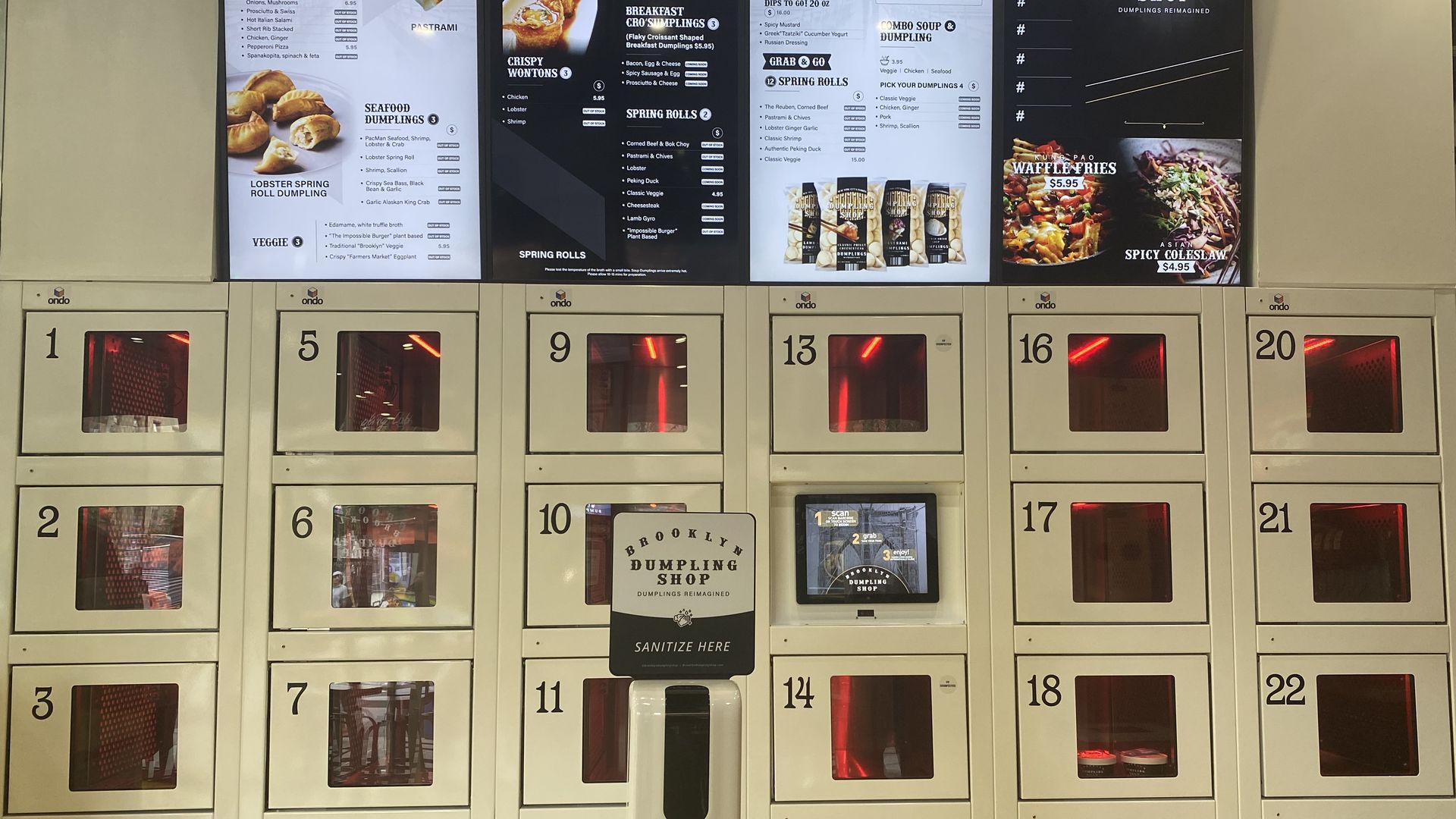
Inspired by pandemic-era social distancing and propelled by post-pandemic labor shortages, businesses are experimenting with taking humans out of the retail equation.
Case in point: I had lunch at the server-less Brooklyn Dumpling Shop this week. The three-week-old fast casual eatery in Manhattan's East Village has screens where patrons punch in their preferences, and then, when their food is ready, it appears in a cubby.
A seat aboard Blue Origin’s first crewed flight to suborbital space fetched $28 million during a live auction on Saturday.
Why it matters: While the market for suborbital tourist flights to space may not be huge, experts say it's an important, public-facing part of the space industry that could popularize it as more people start flying.
Investors have poured billions into startups promising to get self-driving cars on the road to shuttle passengers and parcels. Now, the startup world has largely shifted to applying autonomous driving to specific industrial use cases — in an effort to build a business much faster.
Why it matters: Despite bold predictions that we'd soon be riding in robotaxis around town, the task is taking much longer than expected and is a lot more expensive.
Americans are itching to put pandemic life behind them, but many of the necessary ingredients for a summer of carefree fun — everything from neighborhood pools to car rentals — still aren't fully available.
The big picture: Labor shortages, scrambled supply chains and simple logistics are all making it harder for a whole range of businesses to meet post-pandemic demand, and that’s making “hot vax summer” a little harder to pull off.