Dispo, maker of a photo-sharing app inspired by disposable cameras, has raised $20 million in Series A funding, Axios has learned.
Why it matters: That's the same amount investors had committed until some got cold feet over controversies involving co-founder and YouTube star David Dobrik, which led to his resignation.
The startup publicly announced the round on Tuesday, but without disclosing a dollar amount.
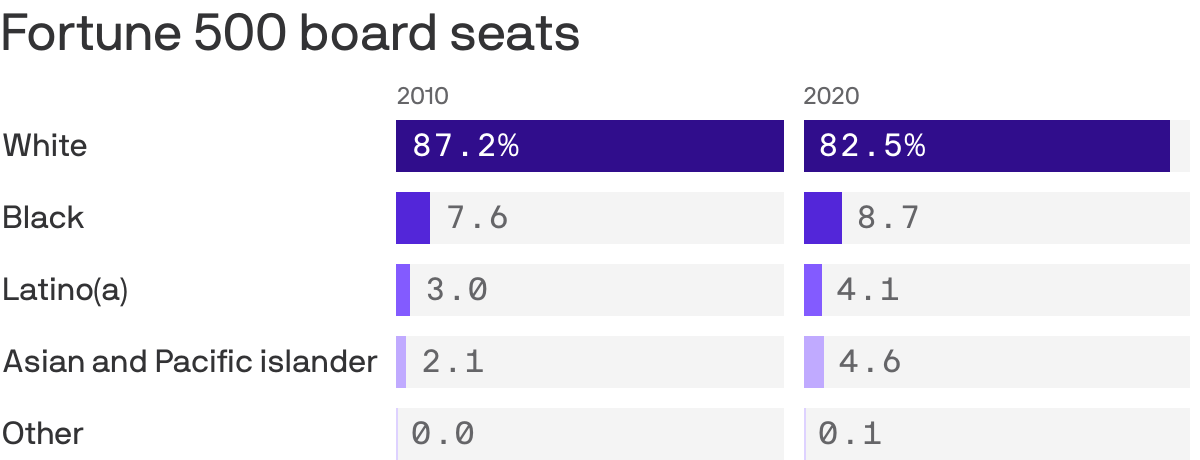
Data: Deloitte and the Alliance for Board Diversity; Chart: Will Chase/Axios
Corporate boards are getting less white and male, but companies are "recycling" to achieve the feat — i.e., tapping a limited circle of executives of color to fill open slots.
Why it matters: In some cases, more diversity came "by recycling ... existing Fortune 500 board members rather than bringing in new individuals with different skills, backgrounds, and perspectives," according to a report out Tuesday by Deloitte and the Alliance for Board Diversity.
Choosing to hustle is a luxury. The hustle culture debate misses a bigger economic picture.
Why it matters: Workers are wary (and weary) of hustle culture, as the economy comes out of the pandemic. But for tens of millions of Americans, working nonstop may be a necessity.
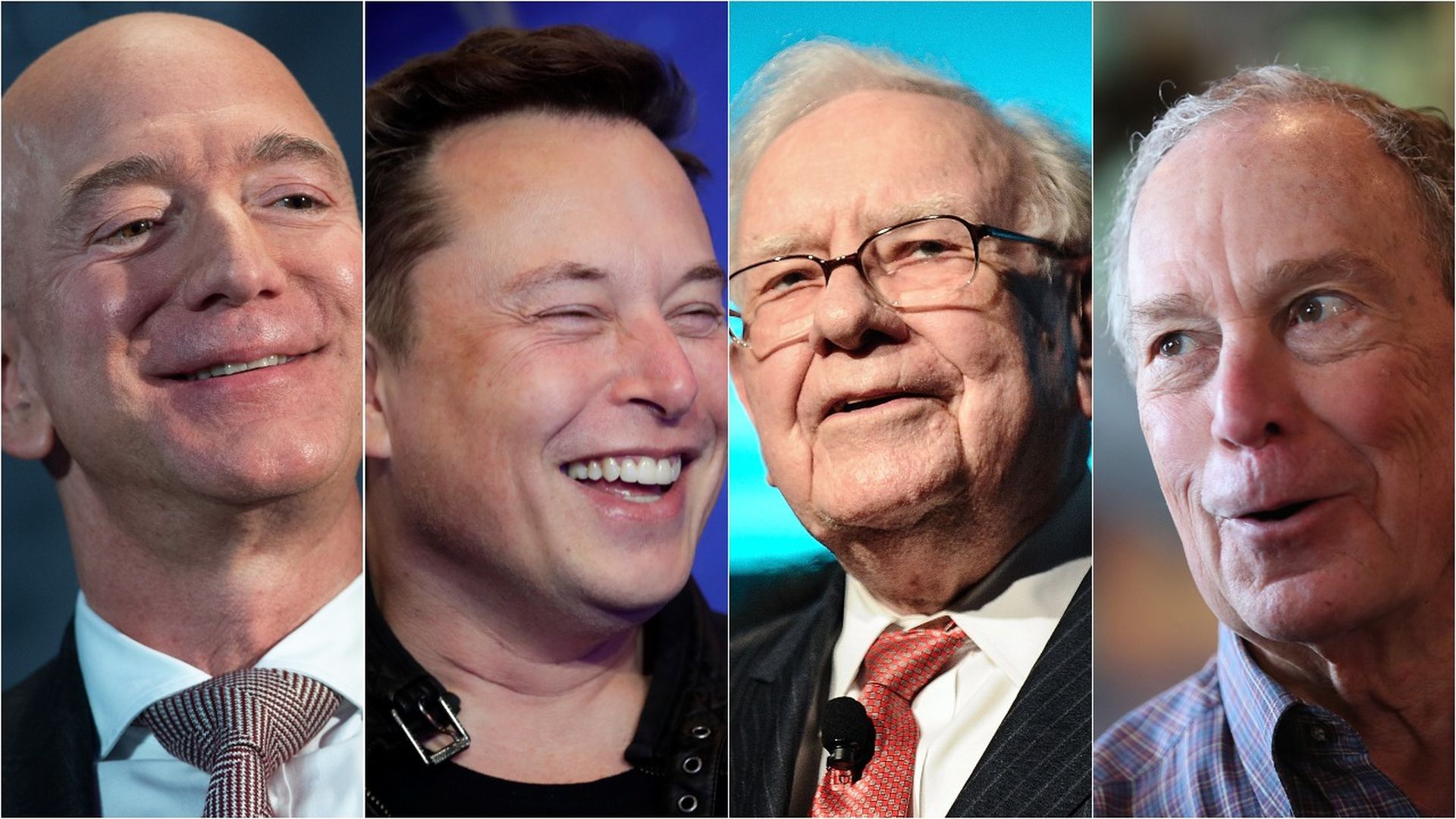
The collective worth for the 25 richest Americans rose $401 billion from 2014 to 2018, but they only paid a total of $13.6 billion in federal income taxes, according to a ProPublica report based on confidential IRS tax data.
Why it matters: The analysis found that billionaires like Jeff Bezos, Elon Musk, Warren Buffett and Michael Bloomberg "were able to benefit from a complex web of loopholes in the tax code," the New York Times notes.
Morning Consult, the Washington, D.C.-based research and polling firm, has raised a $60 million Series B round that values the company at over $1 billion.
Why it matters: It's a rare tech success story coming out of D.C.
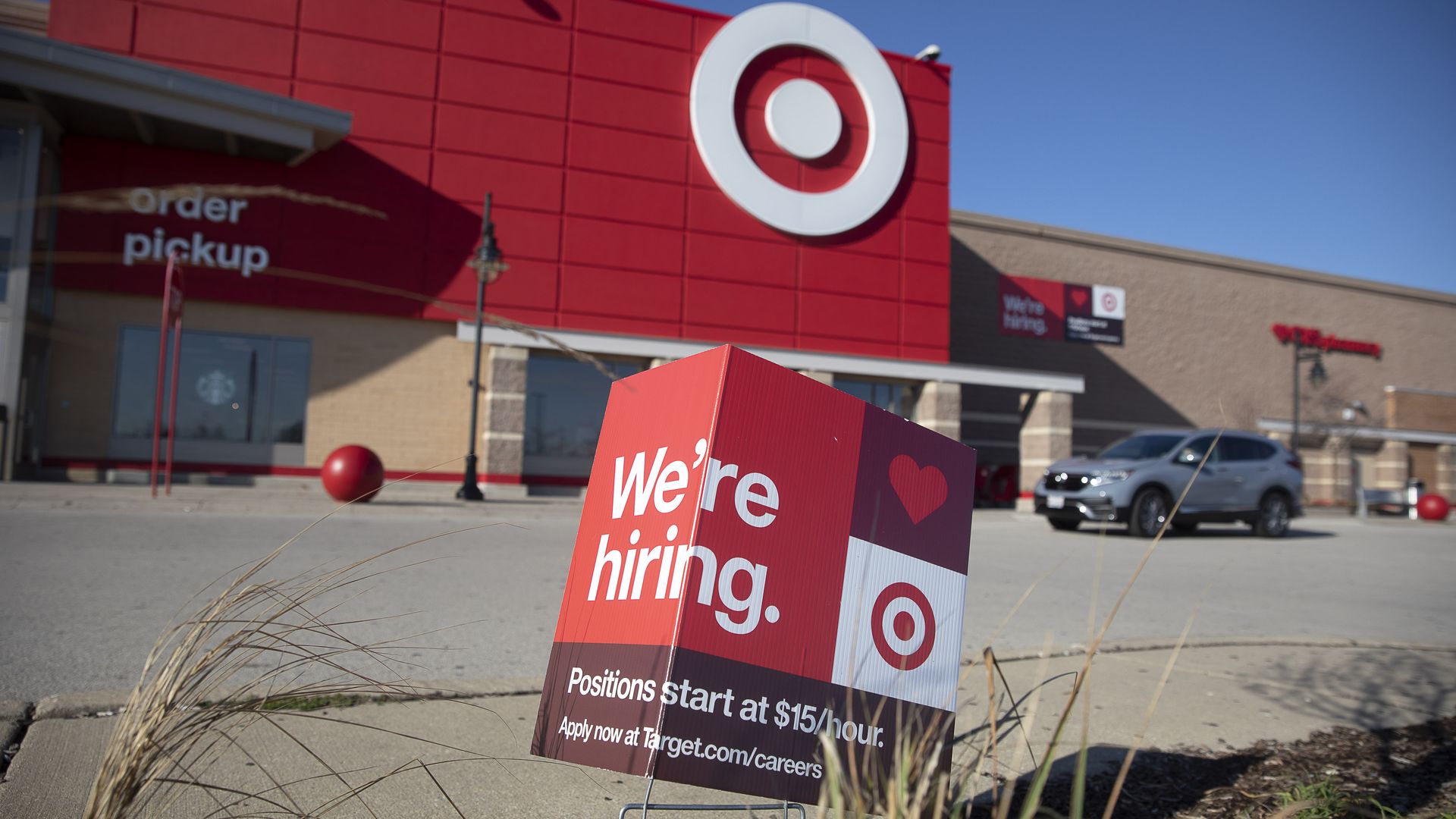
There was a record 9.3 million open jobs in America in April, according to new government data out Tuesday.
Why it matters: As the economy made strides to a full reopening, new gigs opened up faster than companies could hire for them. What's more, a record number of Americans quit their jobs — a sign that workers are confident there's better, higher-paying work elsewhere.
Relativity Space has raised $650 million to help fund its plans to build a fully reusable, 3D-printed rocket.
Why it matters: Relativity is part of a growing number of launch companies looking to capitalize on governments and other companies hoping to send their wares to space in the coming years.
Independent journalist and author Kyle Chayka has funded two months of his daily entertainment and culture newsletter "Dirt" using only NFTs (non-fungible tokens).
Why it matters: "It's a proof of concept that NFTs alone could fund a small media company," says Chayka. He made $33,000 in one week selling 131 NFTs. He made over $20,000 in the first 24 hours.
Katerra, a Silicon Valley construction tech startup that had raised around $2 billion from firms like SoftBank, has filed for Chapter 11 bankruptcy protection.
Why it matters: This was ultimately about the folly of pattern-matching, a pervasive VC technique whereby the same sorts of founders get both funded and forgiven.
Group Nine Media's animal-focused brand "The Dodo" is launching "Paw of Approval," a consumer reviews destination for pet products.
Why it matters: Consumer product sites like "Wirecutter," which was purchased by The New York Times in 2016, and "The Strategist," which was launched by New York Magazine that same year, help media companies diversify their revenue into e-commerce.
The Chernin Group (TCG), an investment firm that specializes in consumer brands in media and tech, is raising $1 billion to drive its third round of investments, sources tell Axios. It's adding three new partners as it looks to invest in more brands and new technologies, like blockchain.
Why it matters: A string of successful investments over the past few years has helped the firm expand to more investments in companies at a later stage.
Three-year-old music startup Trebel, whose app allows users to listen to music for free on-demand and offline, is going public via a Regulation A+ offering, according to a new SEC filing.
Why it matters: The company differentiates itself from other music streamers by letting consumers listen to music for free on-demand and offline with ads — a game-changer for people in developing markets.
Big banks are pulling back from the heights of their global ambitions for retail banking.
Why it matters: The globalization dogma says bigger is better, and that more markets offer more opportunities for making money. But increasingly, the international mega-bank model is getting clunky, more expensive — and less popular.
Data: Bloomberg Barclays U.S. Corporate Index; Chart: Will Chase/Axios
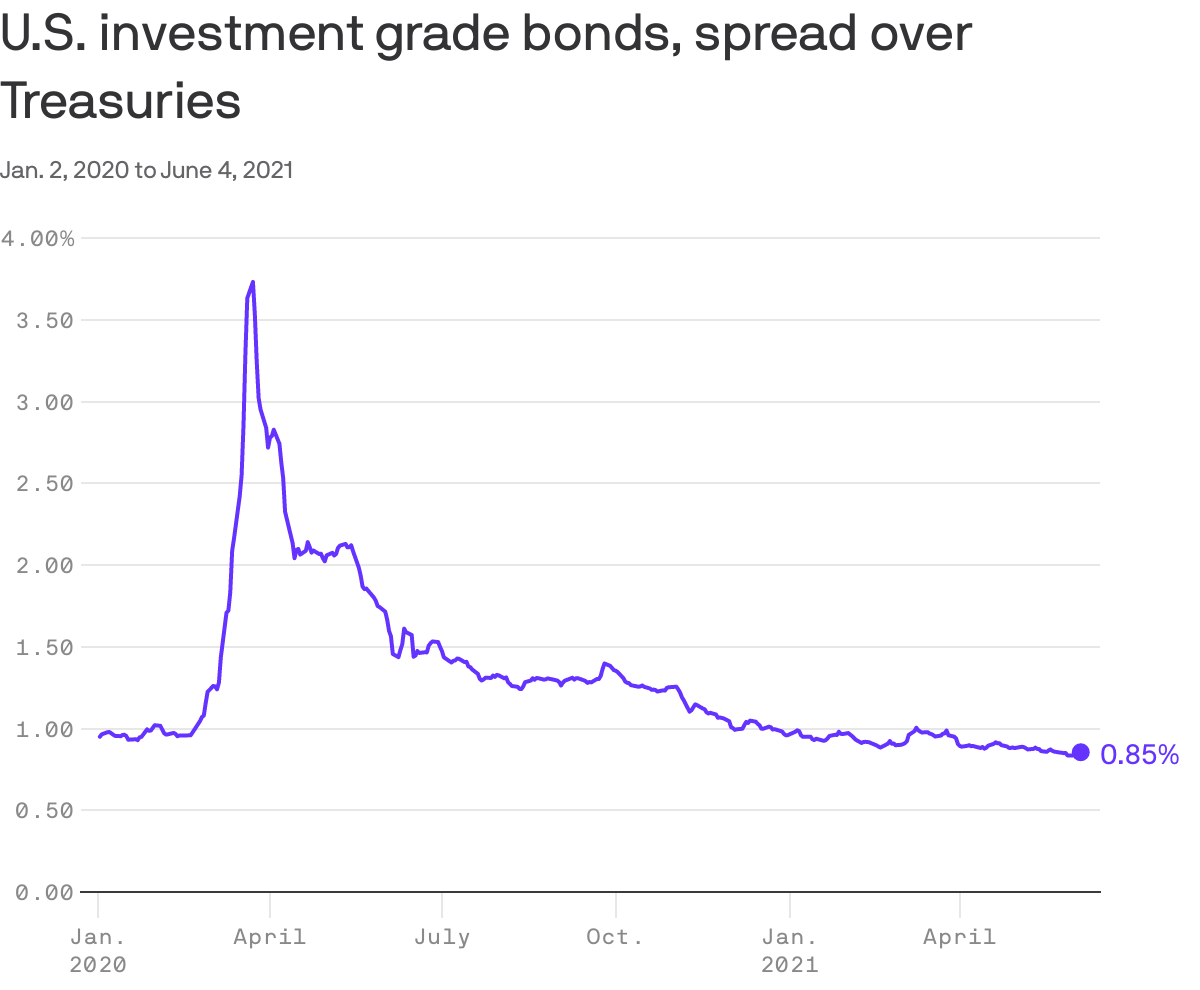
Interest rates may be low in the U.S., but they're also low — and in some cases lower — around the world. As a result, foreign investors are continuing to snatch up U.S. investment grade (IG) bond funds in order to get paid more for their trouble.
Why it matters: Foreign investor demand has helped bring the key IG index's spread over Treasuries to a record-tight level. In turn, some IG fund managers are stretching into lower-rated assets to help boost returns.
Economic inequality has been exacerbated by the pandemic and left Black women — and potential growth for the broader U.S. economy — even further behind, according to a new report today from S&P Global.
Why it matters: Black women have been hindered by economic disparities in nearly all aspects of American life, particularly when it comes to wage growth and opportunities in school and at work.
Historically low yields in the debt capital markets will no doubt assist a trio of private equity firms in funding their newly announced mega-buyout of Medline Industries.
Why it matters: Medline's deal values the medical supplies company at around $34 billion, making it one of the largest of LBOs of all time. It could crack open the door for more super-sized deals.
Rivals circling Apple and Google are courting developers and creators who are growing increasingly frustrated with the fees those tech giants charge in their app stores.
Why it matters: In-app purchases have emerged as a key way for developers looking to make money from their apps, and Apple and Google tightly control the payment mechanism for such transactions.
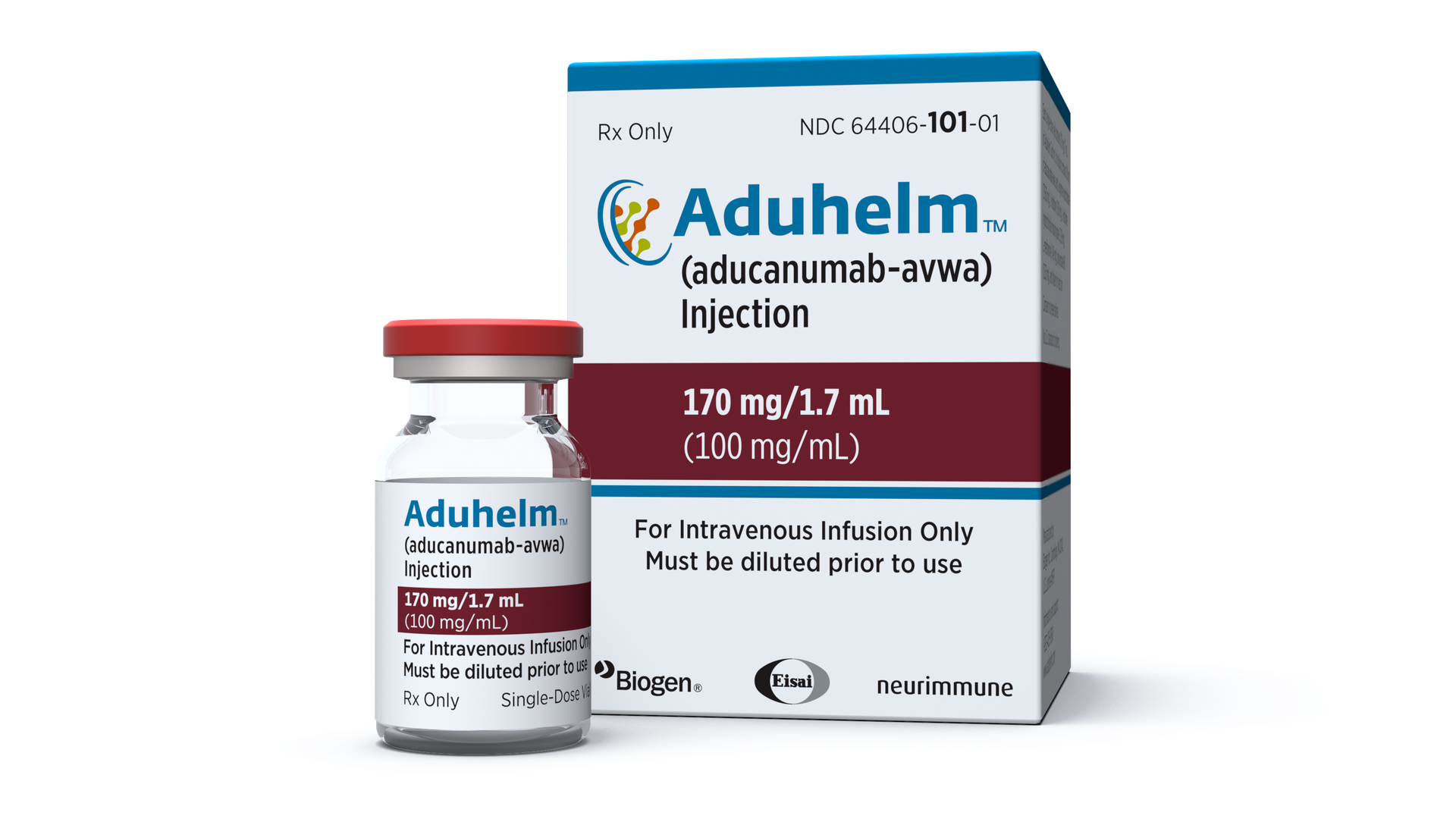
Following the FDA's approval of Biogen's Alzheimer's treatment Aduhelm, experts fear the approval — based on weak scientific data — is a sign the agency is putting speed over rigor.
The big picture: "A general signal being sent to the rest of the drug industry is: If you can get uncertain, maybe suggestive data and a post-hoc analysis — get that threshold to us — we may approve your drug," said Peter Bach, a drug researcher at Memorial Sloan Kettering Cancer Center.
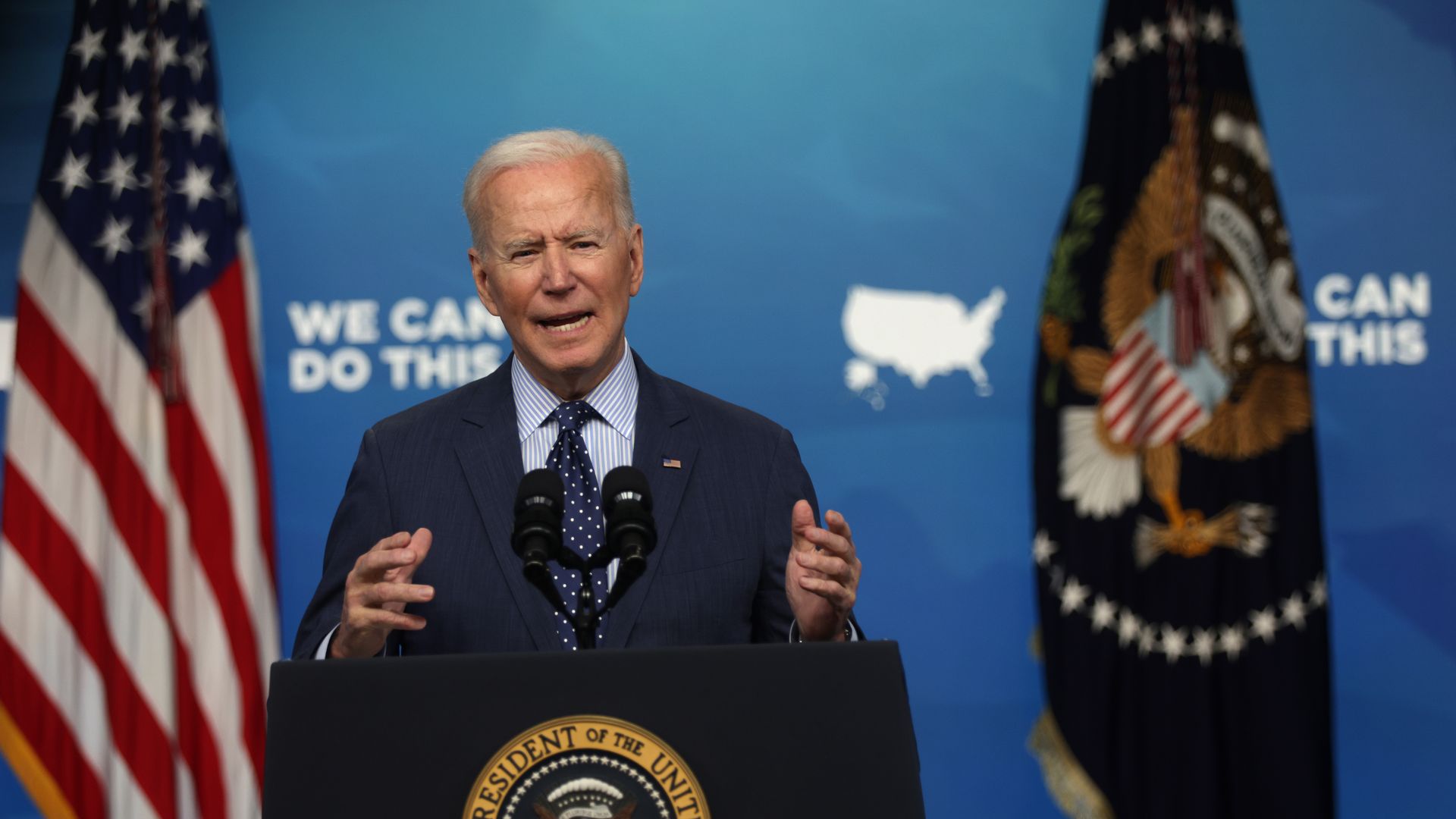
President Biden will announce a new task force today to focus on the supply chain disruptions created by the pandemic and economic shutdowns, according to administration officials.
Why it matters: By naming Commerce Secretary Gina Raimondo, Transportation Secretary Pete Buttigieg and Agriculture Secretary Tom Vilsack to the new task force, Biden is trying to ensure that the economy reopens as smoothly as possible as more Americans return to work.
More than 90% of people with Alzheimer's disease are 65 and older, which means Medicare (i.e., taxpayers) will shoulder the load for Aduhelm's $56,000 annual list price.
Why it matters: Aduhelm could create massive strains on Medicare spending and could create financially ruinous prospects for patients and their families.







/2021/06/08/1623168649621.gif?w=3840)







/2021/06/08/1623152989512.gif?w=3840)