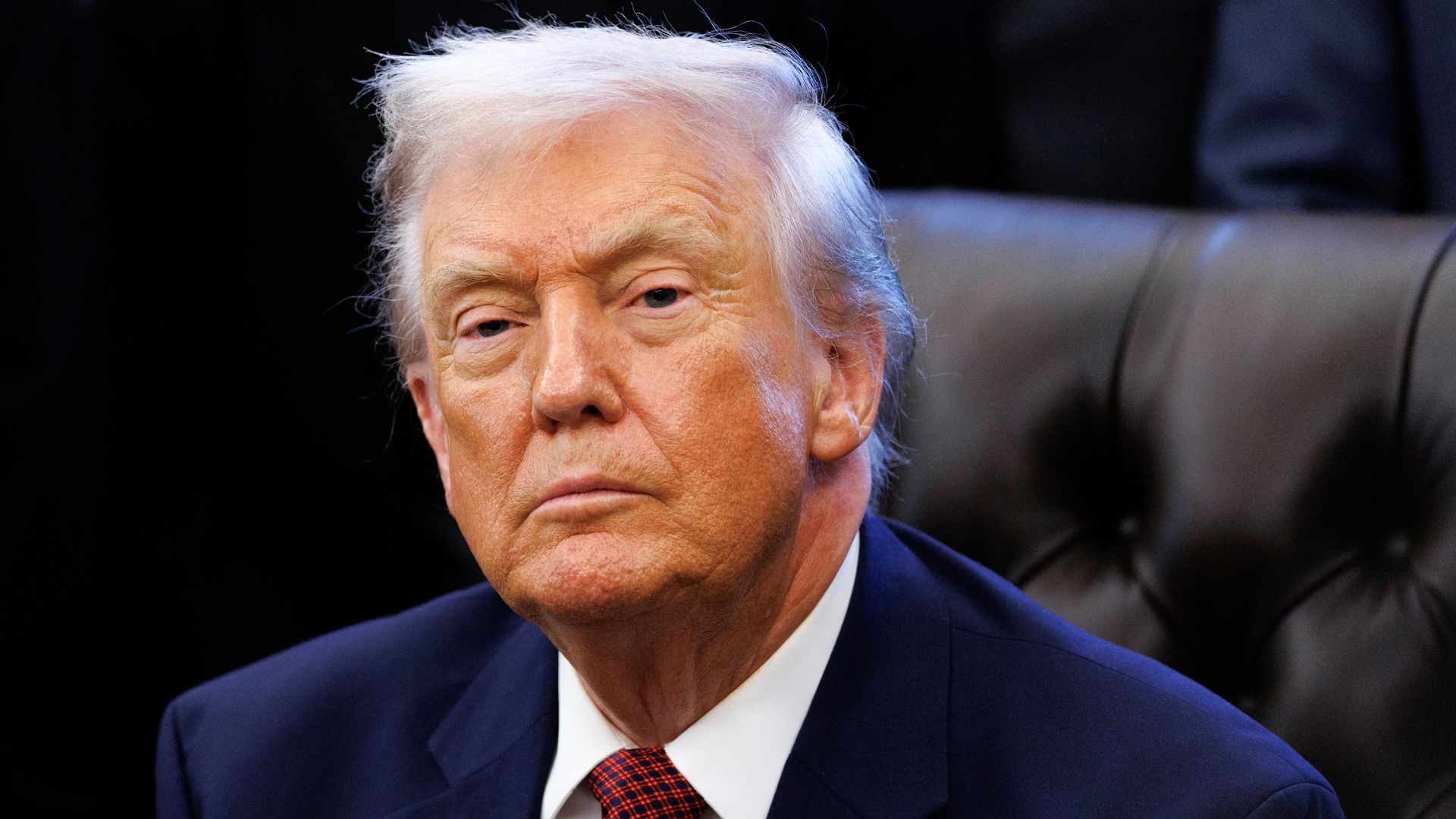
Ukrainian President Volodymyr Zelensky held a two-hour call Saturday with Trump advisers Steve Witkoff and Jared Kushner, discussing territory and security guarantees, two sources with knowledge of the call told Axios.
Why it matters: The call capped three days of marathon negotiations between senior U.S. and Ukrainian officials in Miami over President Trump's proposed peace plan.
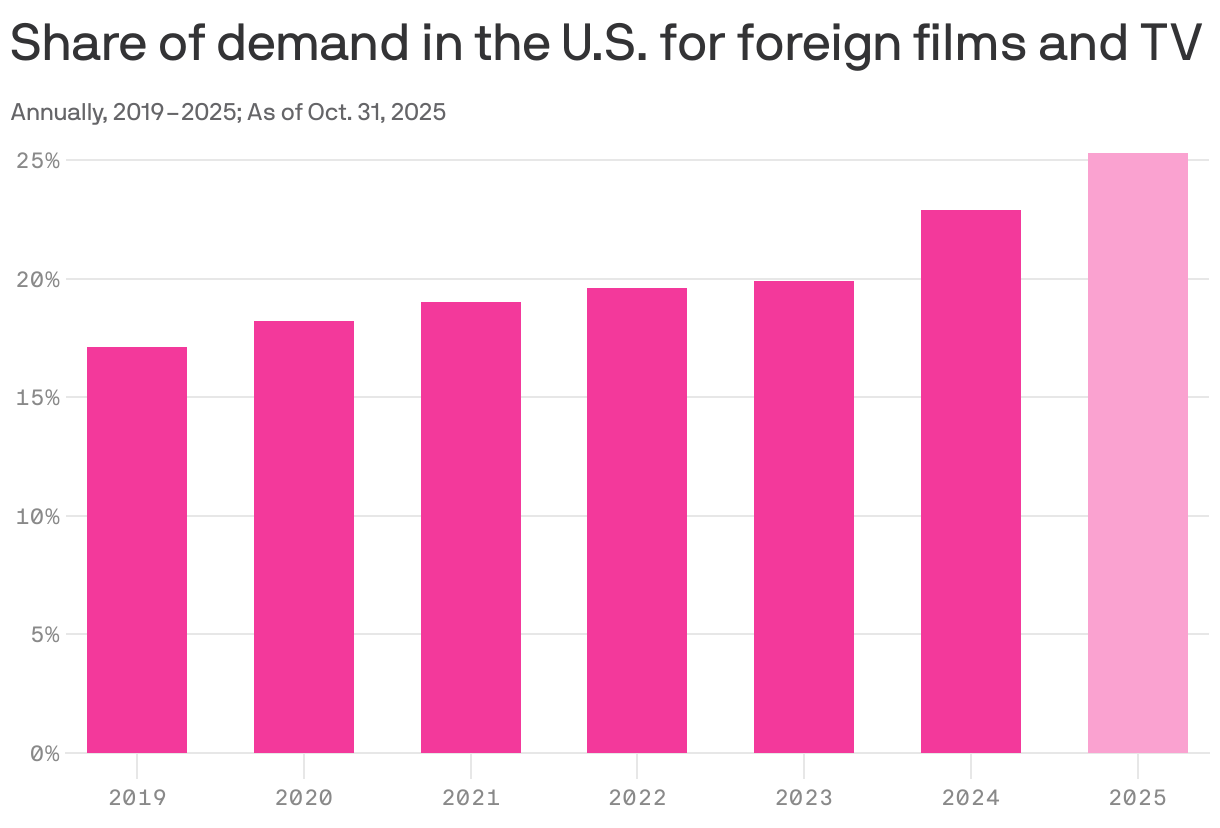
Americans are craving more foreign films and TV shows than ever, with demand for non-U.S. titles reaching 25.3% as of Oct. 31, up from 17.1% in all of 2019, according to data from Parrot Analytics.
Why it matters: The rise of streaming has reshaped U.S. viewing habits and chipped away at Hollywood's cultural dominance.
From MrBeast opening a theme park in Saudi Arabia to iShowSpeed touring China, U.S. creators are seeking financial opportunities, new audiences and creative inspiration overseas.
Why it matters: These influencers are becoming key marketers for nations looking to diversify their economies and shape global perception.
American news outlets are looking to the Middle East for investment and new audiences amid dwindling U.S. ad dollars.
Why it matters: The U.S. has historically failed to force news companies to register as foreign agents when they are funded by nation-states, meaning there's little downside for newsrooms that want to raise cash from sovereign wealth funds.
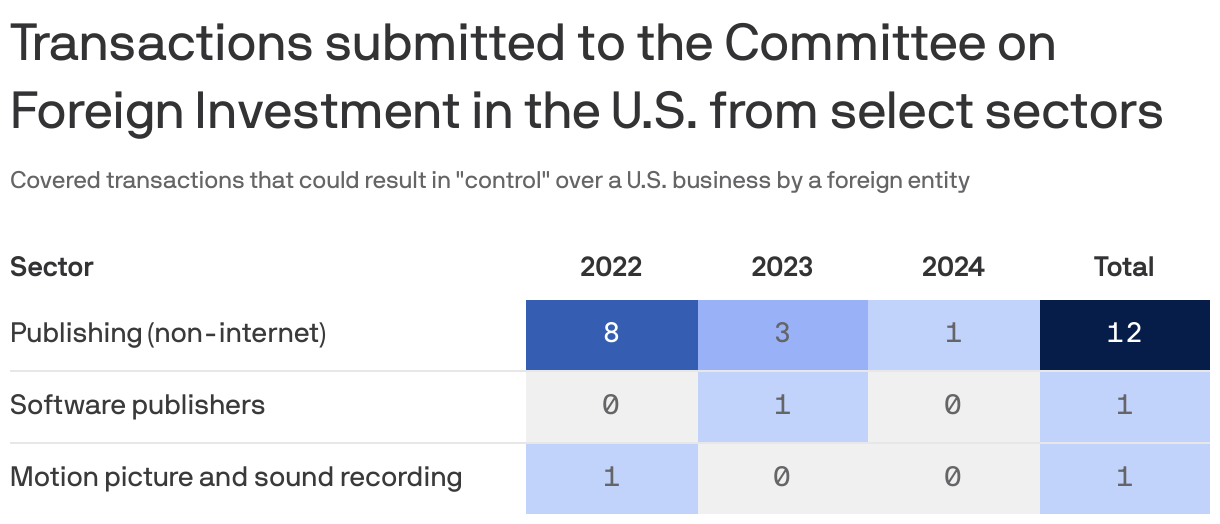
Data: Committee on Foreign Investment in the United States; Table: Axios Visuals
The Committee on Foreign Investment in the U.S. (CFIUS) hasn't historically viewed foreign investments in domestic media and entertainment companies with as much national security concern as other countries. But TikTok has proven to be an important exception.
Why it matters: Regulators overseas tend to impose much stronger restrictions on who can access their culturally relevant businesses. In the U.S., a capitalistic mindset has proven easy for foreign investors to exploit.
As media companies, sports leagues and Hollywood studios eye new opportunities to expand, they are increasingly turning to foreign cash to help foot the bill.
Why it matters: Access to U.S. culture has become an irresistible soft power play for Middle Eastern sovereign wealth funds and Chinese investors. For media companies, the cultural stigma against accepting foreign cash is fading.
Waymo said late Friday it will issue a voluntary software recall in response to a federal safety probe of its self-driving cars for illegally passing school buses.
Why it matters: In announcing the recall, Waymo said it believes recent software fixes were sufficient to boost safety, and that it won't suspend service in school districts, as requested by authorities in Texas.
President Trump is enamored with Japan's cheap, fuel-efficient micro cars and says he wants automakers to build them in the U.S. so more Americans can afford a new vehicle.
Why it matters: Even if the U.S. finds a way to legalize them, as Trump has instructed Transportation Secretary Sean Duffy to do, the laws of economics and physics will almost certainly ensure it never happens.
They don't meet U.S. safety regulations.
Automakers can't build them profitably in the U.S.
Paramount was bested by Netflix on Friday in its efforts to buy Warner Bros. Discovery, but it may still appeal directly to WBD shareholders through a hostile takeover offer.
Why it matters: Paramount could argue that its all-cash bid of $30 a share is better in terms of both price and the likelihood of regulatory approvals, although it also would need to disclose more information about its debt financing.
The $83 billion mega-merger between Netflix and Warner Bros. Discovery's studio and streaming assets will have major implications for the future of entertainment, should regulators bless the deal.
Why it matters: Executives at both companies argue the deal would benefit consumers and distributors, giving them more streaming options and a wider audience platform. But Hollywood purists worry the deal would give Netflix too much power over the creative community.
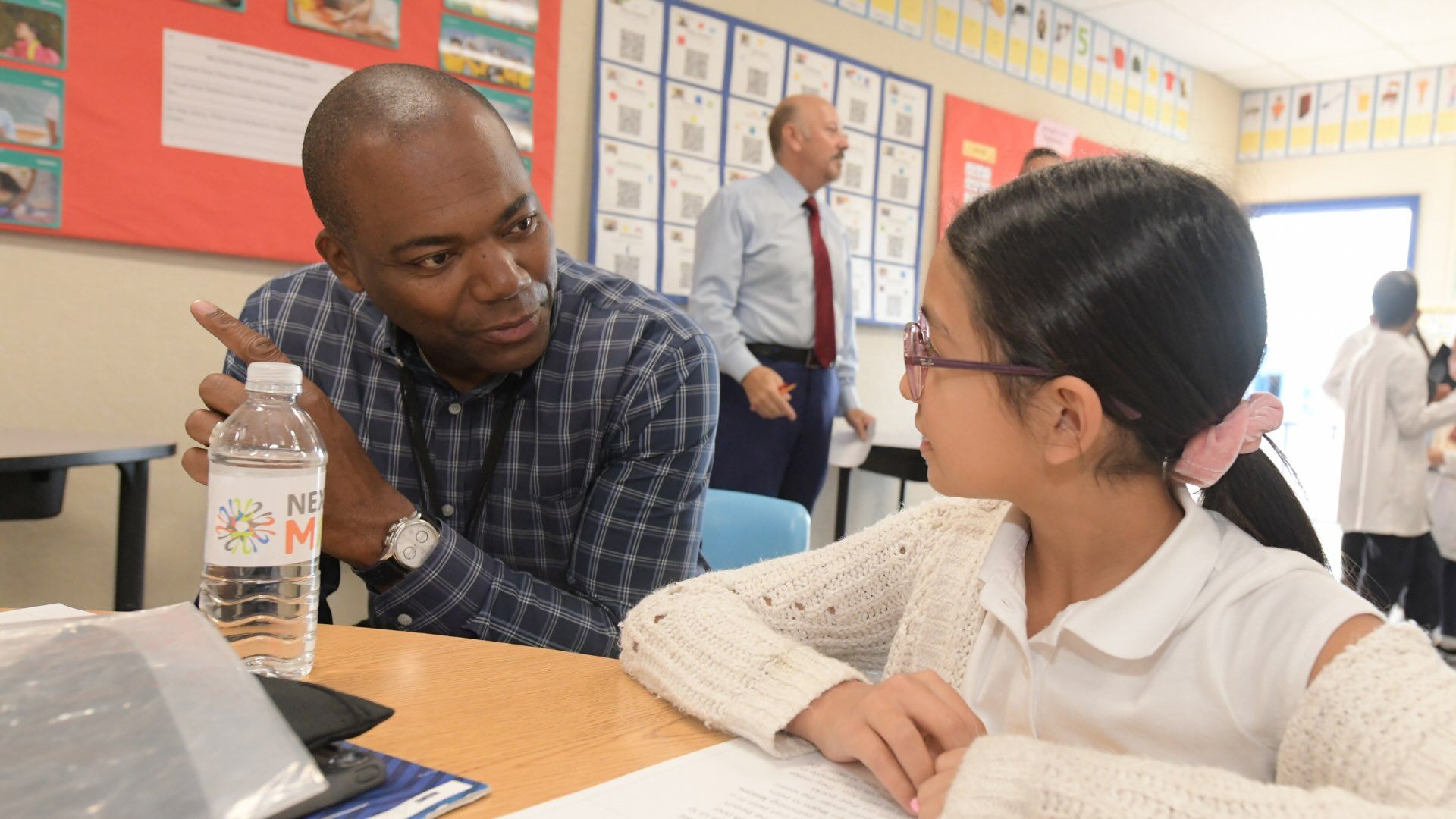
As AI, neuroscience and new models of teaching converge, schools are rethinking what it means to help every student thrive.
Digital Promise CEO Jean-Claude Brizard shares how redefining student success and personalizing learning can help close long-standing gaps and empower every learner.
Top Trump administration officials on Friday decried the European Commission's nearly $140 million (€120 million) fine on Elon Musk's X for violating its moderation law.
Why it matters: The penaltysets up a potential showdown with the Trump administration, which has criticized Europe's content digital market laws as "overseas extortion."
The New York Times on Friday sued Perplexity, accusing the generative AI search company of copyright infringement by copying its journalism without permission or compensation.
Why it matters: The lawsuit expands the Times' legal battles against AI companies, as it looks to set clearer boundaries and a new precedent for how it and other content companies are compensated for their work in the AI era.
A Middle Eastern sovereign wealth fund last month sued to stop a Houston-based private equity firm from selling a portfolio company to a continuation vehicle, with both sides yesterday agreeing to enter arbitration.
Why it matters: This dispute gets at the fundamental conflict between LPs and GPs when it comes to CVs, which may have just peaked, if you boil away all goodwill and assumption of positive intent.
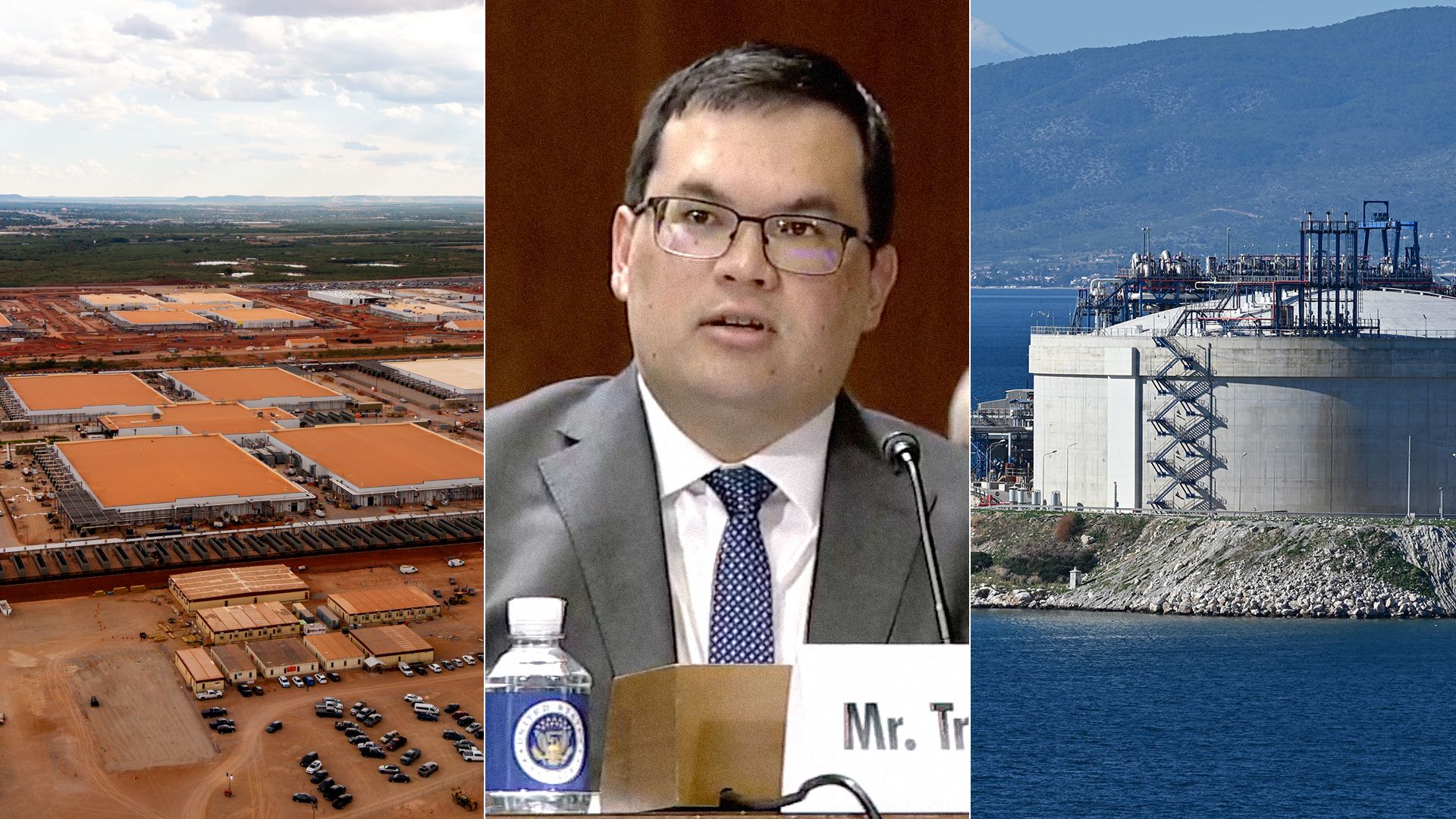
The new head of the U.S. government's market-moving energy stats and analysis arm has revealed plans to formally track data centers as the AI boom deepens.
Why it matters: Policymakers, investors, activists and everyone in between are struggling to understand what, exactly, is happening with this growing source of energy demand.
Meta on Friday said it has struck several commercial AI data agreements with news publishers ranging from USA Today, People Inc., CNN, Fox News, The Daily Caller, Washington Examiner and Le Monde.
Why it matters: Meta backed away from compensating news companies several years ago, but has resumed paying for editorial content as it invests more in its AI chat tools that require real-time access to verified news.
Netflix said Friday it will acquire Warner Bros. Discovery's studio and streaming assets for an enterprise value of nearly $83 billion, besting Paramount Skydance and Comcast.
Why it matters: It's a stunning conclusion to what became one of the most expensive bidding wars in media history.
Why it matters: The track, which was also the most-streamed in the nation, is also a throwback to when Lamar and SZA performed it during the Super Bowl LIX halftime show at the Caesars Superdome.
The Trump administration blamed much of America's and the world's current woes on immigration in an explosive new national security document that accuses Europe of undermining peace in Ukraine and China of ripping off the U.S.
Why it matters: The National Security Strategy, released Friday morning, asserts a "'Trump Corollary' to the Monroe Doctrine" that declares the U.S. will assert its political, economic and military will across the Western Hemisphere.
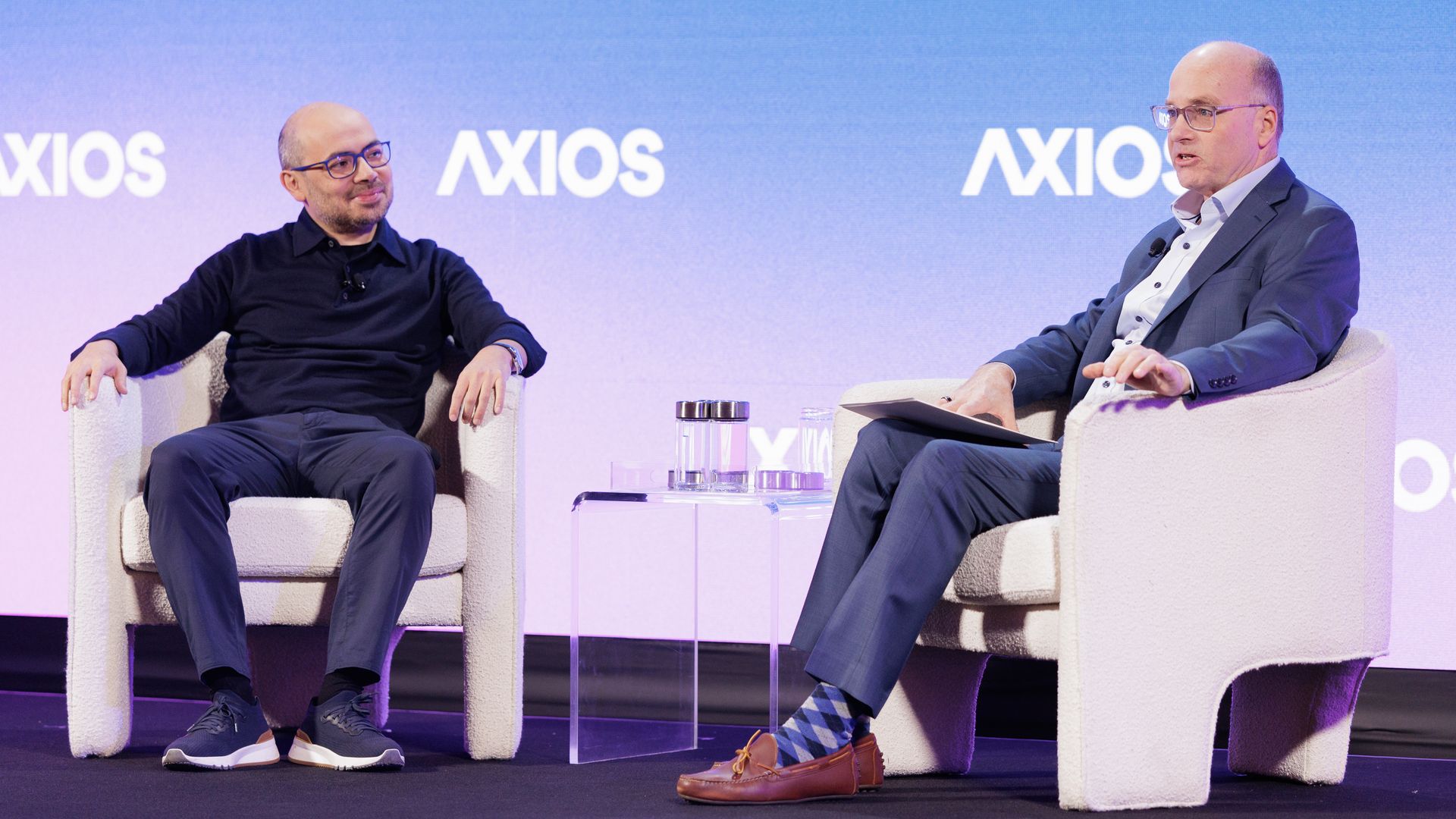
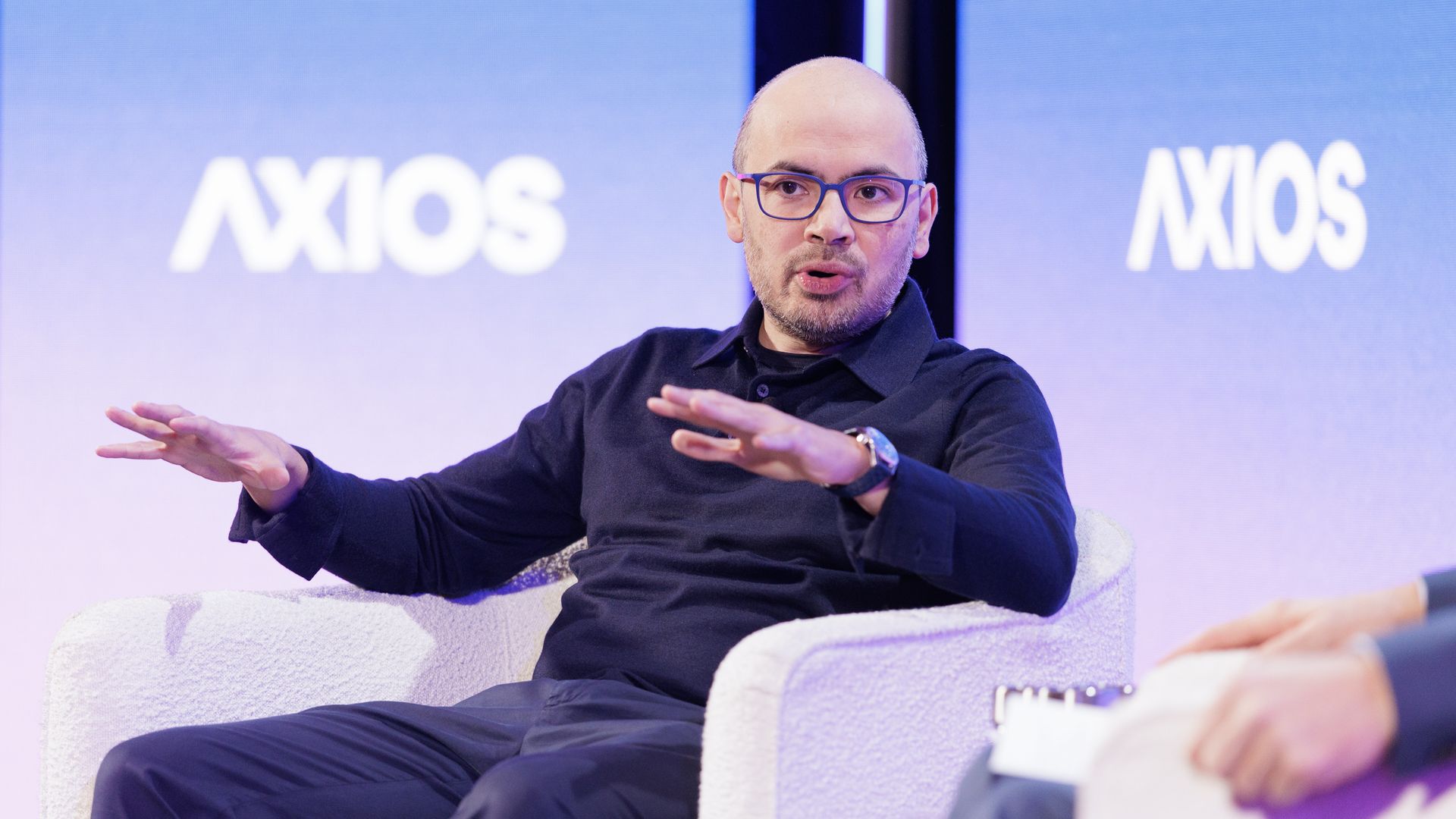
The holy grail of technology — artificial general intelligence (AGI) that can match or outdo humans — is on the horizon, Google DeepMind co-founder and CEO Demis Hassabis says.
But the risks of something going seriously wrong are also in sight, and some are even happening now, he warns.
The big picture: Google set the entire AI world spinning in recent months with the giant leaps in its frontier model Gemini, prompting a "code red" at OpenAI and forcing others to rethink the competitive landscape.
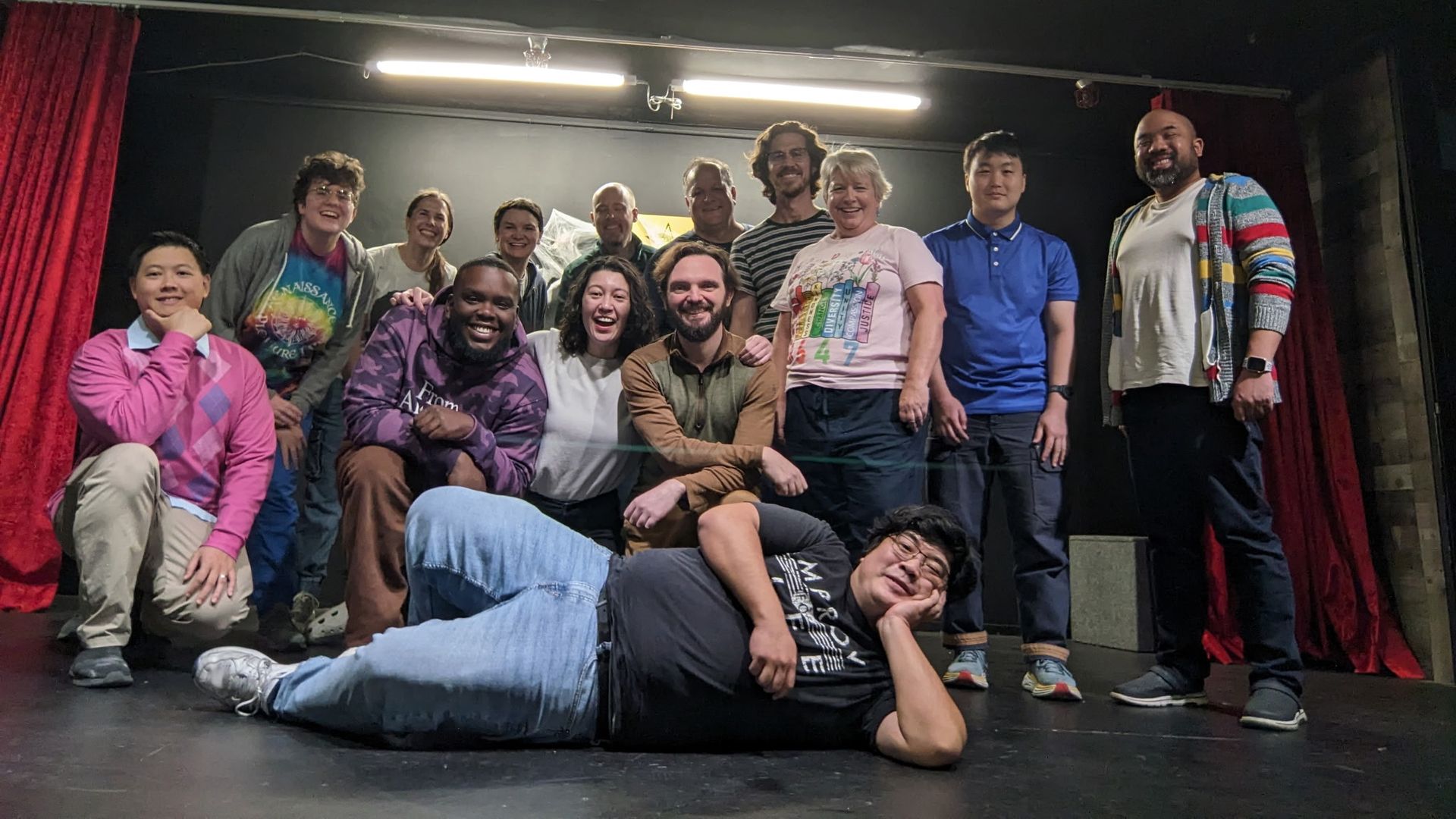
A routine check-in with my editor on a Thursday in August(she's the best!) pushed me somewhere unexpected.
"Feel free to tell me if you think it's crazy, but I think you should take improv classes," she said.
I didn't think it was crazy at all. I thought it would make me better in conversations, meetings, interviews, and on TV and radio appearances.
I also wanted to challenge myself to find a creative outlet outside of work, and this appealed to the theatre kid in me.
The big picture: Improv — once dubbed "America's most popular art" by author Sam Wasson — has a rich history. It has entertained Americans for generations and minted superstars like Tina Fey, Jordan Peele and Stephen Colbert, The New York Times reports.
Researchers have found that this spontaneous art form can boost our creativity and improve our ability to deal with uncertainty. That's one reason why it has even picked up popularity as a leadership training exercise.
My experience with improv sharpened how I engage with others, express myself, and stay present on the job and beyond. Here are my top takeaways.
Connection is important. We often get so absorbed in our own tasks that we forget about the people sharing our space. Pause, look up, make eye contact, and take a moment to connect.
Trust your instincts. As an over-thinker, I've learned that acting on the first thought that comes to mind is often the most honest, authentic choice — whether it's asking a question that feels obvious or sharing an idea before talking yourself out of it.
Adapt. There's a great deal we can't control, whether at home, school or work. Prepare for what you can, but be flexible.
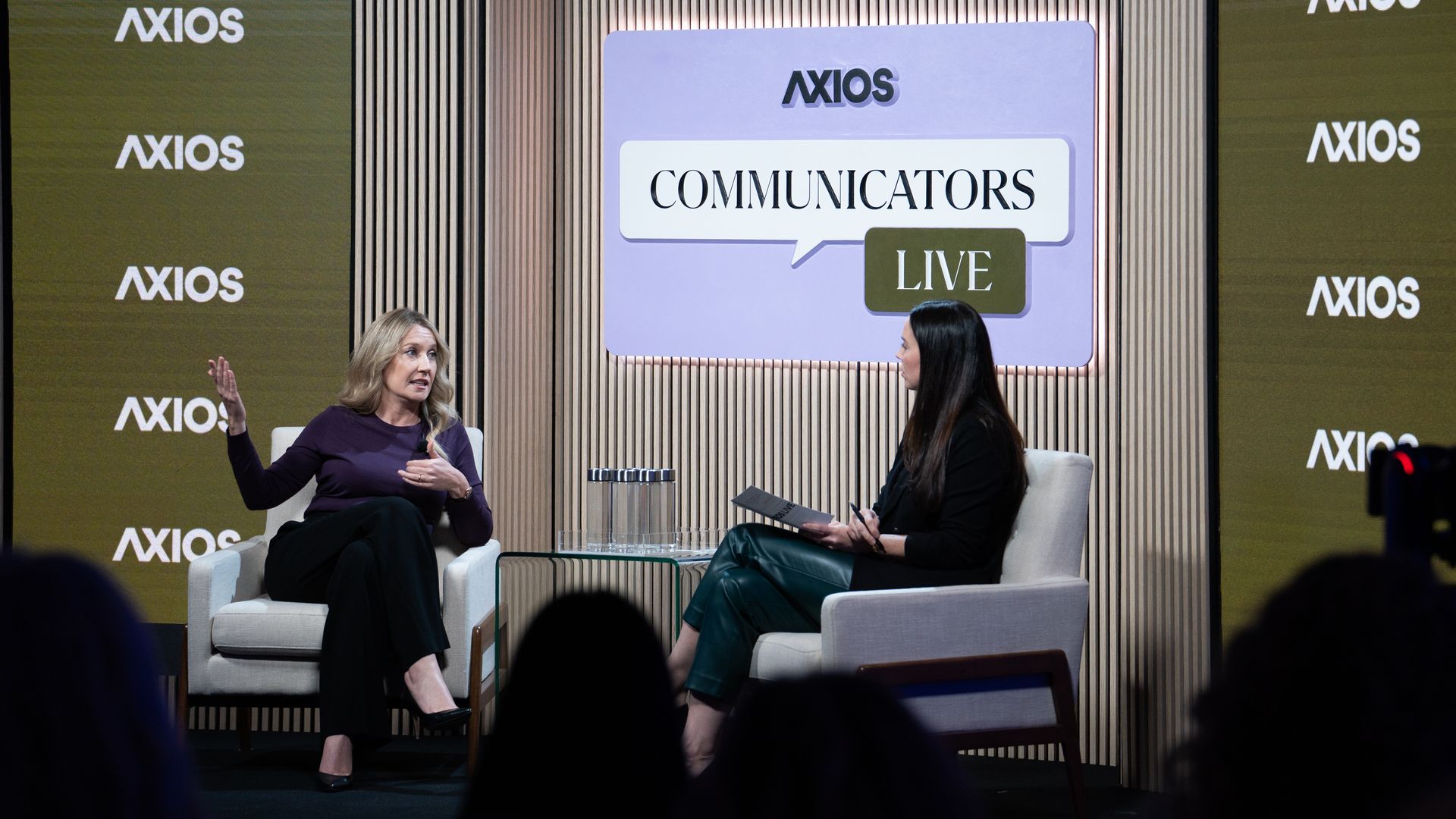
Anthropic has no immediate plans to file for an initial public offering, the artificial intelligence company's chief communications officer, Sasha de Marigny, said at Axios Communicators Live.
Why it matters: An IPO could be among the largest ever for a U.S. company and come at a time when optimism around AI is already driving stock markets.
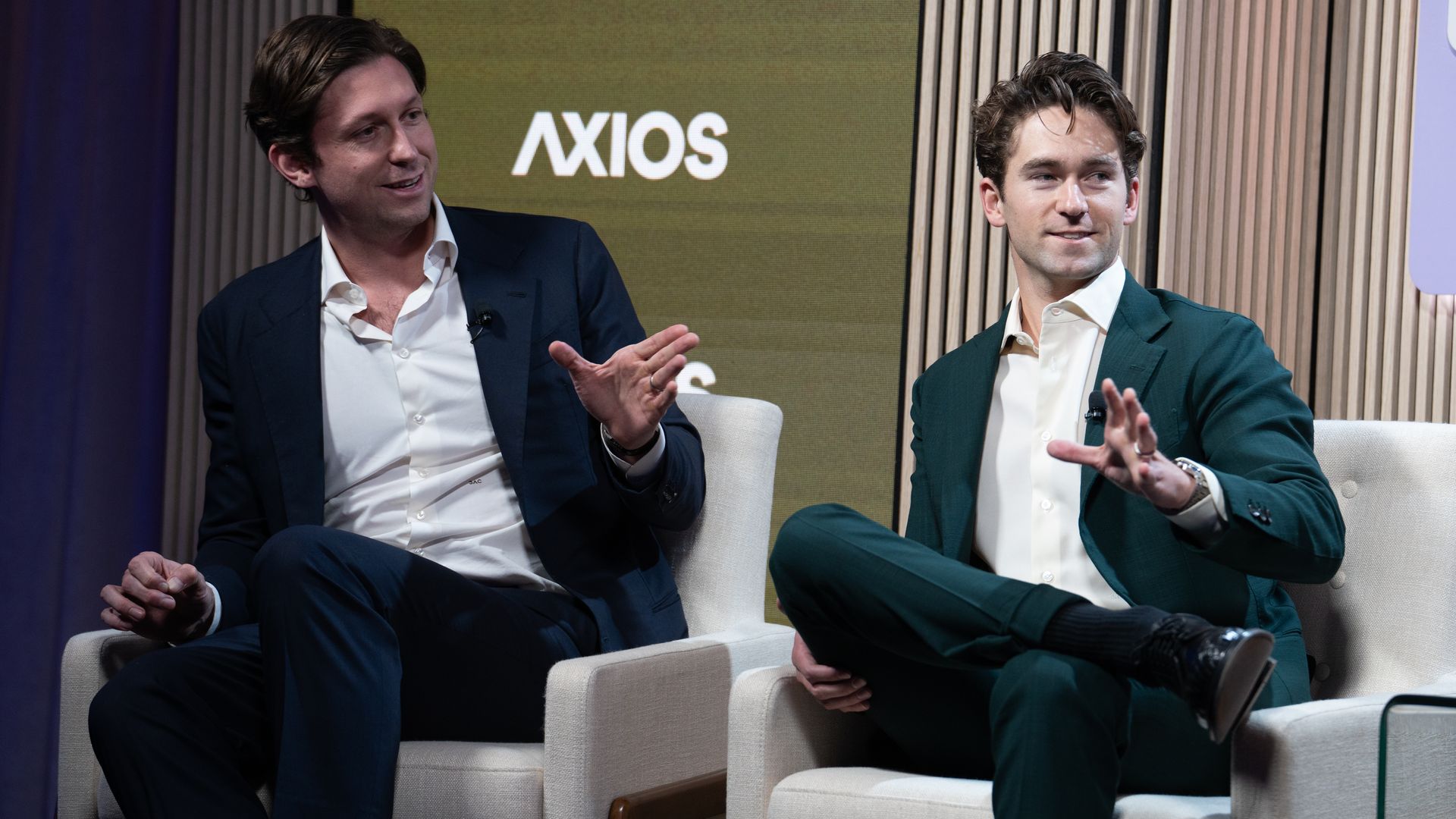
Gary Marcus said large language models (LLMs) are useful, but their real talent is building the foundation for a future powered by artificial general intelligence during an appearance Thursday at Axios' AI+ Summit.
Why it matters:Three years after the release of OpenAI's ChatGPT, Marcus argues that LLMs aren't delivering the revolution developers promised, and they probably never will — but artificial general intelligence (AGI) could.
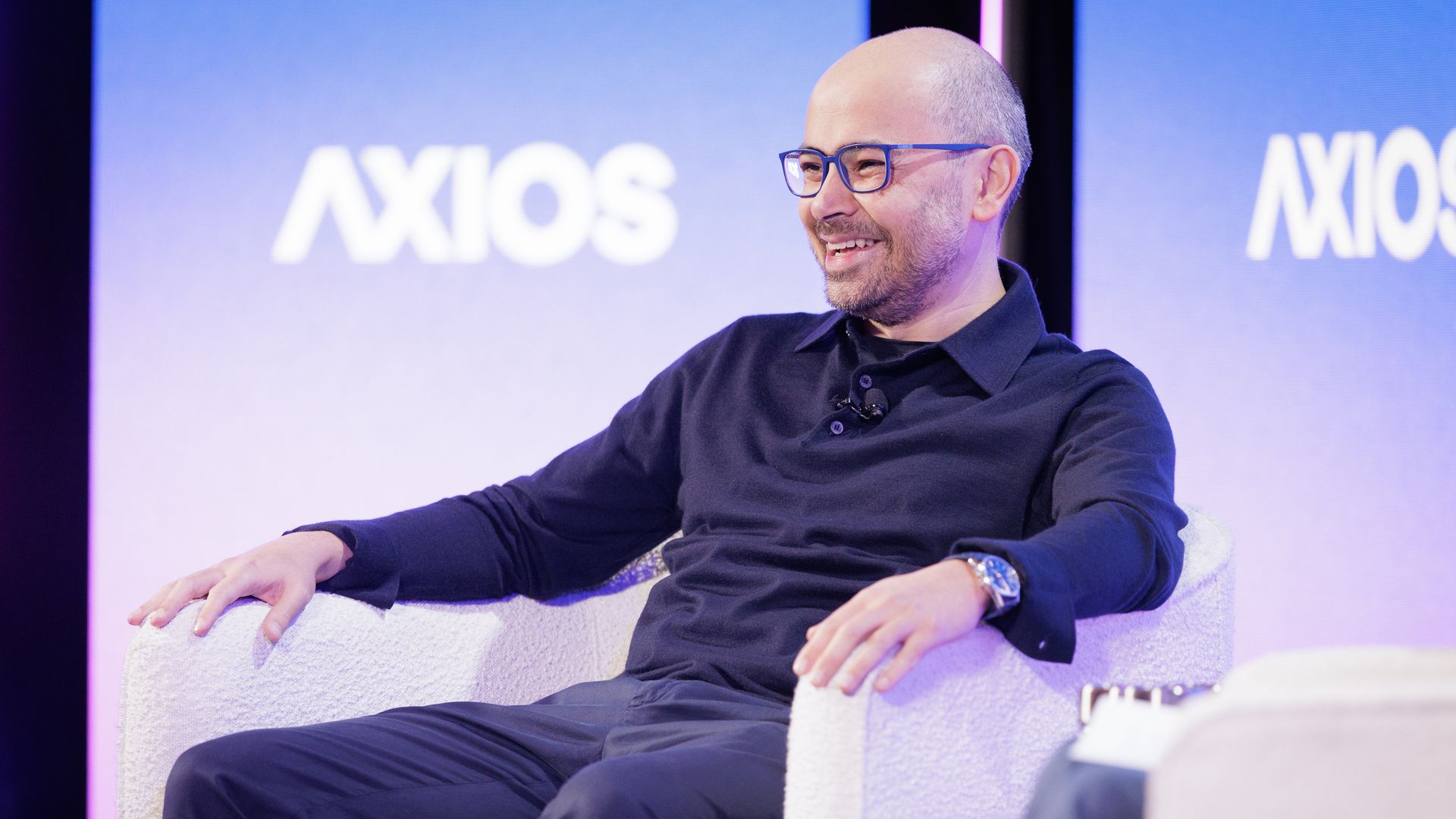
Some of the biggest dangers of AI, like attacks on infrastructure, are already real and need to be guarded against, Google DeepMind CEO Demis Hassabis said at Axios' AI+ Summit in San Francisco Thursday.
Why it matters: The race to develop AI is changing society in real time, generally for good — but bad actors are taking advantage, too.
AI is hurtling toward a "transformative" moment in human history, Google DeepMind CEO Demis Hassabis said at Axios' AI+ SF summit Thursday.
The big picture: Hassabis predicted earlier this year that AI meeting or exceeding human capabilities — in other words, artificial general intelligence, or AGI — could come by 2030.
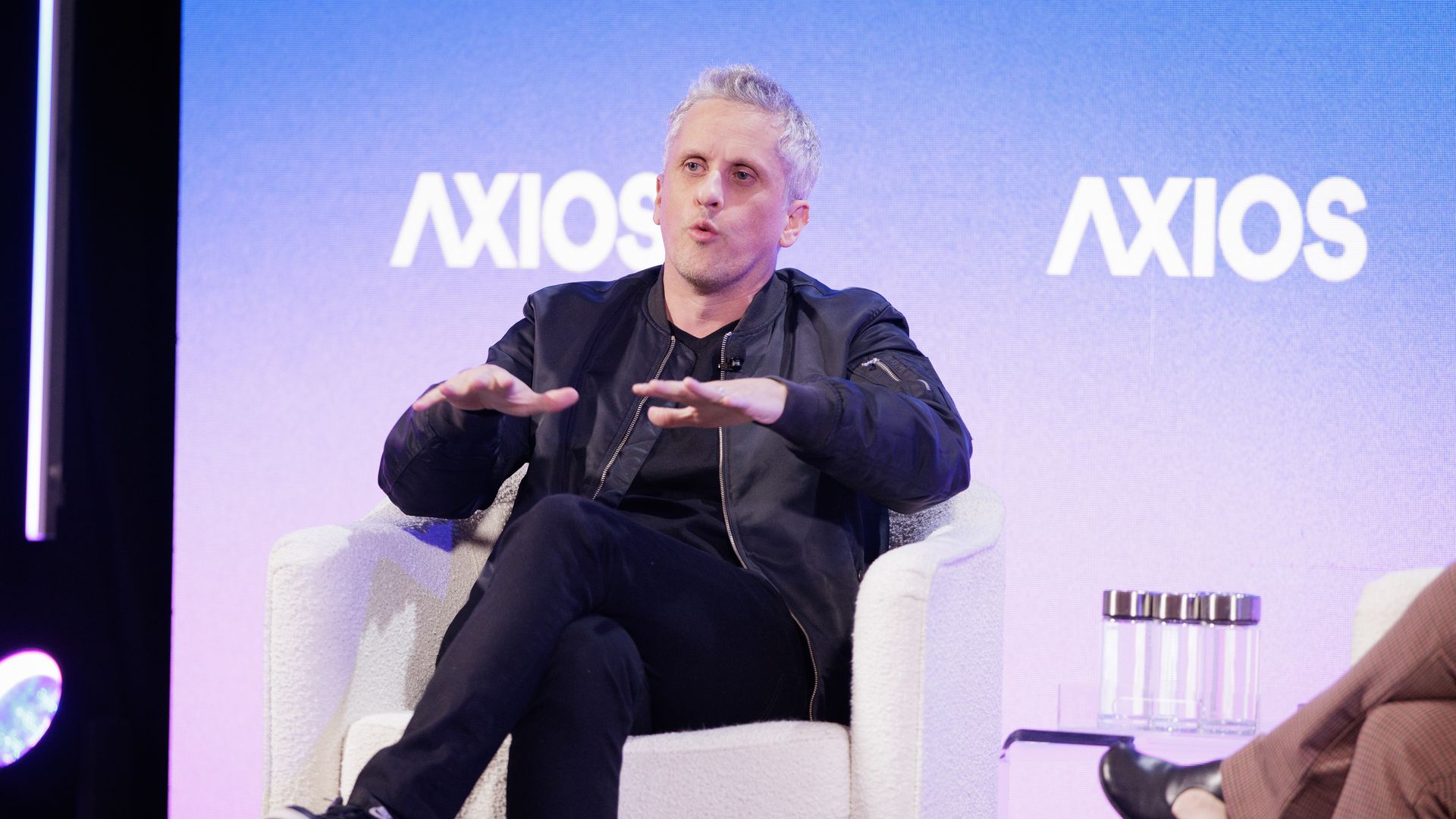
The race to create the best AI model over the next five years is "anybody's game," Box cofounder and CEO Aaron Levie said Tuesday at Axios' AI+ Summit in San Fransisco.
The big picture: Levie said it's impossible to rank AI models as they currently exist because breakthroughs are happening every single day.
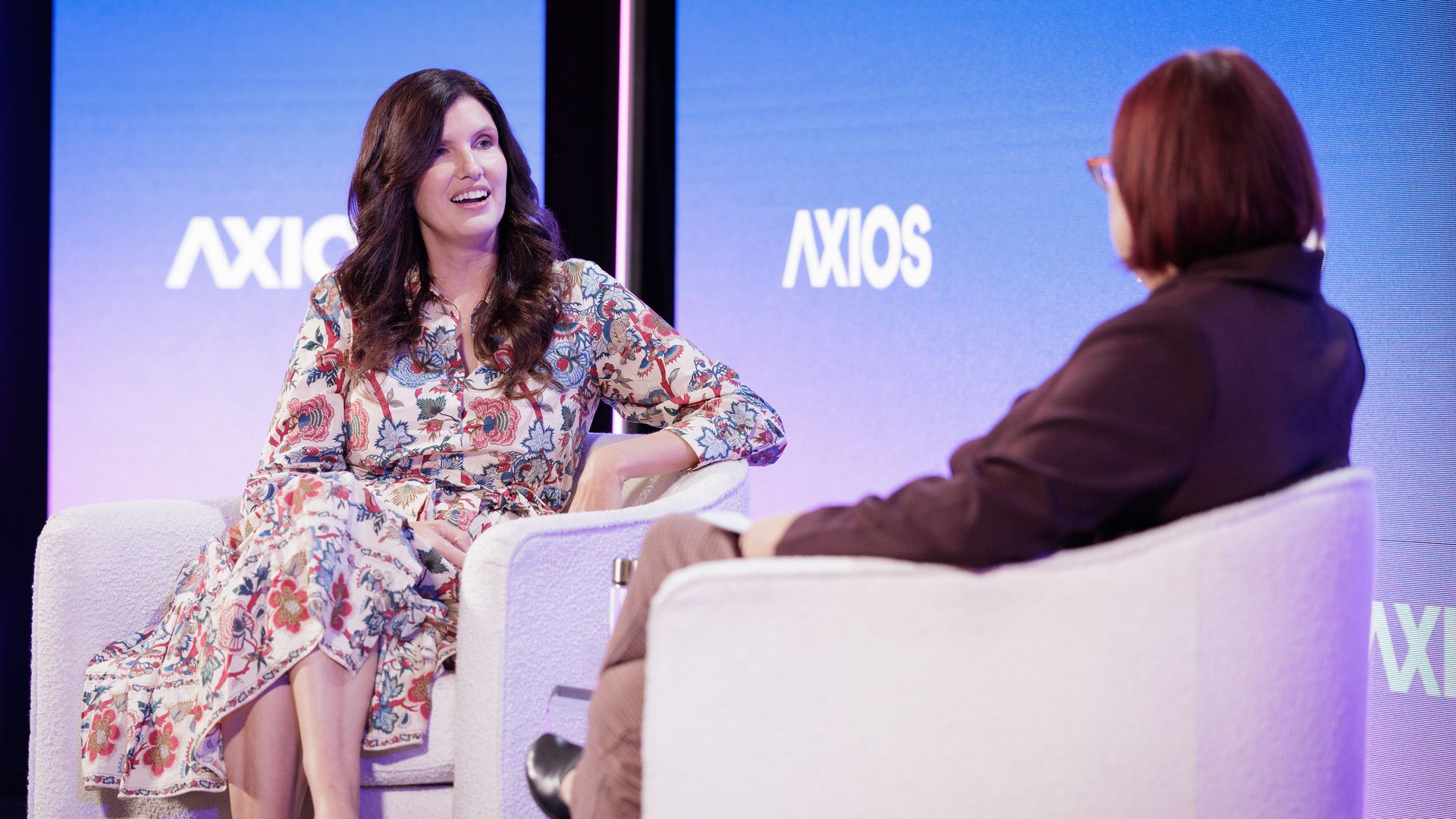
AI customers are already making it clear that they want the booming industry to develop responsibly as it rolls out across their lives, Sarah Bird, Microsoft's chief product officer of responsible AI, said Thursday at Axios' AI+ Summit in San Francisco.
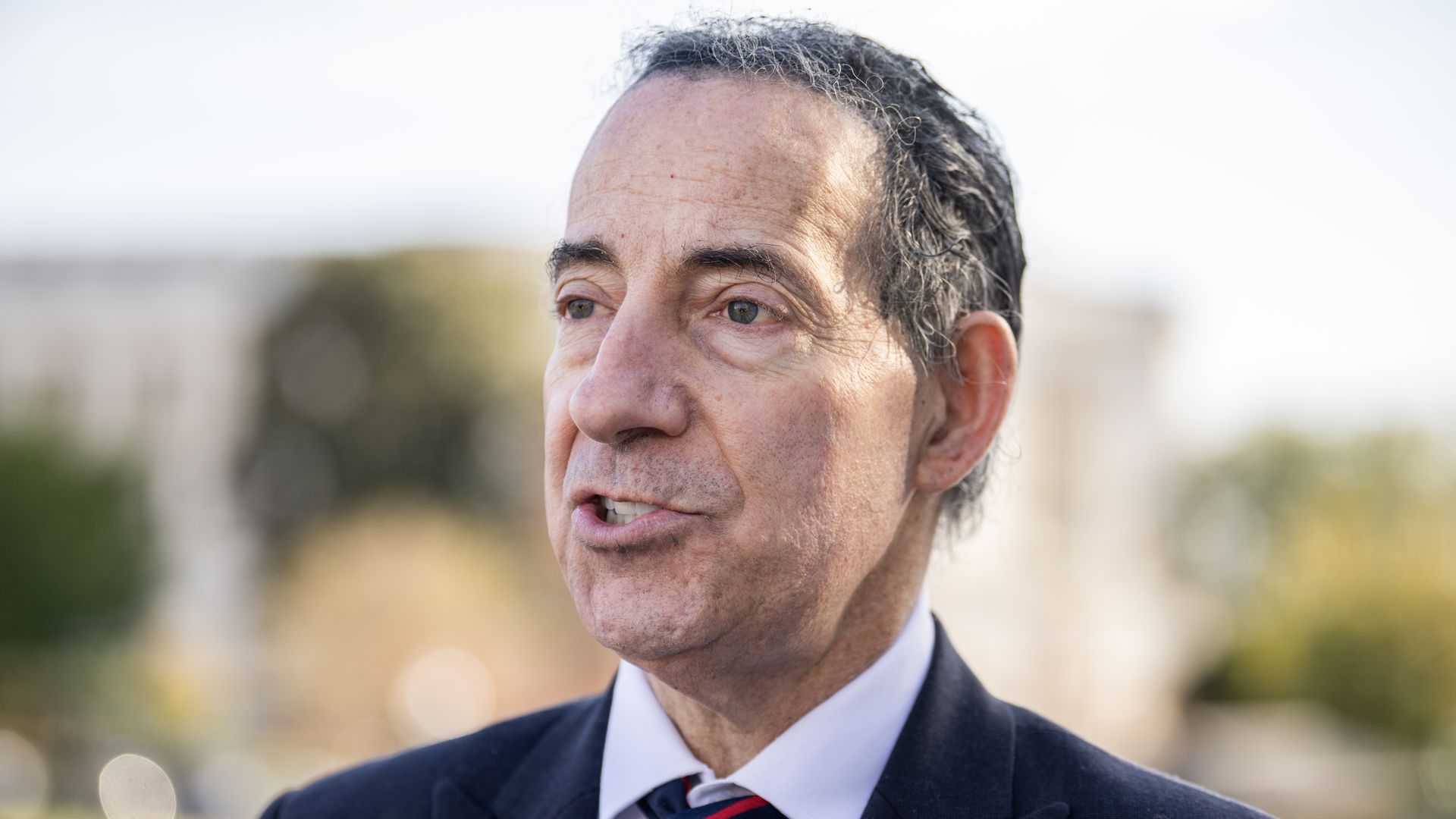
Rep. Jamie Raskin (D-Md.) had his security increased this week after pardoned Jan. 6 defendant Taylor Taranto allegedly showed up near the Maryland congressman's house, Axios has learned.
Taranto was previously convicted for an incident involving threats against Raskin and former President Obama.
Why it matters: It's the latest in a string of frightening security incidents rattling Democratic lawmakers as members of Congress already face a surge of threats.