The problems with building "micro cars" in the U.S.

Add Axios as your preferred source to
see more of our stories on Google.
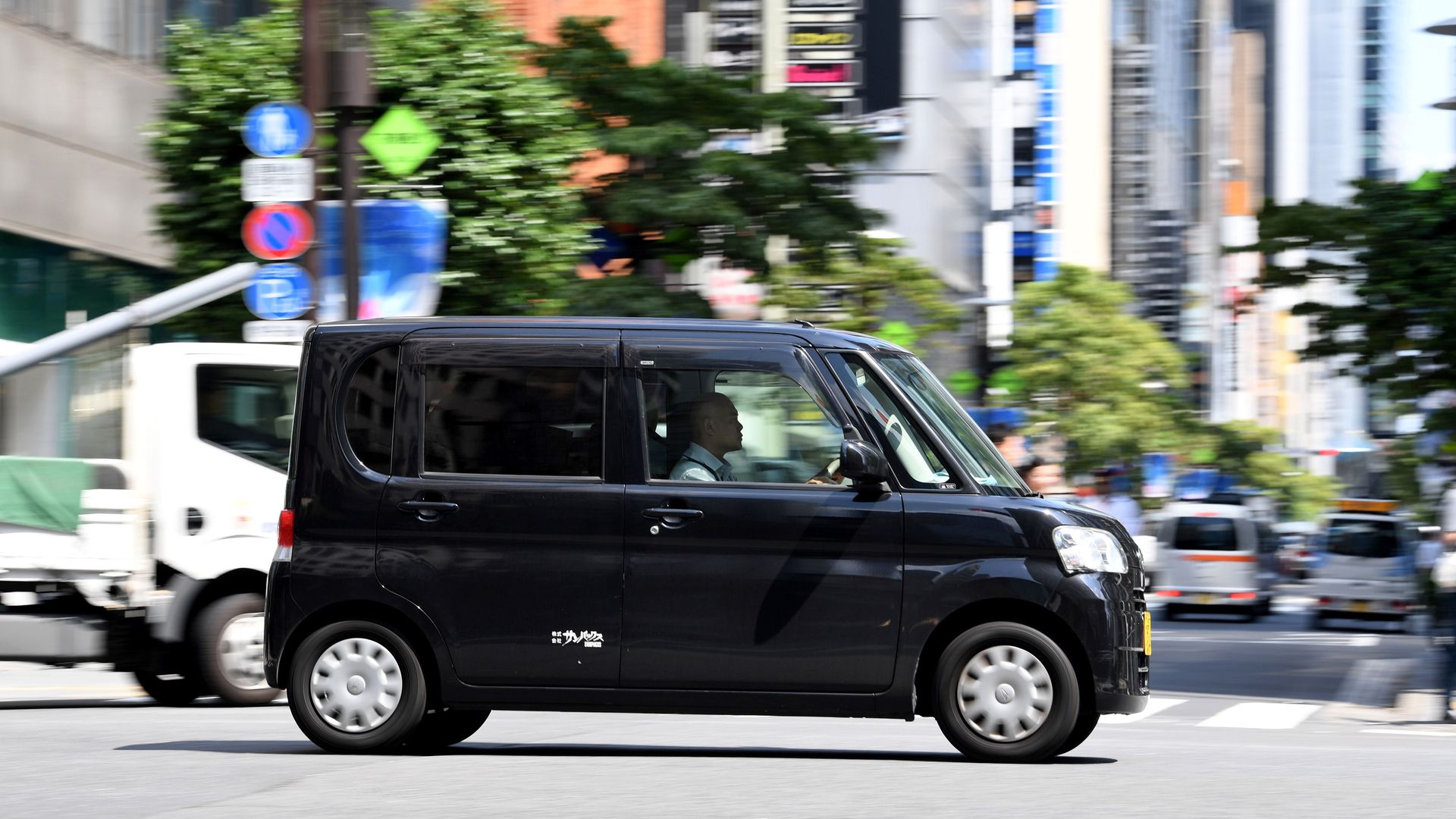
A micro car, known as a "kei" car in Japan. Photo: Toshifumi Kitamura /AFP via Getty Images
President Trump is enamored with Japan's cheap, fuel-efficient micro cars and says he wants automakers to build them in the U.S. so more Americans can afford a new vehicle.
Why it matters: Even if the U.S. finds a way to legalize them, as Trump has instructed Transportation Secretary Sean Duffy to do, the laws of economics and physics will almost certainly ensure it never happens.
- They don't meet U.S. safety regulations.
- Automakers can't build them profitably in the U.S.
The big picture: Trump says he is concerned about the increasing price of new vehicles, which now tops $50,000 on average.
- That's why he's calling his rollback of auto mileage rules the "Freedom Means Affordable Cars" plan.
Driving the news: At a White House event Wednesday touting the new mileage rules, Trump went off script to extol the tiny cars he saw on a recent trip to Japan.
- "They're really cute," the president said.
- "They're really nice and they're less expensive," Trump continued. "And it really gives people the chance to have a car, have a brand new car, as opposed to a car that maybe isn't so great."
What they're saying: Duffy told CNBC on Thursday that "We're in the process of clearing the decks" to remove regulatory roadblocks.
- "Listen, if there's a market for those vehicles, I want to give our manufacturers the opportunity to build those cars," he said.
- "Are they going to work on the freeways? Probably not. But again, vehicles that work in cities and if that's where you drive, it could be a great solution for you."
Between the lines: Duffy highlighted one reason the tiny cars, known as "kei" cars in Japan, are problematic for the U.S. market.
- They're really small — about two feet shorter and one foot narrower than a Honda Fit — and the pint-sized engine puts out less than 70 horsepower.
- You wouldn't want to try merging on the highway in one if a Cadillac Escalade, three times heavier, is bearing down on you.
- And in a collision with an American SUV, they don't stand a chance.
Friction point: To be sold here, these micro cars would have to be redesigned and retested to meet U.S. standards.
- That means a stronger, heavier chassis and larger crumple zones to withstand crashes. Plus, they'd need U.S.-spec safety equipment and lighting systems, among other changes.
- Big trucks and SUVs might also need to be redesigned so that they're more compatible in a crash with tinier cars.
- Those changes would require investments that defeat the cost and efficiency advantages of micro cars.
- GM and Ford already moved their small-car production overseas because they can't do it profitably in the U.S.
What to watch: Congress or NHTSA could create a new microcar category with lower crash requirements (similar to rules for street-legal golf carts that have a top speed of 40 mph).
- Federal rule-making can take years, however. Plus, states might have to rewrite their own laws to allow such cars.
What they're saying: Kush Desai, a White House spokesman, said: "President Trump is committed to lowering costs and increasing choices for American consumers. The Administration is committed to delivering on this priority."
Where it stands: For now, enthusiasts can import and drive micro cars in the U.S. that are at least 25 years old, under a classic-vehicle exemption.
The bottom line: Trump is right that these tiny cars are charming. He's also correct that car buyers need lower-cost options.
- But for a variety of reasons, micro cars aren't likely to be sold, much less built, in the U.S.
Editor's note: This story was updated to include a statement from the White House.
