Netflix-Warner Bros. mega-deal rattles Hollywood

Add Axios as your preferred source to
see more of our stories on Google.
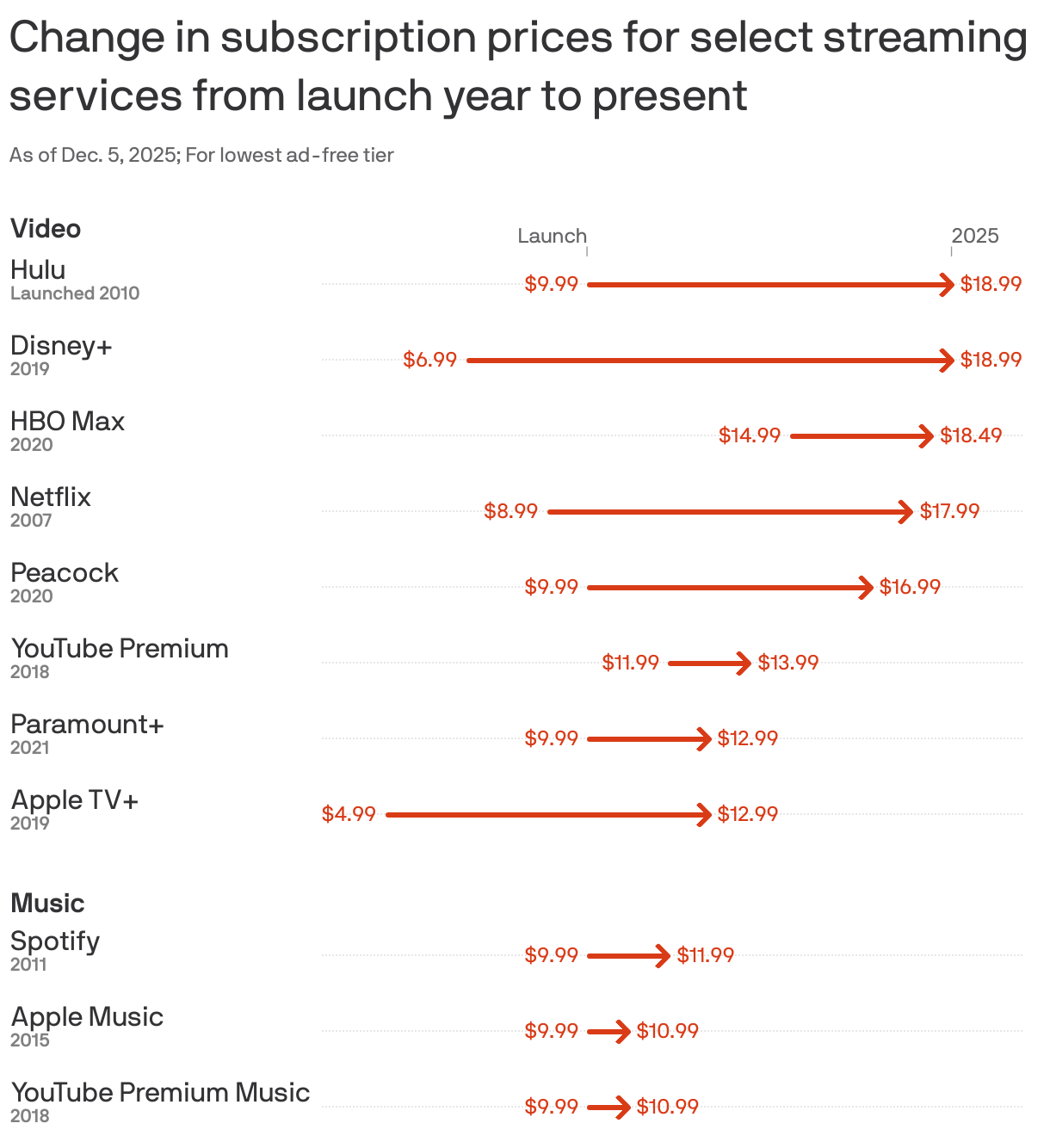
The $83 billion mega-merger between Netflix and Warner Bros. Discovery's studio and streaming assets will have major implications for the future of entertainment, should regulators bless the deal.
Why it matters: Executives at both companies argue the deal would benefit consumers and distributors, giving them more streaming options and a wider audience platform. But Hollywood purists worry the deal would give Netflix too much power over the creative community.
- "This deal is pro-consumer, pro-innovation, pro-worker, it's pro-creator, it's pro-growth," Netflix co-CEO Ted Sarandos told investors on a call announcing the deal Friday morning.
The other side: "Consolidation at this scale would be catastrophic for an industry built on free expression, for the creative workers who power it, and for consumers who depend on a free, independent media ecosystem to understand the world," actress Jane Fonda wrote in an op-ed Thursday.
What to expect: In the short term, neither company can actually do anything to combine assets before the deal is officially approved by regulators. And that will likely take a while.
- The Justice Department and possibly state attorneys general will almost certainly investigate the deal for many months before deciding whether or not to sue to block the merger.
- If they sue and the complaint moves to a trial with a discovery period, the legal process would take many more months, if not longer. Whoever loses would likely file an appeal, further delaying the outcome.
- European regulators would also likely run a parallel antitrust investigation of the deal, which could prolong the process further.
Reality check: If regulators sue to block a deal, they would need to convince an independent judge that the merger is anticompetitive.
- Regulators could look at how many streaming subscribers Netflix and HBO Max would have as a way to possibly argue that the two companies would have too big of a market share combined.
- But Netflix would argue that metric isn't the right way to evaluate the streaming market, sources told Axios.
- Instead, they would argue that Netflix only takes up a small fraction of overall TV watch time, and is smaller than YouTube, according to executives familiar with its thinking. They would also argue that Netflix has a 75% subscriber overlap already with HBO Max.
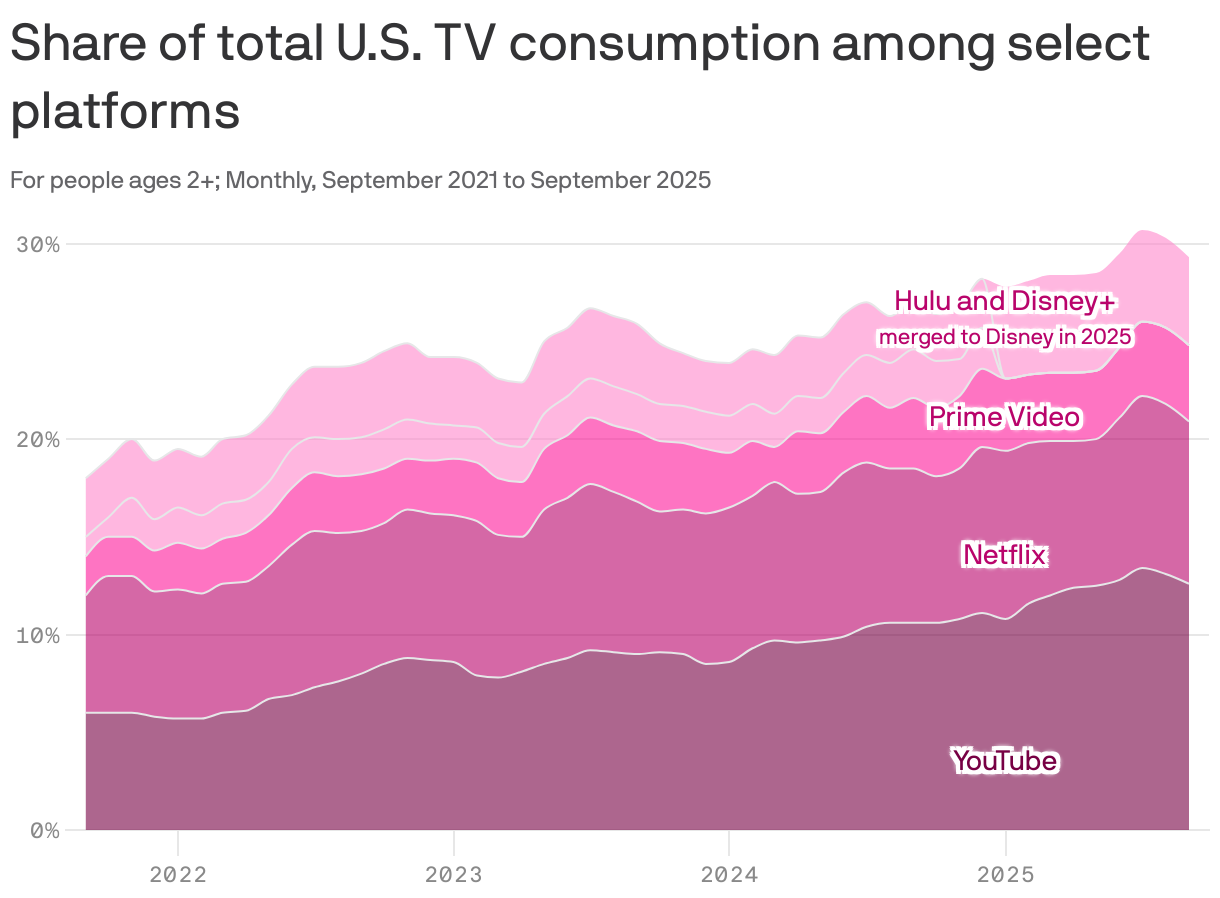
The intrigue: A deal isn't likely to close before 2027, so major consumer-facing changes won't be felt soon. But here's what to expect if and when a deal closes:
- Theaters: Now that Netflix plans to own a mature movie studio, executives say they don't plan to stop releasing Warner Bros. Pictures films in theaters. The theater industry is skeptical that the merger won't kill traditional theatrical windows long term, which the box office relies on.
- Speaking to investors, Sarandos said, "My pushback has been mostly in the fact of the long, exclusive windows, which we don't really think are that consumer friendly."
- "But when we talk about keeping HBO operating, largely as it is, that also includes their output movie deal with Warner Bros., which includes a life cycle that starts in the movie theater, which we're going to continue to support."
- Streaming: In the short term, the company intends to keep the HBO Max streaming service as a separate offering, but said it would include HBO content in its service.
- Long term, it's likely Netflix would explore bundle offerings that they believe give consumers more pricing and content choice, and give creators better distribution opportunities, according to sources familiar with the firm's thinking.
Between the lines: For critics like Fonda and unions that represent Hollywood talent who worry the merger would stifle jobs, Netflix executives made it clear they aren't planning to gut creative teams, but that it is eyeing ways to reduce tech overlap.
- Executives said they anticipate the deal will yield $2 billion to $3 billion in annual synergies by the third year post-closing, with most of those cost-savings occurring across tech divisions.
Zoom out: The acquisition is the latest in a long string of entertainment deals that are remaking Hollywood for the streaming era.
- Disney's bought Fox's entertainment assets, bringing together two major movie studios, for $71.3 billion in 2019.
- Comcast acquired a majority ownership of U.K. media behemoth Sky for roughly $40 billion in 2018.
- Discovery merged with Warner Bros. in a $43 billion deal in 2022.
What's next: Paramount, one of the two other bidders that WBD walked away from in favor of a deal with Netflix, appears poised to appeal to WBD shareholders directly about a takeover attempt, sources told Axios.
