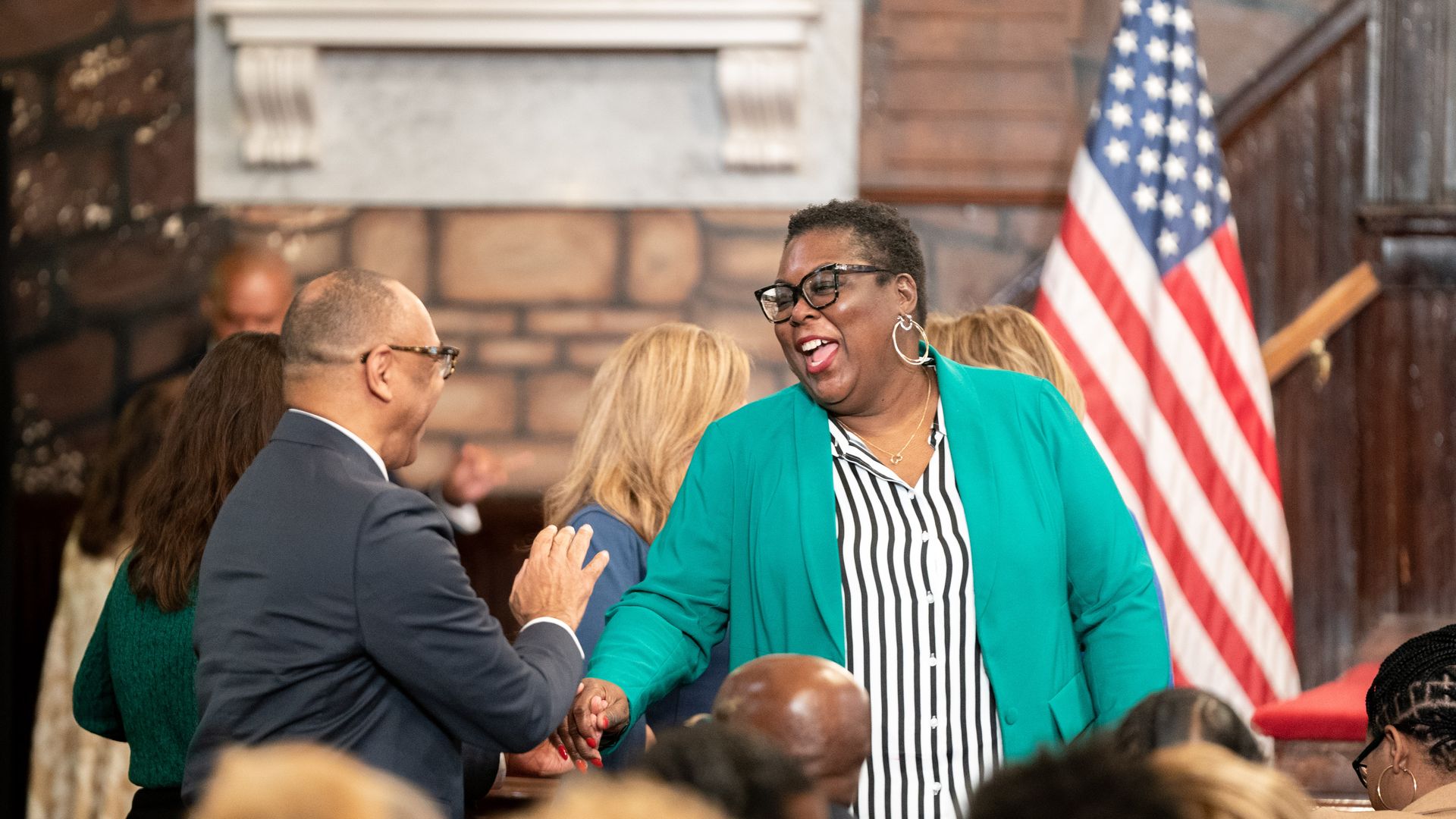
Top South Carolina Democrats are courting social media influencers for help in persuading national party officials to pick the state to hold the nation's first presidential primary in 2028, Axios has learned.
Driving the news: South Carolina will host a "creator" briefing alongside the national party's meeting in Los Angeles this week — a reflection of the growing importance of Democrat-friendly influencers as the party seeks to recapture young voters from the GOP.
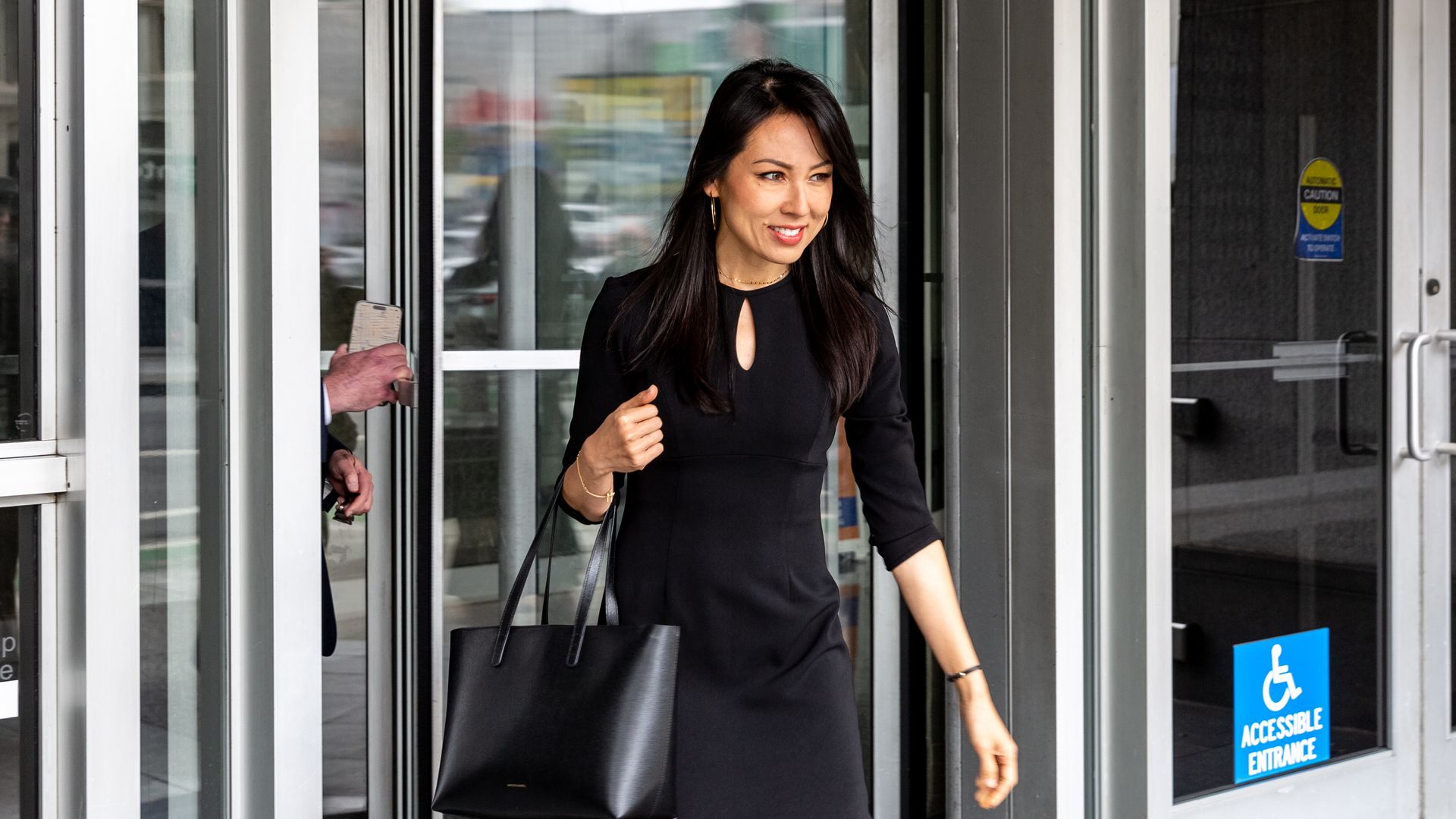
Lulu Cheng Meservey, a well-known public relations advisor to tech startups, has raised $40 million for a venture capital fund, as first disclosed in a securities filing.
The big picture: Meservey advocates for founders to take their message directly to the market, often via social platforms like X, rather than using traditional media as an intermediary.
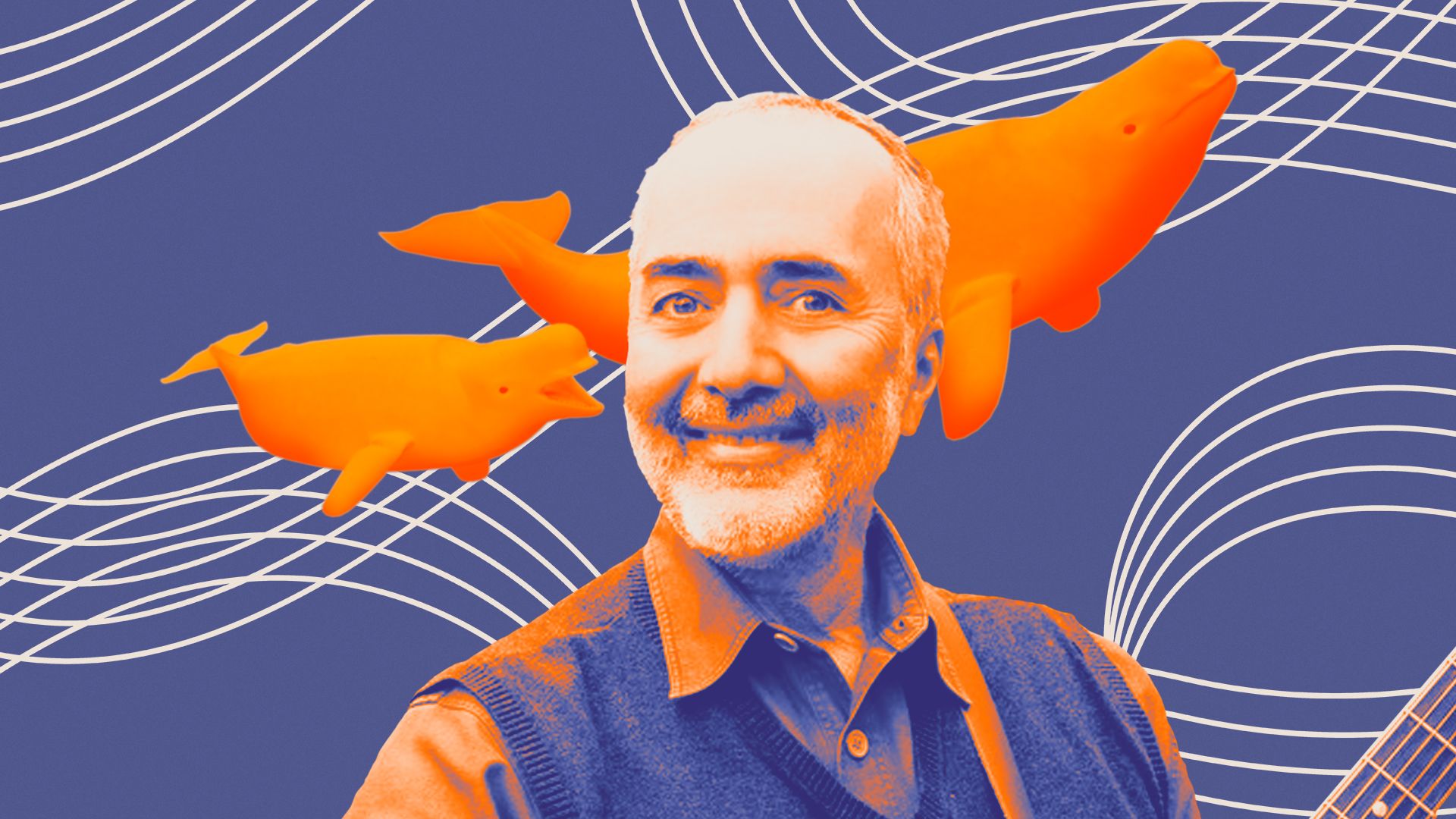
Decades after he recorded "Baby Beluga" and "Down by the Bay," children's folk singer Raffi is still making music — and parents who grew up with him are playing his songs for their own kids.
What he's saying: "It's something that when I began this work almost 50 years ago, I could barely imagine," says Raffi Cavoukian, the Armenian-Canadian musician who's gone by just "Raffi" since he started making children's music.
President Trump, facing mounting pressure over inflation at the grocery store, ordered a sweeping investigation into food price-fixing that especially targets foreign companies.
Why it matters: The order highlights a key tension of his domestic policy. It has proven difficult to have cheap food without cheap foreign labor, imports and capital.
Everything is becoming more concentrated: from merging streaming giants, to a stock market powered by a handful of AI winners, to an economy increasingly driven by the spending of the wealthy.
Why it matters: With fewer participants, winning is harder, whether you're an investor looking for returns, a consumer looking to build wealth or a business trying to compete.
Ukrainian President Volodymyr Zelensky held a two-hour call Saturday with Trump advisers Steve Witkoff and Jared Kushner, discussing territory and security guarantees, two sources with knowledge of the call told Axios.
Why it matters: The call capped three days of marathon negotiations between senior U.S. and Ukrainian officials in Miami over President Trump's proposed peace plan.
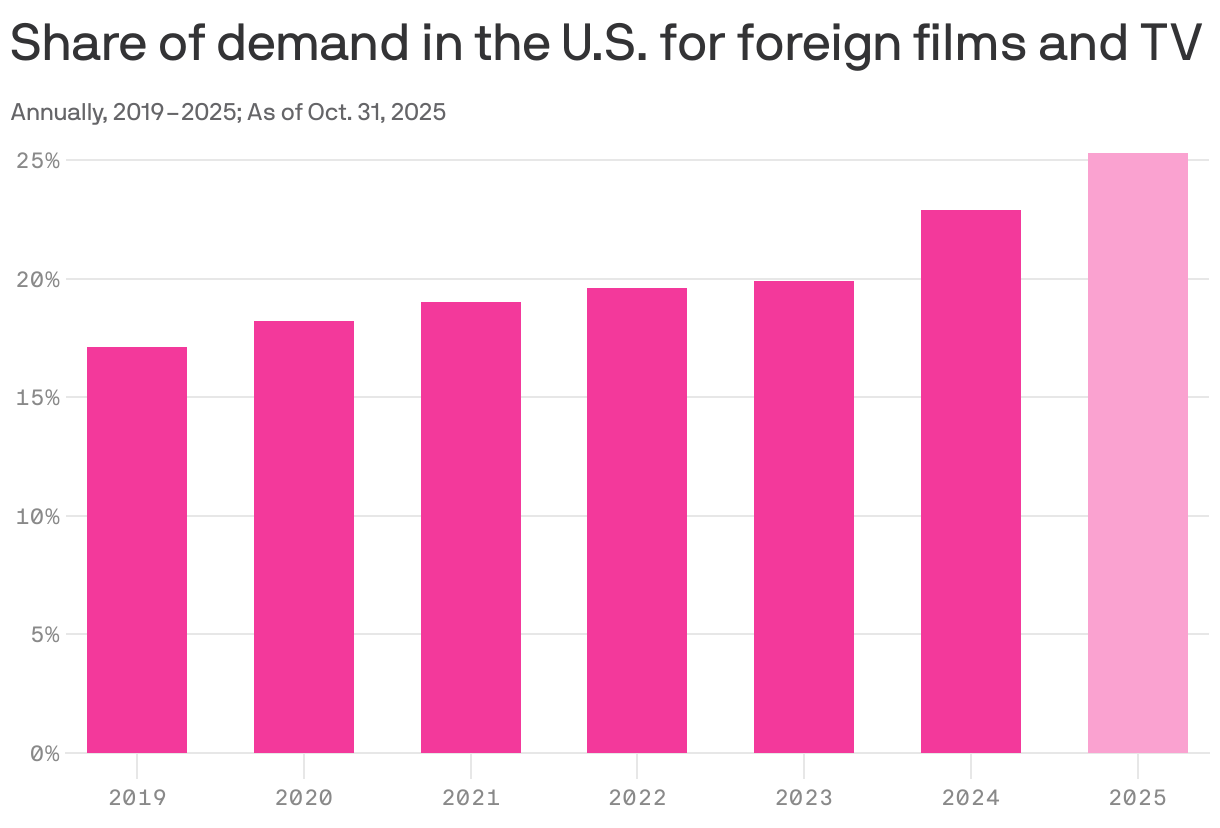
Americans are craving more foreign films and TV shows than ever, with demand for non-U.S. titles reaching 25.3% as of Oct. 31, up from 17.1% in all of 2019, according to data from Parrot Analytics.
Why it matters: The rise of streaming has reshaped U.S. viewing habits and chipped away at Hollywood's cultural dominance.
From MrBeast opening a theme park in Saudi Arabia to iShowSpeed touring China, U.S. creators are seeking financial opportunities, new audiences and creative inspiration overseas.
Why it matters: These influencers are becoming key marketers for nations looking to diversify their economies and shape global perception.
American news outlets are looking to the Middle East for investment and new audiences amid dwindling U.S. ad dollars.
Why it matters: The U.S. has historically failed to force news companies to register as foreign agents when they are funded by nation-states, meaning there's little downside for newsrooms that want to raise cash from sovereign wealth funds.
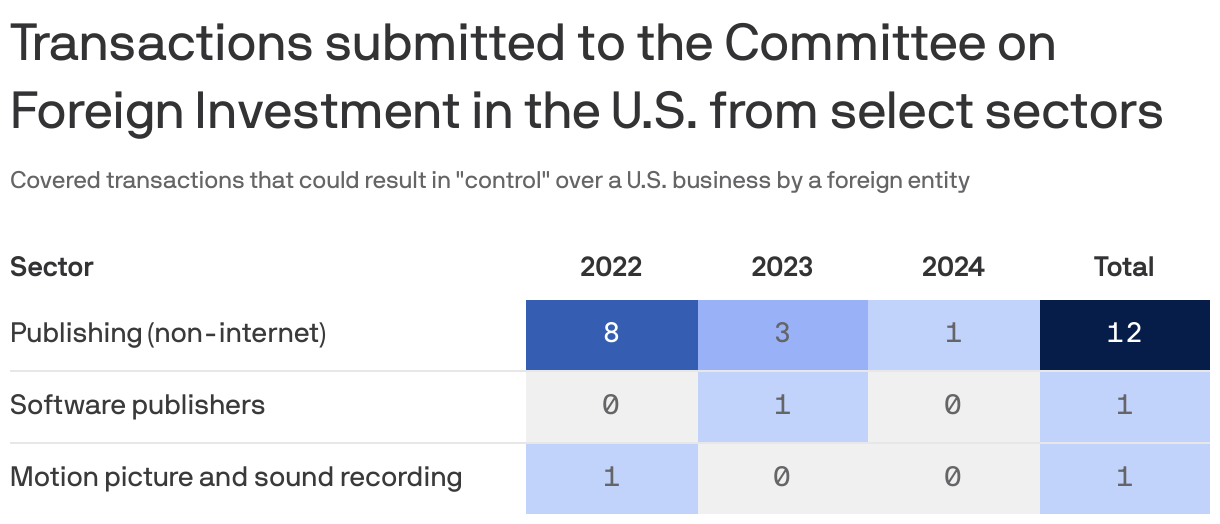
Data: Committee on Foreign Investment in the United States; Table: Axios Visuals
The Committee on Foreign Investment in the U.S. (CFIUS) hasn't historically viewed foreign investments in domestic media and entertainment companies with as much national security concern as other countries. But TikTok has proven to be an important exception.
Why it matters: Regulators overseas tend to impose much stronger restrictions on who can access their culturally relevant businesses. In the U.S., a capitalistic mindset has proven easy for foreign investors to exploit.
As media companies, sports leagues and Hollywood studios eye new opportunities to expand, they are increasingly turning to foreign cash to help foot the bill.
Why it matters: Access to U.S. culture has become an irresistible soft power play for Middle Eastern sovereign wealth funds and Chinese investors. For media companies, the cultural stigma against accepting foreign cash is fading.