NYT sues Perplexity for copyright infringement

Add Axios as your preferred source to
see more of our stories on Google.
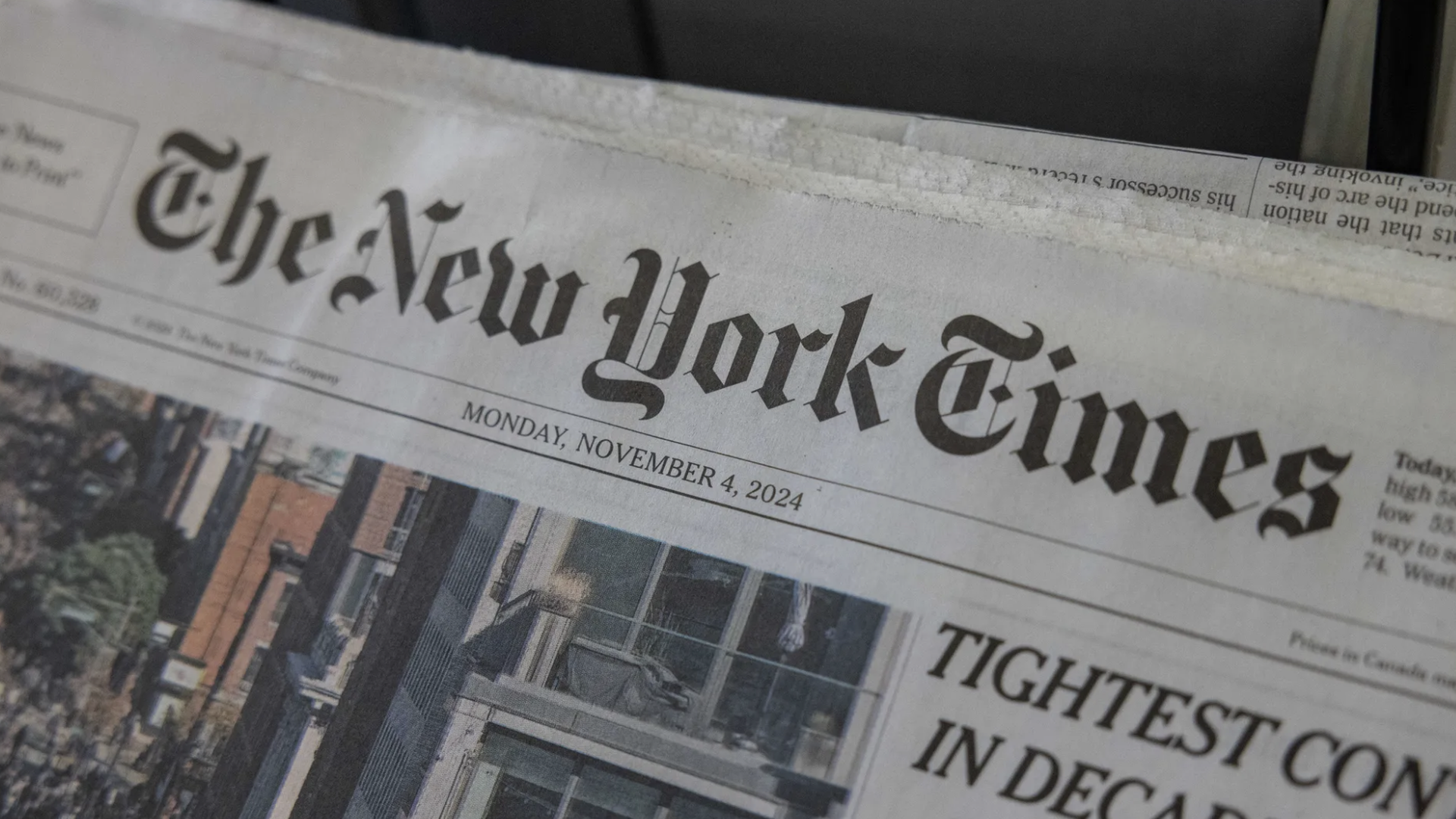
The New York Times. Photographer: Yuki Iwamura/Bloomberg via Getty Images
The New York Times on Friday sued Perplexity, accusing the generative AI search company of copyright infringement by copying its journalism without permission or compensation.
Why it matters: The lawsuit expands the Times' legal battles against AI companies, as it looks to set clearer boundaries and a new precedent for how it and other content companies are compensated for their work in the AI era.
- The Times became one of the first major media companies to sue OpenAI and its biggest investor Microsoft in 2023 for copyright infringement. That legal battle is still playing out.
Zoom in: In its complaint, the Times says Perplexity "engaged in illegal conduct that threatens" its legacy and "impedes the free press's ability to continue playing its role in supporting an informed citizenry and a healthy democracy."
- The complaint, filed in the Southern District of New York, alleges Perplexity copied the Times' journalism and repackaged "near-verbatim" copies of it as its own original content to feed its suite of AI products.
- The publication argues Perplexity violates its trademarks by attributing "hallucinations" or made-up responses to user queries, to the Times.
The other side: "Publishers have been suing new tech companies for a hundred years, starting with radio, TV, the internet, social media and now AI. Fortunately it's never worked, or we'd all be talking about this by telegraph," Perplexity head of communication Jesse Dwyer said in a statement.
Zoom out: Perplexity has faced more legal challenges from publishers over the past year than some of its generative AI peers.
- The Wall Street Journal's parent News Corp. sued Perplexity earlier this year. The Times sent the firm a cease and desist letter last year.
Editor's note: This story was updated to include comment from Perplexity.
