Launching new hardware is hard, as they say, but Sonos CEO Patrick Spence looked very much at ease nine hours into a day packed with back-to-back media presentations.
Why it matters: The premium wireless speaker maker has built a loyal following and is accustomed to carving out space in crowded markets against the likes of Sony, Bose and Google and Amazon.
Why it matters: The industry is failing to exit investments at a pace that keeps up with limited partner demand, creating a tension that could have broad impacts.
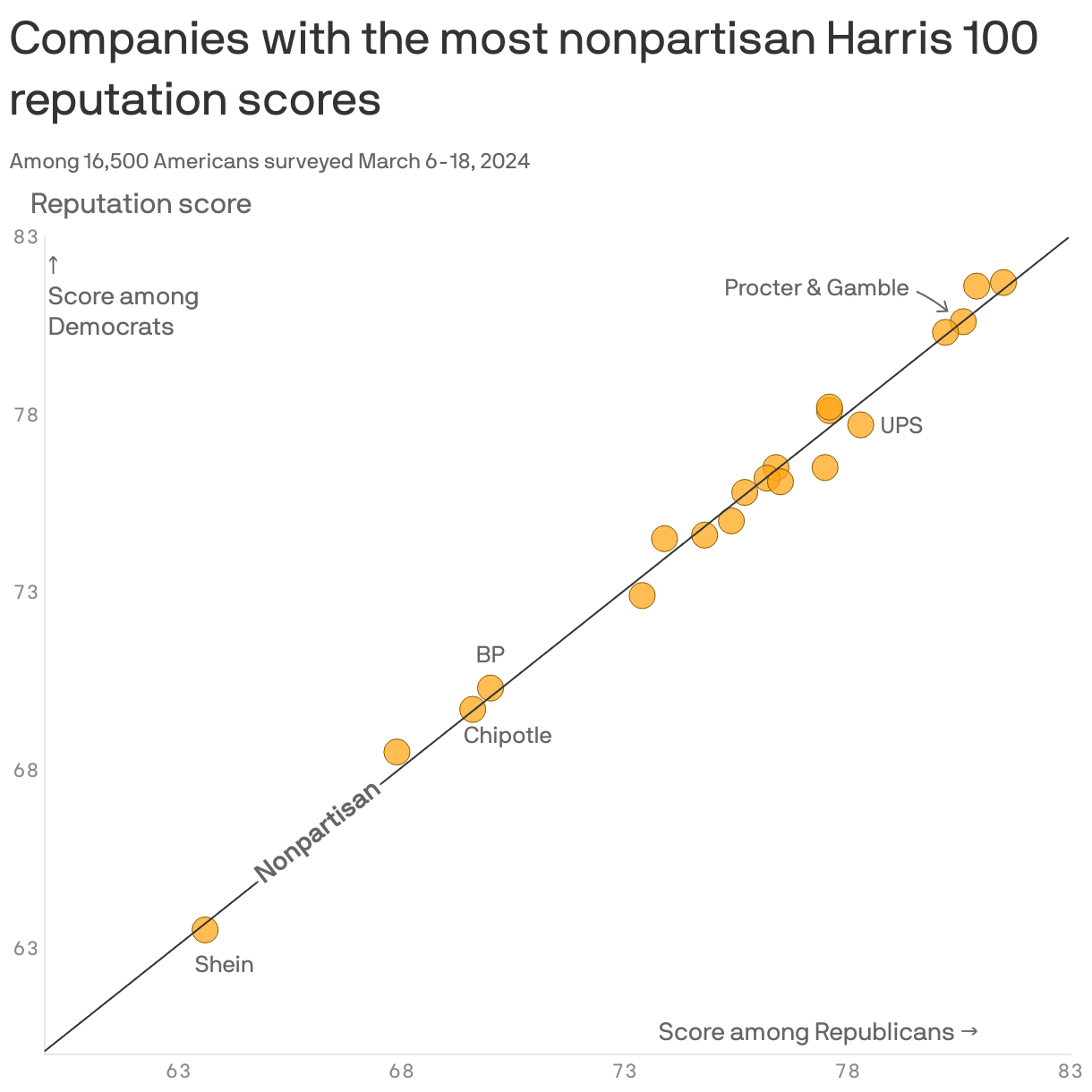
Even in a hyper-polarized environment, 40% of American businesses are perceived as being nonpartisan, the latest Axios/Harris Poll 100 survey finds.
Why it matters: Companies like Procter & Gamble, UPS and BP have been able to stay top of mind for consumers, without wading into hot-button issues or cultural controversies.
Los Angeles-area proms for some private school students are a microcosm of the city's nightlife and cultural institutions.
The big picture: Museums, nightclubs and production studio spaces have substituted classic hotel ballroom or gymnasium experiences for these teens, the L.A. Times reported.
Documentary filmmaker Morgan Spurlock died Thursday, leaving a complicated legacy that sparked debate over the excesses of the fast food industry.
Spurlock — who died from cancer complications, according to Variety — was 53.
Between the lines: Spurlock's Oscar-nominated 2004 film "Super Size Me" chronicled his monthlong endeavor to eat only at McDonald's, saying the diet caused him to gain weight and damaged his liver.
McDonald's soon discontinued the larger-than-large size.
Yes, but: Years later, Spurlock acknowledged a serious drinking problem that critics say could be behind his liver problems.
Fast food's biggest brands are suddenly turning toward value after years of price hikes that have hampered sales.
Why it matters: The industry's prices have increased at a higher rate than grocery bills and gas prices over the last several years, Axios' Han Nichols reported.
Driving the news: In the wake of a move by McDonald's,Burger King is poised to debut a $5 value meal that includes a choice of three sandwiches plus nuggets, fries and a drink, Bloomberg reported.
Burger King owner Restaurant Brands International did not respond to Axios' request for comment.
McDonald's announced its own plans for a similar $5 value meal.
"This is likely to be a summer of value, or maybe a year+ of value, to draw more price-sensitive customers back to fast food," Morgan Stanley analyst Brian Harbour wrote Tuesday in a research note.
The big picture: The industry's slowdown isdriving a renewed focus on value and affordability, Axios' Kelly Tyko reported.
"Consumers continue to be even more discriminating with every dollar that they spend as they faced elevated prices in their day-to-day spending," McDonald's CEO Chris Kempczinski said on the company's April 30 earnings call.
Zoom in: At McDonald's, prices have increased by 30% since 2019, according to Harbour.
Price increases and reduced savings among low-income consumers have curbed sales — and the second quarter is expected to be worse than the first, Harbour predicts.
Quick take: Fatterwages and rising commodity prices have given fast-food franchisees little choice but to hike prices to make up the difference — but that's resulted in a trade-off.
78% of consumers now say fast food has become a luxury, according to a recent LendingTree survey.
Yes, but: 54% say they still eat fast food once to twice a week.
The bottom line: Fast food is feeling pressure to put the value back into the value meal.
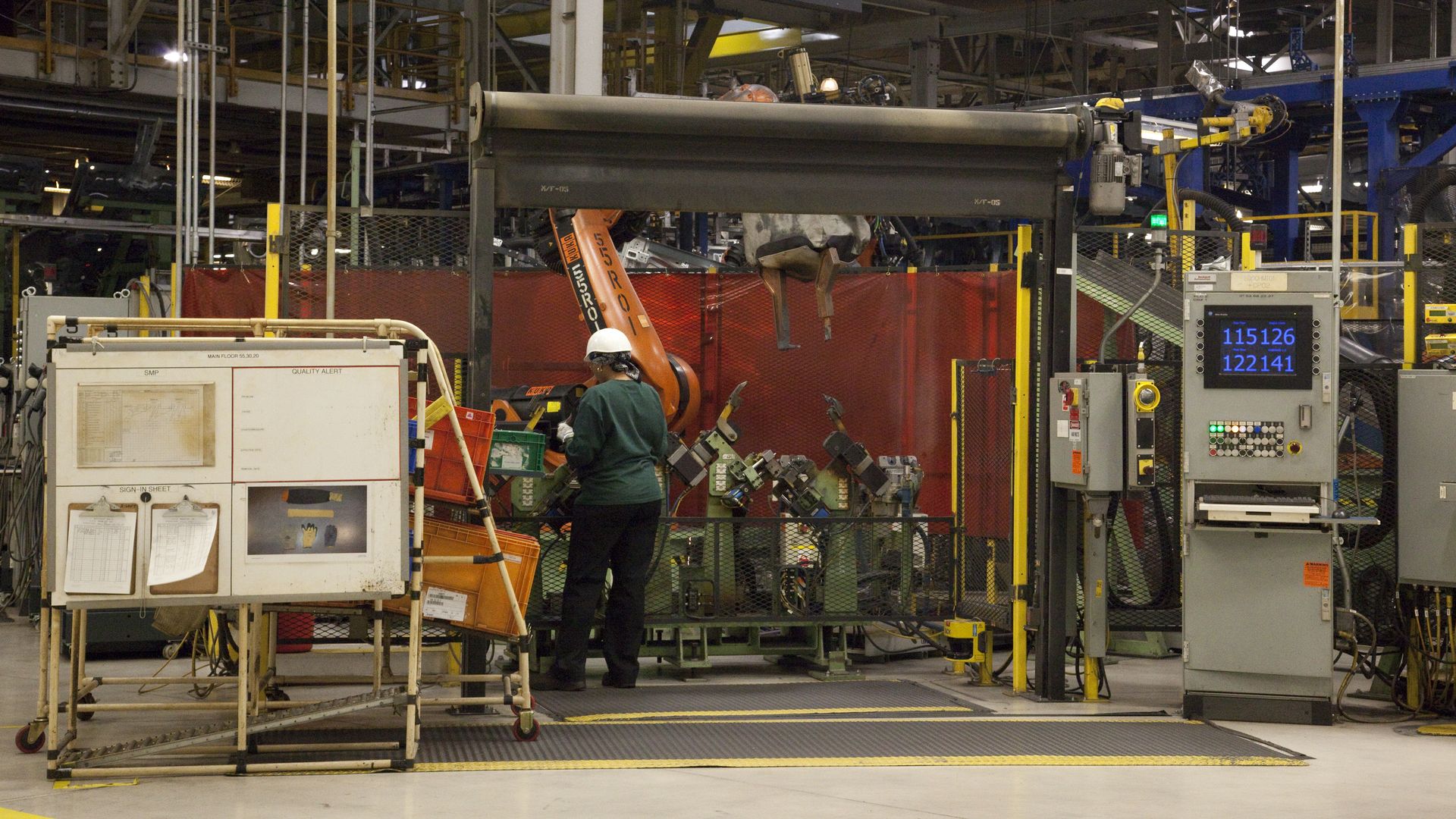
The UAW is challenging the results of a unionization vote at Mercedes-Benz in Alabama, contending that the automaker illegally intimidated workers into voting against the move.
Why it matters: Mercedes workers at the manufacturing campus in Tuscaloosa voted against joining the UAW by a margin of 2,642 to 2,045 in a vote that ended May 17, according to the National Labor Relations Board.
The union had five business days to challenge the results with the NLRB.
What they're saying: In an NLRB appeal on Friday, UAW attorney Benjamin Dictor said that the automaker "engaged in a relentless antiunion campaign marked with unlawful discipline, unlawful captive audience meetings, and a general goal of coercing and intimidating employees who were attempting to exercise their" right to vote.
"What that tells us is that in a fair fight, where Mercedes is held accountable to following the law, workers will win their union," the union said in a followup statement.
Between the lines: The UAW had already filed unfair labor practices charges against Mercedes, accusing the company of wide-ranging illegal behavior.
The other side: Mercedes rejected the allegations, saying it followed federal guidelines and ensured a fair election, but ultimately workers said no.
"We sincerely hoped the UAW would respect our Team Members' decision," the company said in a statement.
The big picture: The UAW is hoping to make the plant the second this year to join the union, after years of failed attempts to organize foreign-owned factories.
In April, workers at the Volkswagen factory in Chattanooga, Tennessee, became the first non-Detroit Three assembly plant to be unionized.
What's next: The NLRB said a regional director will review the objections and decide whether a hearing is warranted.
"If after the hearing, the Regional Director finds that the employer's conduct affected the election, she can order a new election," NLRB spokesperson Kayla Blado said in an email.
AuditBoard, a Southern California provider of audit and risk management software, has agreed to be acquired for over $3 billion by European private equity firm Hg.
Why it matters: When we think about the hottest startups, it's usually the ones pushing edge technologies and earning "unicorn" status from venture capitalists. But sometimes boring is best.
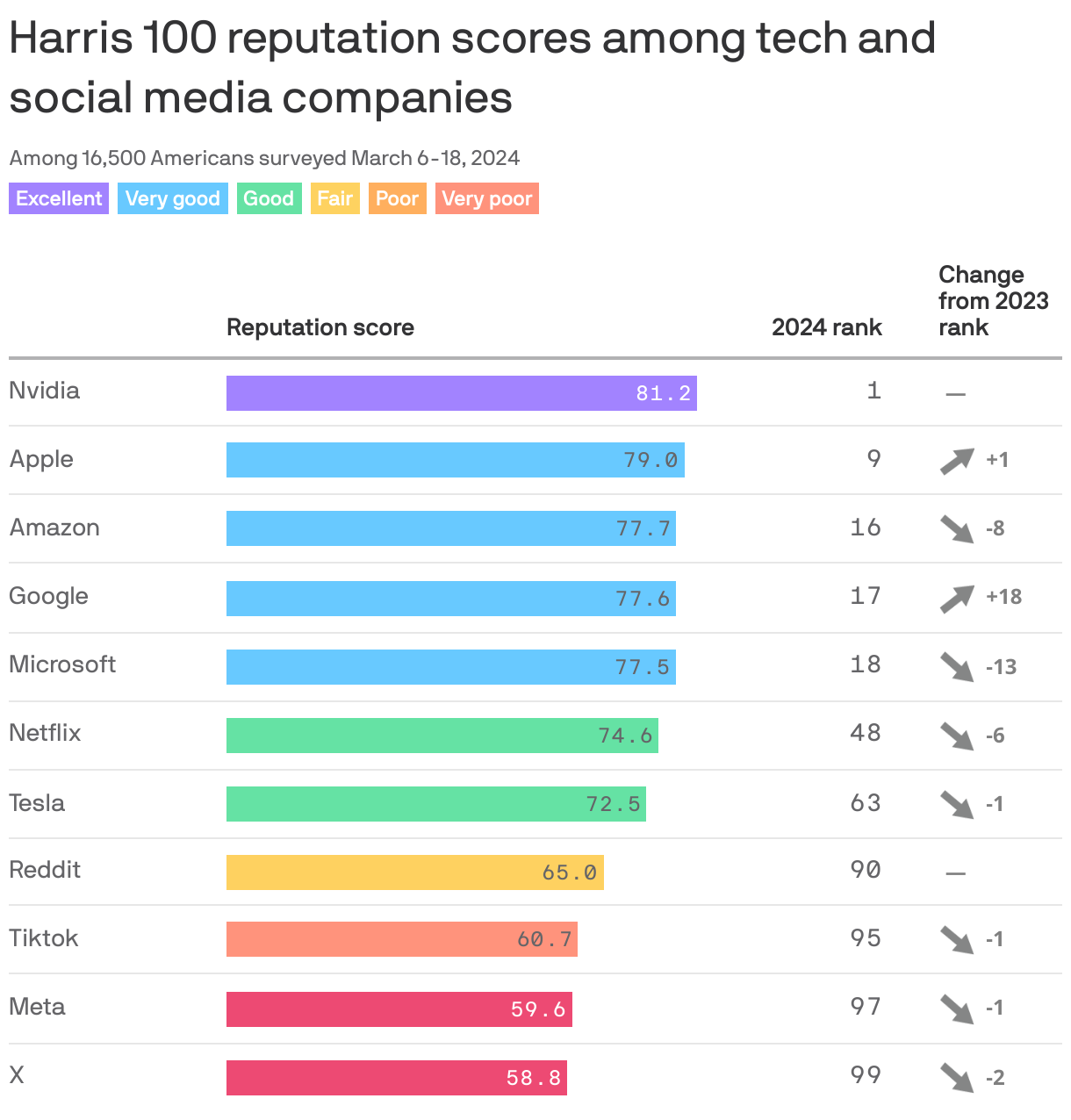
Americans' opinion of Elon Musk's social media platform X has fallen to a new low, according to the sixth annual Axios/Harris Poll 100 — while AI chipmaker Nvidia, in its first appearance on the list, snagged the number one position.
Why it matters: Social media companies overall have fallen behind the rest of Big Tech both in terms of their value to investors and public perception scores over the past year.
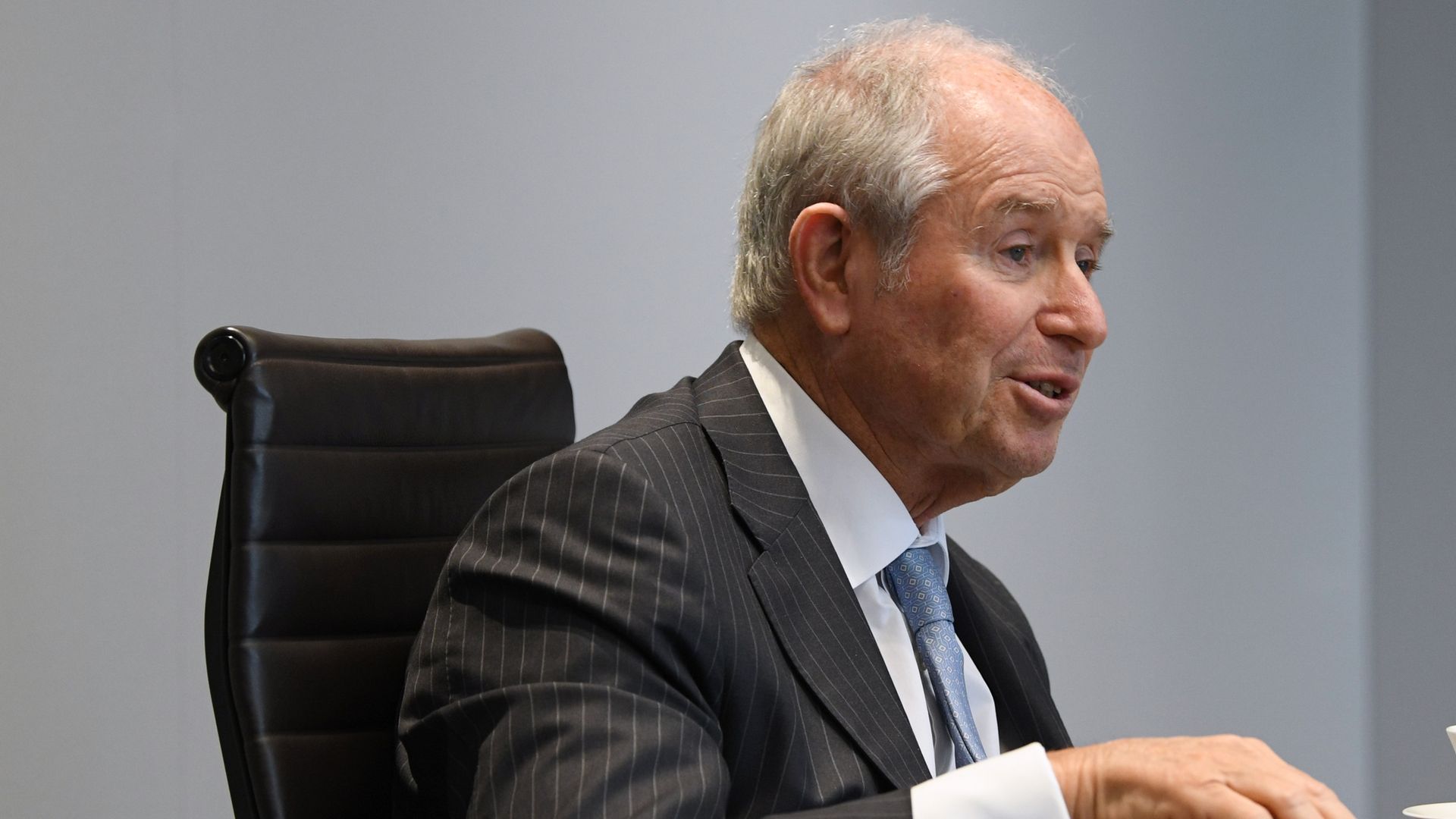
Stephen A. Schwarzman — chairman, CEO and co-founder of Blackstone, the private equity and real estate giant — tells Axios he will support Donald Trump as a "vote for change."
Schwarzman said Friday that he plans to donate to Trump and various Republican Senate candidates.
Why it matters: The endorsement gives Trump access to a potent network of Republican donors Schwarzman has cultivated. Trump also could get a new look from some business leaders who have been reluctant to back him.
Ether exchange-traded funds are on the way to listing on major stock exchanges, after the Securities and Exchange Commission greenlighted applications Thursday.
Why it matters: The ether ETF approval is being hailed as a symbolic victory for crypto — part of a larger unexpected softening on the U.S.'s regulatory stance.
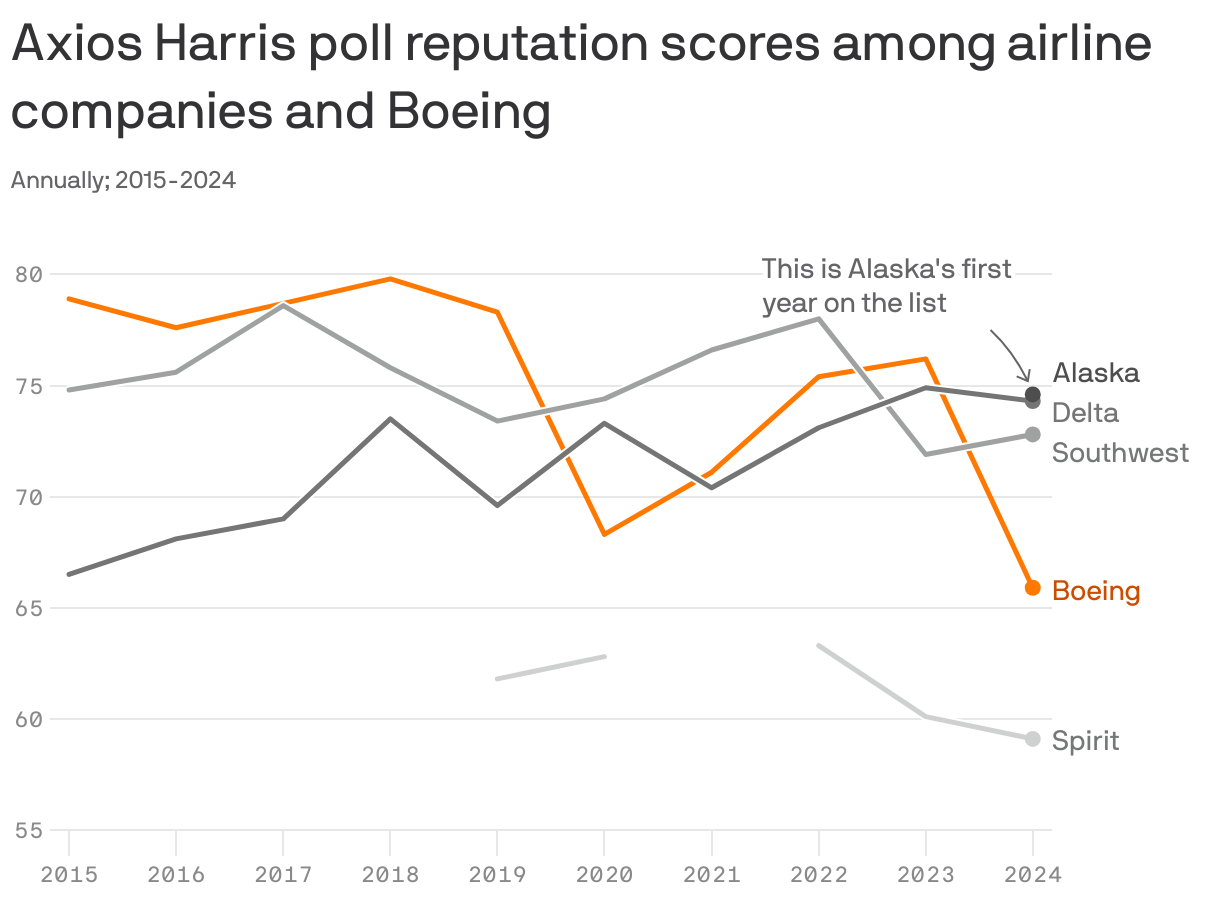
Boeing's corporate reputation took the biggest hit this year, according to the Axios Harris Poll 100, falling 10 points since 2023.
Why it matters: Boeing's quality control issues have not impacted the reputations of the major airlines that operate its jets — like Alaska, Delta and Southwest.
A boutique "dogs first" airline called Bark Air has introduced round-trip service from New York to Los Angeles and London — at $6,000 and $8,000 per ride, respectively.
For that price, one human can accompany the canine flyer, who gets spa treatment aboard a private charter jet.
Americans are keeping their old cars longer, according to data released this week by S&P Global Mobility.
Why it matters: We're holding on to our cars in part because they're better-built than they used to be — but also because it's just too expensive to buy a new one.
A boutique "dogs first" airline called Bark Air has introduce round-trip service from New York to Los Angeles and London — at $6,000 and $8,000 per ride, respectively.
For that price, one human can accompany the canine flyer, who gets spa treatment aboard a private charter jet.
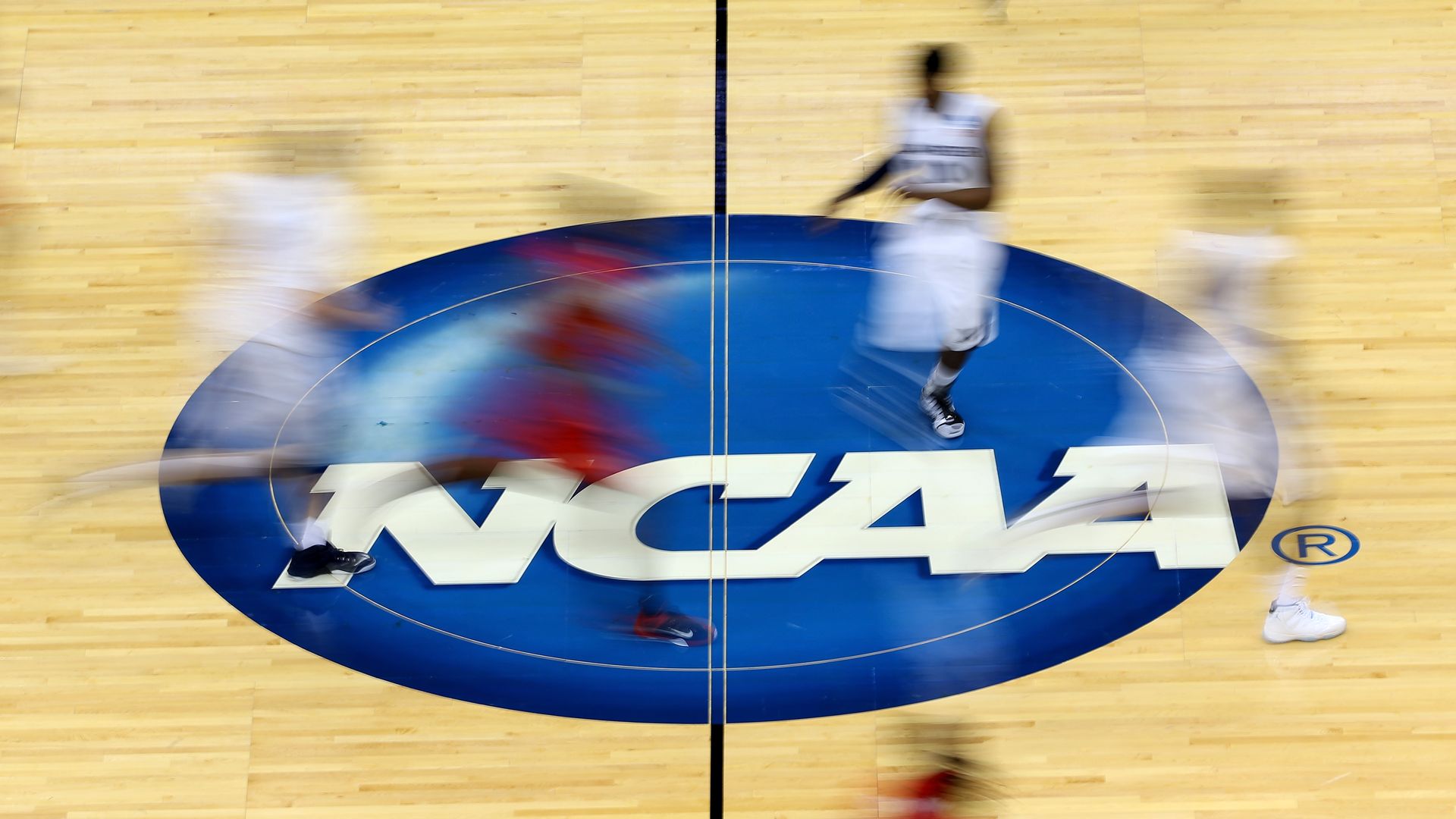
The NCAA and its five power conferences voted to approve new rules Thursday that will allow schools to directly pay college athletes for the first time.
Why it matters: The change is groundbreaking for the organization that has long sought to maintain the amateur nature of college sports.





















/2024/05/20/1716225184702.gif?w=3840)