What they're saying: "The war in Ukraine is resulting in tragic loss of life and human suffering. While the outlook is subject to extraordinary uncertainty, the economic consequences are already very serious," noted the press release.
The Americas reported 63% of worldwide COVID cases in the first two months of 2022 despite accounting for around 13% of the global population, World Health Organization (WHO) officials said Wednesday.
The big picture: Though overall cases and deaths are falling in the Americas, as they are globally, the WHO is warning countries not to let their guard down.
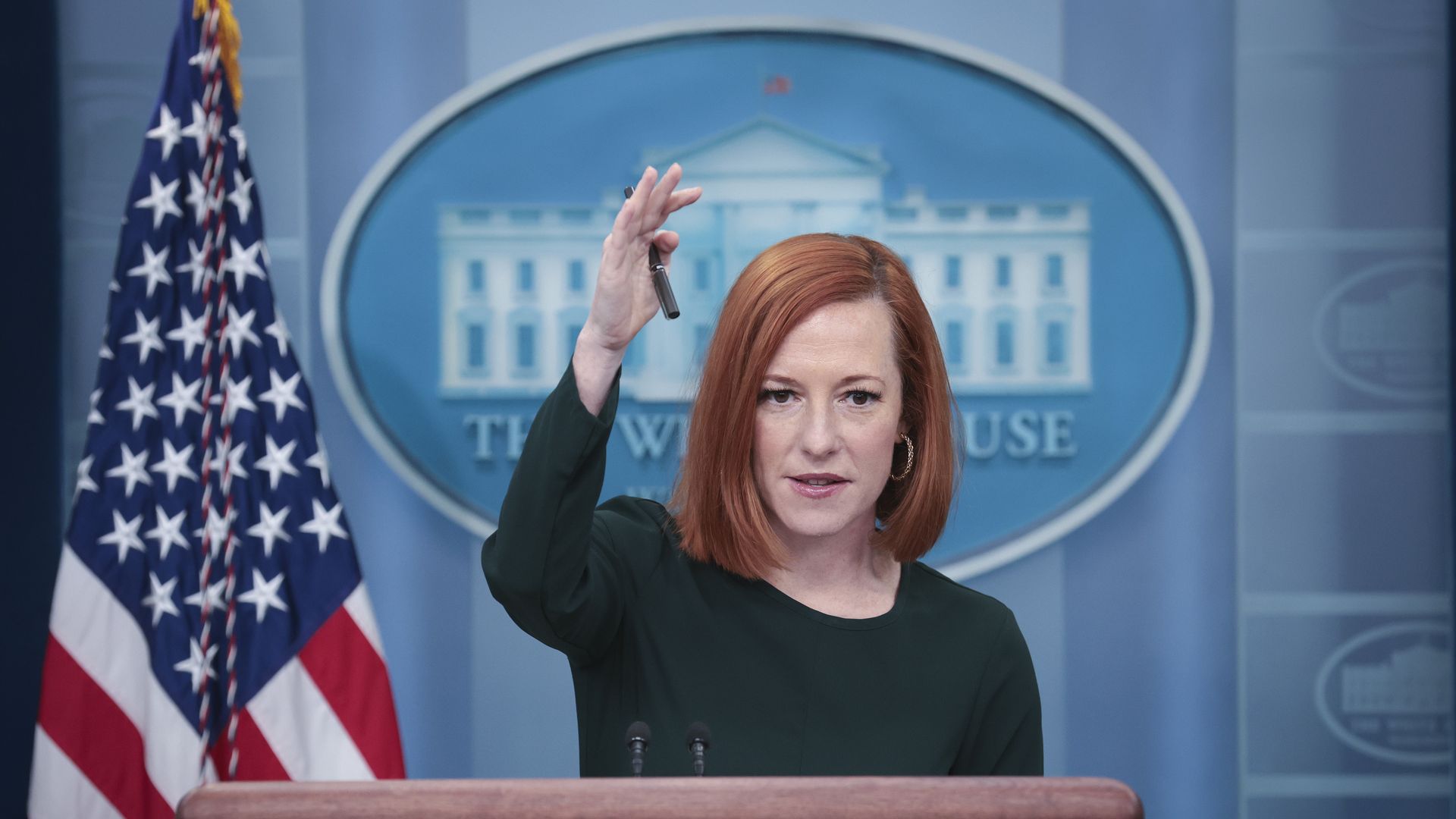
White House press secretary Jen Psaki warned in a series of tweets Wednesday that Russia may be preparing to "use chemical or biological weapons in Ukraine," after Moscow claimed the U.S. was housing biological weapons in the country.
What they're saying: Psaki called the claims "preposterous" and noted that Chinese government officials have also echoed Russia's "conspiracy theories."
The Biden administration does not currently support sending Polish warplanes to Ukraine, viewing the move as "high risk" and "not likely to change the effectiveness" of Ukraine's air force relative to Russia's capabilities, the Pentagon said Wednesday.
Why it matters: Ukrainian President Volodymyr Zelensky and bipartisan members of Congress have demanded that the U.S. facilitate the transfer of the Soviet-era MiG-29s to help Ukraine defend itself against Russia's aerial assault.
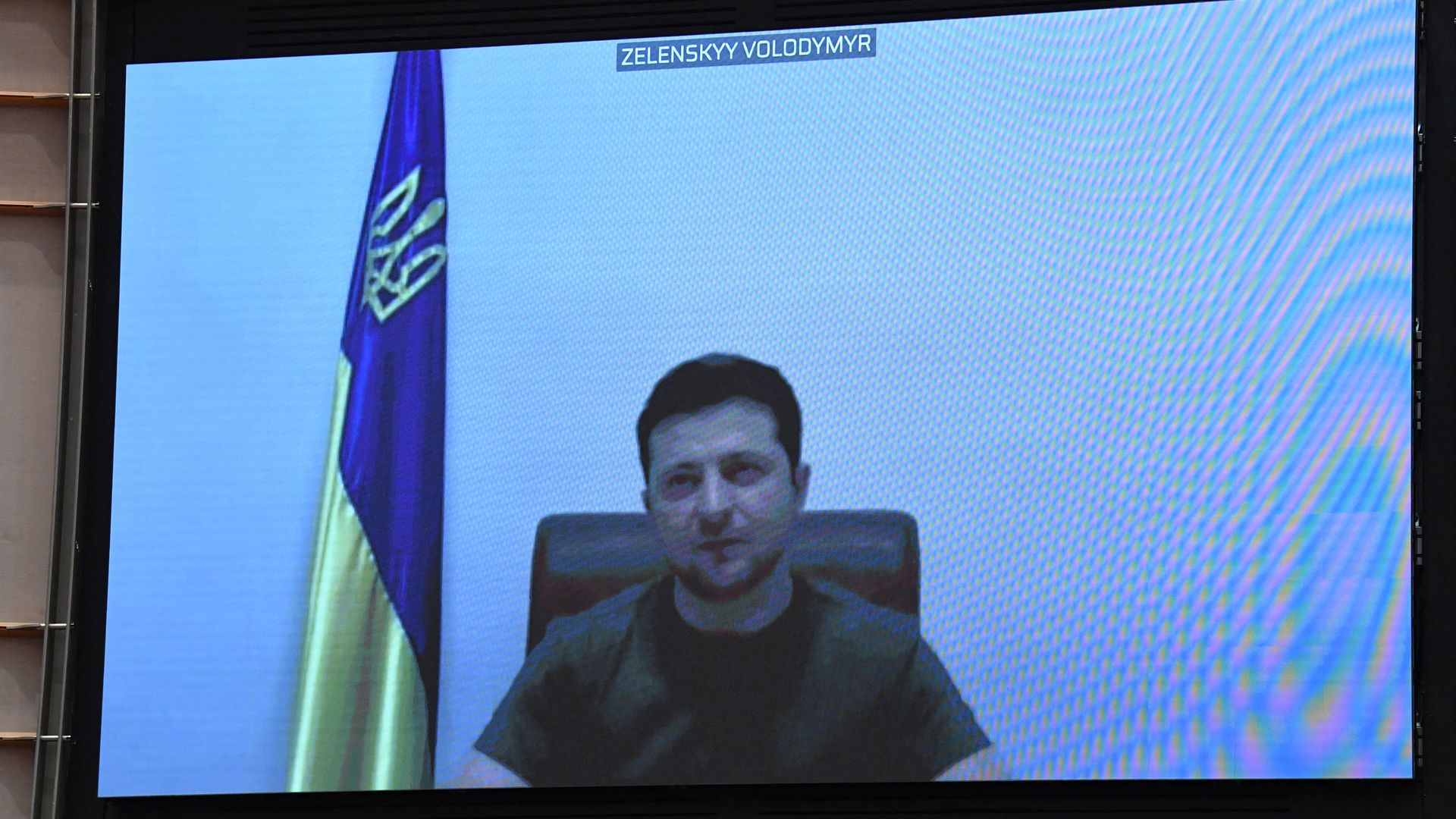
The speaker of Israel's parliament, the Knesset, declined to convene a special session for a video address from Ukrainian President Volodymyr Zelensky, three Israeli officials tell Axios.
Update: The two sides have now agreed that Zelensky will address members of the Knesset on a Zoom call in the coming days, according to Knesset speaker Mickey Levy, who came under criticism after Axios reported that he had rejected Zelensky's request for a special session.
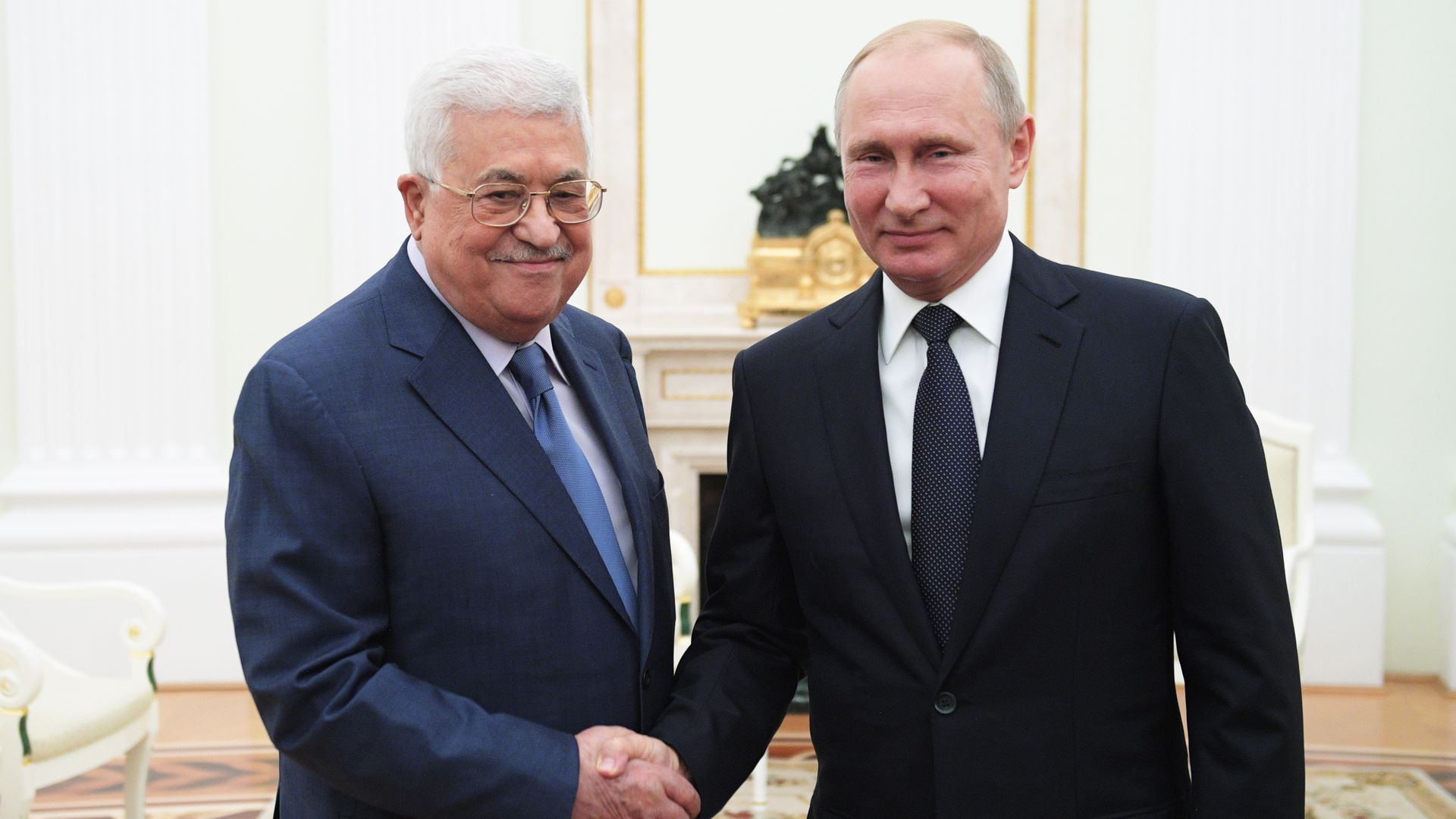
RAMALLAH, West Bank — The Russian invasion of Ukraine has put the Palestinian Authority in a serious dilemma.
Driving the news: The U.S. and some European countries have asked the Palestinian leadership to issue a statement condemning Russia, a historical ally, but the PA rejected it, a senior Palestinian official said.
Tesla will pay Ukrainian employees for up to three months if they are asked to return to their country to fight, CNBC reports.
Driving the news: "For any Tesla employees who is a Ukrainian national and has been asked to return to Ukraine for active duty as a reservist, we will maintain their employment and salary for 3 months, with a view to assessing after this period as needed," according to an email sent to employees, per CNBC.
The email was sent on Monday to employees in Europe, the Middle East and Africa, per CNBC.
Any of the 5,000 Tesla owners can also access free Supercharging at some select locations in Poland, Hungary and Slovakia, per CNBC.
The big picture: A number of automakers and other global companies have cut ties with Russia following the invasion of Ukraine.
General Motors suspended exporting vehicles and Ford halted their business in Russia after the invasion.
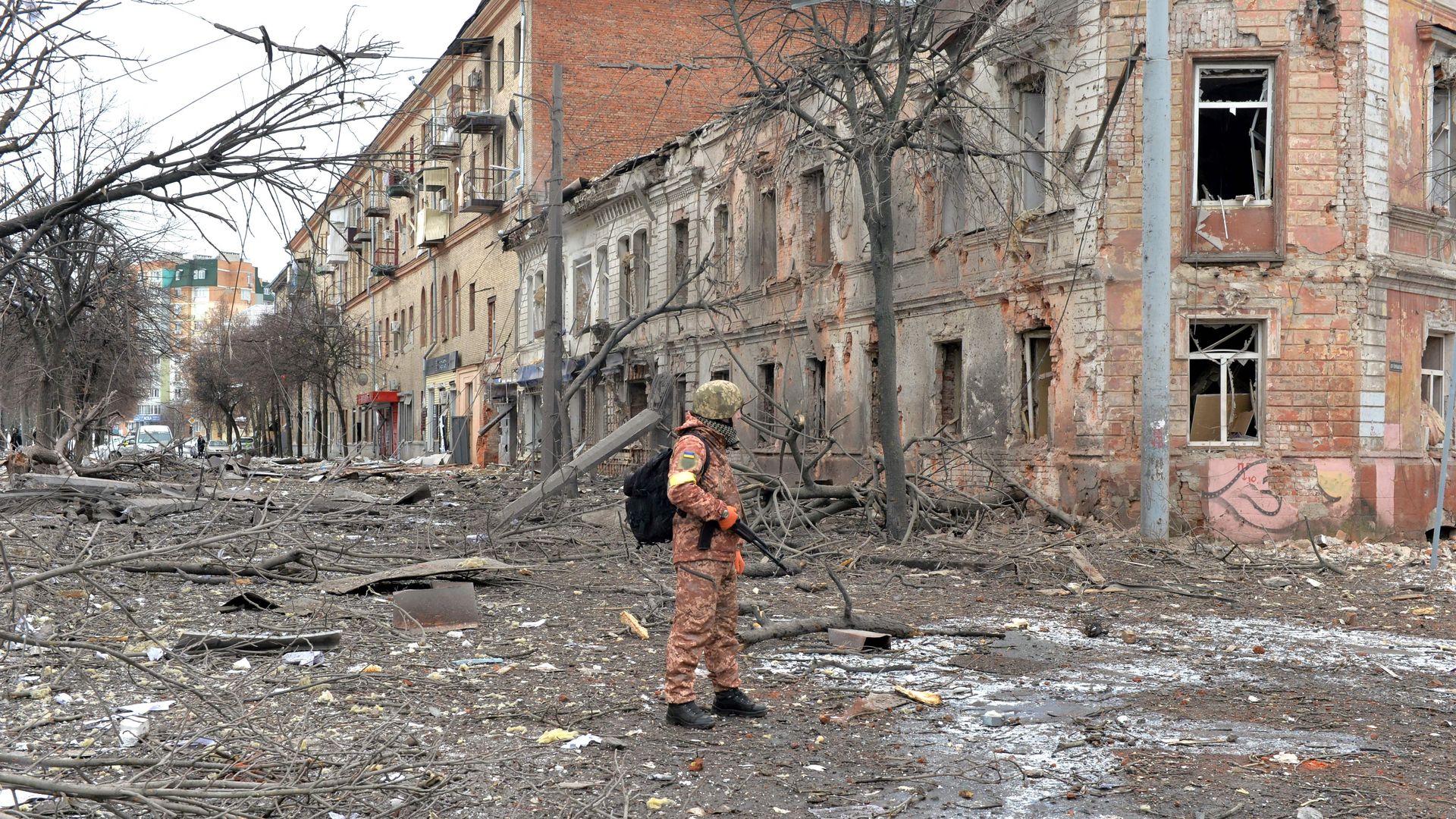
Russian shelling in the port city of Mariupol has killed at least 1,170 people and destroyed a children's hospital that also housed a maternity ward, Deputy Mayor Sergiy Orlov said Wednesday.
Driving the news: The city is under "continuous Russian shelling," Orlov said, adding that at least 47 people have been buried today in a mass grave. "It's medieval," he added, the Guardian reports.
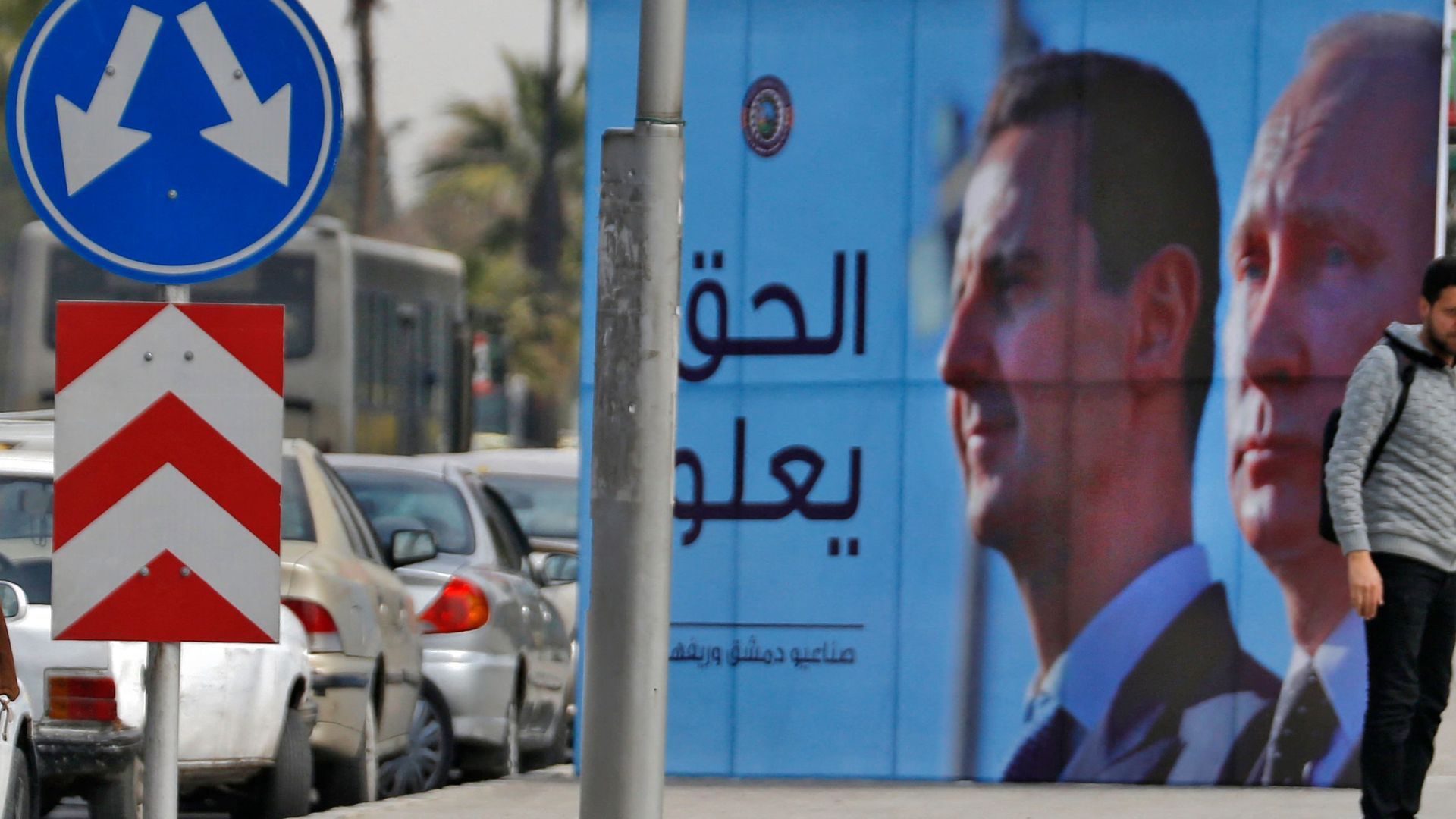
Military coordination between Israel and Russia in Syria hasn't been interrupted since Israel condemned Russia's invasion of Ukraine, three Israeli officials told Axios.
Why it matters: Russia holds enormous influence in Syria but allows Israel to operate freely against Iranian activity there. Israeli officials have told the U.S. and other allies that they need to take a careful approach to the Ukraine crisis to ensure that continues.
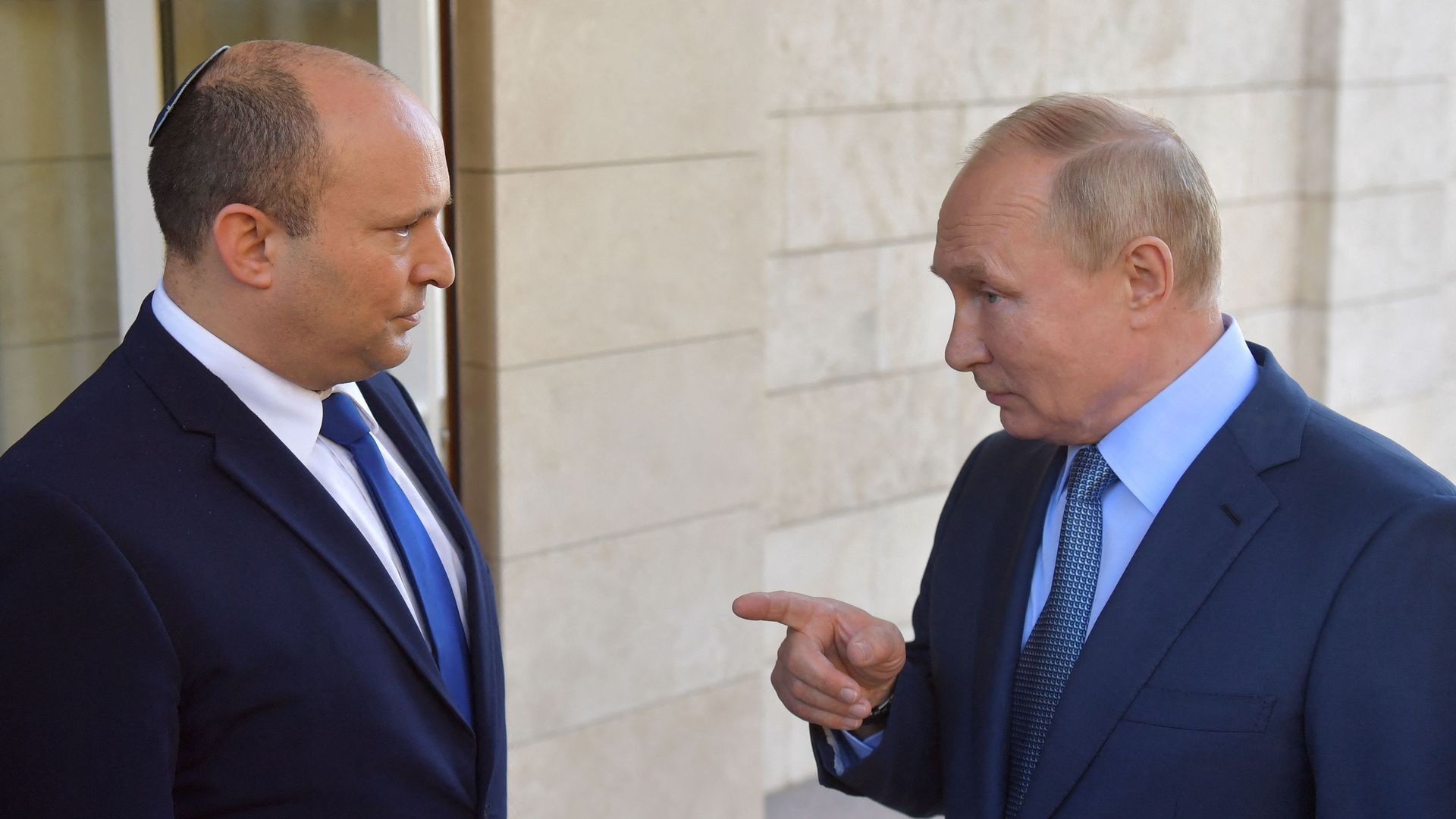
Israeli Prime Minister Naftali Bennett, a relatively inexperienced statesman who is little known outside of Israel, has emerged as a key mediator between Russian President Vladimir Putin and Ukrainian President Volodymyr Zelensky.
Why it matters: Bennett is the first-ever Israeli prime minister to attempt to directly mediate a major international crisis. That's burnishing his reputation at home as a major world leader. It's also a risky endeavor, given Putin's track record of manipulating and deceiving his interlocutors.
Top U.S. and NATO officials reiterated on Wednesday that they would not impose a "no-fly" zone over Ukraine, after Ukrainian President Volodymyr Zelensky called the West "an accomplice ignoring terror."
Why it matters: Enforcing a no-fly zone would require US. or NATO forces to destroy Russian air defenses and shoot down Russian aircraft, dramatically raising the risk of a broader war between nuclear powers. NATO countries are considering alternative steps, like providing anti-aircraft missile systems or potentially fighter jets.
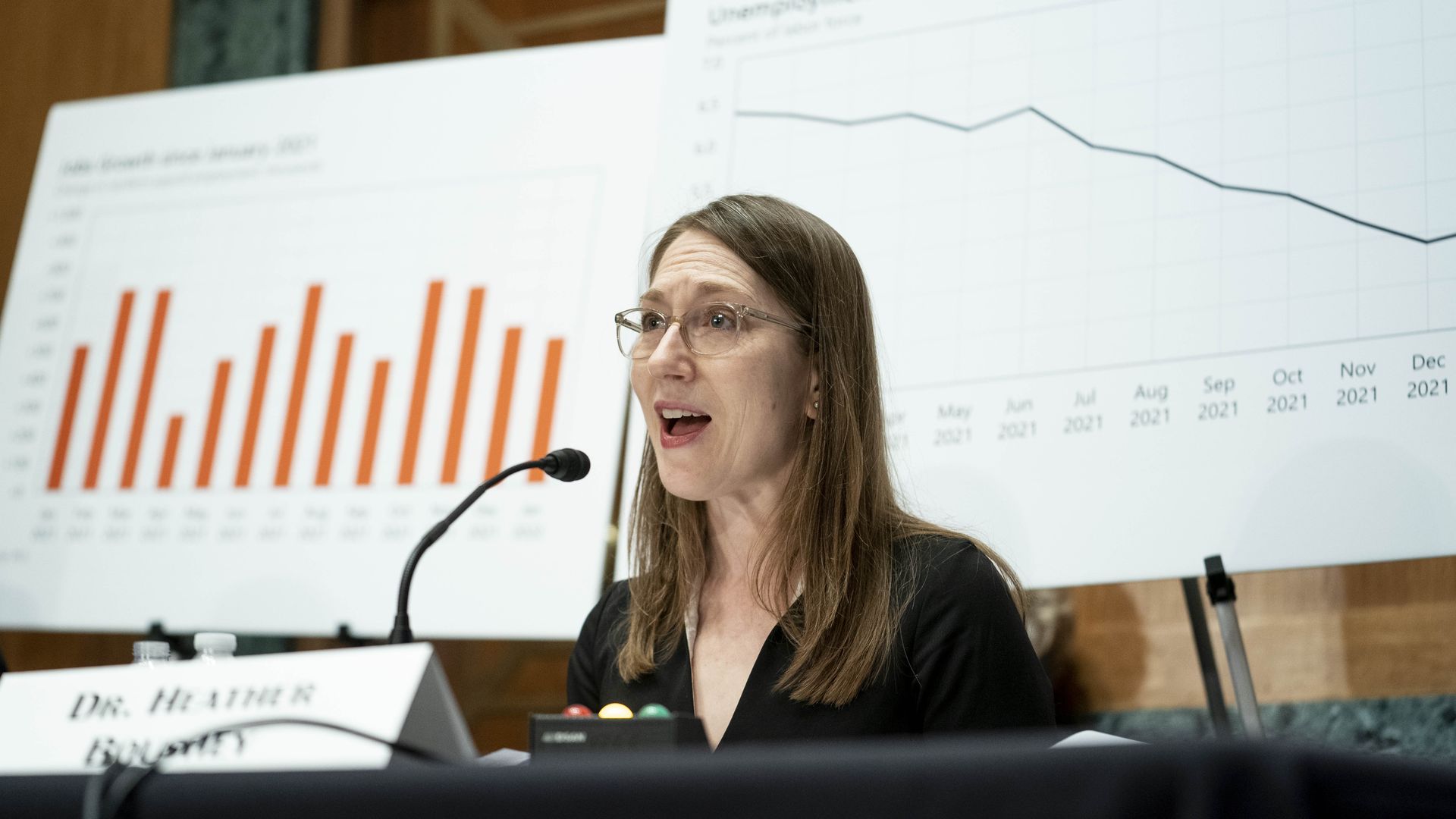
The U.S. can meet its energy needs without Russia, White House economic adviser Heather Boushey told Axios at an event Wednesday, adding that a pivot toward clean energy could help keep Americans from paying high gas prices in the future.
Why it matters: Gas prices hit a record high on Tuesday at $4.173 per gallon. The U.S. on the same day banned imports of Russian oil in response to Vladimir Putin's invasion of Ukraine.
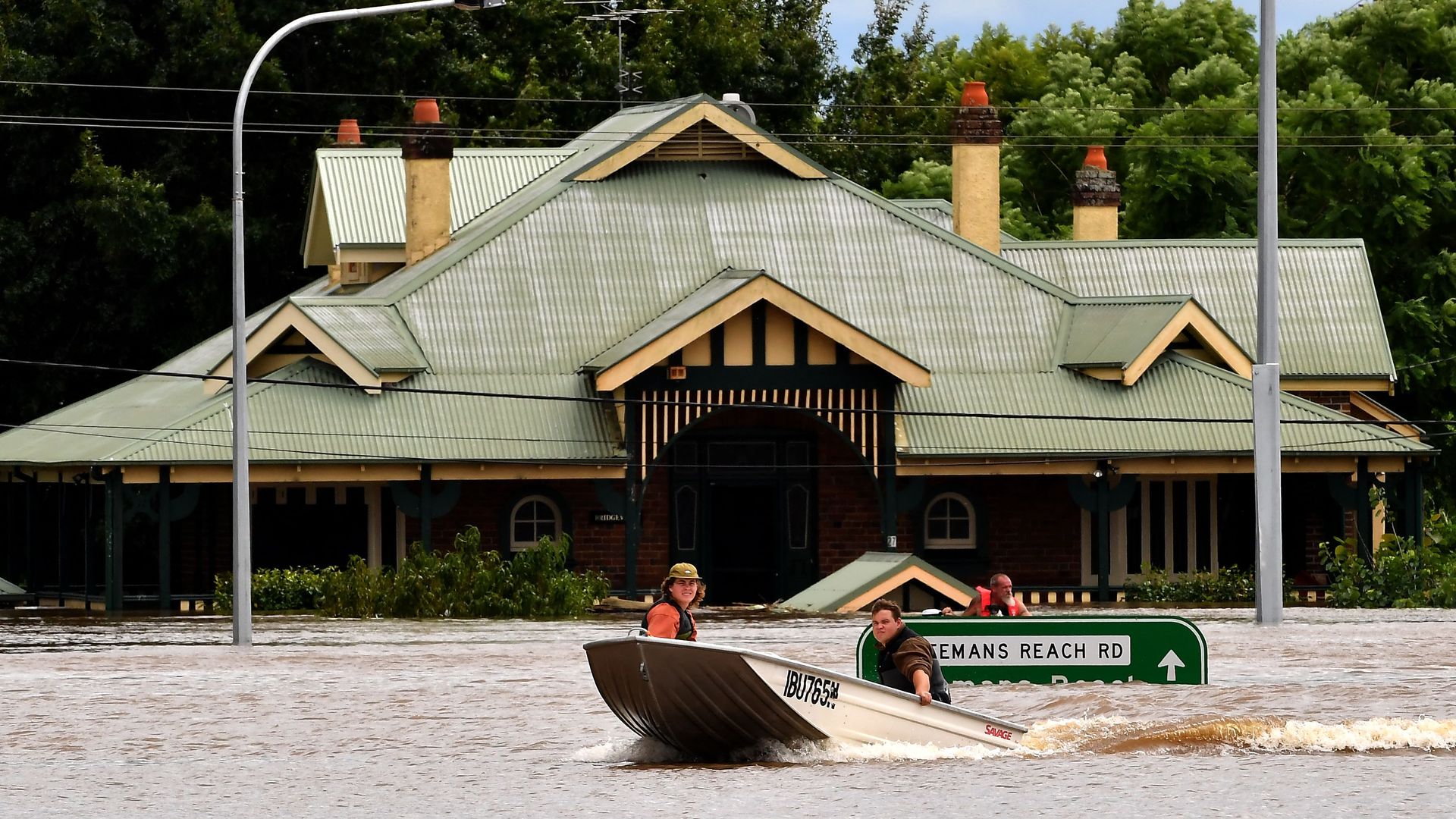
Australian Prime Minister Scott Morrison declared a national emergency Wednesday to speed up the delivery of aid to parts of the country's east coast that have been devastated by widespread, record floods for several weeks.
What they're saying: The national emergency declaration will "ensure all our emergency powers are available and that we cut through any red tape we might face in delivering services and support on the ground,” Morrison said in the press release.
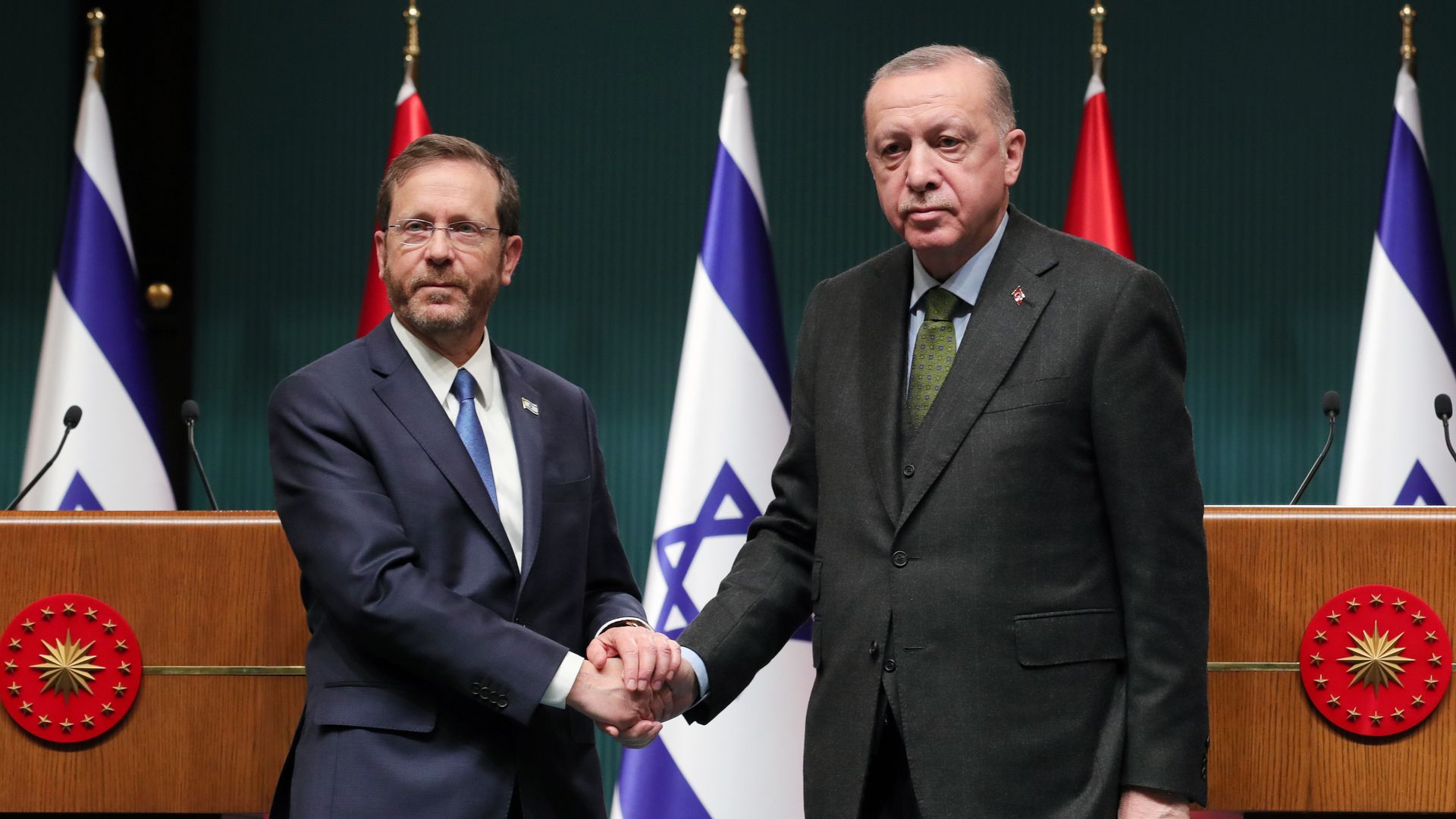
ANKARA, Turkey — Israeli President Isaac Herzog traveled to Ankara on Wednesday to meet President Recep Tayyip Erdoğan to try to "reset" Israel's relations with Turkey.
Why it matters: It's the first visit by a senior Israeli official to the Turkish capital in 14 years and comes as Israel tries to repair the two countries' often-fraught relationship.
LGBTQ youth in Mexico will soon be able to access support from trained counselors through digital crisis services provided by The Trevor Project, an organization that runs crisis intervention and suicide prevention services for LGBTQ people under 25.
The big picture: This is the first time The Trevor Project is expanding services outside of the United States. Over 40 million LGBTQ young people seriously consider suicide each year around the world, according to rough estimates from the group.
Austria on Wednesday suspended its sweeping coronavirus vaccination mandate less than a week before it was set to be enforced.
Driving the news: Authorities were expected to begin checking people's vaccination status on March 15, but officials said they "don't see any need" to implement the law at this time, citing milder illnesses from the Omicron variant, AP reports.
Why it matters: A loss of power at the plant could disrupt the cooling of radioactive material stored there, risking radioactive leakage that can be carried by wind to other parts of Europe.
Vladimir Putin's plan to seize Ukraine's capital in the first two days of Russia's invasion has been a complete failure, thrown off course by a fierce Ukrainian resistance, poor planning and a series of profound miscalculations.
Why it matters: An isolated and angry Putin is expected to double down on his brutality as the war in Ukraine drags on for weeks, months or even years, according to top U.S. intelligence officials. It could be his undoing.
Ads from Chinese state broadcaster CGTN are running on Meta-owned Facebook, targeting global users with pro-Russian talking points about Russia's invasion of Ukraine.
Driving the news: Meta said last week it would ban ads from Russian state media and stop recommending content from such outlets. But that hasn't stopped countries close to Moscow, like China, from using their state channels to buy ads pushing a pro-Russian line.
After a pandemic, multiple food shortages, the Taliban takeover of Afghanistan and now an exodus of Ukrainians fleeing the Russian military, global aid groups say they can barely keep up with the world's cascading humanitarian crises.
Why it matters: Governments around the world rely on help from large non-governmental organizations to feed, house and care for people facing catastrophe and displacement. But they tell Axios they're being stretched past their breaking points.
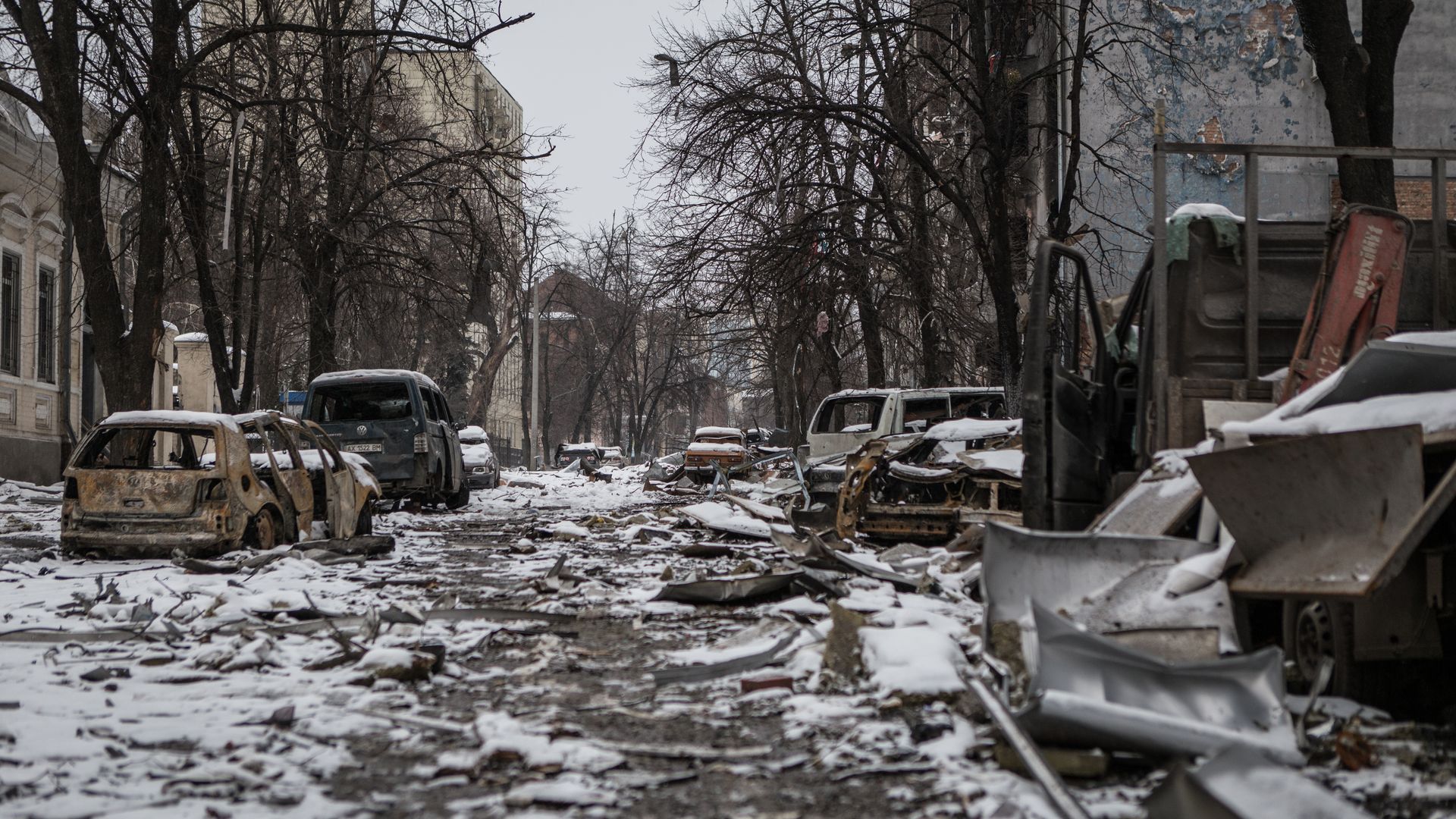
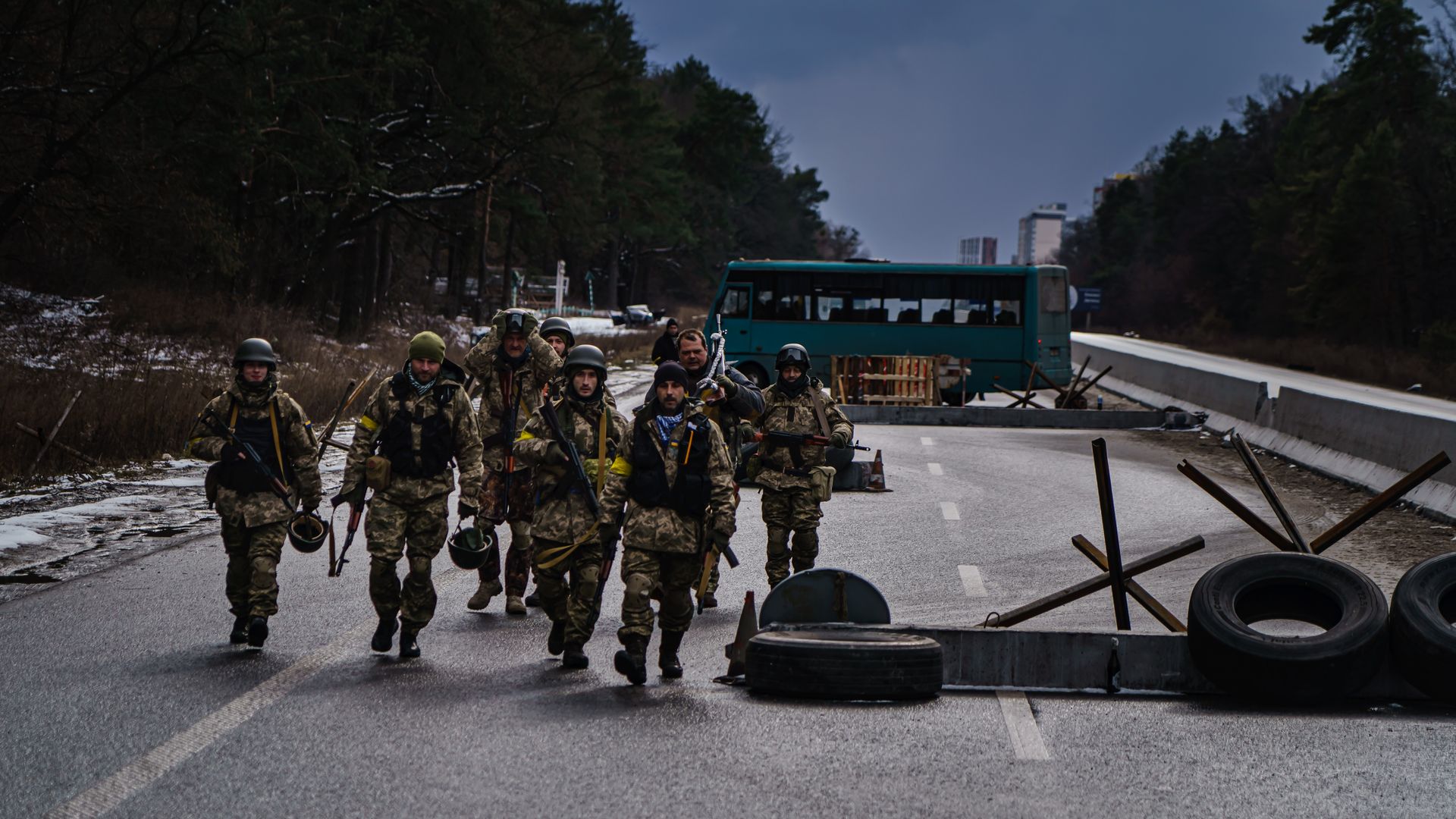
Ukraine's military said it is strengthening defenses in several cities Wednesday as Russian forces were thwarted in key areas two weeks into the unprovoked invasion, according to Ukrainian and British officials.
Driving the news: The U.K. Ministry of Defense said in an intelligence update Wednesday that Ukrainian air defenses "appear to have enjoyed considerable success against Russia's modern combat aircraft, probably preventing them achieving any degree of control of the air."
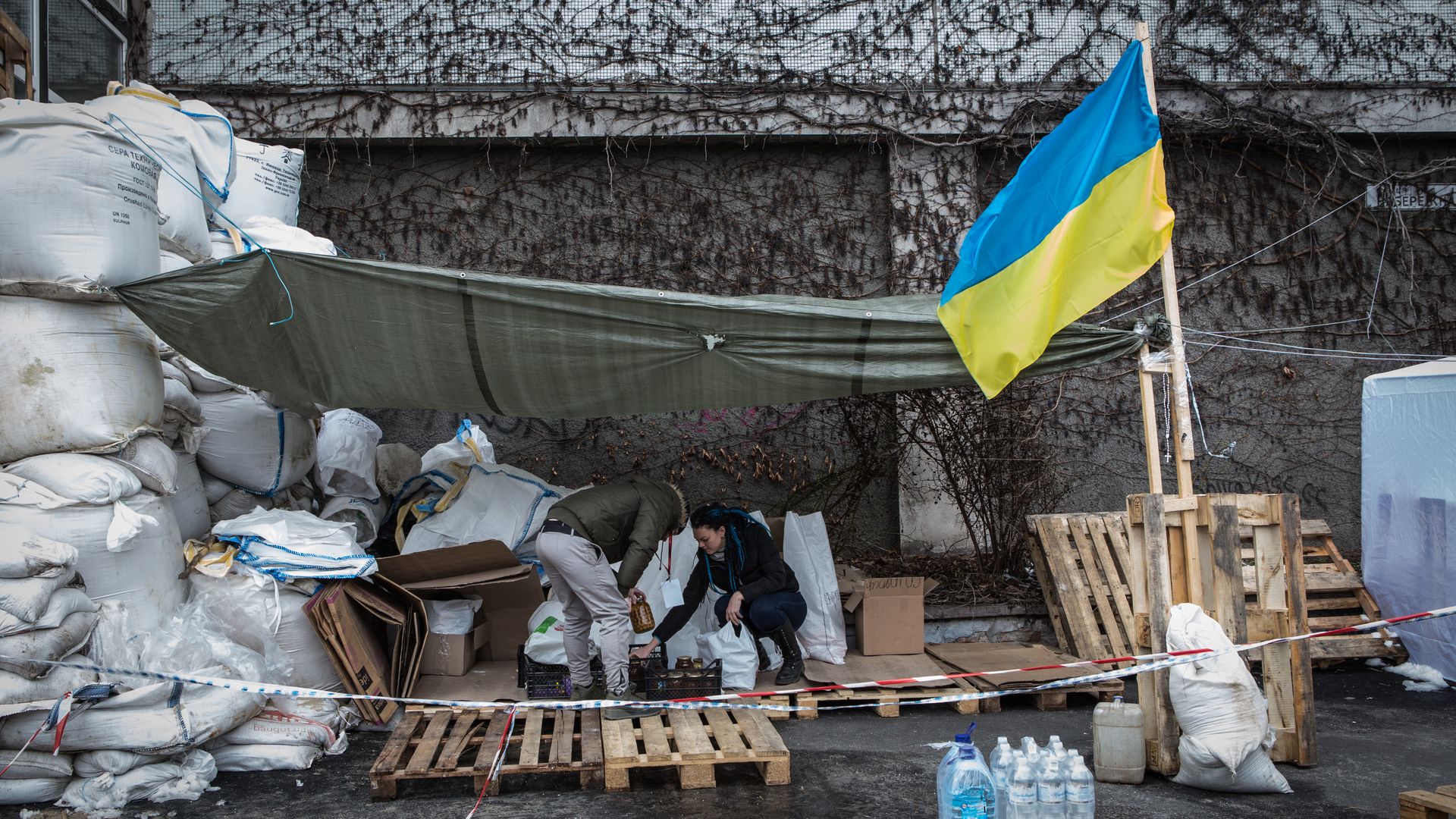
The United Nations warns Ukraine is facing a growing humanitarian crisis, with reports that tens of thousands of Ukrainians are without food, water and heat during the Russian military's deadly assault on the country.
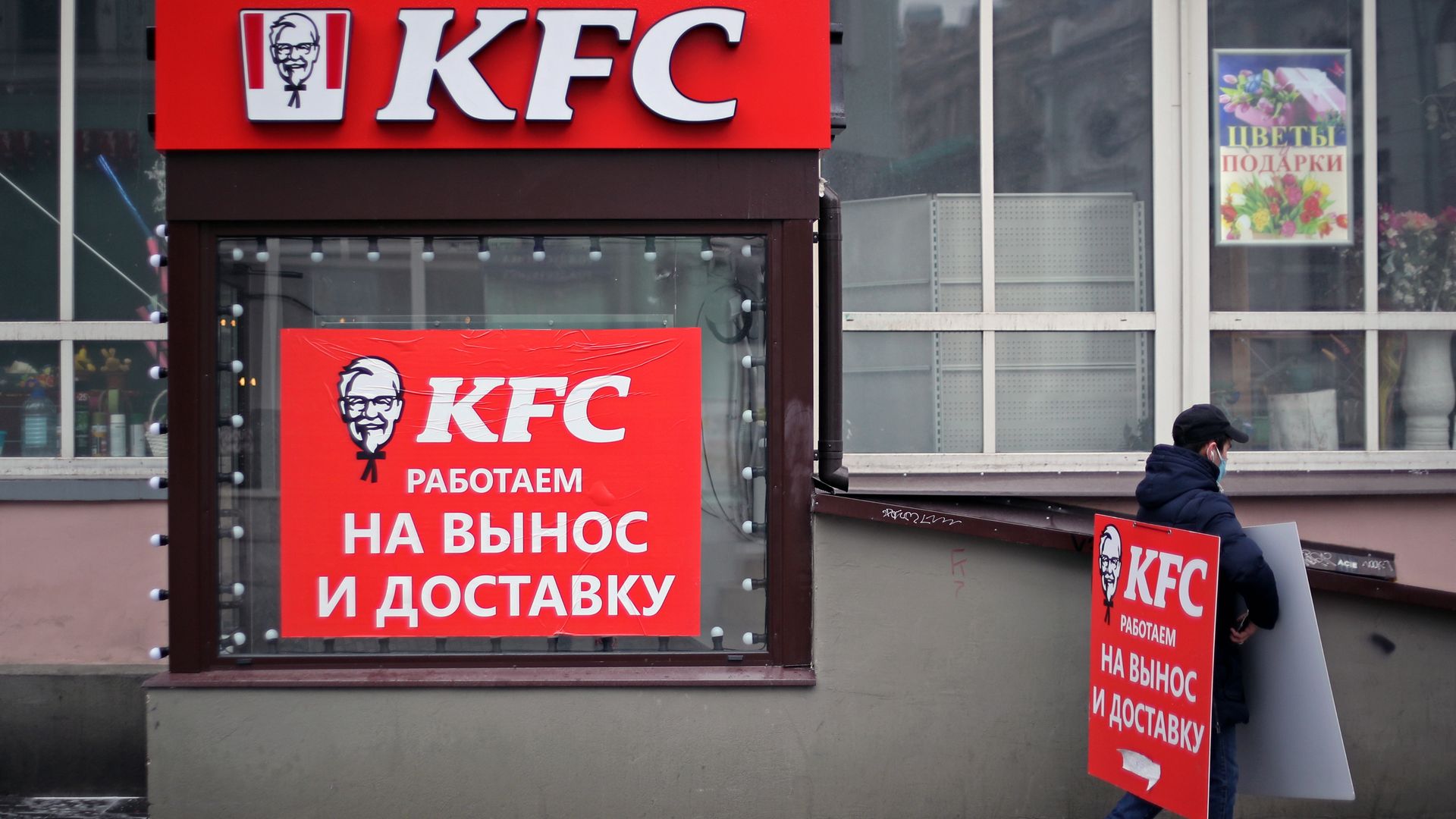
Yum Brands, the parent company of KFC and Pizza Hut, said Tuesday it has suspended operations and investment in Russia in response to the invasion of Ukraine.
By the numbers: "In Russia, the business includes approximately 1,000 KFC restaurants and 50 Pizza Hut locations nearly all of which are operated by independent owners under license or franchise agreements," per a Yum statement.
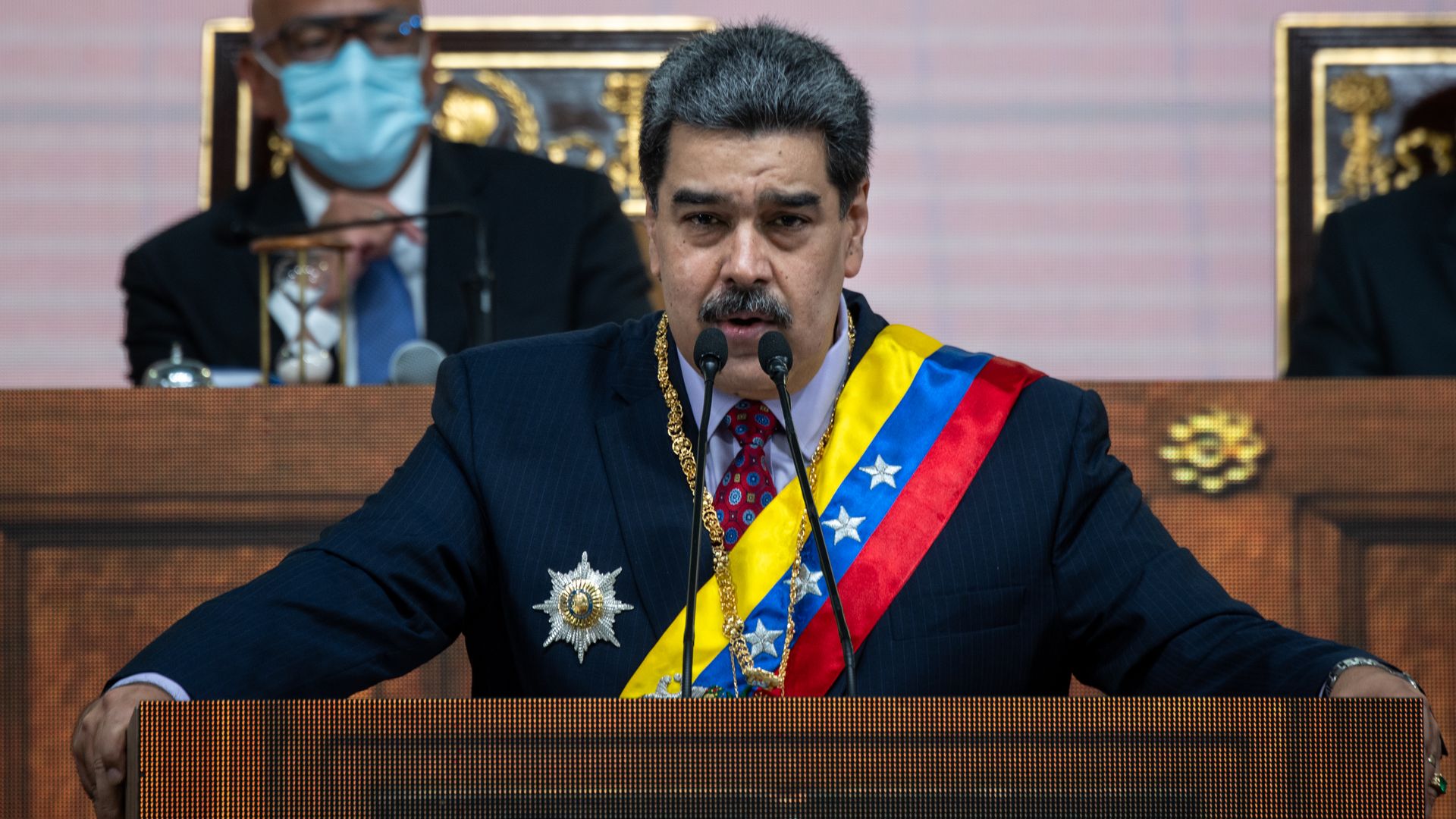
Venezuela has freed U.S. citizens Gustavo Cardenas and Jorge Fernandez from detention, the White House announced just before midnight Tuesday.
Why it Matters: The announcement signals a possible thawing of tensions between Washington and the Latin American country, amid Russia's unprovoked invasion of Ukraine.
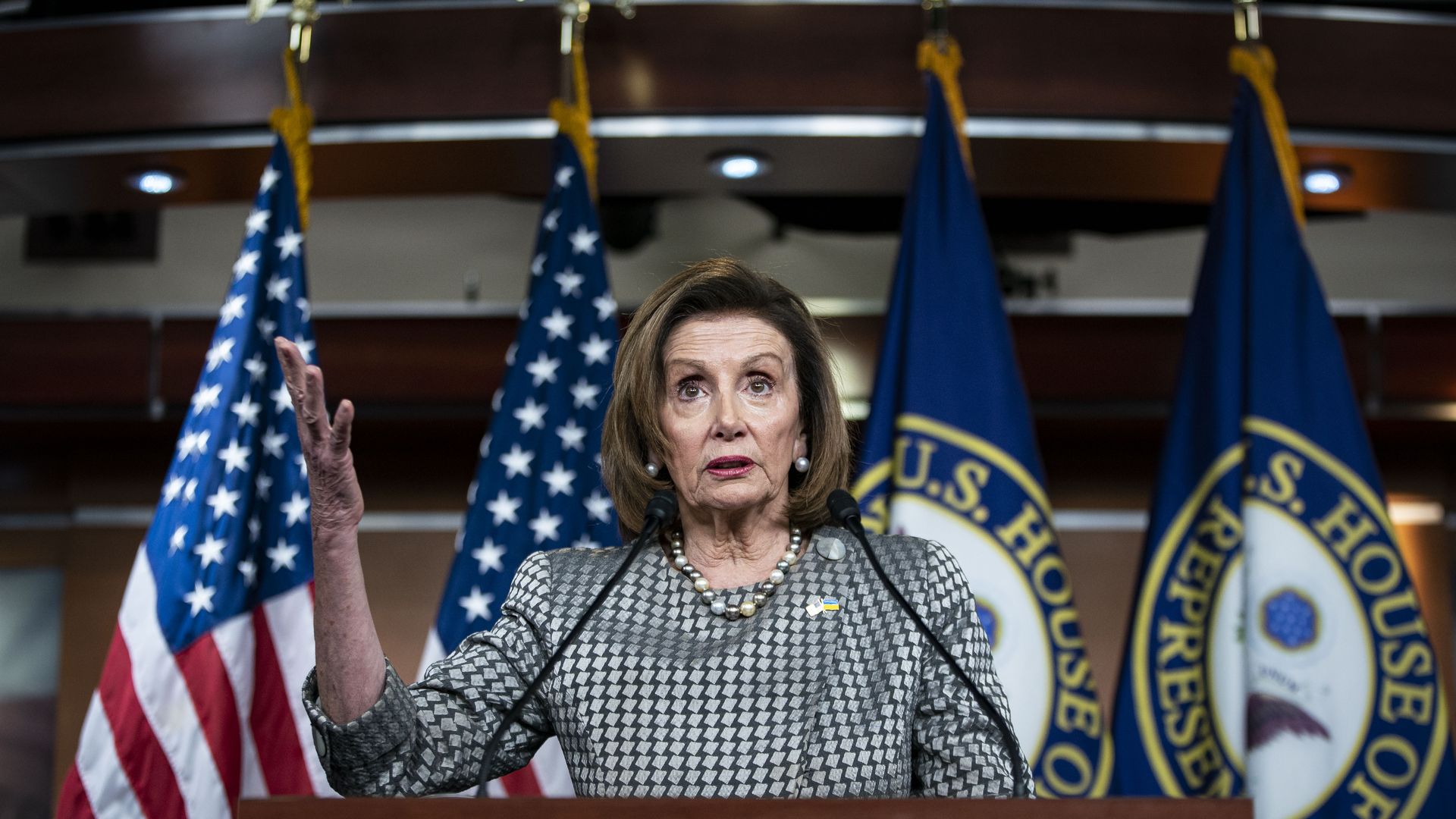
The House delayed a vote on legislation to sanction Russia after the White House intervened to block a key provision of the bill — roiling lawmakers from both parties, Axios has learned.
Why it matters: Congress has consistently struggled to come together in its efforts to place economic pressure on Russia to try to force an end to its invasion of Ukraine.
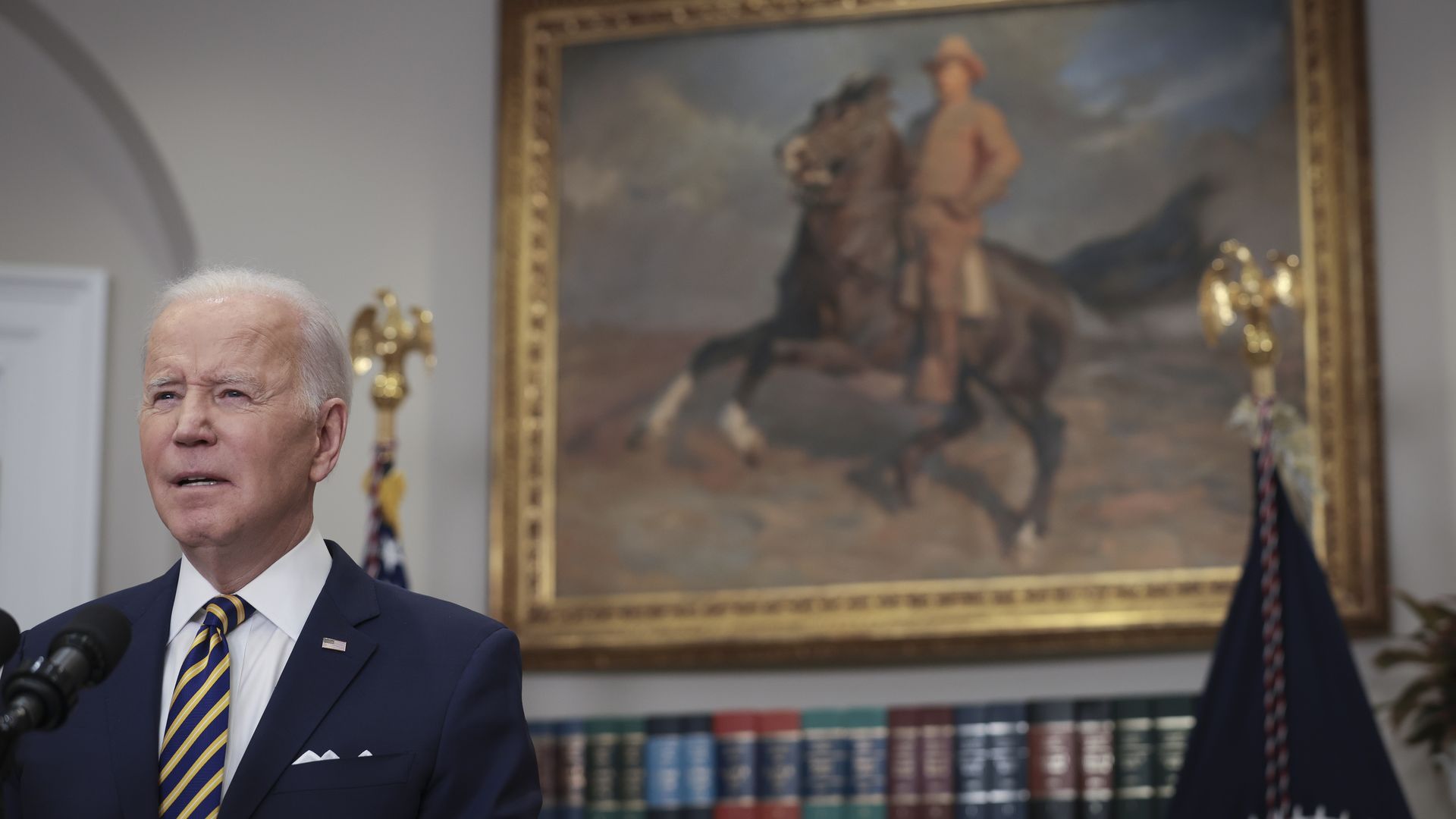
President Biden's announcement of a U.S. ban on Russian energy imports came loaded with two phrases he wants Americans to remember: "Putin's price hike" and "Putin's war."
Why it matters: Already damaged by inflation and other repercussions of the COVID-19 economy, Biden is using this moment to redirect Americans' anger toward Russian President Vladimir Putin — and to try to insulate himself and the Democratic Party over crucial blame during this midterm year and beyond.
While congressional leaders work to shore up support for $14 billion in aid to Ukraine, some lawmakers have sent a letter urging a fresh focus on China — and America’s reliance on semiconductors from Asia.
Why it matters: International sanctions on Russia, and President Biden's announcement Tuesday banning the import of its oil, gas and coal, demonstrate how any country that's too reliant on one export — or import — can be brought to its economic knees by adversaries.
The New York Times pulled its reporters out of Russia on Tuesday, the latest precaution taken by a large media company in response to The Kremlin's punitive new "fake news" law.
Why it matters: "Even in the depths of the Cold War, under the Soviet dictatorship, this never happened," tweeted Times deputy managing editor Cliff Levy.