Uber has agreed to expand a proposed settlement with the FTC to include a 2016 breach that it didn't disclose until after it settled last summer over its privacy and security practices.
Uber will start performing annual background checks on its drivers and will also hire a criminal arrest monitoring company to increase rider safety, the AP reports. .
The big picture: The company, which allowed drivers with convictions and major traffic violations to continue driving in the past, has had several issues with riders saying they feel unsafe due to their driver's behavior. The company has also received a series of reports claiming driver abuse and sexual assault. Uber is looking to change that with annual criminal background checks and app updates that make it easier for riders to share their location with friends and family.
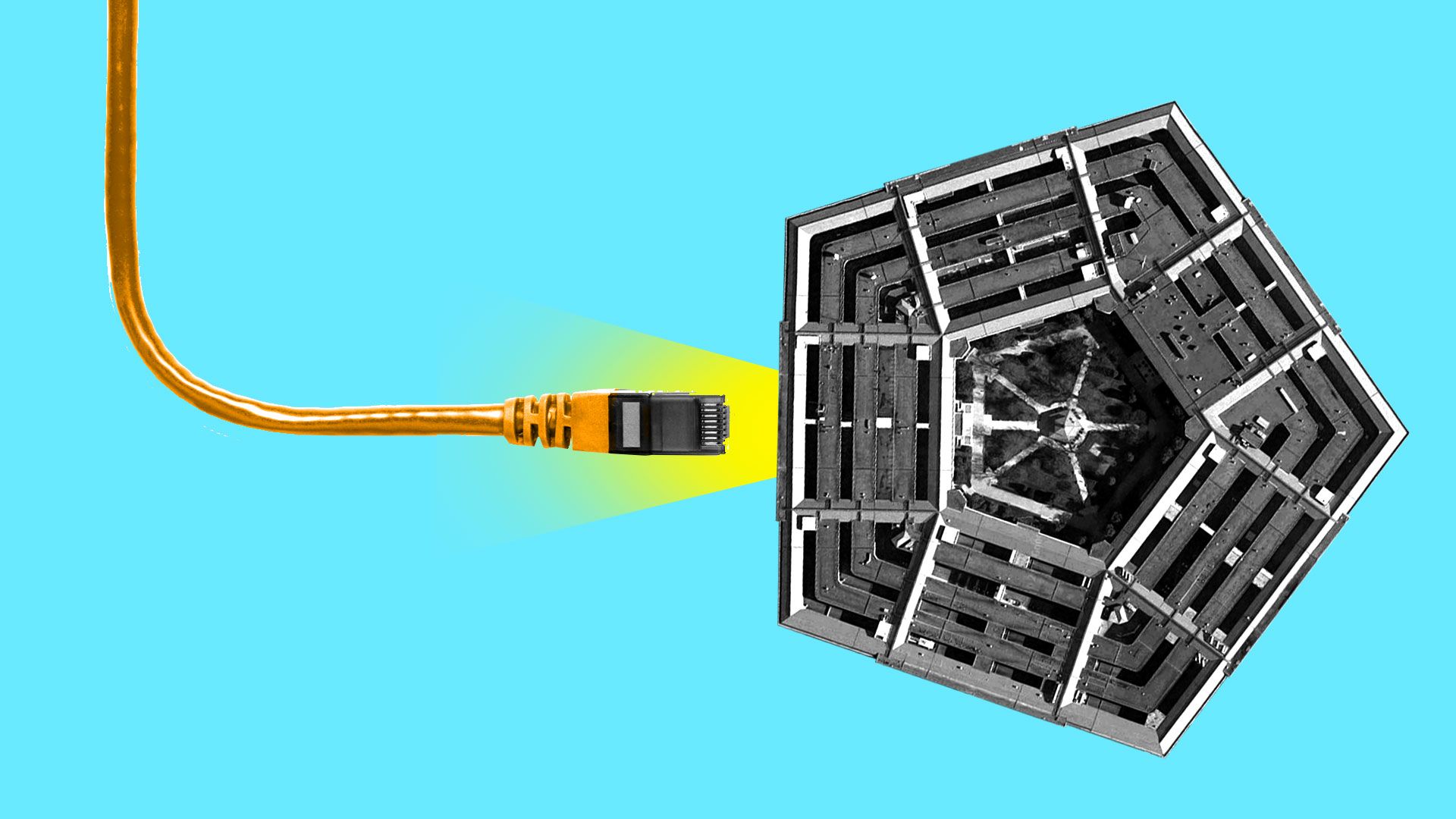
As the Pentagon moves military information systems into the cloud, some industry experts and executives are questioning the wisdom of awarding the contract to just one vendor — particularly since that vendor might well be Amazon.
Why it matters: Sure, Amazon's competitors want a piece of this business. But they're also raising arguments about whether any single cloud service provider can meet the Defense Department's unique needs.
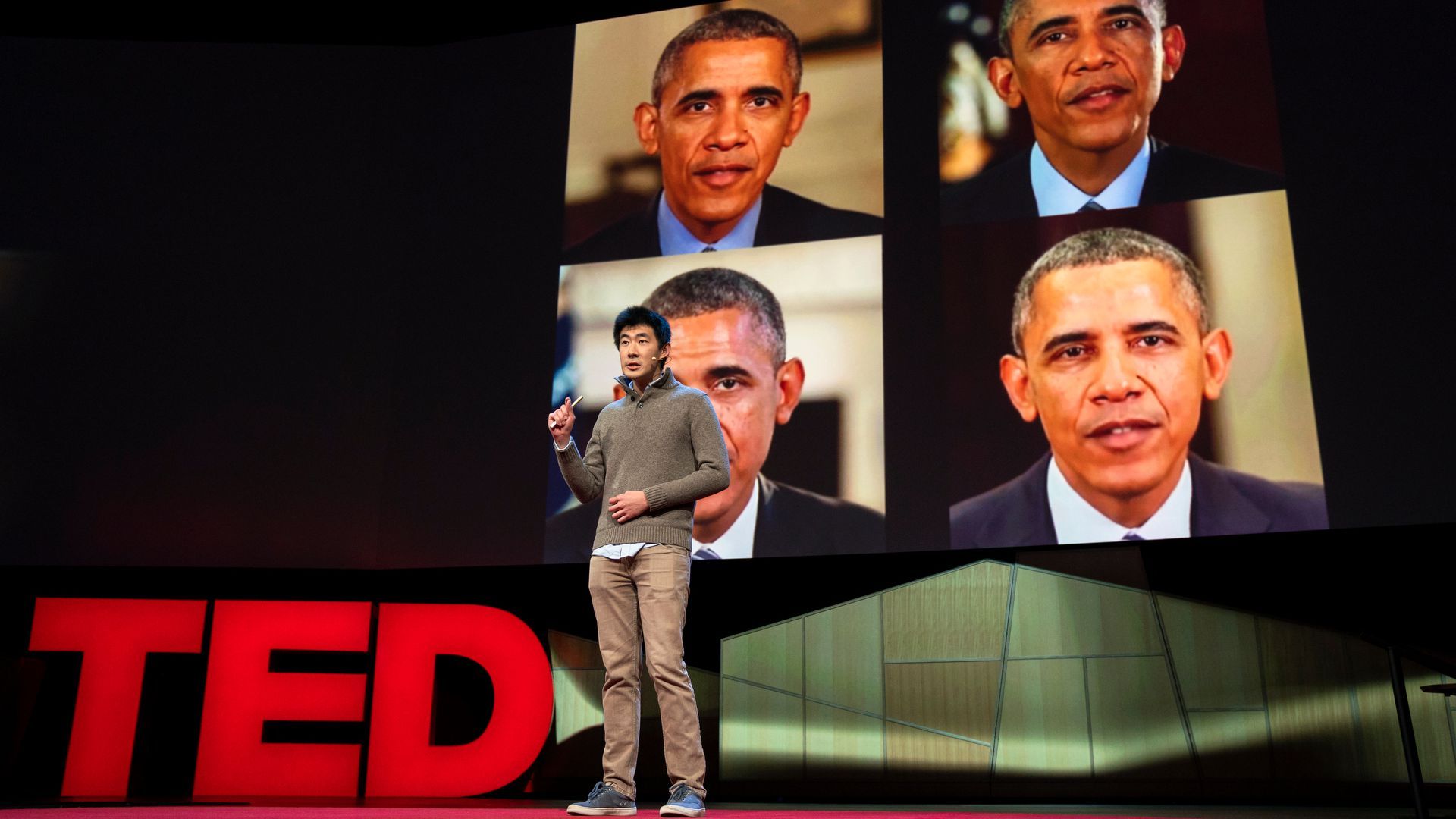
Artificial intelligence is on the verge of reshaping human society. But whether that change will be for the better or worse has been the subject of much debate at this year's TED conference.
Why it matters: Even those laying out the case for a positive AI future painted a picture of society being fundamentally reshaped by the presence of significantly smarter computers. Some of the TED talks describe exciting — sometimes alarming — changes arising from this technology.
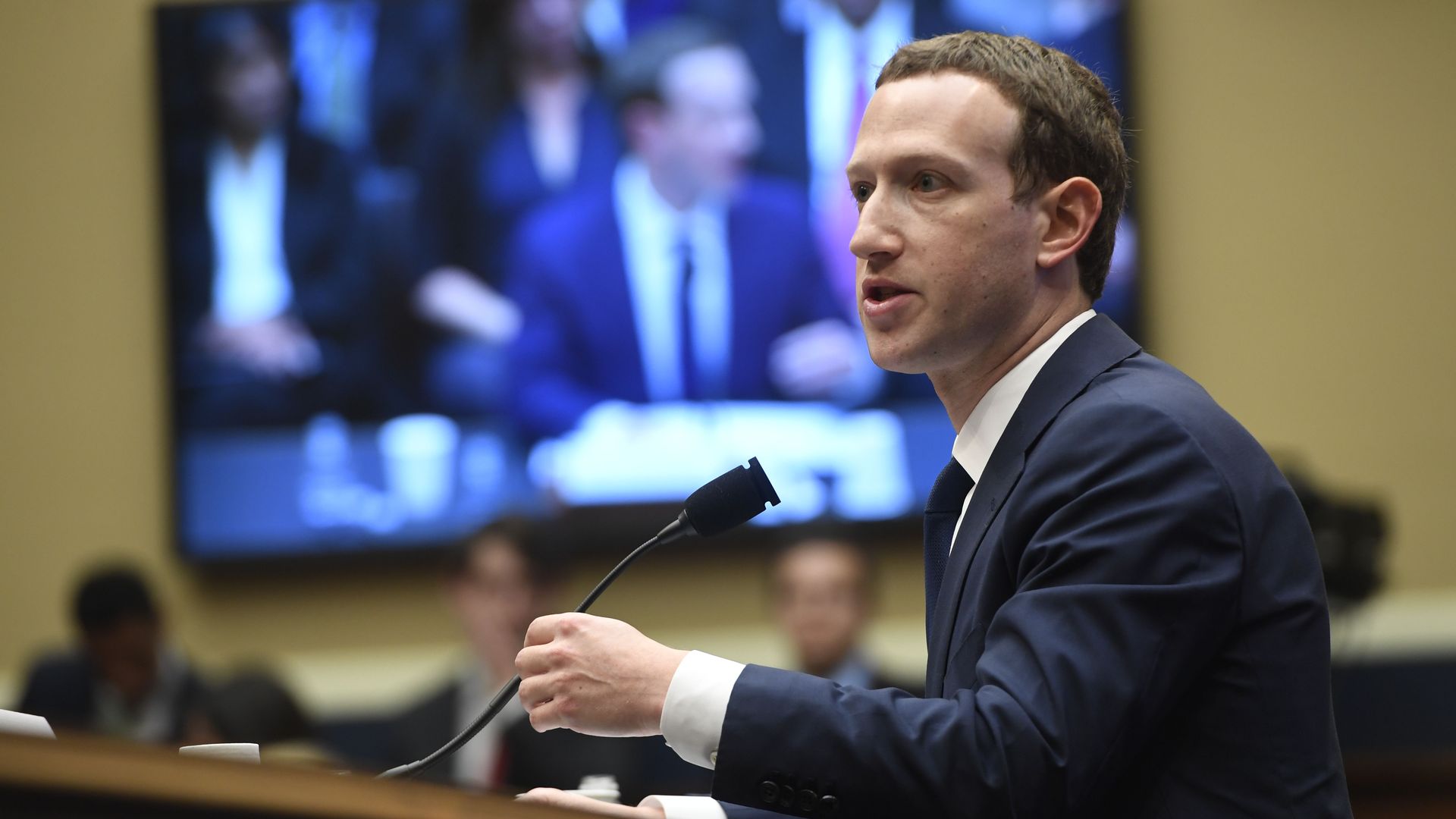
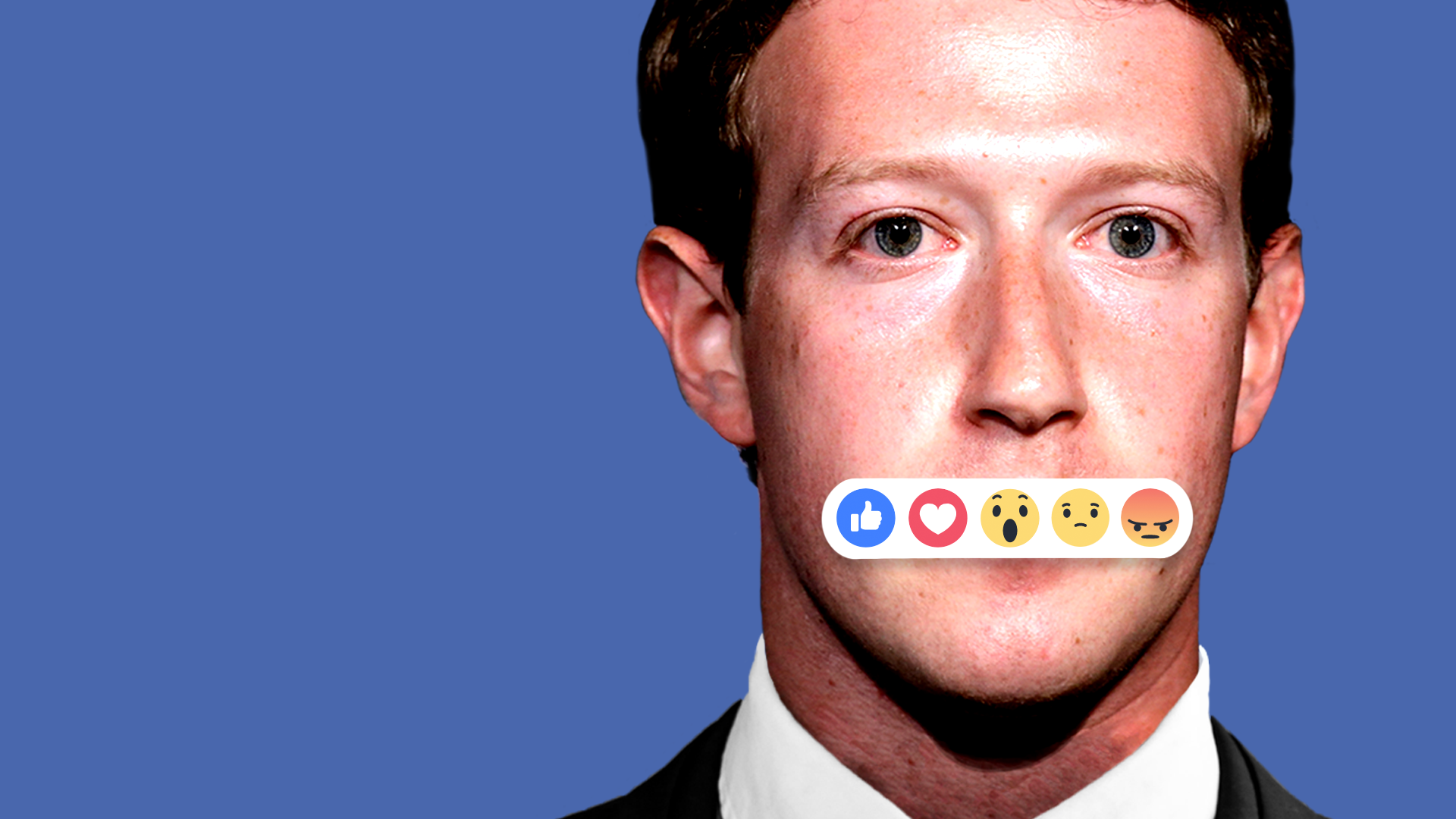
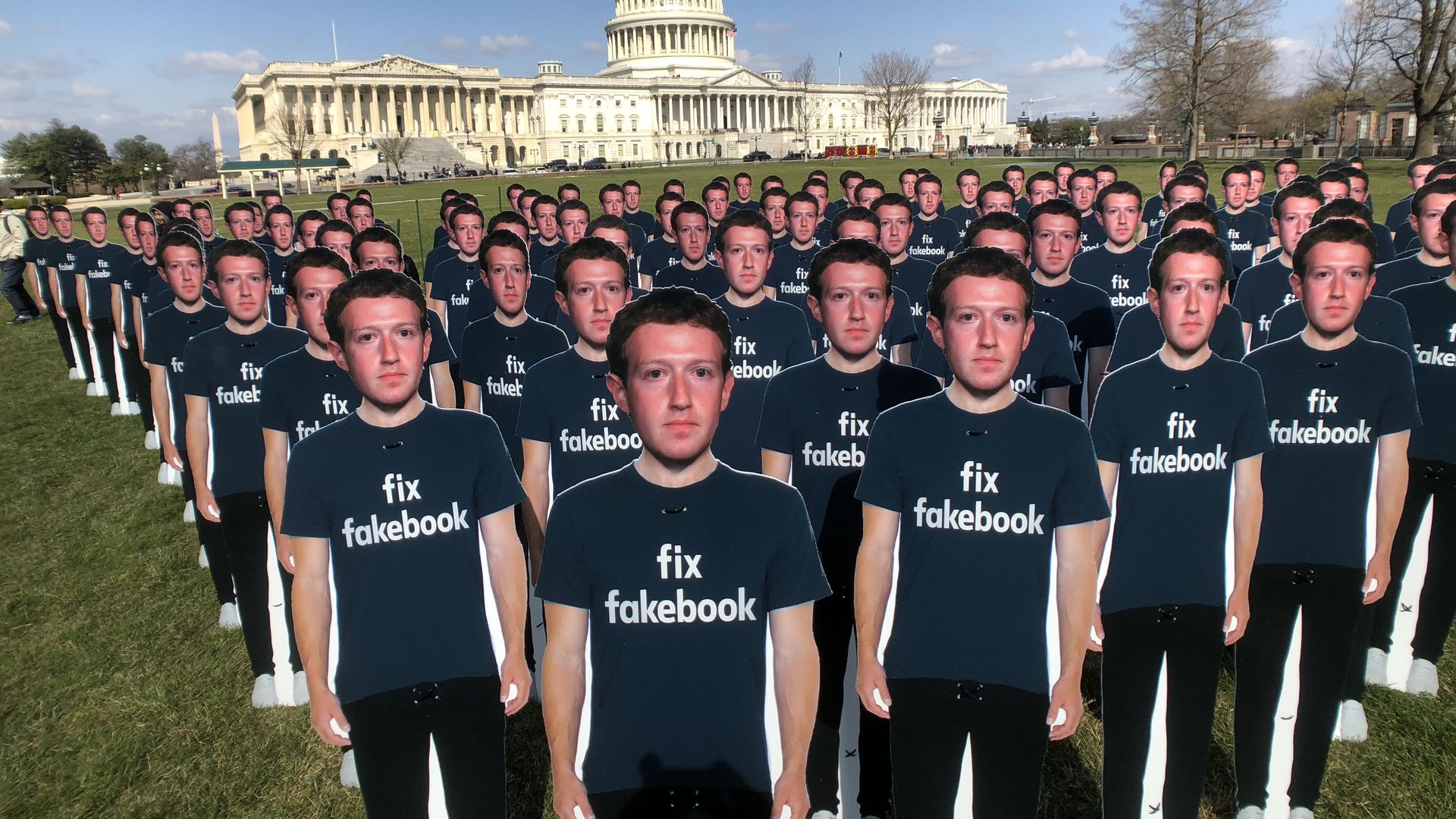
After more than 10 hours of grilling Facebook CEO Mark Zuckerberg, Congress is no closer to regulating the platform's privacy practices than it was when the hearings started.
The bottom line: It's clear that lawmakers haven't coalesced around a regulatory end-goal, even though the threat remains. As House Energy and Commerce Committee Chairman Greg Waldenput it after the hearing, "I don’t want to rush into legislation minutes after having the first hearing of this magnitude, but certainly if they can’t clean up their act we’ll clean it up for them.”
Cruise, General Motors' self-driving car unit, has acquired the seven-person team behind Zippy.ai, a one-year-old startup working on autonomous robots for delivery and last-mile logistics, CEO Kyle Vogt said in a blog post.
But: This doesn't mean Cruise is moving to work on self-driving vehicles for deliveries, a spokesperson tells Axios. The company is currently testing cars with plans to deploy a commercial ride-hailing service next year. No terms of the deal were disclosed, though Zippy.ai raised $3.6 million last year according to an SEC filing. Cruise didn't purchase any assets.
A Los Angeles judge has granted a motion by Snap to move a lawsuit by a former employee to private arbitration per his employment contract, according to Variety.
Why it matters: Anthony Pompliano, who worked at Snap for a few weeks in 2015, claims that the company deceived investors' pre-IPO with inflated numbers and ignored his concerns. He also argued that he should be able to sue in court because he had to sign his job offer on the same day without reviewing the terms with his attorney and that he should be covered under the Dodd-Frank whistleblower provisions. Snap has dismissed him as a disgruntled employee with inaccurate knowledge about the company. Snap and Pompliano declined to comment.
Average users of Facebook's platform have a hard time understanding how Facebook uses its data, according to a new Omnibus study commissioned by Digital Content Next.
Why it matters: Privacy literacy proved to be a major topic of discussion during Senate and House Facebook hearings this week, with lawmakers telling CEO Mark Zuckerberg he needs to put questions about access to data in "pedestrian language."
Instead of using the full four or five minutes allotted to question Facebook CEO Mark Zuckerberg about user privacy and his business, some lawmakers used time to ask the CEO for favors.
Why it matters: These requests could have easily been made outside of this hearing, but the event is being broadcast, and constituents could be tuning in.
Twitter is rolling out the latest updates to its emoji and one change is quite notable: its pistol icon is now that of a water gun, as Emojipedia noticed.
Why it matters: In 2016, Apple was the first vendor to make this change, which was widely interpreted as a political statement against gun violence. In the last several months, WhatsApp and Samsung have followed suit, so Twitter is making the change to be consistent with these vendors, a spokesperson tells Axios.
Some of the more optimistic forecasts on robots forecast that it's not jobs that will vanish, but tasks. That is, about half of the things that make up current occupations are automatable, according to a recent report by McKinsey, however that just means the workers will retrain and transform those jobs into something else.
But, but, but: According to a new report by Barclays called Robots at the Gate, those little tweaks to jobs are precisely what makes automation so pernicious: Wages, says report author Ajay Rajadhyaksha, end up suppressed because automation happens in steps, steadily eroding the value of a job as it assumes control of the tasks required to do it.
Conservative lawmakers and media figures have used Mark Zuckerberg's testimony to argue that Facebook uses its power and reach to censor conservative voices, such as the pro-Trump YouTube act Diamond and Silk.
Why it matters: With midterms around the corner, conservatives are using allegations of tech censorship as a rallying cry for voters who see Big Tech as part of the liberal establishment.
Lawmakers in the House forced Facebook CEO Mark Zuckerberg into several awkward moments on Wednesday as they aggressively pressed him to answer critiques of the social giant.
Why it matters: Zuckerberg got out of his Tuesday Senate hearing unscathed, but Wednesday's House session has proven more challenging. Still, there haven't been any dramatic moments that will sink Zuckerberg or signal that real regulation is fast-approaching.
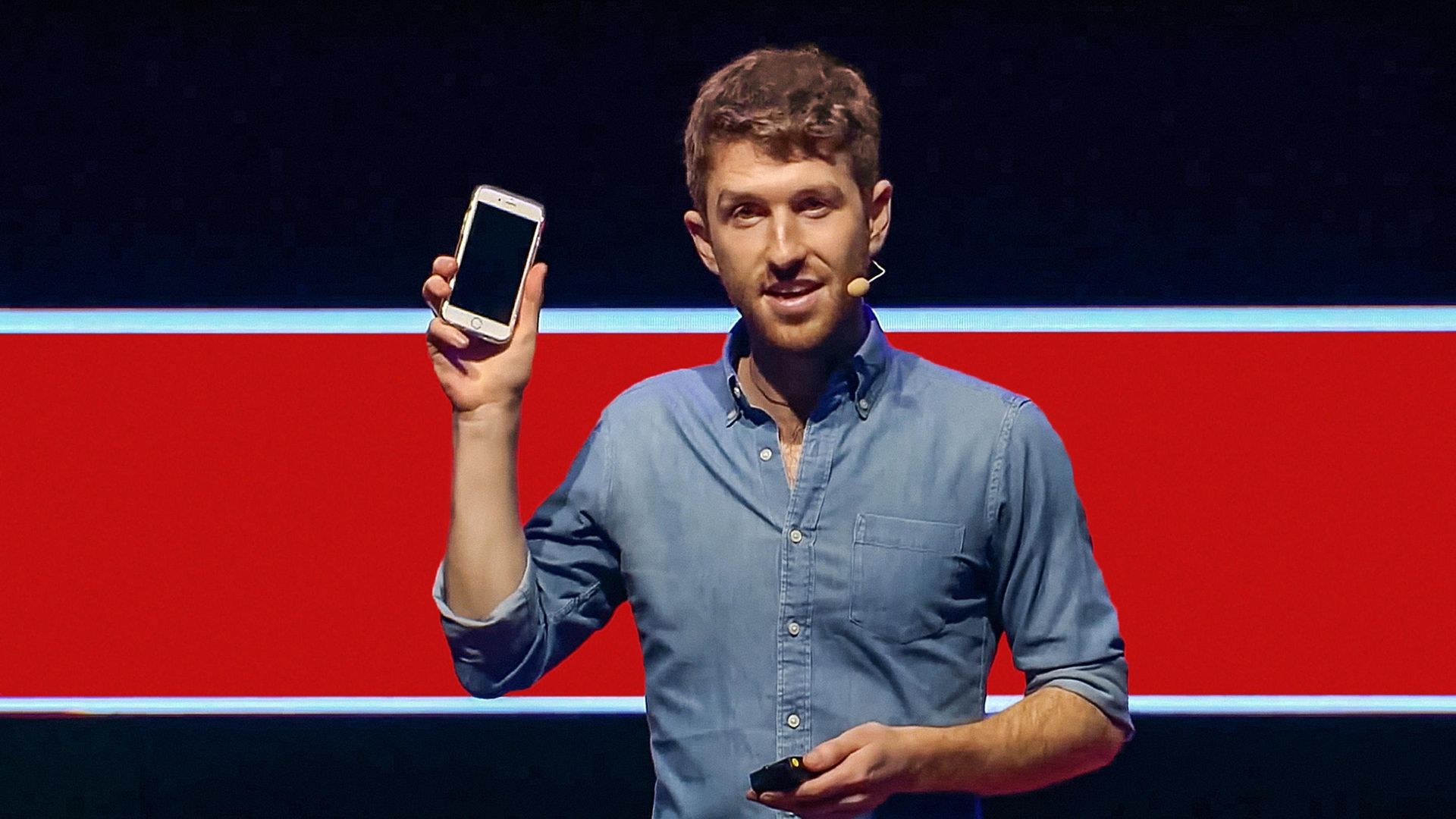
The seeming disjointedness of the Facebook hearings reflects just how much of our society Facebook now impacts, according to noted critic Tristan Harris.
Why it matters: "It actually speaks to the unprecedented level of power Facebook has," Harris told Axios on the sidelines of the TED conference in Vancouver on Tuesday.
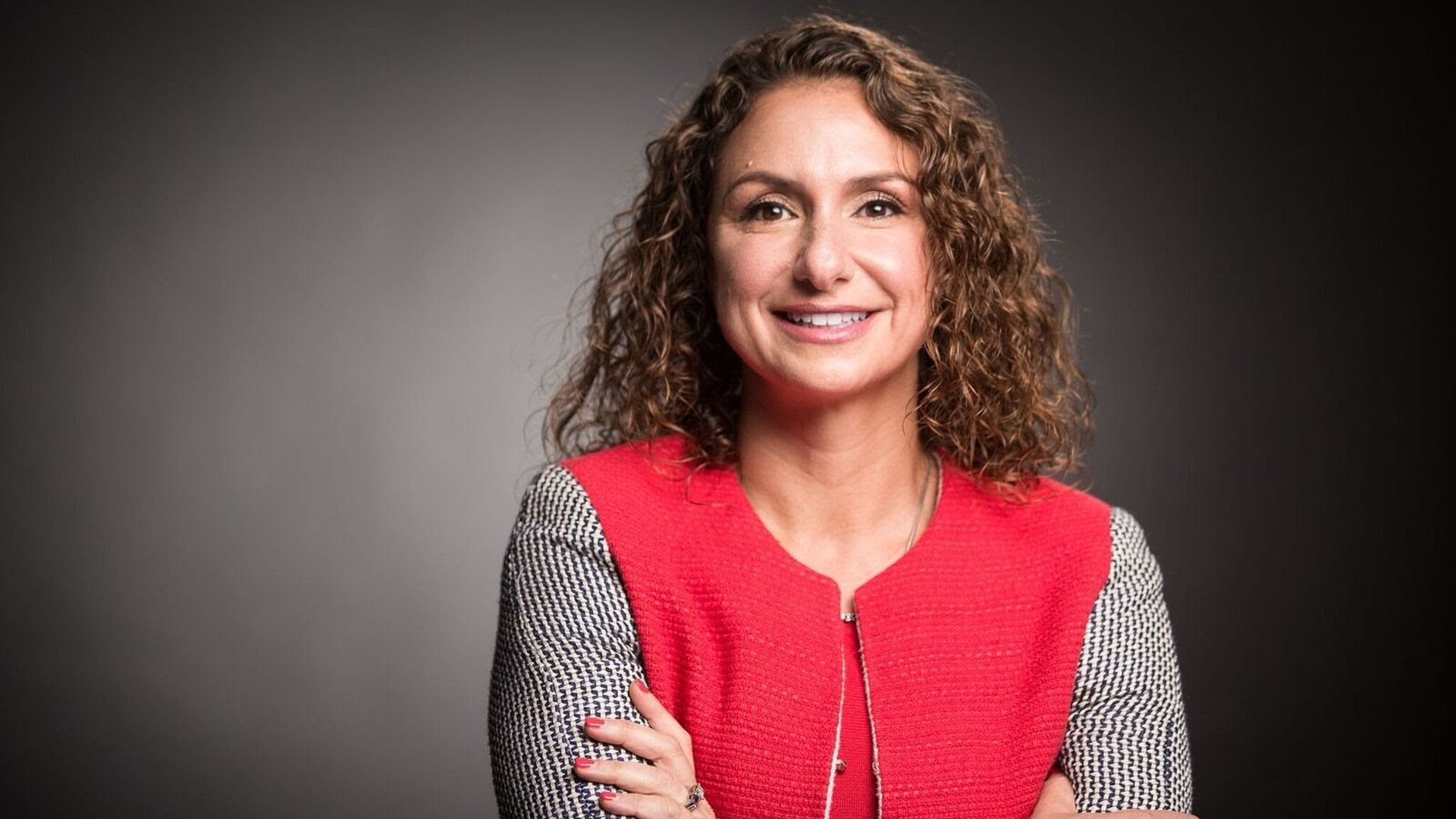
Google-owned AI company DeepMind has hired former Intel and Coursera executive Lila Ibrahim as its first chief operating officer.
Why it matters: There is not just one battle shaping up over AI, but many. It's not just about which country or company will lead, but also what ethical constraints will govern its development.
Mark Zuckerberg's Senate testimony included few revelations, and he often had to explain the mechanics of Facebook's platform in answering lawmakers' questions — so there was plenty of ground that Zuckerberg was able to avoid.
Our take: The majority of the 44 lawmakers questioning Zuckerberg in the joint Senate hearing were not well versed in the workings of Facebook or how data is shared between platforms, developers and advertisers. The questions generally focused on what Facebook was capable of doing, allowing Zuckerberg to stay in a safe zone of providing the basics.
Most young people ages 18-to-29 trust Google and Amazon more than Facebook and 71% of young people don't trust Facebook to do the right thing, per a new Harvard Institute of Politics poll.
Why it matters: Facebook is currently under fire because of the Cambridge Analytica data breach, but this study was done before that news broke. Young people's trust in the company could be even less prevalent now and that doesn't bode well for its future.
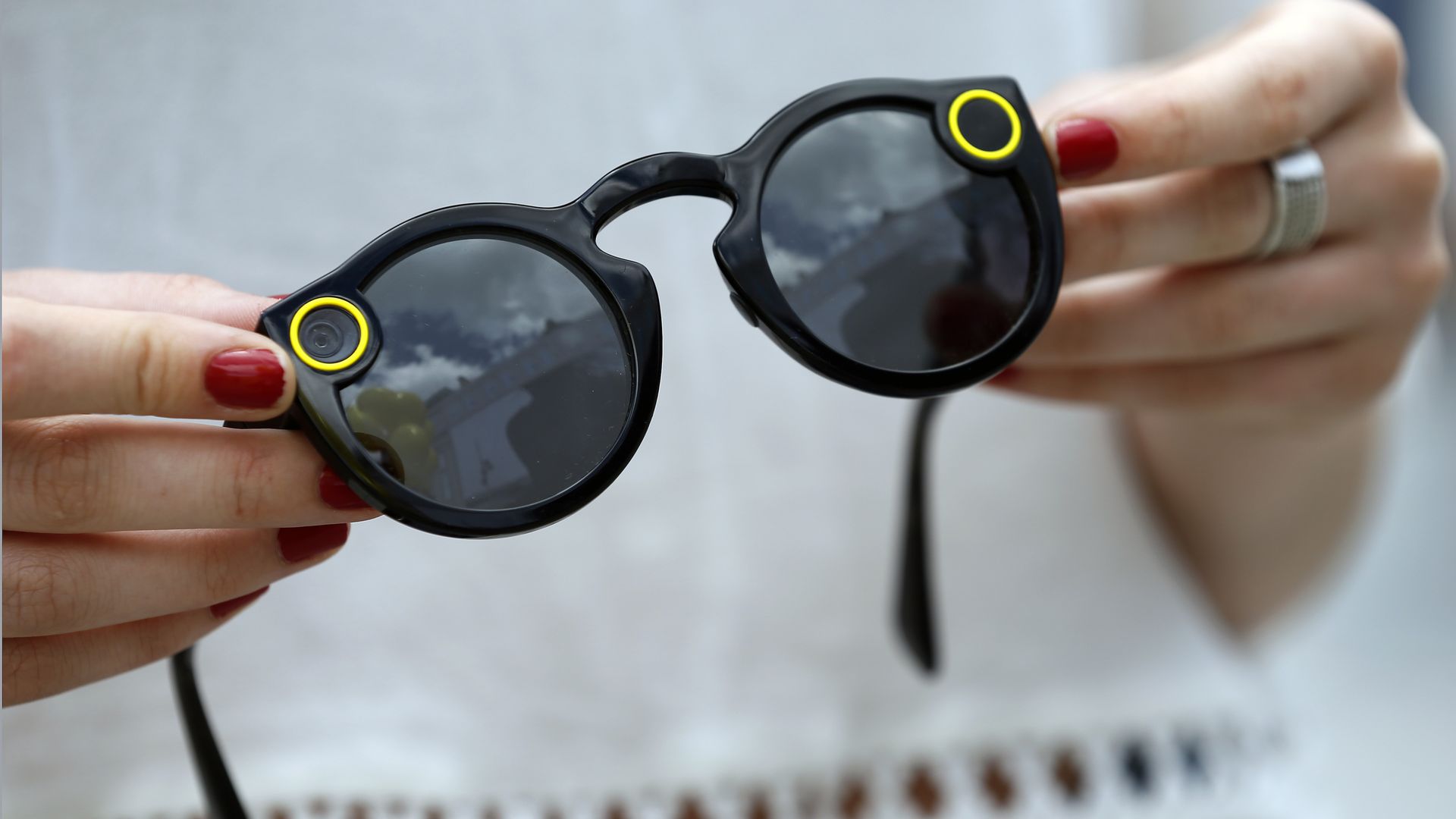
Snapchat's parent company may be gearing up to release a new version of its connected eyewear, Spectacles, according to a newly published FCC document first spotted by Variety.
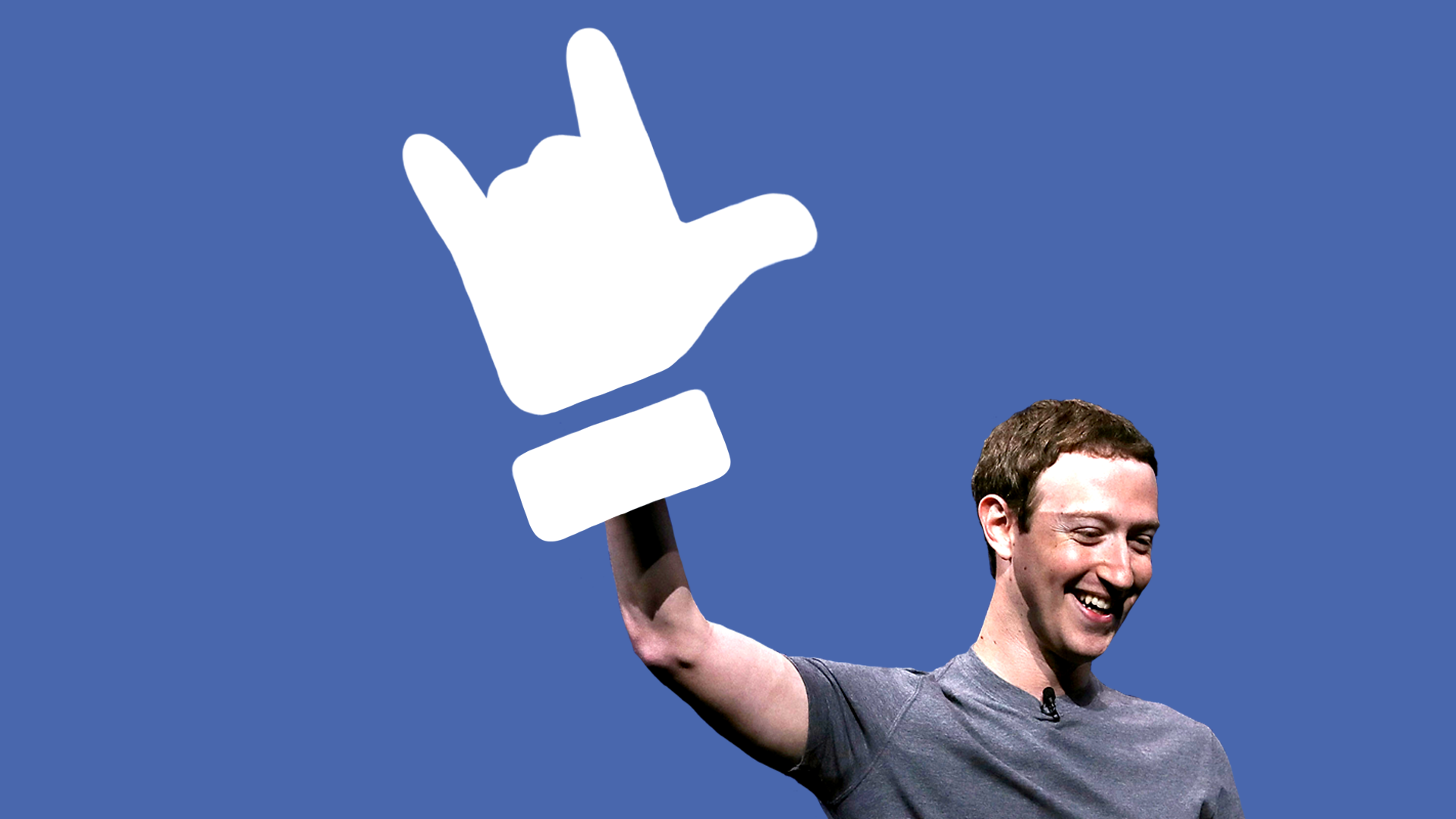
Mark Zuckerberg on Tuesday morphed from a shy tech nerd into a confident business executive who ran circles around lawmakers.
Why it matters: Zuckerberg's performance stoked investor confidence and made it less likely that this Congress will stringently regulate tech giants like Facebook.
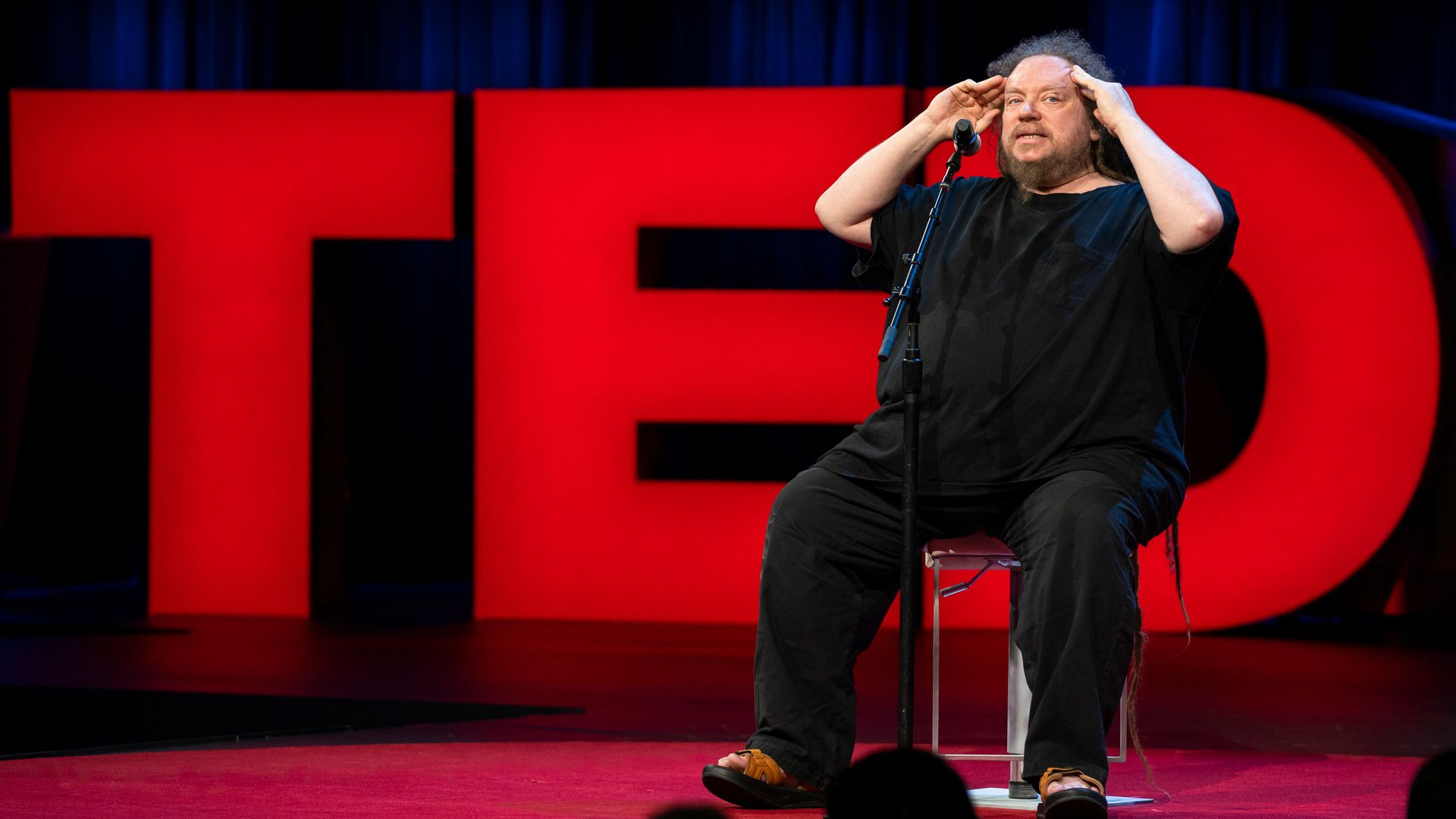
Technology pioneer Jaron Lanier delivered a blistering indictment of the ad-supported Internet model on Tuesday, calling for a paid model to support Facebook and Google.
Why it matters: Lanier's talk comes just as Facebook CEO Mark Zuckerberg is testifying before Congress.