Zuckerberg's own Facebook holdings increased in value by around $2.8 billion.
Thought bubble: Wall Street viewed Zuckerberg as a competent leader, and Congress as unlikely to impose strict regulation. It also might have been excited by the revenue possibilities of a possible paid product for users who desire stronger privacy protections.
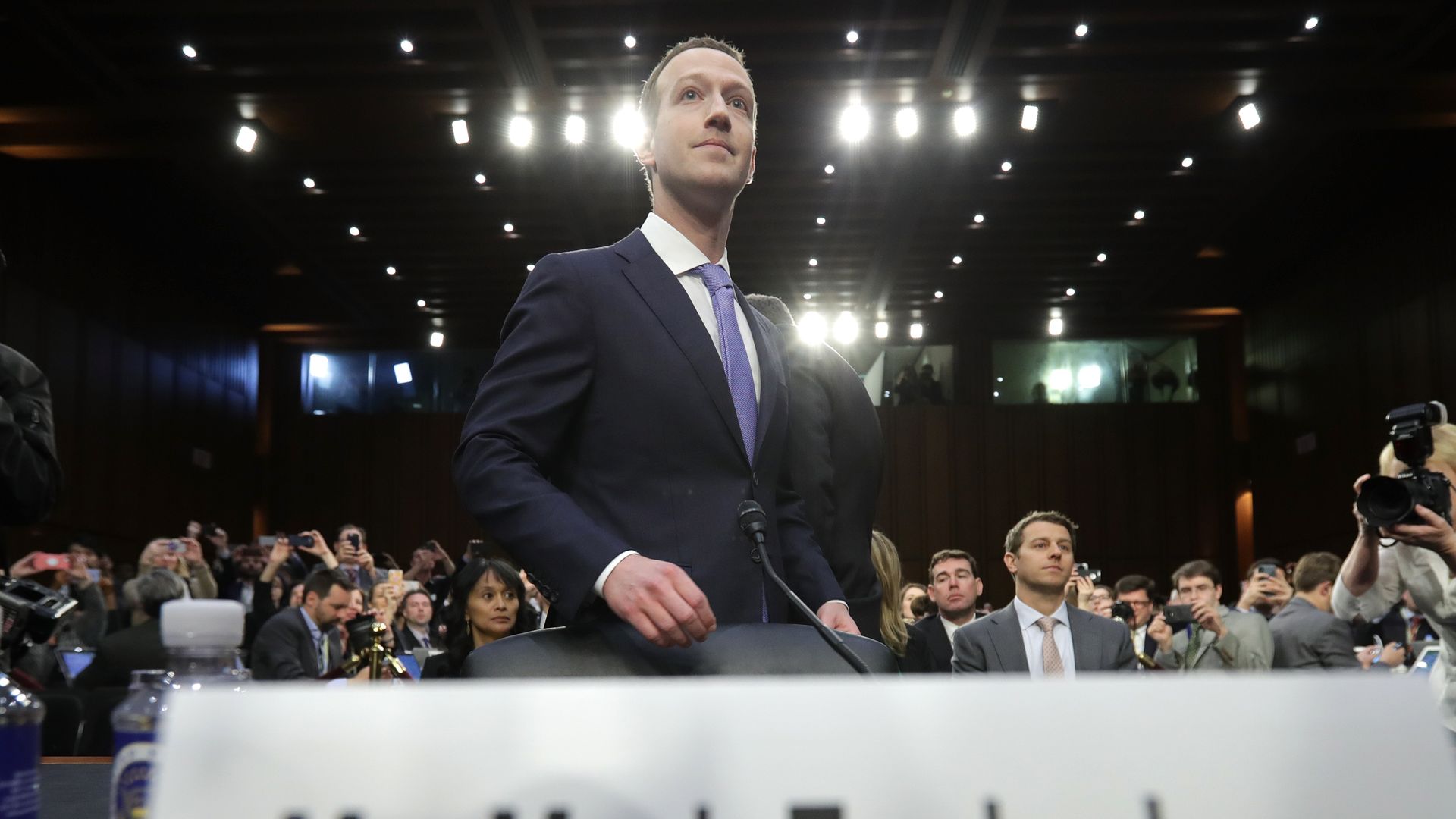
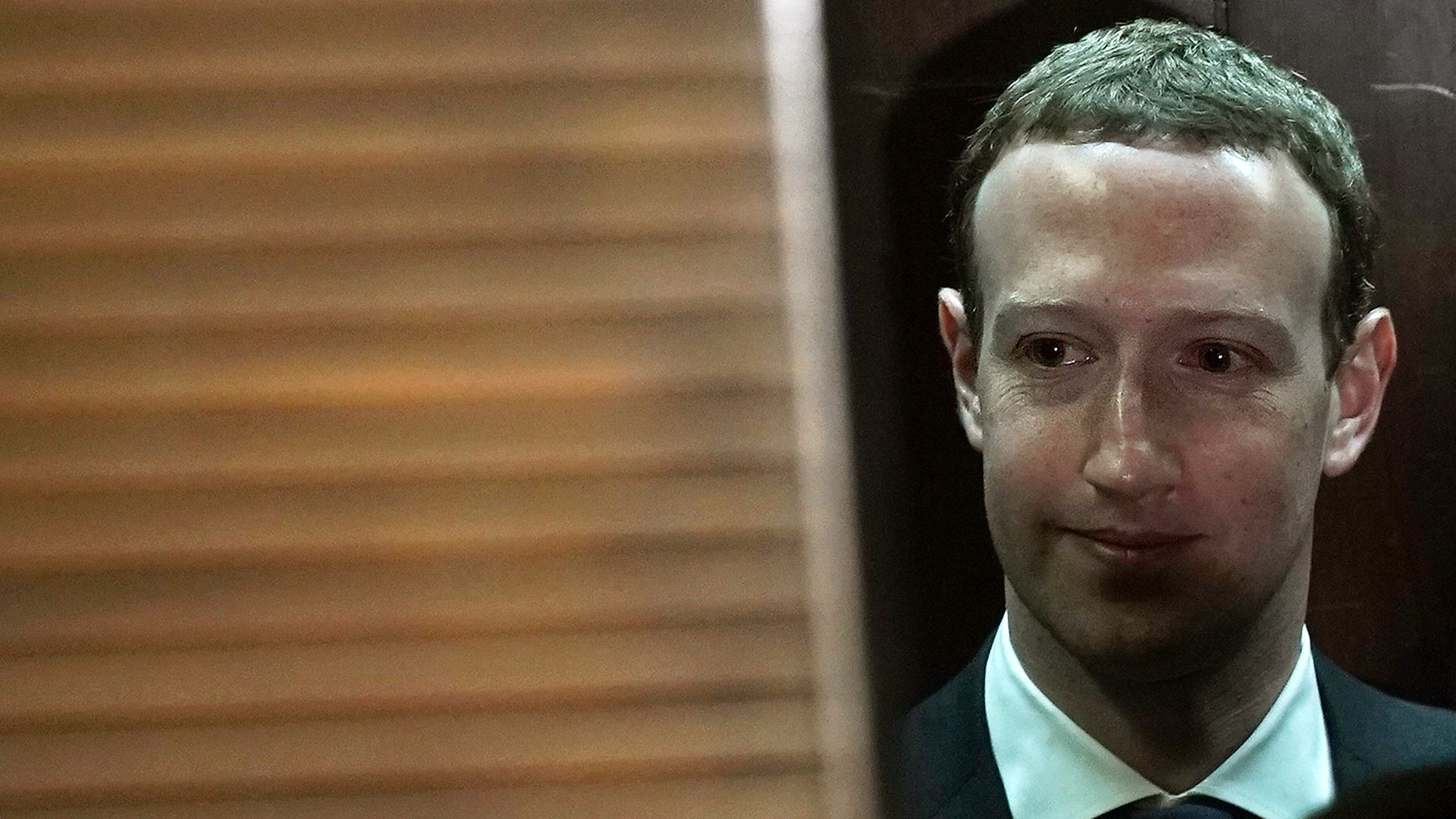
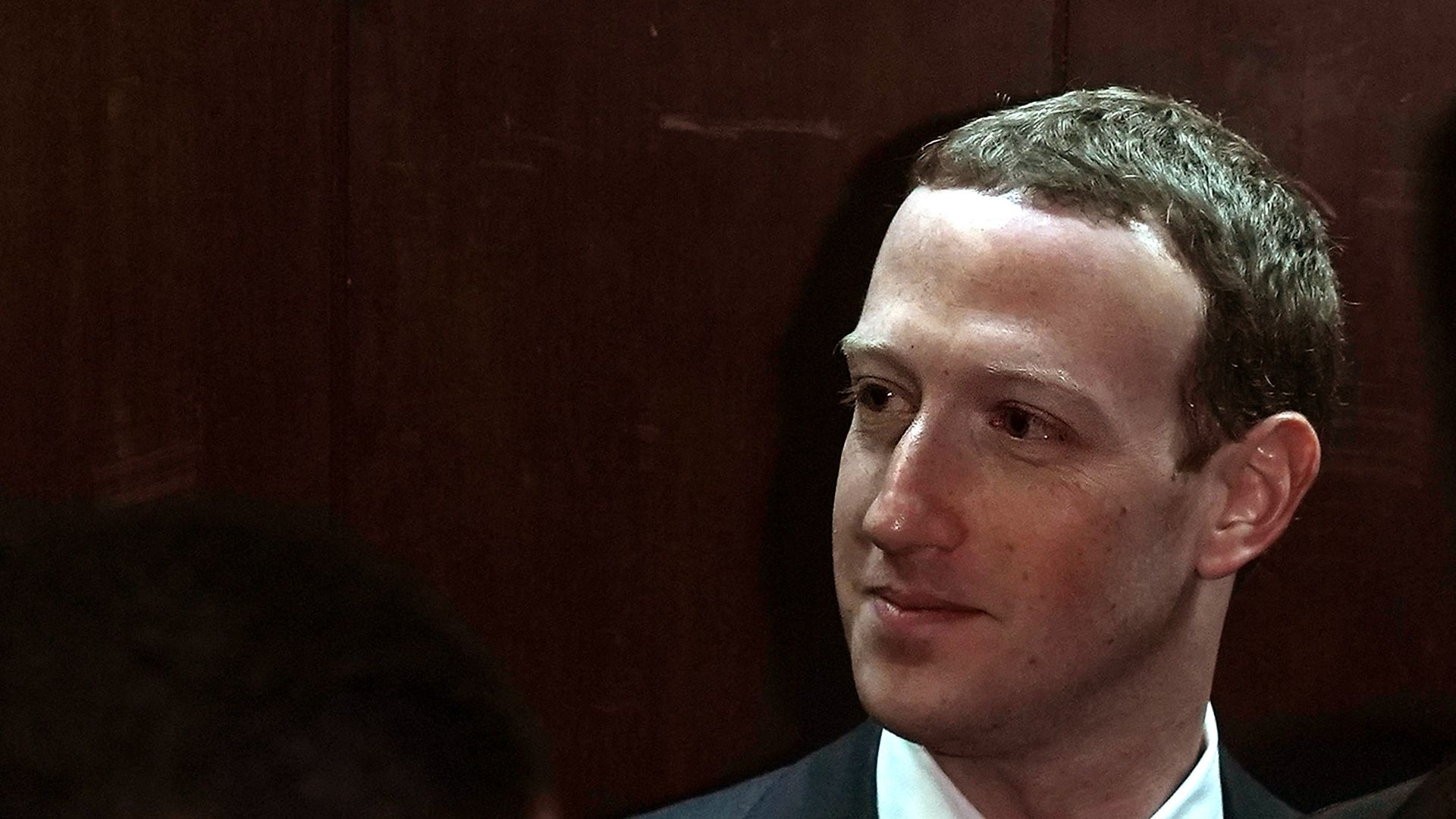
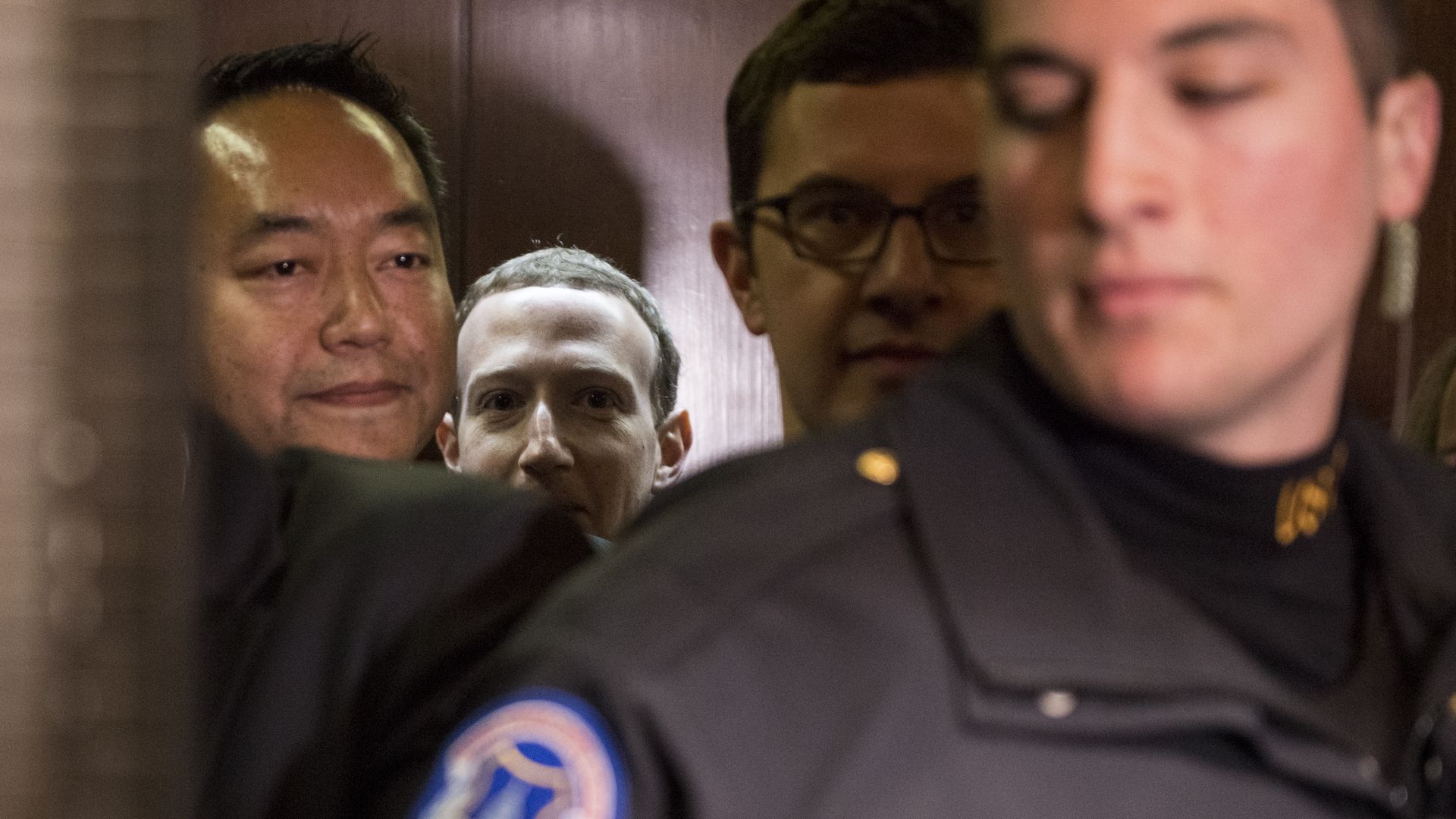
Mark Zuckerberg apologized to lawmakers Tuesday for Facebook's failures in handling user data, but he didn’t waver in defending the company’s business model or its value to society.
Why it matters: Revelations that data firm Cambridge Analytica inappropriately accessed the data of 87 million Facebook users has turned into an all-out crisis for Zuckerberg, who is having to defend his company like never before in Washington. He said Facebook is going through a "broader philosophical shift in how we approach our responsibility as a company."
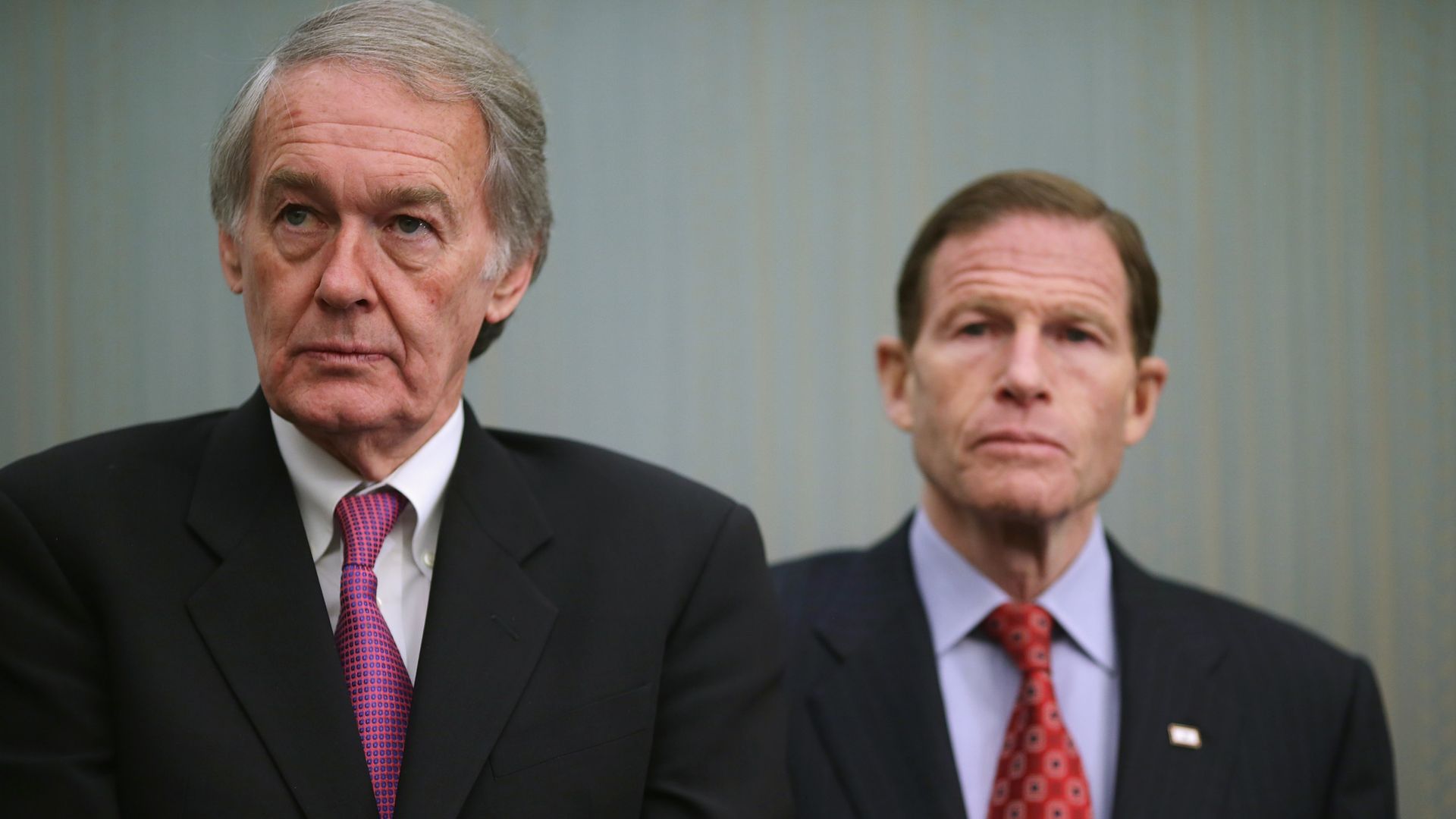
Senate Democrats Edward Markey and Richard Blumenthal introduced "privacy bill of rights" legislation today shortly before Facebook CEO Mark Zuckerberg was scheduled to testify in a Senate hearing about the Cambridge Analytica data scandal.
Why it matters: It's the first concrete piece of legislation to come from the Facebook controversy, and the first recent attempt to apply privacy to web companies like Facebook and Google. The bill would direct the FTC to require companies to get consumers' opt-in consent before using, sharing or selling their personal information.
Twitter said Monday it is backing a bill to require more disclosures around online political ads, after facing pressure following Facebook's endorsement.
The bigger picture: The endorsements show the web companies still dealing with the fallout of manipulation of their platforms during the 2016 elections are becoming increasingly willing to work with policymakers on new rules.
The bill hasn't gained much momentum since being introduced last fall, so it's unlikely to pass anytime soon.
Google has not yet endorsed the bill, despite pressure from Sens. Mark Warner and Amy Klobuchar.
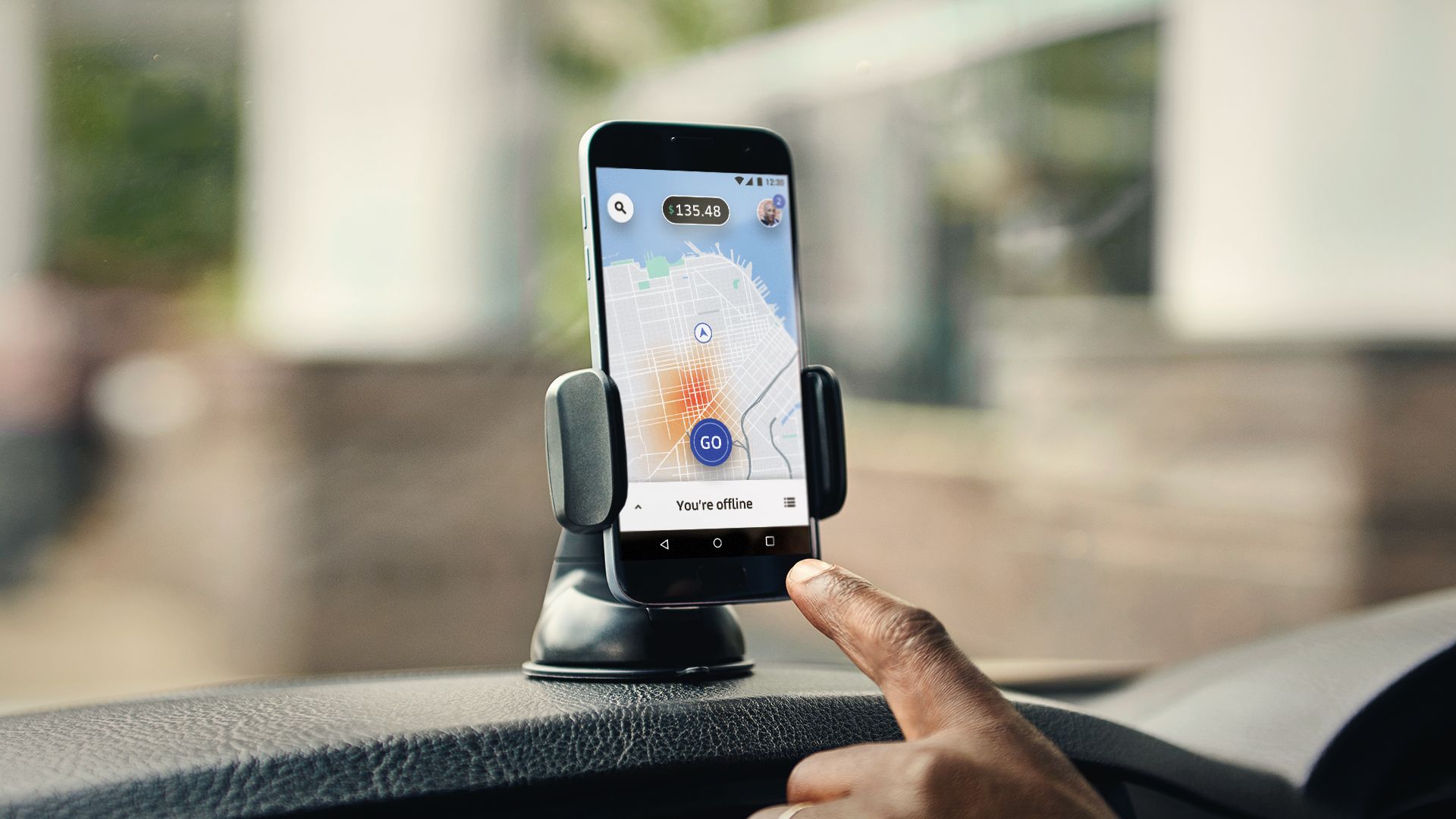
As Uber continues its quest to clean up its “bad boy” image, the company is beginning to roll out a completely redesigned mobile app for drivers.
But why? Earnings is by far the top area of complaints from ride-hailing drivers; just look at the headlines every time Uber or Lyft have cut fares. Uber says a new app is directly related to earnings as it's how drivers do their work. “At the end of the day, drivers just want an app that’s reliable and just works,” Uber product manager Yuhki Yamashita told Axios.
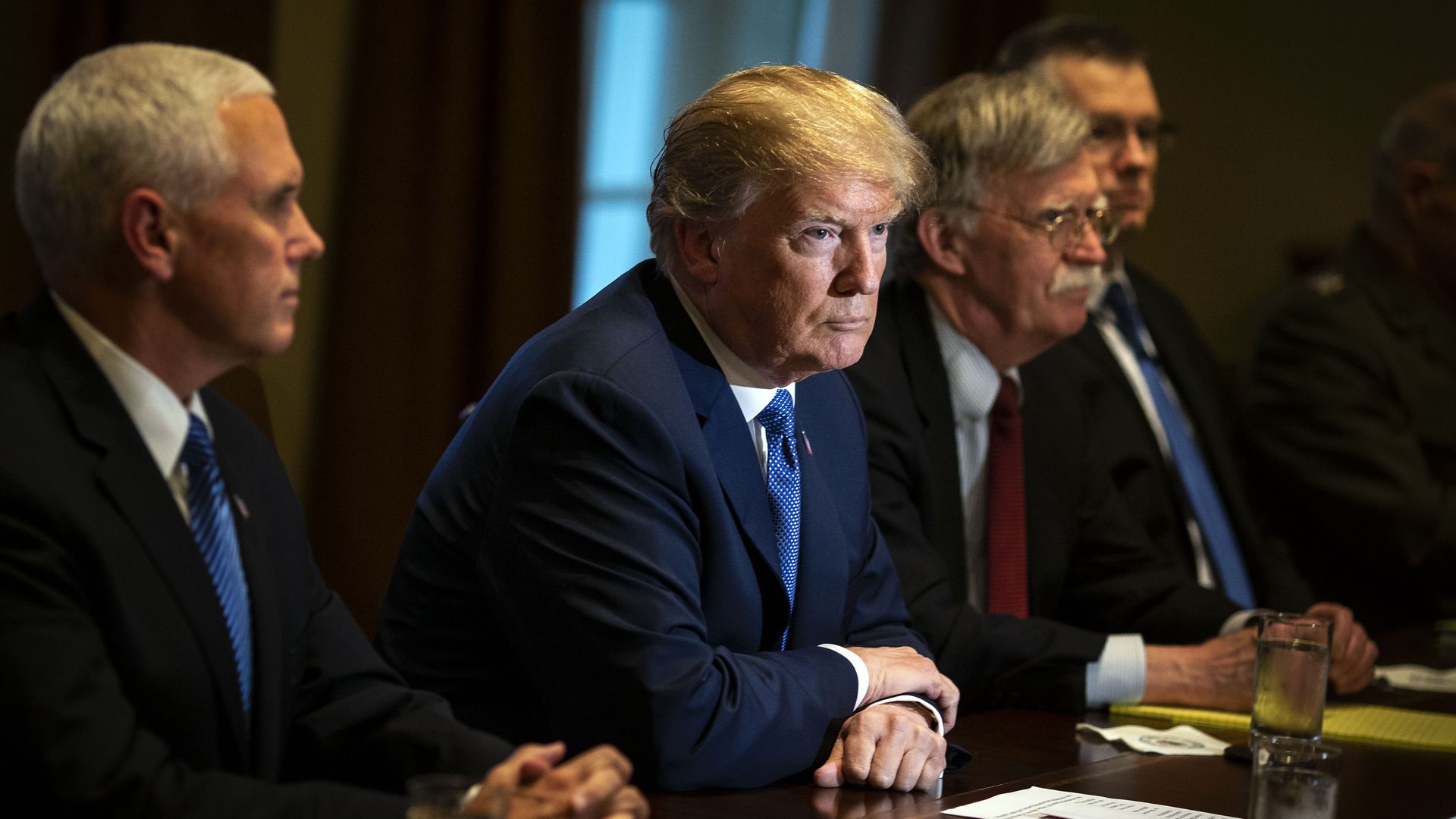
Since the alleged chemical attack in Douma, Syria, on April 7, President Donald Trump has reiterated that he will not tolerate the use of chemical weapons.
The international response to these latest attacks will likely influence how Syrian President Bashar al-Assad eliminates remaining rebel strongholds in Syria. The regime would likely take a non-military response as license to end the civil war through any means necessary. In this regard, Trump was correct when he told Cabinet members that the issue “is about humanity.”
The big picture: The U.S. reputation is also at stake. When the president says there will be a “big price to pay” for the chemical attack, he must be true to his word — or risk acquiring a reputation for strong rhetoric followed by inaction.
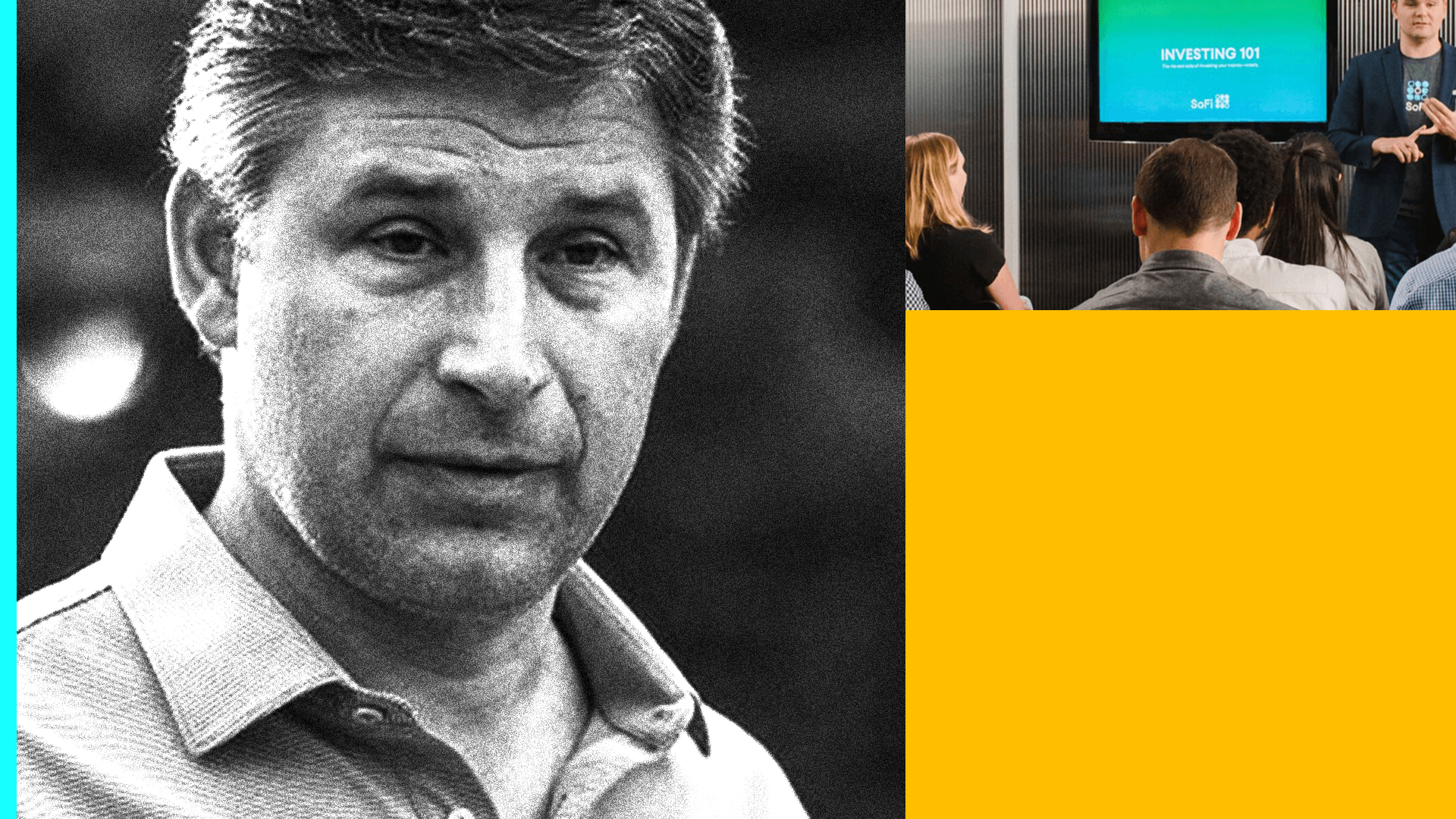
Former Twitter chief operating officer Anthony Noto just finished his first month on the job as CEO of SoFi, the "unicorn" financial services company whose former CEO was booted late last year after allegations of sexual misconduct.
Axios spoke to Noto about the new job, growth plans, recruitment and that long-rumored IPO. The quick read:
He had always wanted to be a CEO, and felt he had accomplished what he set out to do at Twitter.
He believes SoFi is a cultural reclamation project, but that the core business is strong.
SoFi wants to launch a membership-type credit card.
The firm has no plans to either IPO or fundraise in 2018.
Two mega-stories in media are hitting Washington at the same time, and Republicans are split on how to manage them.
Why it matters: At the heart of the tension is whether government should regulate tech companies (like Facebook) or deregulate legacy media companies (like Sinclair Broadcast Group) to allow them to compete with tech. Passing meaningful legislation to regulate industry usually takes consensus, and a split Republican Party would make consensus difficult.
For a decade-plus, Washington worshiped the power of the tech giants because they were cool and had coin.
A new day: When Facebook CEO Mark Zuckerberg is sworn in on Capitol Hill today around 2:15 p.m., it'll mark the official start of a new era that will be defined by skepticism, regulation and constant collision.
The top European Union court ruled on Tuesday that France will be able to bring criminal charges against local Uber managers for operating illegally, according to Reuters.
How it happened: Although Uber tried to argue that France should have notified the EU of new laws rendering its UberPop service illegal, a recent ruling classified the company as a transportation service rather than a digital one. The latter category is protected by EU law from certain restrictions by individual countries, and requires them to notify the commission of any new regulations.
Facebook's privacy scandals may be creating a stronger market for privacy-oriented sites and services, which are seeing a slow increase in use in the wake of the latest revelations.
The big picture: So far, it's a stream, not a flood. But it's a useful proxy for measuring possible defections from Facebook, since no one outside Facebook knows for sure whether significant numbers of people are abandoning the network.
Lawmakers who met with Facebook CEO Mark Zuckerberg on Monday said they found him “personable” and “forthright” but still expect to have plenty of questions for him when he testifies this week.
Why it matters: Tomorrow is a big test for Zuckerberg, who has never appeared before Congress, and for lawmakers, who have never engaged this publicly with the issues plaguing Facebook and other online platforms.