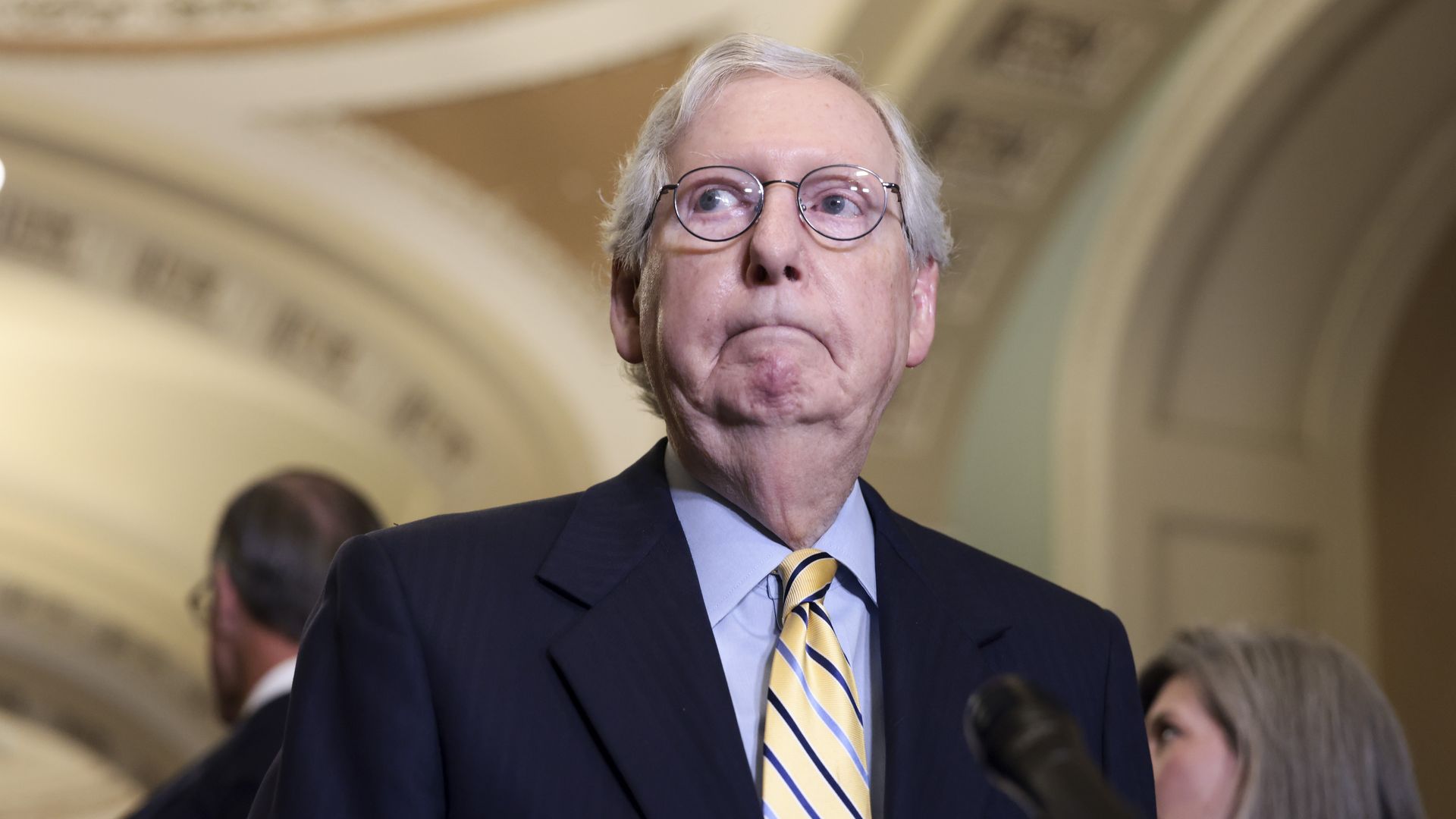
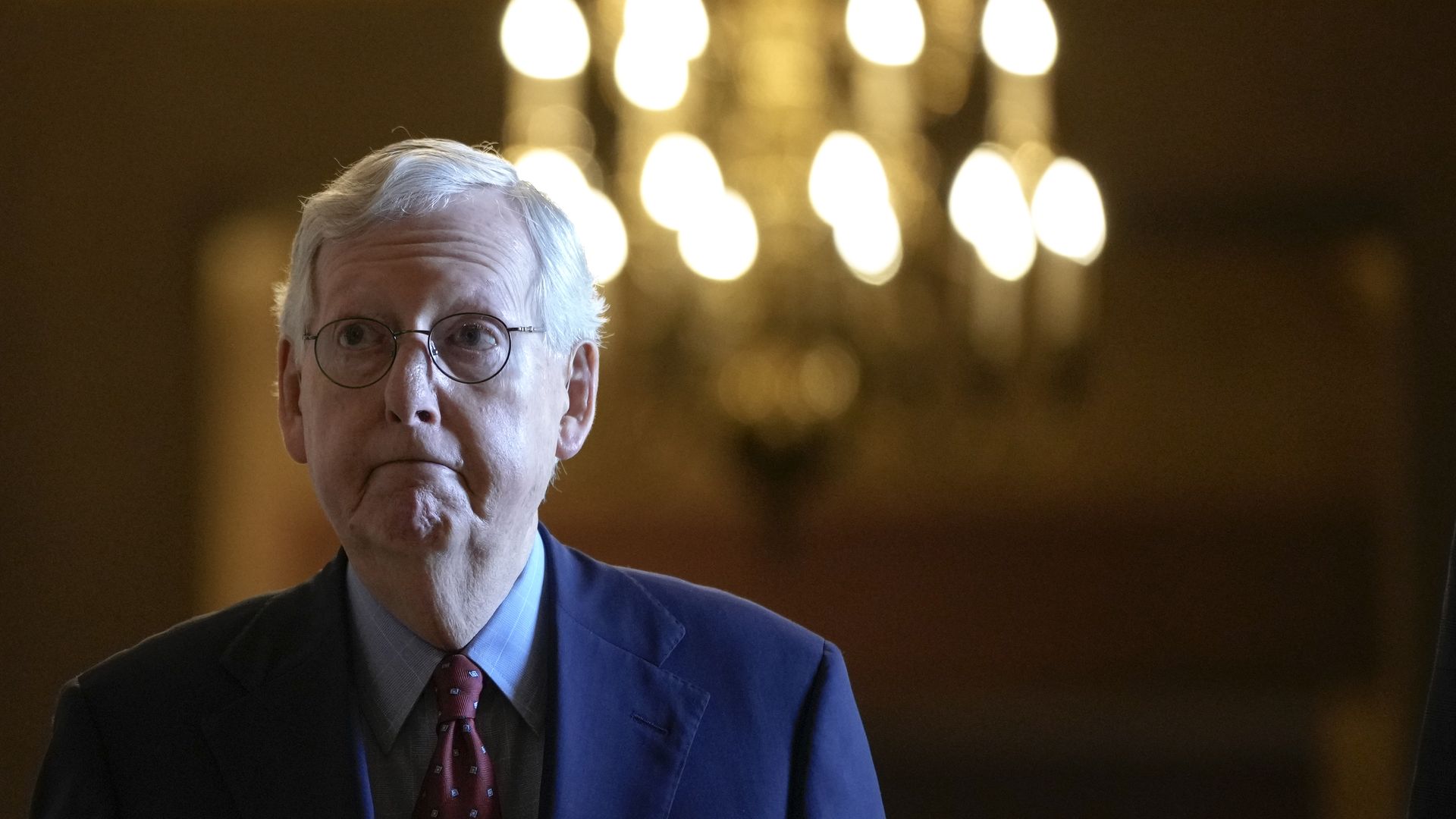
Senate Minority Leader Mitch McConnell (R-Ky.) announced Monday that he has received his COVID-19 vaccine booster shot, calling it an "easy decision."
What he's saying: "Mountains of evidence tell us these shots are safe and effective. I continue to encourage all Americans to speak with their doctors and get vaccinated," McConnell tweeted.
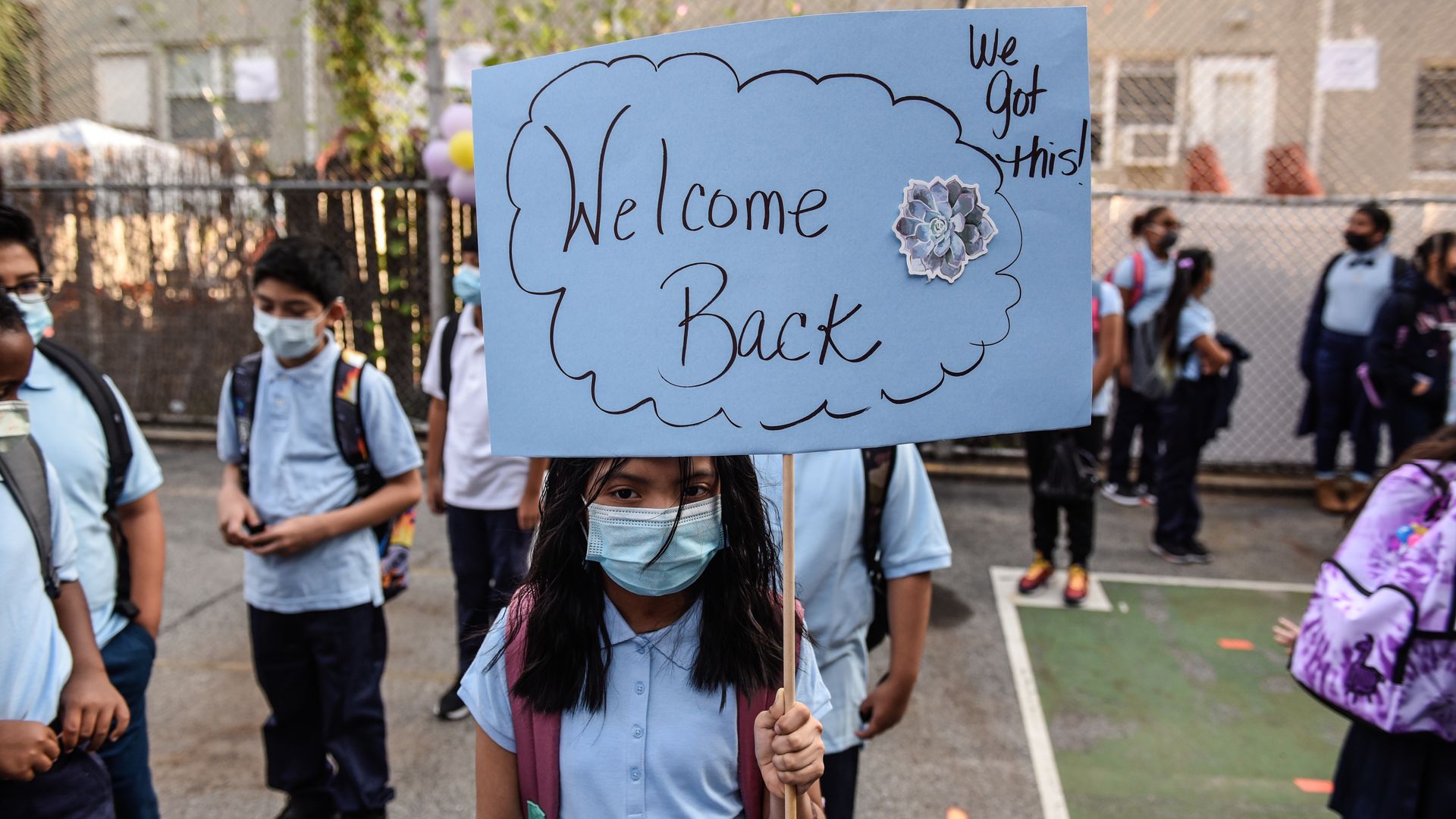
A federal appeals panel ruled Monday that New York City's vaccine mandate for adults working in public schools can proceed, reversing a temporary injunction that was issued Friday.
Why it matters: The ruling could clear an avenue for a broader mandate for all city employees, the New York Times notes.
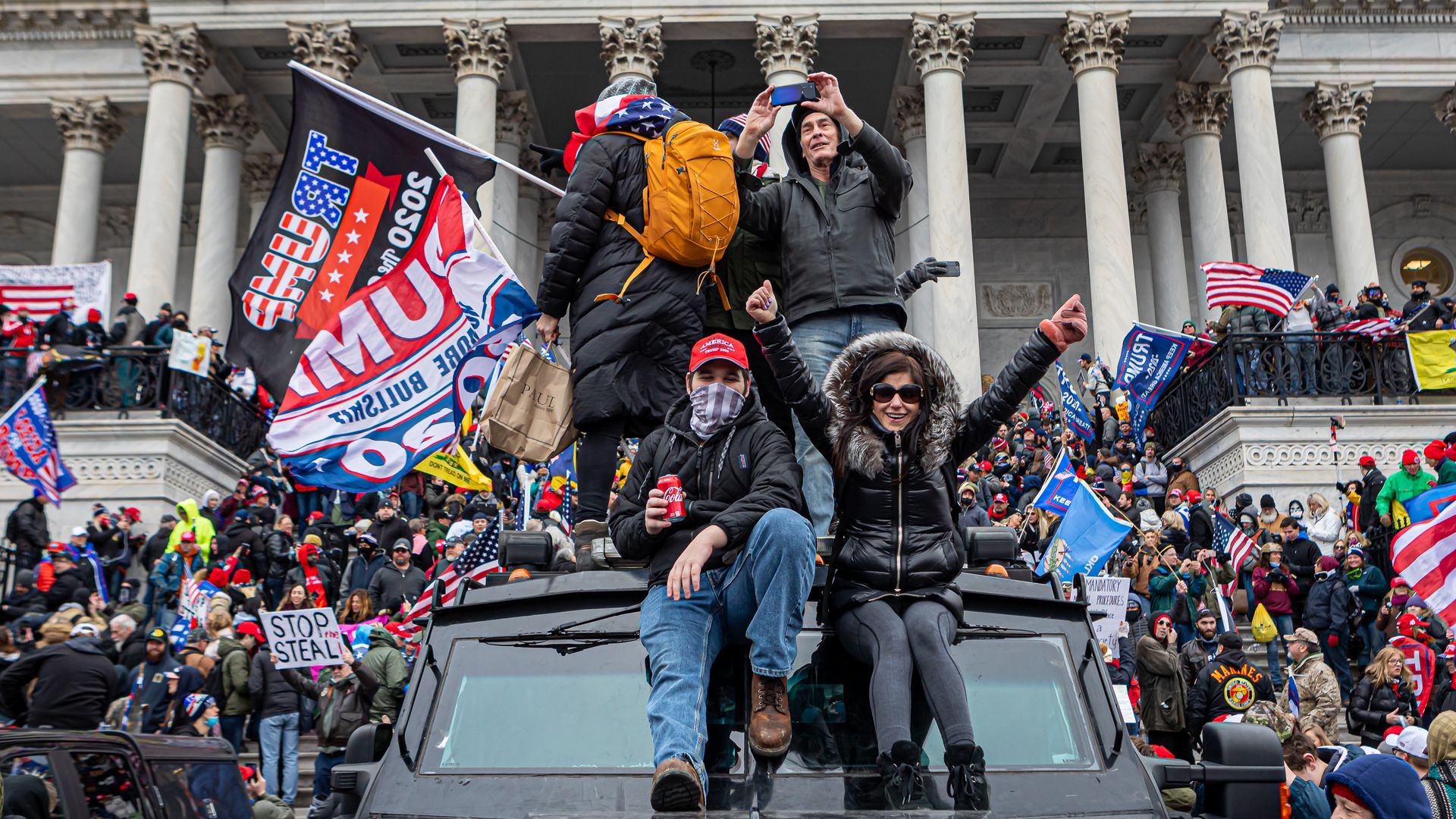
The chairman of the select committee investigating the Jan. 6 Capitol insurrection told reporters Monday the panel plans to issue a “good number” of subpoenas beyond the four already announced.
Why it matters: The comments by Rep. Bennie Thompson (D-Miss.) indicate the investigation is ramping up. Thompson also said the initial batch has gotten no response — indicating the headwinds facing the probe.
Senate Republicans on Monday voted down the House-passed bill to fund the government through Dec. 3 and raise the debt limit.
Why it matters: Congress is just 72 hours away from a potential shutdown, so now comes Democrats' Plan B. Democratic leadership is expected strip the short-term funding bill of language about raising the debt limit — the part that Republicans' reject — in order to pass a bill before federal agencies close down on Friday.
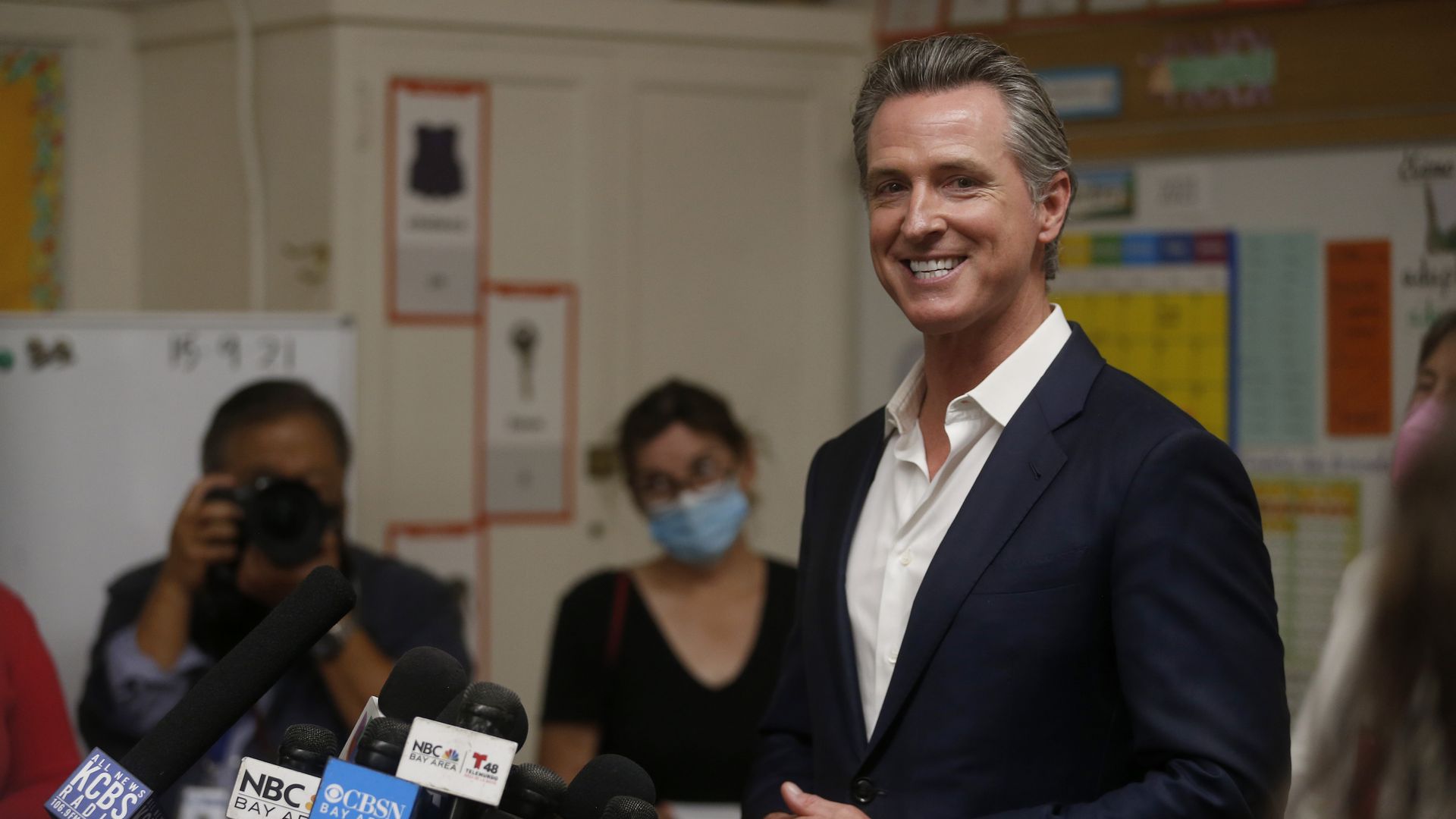
California Gov. Gavin Newsom signed legislation Monday making permanent a pandemic-era measure to mail ballots to all registered voters, the governor's office announced in a statement.
Why it matters: The move to make voting by mail permanent is intended to "increase access to democracy and enfranchise more voters," according to the statement.
Two former employees at a New York bank branch conspired with an accountant to fraudulently apply for over $3 million in COVID relief loans, prosecutors said in a case unsealed Friday.
Why it matters: It's believed to be the first COVID-related fraud case brought against bank employees who attempted to exploit federal pandemic loan programs, according to Reuters.
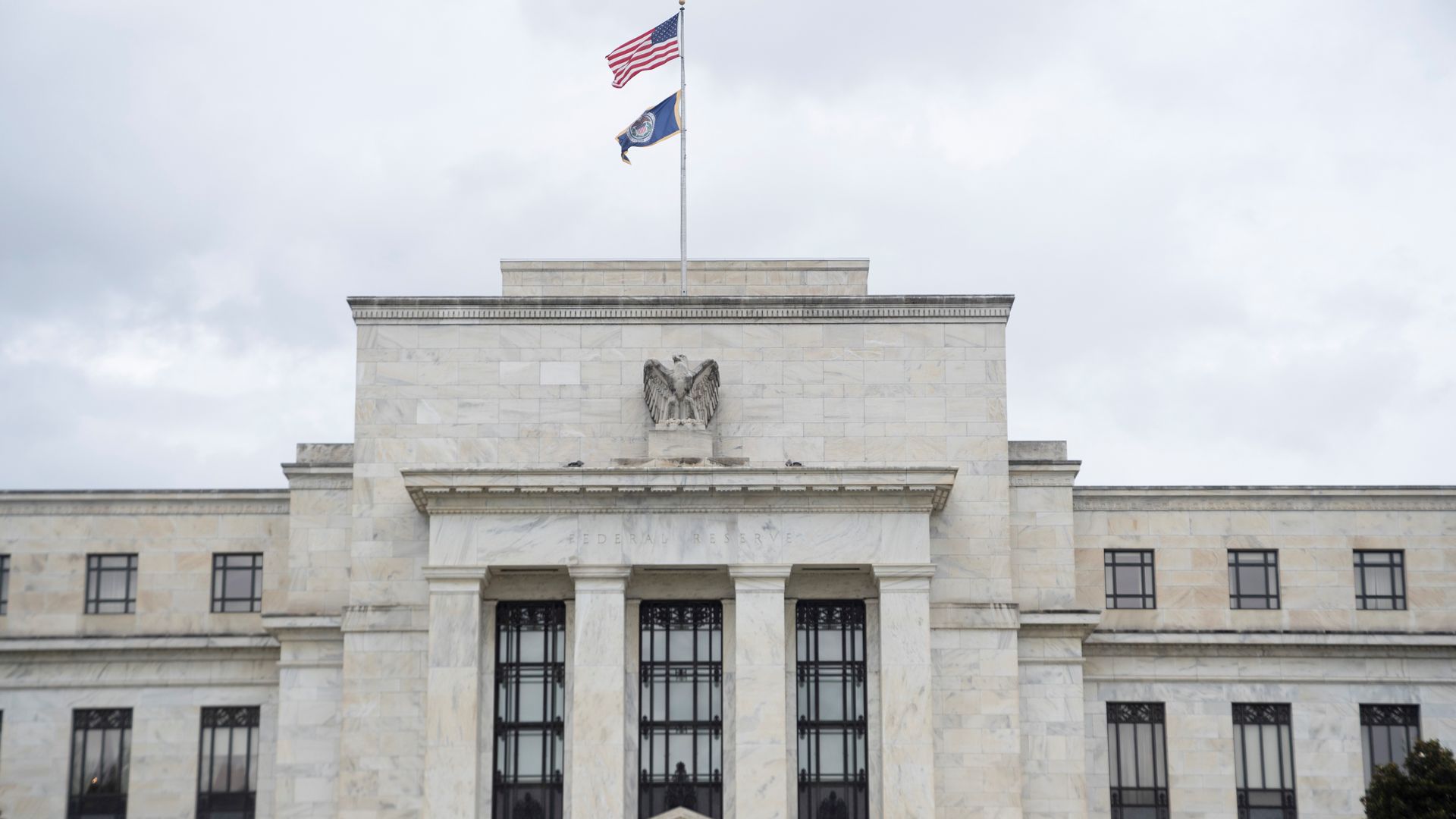
Why it matters: Boston Fed President Eric Rosengren and Dallas Fed President Robert Kaplan have been embroiled in controversy since it was disclosed that the two owned assets sensitive to the monetary policy they were helping shape in 2020.
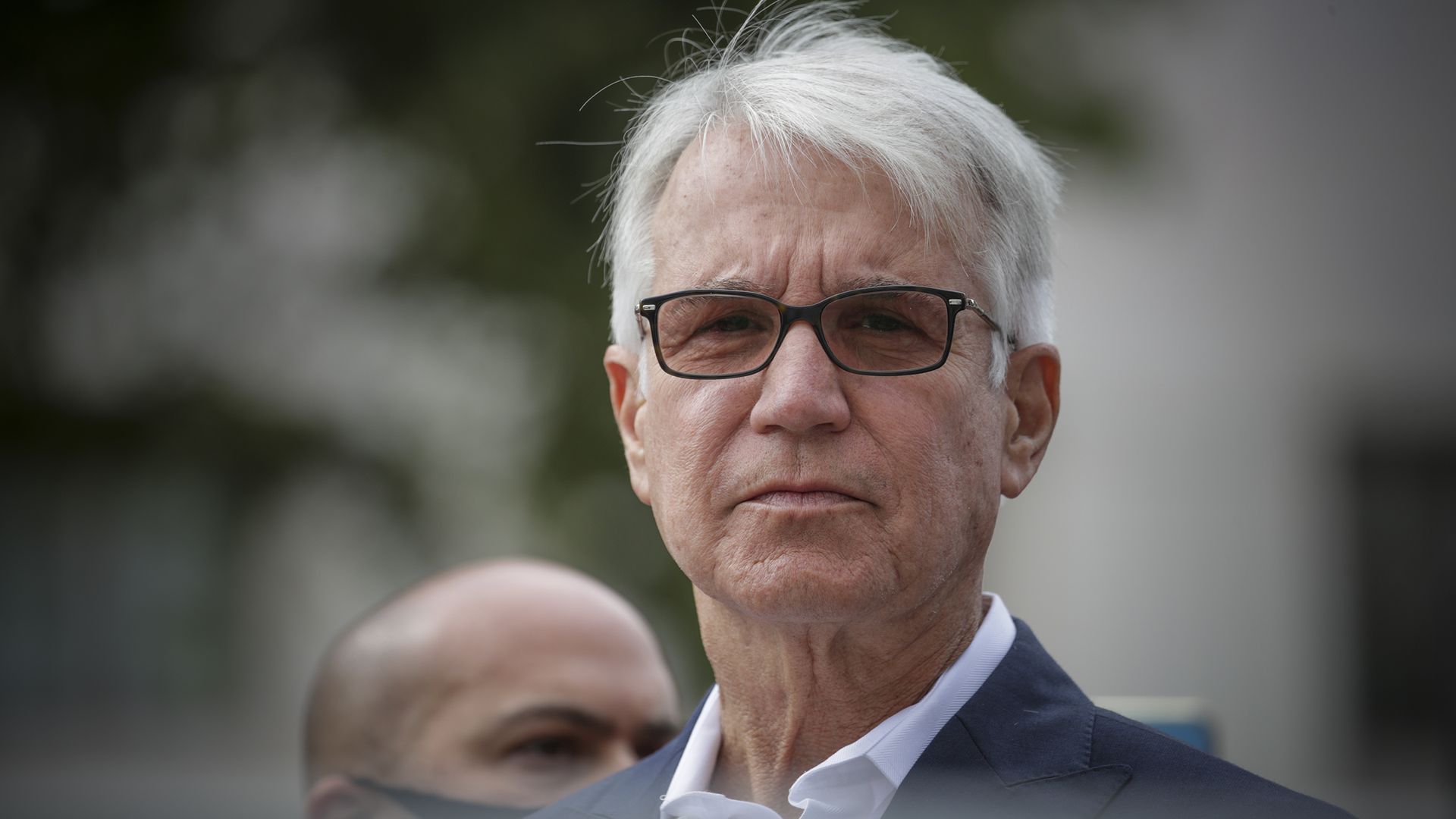
Los Angeles County is moving to dismiss nearly 60,000 marijuana convictions, an ongoing effort to reverse the "injustices of drug laws," District Attorney George Gascón announced Monday.
Why it matters: It comes more than four years after Californians voted to legalize the drug, and two years after state law tasked prosecutors to review the convictions.
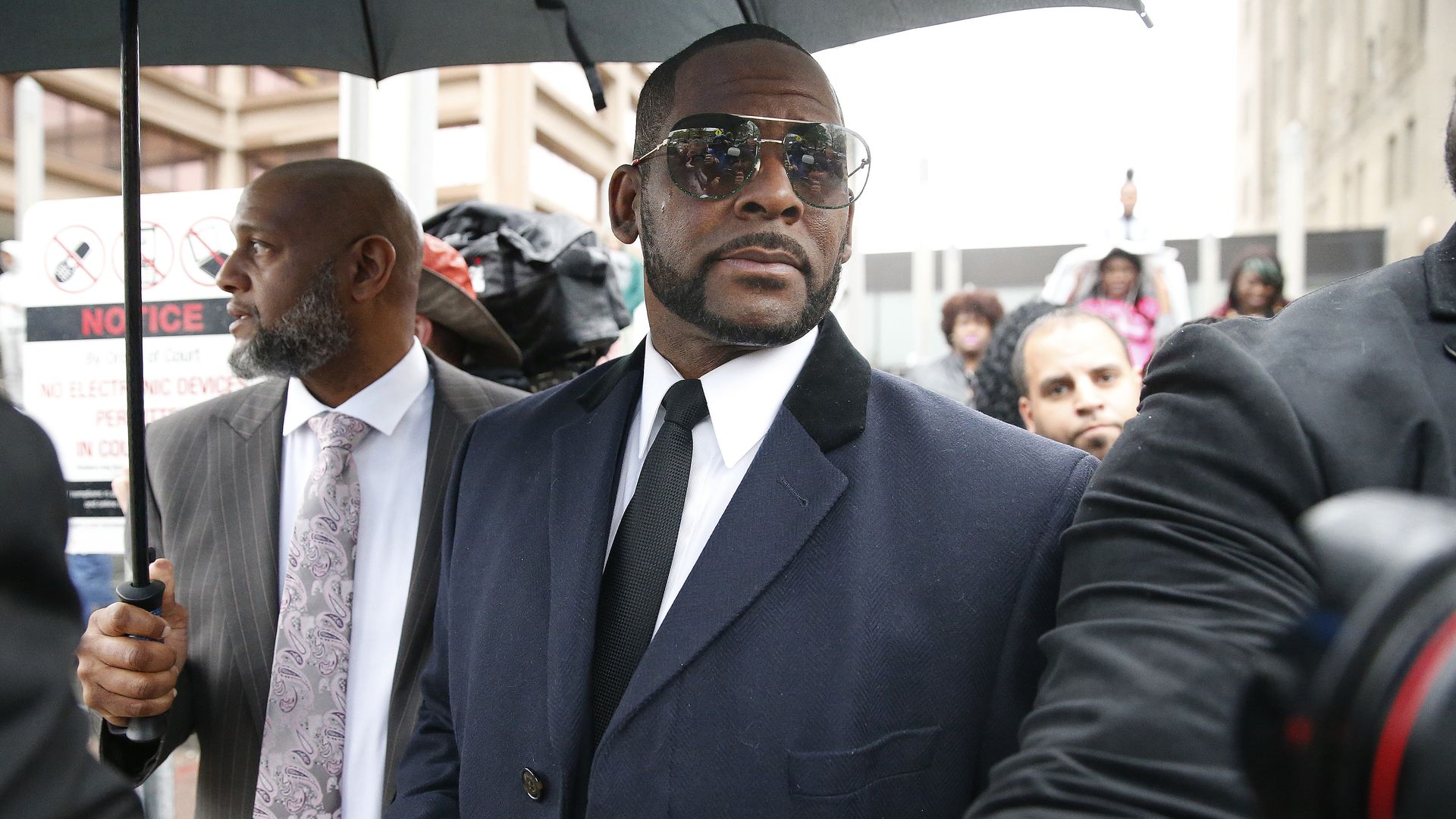
Singer R. Kelly on Monday was found guilty of racketeering and eight counts of violating an anti-sex trafficking law, the New York Times reports.
Why it matters: Sexual misconduct allegations have surrounded R. Kelly's career, including a child sexual abuse image case in 2008 in which he was acquitted. Multiple other victims have come forward to speak about the abuse in recent years.
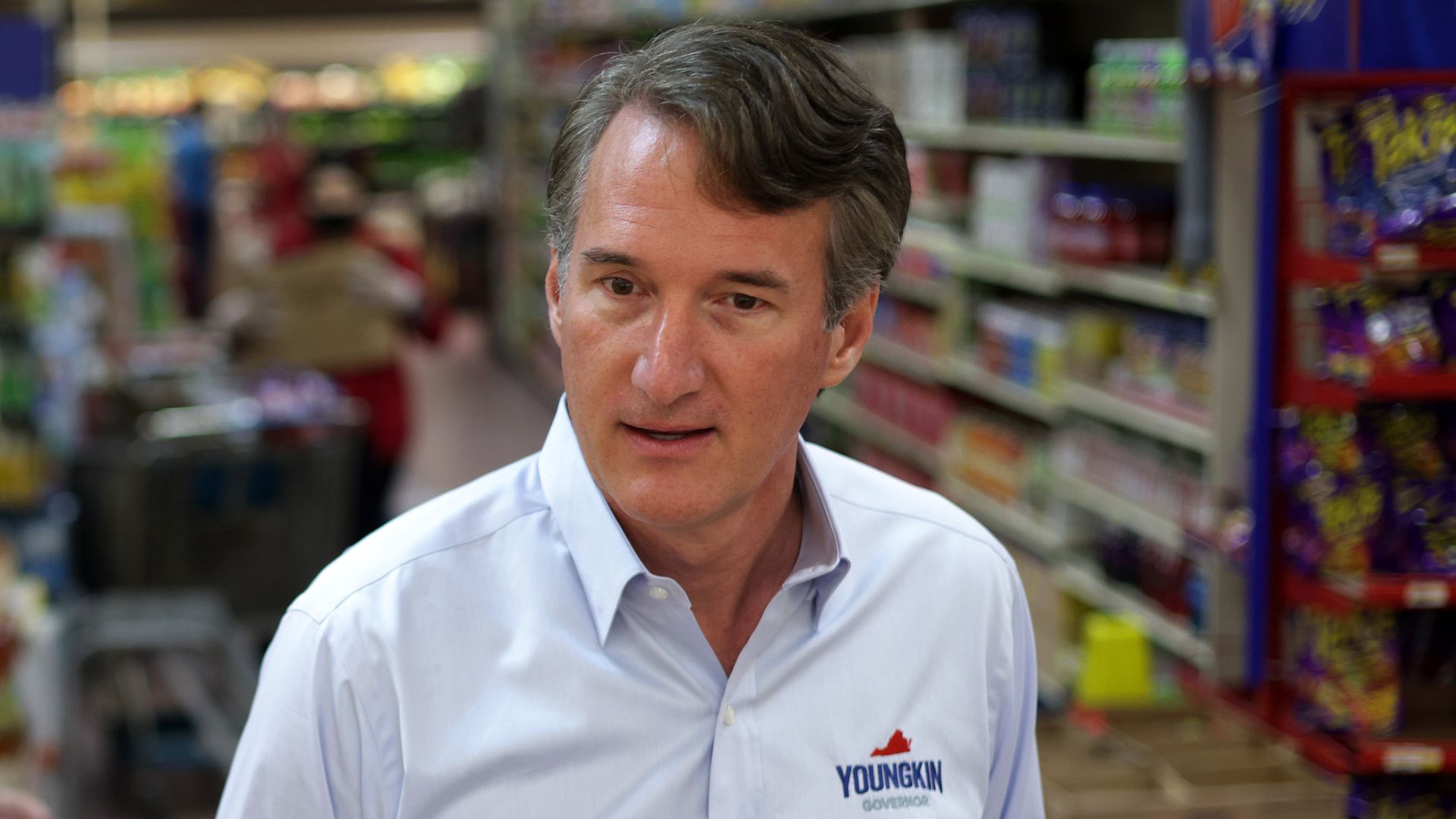
Virginia gubernatorial candidate Glenn Youngkin clarified Monday that he would have voted to certify the 2020 presidential election after Democrats pounced on his lack of a clear answer during an Axios interview.
Why it matters: Democratic candidate Terry McAuliffe has branded Youngkin a clone of former President Donald Trump, who has consistently challenged his election loss to Joe Biden. Youngkin told WTKR-TV on Monday, "Yeah, absolutely I would have" certified the results were he in Congress.
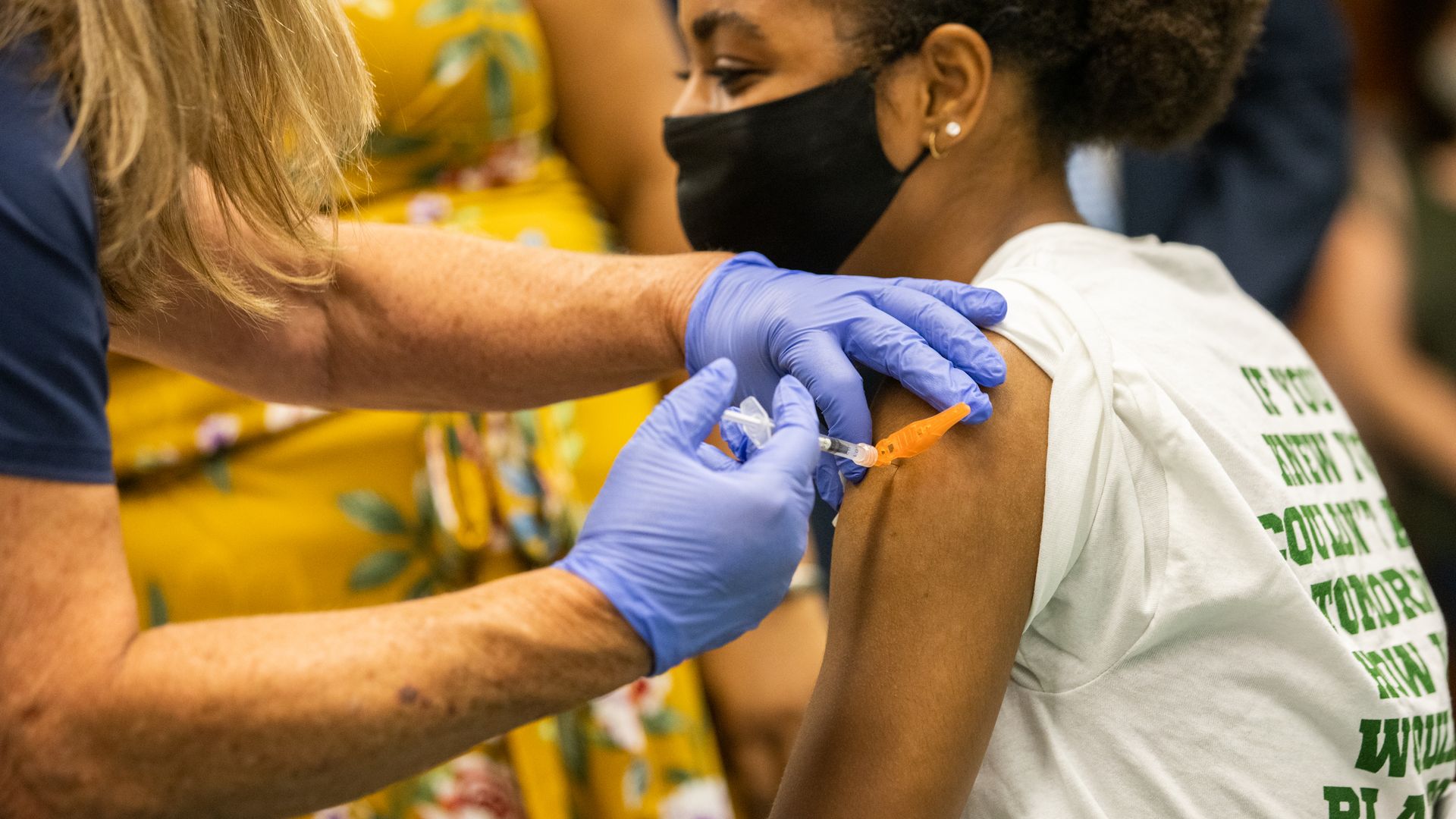
President Biden received a Pfizer-BioNTech coronavirus vaccine booster shot on live television on Monday, while also urging Americans to get vaccinated.
Driving the news: The Centers for Disease Control and Prevention last week recommended Pfizer booster shots for millions of people, including those 65 years and older and individuals at high-risk of severe COVID-19.
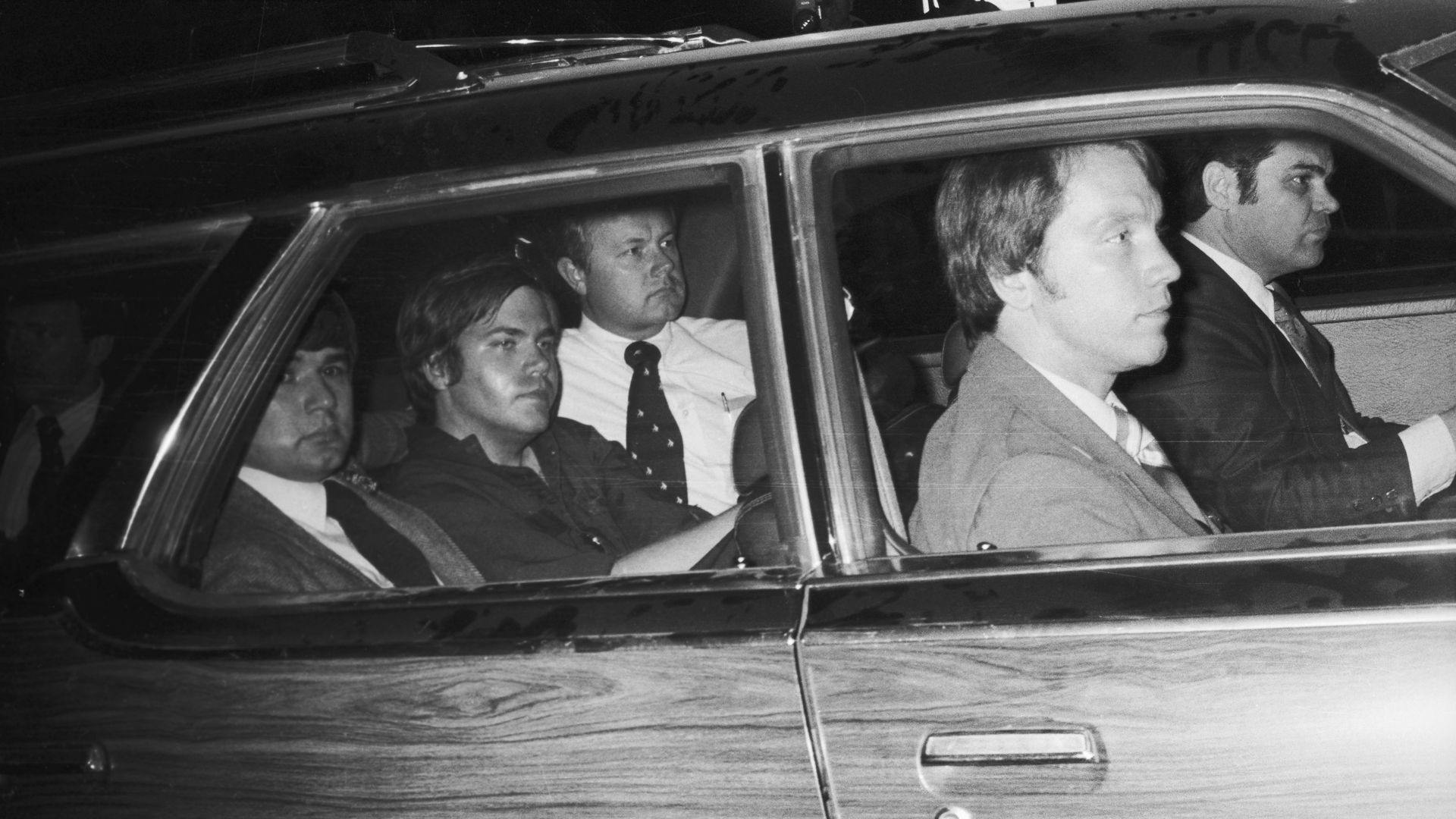
A federal judge on Monday approved the unconditional release of John Hinckley Jr., who tried to assassinate former President Reagan in 1981.
State of play: U.S. District Court Judge Paul L. Friedman in Washington ruled that Hinckley can be freed from all court supervision in 2022 if he remains mentally stable and continues to follow rules that were imposed on him after he was released from a Washington mental health facility in 2016 to live in Virginia, AP reports.
The estimated number of violent crimes in the United States rose for the first time in four years in 2020, according to statistics released by the FBI on Monday.
Why it matters: Legal experts told Axios' Russell Contreras that social-economic changes, like increases in unemployment, set off by the coronavirus pandemic likely contributed to the violent crime spike.
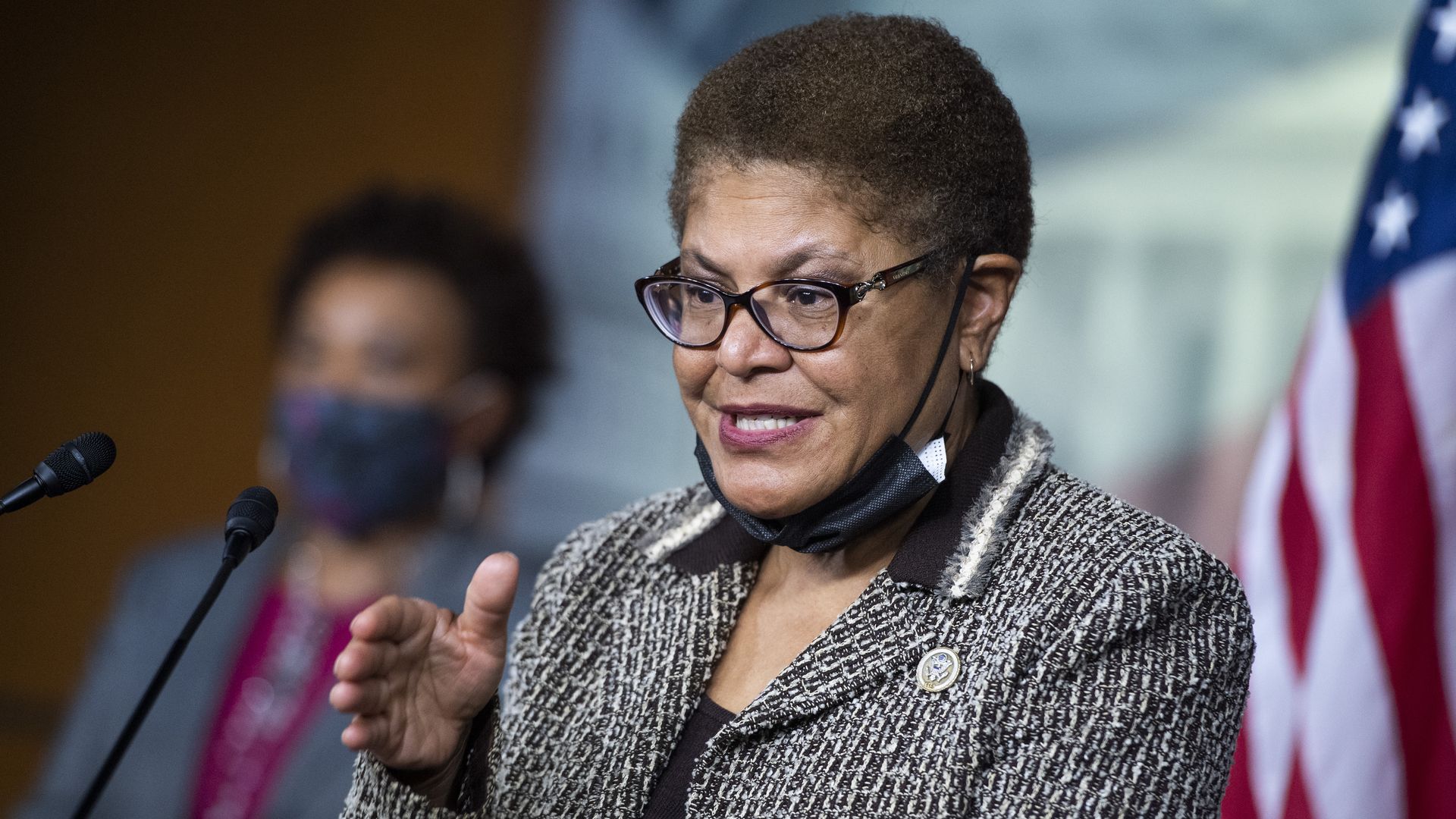
Rep. Karen Bass (D-Calif.) on Monday launched her bid for mayor of Los Angeles.
Why it matters: Bass is a high-profile member of Congress. The former chair of the Congressional Black Caucus, she was considered as a potential running mate to President Joe Biden and was a lead negotiator in the recently ended talks on police reform. Should Bass win the mayoral election, she would become the first female mayor in L.A. history.
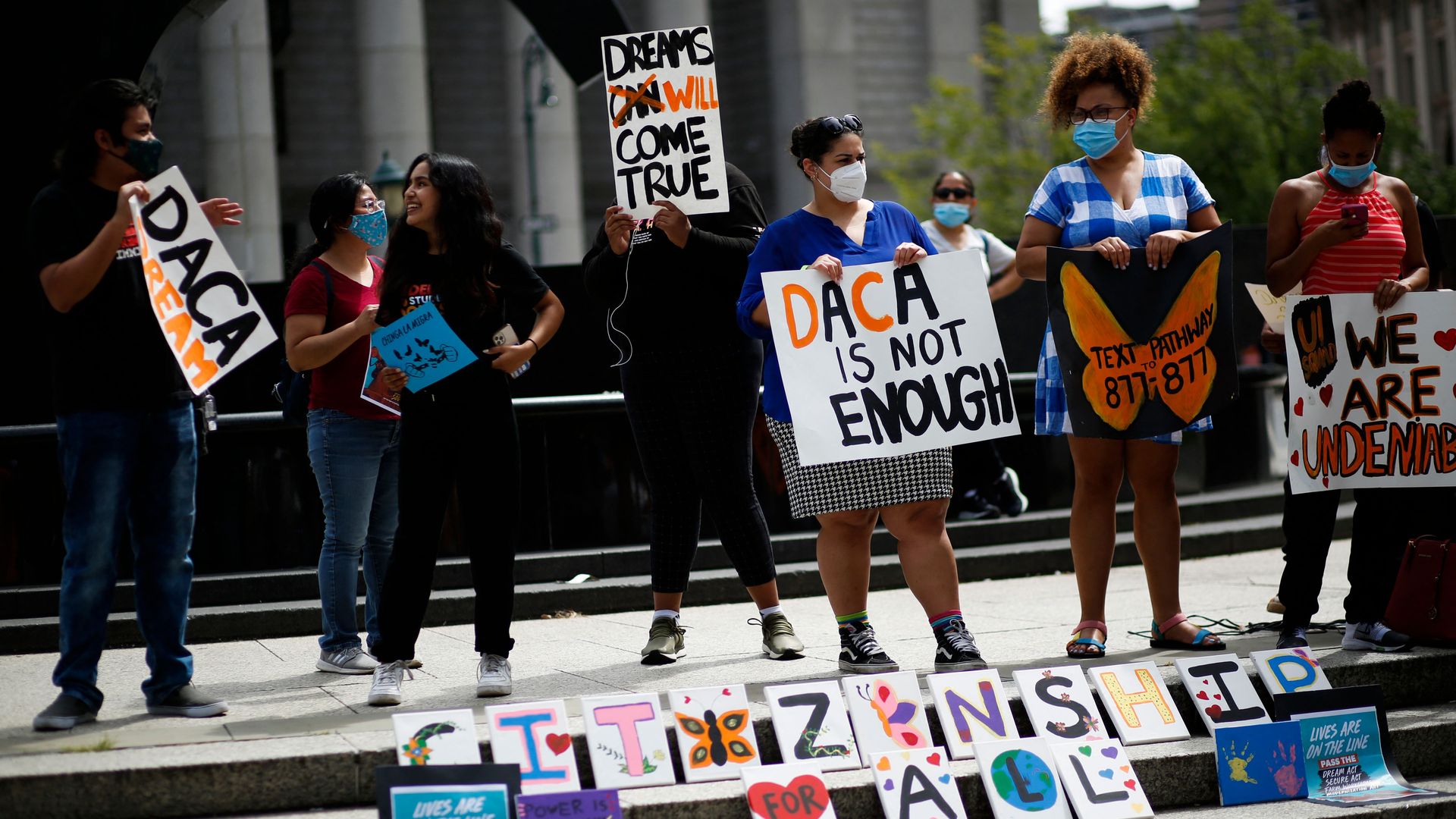
The Biden administration on Monday took additional steps to save the Deferred Action for Childhood Arrivals program despite ongoing legal challenges to the program.
Driving the news: The Department of Homeland Security unveiled a proposed rule designed "to preserve and fortify" DACA, which offers protection from deportation for undocumented immigrants brought to the U.S. as children. The rule is set to formally publish on Tuesday and would give the public two months to submit comments in favor of or against the Obama-era policy.
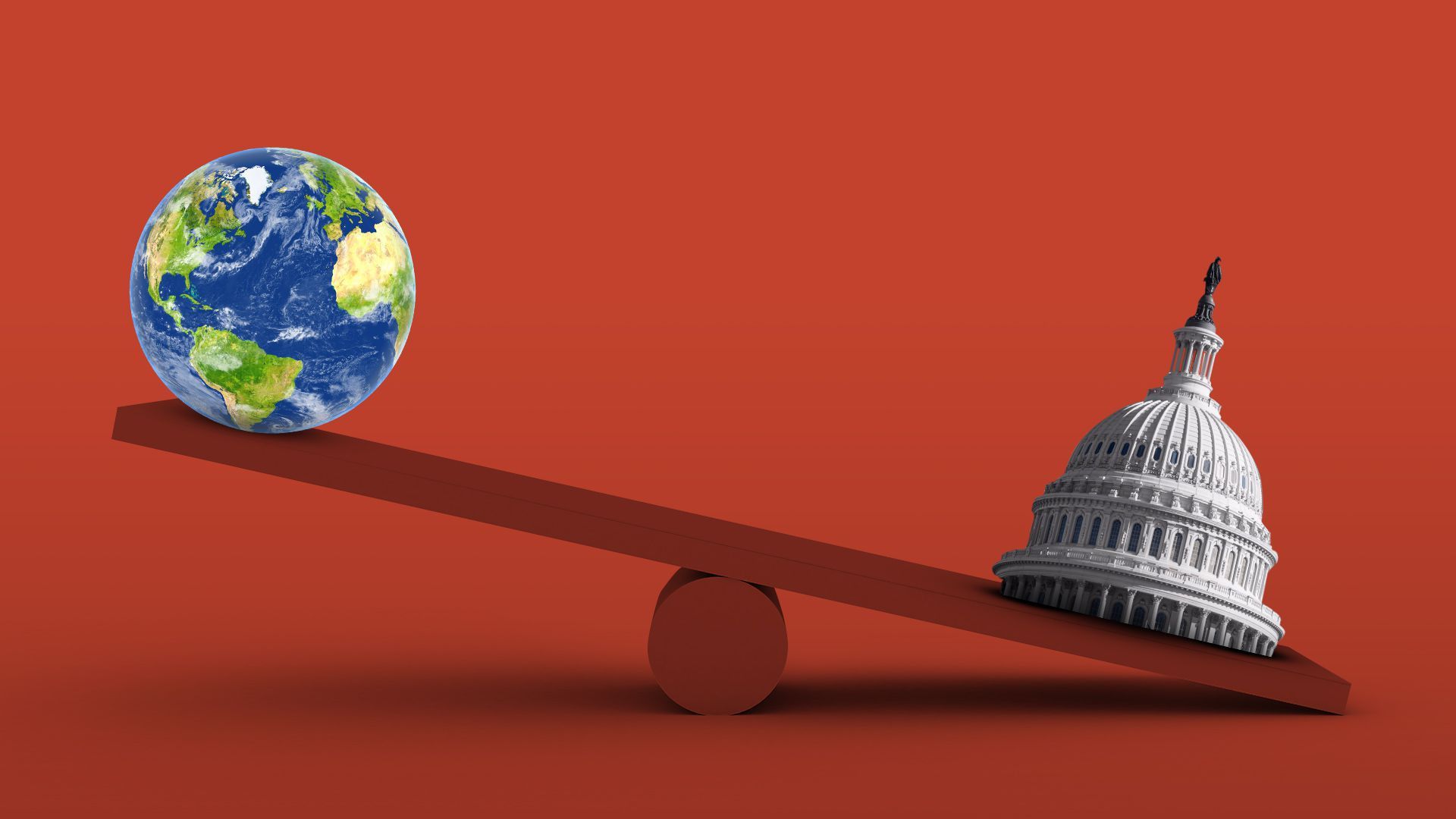
This week is critical to determining the fate of President Biden's climate agenda.
Driving the news: House Speaker Nancy Pelosi last night pledged a vote on bipartisan infrastructure legislation Thursday, rather than today as initially hoped.
Health care workers in New York state will be required to have at least one dose of the coronavirus vaccine starting Monday.
Driving the news: Gov. Kathy Hochul (D) on Saturday released a "comprehensive plan" to address any potential health staff shortages, which includes the possibility of declaring a state of emergency to increase workforce supply and allow health professionals in other states, as well as recent graduates and retired health professionals, to practice in New York.
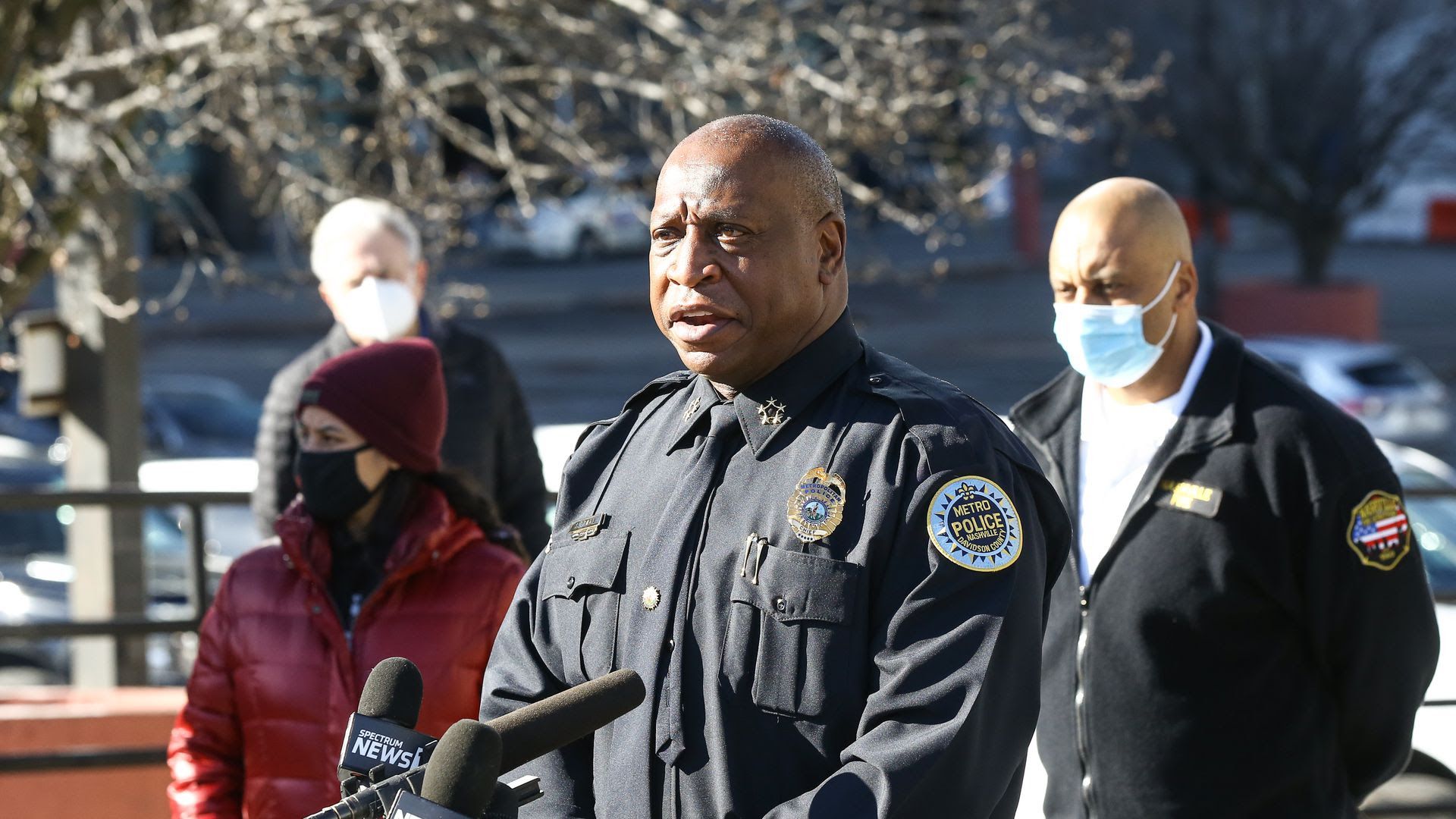
Nashville police are taking new steps to boost diversity in the department, but officials acknowledge it could be years before we see tangible results.
Why it matters: Racial and gender diversity have been lacking in the department for years. The latest data shows previous efforts have failed to bring police diversity in line with community demographics.
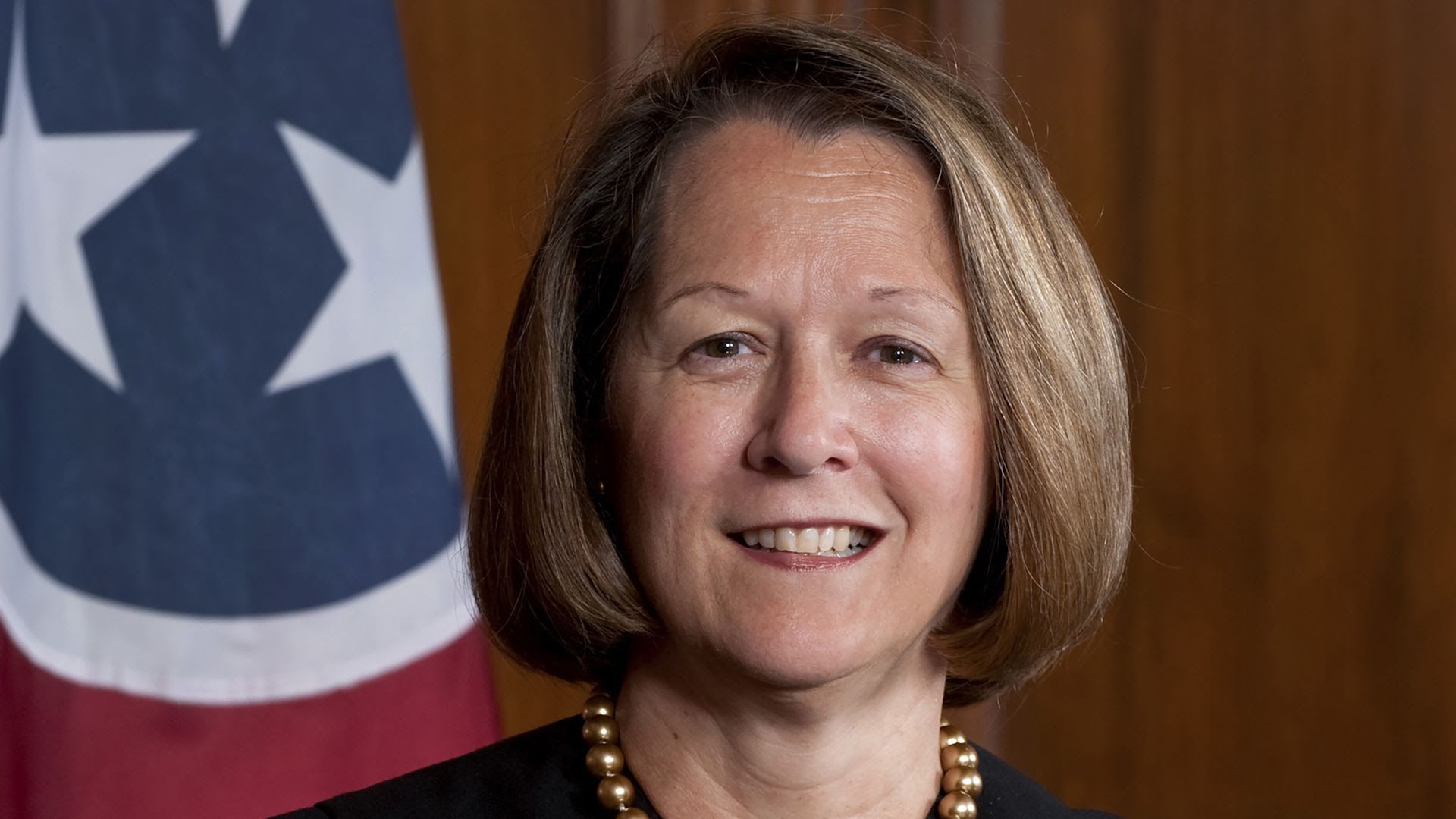
Tennessee Supreme Court Justice Cornelia Clark, a trailblazer who sat on the high court for 16 years, died last week.
Clark wasthe second woman to serve as Chief Justice of the state Supreme Court. She earned a reputation as an inquisitive and passionate jurist with a zest for the law.
She was alsothe first woman to serve as a judge in a rural Tennessee county.
Democrats are at a pivotal moment in their quest to expand health care coverage, slash the cost of prescription drugs and create a social structure that prioritizes people's health.
Driving the news: Democrats have a clear list of health care priorities they'll be fighting for this week. Among them is a measure to expand Medicare to cover dental, vision and hearing benefits.
Civis Analytics, a startup that could be key to next fall's Democratic Party campaigns, has raised $30.7 million in new funding, Axios has learned.
Behind the scenes: The Chicago-based startup was founded by Dan Wagner, who led analytics for the Obama 2012 campaign, and was used by the Biden 2020 campaign to test audience messaging and to determine where to deploy advertising. Its first outside investor was former Google CEO Eric Schmidt.
The Senate's bipartisan $1.2 trillion infrastructure bill and President Biden's $3.5 trillion spending package could live or die this week — and take Democrats' fortunes with them. But all the minute-by-minute political drama obscures how much America could change if even a fraction of it passes.
The big picture: Anything short of total failure could have a transformative impact on day-to-day life — from how we move around to our access to the internet, paid family leave and child care, health care and college.
The funding proposals in the big infrastructure legislation being hashed out in Congress have the potential to transform the way people and goods move about the country — while also reducing their carbon footprint and addressing inequities in transportation.
The big picture: More people would be driving electric cars, for example, and lower-income people would have better access to public transit to get to affordable housing, work and school.
High-speed trains could well become the preferred way to travel between certain metro areas, rather than flying, which is harmful to the environment.
Cleaner hydrogen trucks could also get a boost from more R&D funding.
Between the lines: People who’ve been on the fence about purchasing an electric vehicle could be persuaded to buy one for two reasons:
Bigger tax credits — up to $12,500 per vehicle — would be more widely available, making EVs more affordable.
Range anxiety — the fear of being stranded with a dead battery — would be less of a worry because $13.5 billion would be spent on EV infrastructure, including more public charging stations.
The intrigue: Not everyone can afford a car — or a home — so House Democrats are proposing an innovative program that would link public transit and affordable housing.
A joint program between the Federal Transit Administration and the Department of Housing and Urban Development would provide $10 billion in grants to support struggling communities.
If approved, lower-income people would have better access to jobs, health care and education.
Their neighborhoods could be enhanced, with $4 billion proposed to remove highways that divided communities.
What we're watching: More people could be riding the train too, if Congress goes ahead with a big increase in government funding for rail, which is seen as a more efficient and sustainable mode of transportation.
The bipartisan infrastructure bill includes $66 billion for Amtrak and other rail projects.
Through budget reconciliation, House Democrats want to add $10 billion more for high-speed rail that would connect to local and regional transportation networks.
The nation's mayors are emphatic that this week's hotly debated infrastructure legislation— even if ultimately watered down — represents a once-in-a-lifetime opportunity to make cities more livable, modern and socially equitable.
Why it matters: While the money wouldn't go directly to city coffers, it would fund everything from bridge and road repairs to the development of light rail and broadband — bringing massive numbers of jobs and daily-living improvements along the way.
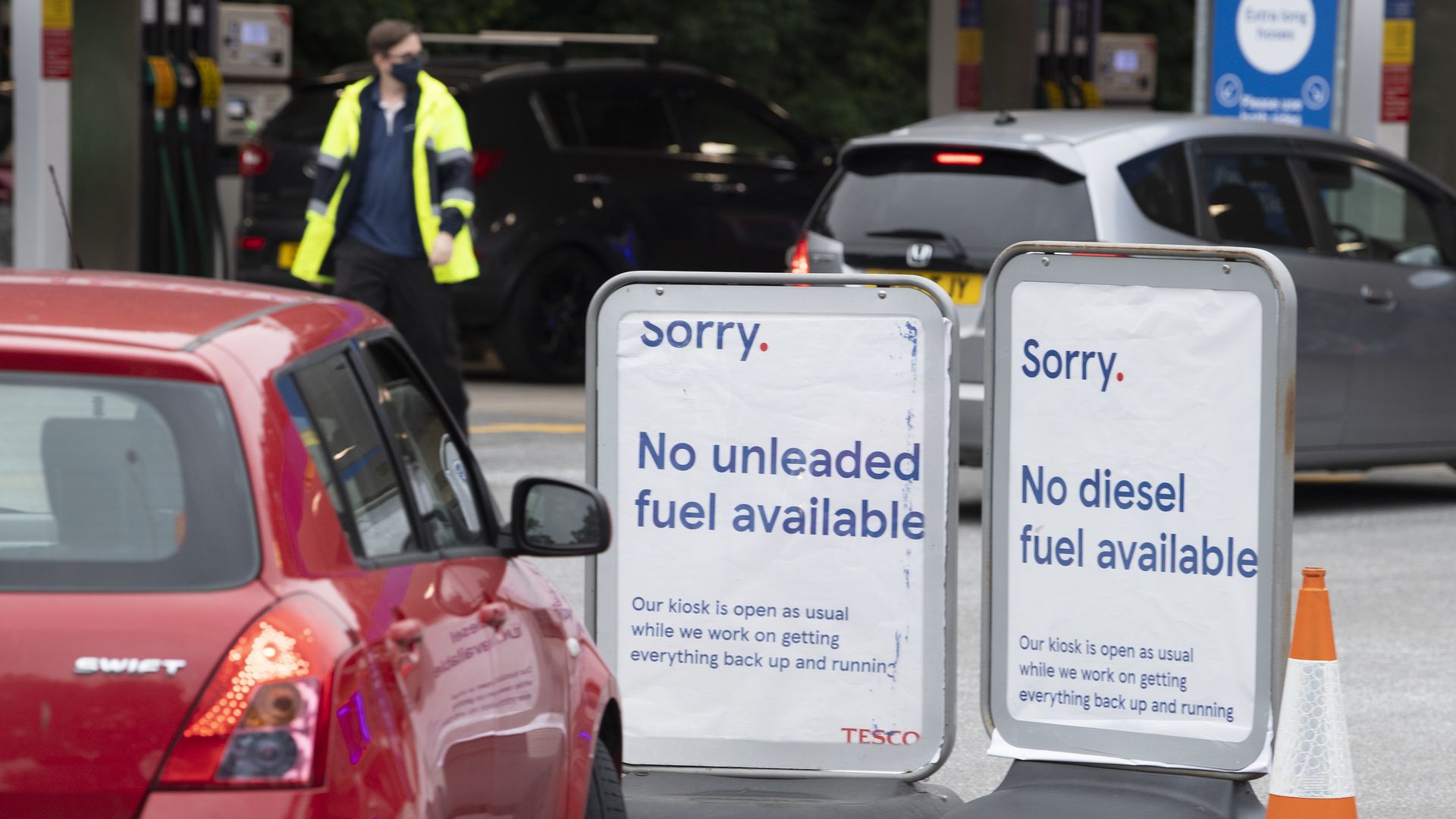
The British government is temporarily suspending competition law and considering sending in the army to help supply gas stations amid a nationwide fuel shortage, per the BBC.
Why it matters: Petrol Retailers Association chair Brian Madderson told Sky News on Monday that two-thirds of its roughly 5,500 independent gas stations had ran out of fuel, with the remainder "partly dry and running out soon."
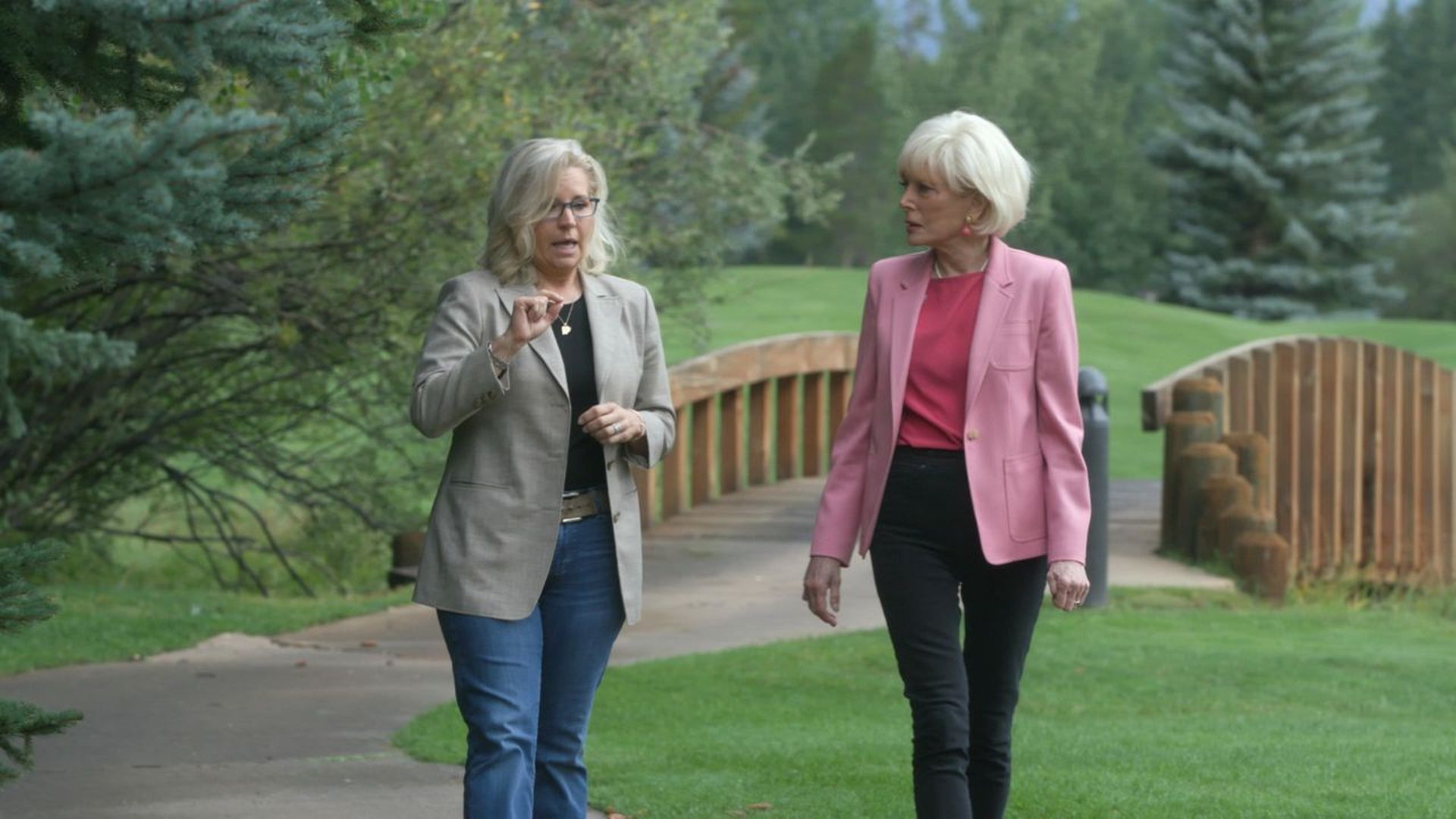
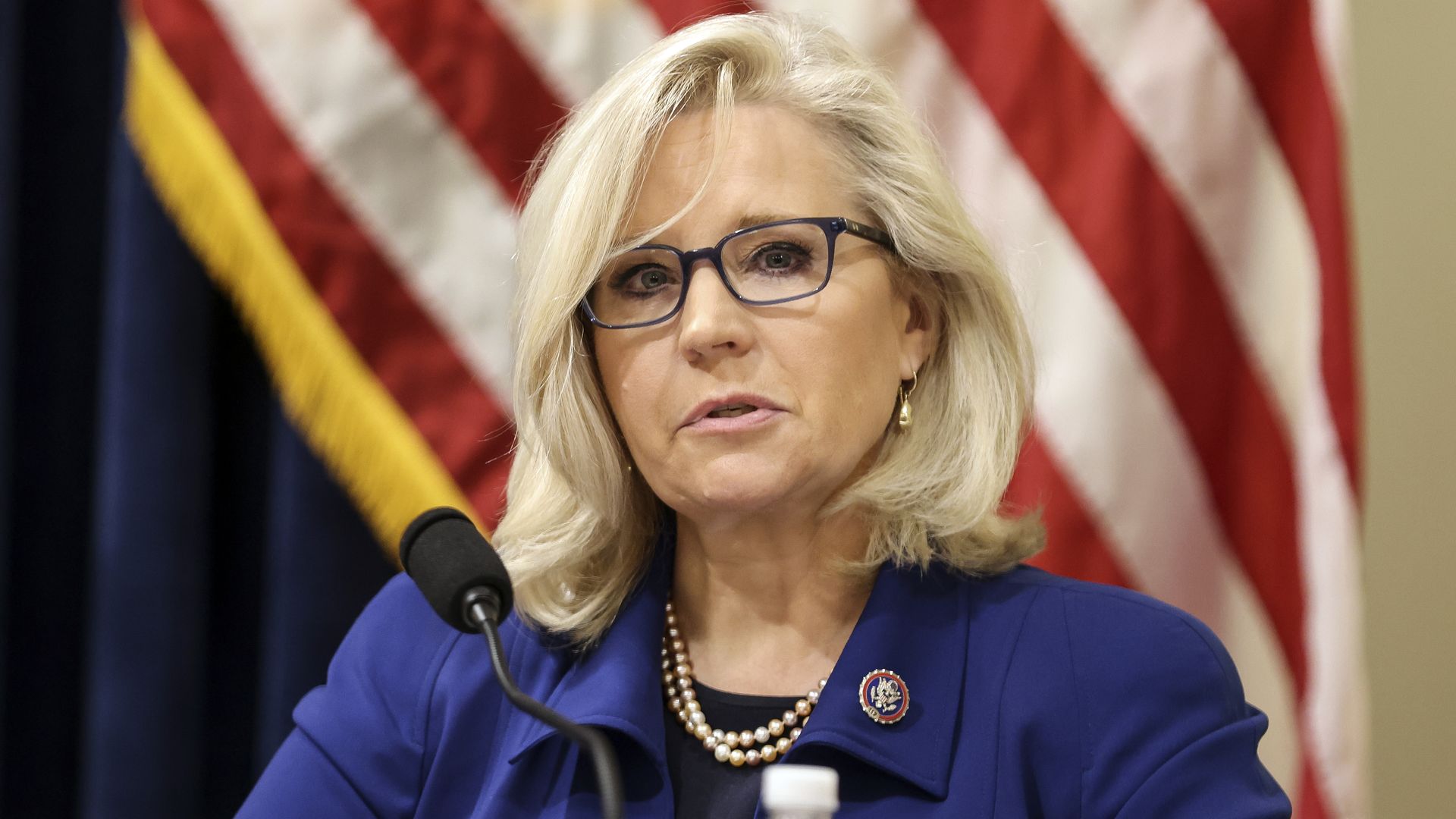
Rep. Liz Cheney (R-Wyo.) told CBS' "60 Minutes" in an interview broadcast Sunday that Americans "deserve better than having to choose between" President Biden's "disastrous" policies and former President Trump, "who violated his oath of office."
Why it matters: Cheney made the remarks after CBS' Lesley Stahl put it to her in the interview that Republicans feel that her joining the House select committee in charge of investigating the Jan. 6 U.S. Capitol riot helps "keep the focus on Trump instead of on the shortcomings of the Biden administration."
Rep. Liz Cheney (R-Wyo.) told CBS' "60 Minutes" in an interview broadcast Sunday that she was "wrong" to previously oppose same-sex marriage.
Why it matters: Cheney's public opposition to same-sex marriage in 2013 during her failed Senate campaign caused a rift with her sister Mary Cheney, who is gay. Mary Cheney said in a social media post at the time that her sister was "on the wrong side of history."