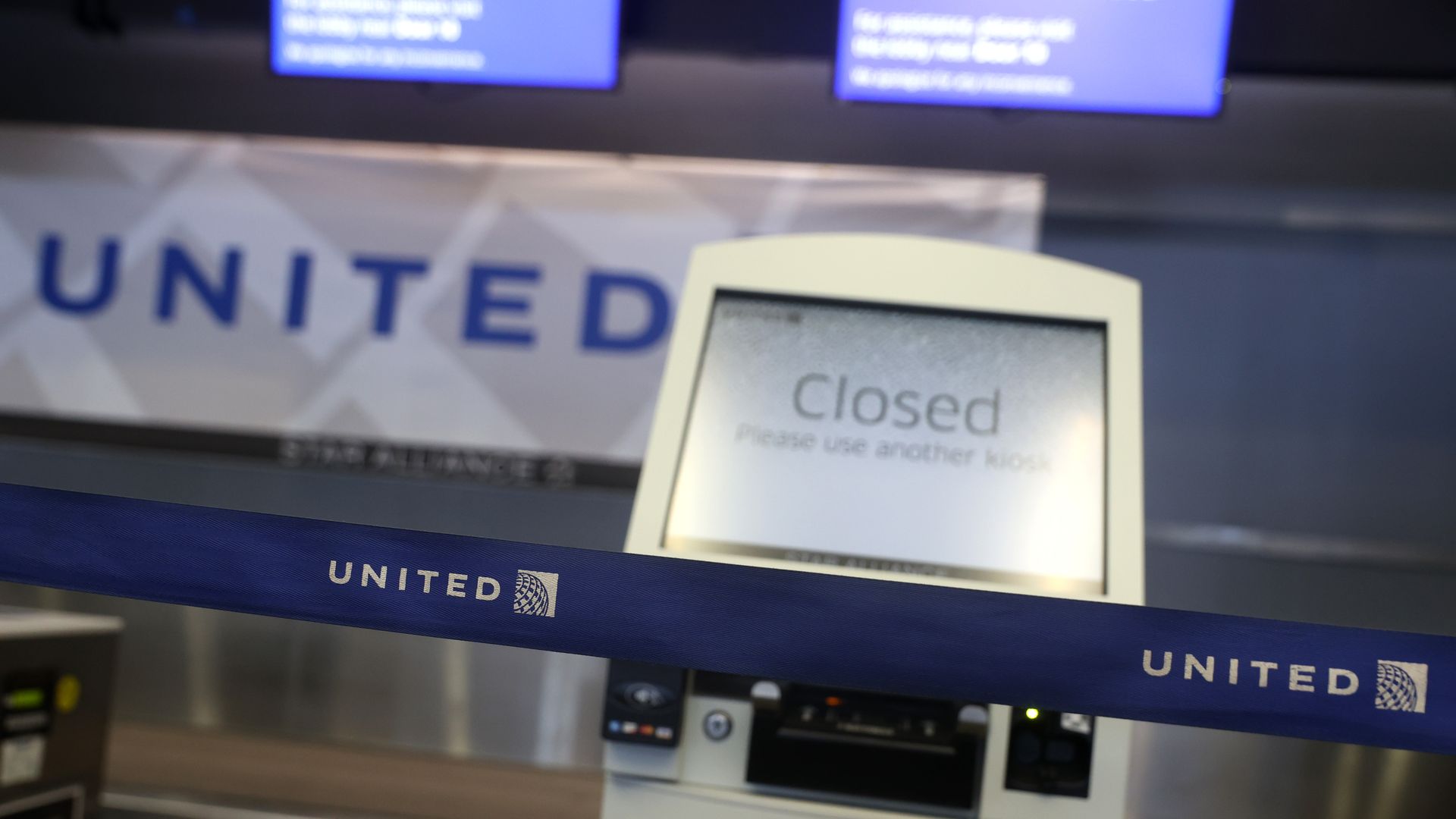
Four U.S. and European airlines are asking government leaders to begin a joint coronavirus testing program so that transatlantic travel can resume.
Why it matters: Flights between the U.S. and Europe are a huge source of profit for the airline industry, which has collapsed since the pandemic hit. But government restrictions effectively prevent all non-essential travel between the regions.
A federal grand jury has returned an 11-count indictment against two Chinese hackers for a "sweeping global computer intrusion campaign" that began over 10 years ago and recently targeted companies developing coronavirus vaccines and treatments, the Justice Department announced Tuesday.
Why it matters: It's believed to be the first time the U.S. government has charged foreign hackers with targeting coronavirus research, according to AP.
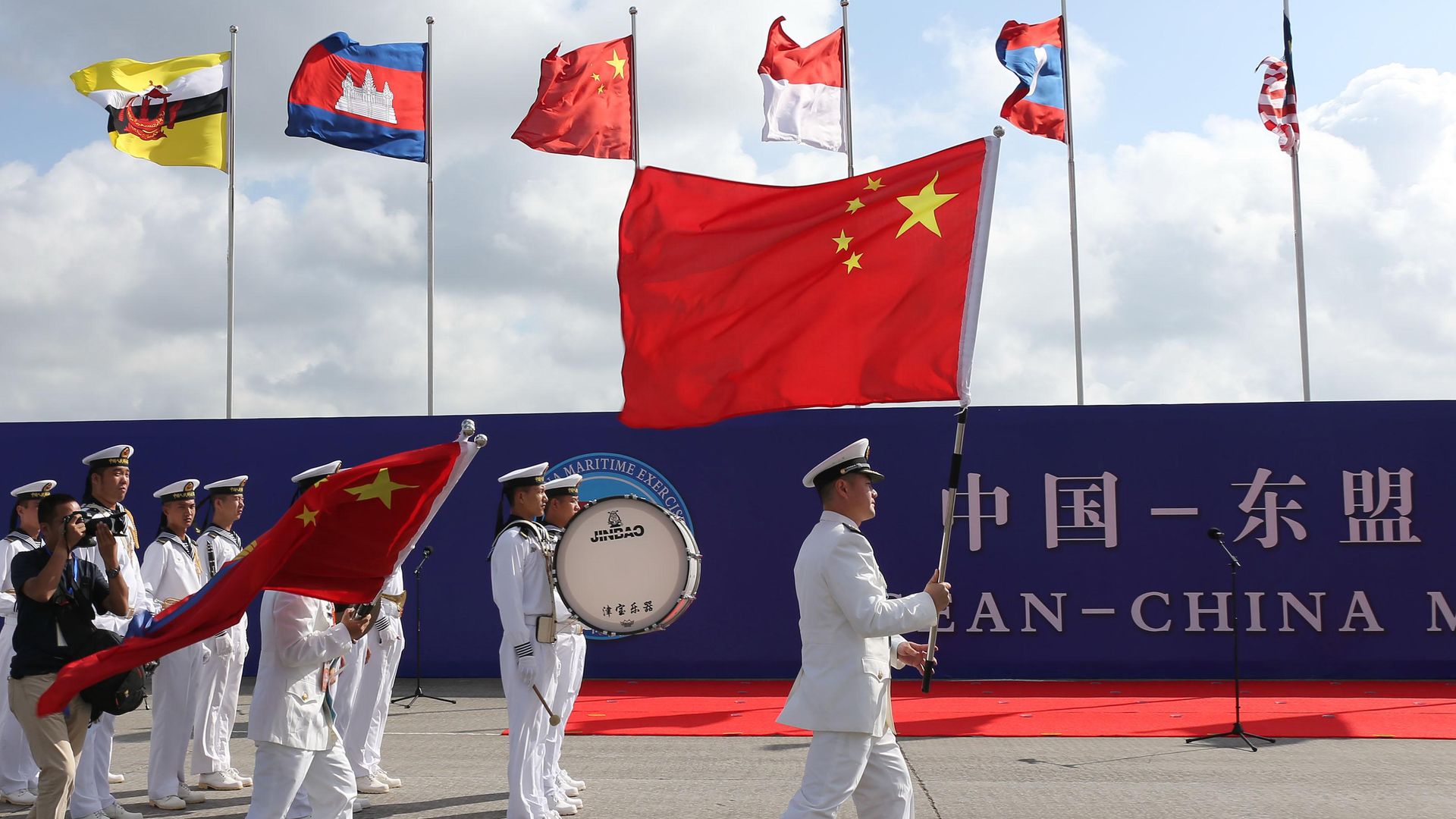
In a speech Tuesday morning over Zoom, U.S. Secretary of Defense Mark Esper said that U.S. policy champions a free and open Indo-Pacific, and China has no right to turn free waters into a “zone of exclusion” for its own “maritime empire."
The big picture: Esper's remarks come one week after the U.S. State Department announced it rejects most of China's territorial claims in the South China Sea.
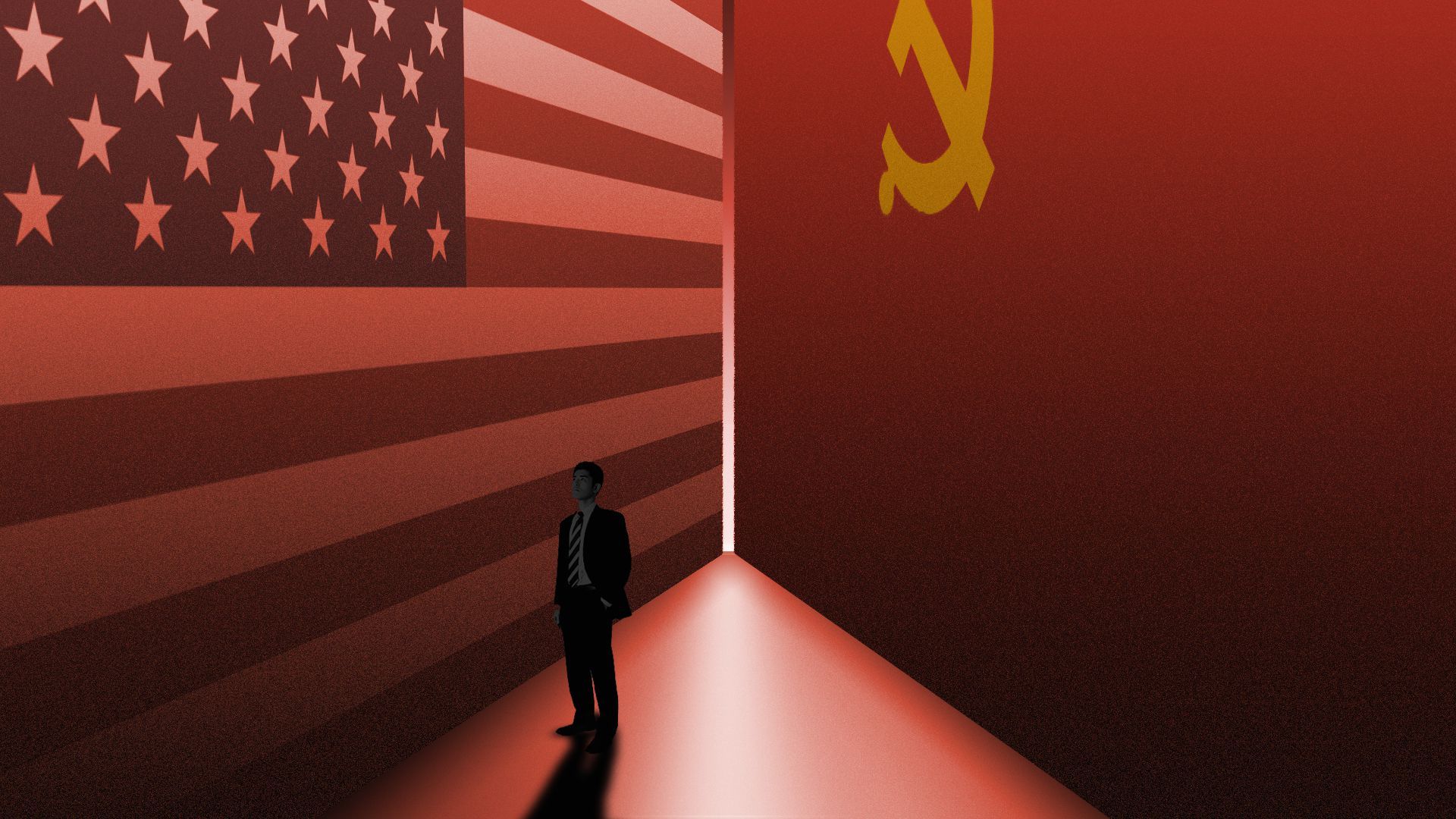
Chinese Communist Party members and their families may face new restrictions on traveling to the U.S. that would be a dramatic expansion of current limits.
Why it matters: U.S. law, on paper at least, has long prohibited CCP members from immigrating, but the proposed policy could gut people-to-people ties between the two countries and mark a near-break in diplomatic relations.
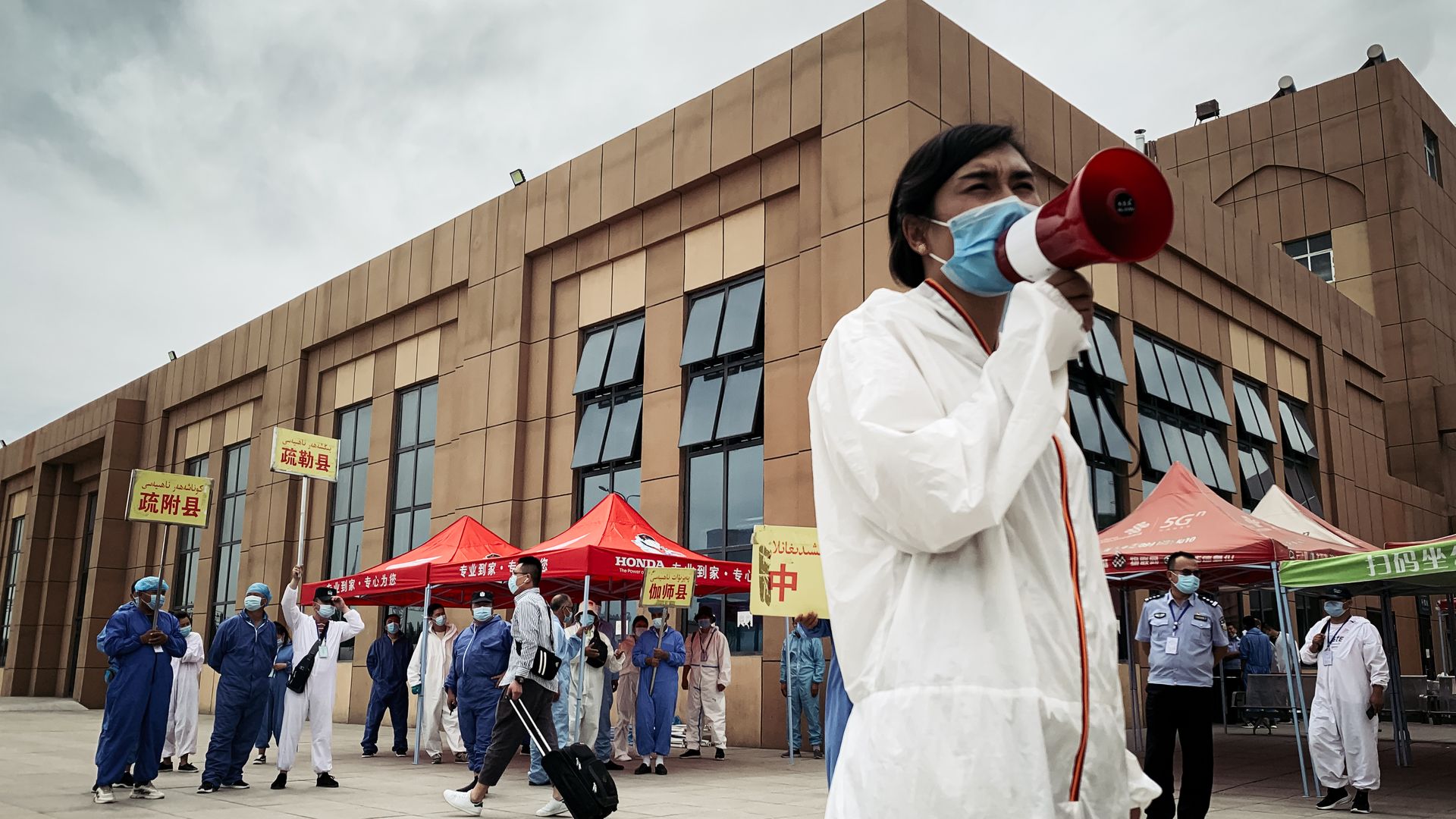
The U.S. Commerce Department announced on July 20 that it had added a subsidiary of one of the world's largest contract shirtmakers and 10 other companies to an export blacklist over their supply chain ties to Xinjiang, where Muslim ethnic minorities are pushed into a forced labor factory system.
Why it matters: The Trump administration is showing increasing resolve to try to delink U.S. companies from tainted supply chains in China.
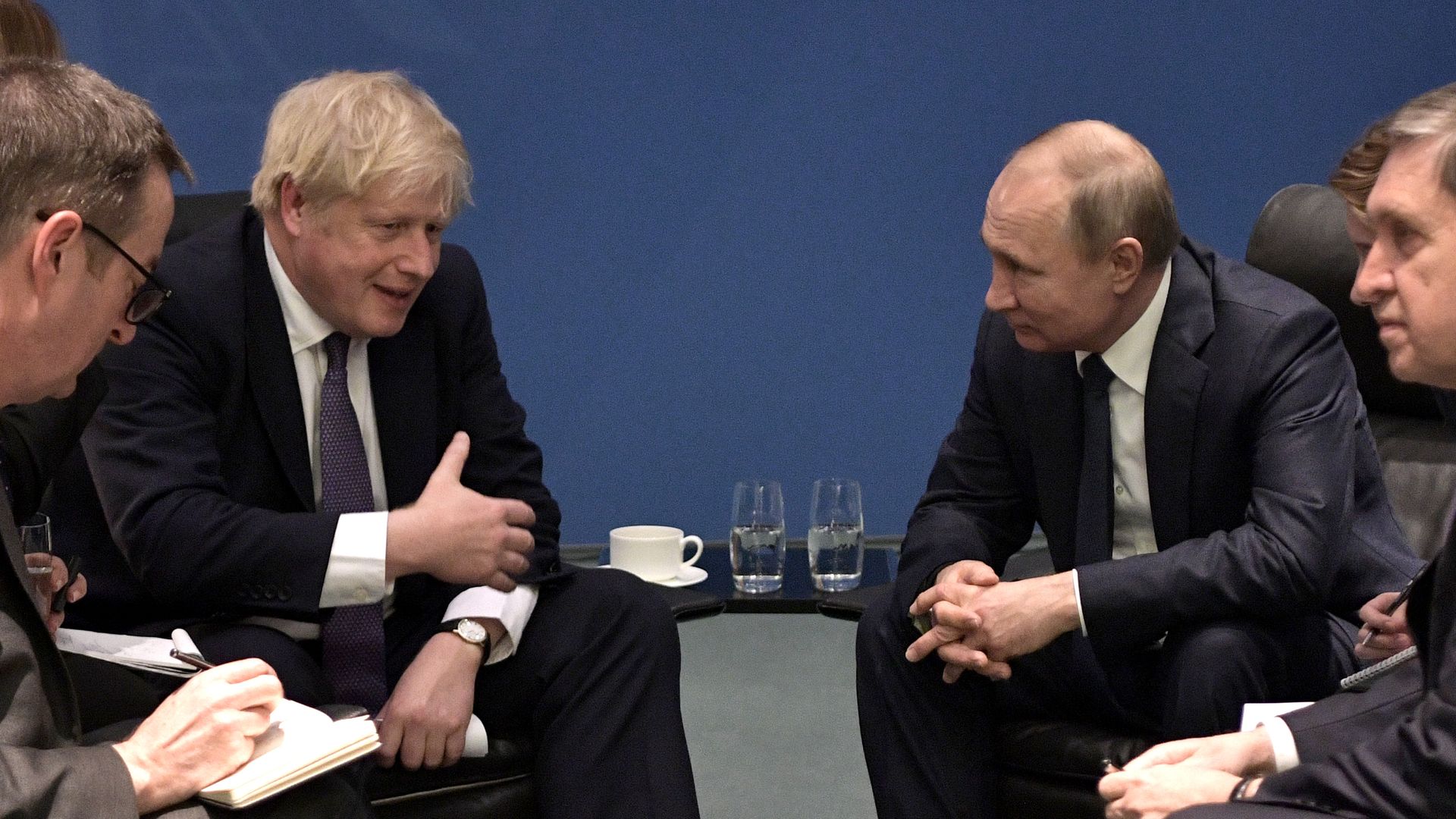
The U.K. government has ignored Russian campaigns to interfere in its democratic system for years, including during the contentious 2014 Scottish independence referendum and 2016 Brexit referendum, according to a long-delayed report released by Parliament on Tuesday.
Why it matters: The damaging report did not conclude whether the Russian influence campaigns were successful, but found that the U.K. government failed to be alert or avoided looking for evidence that the Kremlin was seeking to attack its democracy.
Hong Kong protesters are adapting their signs and slogans to skirt the repressive new security law, AP reports.
What's happening: A national security law enacted by China has set harsh penalties for a wide-sweeping number of political crimes. Prior to the law,stores supporting the movement put up artwork and notes filled with encouragement. Those have been taken down out of fear of authorities.
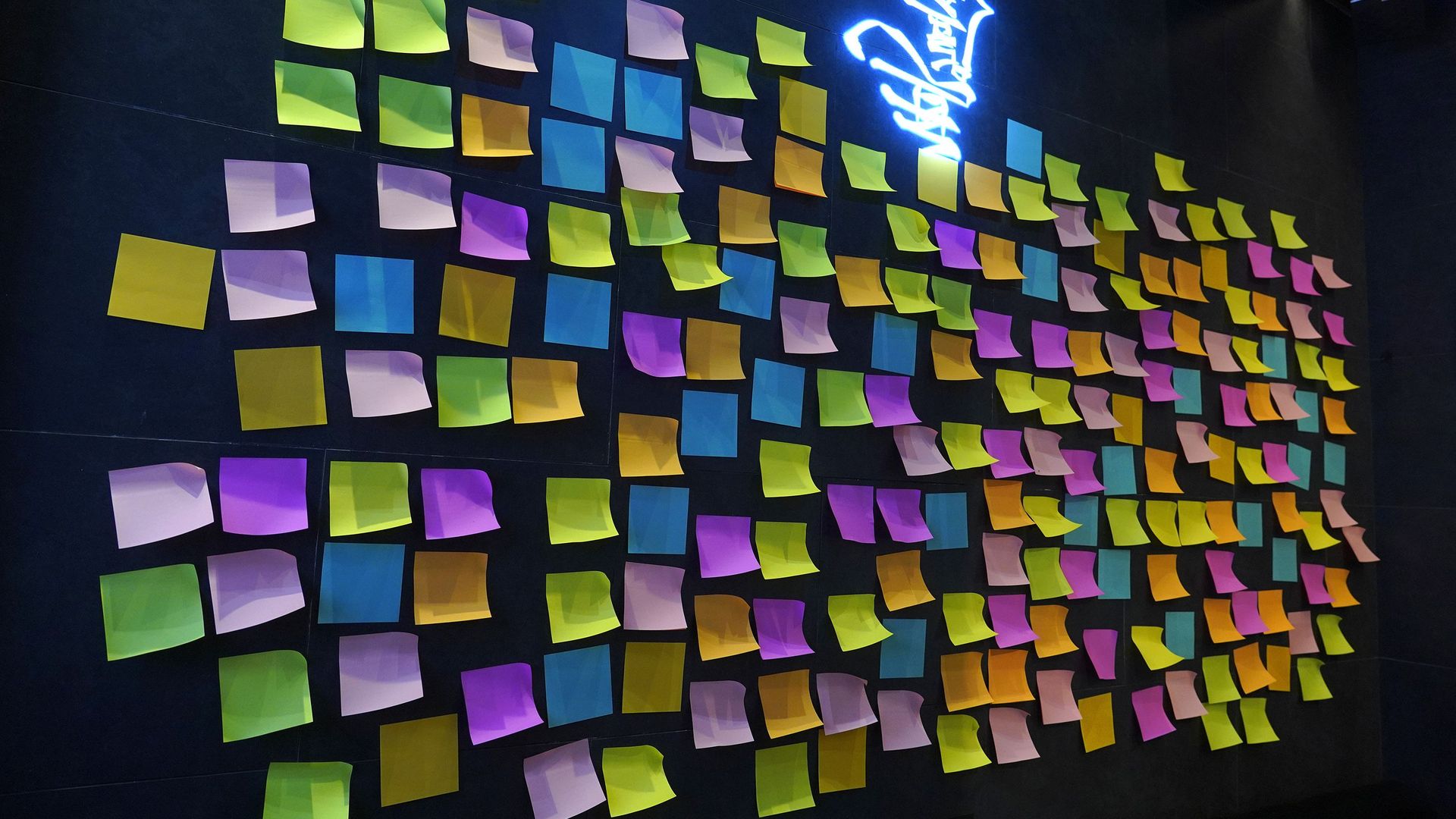
Now, Hong Kong cafés known as "yellow shops" because owners sympathize with pro-democracy protesters, have shown support through walls decorated with blank sticky notes instead.
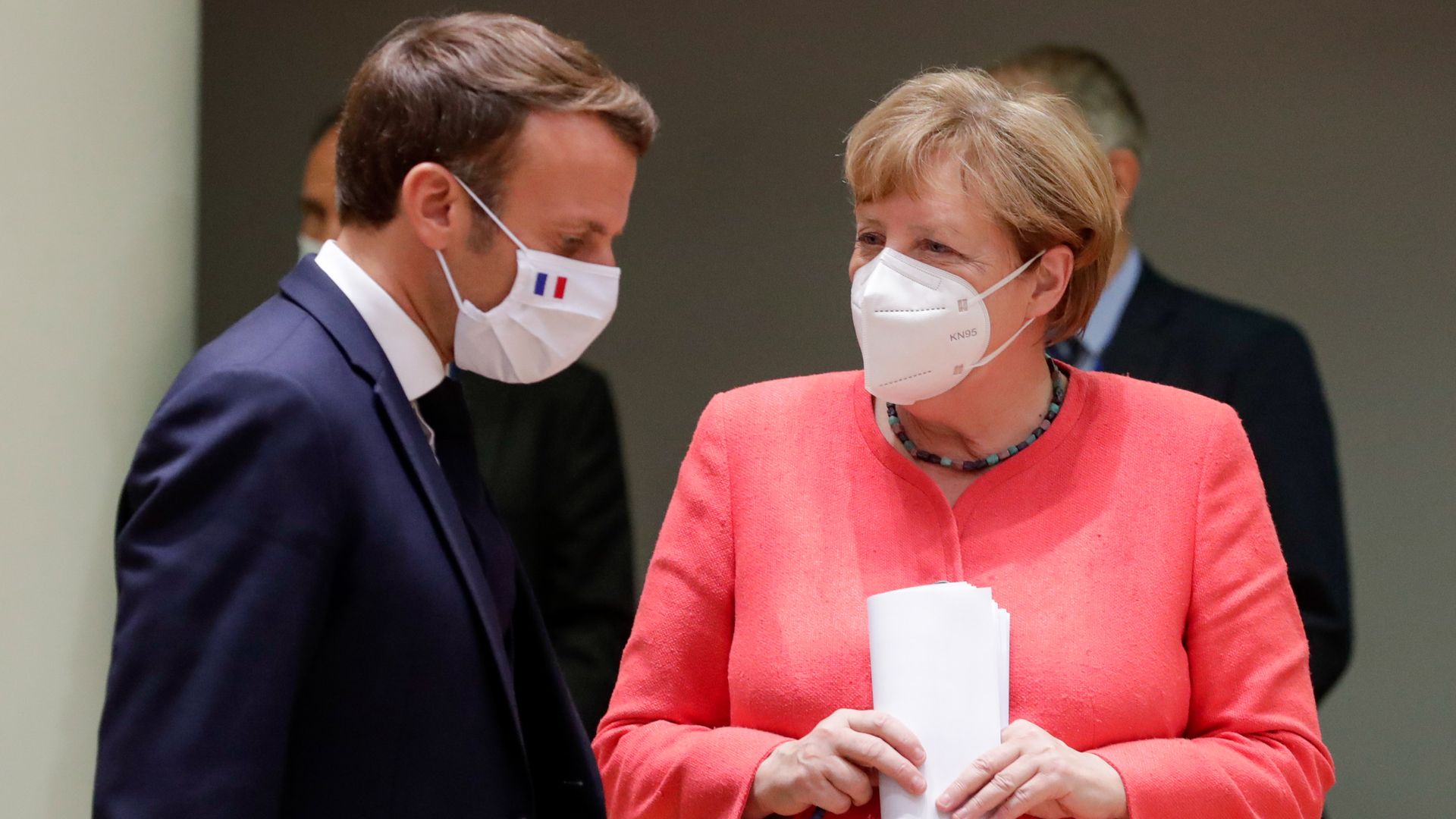
EU leaders agreed to a €750 billion ($857 billion) post-pandemic economic recovery package, summit chair Charles Michel confirmed in a tweet early Tuesday local time, stating: "Deal!"
Why it matters: French President Emmanuel Macron said in a statement the agreement that was unanimously approved by all 27 EU leaders after almost five days of intense negotiations in Brussels marked "a historic day for Europe."
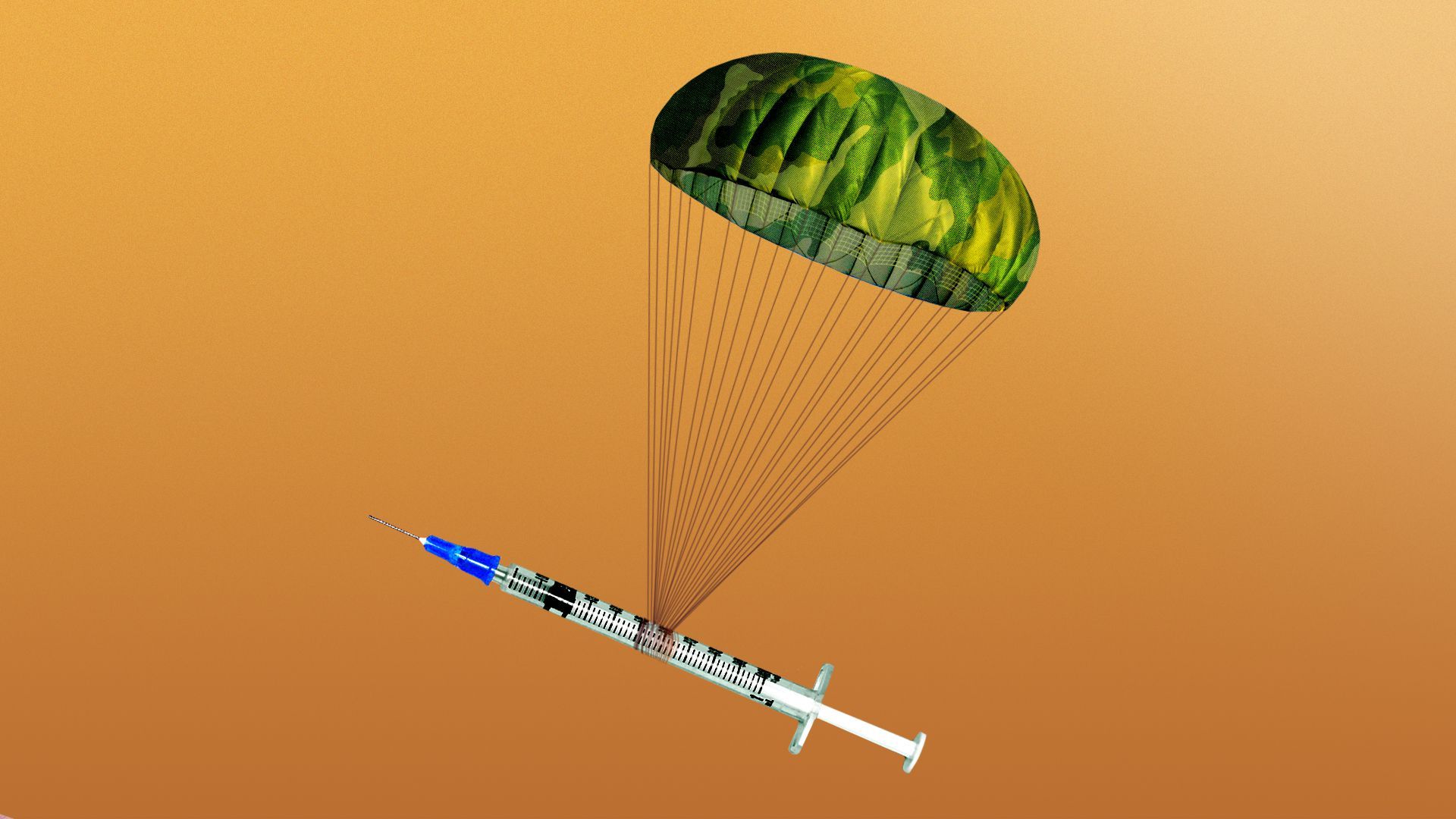
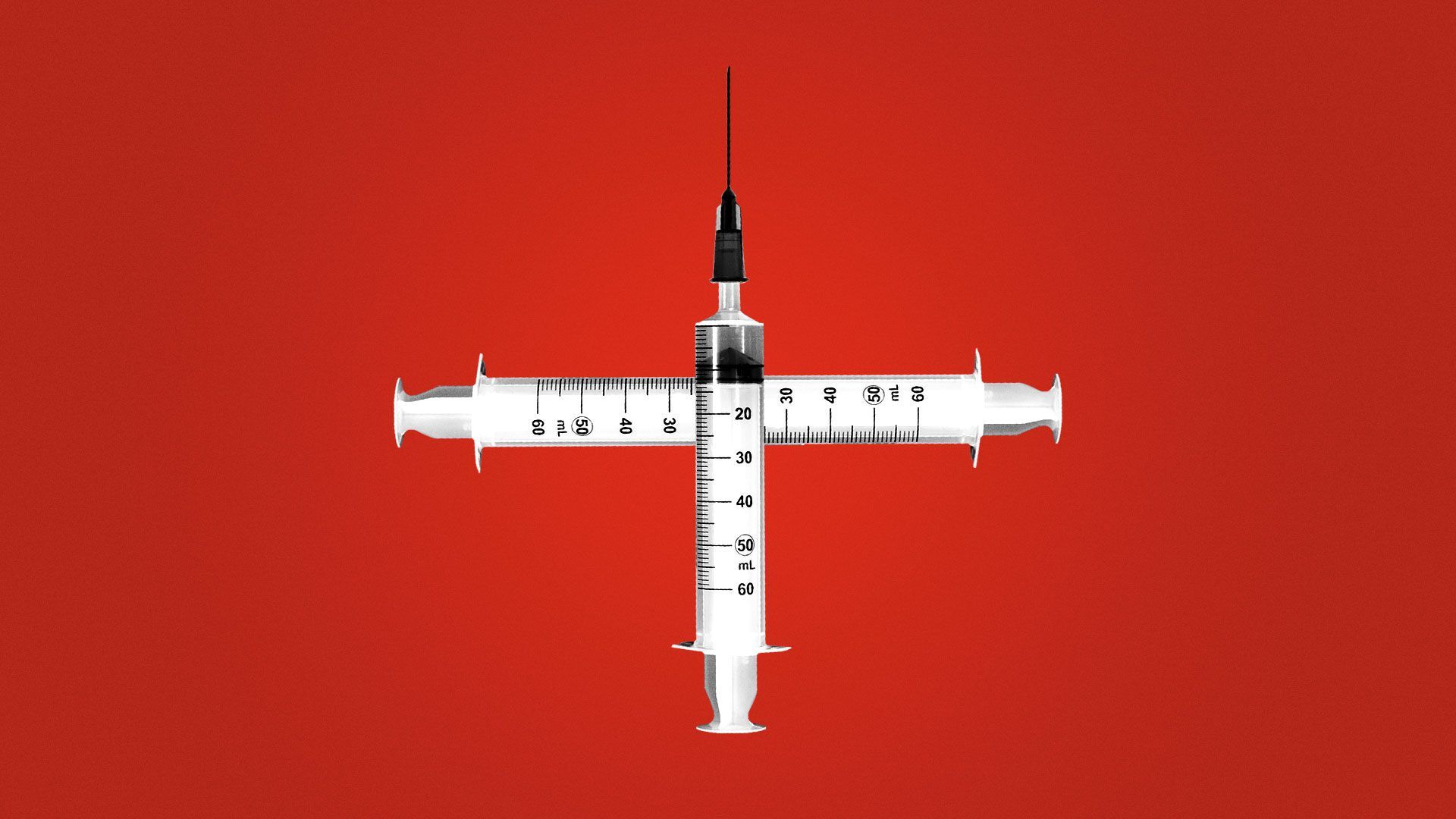
Vaccines from the U.K., U.S. and China are sprinting ahead in a global race that involves at least 197 vaccine candidates and is producing geopolitical clashes even as it promises a possible pandemic escape route.
Driving the news: The first two candidates to reach phase three trials — one from the University of Oxford and AstraZeneca, the other from China — both appear safe and produce immune responses, according to preliminary results published today in The Lancet.
The Commerce Department announced Monday it would add 11 Chinese companies to an export blacklist due to their involvement in human rights abuses against Uighur Muslims and other ethnic minorities in Xinjiang.
Between the lines: Two of the companies are subsidiaries of leading Chinese gene sequencing and biomedical firm BGI, which has contributed to efforts to document the genetic material of ethnic minorities in Xinjiang.
A U.S. subsidiary of Chinese genomics company BGI Group received a loan through the Paycheck Protection Program (PPP), according to data on the program released by the U.S. Treasury Department.
Update: The company announced on July 17 that it had returned the loan after Treasury "issued new guidance clarifying that the loans were not intended for companies with access to the equity market."
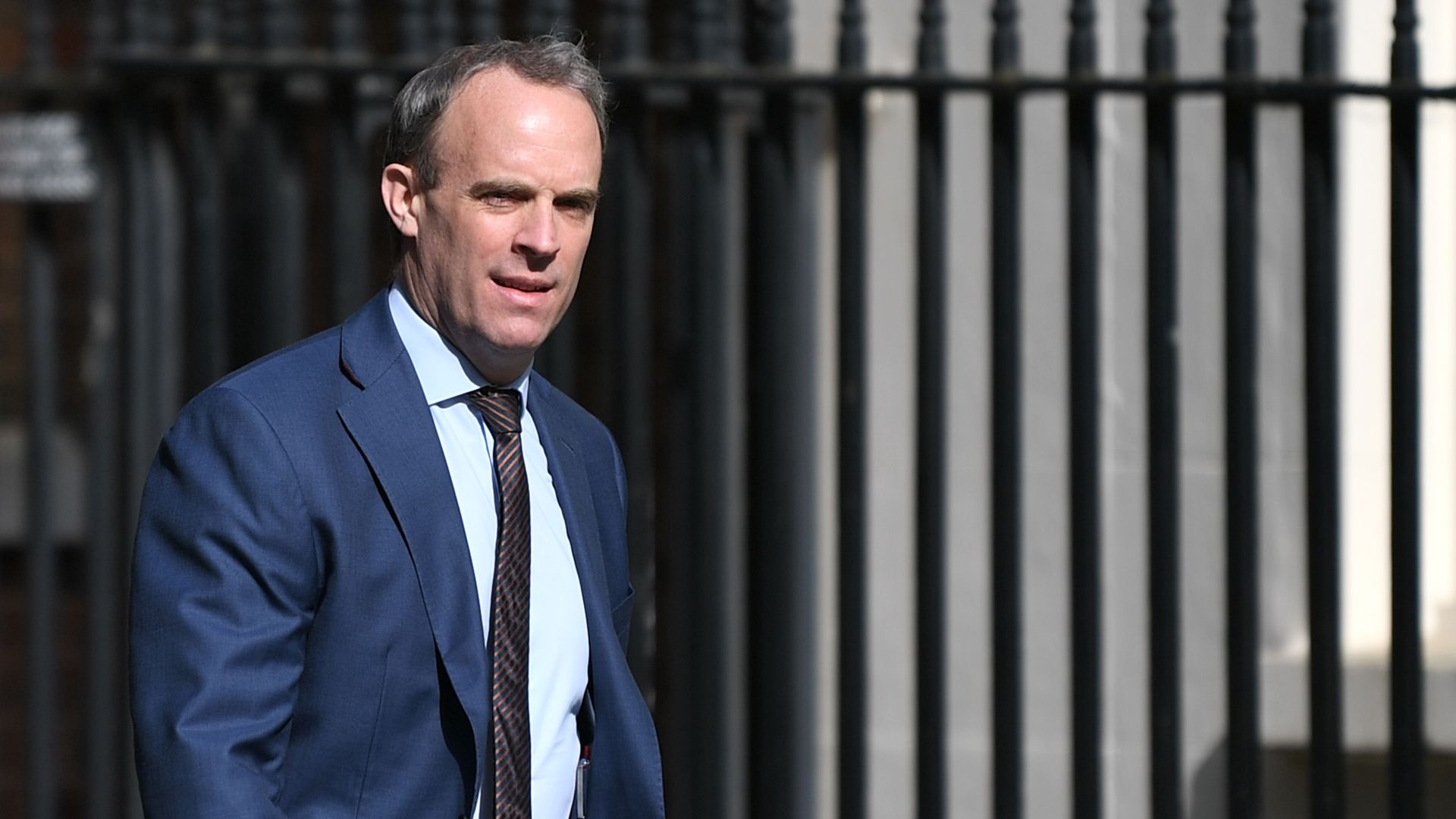
The United Kingdom announced Monday it will be suspending its extradition treaty and blocking arms sales with Hong Kong as a result of China's draconian new national security law.
Why it matters: The U.K. fears that the extradition treaty, which has been in place for more than 30 years, could be used to extradite individuals to Hong Kong and then have them sent to China, where they could be punished by the authoritarian central government.
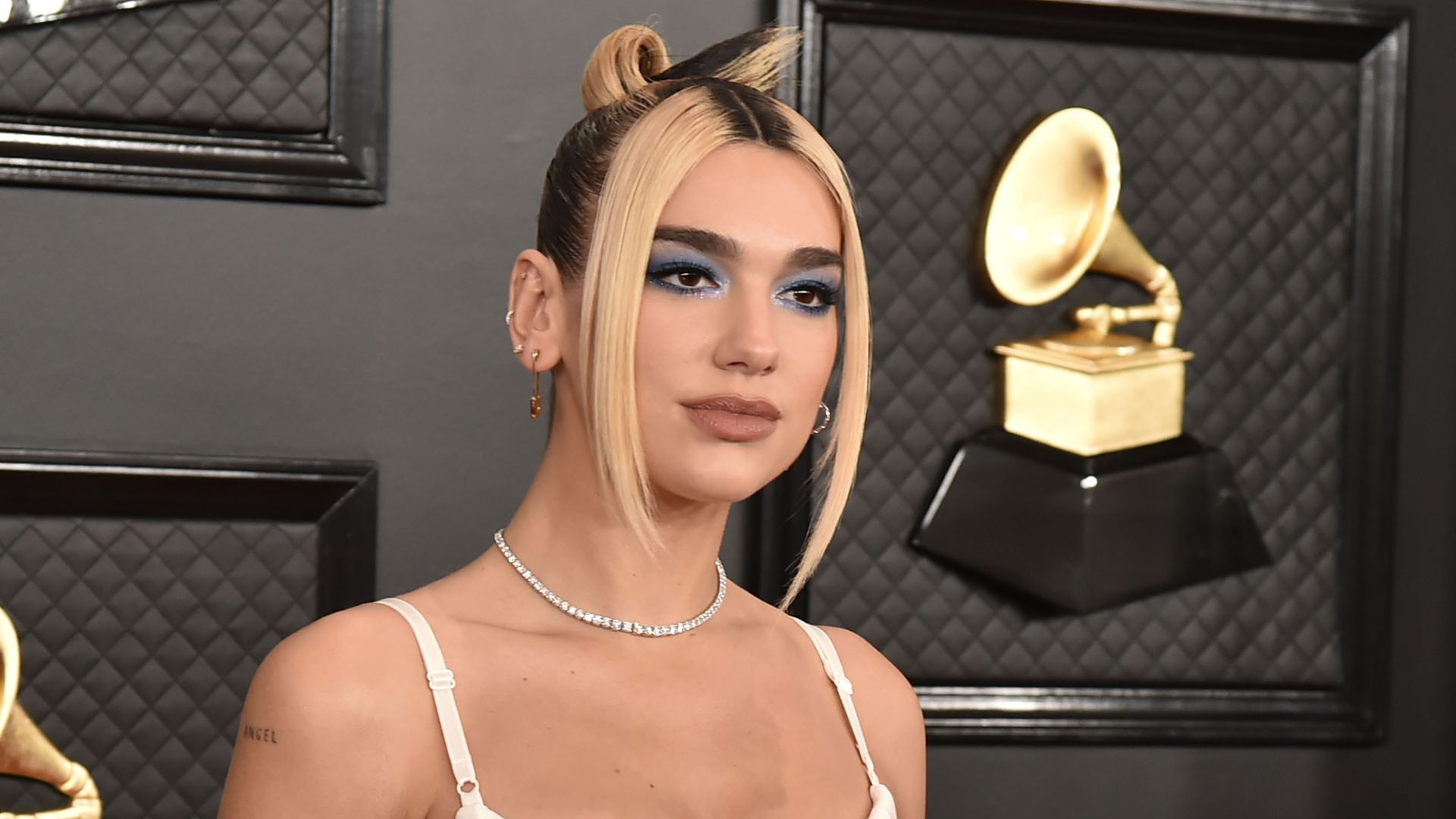
Pop star Dua Lipa faced backlash on Sunday after tweeting a flag of "Greater Albania," showing Albania expanding its borders to include some portions of Kosovo, Serbia, Greece and North Macedonia.
Why it matters: The flag represents an ultra-nationalist idea that historically ethnic Albanian parts of the Balkans should be returned to Albanian control. Lipa, 24, was born in the U.K., but her parents are Kosovar Albanians — and Kosovo is central to much of the dispute.
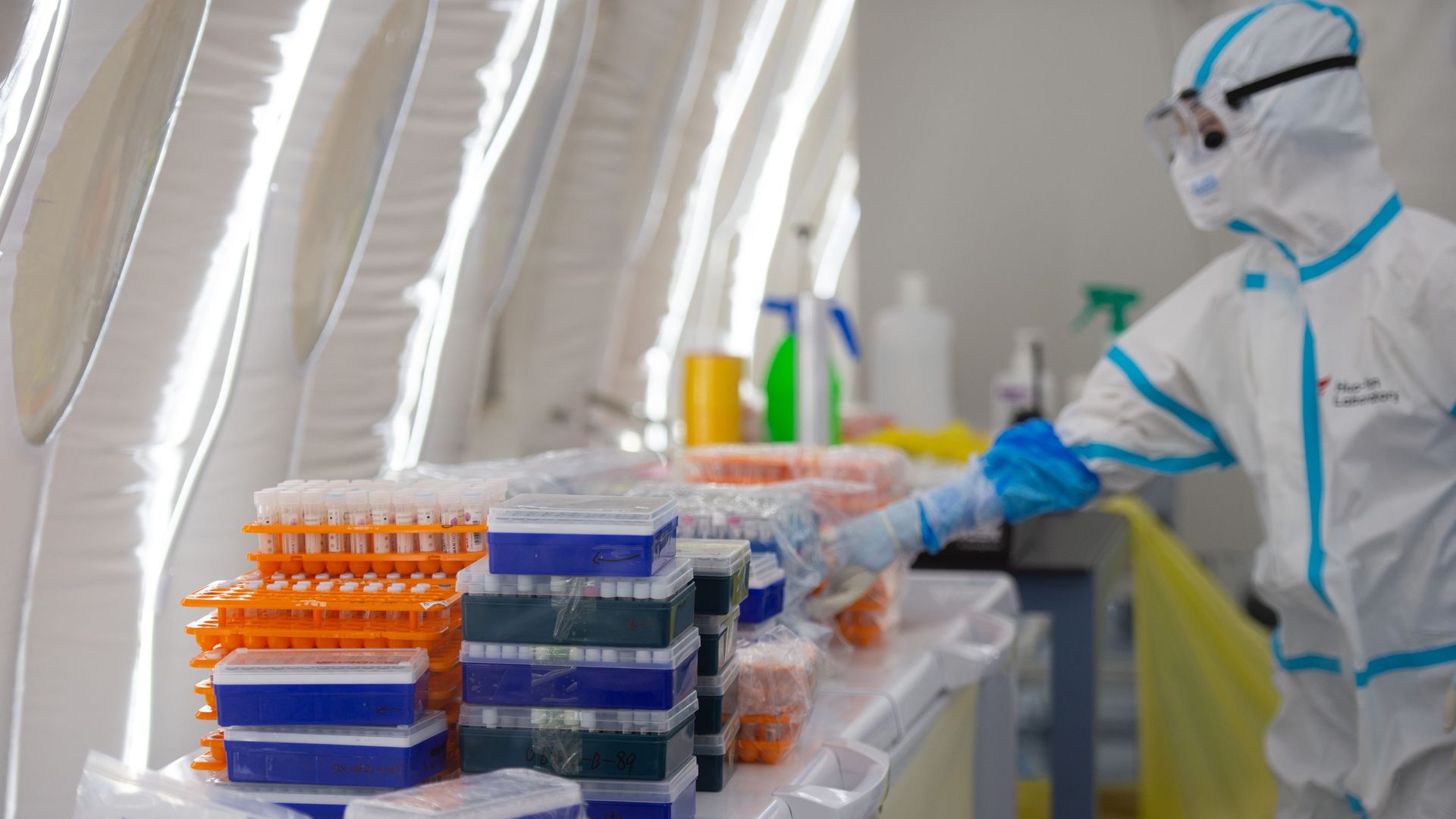
A coronavirus vaccine from Oxford University and AstraZeneca, perhaps the most promising candidate currently in development, appears to be safe and produces an immune response, according to preliminary findings published in The Lancet.
Why it matters: The race is on to get a vaccine approved and into circulation. A separate report published today finds that a Chinese candidate also produces an immune response, while American biotech firm Moderna revealed last week that its candidate produces a strong immune response.
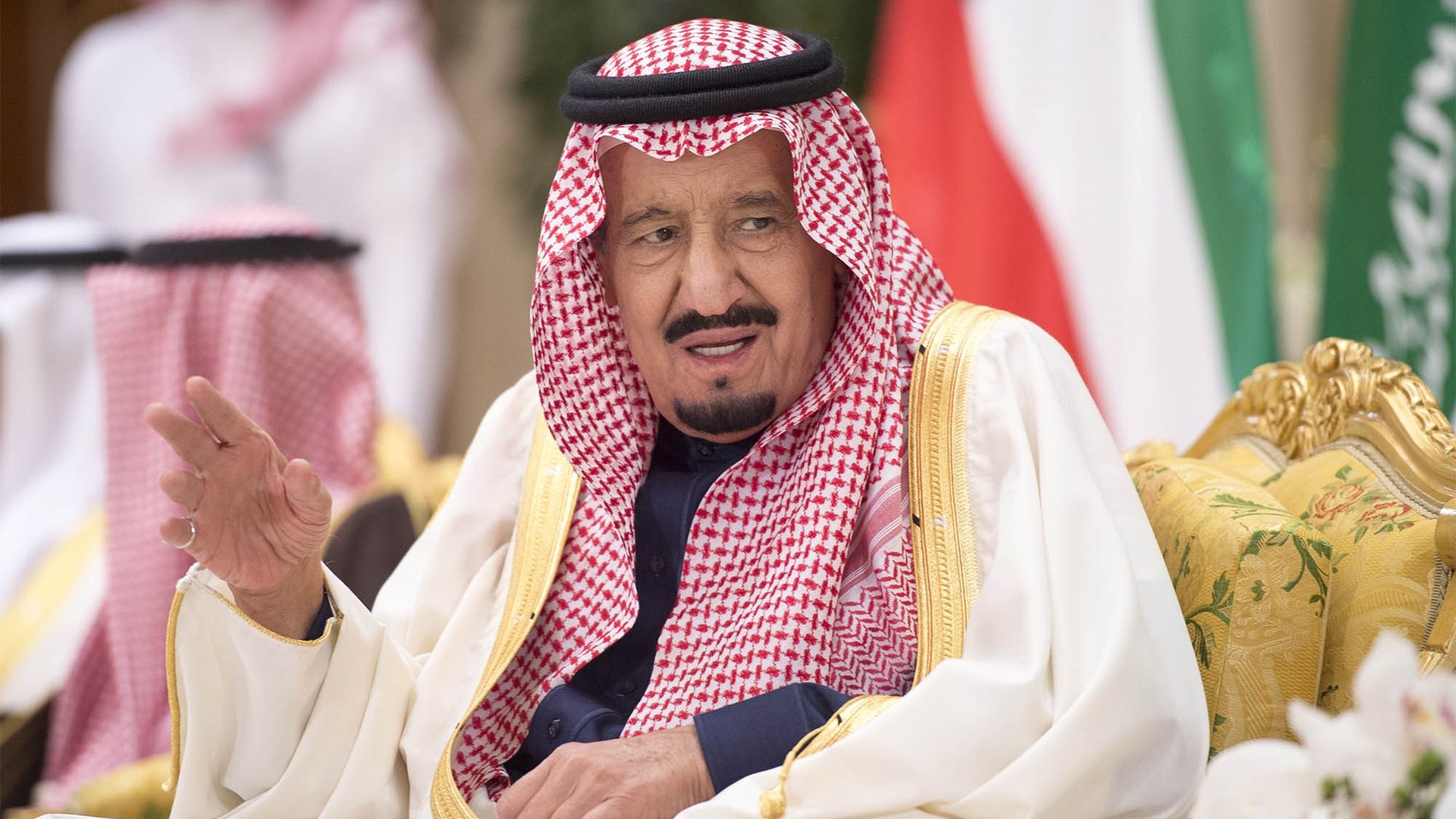
Saudia Arabia's King Salman, 84, was hospitalized Monday for tests after suffering gallbladder inflammation, heightening speculation about his health, the Wall Street Journal reports.
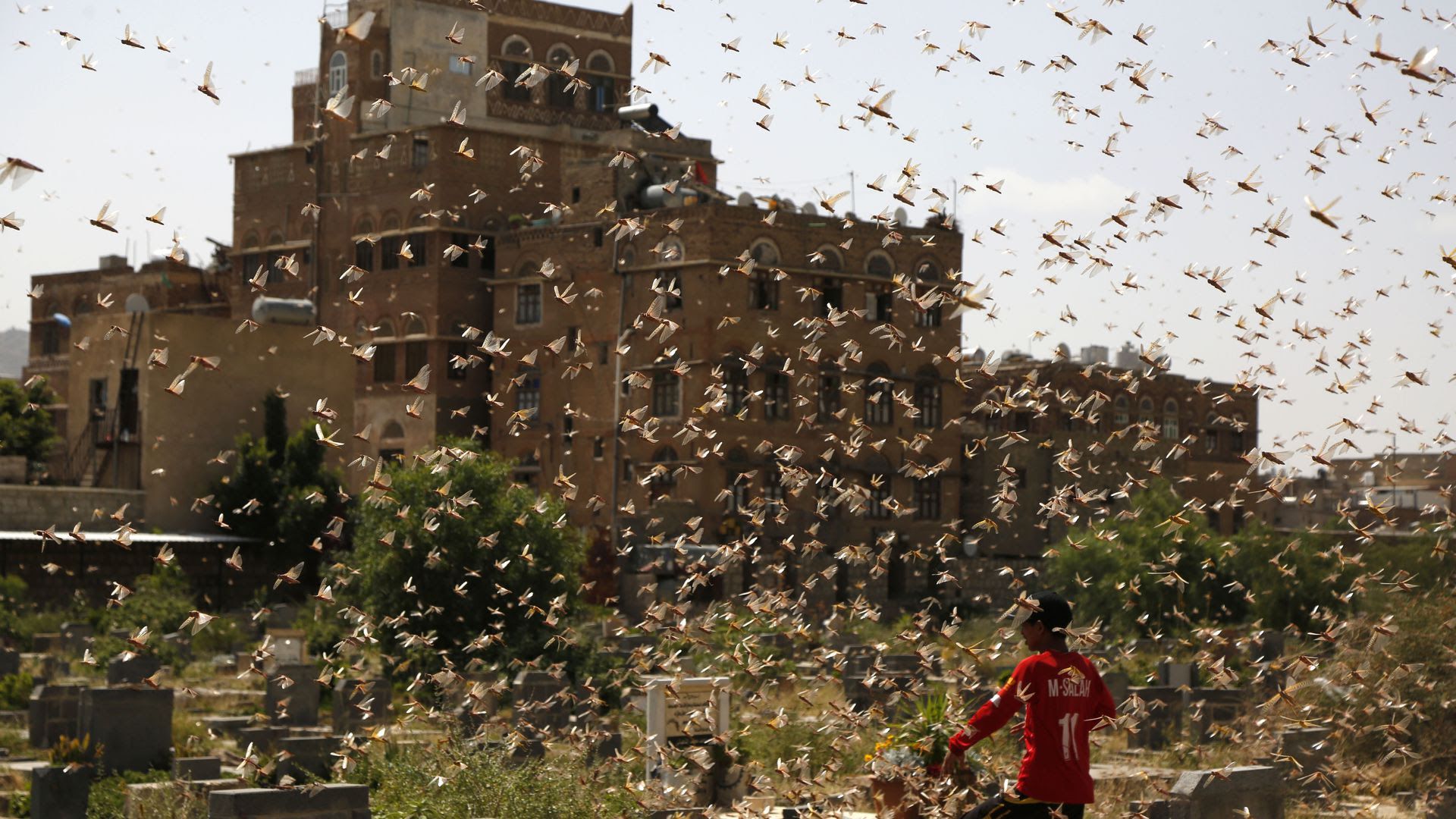
Locusts in swarms the size of Manhattan have been ravaging crops through East Africa, the Middle East and South Asia and could be "a bigger threat in some of these countries than COVID-19," according to Gro Intelligence CEO Sara Menker.
What's happening: The impact of the locusts is starting to eat into the respective countries' GDP and have a devastating effect on local economies.
The Canadian government denied the Blue Jays' request to play at Rogers Centre in Toronto this season due to fears about cross-border travel.
What's happening: While the NHL's plan calls for teams to travel to Toronto and Edmonton and stay there, MLB's plan calls for regular travel, with the Blue Jays and their AL and NL East foes frequenting hot spots like Florida and Georgia.
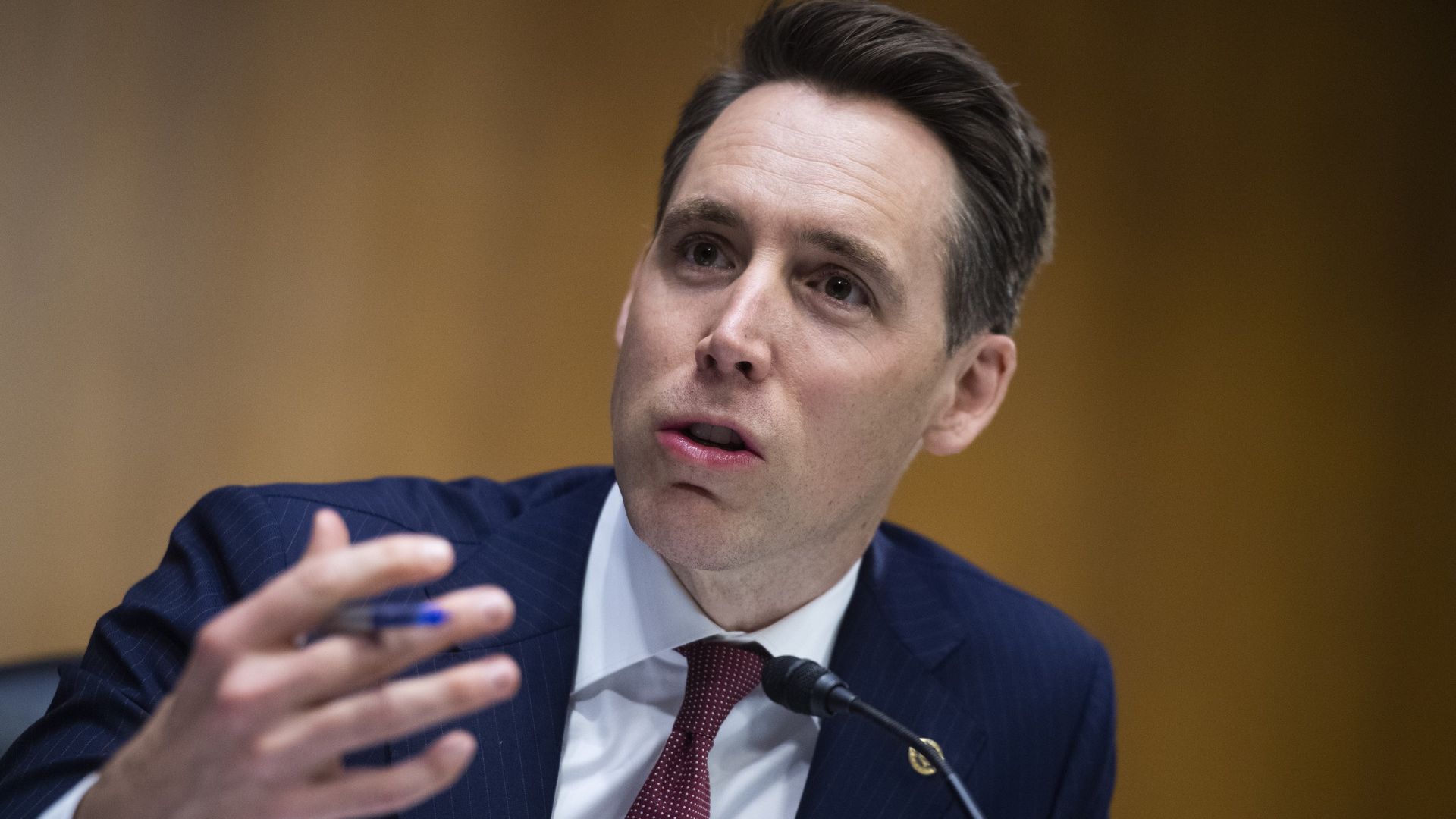
Sen. Josh Hawley (R-Mo.) tells Axios he'll introduce legislation this week requiring companies with business overseas to certify that their supply chains are free of forced labor — and he's especially concerned about China.
The state of play: "If these reports from anti-trafficking advocates, anti-slavery advocates are wrong, then the companies will have a chance to set the record straight," Hawley said in an interview. "But they will be held accountable."
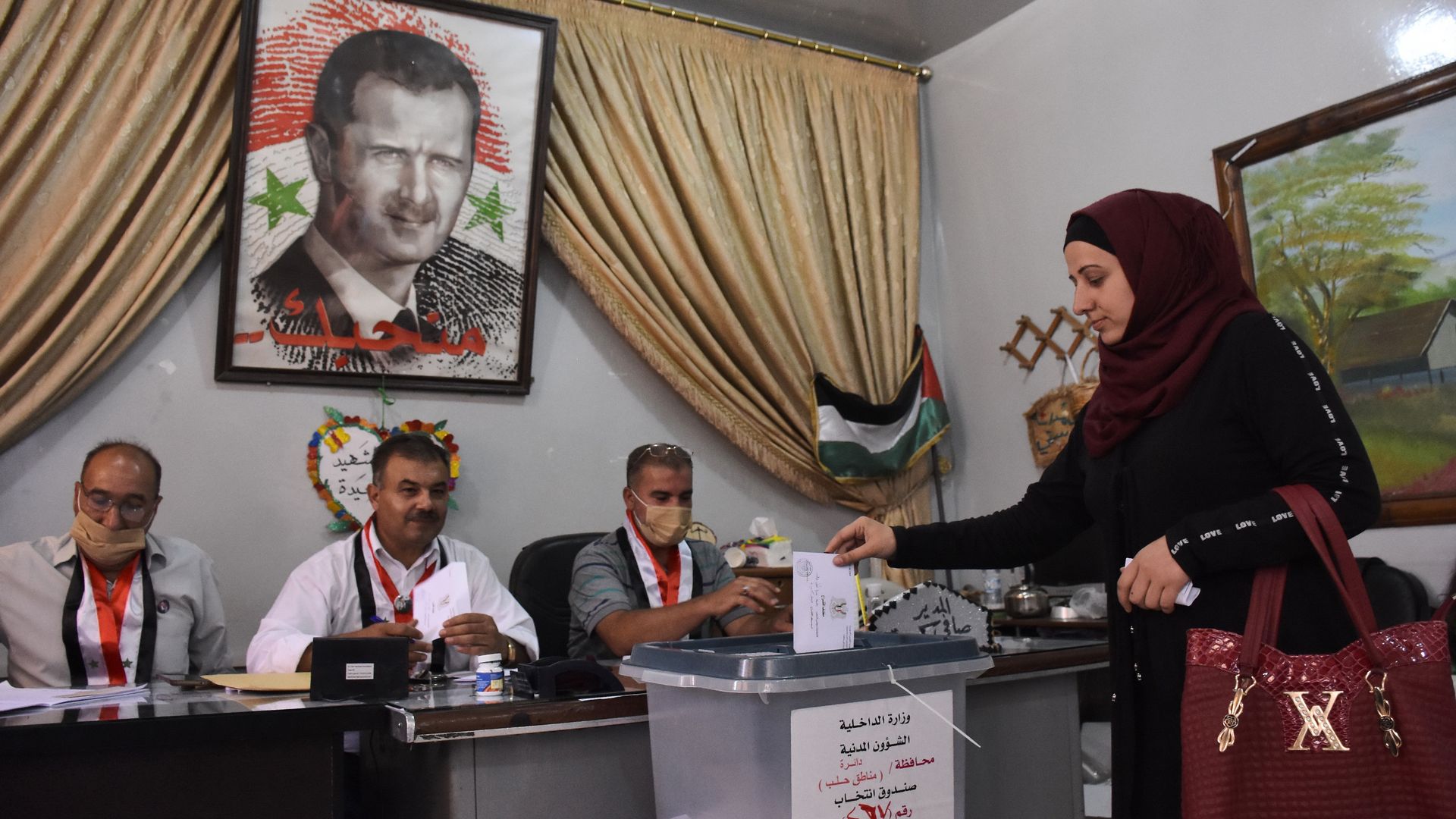
Polls closed in Syria's elections Sunday night, which saw voting take place in former rebel strongholds for the first time since the civil war that displaced millions began in 2011, per DW.
The big picture: The elections were delayed twice because of the coronavirus pandemic. They took place amid an economic crisis and as new U.S. sanctions took effect. With no opposition involvement, the polls were denounced as a "farce," Reuters notes. Syrian leader Bashar al-Assad's forces control about 70% of the country, according to the Syrian Observatory for Human Rights, which reported a bomb exploded in the rebel-held north on election night, wounding 10 people.
The coronavirus pandemic has affected almost every nation. And case numbers are continuing to surge across the world, along with the death toll.
The big picture: Locking down to combat the virus has had a crippling effect on many economies. Global debt is expected to surpass global GDP this year following coronavirus stimulus measures. As some countries reopen economies with strict health and hygiene measures in place and others lock down again to combat rising cases, take a look at how COVID-19 has changed daily life around the world.