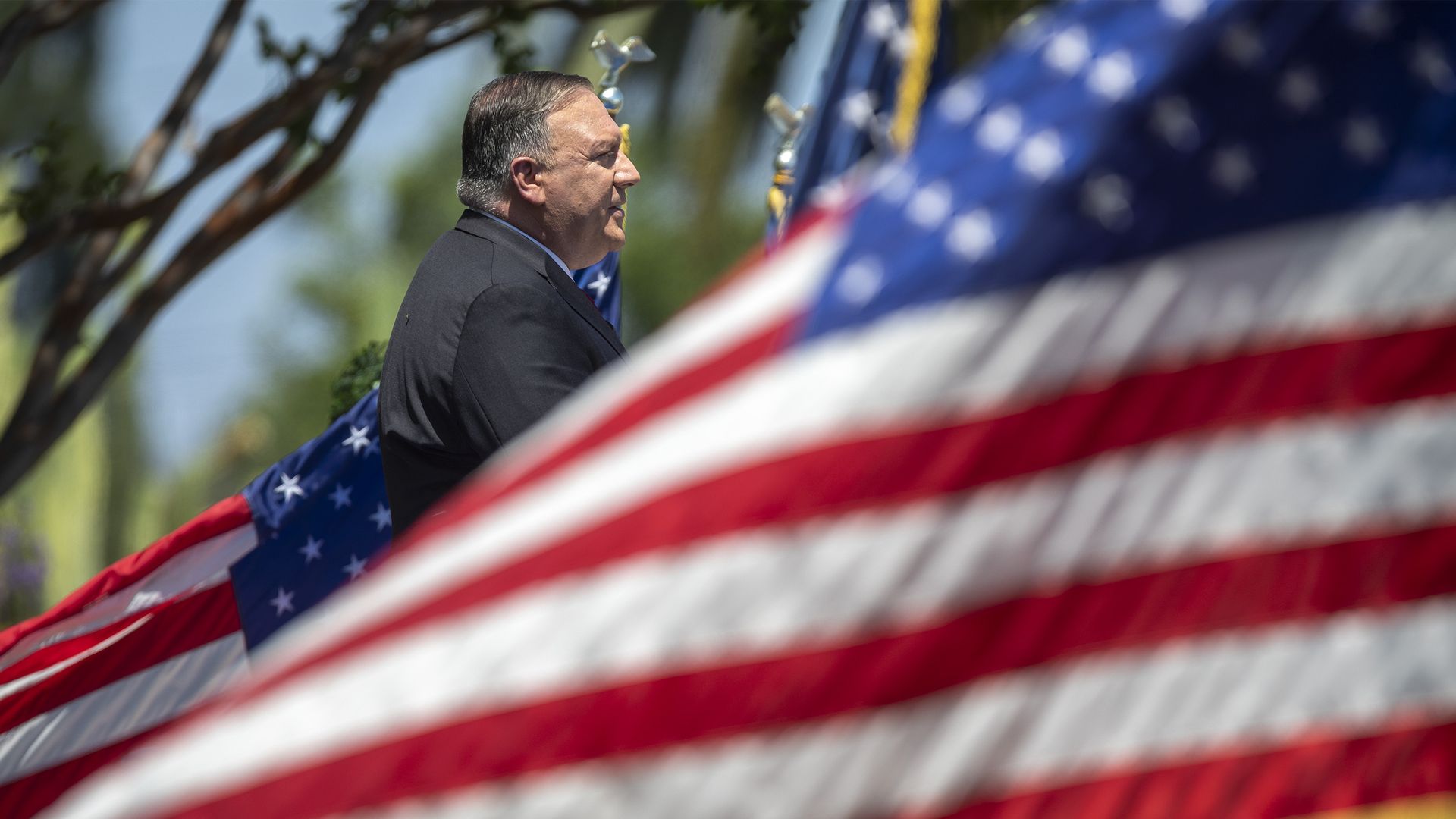
Secretary of State Mike Pompeo aimed directly for Xi Jinping in a speech Thursday night, calling the Chinese leader "a true believer in a bankrupt totalitarian ideology" and a would-be global hegemon.
Background: Pompeo's was the last in a quartet of speeches from top Trump administration officials laying out what they portray as a battle for the survival of the free world against Beijing and its enablers — including more dovish allies and major U.S. companies.
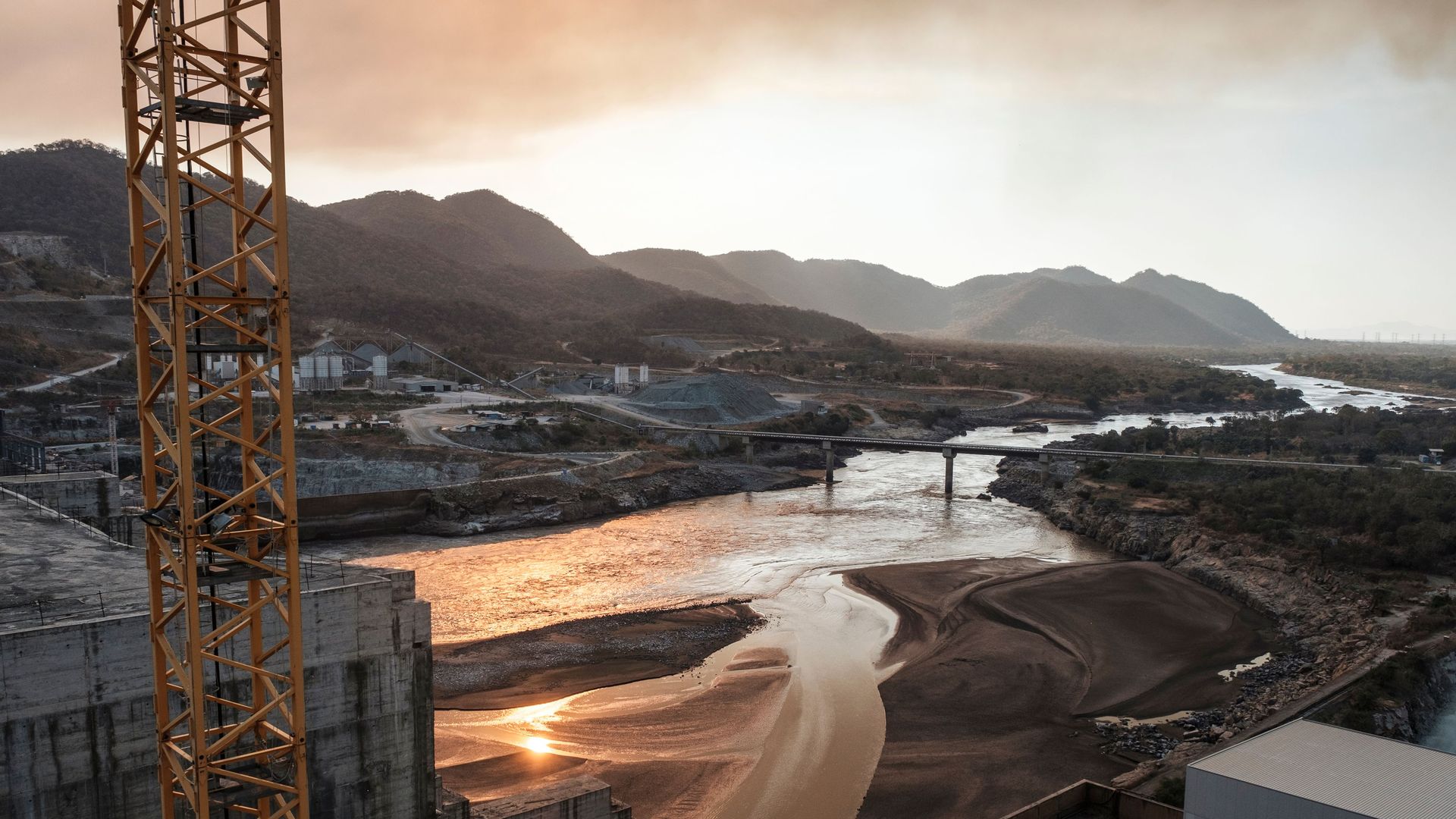
Ethiopia has crossed a critical threshold after years of tensions with Egypt and Sudan, by completing the initial filling of its massive Grand Ethiopian Renaissance Dam.
Why it matters: Egypt and Sudan warned Ethiopia not to proceed without a deal ensuring their access to the Nile’s waters, on which Egypt in particular is almost entirely reliant.
Sen. Josh Hawley (R-Mo.) earlier this week introduced legislation aimed at stemming the use of forced labor by American corporations — particularly those that operate much of their supply chain through China.
Axios Re:Cap talks with Hawley about the bill, U.S. prison labor, China's persecuted Uighurs and what he sees as Corporate America's hypocrisy. Plus, he shares his thoughts on the new federal stimulus negotiations.
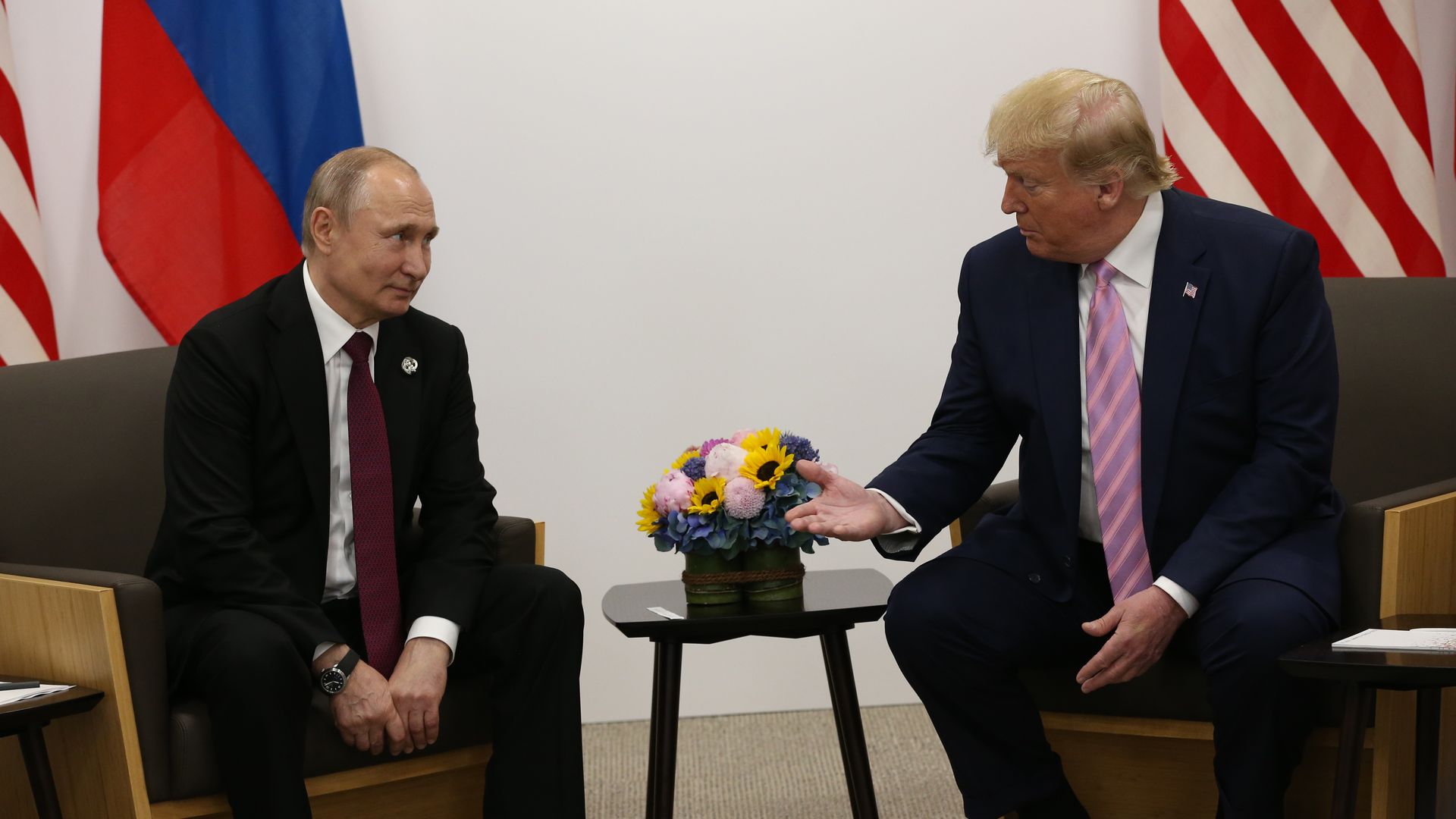
President Trump spoke with Russian President Vladimir Putin about the coronavirus pandemic and arms control on Thursday, the Kremlin announced and the White House later confirmed.
Why it matters: The phone call comes amid recent warnings that hackers associated with Russian intelligence services have tried to steal information from researchers working to develop a coronavirus vaccine. It also follows reports that the Kremlin paid Taliban-linked militants to kill U.S. troops in Afghanistan, which the White House has insisted is uncorroborated intelligence.
Russia conducted a test of an in-space anti-satellite weapon last week, according to U.S. Space Command statement released Thursday.
Why it matters: The test didn't destroy asatellite, but the Pentagon is pointing to it as evidence of a troubling trend by Russia that has escalated tensions in orbit.
A researcher who lied about her affiliation with a Chinese military university entered the Chinese consulate in San Francisco after being interviewed by the FBI on June 20 about alleged visa fraud and has remained there, according to an FBI assessment in court filings dated July 20.
Why it matters: Using a diplomatic facility to shelter someone charged with a federal crime could cause serious tension between the U.S. and China, especially as the U.S. is seeking to crack down on Chinese espionage and research theft.
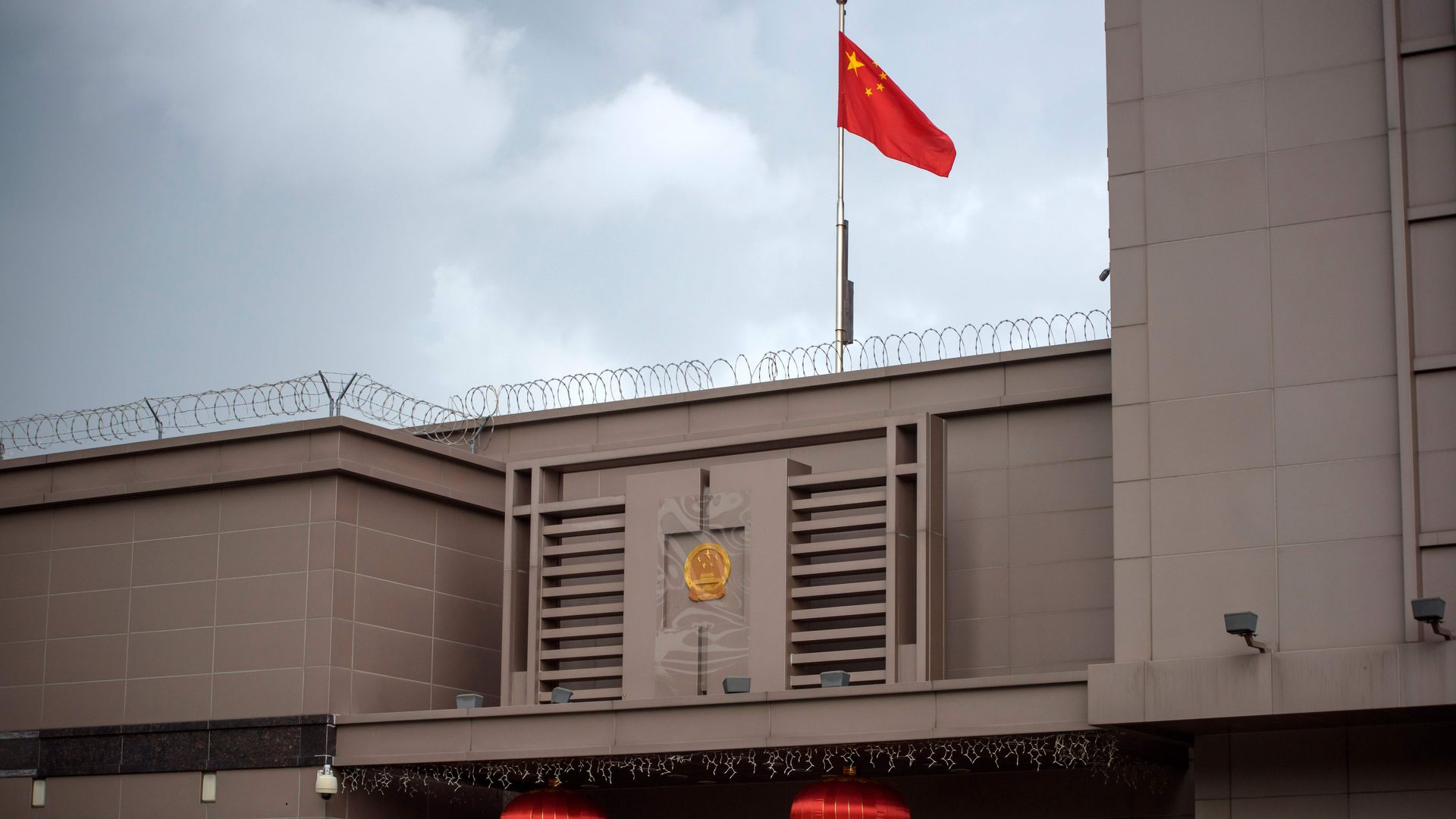
The Trump administration told China to close its diplomatic consulate in Houston "in order to protect American intellectual property and Americans' private information," State Department spokesperson Morgan Ortagus confirmed to Axios on Wednesday morning.
The latest: Deputy Secretary of State Stephen Biegun testified to the Senate Foreign Relations Committee on Wednesday that President Trump directed the State Department to withdraw its consent for China to operate its consulate in Houston due to a litany of abuses in the bilateral relationship.
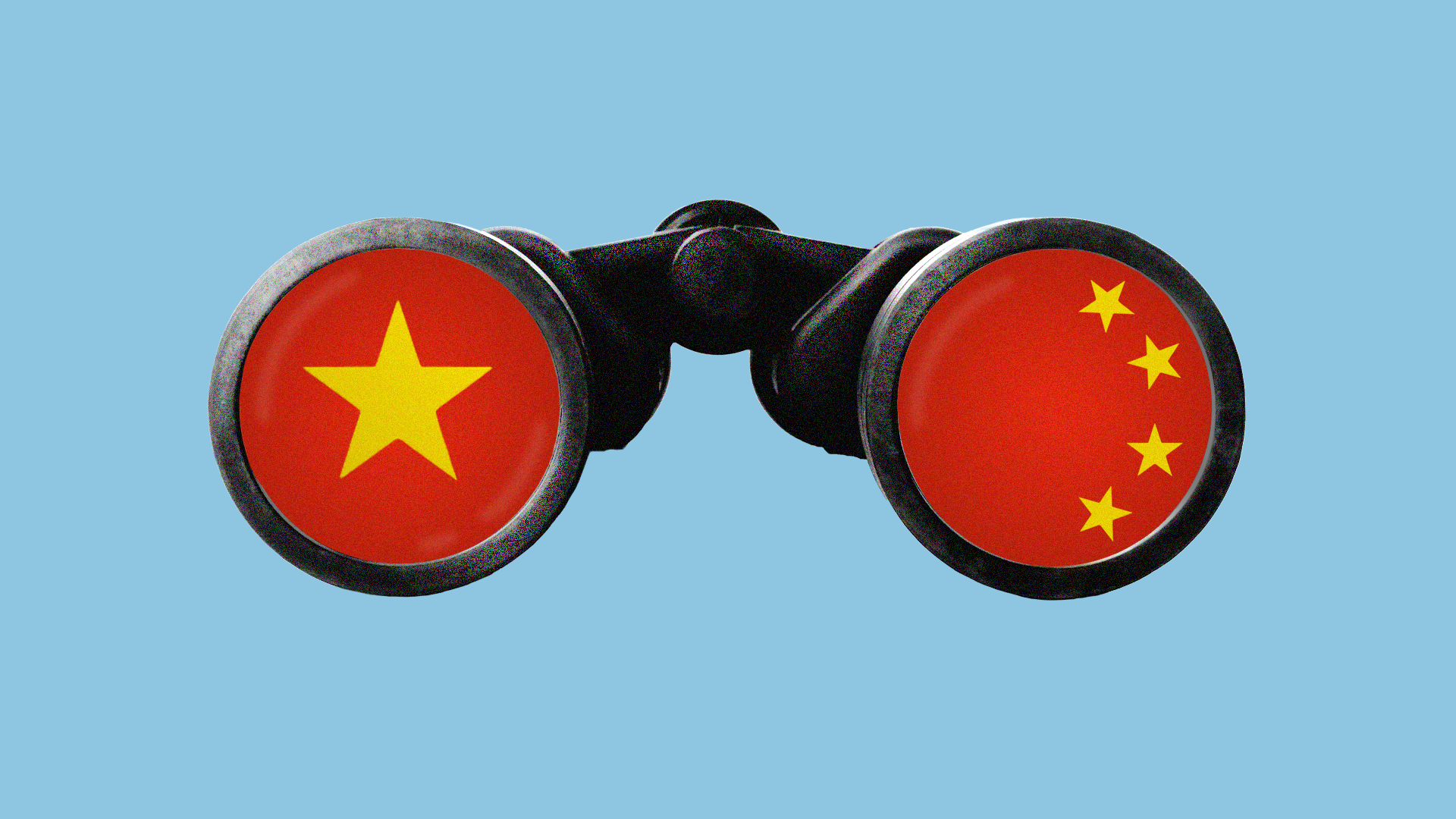
The Department of Justice on Tuesday unsealed an indictment charging two individuals with working as hackers for the Ministry of State Security, China’s main civilian intelligence agency.
What we know: The campaign dates back to 2009 and targeted defense contractors, tech companies, dissidents —and, more recently, institutions involved in COVID-19 research.
A U.S. service member died in Syria on Tuesday, the United States military confirmed in a statement. The incident is under investigation.
Details: "Initial reports indicate the incident was not due to enemy contact," the statement read. The service member was with the Combined Joint Task Force Operation Inherent Resolve, the U.S. military's operational name for the military intervention against the Islamic State. No further information was immediately available. Axios has contacted the Defense and State departments for comment.