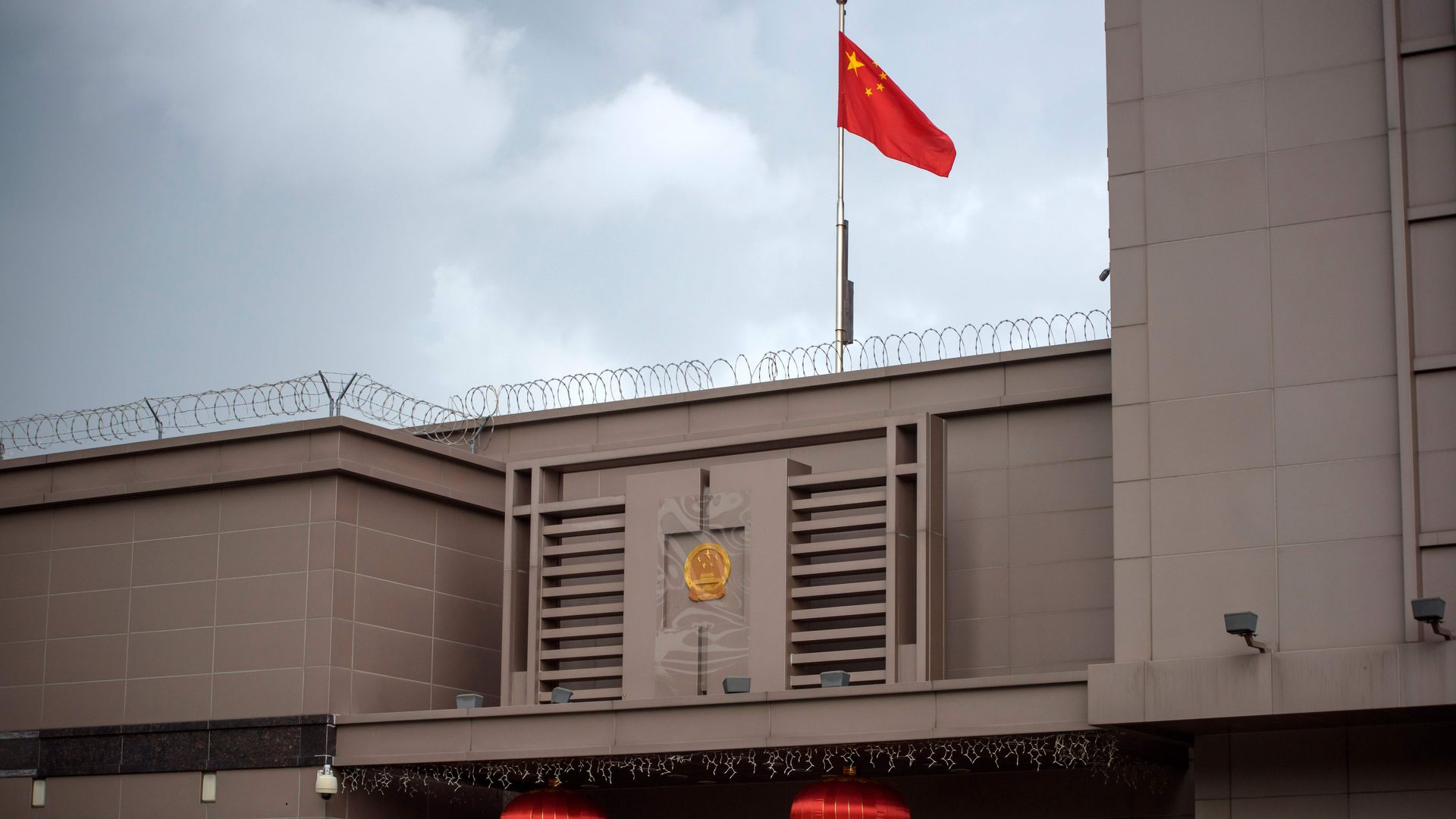
A researcher who lied about her affiliation with a Chinese military university entered the Chinese consulate in San Francisco after being interviewed by the FBI on June 20 about alleged visa fraud and has remained there, according to an FBI assessment in court filings dated July 20.
Why it matters: Using a diplomatic facility to shelter someone charged with a federal crime could cause serious tension between the U.S. and China, especially as the U.S. is seeking to crack down on Chinese espionage and research theft.
The Trump administration told China to close its diplomatic consulate in Houston "in order to protect American intellectual property and Americans' private information," State Department spokesperson Morgan Ortagus confirmed to Axios on Wednesday morning.
The latest: Deputy Secretary of State Stephen Biegun testified to the Senate Foreign Relations Committee on Wednesday that President Trump directed the State Department to withdraw its consent for China to operate its consulate in Houston due to a litany of abuses in the bilateral relationship.
The Department of Justice on Tuesday unsealed an indictment charging two individuals with working as hackers for the Ministry of State Security, China’s main civilian intelligence agency.
What we know: The campaign dates back to 2009 and targeted defense contractors, tech companies, dissidents —and, more recently, institutions involved in COVID-19 research.
A U.S. service member died in Syria on Tuesday, the United States military confirmed in a statement. The incident is under investigation.
Details: "Initial reports indicate the incident was not due to enemy contact," the statement read. The service member was with the Combined Joint Task Force Operation Inherent Resolve, the U.S. military's operational name for the military intervention against the Islamic State. No further information was immediately available. Axios has contacted the Defense and State departments for comment.
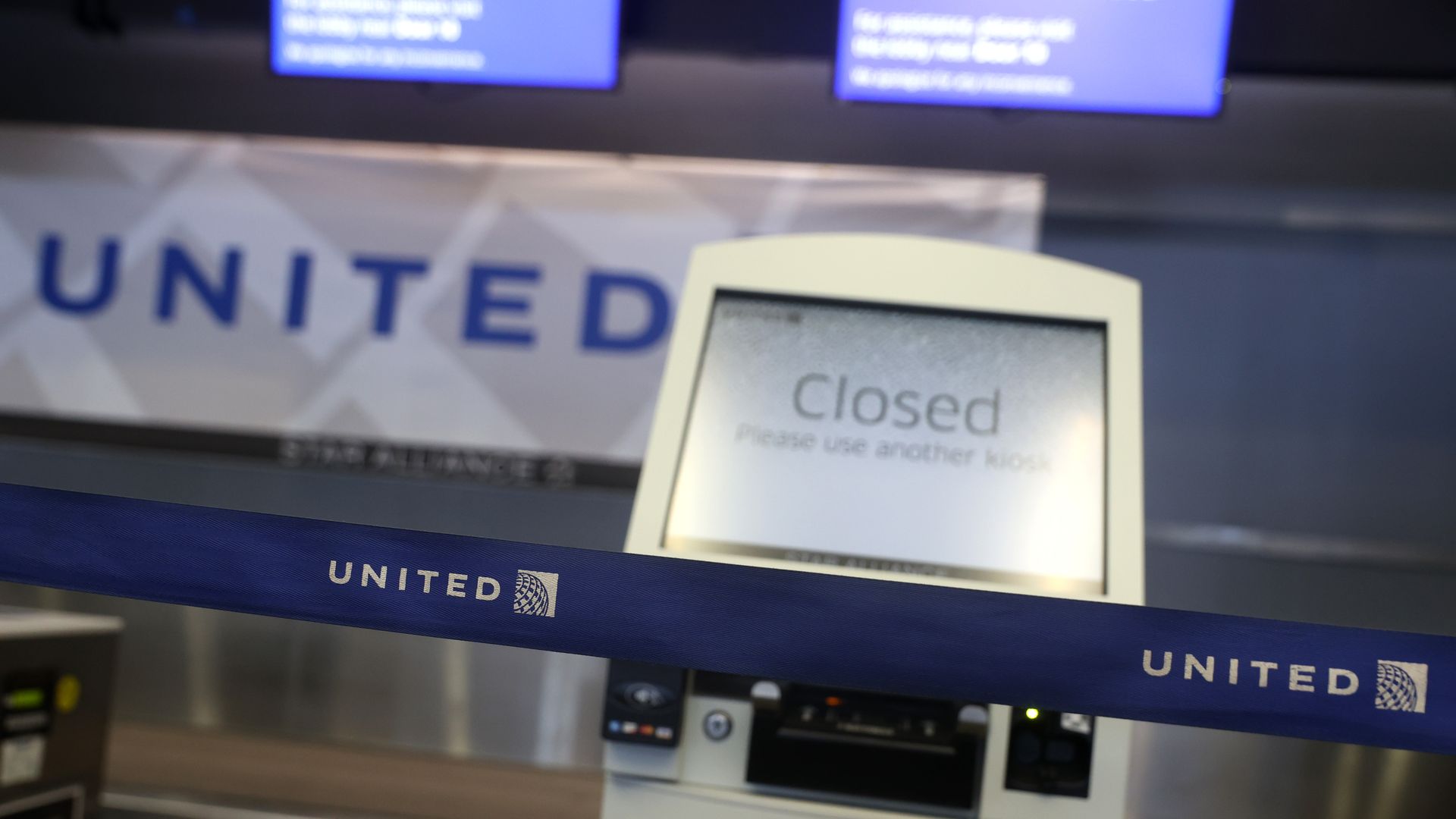
Four U.S. and European airlines are asking government leaders to begin a joint coronavirus testing program so that transatlantic travel can resume.
Why it matters: Flights between the U.S. and Europe are a huge source of profit for the airline industry, which has collapsed since the pandemic hit. But government restrictions effectively prevent all non-essential travel between the regions.
A federal grand jury has returned an 11-count indictment against two Chinese hackers for a "sweeping global computer intrusion campaign" that began over 10 years ago and recently targeted companies developing coronavirus vaccines and treatments, the Justice Department announced Tuesday.
Why it matters: It's believed to be the first time the U.S. government has charged foreign hackers with targeting coronavirus research, according to AP.
In a speech Tuesday morning over Zoom, U.S. Secretary of Defense Mark Esper said that U.S. policy champions a free and open Indo-Pacific, and China has no right to turn free waters into a “zone of exclusion” for its own “maritime empire."
The big picture: Esper's remarks come one week after the U.S. State Department announced it rejects most of China's territorial claims in the South China Sea.
Chinese Communist Party members and their families may face new restrictions on traveling to the U.S. that would be a dramatic expansion of current limits.
Why it matters: U.S. law, on paper at least, has long prohibited CCP members from immigrating, but the proposed policy could gut people-to-people ties between the two countries and mark a near-break in diplomatic relations.
The U.S. Commerce Department announced on July 20 that it had added a subsidiary of one of the world's largest contract shirtmakers and 10 other companies to an export blacklist over their supply chain ties to Xinjiang, where Muslim ethnic minorities are pushed into a forced labor factory system.
Why it matters: The Trump administration is showing increasing resolve to try to delink U.S. companies from tainted supply chains in China.
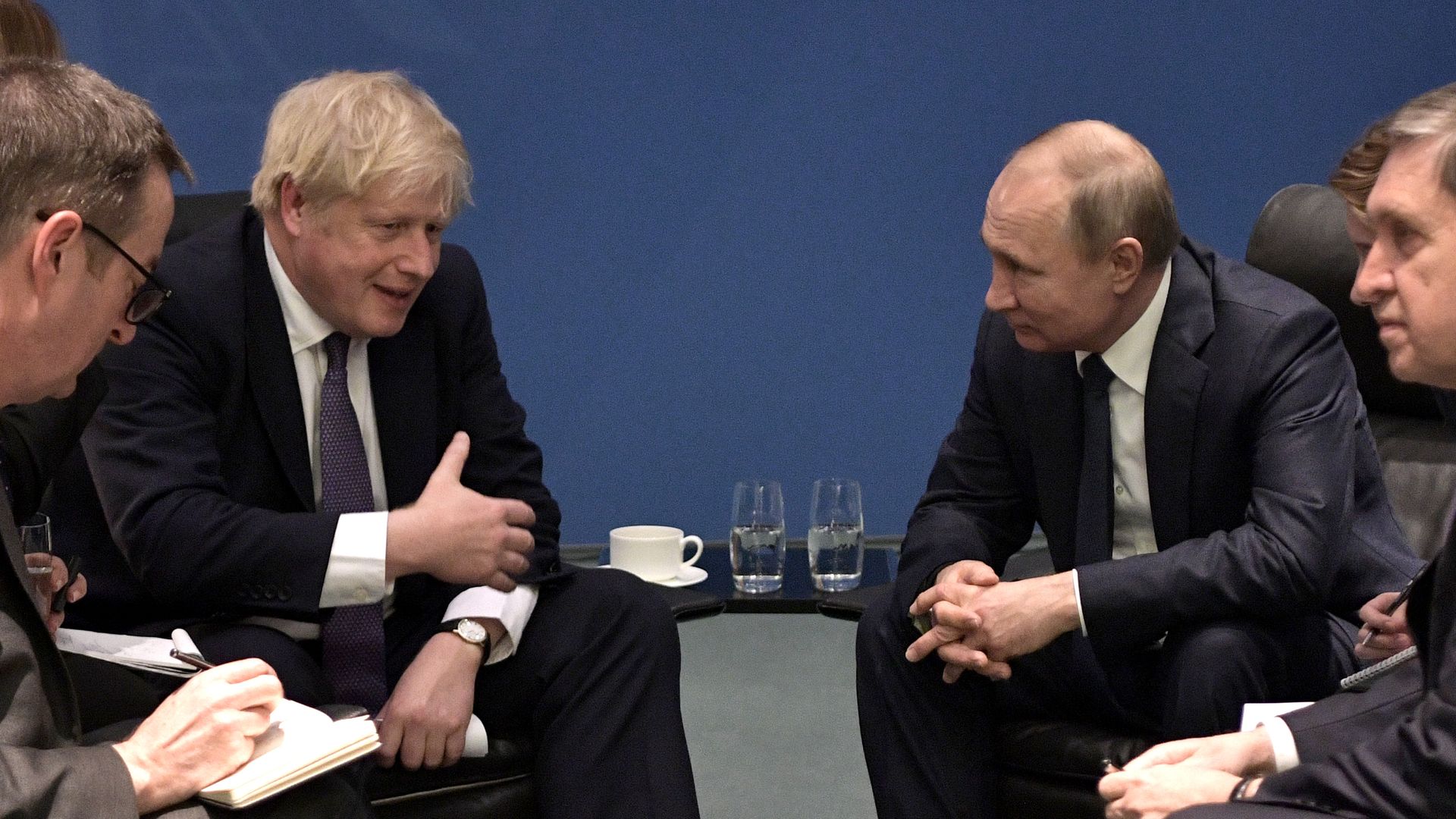
The U.K. government has ignored Russian campaigns to interfere in its democratic system for years, including during the contentious 2014 Scottish independence referendum and 2016 Brexit referendum, according to a long-delayed report released by Parliament on Tuesday.
Why it matters: The damaging report did not conclude whether the Russian influence campaigns were successful, but found that the U.K. government failed to be alert or avoided looking for evidence that the Kremlin was seeking to attack its democracy.
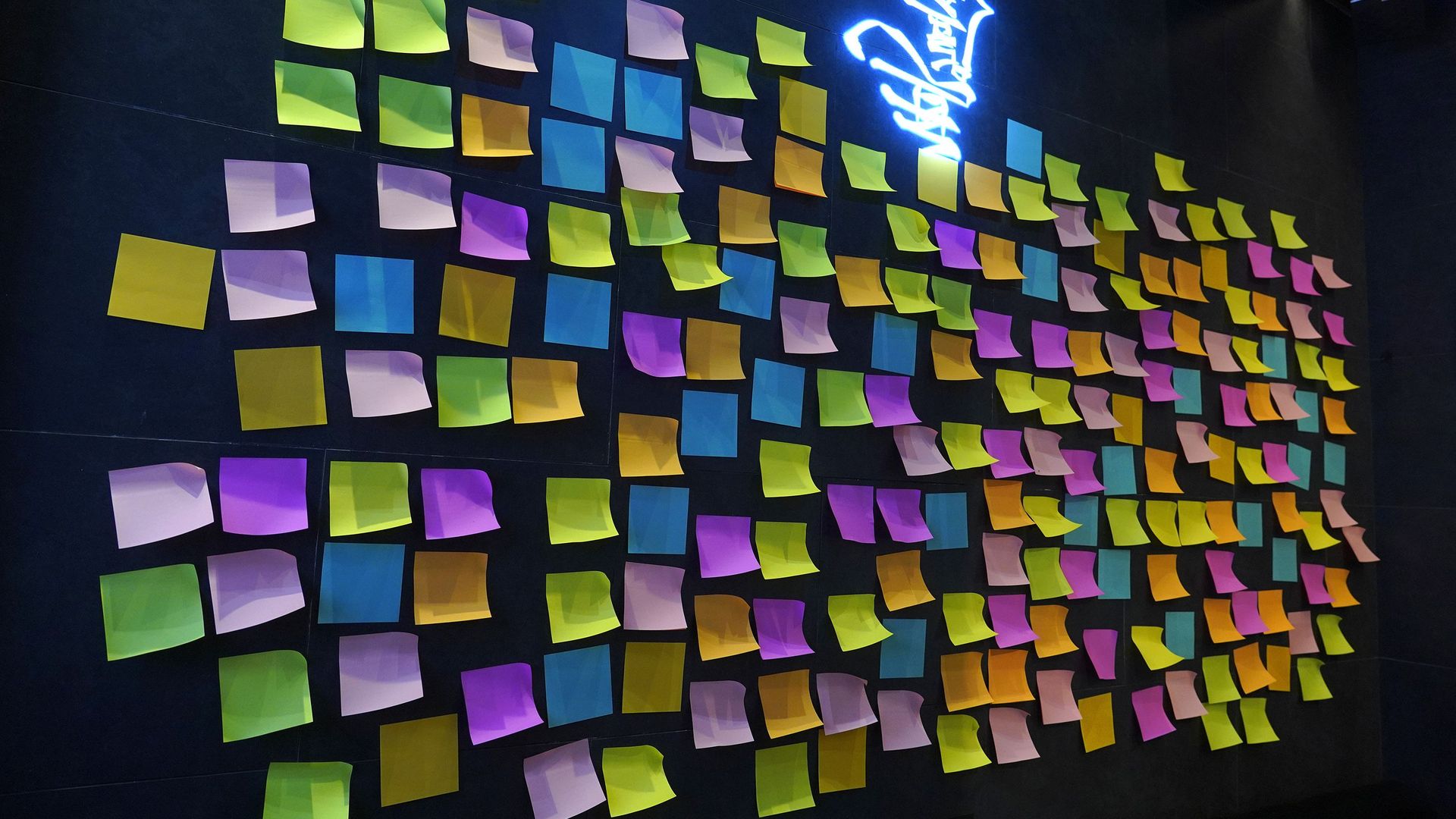
Hong Kong protesters are adapting their signs and slogans to skirt the repressive new security law, AP reports.
What's happening: A national security law enacted by China has set harsh penalties for a wide-sweeping number of political crimes. Prior to the law,stores supporting the movement put up artwork and notes filled with encouragement. Those have been taken down out of fear of authorities.
Now, Hong Kong cafés known as "yellow shops" because owners sympathize with pro-democracy protesters, have shown support through walls decorated with blank sticky notes instead.
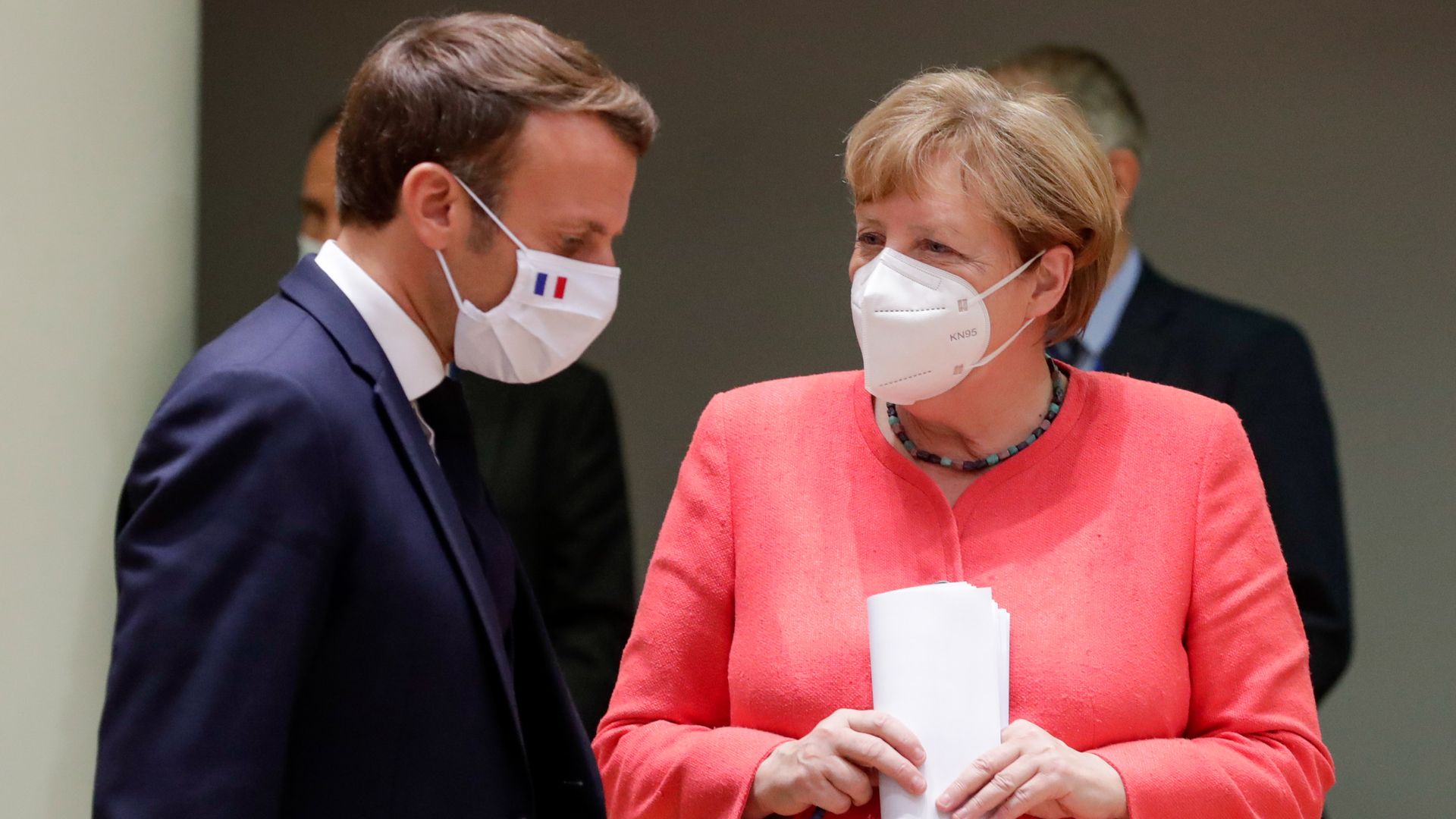
EU leaders agreed to a €750 billion ($857 billion) post-pandemic economic recovery package, summit chair Charles Michel confirmed in a tweet early Tuesday local time, stating: "Deal!"
Why it matters: French President Emmanuel Macron said in a statement the agreement that was unanimously approved by all 27 EU leaders after almost five days of intense negotiations in Brussels marked "a historic day for Europe."
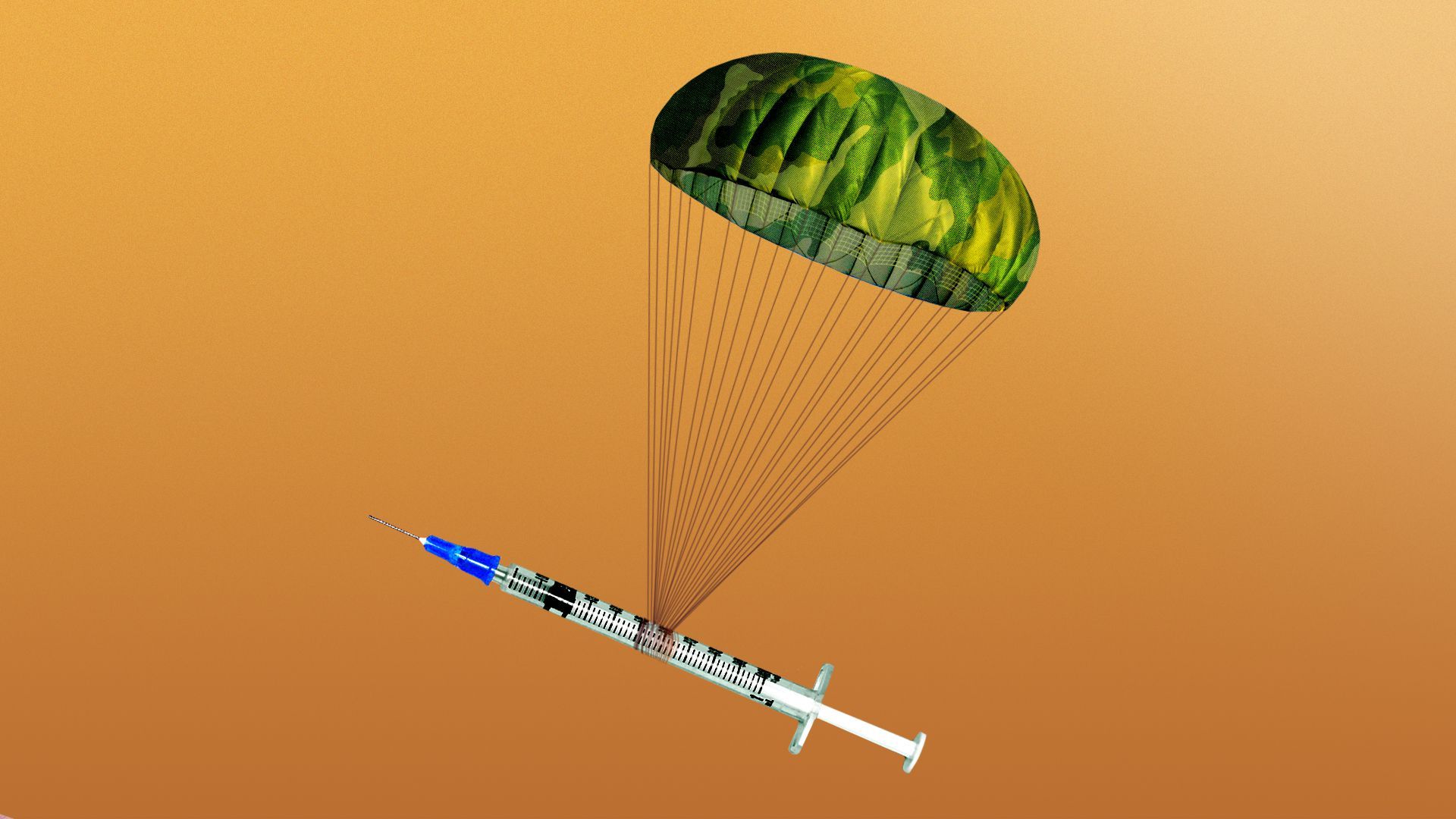
Vaccines from the U.K., U.S. and China are sprinting ahead in a global race that involves at least 197 vaccine candidates and is producing geopolitical clashes even as it promises a possible pandemic escape route.
Driving the news: The first two candidates to reach phase three trials — one from the University of Oxford and AstraZeneca, the other from China — both appear safe and produce immune responses, according to preliminary results published today in The Lancet.