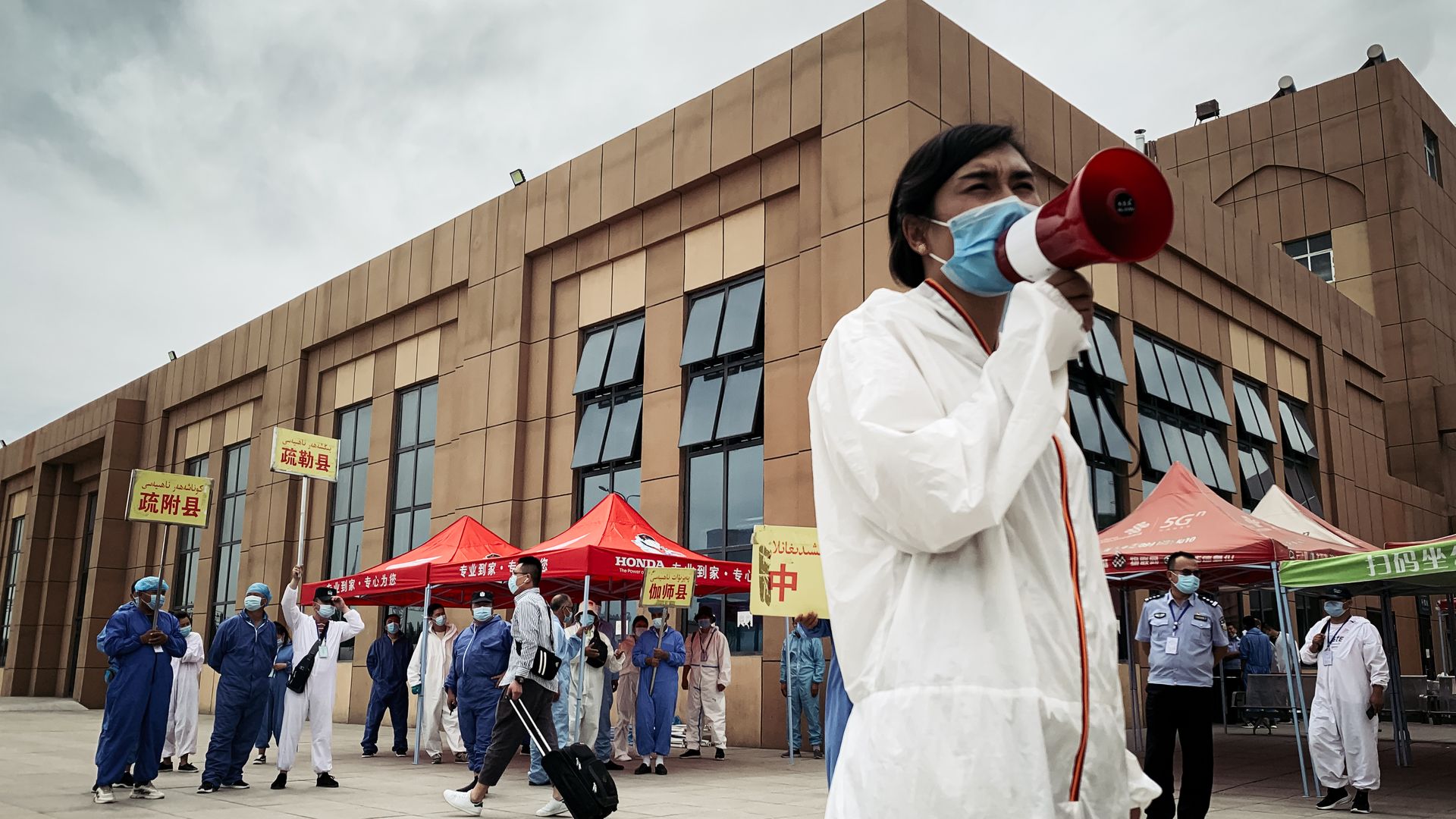
The Commerce Department announced Monday it would add 11 Chinese companies to an export blacklist due to their involvement in human rights abuses against Uighur Muslims and other ethnic minorities in Xinjiang.
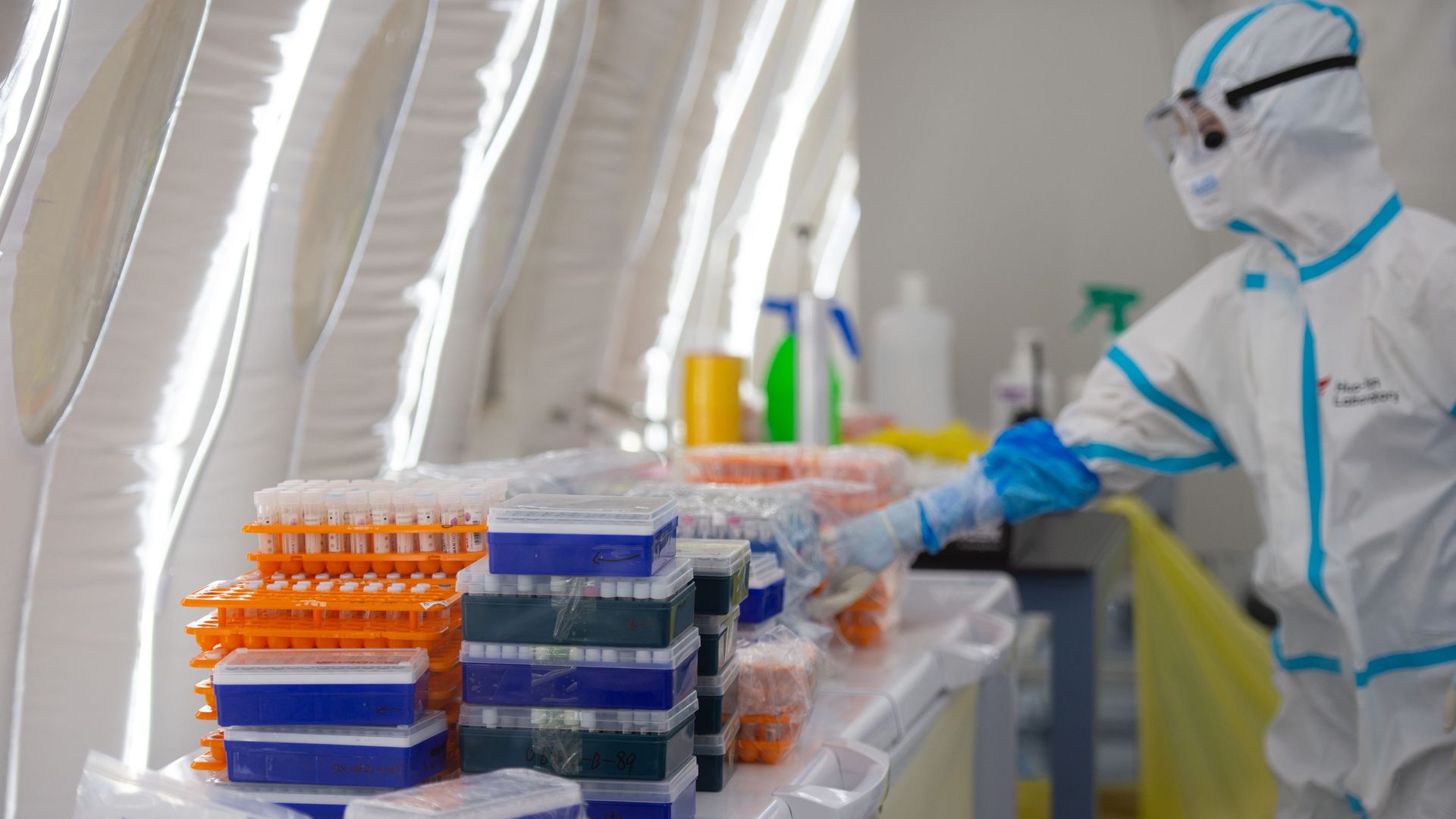
Between the lines: Two of the companies are subsidiaries of leading Chinese gene sequencing and biomedical firm BGI, which has contributed to efforts to document the genetic material of ethnic minorities in Xinjiang.
A U.S. subsidiary of Chinese genomics company BGI Group received a loan through the Paycheck Protection Program (PPP), according to data on the program released by the U.S. Treasury Department.
Update: The company announced on July 17 that it had returned the loan after Treasury "issued new guidance clarifying that the loans were not intended for companies with access to the equity market."
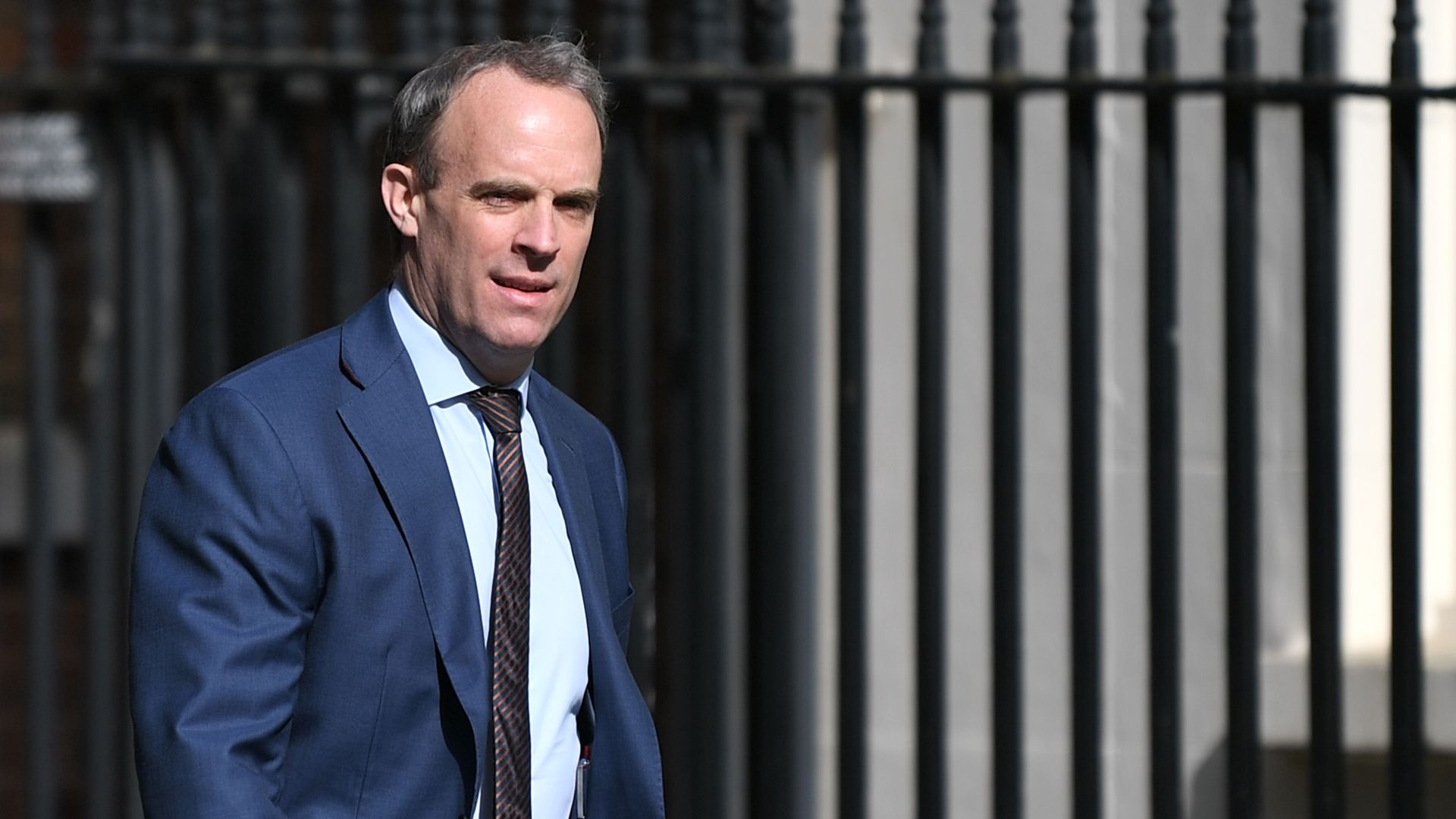
The United Kingdom announced Monday it will be suspending its extradition treaty and blocking arms sales with Hong Kong as a result of China's draconian new national security law.
Why it matters: The U.K. fears that the extradition treaty, which has been in place for more than 30 years, could be used to extradite individuals to Hong Kong and then have them sent to China, where they could be punished by the authoritarian central government.
Pop star Dua Lipa faced backlash on Sunday after tweeting a flag of "Greater Albania," showing Albania expanding its borders to include some portions of Kosovo, Serbia, Greece and North Macedonia.
Why it matters: The flag represents an ultra-nationalist idea that historically ethnic Albanian parts of the Balkans should be returned to Albanian control. Lipa, 24, was born in the U.K., but her parents are Kosovar Albanians — and Kosovo is central to much of the dispute.
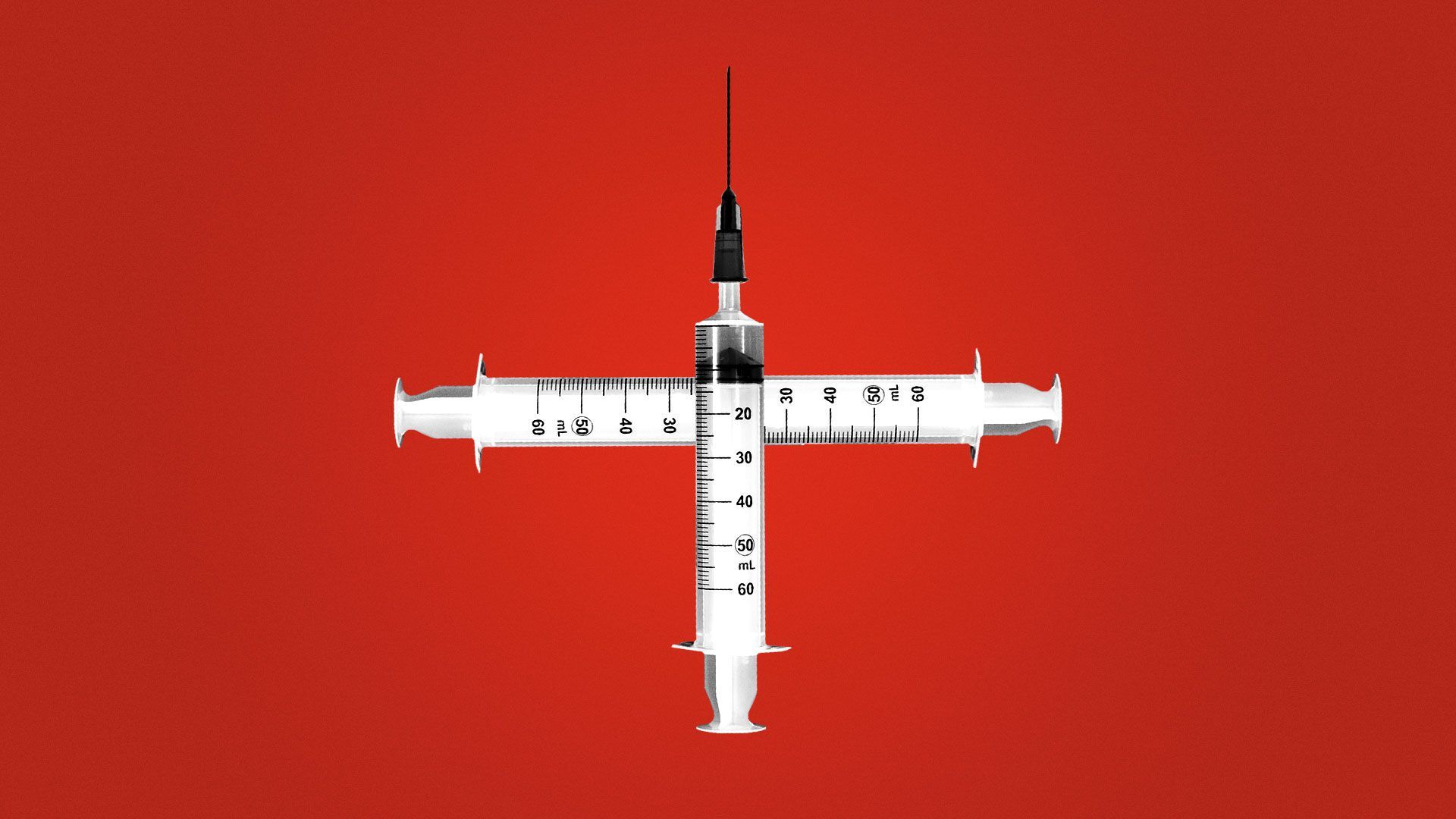
A coronavirus vaccine from Oxford University and AstraZeneca, perhaps the most promising candidate currently in development, appears to be safe and produces an immune response, according to preliminary findings published in The Lancet.
Why it matters: The race is on to get a vaccine approved and into circulation. A separate report published today finds that a Chinese candidate also produces an immune response, while American biotech firm Moderna revealed last week that its candidate produces a strong immune response.
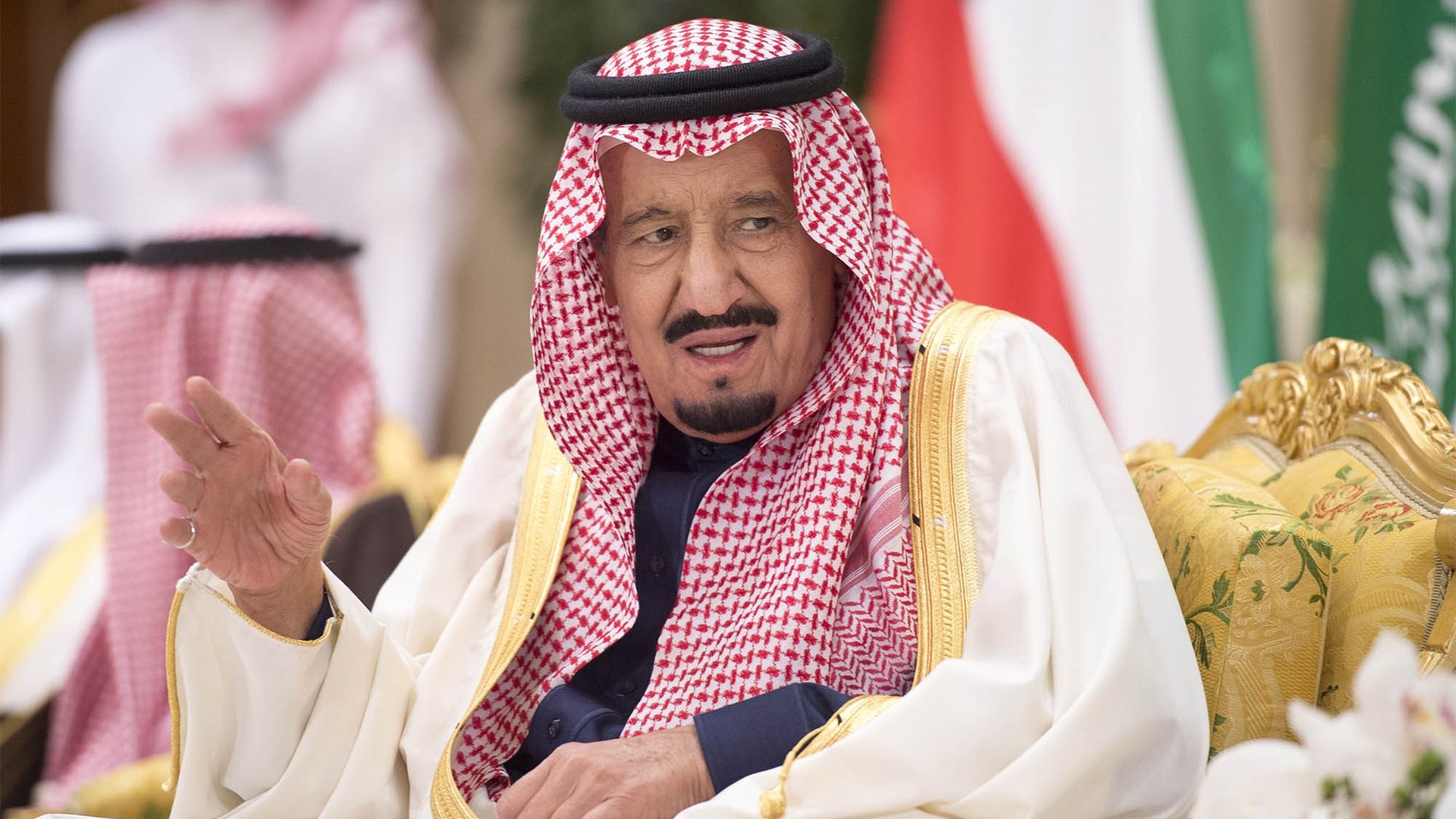
Saudia Arabia's King Salman, 84, was hospitalized Monday for tests after suffering gallbladder inflammation, heightening speculation about his health, the Wall Street Journal reports.
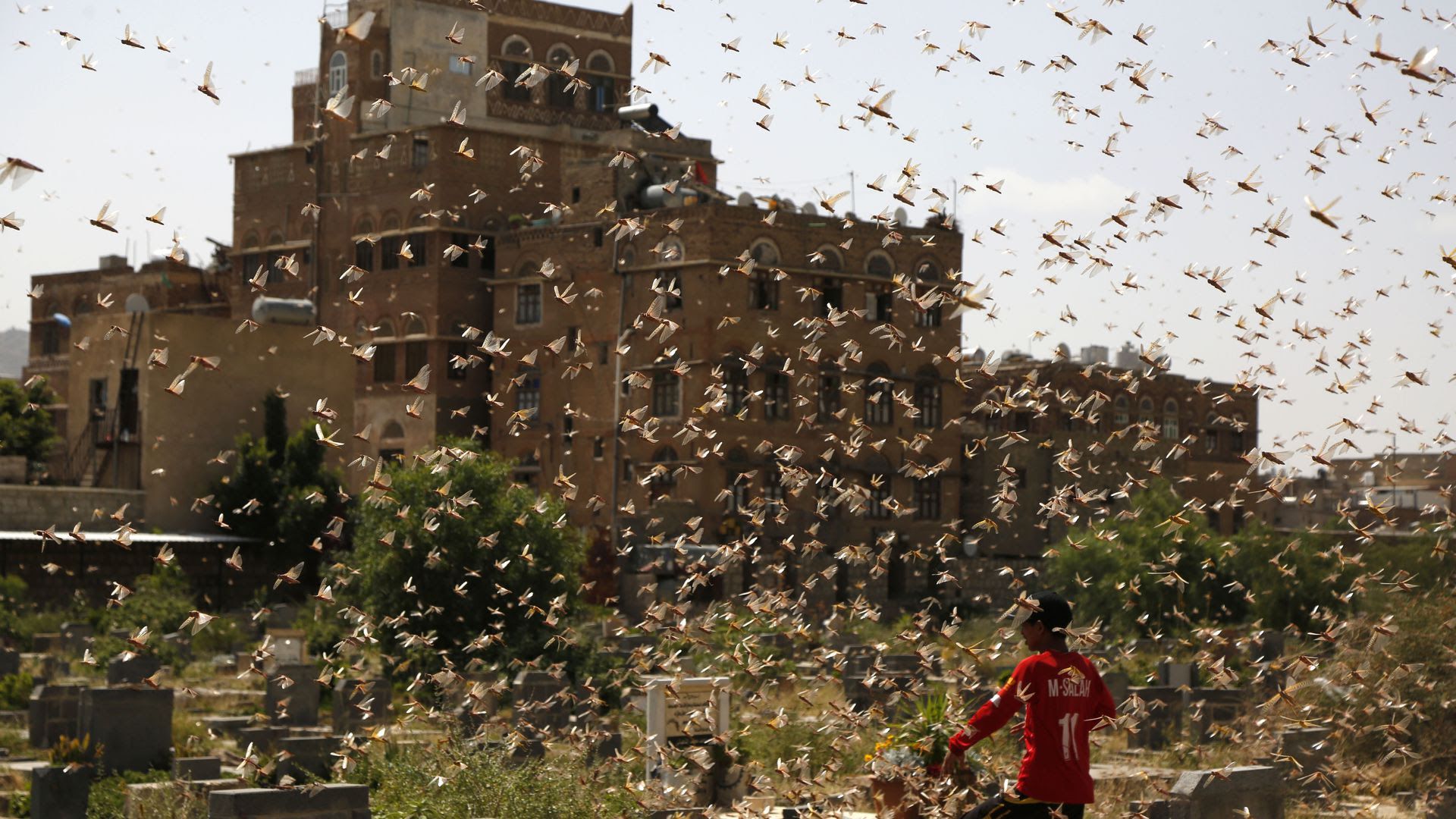
Locusts in swarms the size of Manhattan have been ravaging crops through East Africa, the Middle East and South Asia and could be "a bigger threat in some of these countries than COVID-19," according to Gro Intelligence CEO Sara Menker.
What's happening: The impact of the locusts is starting to eat into the respective countries' GDP and have a devastating effect on local economies.
The Canadian government denied the Blue Jays' request to play at Rogers Centre in Toronto this season due to fears about cross-border travel.
What's happening: While the NHL's plan calls for teams to travel to Toronto and Edmonton and stay there, MLB's plan calls for regular travel, with the Blue Jays and their AL and NL East foes frequenting hot spots like Florida and Georgia.
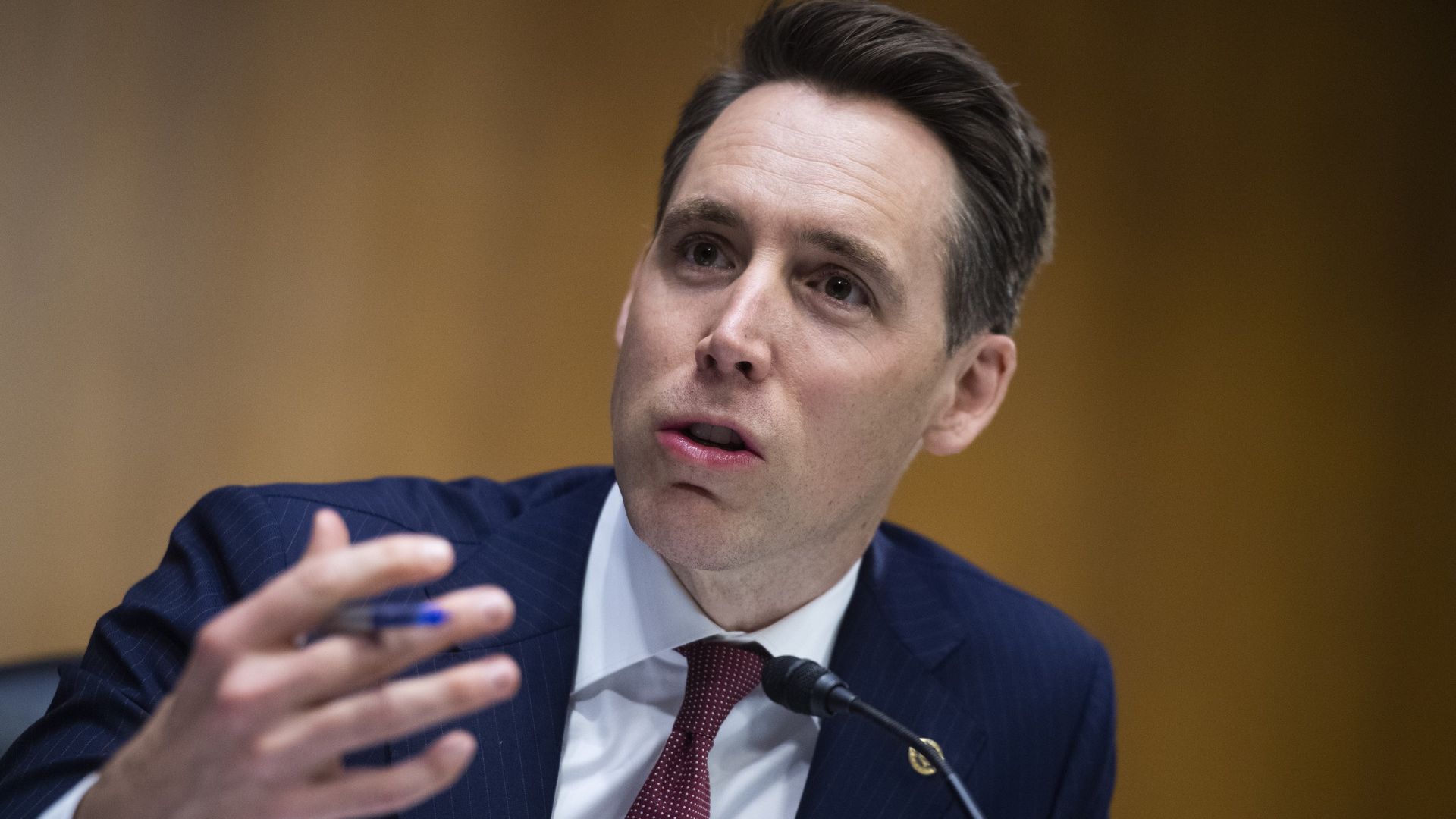
Sen. Josh Hawley (R-Mo.) tells Axios he'll introduce legislation this week requiring companies with business overseas to certify that their supply chains are free of forced labor — and he's especially concerned about China.
The state of play: "If these reports from anti-trafficking advocates, anti-slavery advocates are wrong, then the companies will have a chance to set the record straight," Hawley said in an interview. "But they will be held accountable."
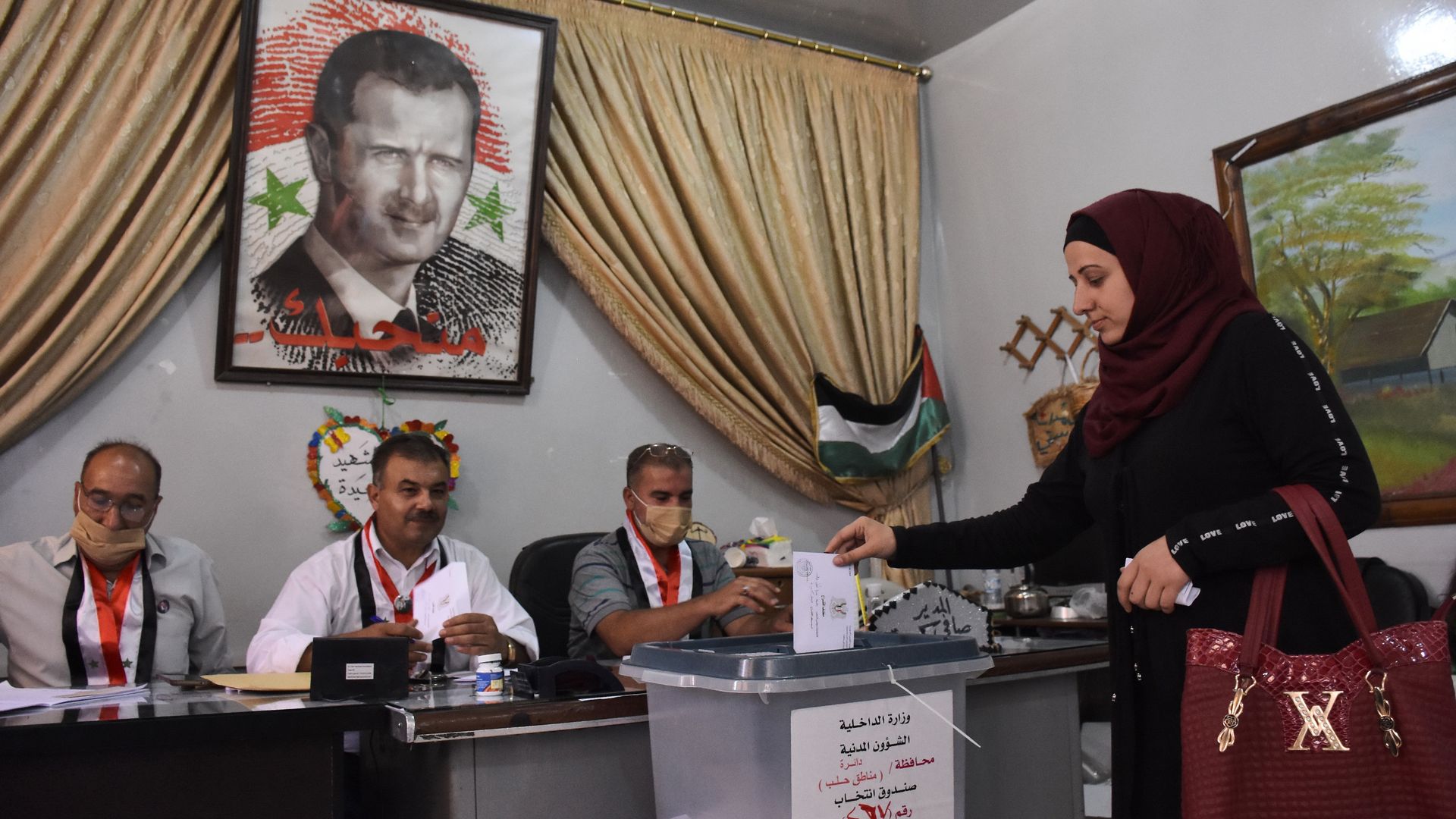
Polls closed in Syria's elections Sunday night, which saw voting take place in former rebel strongholds for the first time since the civil war that displaced millions began in 2011, per DW.
The big picture: The elections were delayed twice because of the coronavirus pandemic. They took place amid an economic crisis and as new U.S. sanctions took effect. With no opposition involvement, the polls were denounced as a "farce," Reuters notes. Syrian leader Bashar al-Assad's forces control about 70% of the country, according to the Syrian Observatory for Human Rights, which reported a bomb exploded in the rebel-held north on election night, wounding 10 people.
The coronavirus pandemic has affected almost every nation. And case numbers are continuing to surge across the world, along with the death toll.
The big picture: Locking down to combat the virus has had a crippling effect on many economies. Global debt is expected to surpass global GDP this year following coronavirus stimulus measures. As some countries reopen economies with strict health and hygiene measures in place and others lock down again to combat rising cases, take a look at how COVID-19 has changed daily life around the world.