As excited as Microsoft is about AI — and executives mentioned it dozens of times during Tuesday's conference call — it was the basics of corporate computing that drove the company's better than expected quarterly numbers.
Why it matters: Microsoft's long-term prospects could well be determined by the company's performance in the AI race — but the ups and downs of corporate tech spending are likely to be the key economic factor shaping its shorter-term destiny.
A pair of developments this week shows how the push to unionize tech workers has expanded beyond warehouse and retail staff to employees who sit closer to the tech industry's product and engineering hearts.
Why it matters: Organizing efforts are coming for office workers just as many tech companies are shedding staff, potentially giving employees new incentives to consider unions.
Wikipedia is one of the most visited websites across the globe, but how the nonprofit, community-driven online encyclopedia operates is still a mystery to most.
Why it matters: The content found on Wikipedia is becoming even more important as new generative artificial intelligence tools are being trained on data from the site.
The voicemail might be dead, but the quick little audio note is thriving.
Why it matters: People can increasingly drop quippy or professional self-recorded files on apps for work, dating and other personal comms, which many senders and recipients feel builds better connections.
Clubhouse, the audio app that captivated Silicon Valley during COVID lockdowns, on Thursday announced that it is laying off just overhalf of its employees.
What to know: CEO Paul Davison tweeted that the move was about forming a smaller team focused "relentlessly on product," rather than because of the economic environment.
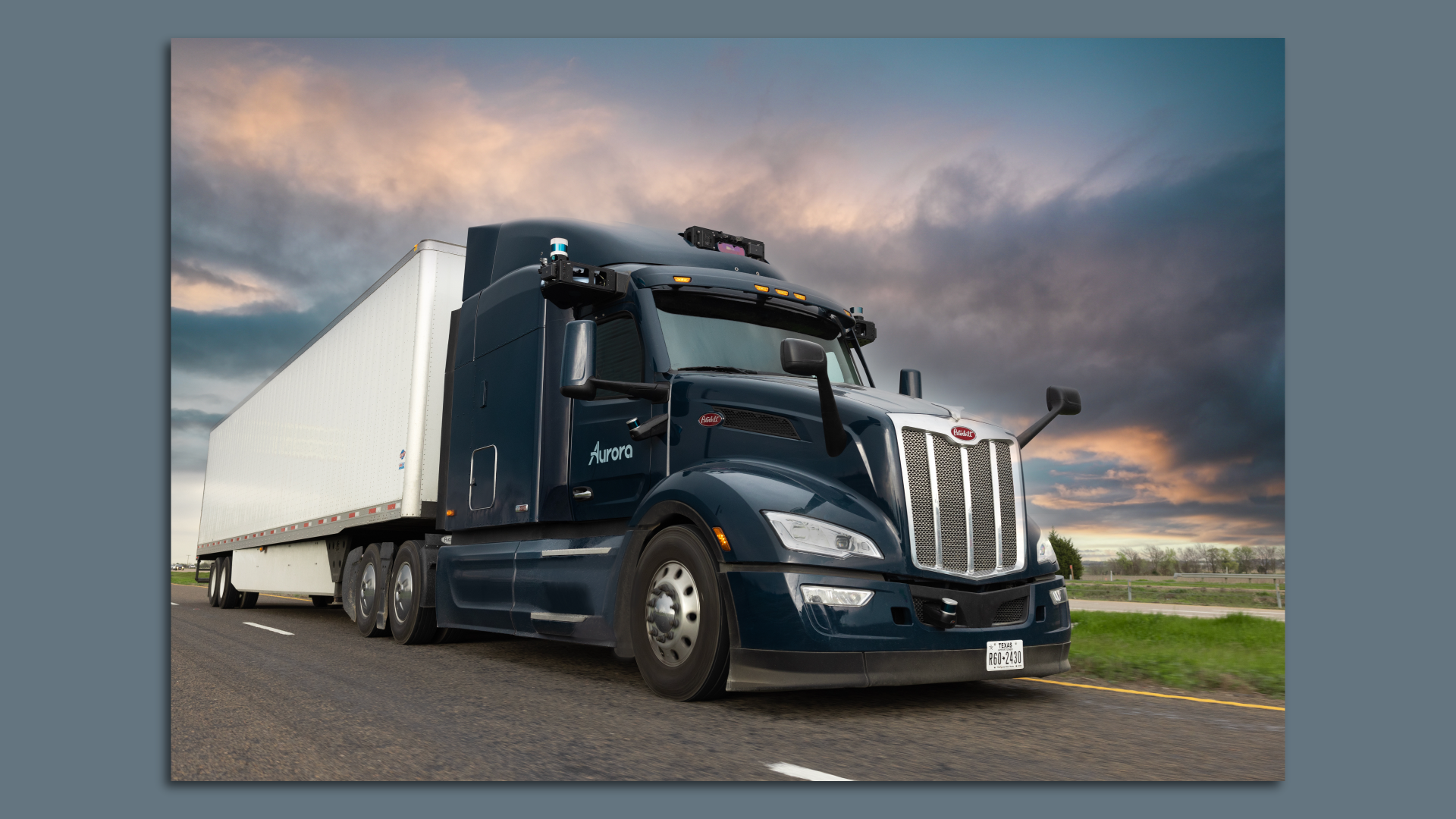
Aurora Innovation, one of a handful of surviving startups working on self-driving trucks, is turning to leading global auto supplier Continental to help bring its technology to market.
Why it matters: Aurora is a software company — it needs the expertise of a proven automotive giant to industrialize autonomous truck technology at profitable scale.
Jack Teixeira, the Air National Guardsman charged in connection with the leaking of sensitive Pentagon documents, "may still have access to a trove of classified information," prosecutors said late Wednesday.
Driving the news: Prosecutors said in a court filing seeking Teixeira's continued detention that the IT specialist from North Dighton, Massachusetts, was a "serious flight risk" and an "ongoing risk both to the national security of the United States and to the community."
Tech billionaire Elon Musk met with Senate Majority Leader Chuck Schumer (D-N.Y.) at the Capitol on Wednesday to discuss artificial intelligence.
Why it matters: The meeting comes as the New York senator is shopping a proposed framework laying the groundwork for legislation to regulate AI, which was first reported by Axios.
Shares for Facebook parent Meta spiked more than 9% in after-hours trading Wednesday, after the tech giant beat Wall Street expectations on revenue, earnings and user growth for the first quarter of the year.
Why it matters: It's the first quarter that Meta's year-over-year revenue grew after three consecutive quarters of year-over-year quarterly revenue declines.
A group of contractors who work on YouTube Music have voted overwhelmingly to unionize, Alphabet Workers Union said Wednesday, citing votes counted Wednesday by the National Labor Relations Board.
Nintendo’s next big Switch game, The Legend of Zelda: Tears of the Kingdom, is exhilarating but dauntingly complex, Axios found after an hour of hands-on time with the massive game at a New York City showcase this week.
Driving the news: Tears of the Kingdom, announced in 2019, is the sprawling sequel to 2017 hit The Legend of Zelda: Breath of the Wild. The highly anticipated game has been shown in trailers ahead of its May 12 release, but Wednesday is the first day Nintendo is letting people outside of the company talk about how it plays.
PwC US plans to devote $1 billion over the next three years to AI projects for both its clients and its own operations, including upskilling its 65,000 workers.
Why it matters: Companies are grappling with the best way to use AI to improve their businesses.
British antitrust regulators on Wednesday said they'll seek to block Microsoft's $69 billion takeover of video game giant Activision Blizzard, citing how the merger could hinder competition in the emerging cloud gaming market.
Why it matters: This would be the largest gaming merger of all time, but now is being opposed by both U.S. and U.K. regulators, with European Union regulators continuing to investigate.
Several startups working on self-driving trucks — viewed by many as an easier challenge than autonomous passenger cars — have stalled in recent months, leaving only a handful of players aiming to deliver on a huge promise.
Why it matters: Autonomous trucks could help freight companies meet increased demand amid a nationwide driver shortage, while lowering costs, reducing fuel consumption and boosting safety.
But it's not easy to commercialize self-driving 18-wheelers — especially as investment capital dries up amid rising interest rates.
That's left some to wonder whether autonomous trucks will ever arrive.