Ransomware — a novelty just a few years ago — is now endemic, like COVID. We'll have to learn to live with the malicious file-encrypting code, even as we struggle to limit it.
Why it matters: Ransomware attacks, which take an organization's data hostage and shut down its systems until the hackers receive payment, have exacted an escalating price on law enforcement, policymaking and financial resources around the world.
AUSTIN — On the ground at Consensus 2023, the gaze of crypto's longest-working denizens seems fixed on the bright future of the blockchain industry, despite a lousy 2022.
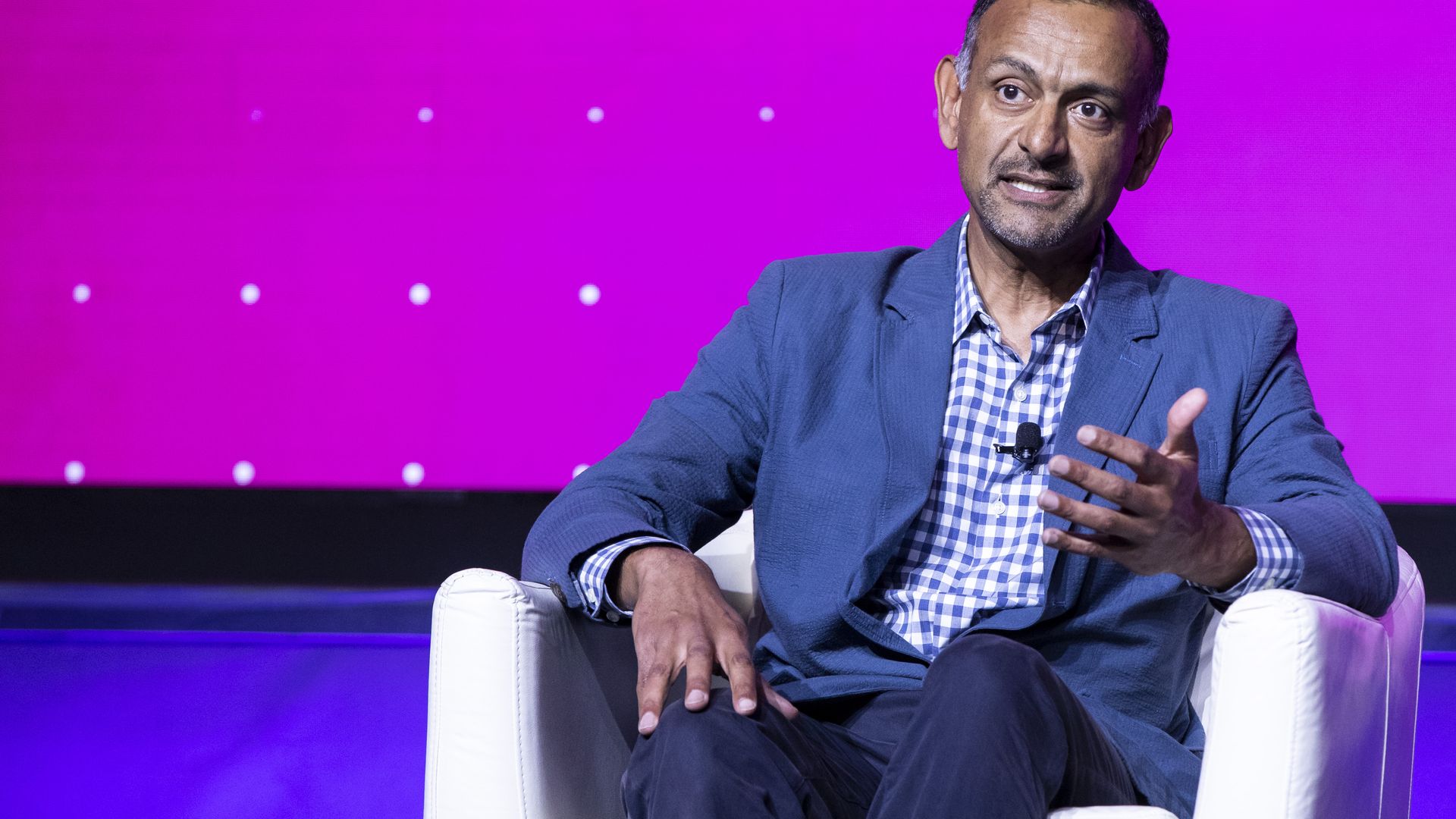
The big picture: "It feels as though the industry has lost its way," Michael Casey, chief content officer at CoinDesk, said yesterday, though he also sees this as a chance "to reflect on what went wrong," and "why we're here."
The Biden administration's cyber team arrived at the RSA Conference with — for the first time — a clear message about how each agency approaches the government's vast cyber mission.
Coinbase released a detailed response to the SEC's March Wells notice — the warning the securities regulator usually gives when it's likely to bring a lawsuit.
Why it matters: It marks a tone shift from the largest U.S. crypto exchange. The company seems to be finished with bowing and scraping, and now it's ready to fight.
With all that people talk about it, it's hard to believe that criminal charges haven't been brought against the world's largest crypto exchange.
Why it matters: The consensus among the U.S. ink-slinging class has been that it's "just a matter of when" a criminal complaint will be brought against Binance and its CEO, Chengpang Zhao (mostly known as CZ). Yet still, we wait.
AI's arrival on the music scene is inspiring wildly diverging responses from stars and performers, with some inviting the technology to share the stage and others preferring to remain a solo act.
Why it matters: The dawn of generative AI is raising all manner of legal issues, and the music industry is providing key early tests of the limits of existing protections for intellectual property.
A federal appeals court upheld the dismissal of an antitrust suit against Meta Thursday, notching a win for the social media giant in a case brought by 48 U.S. states and territories over its acquisitions of WhatsApp and Instagram.
Why it matters: Meta is developing a track record of winning antitrust cases in the U.S., even as it faces continued challenges in court and from regulators here and abroad.