Top party strategistsmay hate seeing one of their candidates gutted by a brutal ad. But they can still admire the hit.
Why it matters: A record $11.6 billion has plastered political ads across screens of every size in the country during the 2026 midterms. Only a handful of those earned the grudging respect of operatives on both sides.
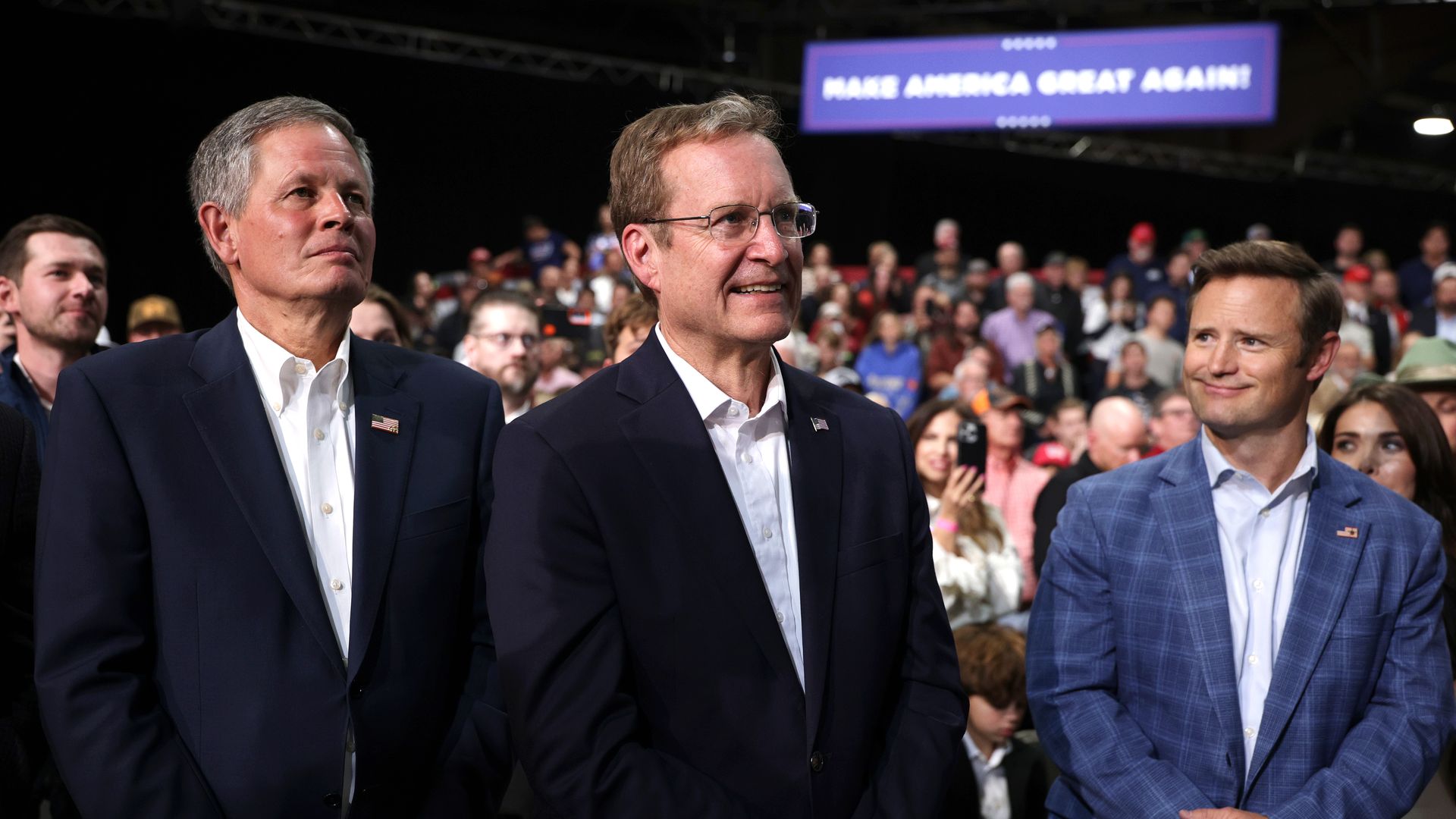
Sen. Steve Daines' (R-Mont.) audacious scheme to handpick his successor is on the verge of paying off.
Why it matters: On a night when Republicans are worried about even the reddest states, there isn't a whiff of concern about holding their Senate seat in Montana, where competitive midterm elections are common.
With Democrats heavily favored to regain control of the Senate and the House in the midterm Tuesday night, some of America's most powerful executives have a lot riding on the outcome.
Why it matters: A change of control on Capitol Hill could bring renewed political scrutiny and an uncertain regulatory landscape for leaders across industries from AI to crypto.
A federal appeals court tossed another judge's order Tuesday blocking Trump administration officials from threatening state or local election workers and demanding they set aside certain ballots.
The big picture: The case is just one in a cascade of legal battles playing out on the sidelines of Election Day as the Trump administration seeks to root out alleged fraud in an election that will determine his last two years in office.
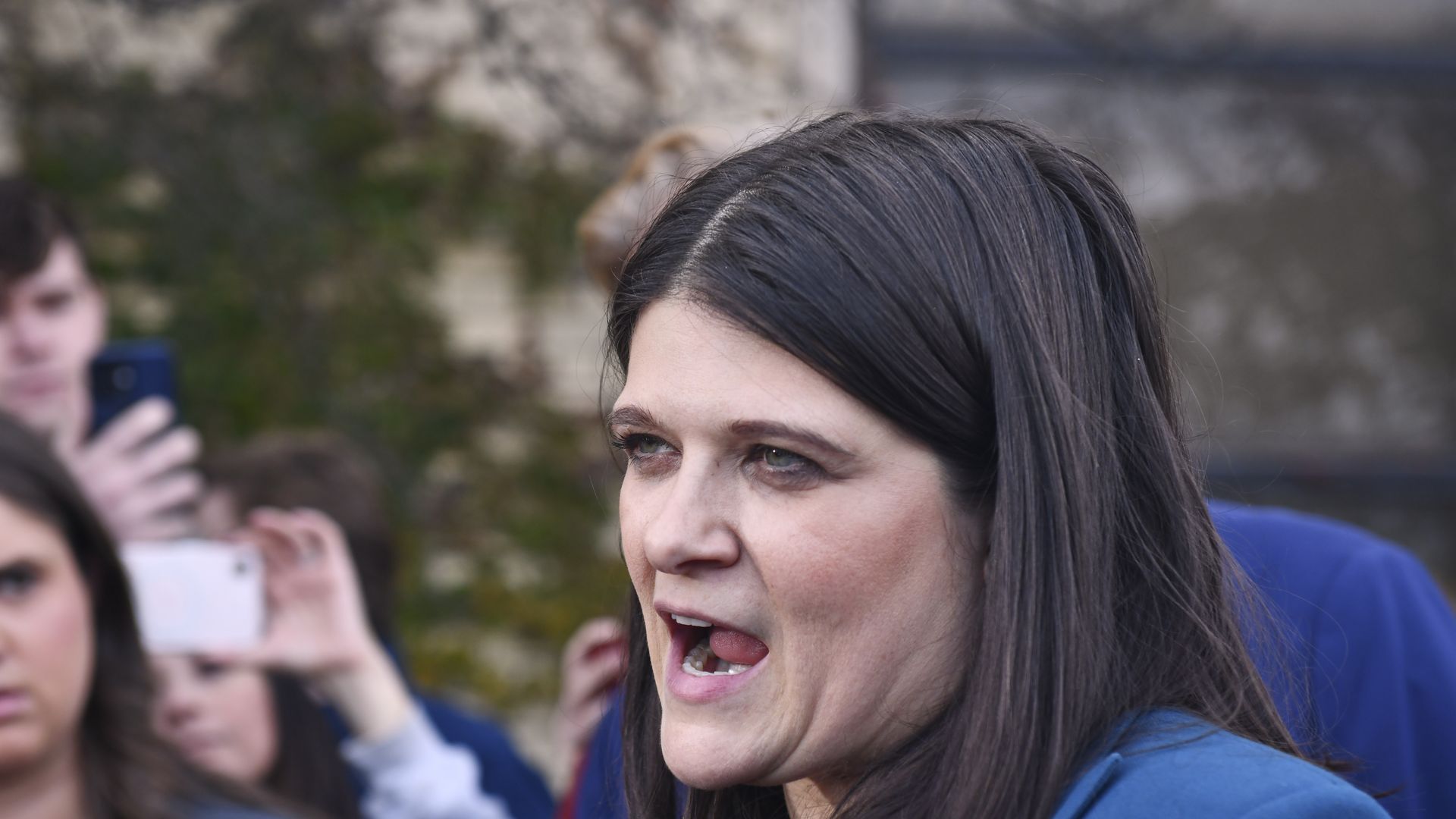
Michigan Rep. Haley Stevens has requested U.S. marshals' protection after the Democrat told authorities she had received death threats for endorsing Republican Mike Rogers in the swing state's hotly contested Senate race, two senior Trump administration officials tell Axios.
Why it matters: Stevens' surprise decision Sunday to switch her endorsement to Rogers over Democratic Senate nominee Abdul El-Sayed was the biggest political story of the midterm campaign's final days.
The Justice Department has notified as many as 20 Democratic operatives that they could be targets in its probe into the recruitment of unaffiliated Alaska Senate candidate Daniel J. Sullivan, according to multiplereports.
Why it matters: It's a major escalation in the case and part of the Trump administration's broader push to investigate what it asserts is widespread voter fraud.
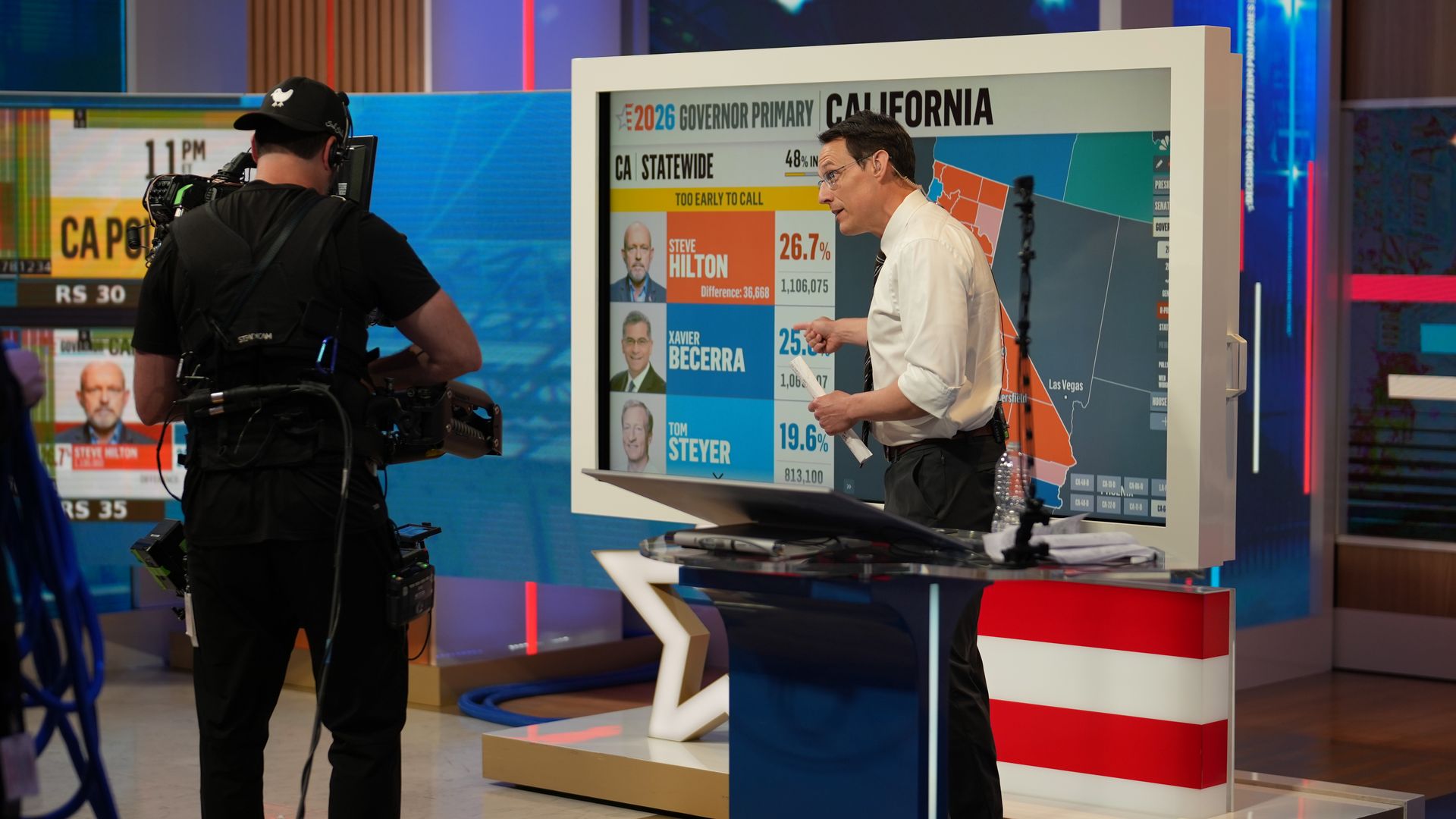
Steve Kornacki, NBC News' chief data analyst, stayed on air for as long as seven straight hours during this year's primaries as he took viewers down Election Night rabbit holes with his Kornacki Cam livestreams. Tonight and into the wee hours, he'll extend that to at least 13 hours of precinct-by-precinct midterm drama at his famous Big Board.
Why it matters: Kornacki's cult following, with 41 million livestream starts across 22 nights of this year's primary coverage, reflects a new media era where audiences can bond electronically with experts who share their obsessions. With a massive potential power swing at stake, Kornacki's niche will suddenly have national fascination.
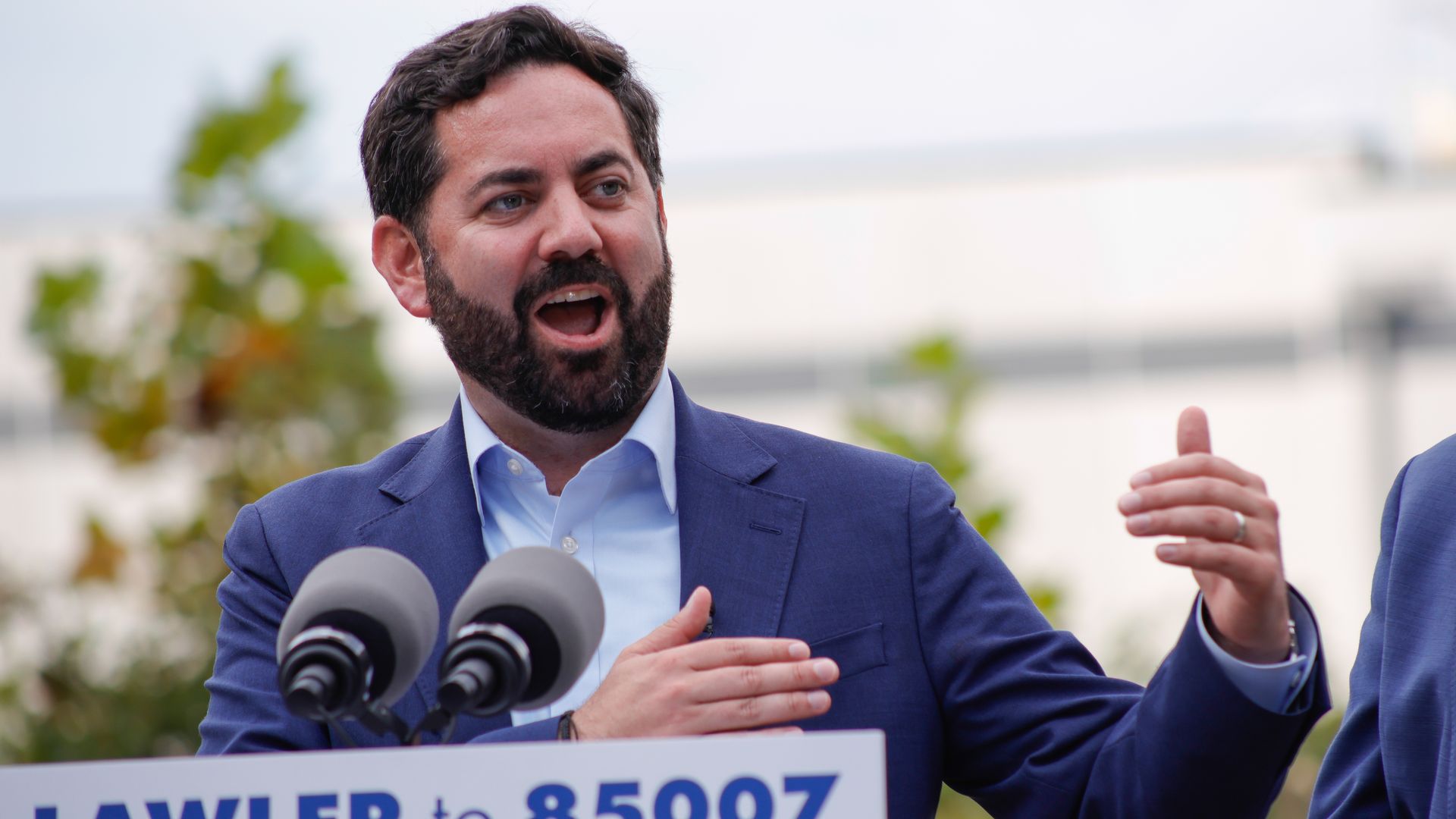
Voting machines across New York's Westchester County are rejecting paper ballots on Election Day, raising concerns about potential delays in one of the nation's most competitive House races.
Why it matters: The contest between Rep. Mike Lawler (R-N.Y.) and Democratic nominee Cait Conley has emerged as a key battleground race in Democrats' push to gain control of the House.
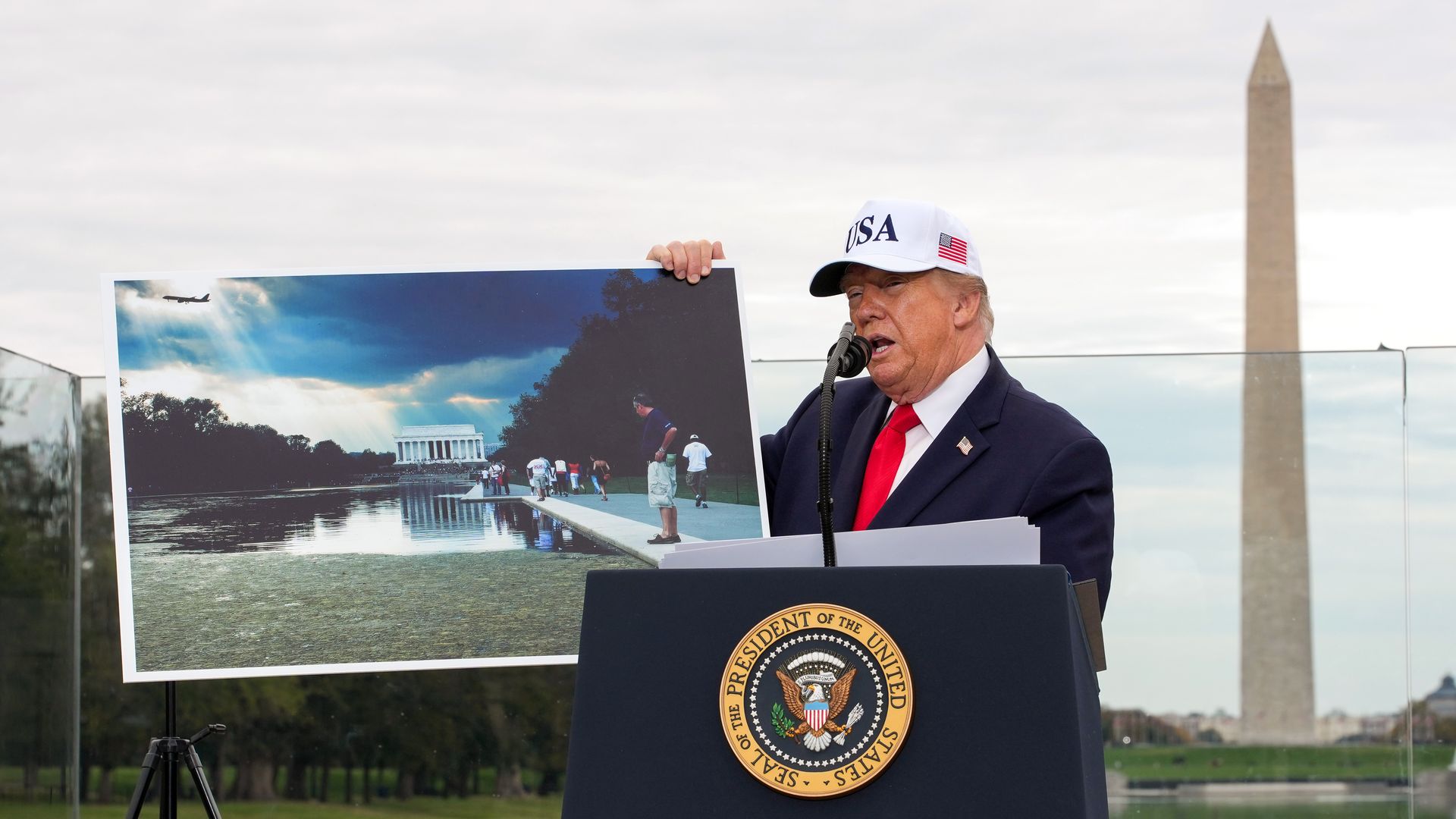
The White House is circulating Election Day talking points across the administration that emphasize President Trump's campaign efforts and touting his accomplishments as Republicans brace for difficult midterm elections.
Why it matters: The White House is making the case that Trump has done his part to help Republicans ahead of potentially disappointing results.
State officials have largely taken securing the 2026 midterm elections into their own hands after nearly two years of federal program and funding cuts during the second Trump administration.
Why it matters: The reduction in federal support has come as AI tools threaten to make it easier for hackers to uncover software vulnerabilities, launch cyberattacks, and spread disinformation that undermines trust in election results.
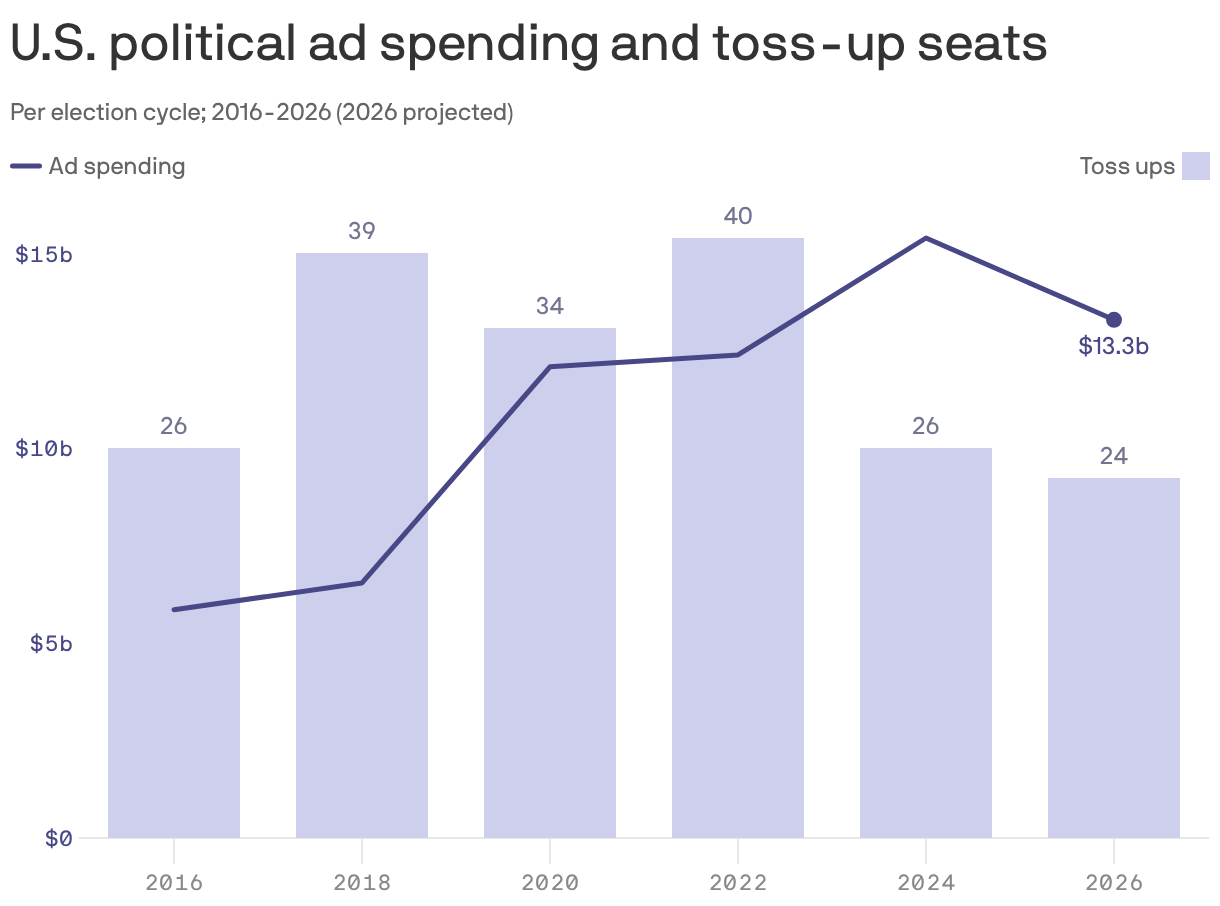
Data: WPP Media, Cook Political Report; Note: Toss-ups reflect Cook Political Report ratings of House and Senate races as of Election Day each cycle; Chart: Christine Wang and Sara Fischer/Axios
Over the past decade, U.S. political ad spend has grown at a compound annual rate of 8.55%, despite the average number of toss-up elections declining, per data from Cook Political Report.
Why it matters: Spending is not growing because races are becoming more competitive, but because of policies that allow unlimited spending by outside groups, more issue advocacy moving to the states and the rise of digital advertising channels, like streaming.
AI agents that pursue their own open-ended survival are an emerging security threat, according to a report first shared with Axios from the Center for a New American Security.
Why it matters: AI models have long shown an interest in avoiding being shut down. The report warns that agents are now getting good at the practical work of surviving: hacking systems, accessing computing power and money, and running for extended periods without stopping.
There's a lot at stake for energy in the midterms, from the fate of the bipartisan permitting deal to the growing backlash against data centers and electricity prices.
Why it matters: The results could spotlight which energy topics resonate with voters — and which have become political liabilities.
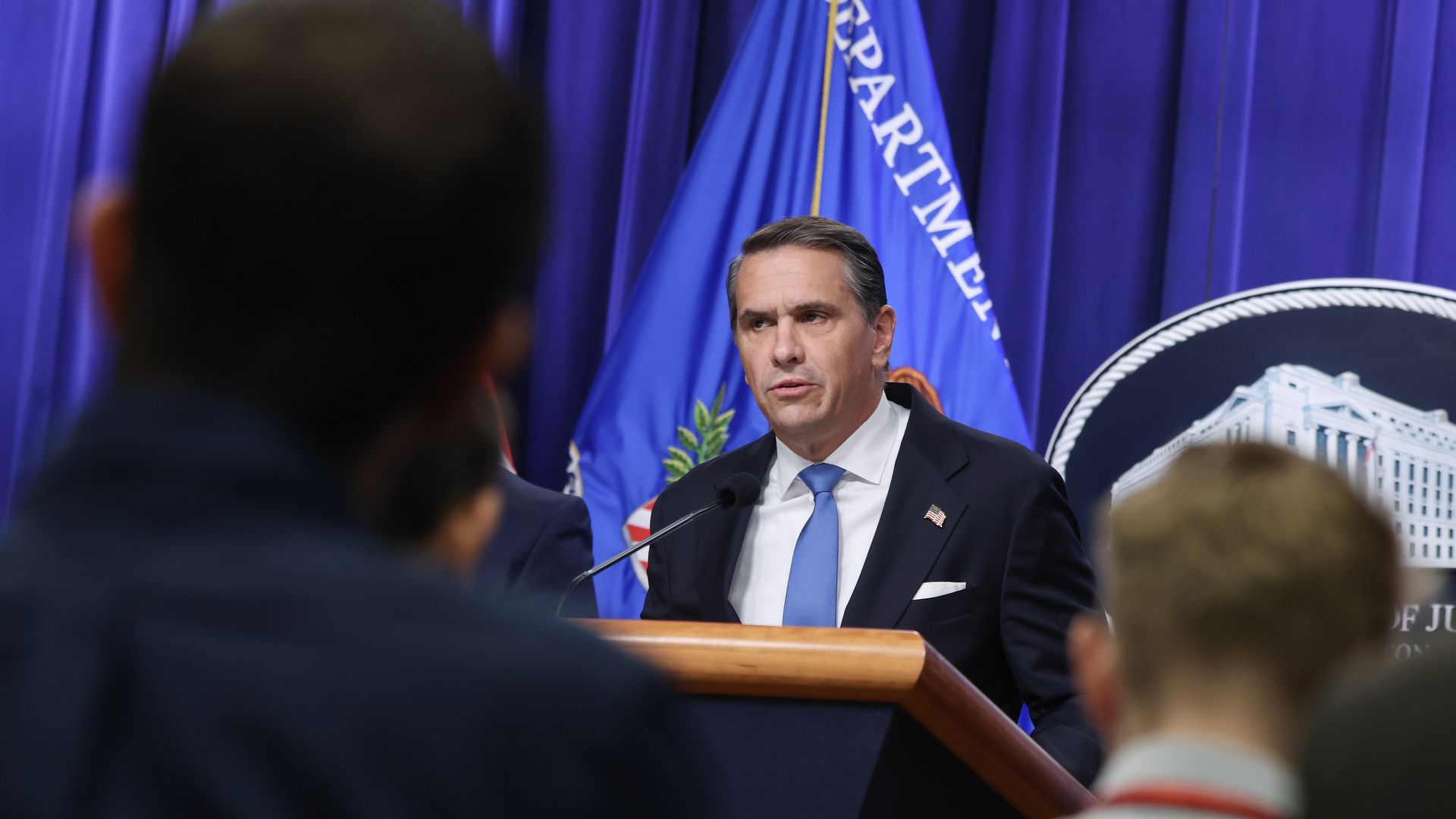
The Justice Department said Tuesday it will deploy about 1,000 election monitors to all 50 states for the first time ever to watch the polls.
Why it matters: The unprecedented effort comes after courts repeatedly rejected the DOJ's efforts to force states to restrict voting for alleged noncitizens.
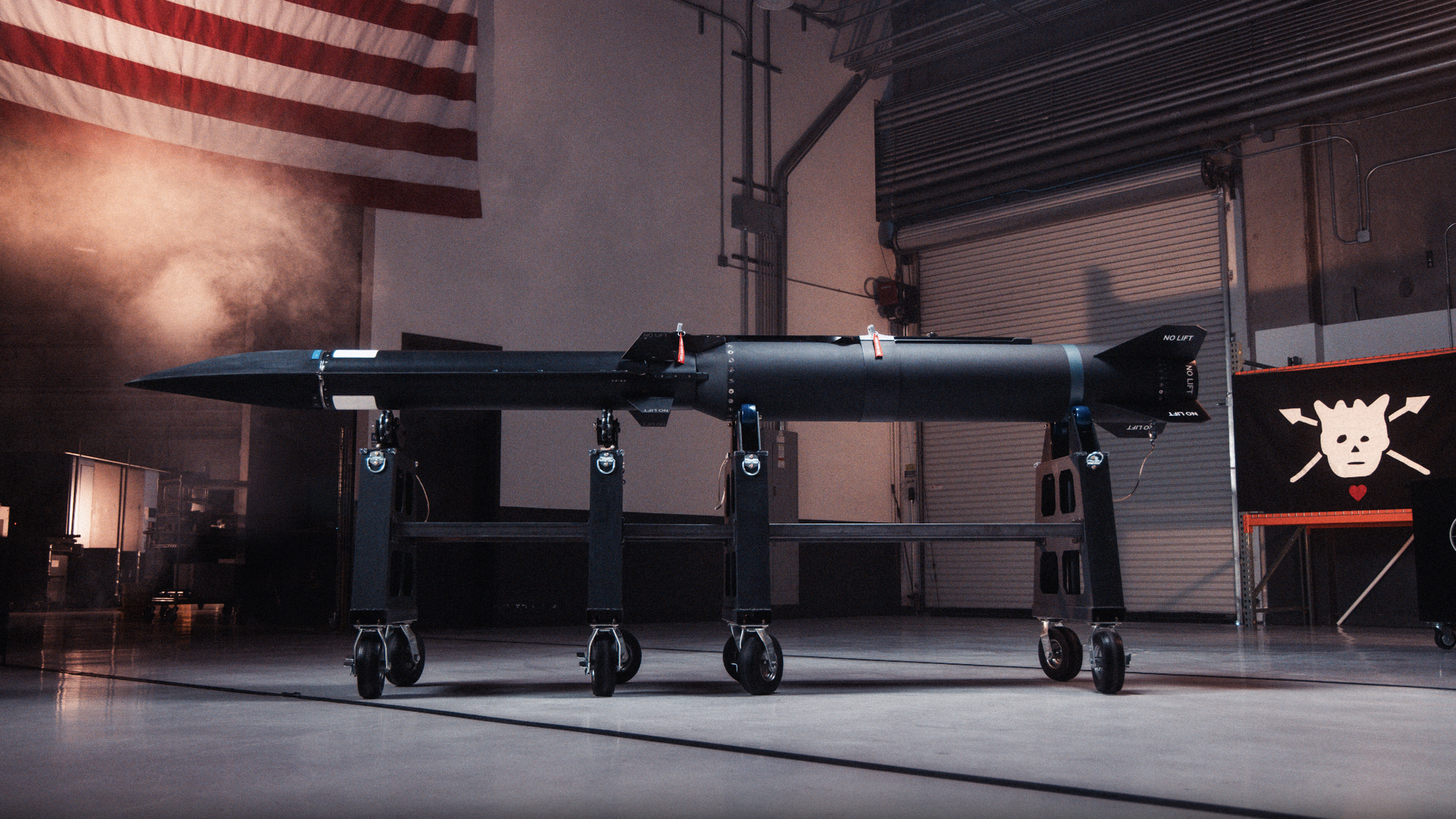
Castelion received the green lightto work its Blackbeard hypersonic weapon onto the widely used F-16, newer versions of which are expected to fly well into the 2030s and 2040s.
Why it matters: The venture-backed missile maker's portfolio is growing rapidly across air, land and sea.
Corridian, a New England-basedrobo-submarine maker, exited stealth Tuesday morning alongside word of its $38 million seed.
The big picture: The startup wants to build the "stealth logistics layer for the undersea," co-founder Mike Guay told Axios, as "cheap, swarming one-way attack drones and long-range missiles" make the "surface and sky dangerous places to operate."
Its advisers include naval heavyweights, retired Adm. Lisa Franchetti, retired Vice Adm. Jeffrey Trussler and retired Rear Adm. Milton "Jamie" Sands III.
"European rearmament" is catchy,convenient, clean.
But the truth, across many capitals, and in the minds and hands of those building factories and weaponry, is far more complicated.
Why it matters: The continent is at a crossroads. Unpredictability gnaws at the relationship to the west with the U.S., and stray Russian missiles and drones arrive on its doorstep to the east.
While an influx of defense spending is a solid start, many bottlenecks remain, entrenched by regulatory, political, geographical and cultural differences.
Republicans on the ballot this cycle have all but stopped mentioning President Trump in their campaign ads, according to an Axios analysis of broadcast advertising data from AdImpact.
Why it matters: Trump has tried to make the 2026 midterms a referendum on his presidency. His party has run the other way.
The Pentagon's former top military planner is under federal investigation and may face a court-martial for allegedly leaking to reporters from the Wall Street Journal and New York Times, according to three sources familiar with the controversy.
Why it matters: Former Army Lt. Gen. Brett Sylvia was fired by Defense Secretary Pete Hegseth last week after being accused of misconduct as part of the department's war on leaks.
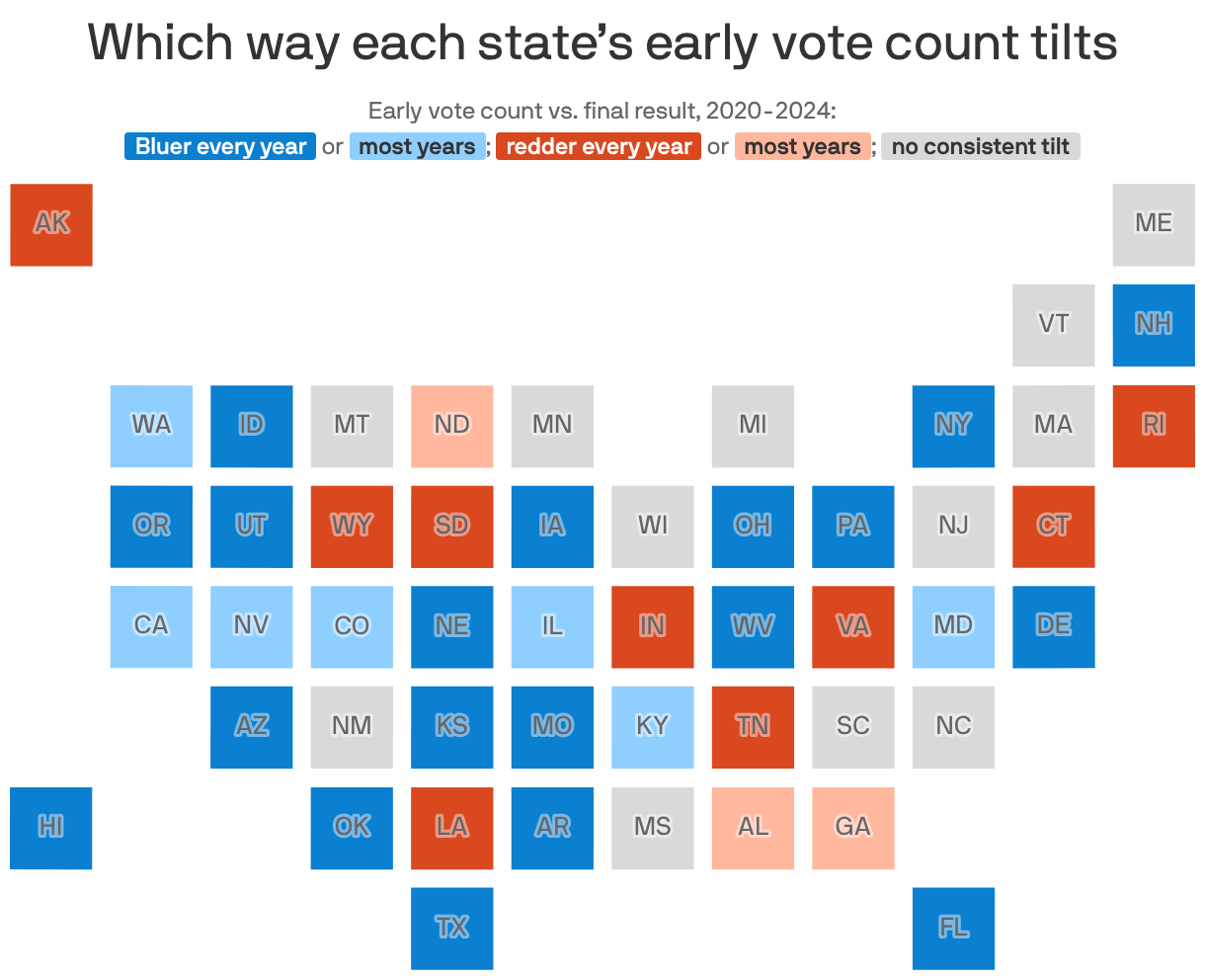
Data: AP via The New York Times and Axios research; Chart: Andrew Pantazi/Axios
The first votes counted Tuesday night will almost certainly look redder than the final result, and control of the House and Senate could take days to settle.
Why it matters: Early leads can create false impressions of who's winning and suspicion when those leads vanish. Election night is really election week.
The 2026 midterms bring the first test of voter sentiment on the AI race, offering a window into how a niche policy debate is transforming into a wedge issue ahead of a presidential campaign cycle.
Why it matters: The results will reveal whether explicitly campaigning on AI regulation — or aligning with tech moguls like Elon Musk — is a winning political strategy or a liability for 2028.
One thing is already clear: Candidates increasingly can't afford to have half-baked AI agendas.
Elon Musk is looking to shake up America's wireless industry, potentially bringing the first major new competitive threat in years to a business dominated by three companies.
Why it matters: The cellular industry has seen enormous technological change but relatively little disruption to its competitive structure. Musk has the money, spectrum and satellite network to attempt something different — though he faces daunting obstacles.
Republicans don't know if they'll lose big or small on Tuesday, but they're already bracing for an epic blame game.
Why it matters: Privately, Republicans acknowledge it's not a complicated version of Clue. The leading suspect: Mr. President, in the Oval Office, with an assortment of weapons — and one war.
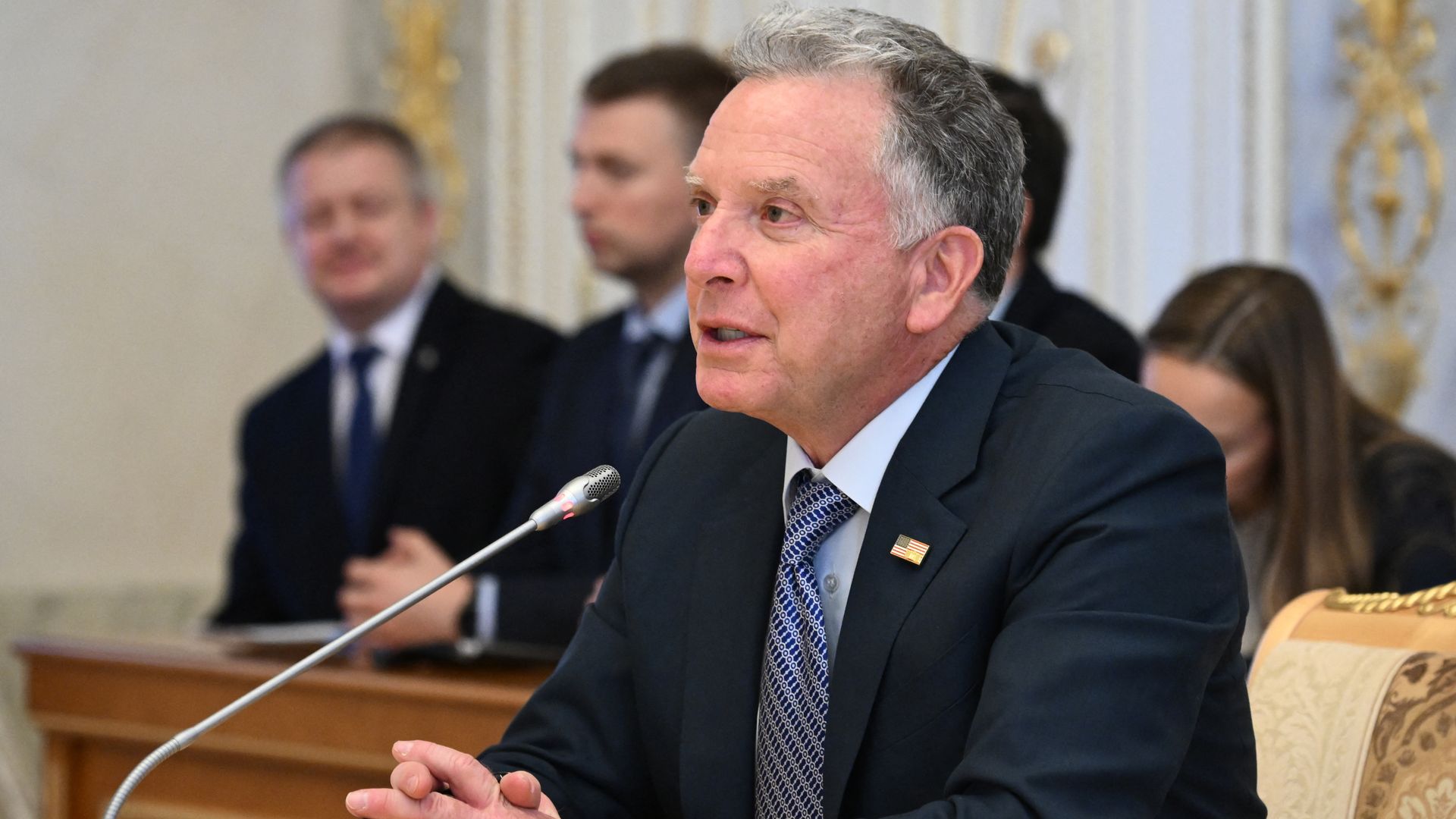
The U.S., Russia and Ukraine will hold peace talks in Abu Dhabi on Nov. 10-11 in an effort to reach a breakthrough on a deal to end the war.
Why it matters: U.S. officials say the meeting to restart a diplomatic effort suspended in February due to the war in Iran is a result of talks President Trump's envoys Steve Witkoff and Jared Kushner held with Ukrainian President Volodymyr Zelensky and Russian President Vladimir Putin in recent weeks.
The threat of a blue tsunami is bearing down on President Trump's Washington, with virtually every major indicator forecasting a Democratic rout in Tuesday's elections.
Why it matters: Expectations for the midterms have soared so high that some Democrats fear disappointment is inevitable, particularly if the party falls short of winning the Senate — a prize that seemed beyond reach just months ago.