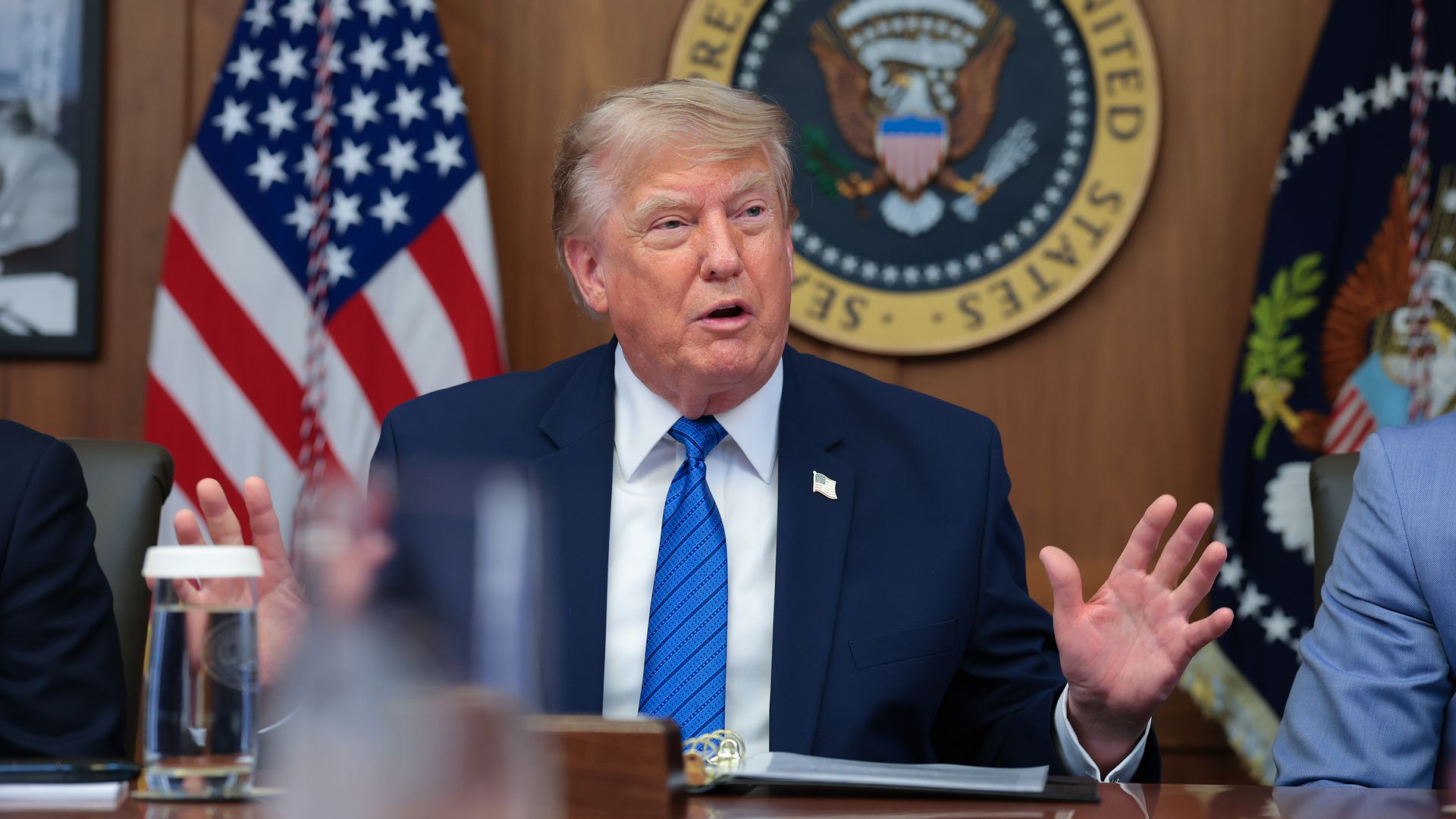
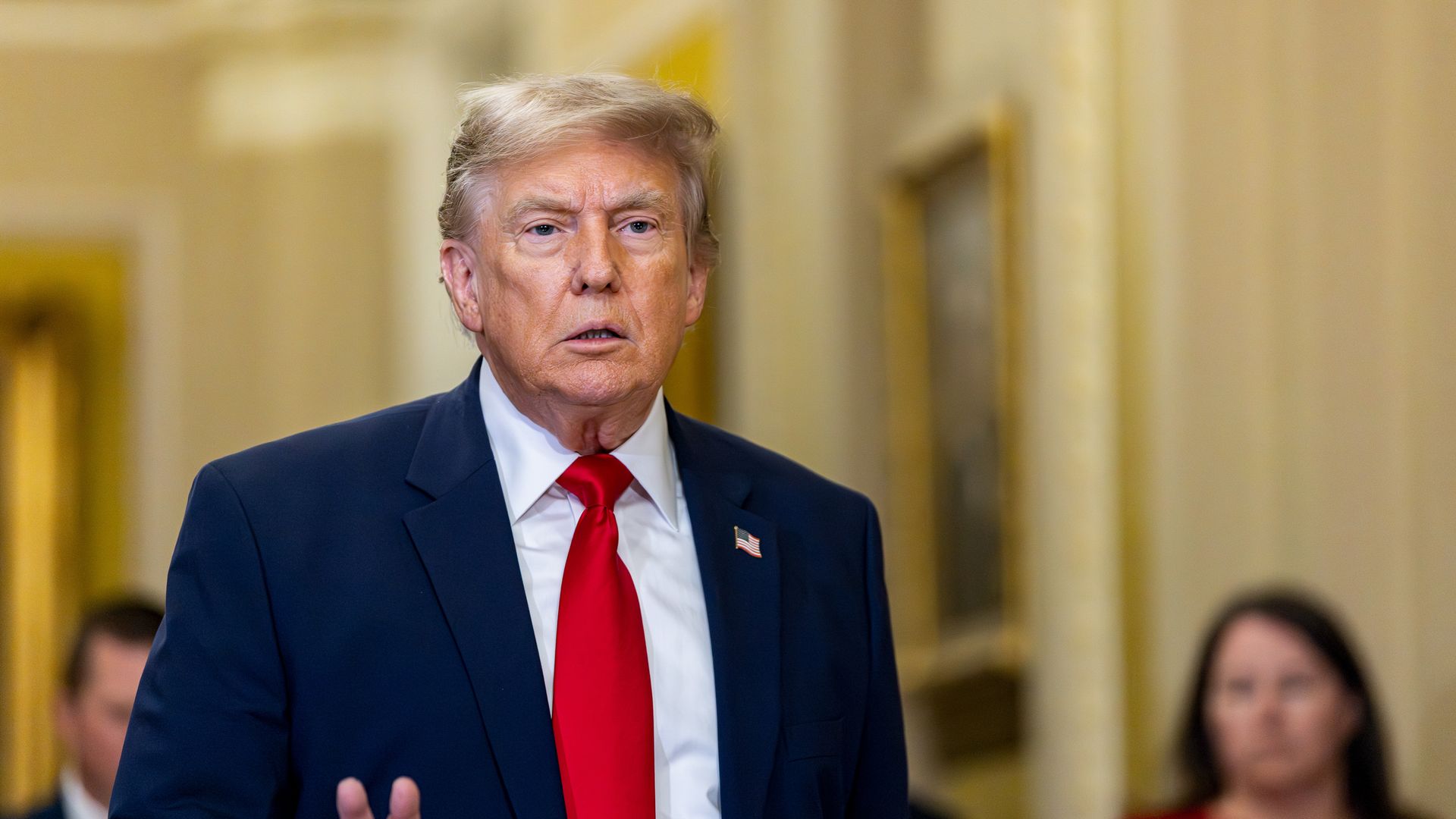
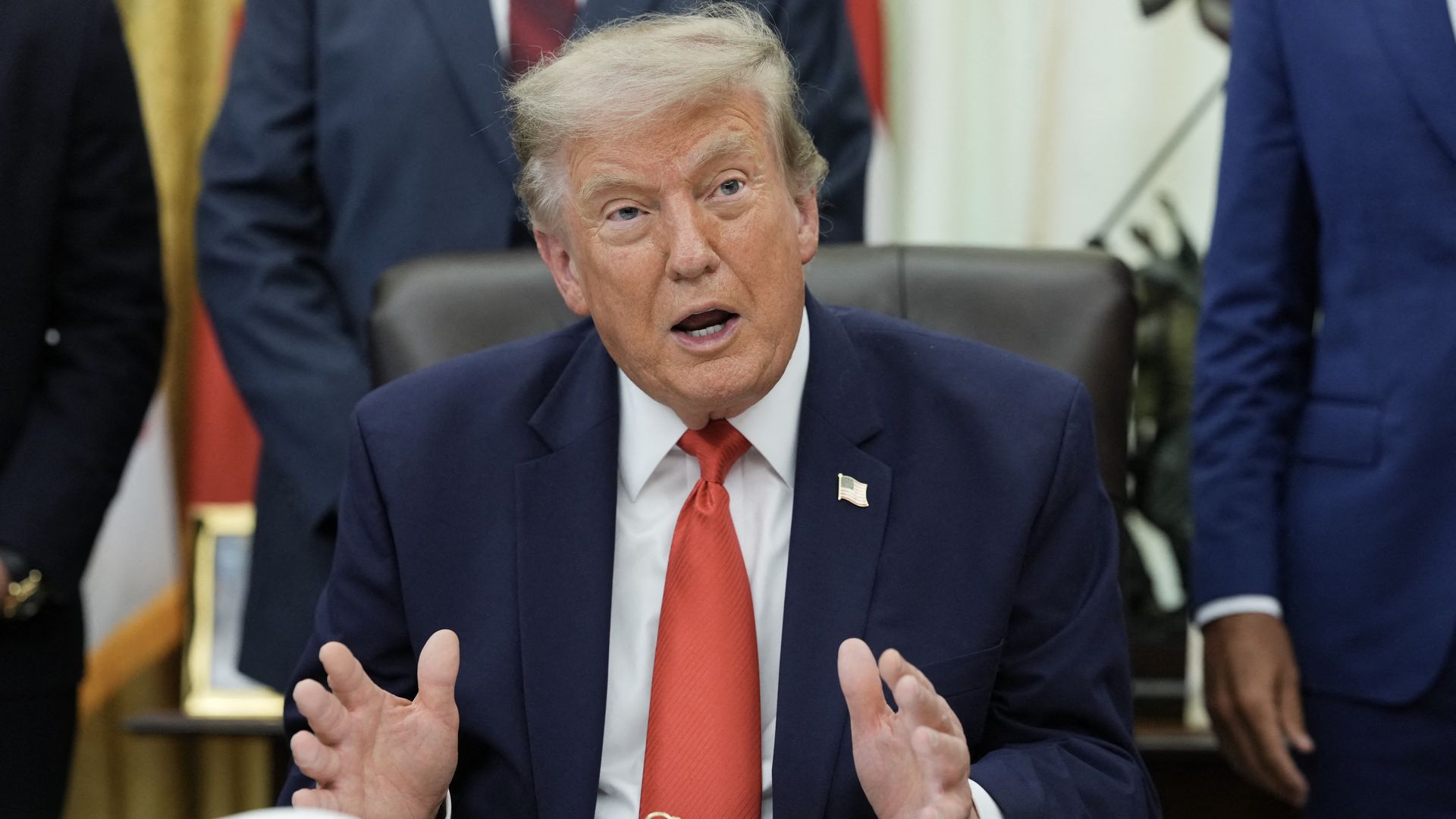
President Trump is seriously considering launching attacks against energy targets in Iran in the next few days, but hasn't given final orders to do it, a U.S. official told Axios on Friday.
Why it matters: A new U.S. bombing campaign in Iran against energy and infrastructure targets would be aimed at trying to get the Iranians to agree to the United States' terms in ongoing ceasefire negotiations.
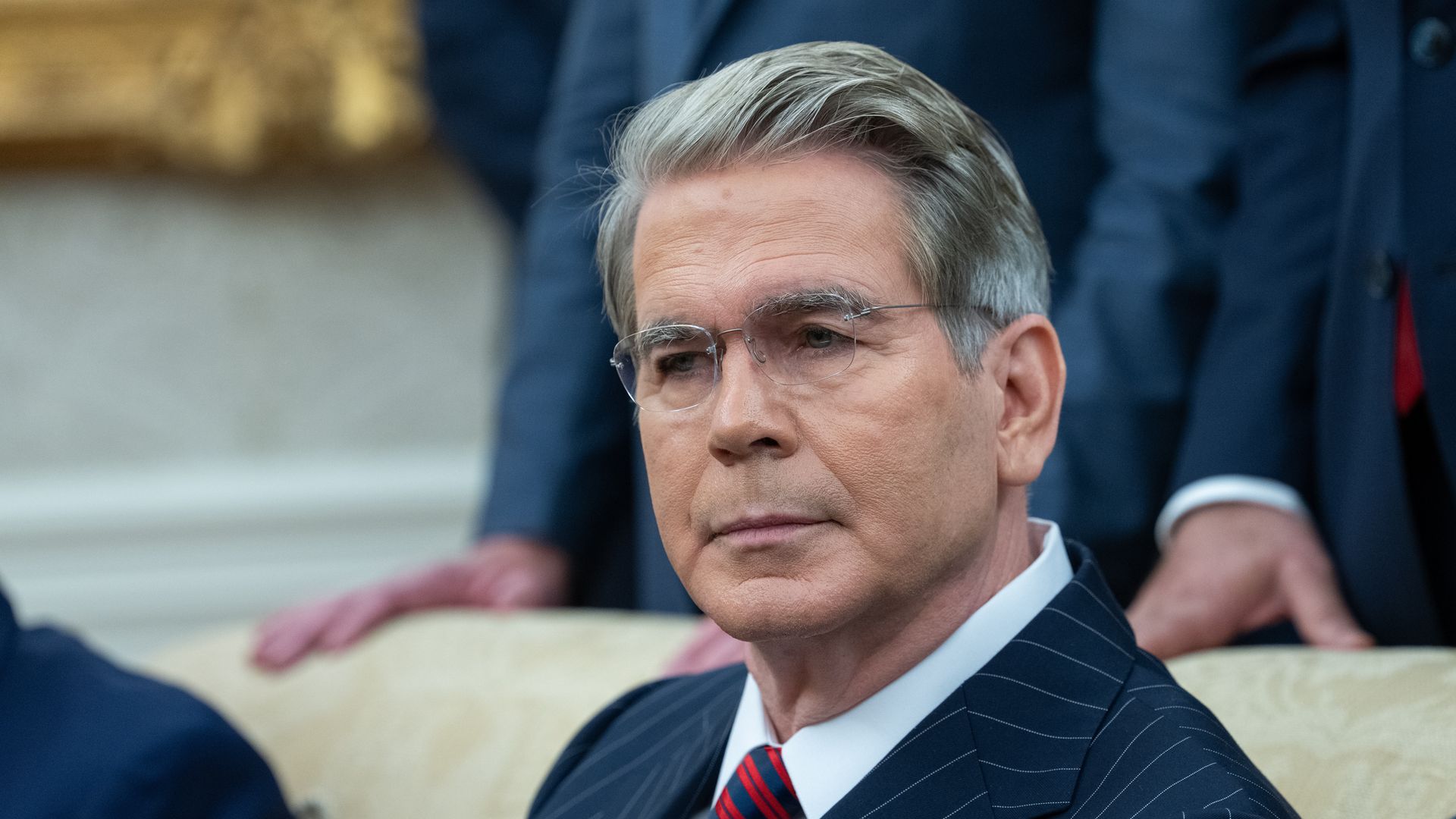
The Trump administration is still pushing lawmakers to confirm acting Attorney General Todd Blanche, even as President Trump defends the "anti-weaponization" fund holding Blanche's confirmation hostage.
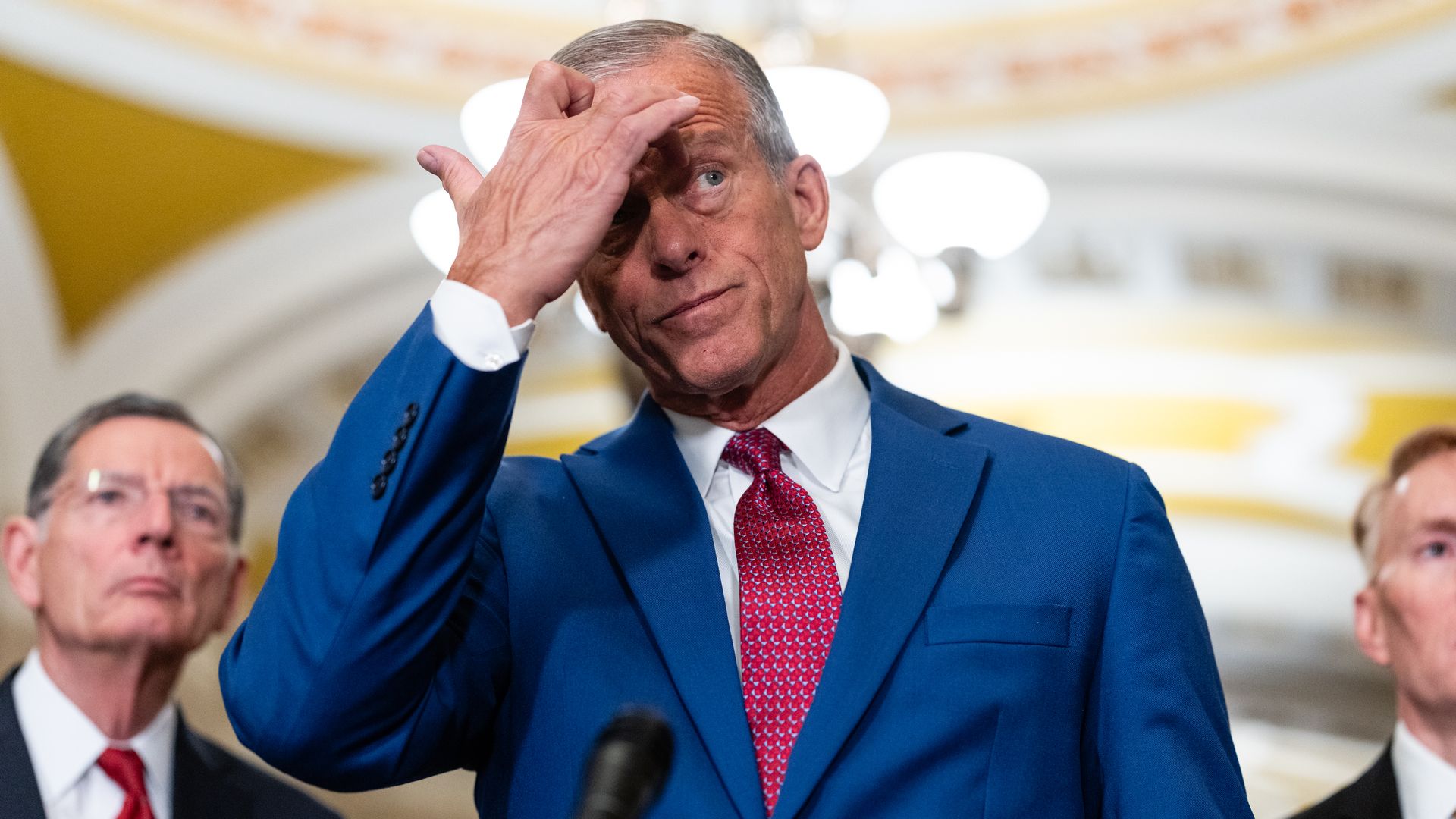
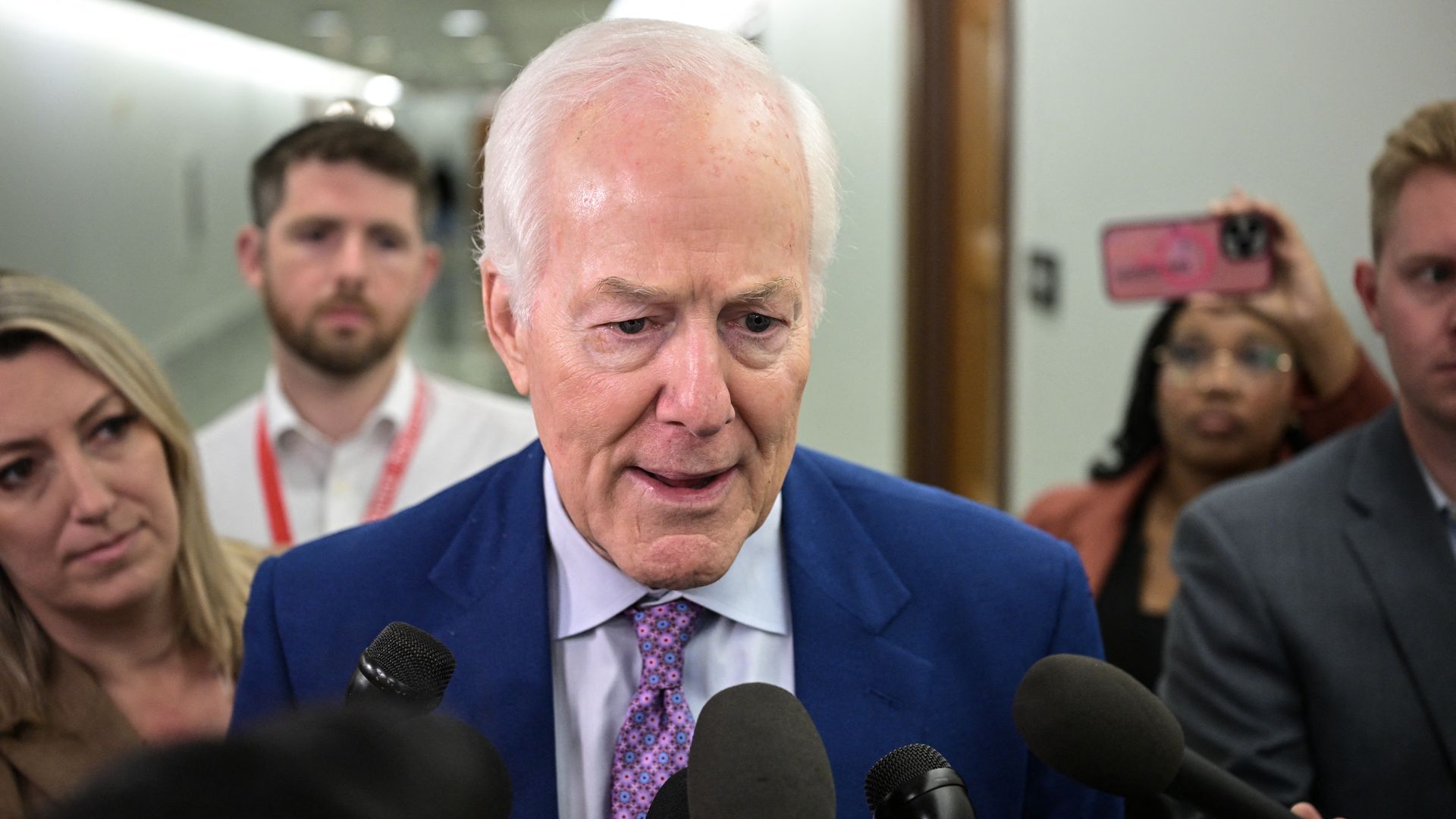
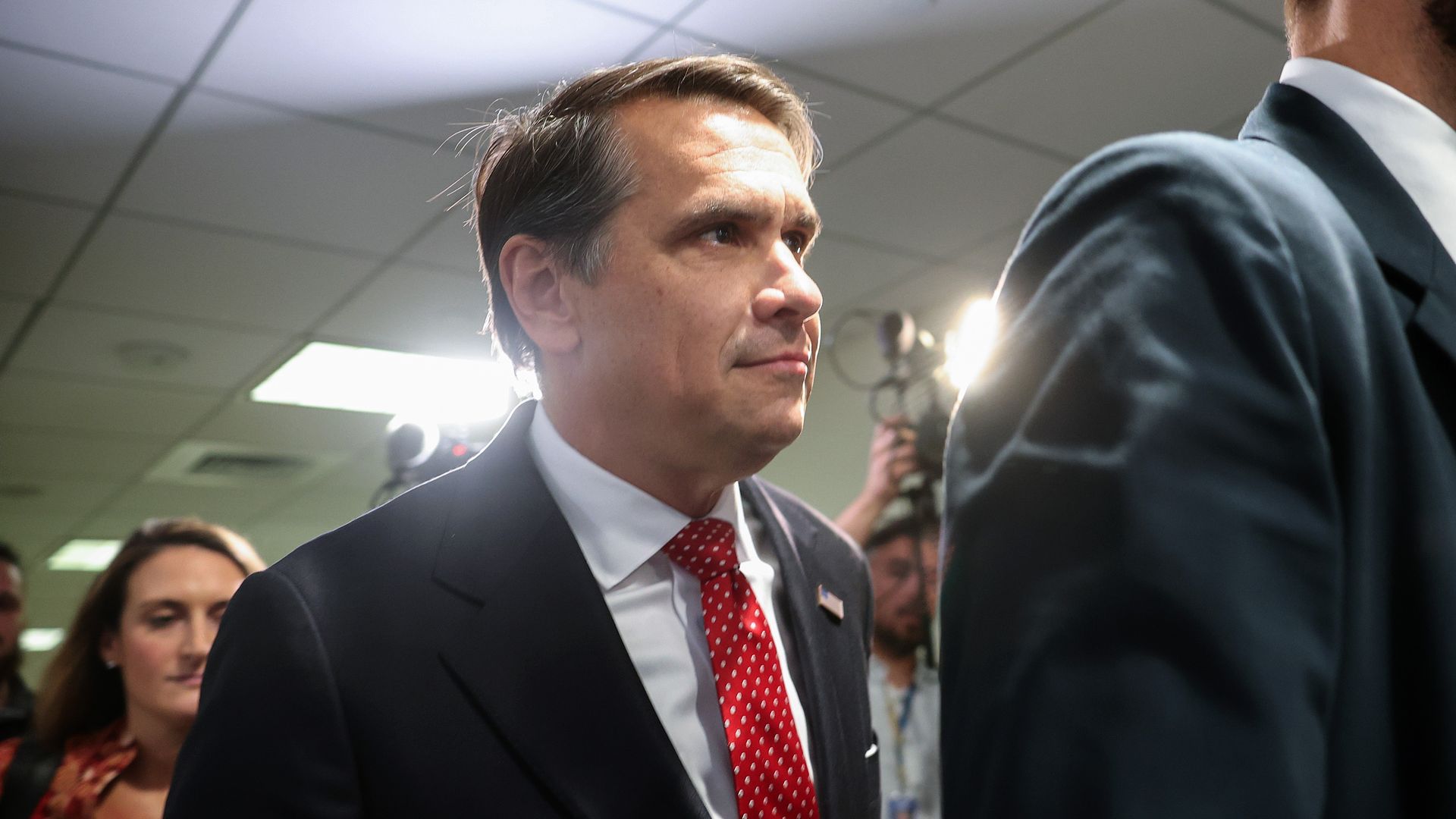
The big picture: The "anti-weaponization" fund has been the red line for Sens. John Cornyn (R-Texas) and Thom Tillis (R-N.C.). The lawmakers have refused to vote for Blanche until the DOJ put into writing that aspects of the deal aren't moving forward.
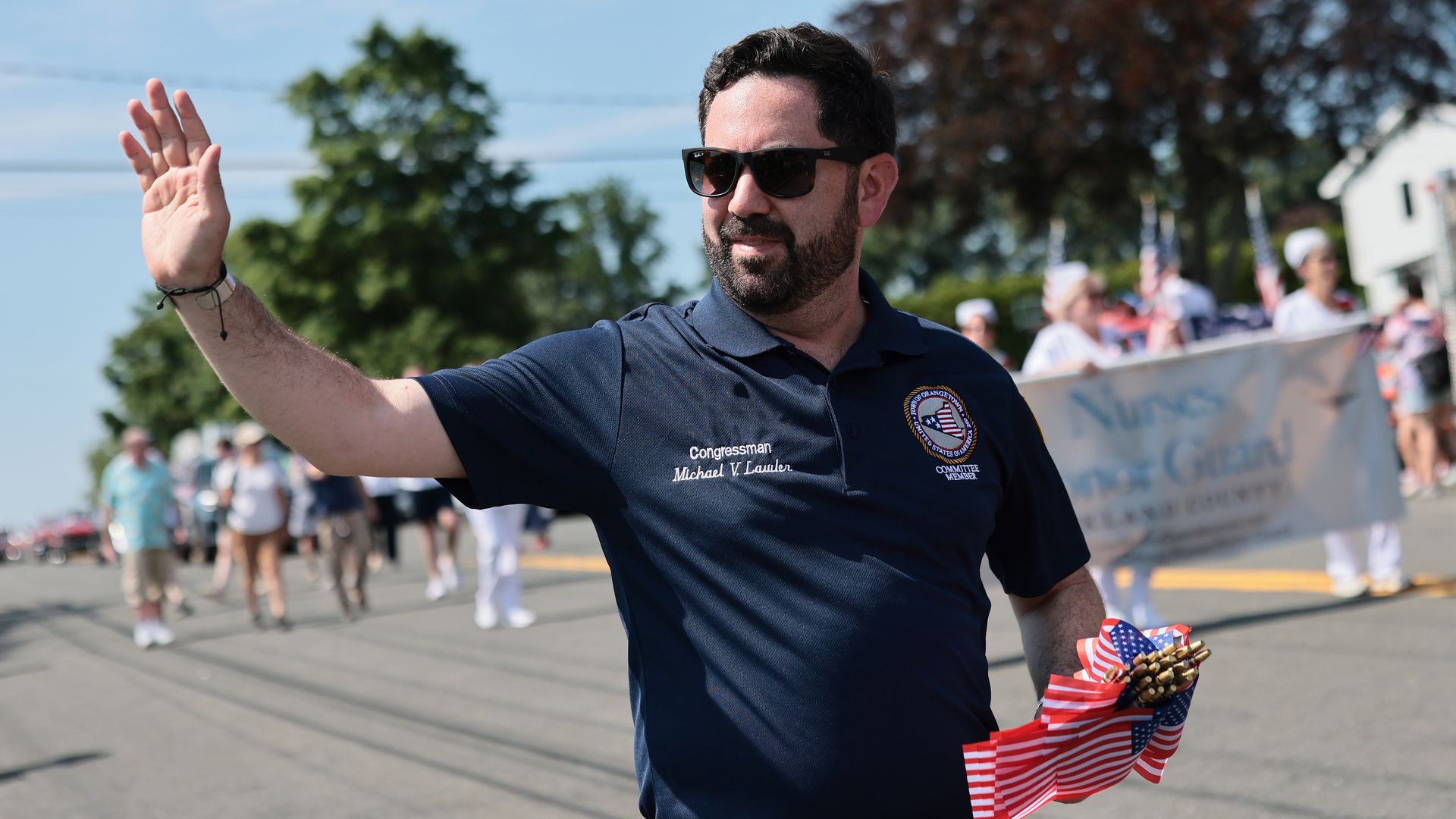
Rep. Mike Lawler (R-N.Y.) is at the center of the fight for the House, defending a suburban swing seat that both parties view as critical to winning the majority.
Why it matters: New York's 17th District is one of a handful of House races likely to determine which party controls the chamber next year.
Why it matters: But at least one senator will have to be the sacrificial lamb, presiding over what is called a "pro forma session," while MAGA rages online.
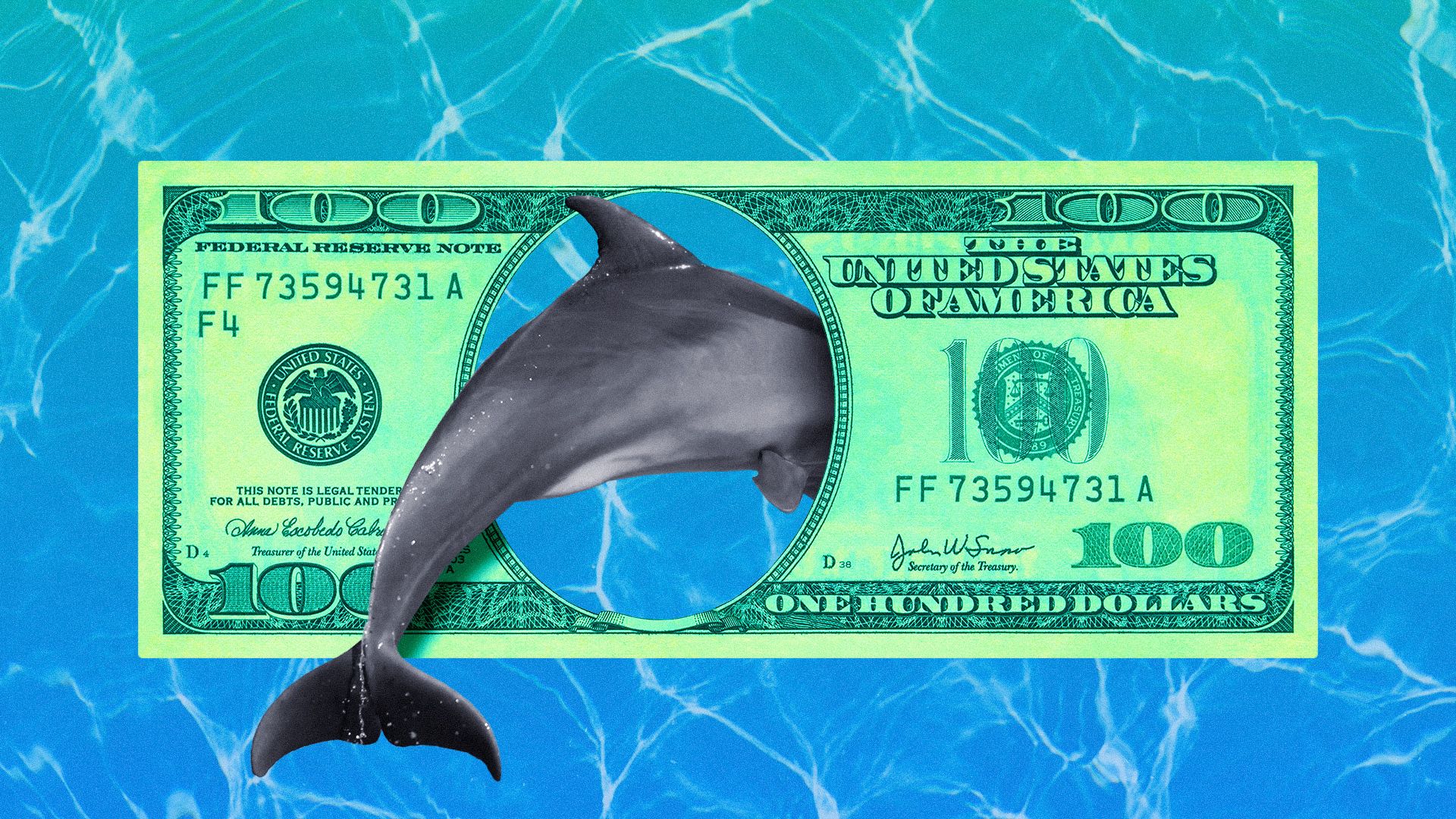
Delaware court fights over M&A are ordinary. Unless the parties are fighting over dozens of dolphins.
Driving the news: Creditors for The Dolphin Company, once one of the world's largest aquatic park operators, have asked a bankruptcy court judge for permission to sell its Mexican assets for $20 million to the company's current management.
Included would be 87 bottlenose dolphins, plus eight manatees, and six sea lions.
Nearly eight in 10 voters say they're more likely to support a candidate if they champion maternal health reform, with the vast majority backing proposals regardless of party, according to a new national poll.
Why it matters: In a deeply polarized era — particularly around women's health issues — maternal health is a rare area of bipartisan agreement.
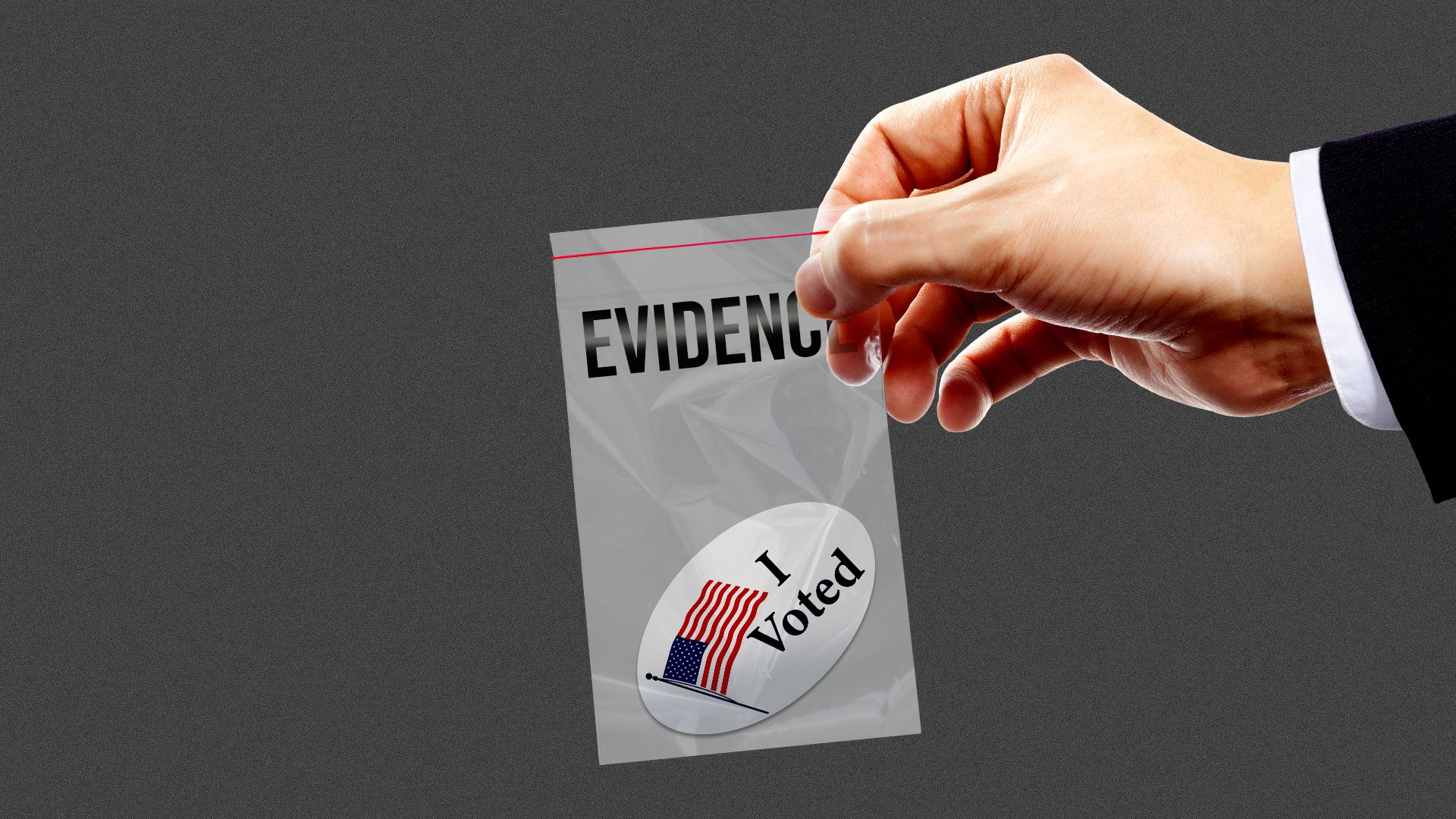
The Trump administration has a new tactic for trying to isolate cases of alleged voter fraud — digging into the IP addresses of those who went online to register to vote.
The FBI recently obtained the IP address of someone who registered online in South Carolina, according to documents first shared with Axios.
Why it matters: The bureau's request for the address, which state and local officials complied with, offers a glimpse of how federal authorities are stepping up their probe of voter rolls and registration practices under pressure from President Trump.
Democratic socialists look like they're about to rack up a stunning new victory: Their candidate in Michigan's Senate Democratic primary has the momentum heading into Tuesday's primary.
Why it matters: A win by Abdul El-Sayed in the swing state would turbocharge the party's left flank and validate establishment fears about the party's direction.
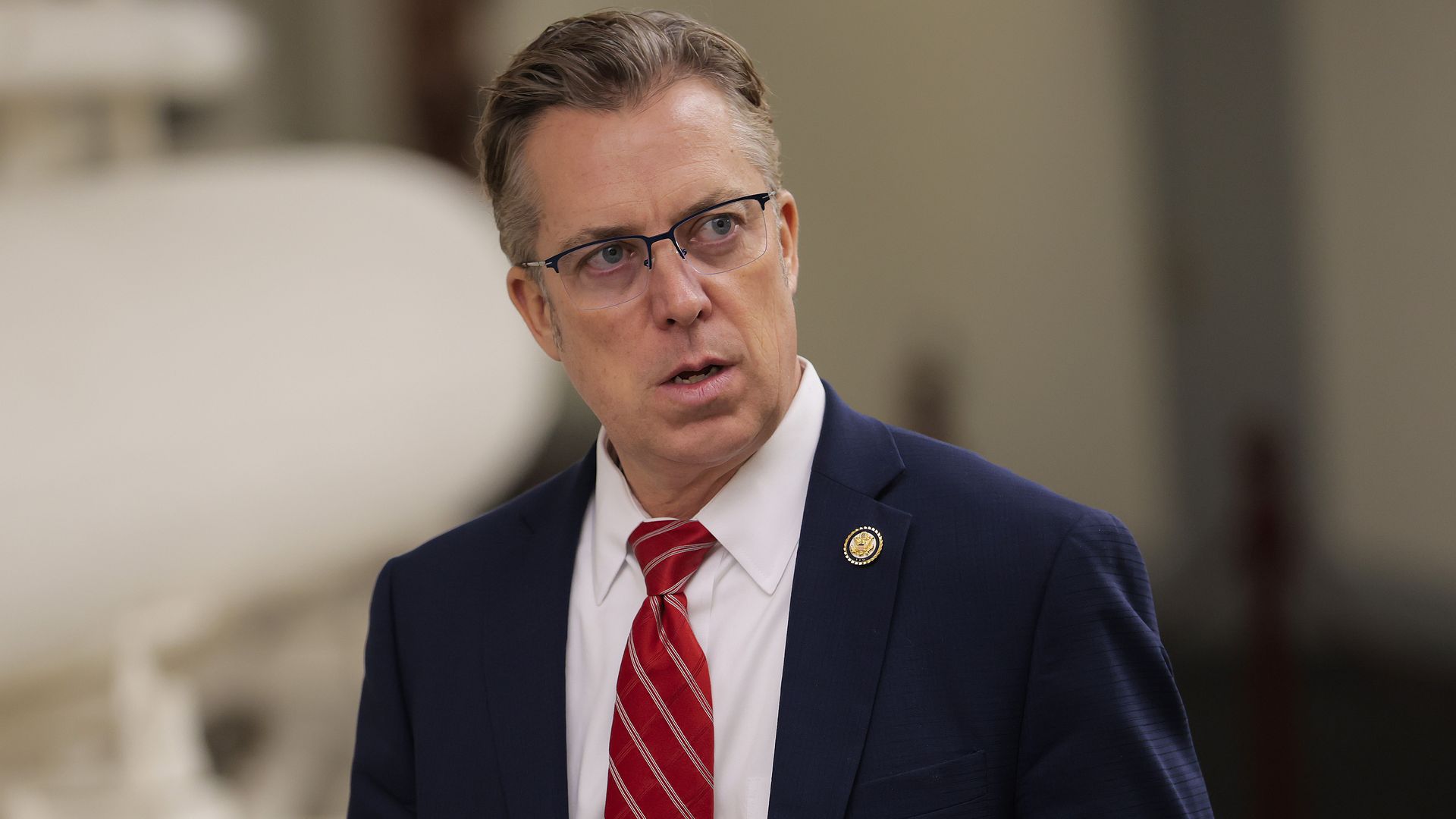
A super PAC that has invested millions to unseat Rep. Andy Ogles (R-Tenn.) is putting another $700,000 behind his GOP primary challenger in the final week of the campaign, Axios has learned.
Why it matters: Ogles was already facing one his most perilous reelection battle to date, with Democrats making him one of their top targets in November. But first he has to get the nomination, which is not a done deal.
Treasury Secretary Scott Bessent and U.S. Trade Representative Jamieson Greer held a high-level video call with China's vice premier to prepare for the September visit of its president, Xi Jinping, Axios has learned.
Why it matters: The call sets the stage for President Trump and Xi to sign future trade deals between the U.S. and China. But there are tensions.
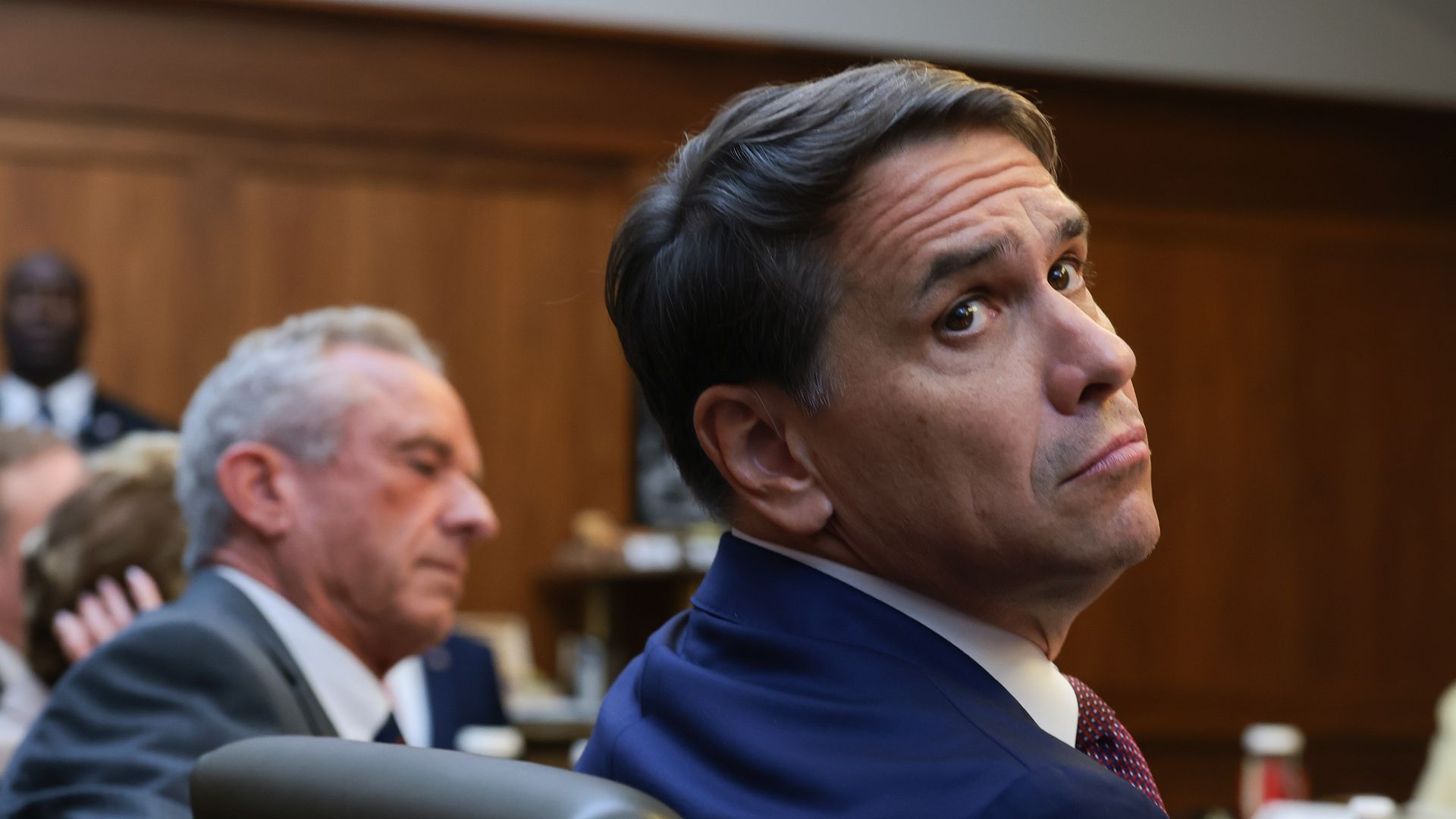
Acting Attorney General Todd Blanche's nomination to the full-time role is facing multiple roadblocks.
Why it matters: Blanche's stalled confirmation leaves the Justice Department without a permanent attorney general while exposing rare Republican resistance to one of President Trump's top nominees.
A federal judge on Thursday signaled she's become even more skeptical of the Pentagon's decision to blacklist Anthropic as she heard arguments over the AI company's legal challenge to its designation as a supply-chain risk.
Why it matters: The upcoming decision will mark the next chapter in what's expected to be a lengthy legal battle between the government and an AI company that's simultaneously helping shape the government's AI safety rules.
President Trump said Thursday that he would have "no objection" to temporarily withdrawing acting Attorney General Todd Blanche's nomination until his Republican opponents are out of office next January.
The big picture: Trump's threat, directed at GOP Sens. Thom Tillis (N.C.) and John Cornyn (Texas), puts Blanche's critics on notice as to what the president deemed "the right thing" after their concerns stalled the acting attorney general's nomination.
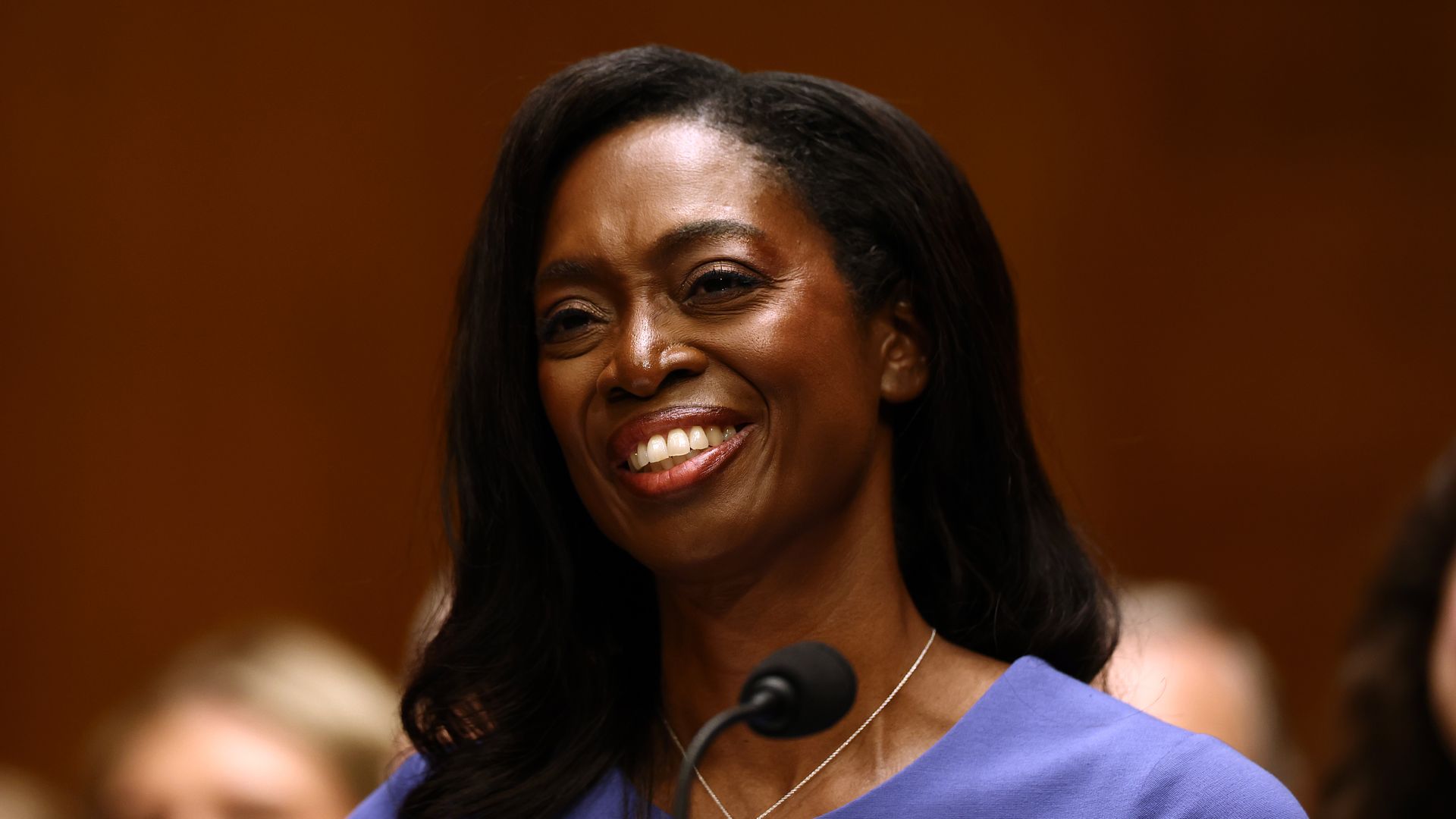
The Senate health committee approved the nomination of Erica Schwartz for Centers for Disease Control director Thursday, a step toward refilling the depleted ranks of the Trump administration's health care leadership.
The committee also approved the nomination of Sean Kaufman, who's in line for assistant secretary for preparedness and response and had been in trouble because of past anti-vaccine statements.
Why it matters: The votes showed Republicans, at least, are still willing to accept the administration's assurances about the nominees even though committee chair Bill Cassidy has made it clear he's uneasy with Health Secretary Robert F. Kennedy Jr.'s policies.
Americans fear November's midterms could be stolen or otherwise compromised, with most worried about political pressure to change results or officials mishandling ballots, new Gallup polling finds.
Why it matters: President Trump has cast the American election system as under siege and vulnerable with unfounded claims about his 2020 loss. Meanwhile, his critics warn his push to reshape the ways Americans vote are undermining elections.
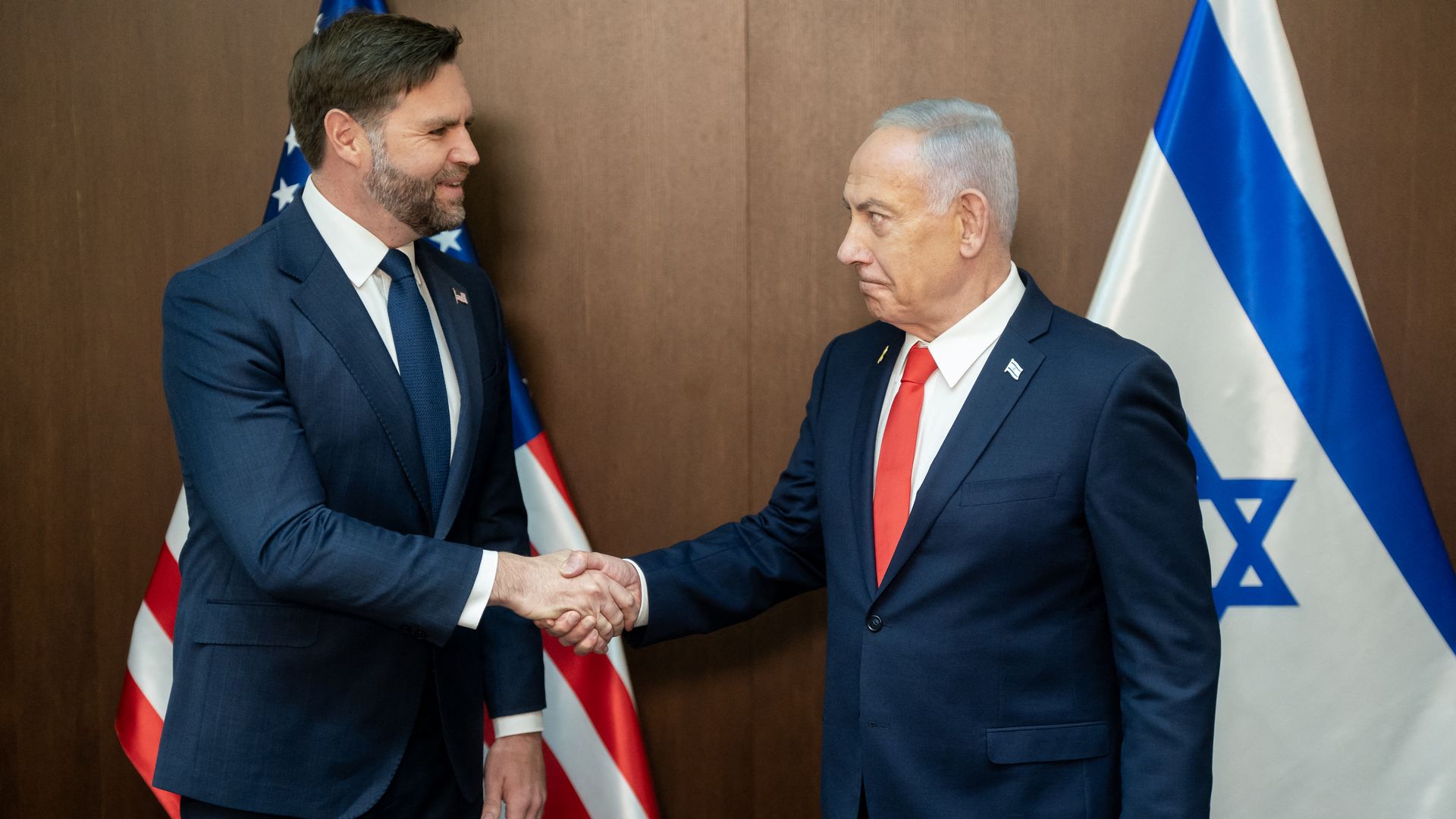
Vice President Vance and Israeli Prime Minister Benjamin Netanyahu held a "direct" conversation about their differences in a one-on-one meeting in Washington on Tuesday evening, Israeli and U.S. officials said.
Why it matters: Vance has been the most Netanyahu-skeptical voice in Trump's inner circle since the beginning of the war. As the war dragged on, he became increasingly critical of the Israeli prime minister.
The U.S. economy grew at a 1.5% annualized rate in the second quarter, the government said on Thursday, capturing a three-month stretch shaped by the Middle East conflict and a surge in energy prices.
Why it matters: Consumer spending and business investment fueled by AI spending remained the economy's standout growth engines in the spring.
Senate Democrats released a white paper Wednesday detailing their goals for overhauling private health insurance and asking for feedback to help them translate those goals into policy.
Why it matters: The effort signals a radical revamp of how insurance is structured and regulated, with a particularly strong emphasis on lowering patients' costs across the board.
President Trump met Wednesday with Saudi Defense Minister Prince Khalid bin Salman, a U.S. official and another source with knowledge of the meeting told Axios.
The meeting was added to the Saudi minister's itinerary after he met with Vice President Vance and told him that Saudi Arabia favors de-escalation with Iran — despite this week's joint U.S.-Saudi strike on pro-Iranian militias in Iraq, a source familiar with the matter said.
Why it matters: The source said the purpose of the meetings was to deliver a message from Crown Prince Mohammed bin Salman (MBS) about the war with Iran and the situation in the region.
Pointing across a 3D mockup in the Oval Office, President Trump unveiled his $22.5 billion overhaul of Dulles Airport on Wednesday, promising to turn what he called a "horribly thought of" gateway into "maybe the best."
Why it matters: The massive plan replaces aging concourses, adding millions of square feet of new capacity to serve more passengers and international destinations.
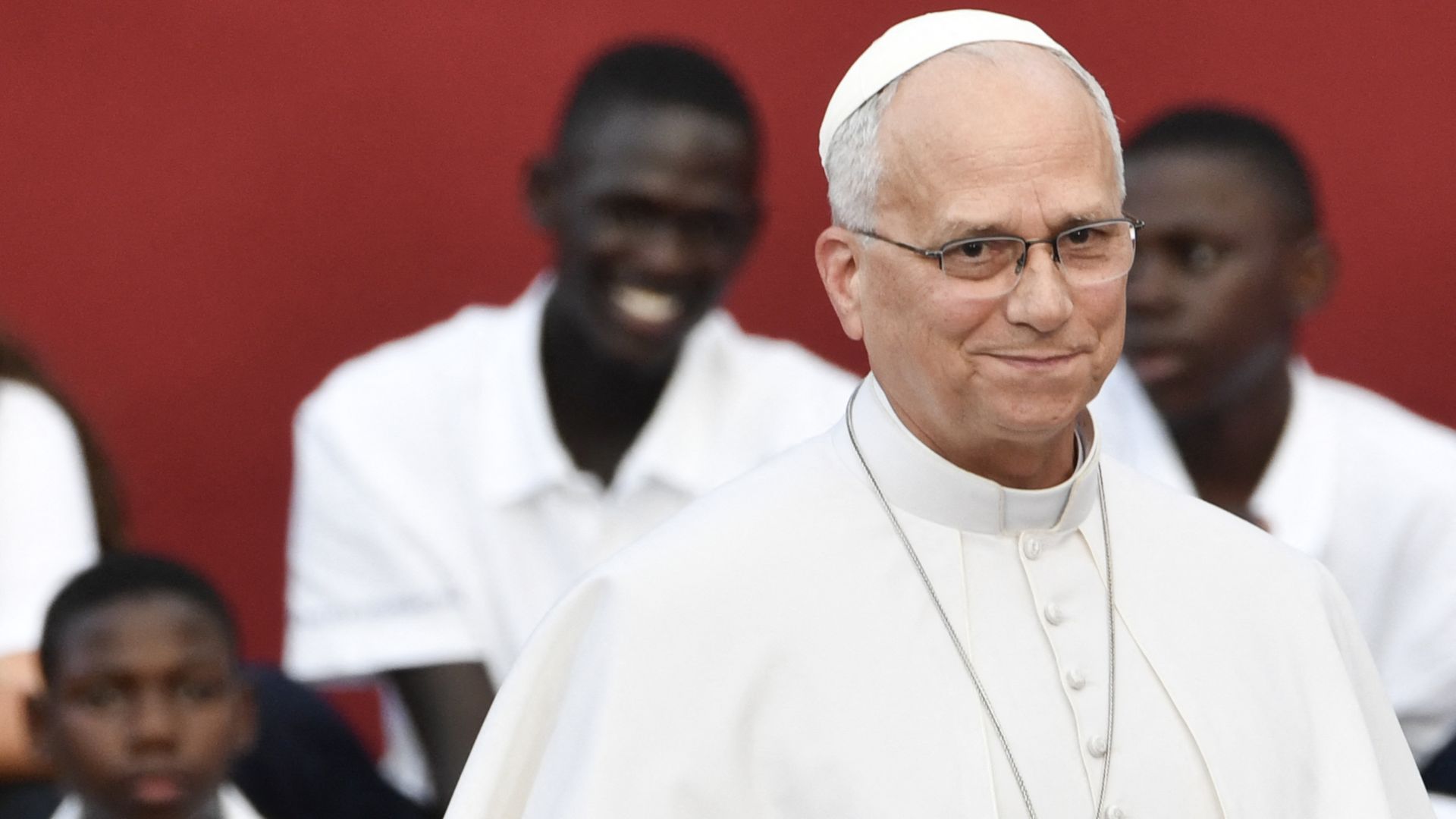
Pope Leo XIV plans to visit the U.S. "soon," the Chicago-born pontiff said in an interview with NBC News that aired Wednesday evening.
The big picture: The first U.S.-born pope told NBC's Tom Llamas during the interview that he loves "so many things" about America as he revealed he was just looking at his calendar for the next couple of years and confirmed people will see him in the U.S. "soon."