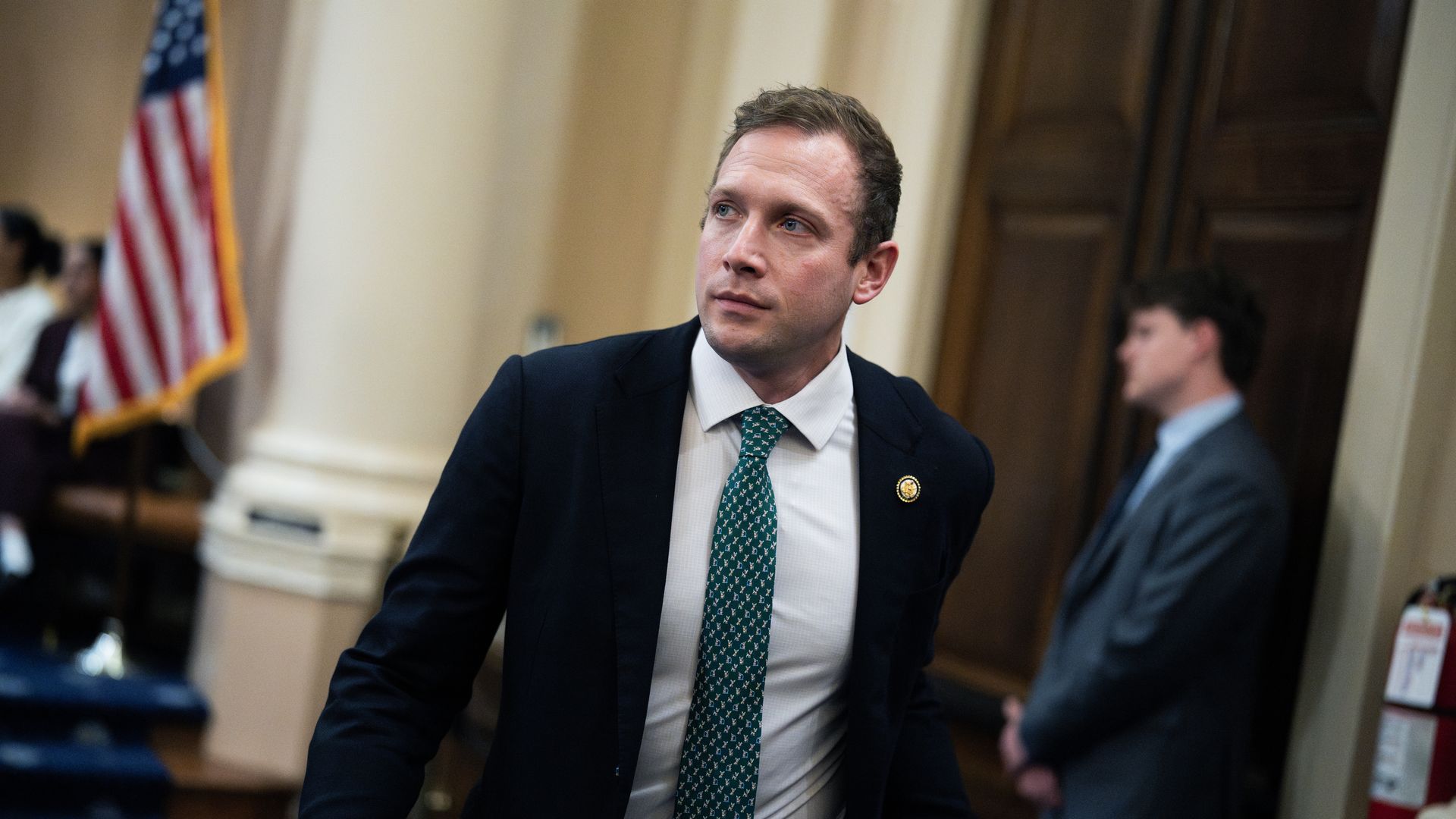
Ohio GOP Rep. Max Miller said Sunday he will stay in his reelection race, using a livestream on X to deny allegations he abused his ex-wife and their young daughter.
Shortly after his announcement, his ex-father-in-law, Sen. Bernie Moreno (R-Ohio), denounced him as a "danger" to his daughter and unfit for office.
Why it matters: The extraordinary public split between two Trump-aligned Ohio Republicans comes days before the state's deadline to replace Miller on the ballot with a special election — and will only fuel the controversy attached to a seat Democrats are targeting.
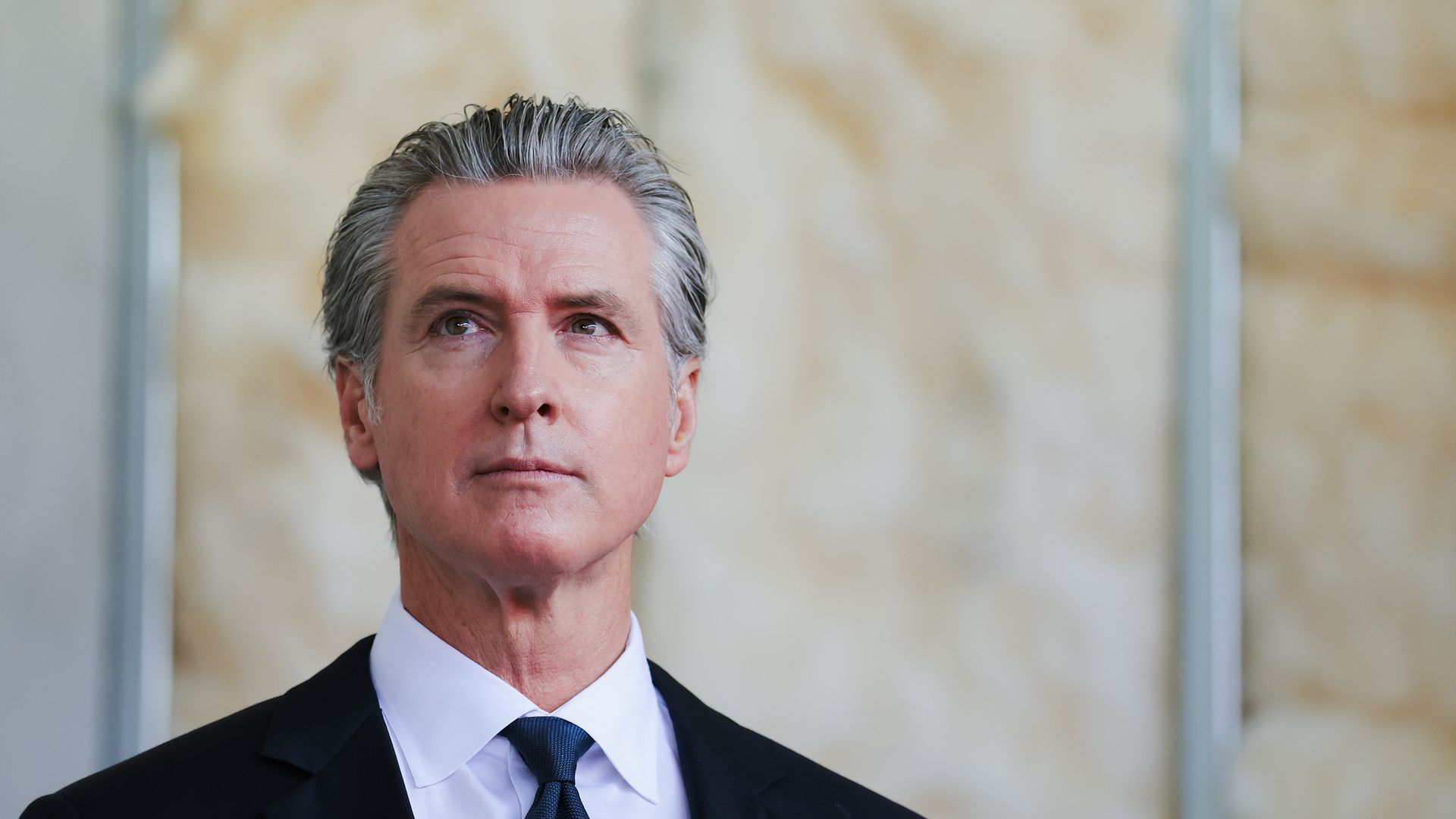
Gavin Newsom is quietly banking a lot of goodwill among party organizers and elected officials in states — particularly in the South — that will be key in the midterms and the 2028 Democratic presidential primary.
Newsom has raised more than $1.7 million for critical state parties and their legislative committees so far this two-year cycle, according to data reviewed by Axios.
Why it matters: Stateparty leaders told Axios that the California governor has raised more for them than any other prominent Democrat and potential White House rival.
Jon Ossoff is having a moment. But some Democratic insiders are questioning whether he's the real deal — or if a few slickly produced videos are making him look like more of a political juggernaut than he is.
Why it matters: The Georgia senator, 39, has catapulted into the 2028 conversation by making liberals on social media swoon over his viral clips of high-energy rallies and sharp takedowns of President Trump and Republicans.
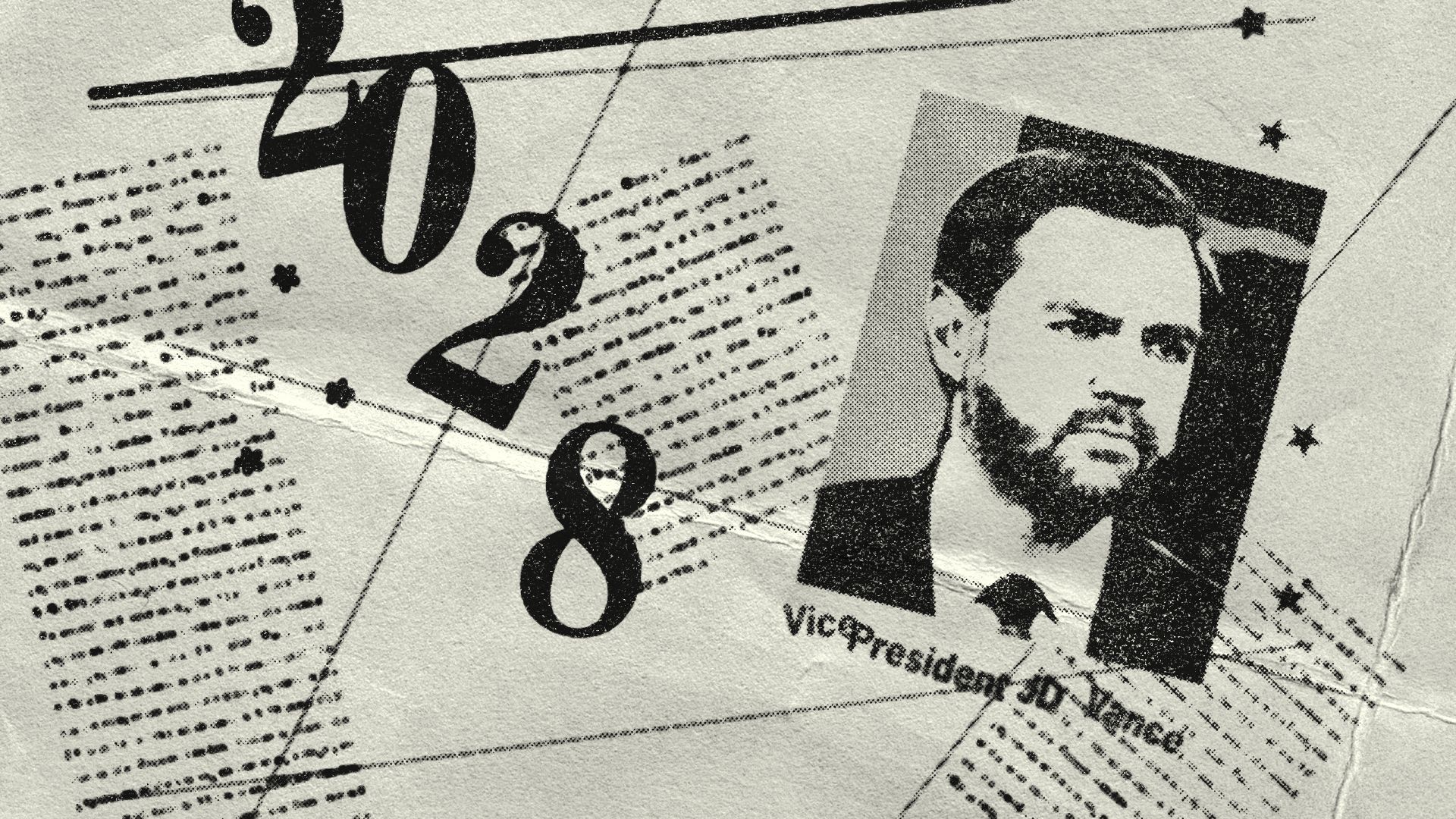
The Wall Street Journal opinion page tried to stop Donald Trump a decade ago and again in 2024. Now, the standard-bearer of traditional conservatism is making an early case against his presumed heir.
Why it matters: Vice President JD Vance has the inside track for Trump's endorsement. But there's a not-insignificant GOP faction that never embraced Trump's overhaul of the party — and is already arguing against handing the reins to Vance.
Six months after Nancy Guthrie was taken against her will from her Arizona home in the middle of the night, there are no suspects or major leads and the case seems to be stalled, a source close to the investigation tells me.
"There is plenty of blame to go around, but there is growing pressure to solve this case," the source said. "This case has struck a chord — people are watching very closely. This can't go on for another six months."
President Trump doesn't much care if Republicans lose the House and/or the Senate in the midterms this fall.
Yes, he'd prefer a big win, but he seems indifferent to the election and the possibility of endless Democratic investigations of his family, wealth and policies, his closest advisers tell us.
A big reason: Trump knows he'll emerge just as strong, or even stronger, heading into his final two years, at least among Republicans.
Why it matters: Trump will enjoy a more pro-Trump Republican Congress, win or lose; gleefully play '28 kingmaker and further test the boundaries of presidential power beyond legislating, his preferred method anyway. He'll use pardons to protect his people, the advisers say.
Silicon Valley's AI moguls are flooding Washington with competing blueprints for superintelligence, clashing over a defining question: Does safety come from spreading powerful AI or containing it?
Why it matters: Their fight will shape who gets access to the best models, how America competes with China, and whether the government can slow the race in an emergency.
Young Latinos are abandoning organized religion at a faster rate than any other demographic in the United States, a new Axios analysis finds.
Why it matters: The declining religious affiliation of Latinos ages 18 to 29 — particularly among Catholics — is challenging long-held assumptions that their explosive growth would boost traditional religious values in American culture.
Schools across the U.S. are cracking down on student cellphone use, but a new study finds the restrictions bring mixed results.
The big picture: Schools that require students to lock away their phones during class have seen phone use decline substantially, according to the study shared by the National Bureau of Economic Research in April.