Nancy Guthrie case fuels true crime frenzy

Add Axios as your preferred source to
see more of our stories on Google.
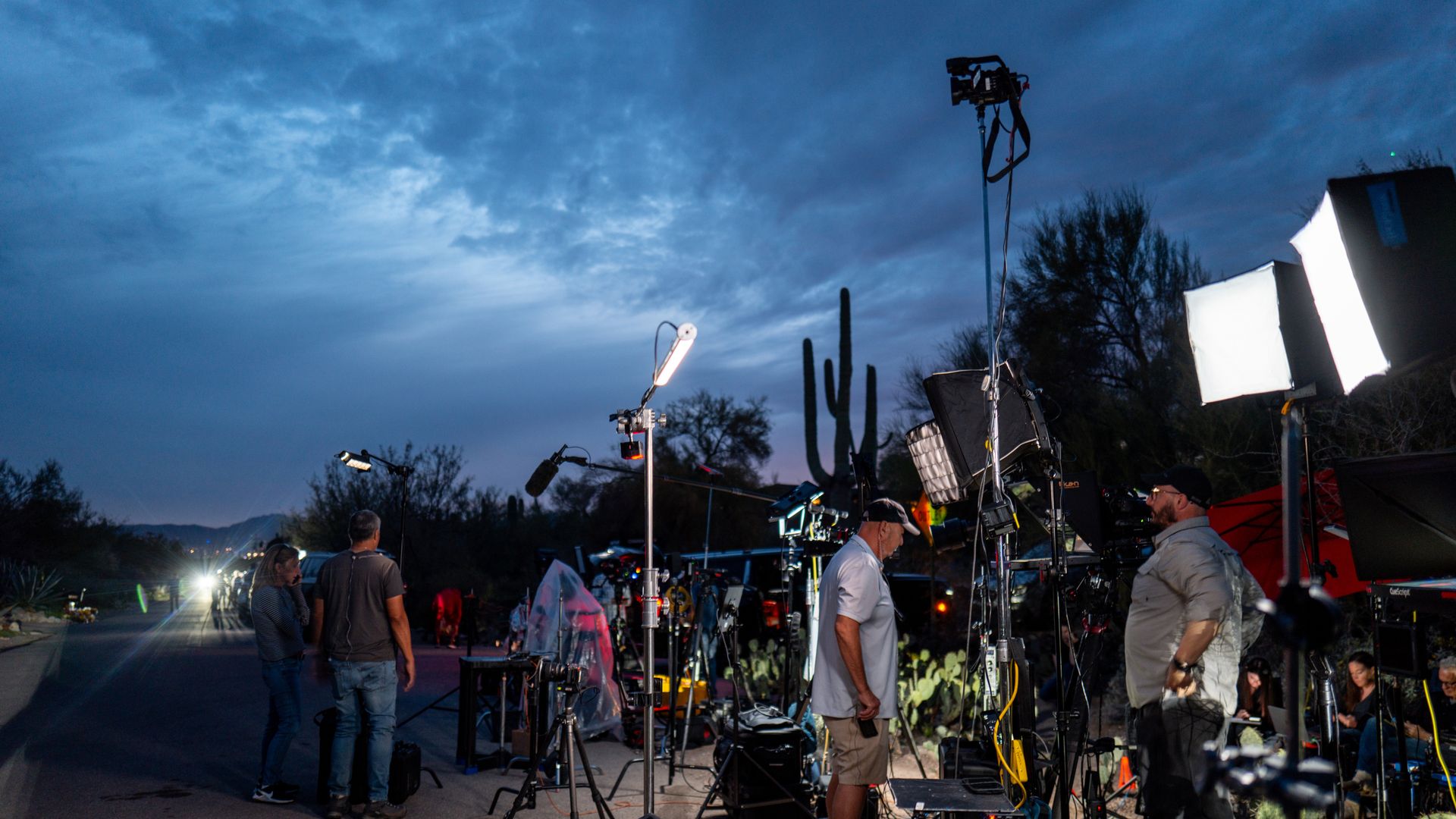
Media stationed outside Nancy Guthrie's home on Feb. 12. Photo: Brandon Bell/Getty Images
The disappearance of 84-year-old Nancy Guthrie, the mother of prominent NBC journalist Savannah Guthrie, has turned Tucson into America's latest true crime obsession.
The big picture: True crime — the nonfiction portrayal of real criminal activity — has exploded in popularity in recent decades in the form of social media streams, podcasts, TV series, news programming and more.
- A new media ecosystem has arisen with questionable ethical standards, empowering online sleuths to play the role of investigator, for good and bad.
Why it matters: Media experts told Axios that the hyper-sensationalism of crime can threaten criminal investigations, spread damaging misinformation and re-victimize loved ones of missing and murdered people.
State of play: A swarm of national news crews, local reporters, bloggers and social media influencers have spent the past three weeks camped outside Nancy Guthrie's Catalina Foothills home, where she was last seen Jan. 31.
Friction point: Tensions are broiling between traditional journalists, who subscribe to ethical standards that discourage publishing speculation and anonymously sourced information, and true crime media personalities who have shared unsubstantiated theories and clues they claim they've gotten from unnamed sources.
- Streamers and bloggers have shared photos and videos of people and vehicles they think could have been involved in Guthrie's disappearance, at times leading to the uncontrolled spread of misinformation.
Zoom in: Whitney Phillips, an associate professor who teaches a true crime media ethics class at the University of Oregon, told us it's "really upsetting and really predictable" how coverage has unfolded.
- Phillips, who researches why conspiracy theories and falsehoods spread, said Americans have such distrust in institutions (like mainstream media and law enforcement) that they have found refuge in true crime influencers operating outside the status quo.
- The country is also under immense stress caused by political instability, which diminishes our capability for critical thinking and enables knee-jerk shares of unconfirmed theories, she said.
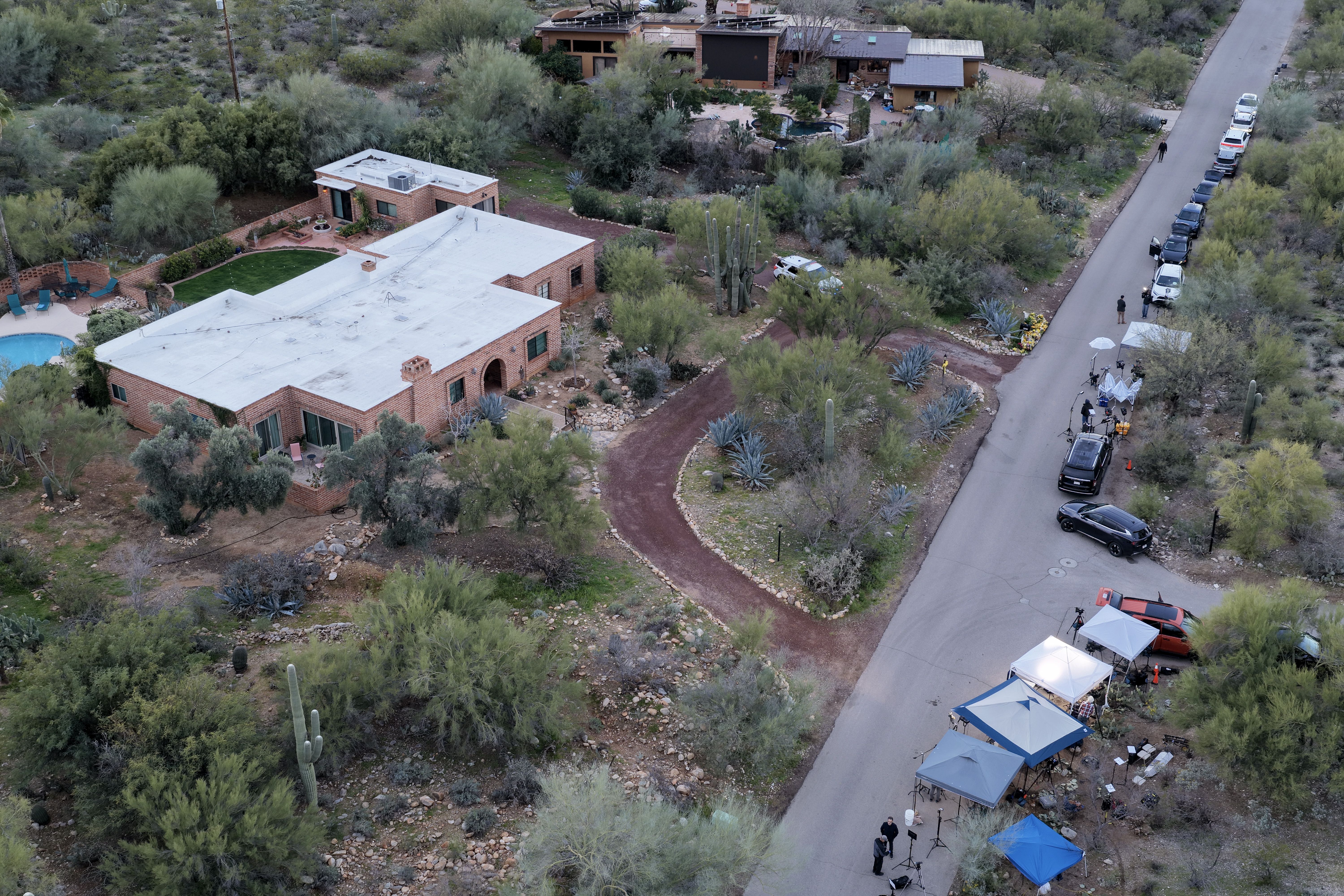
Flashback: Speculation that a member of the Guthrie family was involved in the disappearance became so pervasive online earlier this month that Pima County Sheriff Chris Nanos released a statement saying the entire family has been cleared as suspects and are victims.
- "To suggest otherwise is not only wrong, but cruel," he said.
Between the lines: Kelli Boling, assistant professor of advertising and public relations at the University of Nebraska-Lincoln, last year published two research articles examining the impact of true crime media.
- Boling found enhanced coverage brings some positives: It puts pressure on investigators to solve the case and gins up attention that could turn up new leads.
- The negatives, however, include the "celebrification" of criminals, re-victimization of survivors and their families and irreparable reputational harm from misinformation, she said.
Threat level: Boling looked at podcasts and shows that covered crimes in the past tense — it's "more dangerous" to create entertainment-style true crime content when there is still an open and active investigation, she said.
- People "who monetize talking about crime online" could accidentally destroy evidence, expose investigators' strategies or otherwise "get in the way of law enforcement doing their job quickly and accurately," she added.
The other side: The influencers covering the Guthrie case have brushed off criticism, arguing they're helping solve the case — something law enforcement has yet to do.