Why it matters: Solomon Ray's rise marks one of the first times an AI-generated Black Christian artist has broken through a major streaming chart, and the conservative creator behind it is intensifying scrutiny of the creation.
The U.S. military early Saturday boarded a tanker that is not under U.S. sanctions as it shipped Venezuelan oil in hopes of escaping a blockade imposed by President Trump, according to two sources familiar with the action.
Why it matters: The show of force makes it clear the Trump administration considers almost all oil tankers carrying Venezuelan crude to be subject to search and possible seizure — whether the vessel is under sanction or not.
As police scoured New England this week for the gunman who killed two people at Brown University, a parallel manhunt erupted online, falsely targeting a Palestinian student.
Authorities say the real suspect, a Portuguese national also linked to the slaying of an MIT professor, was found dead Thursday in New Hampshire.
Why it matters: Social media influencers who play detective after tragedies are getting it disastrously wrong — falsely accusing innocent people of crimes with little evidence, massive reach and virtually no accountability.
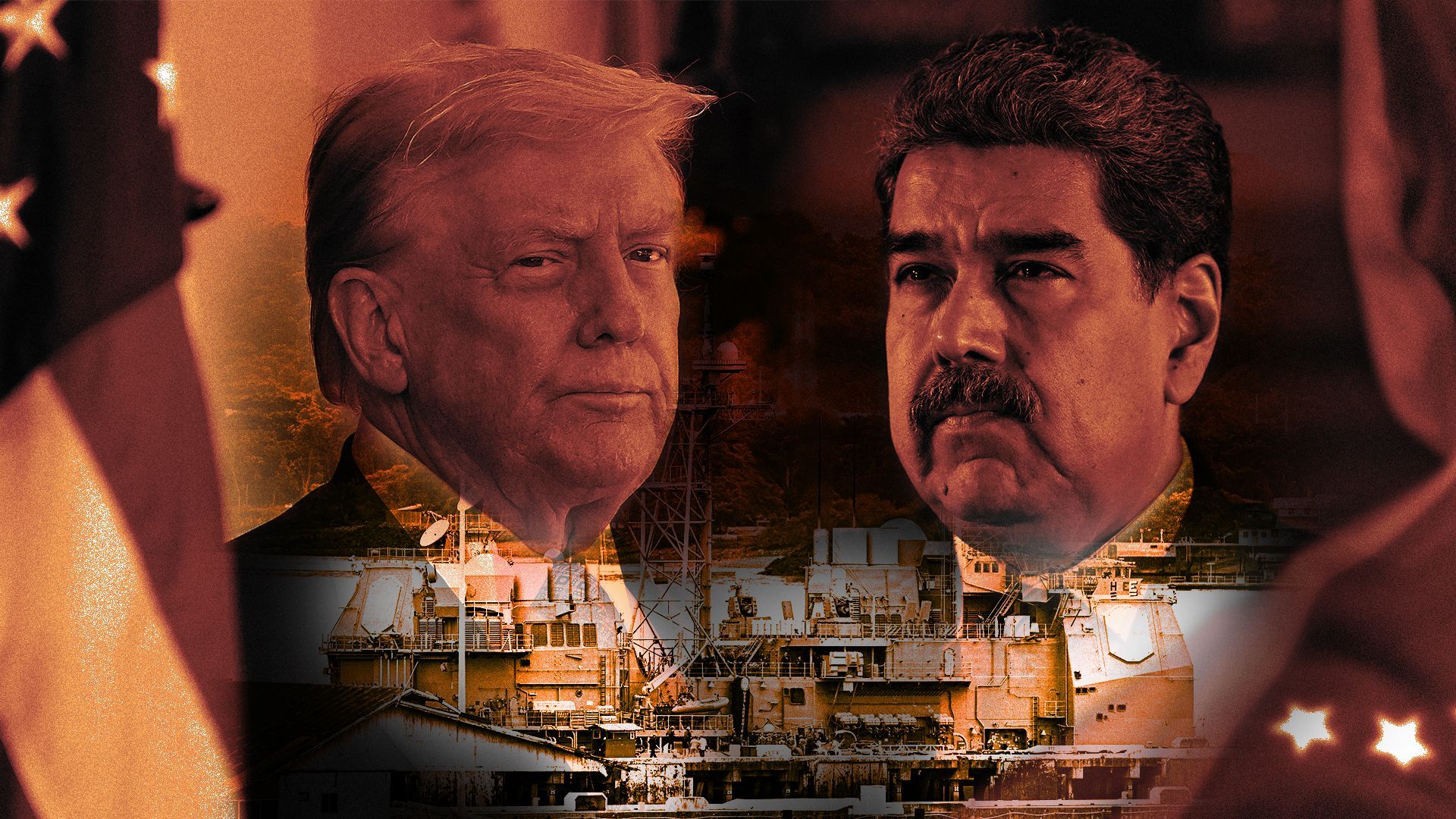
Venezuela is testing President Trump's blockade of sanctioned oil tankers by letting two crude-laden vessels motor out from the South American nation's ports — including one with a military escort.
Neither tanker has been sanctioned by the U.S., so technically they're not running Trump's blockade.
Why it matters: This newest cat-and-mouse game between Trump and Venezuela's Nicolas Maduro is heightening the tension in the Caribbean. Millions of barrels of oil are at stake — a military conflict seems likelier than ever.
The U.S. military conducted air strikes on Friday against dozens of ISIS targets in Syria in retaliation for the attack that killed three U.S. soldiers near the city of Palmyra last weekend, the U.S. military central command said.
Why it matters: Operation "Hawkeye Strike" is the most wide-ranging U.S. military operation against ISIS in Syria in several years.
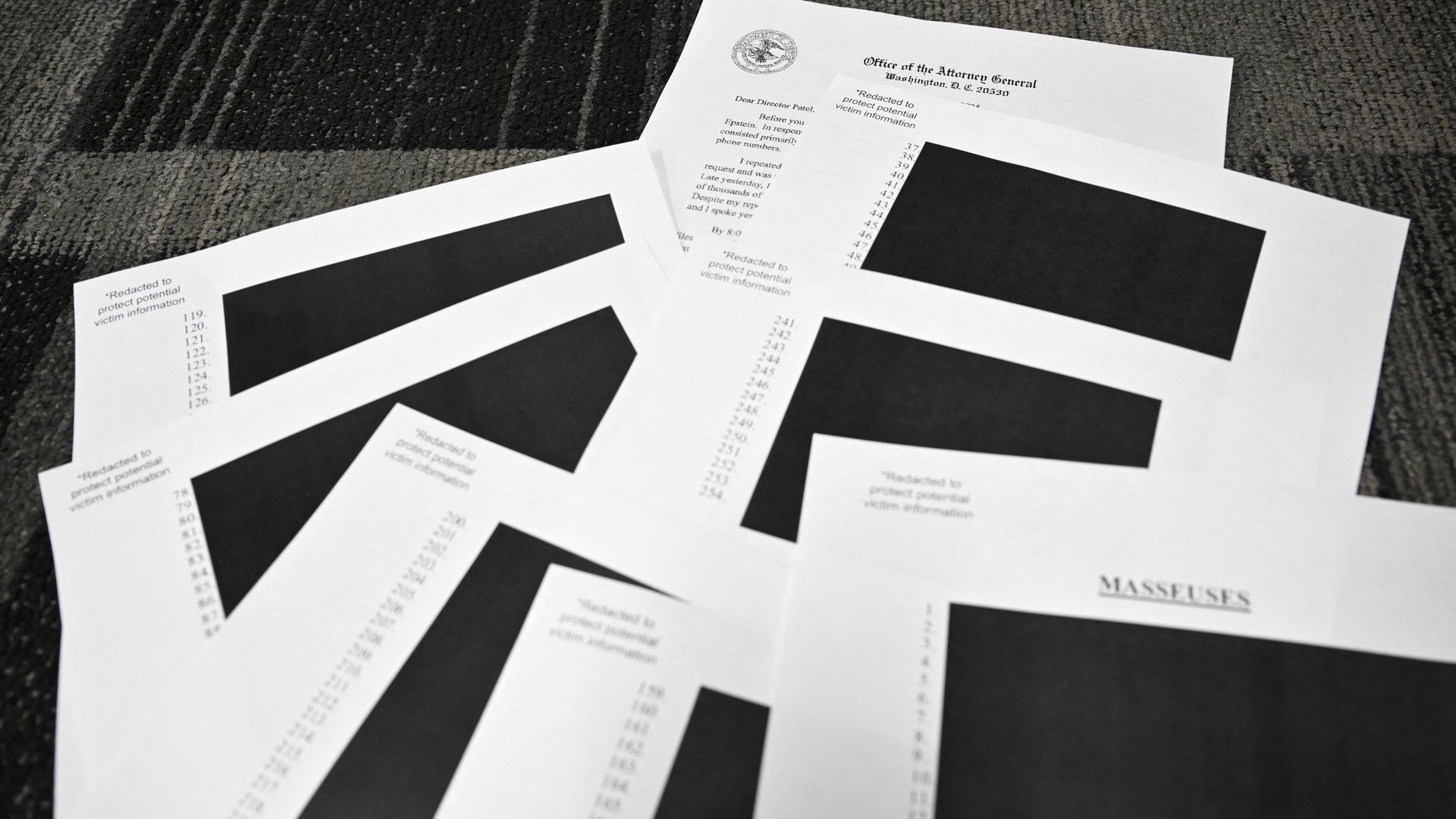
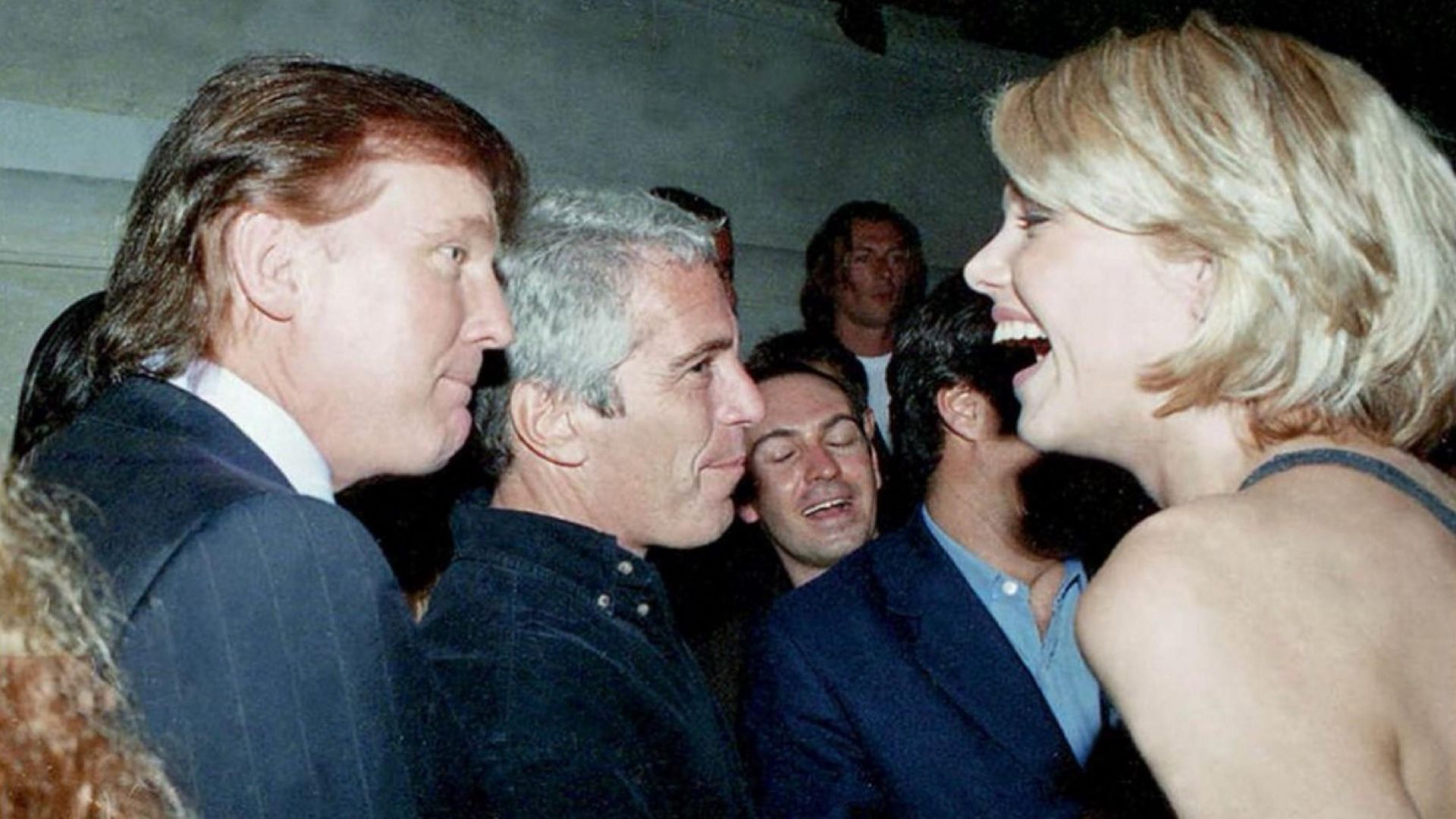
The Department of Justice released thousands of Epstein files on Friday, but there are plenty more on the way.
Why it matters: The Epstein files offered a deeper look into convicted sex offender Jeffrey Epstein and co-conspirator Ghislaine Maxwell. But the new collection leaves many files unaccounted for, without a clear indication of when the rest of the documents might arrive.
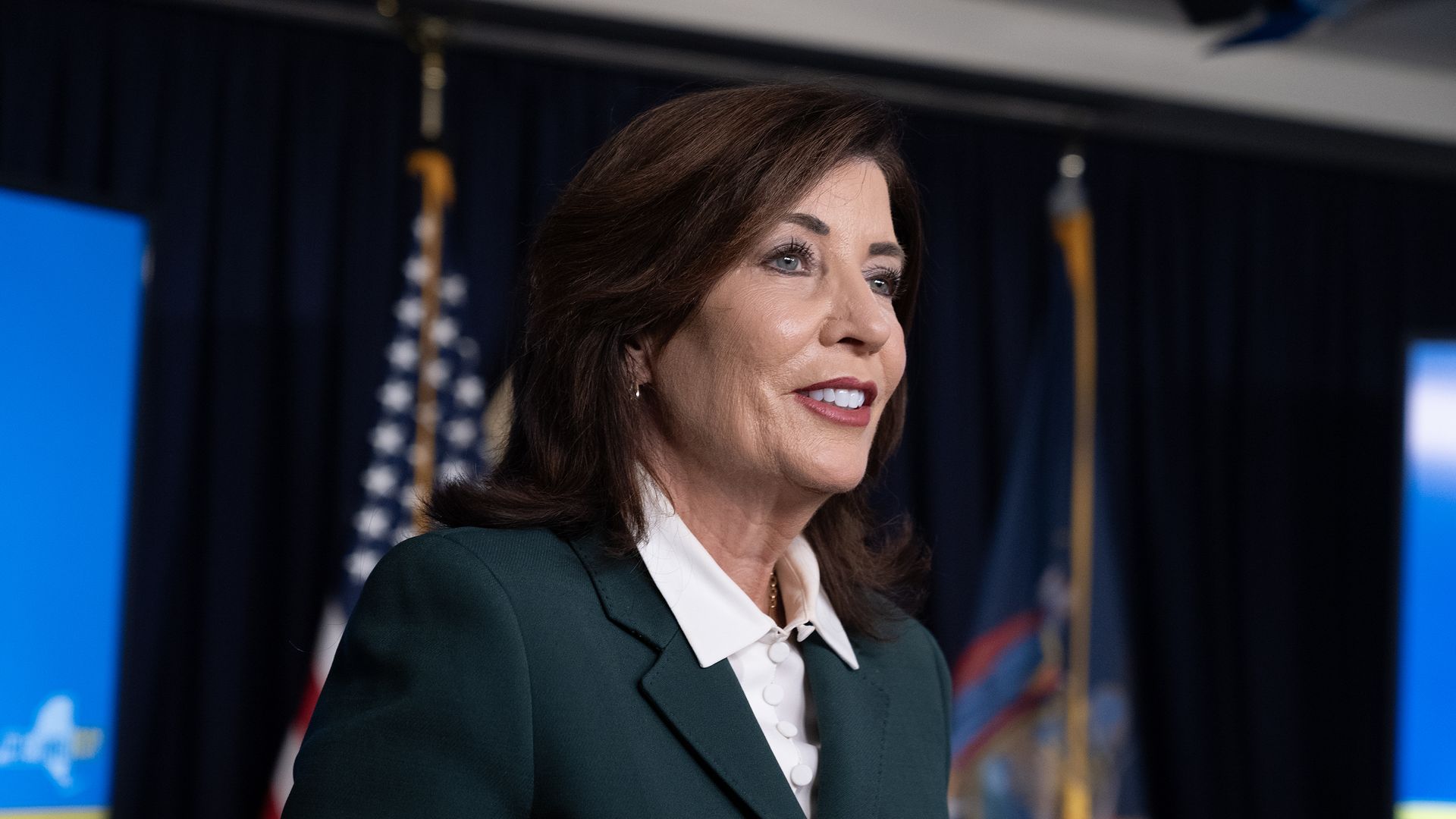
Gov. Kathy Hochul (D) signed the RAISE Act into law Friday, making New York the latest state to have broad safety rules for the most advanced AI models.
Why it matters: New York and California are setting de facto safety rules for frontier AI companies in the U.S. as Congress struggles to settle on federal standards.
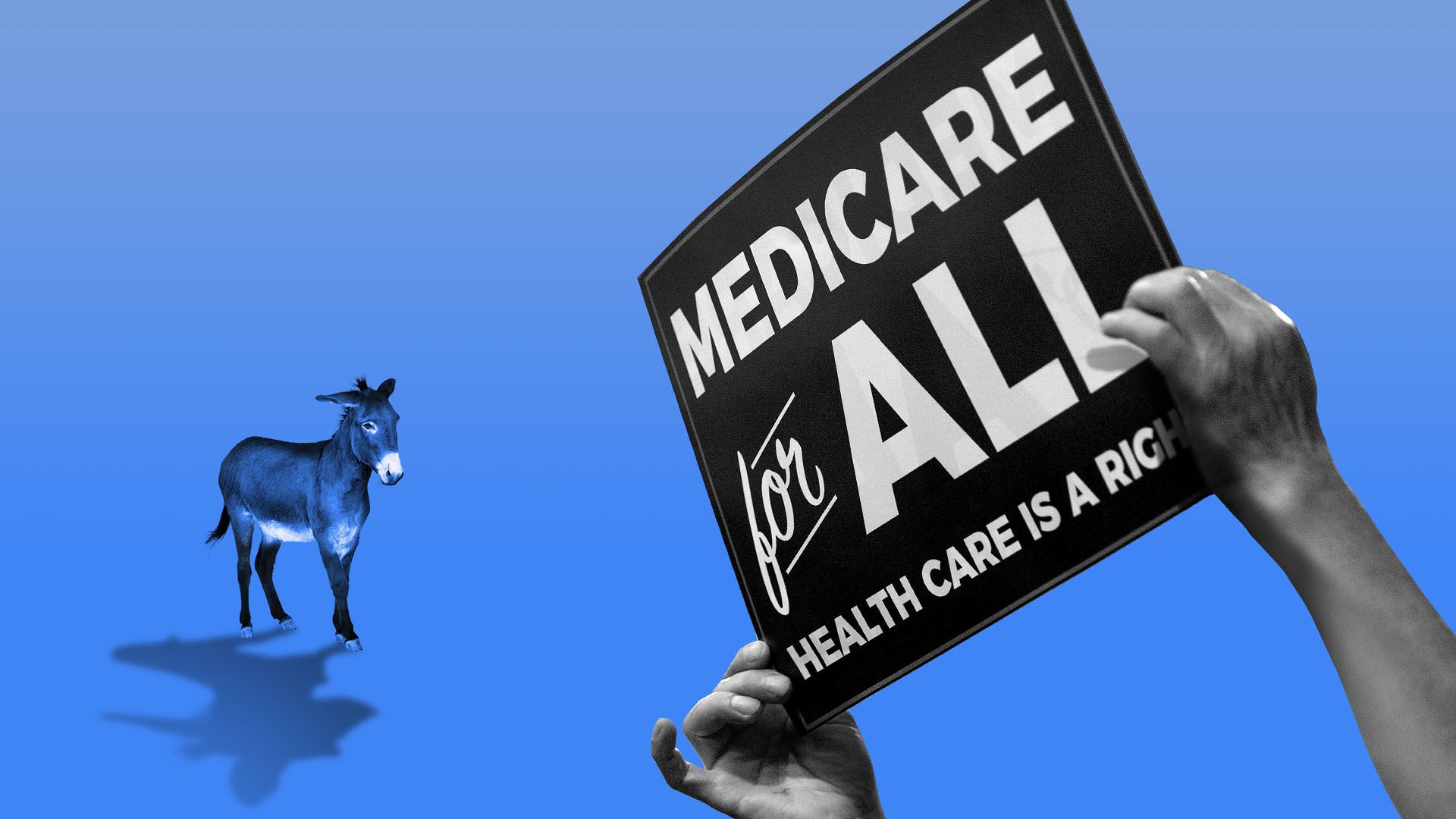
The Trump administration on Friday proposed two new programs aimed at saving Medicare billions of dollars on seniors' drugs by pegging what the government pays to prices in other developed countries.
Why it matters: While President Trump's deals with drugmakers have focused primarily on getting Medicaid and direct-to-consumer drug prices in line with peer countries, the new efforts focus on Medicare.
But the programs still could wind up increasing seniors' prescription drug costs.
The big picture: One program aimed at prescription drugscould save $14.1 billion while a second for outpatient drugs could save Medicare $11.9 billion.
Medicare enrollees should save $6.2 billion in out-of-pocket spending for outpatient drugs from2026 to 2031, Medicare administrators predicted.
But seniorsstillcould see an estimated $3.6 billion increase in prescription drug costs between 2028 and 2033.
That's because officials anticipate the new effort will incentivize pharmaceutical companies with drugs chosen for the separate Medicare price negotiations to broker higher prices, presumably to offset losses from the pilots.
How it works: Drugmakers in both of the new programs would pay rebates to the federal government if they charge more than an international benchmark based on what other comparable countries pay.
Enrollee out-of-pocket costs for outpatient drugs in the program would also be tied to the international benchmark.
The benchmarks would be calculated based on either international pricing information submitted by drugmakers or available information on drug prices in other developed countries.
The Global Benchmark for Efficient Drug Pricing Model would apply to drugs paid for by Medicare Part B and delivered primarily in a doctor's office or outpatient department.
It would include antigout drugs, medications for metabolic bone disease and for central nervous system conditions, immunological drugs, ophthalmic drugs and blood products.
The model would start Oct. 1, 2026, and run through 2031.
The Guarding U.S. Medicare Against Rising Drug Costs Model will apply to prescription drugs paid for by Medicare Part D, including analgesics, antidepressants, blood glucose regulators, migraine medications and drugs for gastrointestinal issues.
GUARD excludes generic drugs and biosimilars.
It would run Jan. 1, 2027, through Dec. 31, 2031.
Both programs would exclude drugs that already have been selected for Medicare price negotiations.
What they're saying: The pharmaceutical industry bashed the proposed programs.
"Government policies that mandate broad-based foreign price controls are bad for American patients and undermine U.S. leadership," Robby Zirkelbach, PhRMA's chief public affairs officer, said in a statement.
"By CMS' own admission, the proposed policies are projected to increase costs for America's seniors, and they will siphon billions from U.S. medicine R&D at a time when China is on the verge of surpassing us," he added.
The proposals are open for public comment until Feb. 23.
Editor's note:This story has been corrected to reflect that the estimated savings of $14.1 billion pertain to prescription (not outpatient) drugs, the $11.9 million savings pertain to outpatient (not inpatient) drugs, and the $6.2 million savings in out-of-pockets expenses pertain to outpatient (not inpatient) drugs.
The Justice Department released thousands of files on convicted sex offender Jeffrey Epstein on Friday, which includesdocuments, recordings of phone calls and videos gathered during state and federal investigations.
Why it matters: The trove includes hundreds of thousands of pages that give the most explicit look yet into Epstein's years of abuse and his connections throughout the worlds of business and politics.
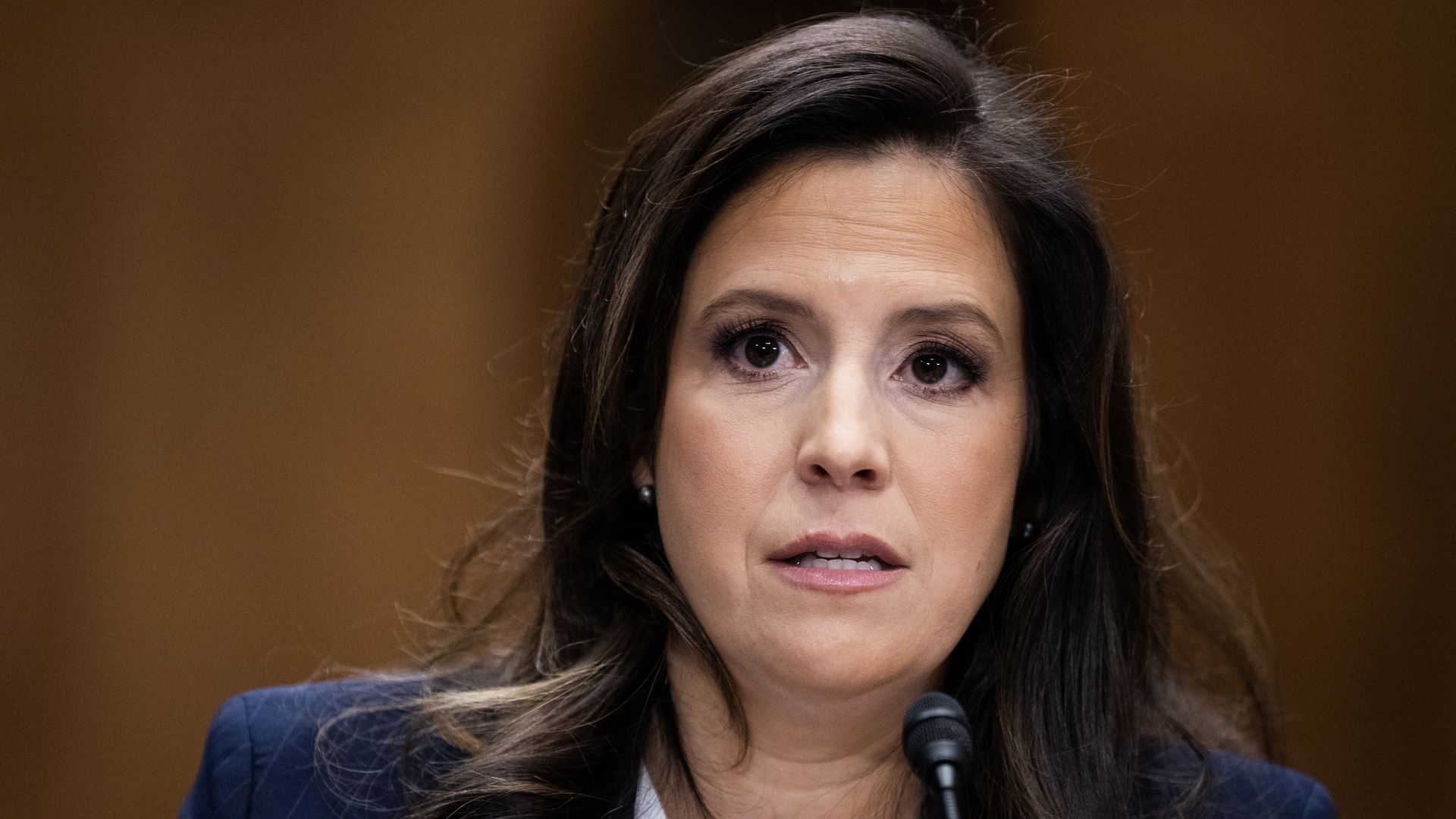
Rep. Elise Stefanik (R-N.Y.) announced Friday she'd suspended her campaign for New York governor and will not seek reelection to the House next year.
Why it matters: Stefanik, one of President Trump's most prominent backers on Capitol Hill and a member of House GOP leadership, just entered the race for governor in November after Trump helped clear the field for her.
House lawmakers barely edged out COVID-era voting days in 2025, despite being in the make-or-break year for President Trump's MAGA agenda.
Why it matters: House Speaker Mike Johnson's (R-La.) lawmakers are frustrated and losing their cool, and aside from the "one big, beautiful bill," Republicans don't have much to brag about.
President Trump's overnight crackdown on diversity visas is the latest use of his 2025 strategy to scale down legal immigration.
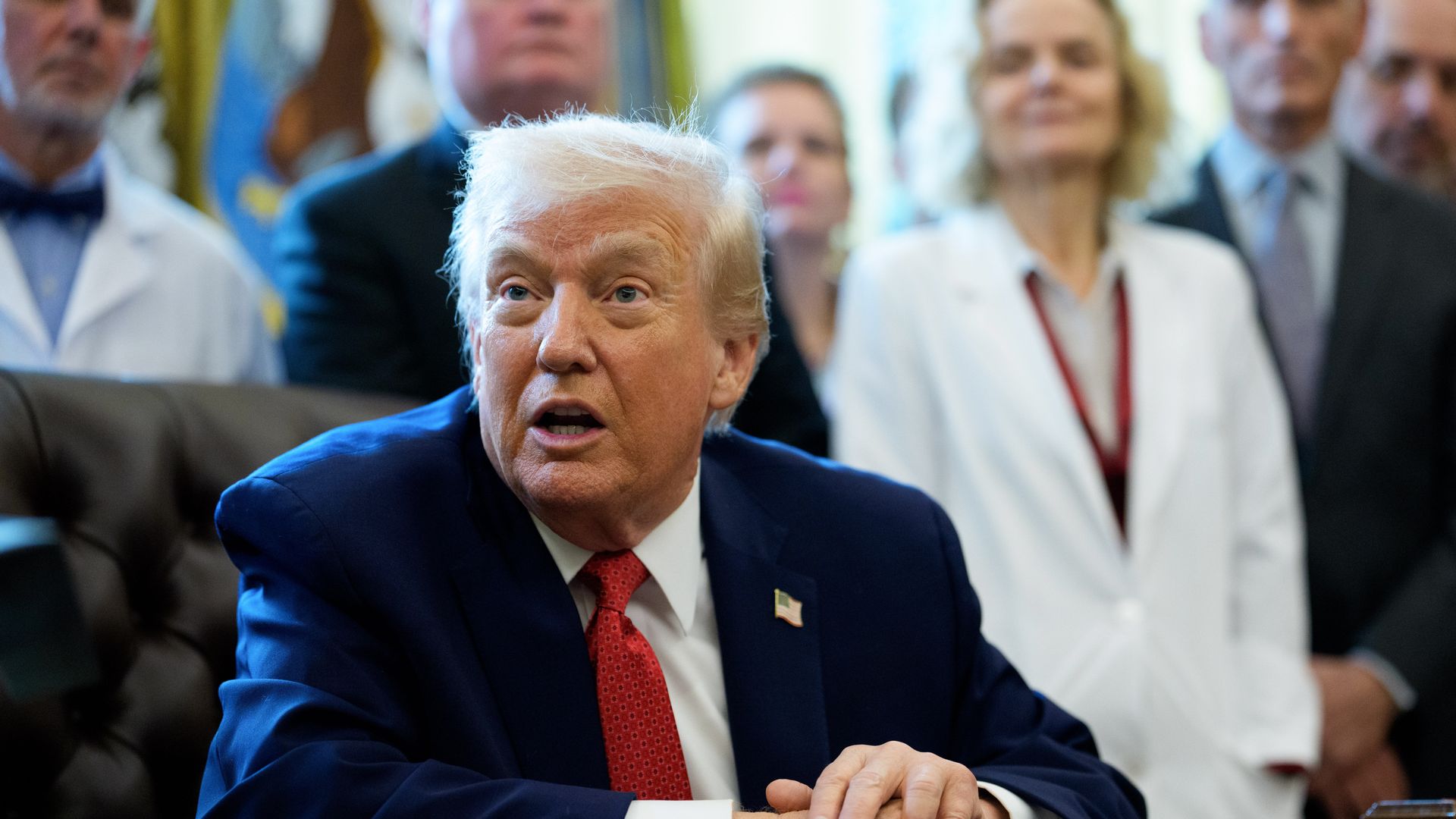
Why it matters: The Trump administration is leveraging collective punishment by halting or trying to scuttle entire legal immigration programs after high-profile incidents.
Rep. Alexandria Ocasio-Cortez (D-N.Y.) drove the most search engine attention this year compared to her fellow House members, according to data from Google Trends.
Why it matters: AOC has long known how to capture America's attention. This year's interest comes as her team has been preparing for a future Senate or presidential run, as Axios has reported.
Nine more pharmaceutical companies on Friday committed to President Trump's "most favored nation" drug pricing policy and agreed to lower U.S. prices for some of their products.
Why it matters: The deals with Merck, GlaxoSmithKline, Sanofi, Genentech, Bristol Myers Squibb, Amgen, Novartis, Gilead and Boehringer Ingelheim continue the administration's push to put U.S. drug prices in line with the lowest price paid in selected other developed countries.
Trump also said Friday he plans to call a meeting soon with health insurance companies to "see if they get their prices down."
The big picture: The drugmakers that committed on Friday were among the the 17 Trump sent letters to last summer, demanding they commit to his pricing regime and lower their prices in the U.S.
Trump has also demanded that other countries pay more for pharmaceuticals or face steep tariffs.
"If we didn't have the use of tariffs, we would never be able to do this," Trump said Friday.
State of play: The companies have agreed to offer all drugs to Medicaid at most favored nation pricing. They'll also list their most popular drugs at a discount on the government's soon-to-be-launched TrumpRx for direct-to-consumer purchasing, Trump said.
The companies will collectively invest more than $150 billion in domestic drug manufacturing. They've also committed to donating some pharmaceutical ingredients to the U.S.'s national stockpile of medications.
Bristol Myers Squibb said that it will offer its blood thinner Eliquis to Medicaid for free.
Reality check: Patents have already expired for some of the drugs that will be offered at a lower price on TrumpRx, including Sanofi's blood thinner Plavix and GSK's inhaler Advair — meaning lower-cost generic versions are already available to patients.
Those deals included Medicaid price concessions and agreements to launch future drugs in the U.S. at prices pegged to what's paid abroad.
The companies have also committed to participating in TrumpRx, which is due to launch in January. Few details on actual terms have been released.
Trump said three additional pharmaceutical companies, including Johnson & Johnson, have also struck deals with the administration that will be announced next week, rounding out the list of companies that received letters from the president earlier this year.
What they're saying: Pharmaceutical company executives praised Trump and the administration during remarks at the White House.
"For too long, global pricing imbalances have shifted the financial burden of groundbreaking research and development onto the U.S. health care system and ultimately, American patients," Merck CEO Robert Davis said in a statement.
Democrats in Congress this week questioned companies on details of the deals and whether they would lower prices for consumers.
Among the details they sought were how prices for newly launched drugs be set, the length of the agreements and the specific drugs covered.
This story has been updated with additional reporting.
The lead Democrats on the House Judiciary and Oversight committees said they are "exploring all legal options" after a top Justice Department official signaled the agency won't produce all its documents on Jeffrey Epstein by the statutory Friday deadline.
Why it matters: The so-called "Epstein files" have become a political lightning rod for the Trump administration, which has faced criticism from lawmakers in both parties on the issue.
Why it matters: The move places a nationally critical climate and weather research lab at the center of an escalating battle between the Trump administration and Colorado.
The Trump administration halted a visa program targeted at nations with low rates of entry to the U.S. after it was linked to the suspect in a recent mass shooting at Brown University.
Why it matters: President Trump has repeatedly seized on crimes allegedly committed by immigrants as an opportunity to further limit immigration.
Bernie Sanders (I-Vt.) sparked more Google searches than any other senator this year, according to data from Google Trends.
Why it matters: The progressive powerhouse has spent the year loudly protesting President Trump, and stepping into the vacuum of Democratic leadership created by the disastrous 2024 election for the party.
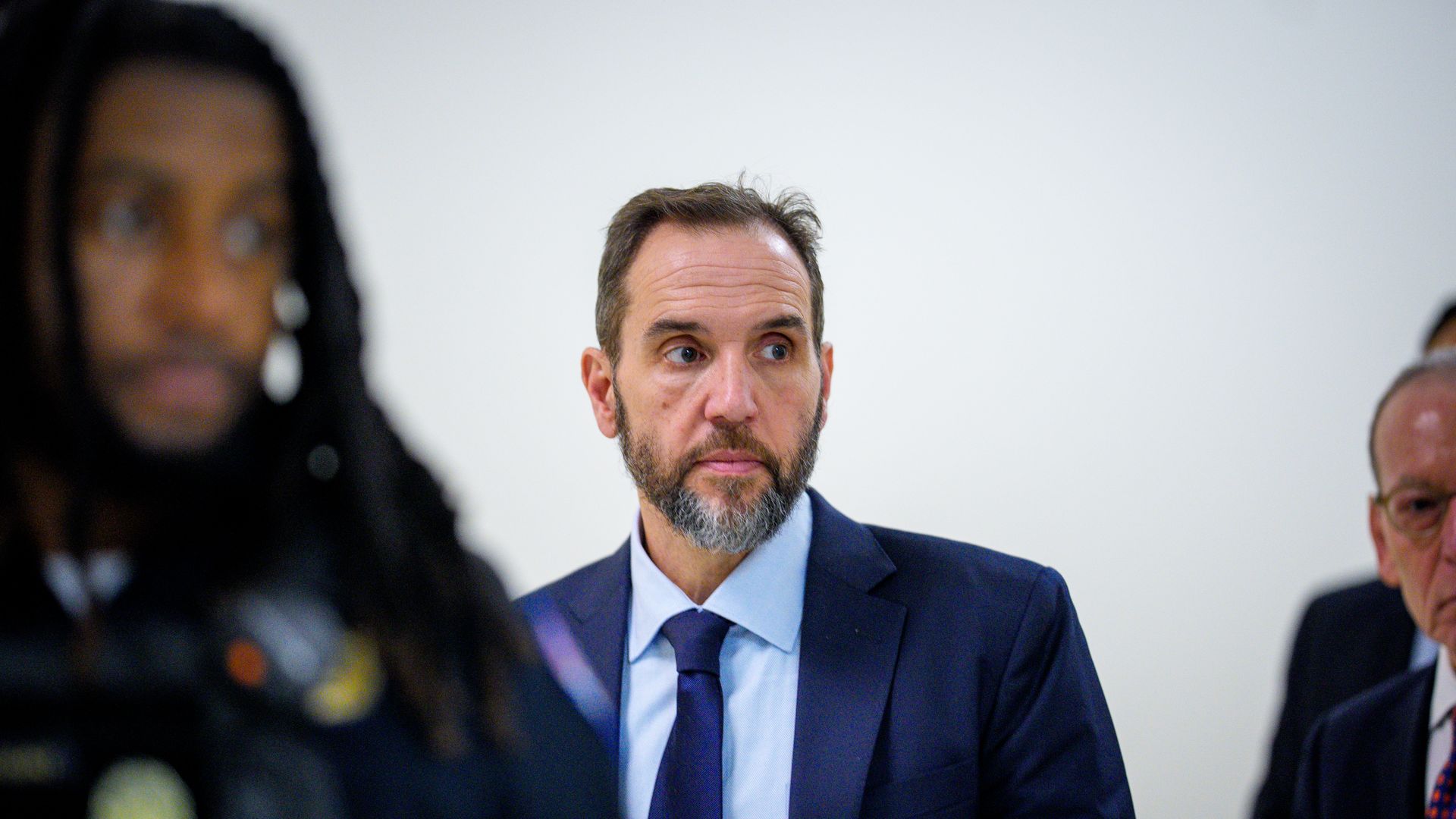
Former special counsel Jack Smith requested to testify in "an open and public hearing" in a Thursday letter from his attorneysto House Judiciary Chair Jim Jordan (R-Ohio).
Why it matters: The open forum would give Smith — who is facing congressional probes and calls from President Trump to have him "investigated and put in prison"— the opportunity to publicly defend his investigations into Trump's alleged criminal conduct.
"During the investigation of President Trump, Mr. Smith steadfastly followed Justice Department policies, observed all legal requirements, and took actions based on the facts and the law," Smith's lawyers, Lanny Breuer and Peter Koski, wrote in the letter obtained by Axios. "He stands by his decisions."
Smith's attorneys did not respond to Axios' request for comment. Jordan's office did not provide comment.
Context: House Republicans subpoenaed Smith in October to testify over what Jordan called "prosecutorial misconduct and constitutional abuses" in the former special counsel's investigation of President Trump.
Catch up quick: House Republicans previously accused Smith's team of silencing Trump, raiding his home unnecessarily and manipulating key evidence.
After they subpoenaed him, Smith provided closed-door testimony before the House Judiciary Committee on Wednesday.
In the Thursday letter, Smith's attorneys said the former special counsel "welcomed" the opportunity to testify and "hopes that it will serve to correct the many mischaracterizations" about his work.
"The decision to bring charges against President Trump was mine, but the basis for those charges rests entirely with President Trump and his actions, as alleged in the indictments returned by grand juries in two different districts," Smith said to lawmakers in his opening statement, obtained bymultipleoutlets.
Flashback: Smith brought two criminal cases against Trump: one for mishandling classified documents and another for conspiring to overturn the 2020 presidential election results.
Neither made it to trial, and Smith's team wound down its work after Trump won back the White House last November.
The intrigue: In addition to a public hearing, Smith's lawyer's asked for the recording of Smith's private testimony to be released in full so the public can hear it directly, "rather than through second-hand accounts."
"We look forward to cooperating with you to provide the public with an opportunity to hear directly from Mr. Smith regarding his work," they wrote.
Editor's note: This story has been corrected to reflect that Smith was the target of calls by Trump to have him investigated (not that the Department of Justice threatened to prosecute him).
Democratic officials and strategists blasted the Democratic National Committee on Thursday for withholding its autopsy of the party's loss in the 2024 presidential election, despite repeatedly pledging to release it.
Why it matters: Several Democrats — including many advising possible 2028 presidential candidates — said burying the report unfairly helps former Vice President Harris if she runs again, and shields top party consultants by hiding potentially damaging information about their efforts.
After years of mystery and months of turmoil, the Justice Department is expected on Friday to release — as required by law — the bulk of its unclassified archive on Jeffrey Epstein.
Why it matters: No saga has commanded more public fascination this year than the Epstein files, which destabilized the MAGA movement in ways few thought possible.
Some U.S. churches are reimagining Nativity scenes — surrounding the Holy Family with ICE agents or separating Jesus from Mary and Joseph — to protest the Trump administration's intensifying immigration crackdowns.
Why it matters: The displays have become one of the most visible acts of Christmas dissent amid ramped-up workplace raids, home arrests and new restrictions on asylum and legal immigration.
President Trump's executive order targeting state AI laws faces long odds in the courts, setting the stage for the real battle to play out on Capitol Hill.
Why it matters: Trump's order relies on a flimsy interpretation of the Constitution that is ripe for lawsuits, legal experts say.
Senate Democrats are starting to push back against President Trump's executive order limiting states from passing their own AI laws.
Why it matters: Democrats' opposition to the order highlights the difficult task for Congress — coming up with their own plan to regulate AI and agreeing on how far it should go.
President Trump ordered the suspension of a green card lottery program that enabled the suspect in the Brown University mass shooting and killing of an MIT professor to live in the U.S, a top official announced late Thursday.
The suspect in the mass shooting at Brown University that killed two people and injured nine others was found dead in Salem, New Hampshire, officials announced on Thursday night.
The big picture: The 48-year-old Portuguese national and former Brown student was also the suspected shooter in Monday's killing of Massachusetts Institute of Technology professor Nuno Gomes Loureiro, 47, officials said late Thursday.
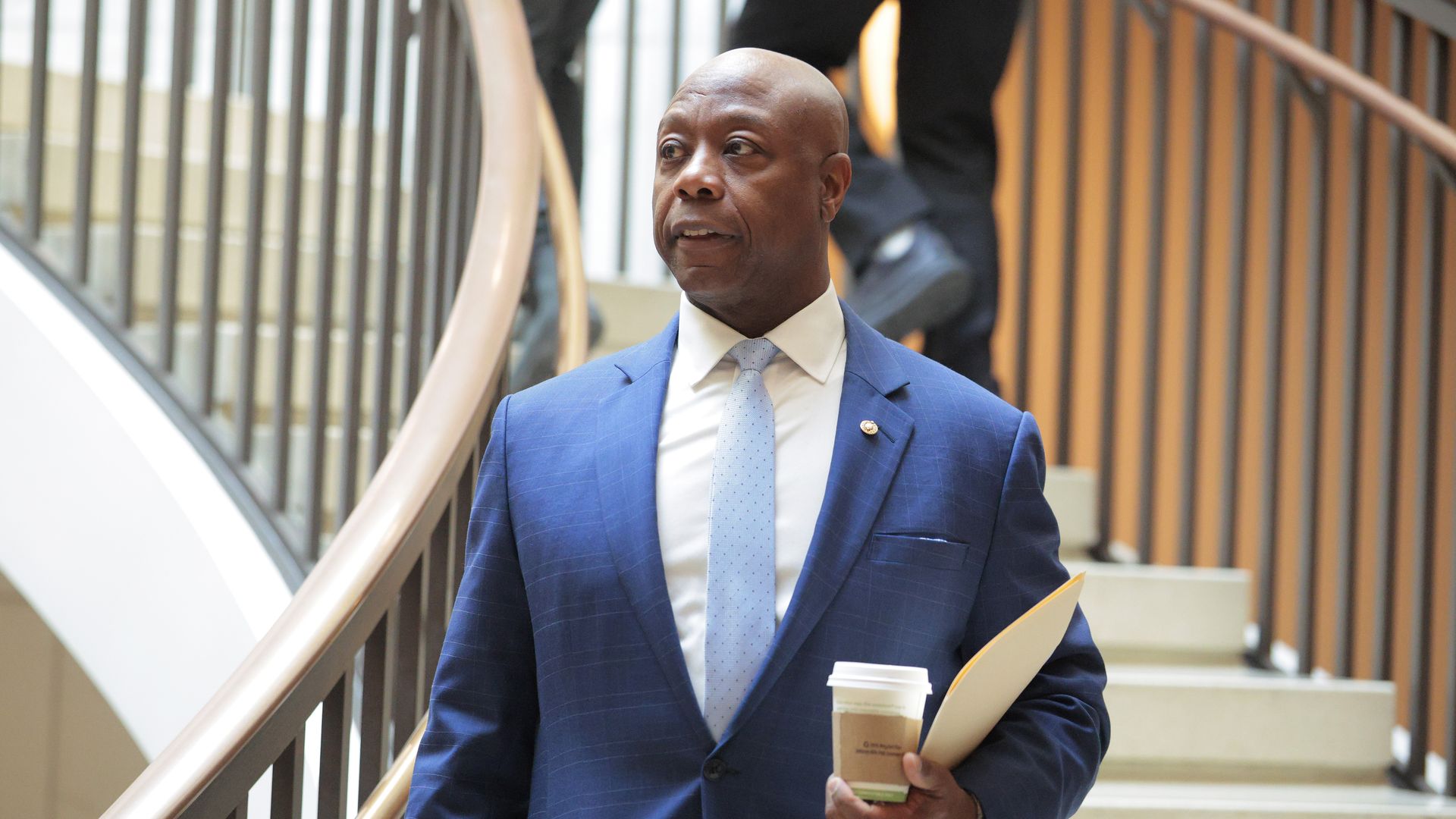
NRSC chair Sen. Tim Scott has high hopes for the Senate GOP's chances in Midwest races in the 2026 cycle, buoyed by the committee's record first-year fundraising:
"Cash is king," Scott told Axios in an interview this week.
Why it matters: Scott is projecting confidence in Michigan and excitement in Minnesota, despite facing national political headwinds and messy, prolonged primary fights in Georgia and Texas.
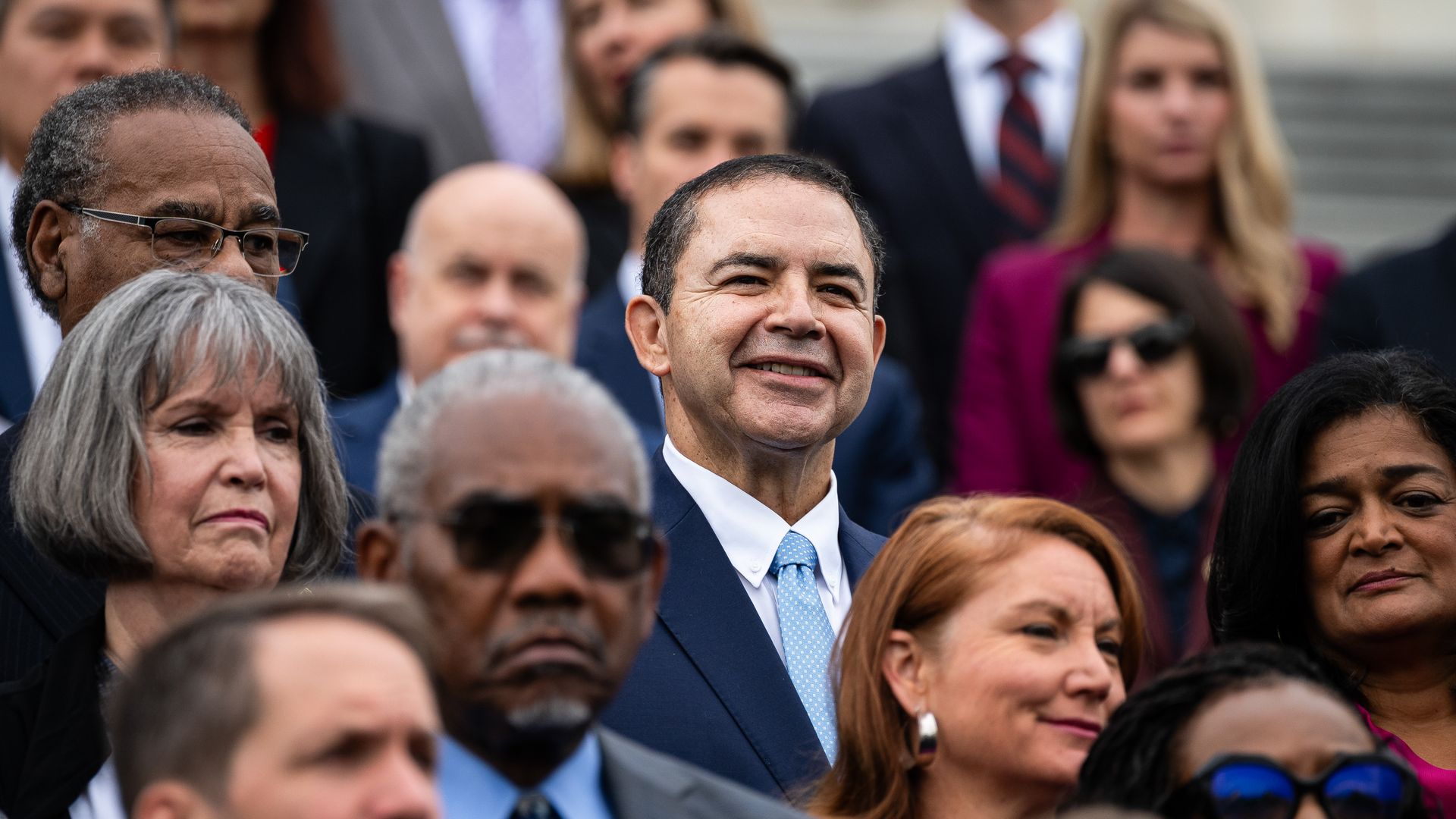
Congressional Republicans are still feeling bullish about unseating Rep. Henry Cuellar despite President Trump granting the Texas Democrat a political, and literal, get-out-jail-free-card.
Why it matters: Trump may have reshaped the race overnight by pardoning Cuellar, but the National Republican Congressional Committee is treating TX-28 like it's in play, even as many of their GOP members aren't convinced.
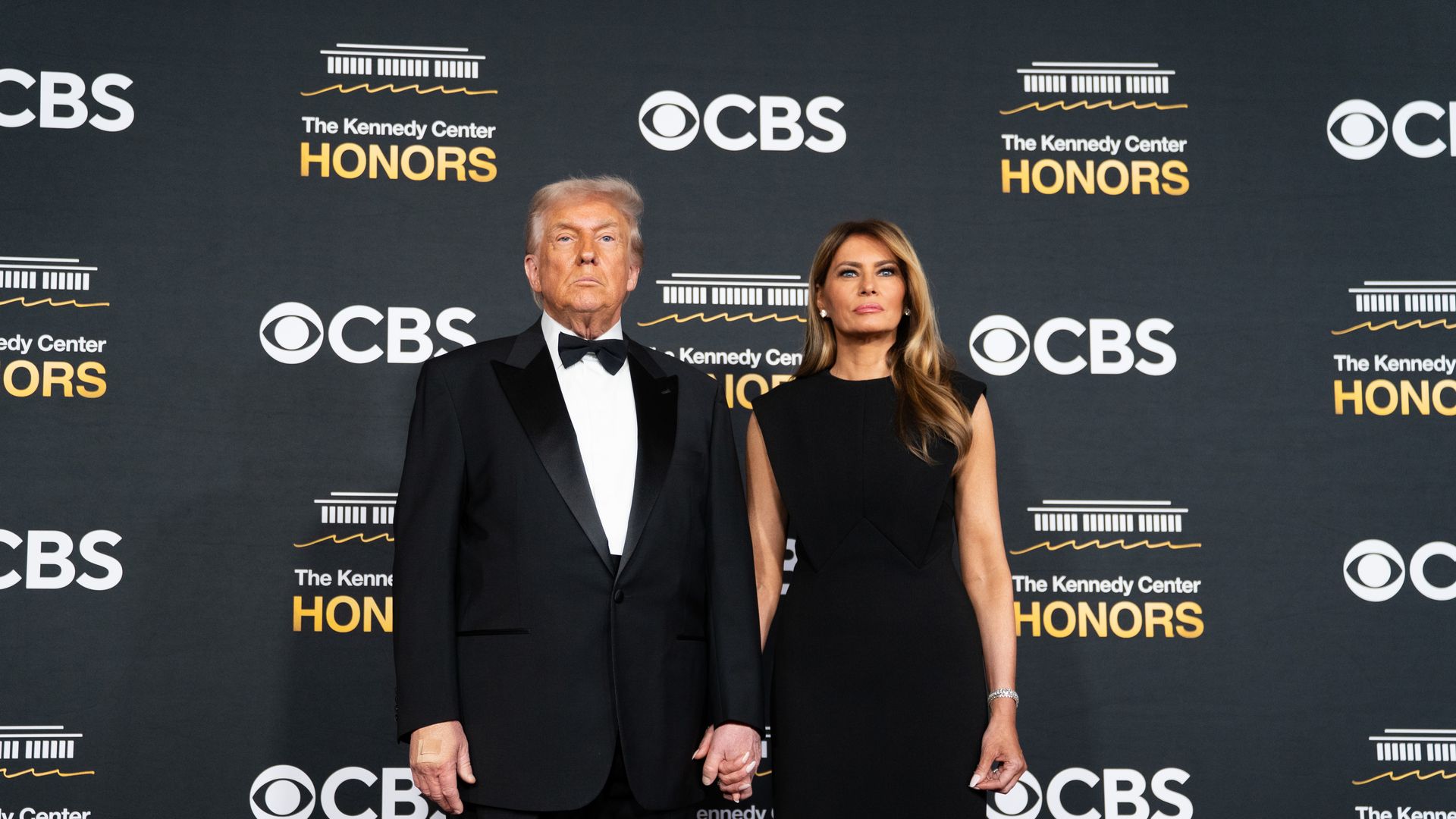
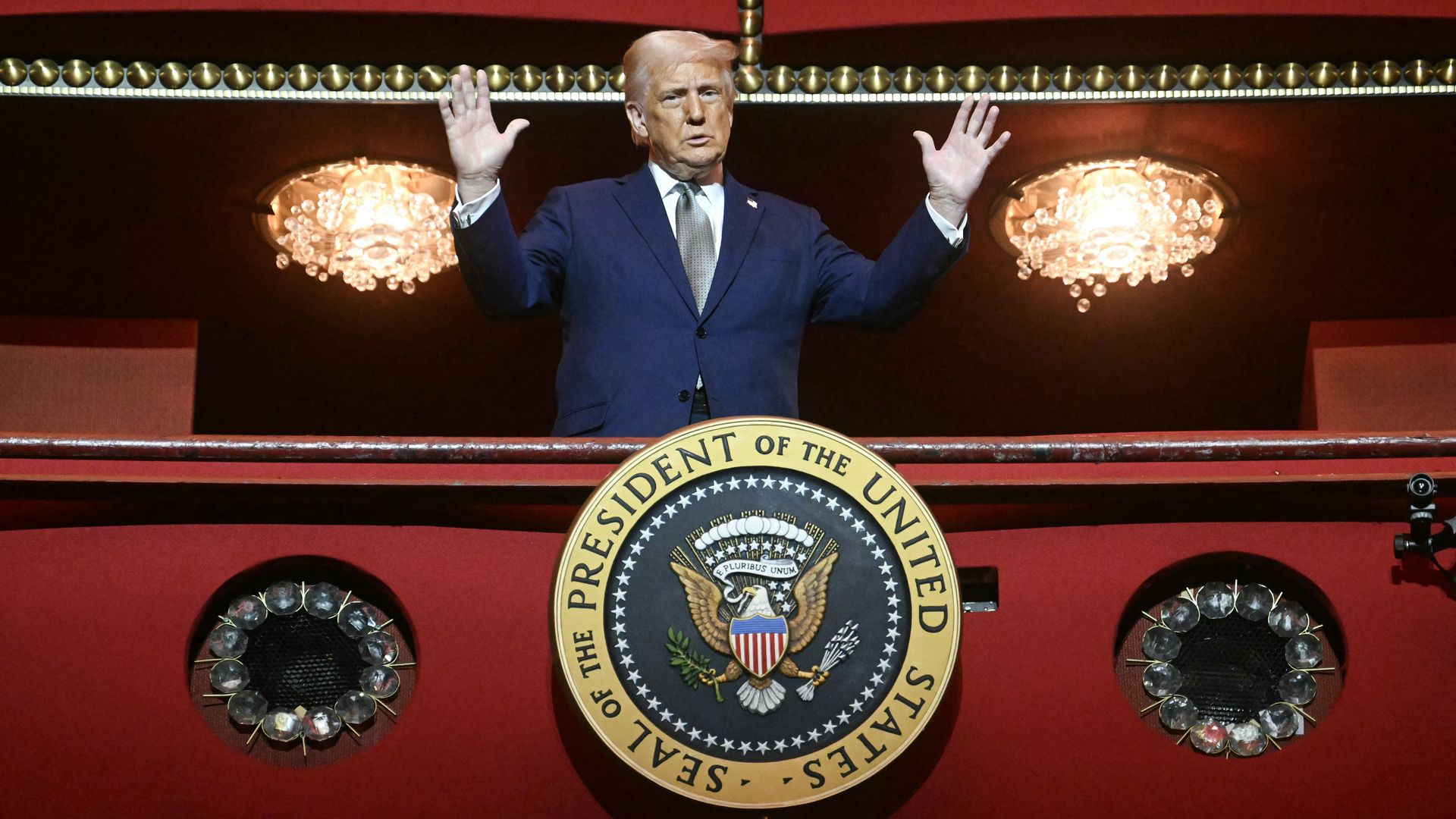
The Kennedy Center board unanimously voted to rename the performing arts venue the "Trump-Kennedy Center," White House Press Secretary Karoline Leavitt announced Thursday.
The board's effort will likely hit hurdles — and require an act of Congress to change the name.
Kennedy family members on Thursday denounced a plan to rename the Kennedy Center so it includes President Trump's surname.
The big picture: White House press secretary Karoline Leavitt announced the "Trump-Kennedy Center" name change earlier Thursday after a board that the president handpicked earlier this year voted unanimously to rename the performing arts venue.