ISIS, refugees, populism: How Syria changed everything

Add Axios as your preferred source to
see more of our stories on Google.
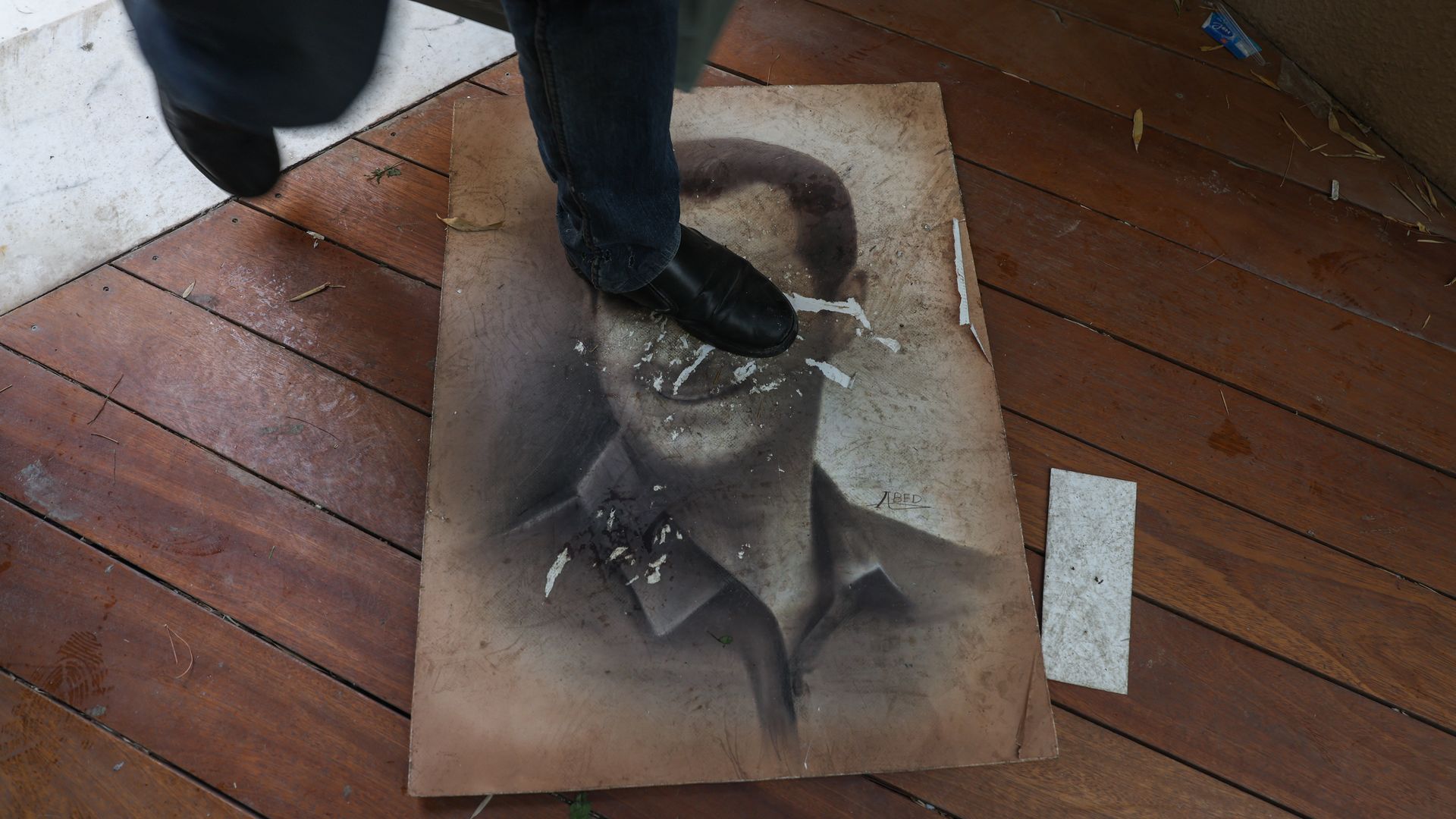
A man treads on a picture of Syria's ousted president Bashar al-Assad as people enter his residence in Damascus on Dec. 8. Photo: Omar Haj Kadour/AFP via Getty Images
The Syrian revolution has quietly played a seismic role in the trajectory of the 21st century, transforming global politics with shock waves still echoing 14 years after the Arab Spring.
Why it matters: The fall of Bashar al-Assad has ushered in an unpredictable new era not only for Syria and the Middle East, but for the great powers that have long treated the region as a battleground.
The big picture: Syria's 2011 uprising marked an inflection point in the history of global conflict, wedged between the Iraq War in 2003 and Russia's invasion of Ukraine in 2022.
- What began as an anti-government protest movement devolved into one of the bloodiest civil wars of the modern era, with an estimated death toll of more than 500,000 people.
- More than 14 million Syrians were forced to flee their homes amid Assad's brutal crackdown, with many finding refuge in neighboring Turkey, Lebanon, Jordan, Iraq and Egypt.
- Millions also sought asylum in Europe — exacerbating the 2015 migrant crisis and giving rise to far-right forces that have since gained a foothold in governments across the continent.
Zoom in: Into Syria's power vacuum stepped the Islamic State, whose barbaric brand of jihad terrorized the world as it conquered vast amounts of territory in both Syria and Iraq.
- Donald Trump came to power pledging to ban Muslim immigration after a 2015 ISIS-inspired attack in San Bernardino, California — riding the same anti-migration fervor that helped fuel that year's Brexit vote.
- By 2019, the U.S. military and its international allies had largely vanquished the ISIS caliphate, assisted by Kurdish-led forces in Syria that Turkey views as terrorists.
- The U.S. still maintains a small military presence in northeast Syria, and carried out dozens of airstrikes on ISIS targets on Sunday to ensure the terrorist group cannot reconstitute.
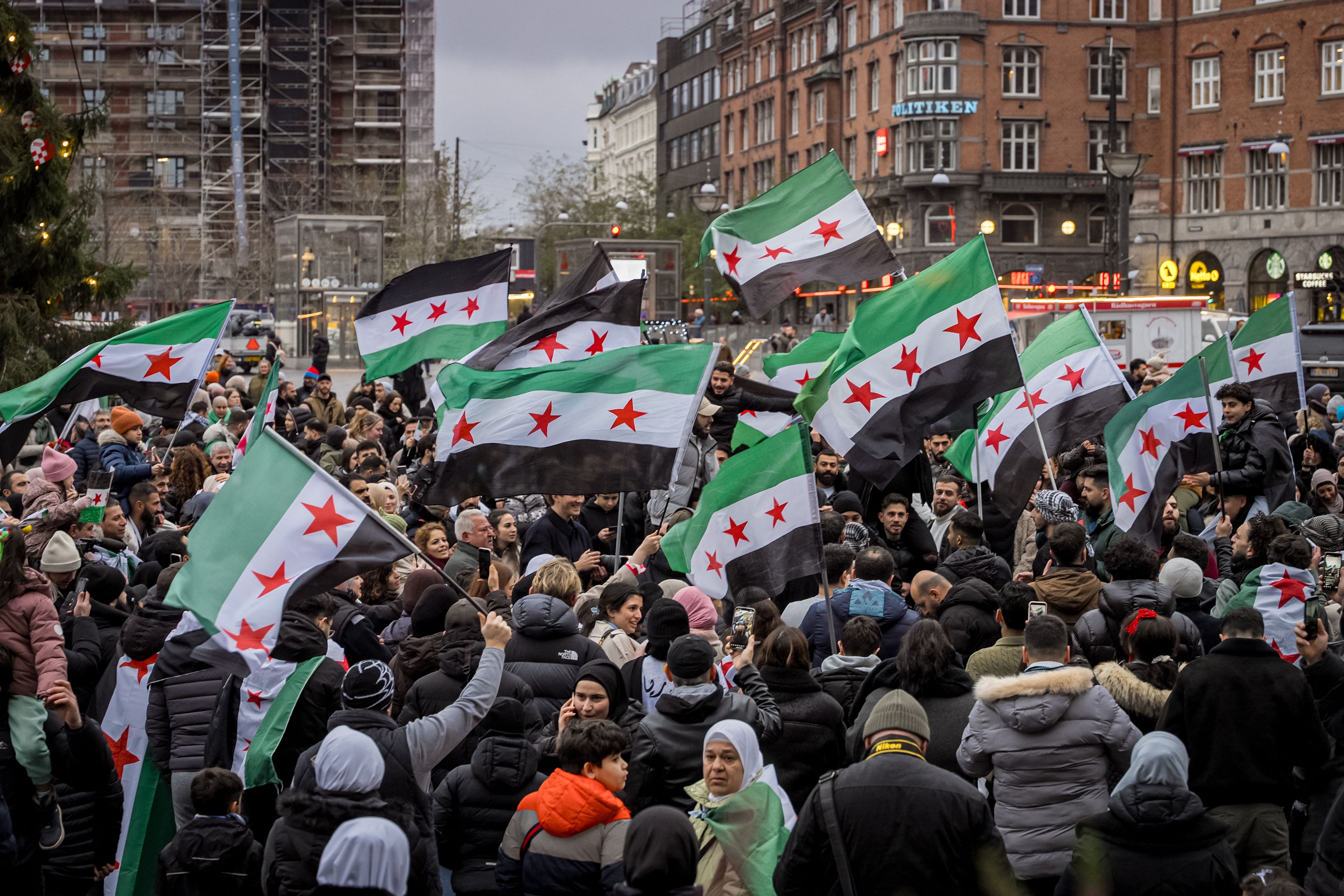
Between the lines: For over a decade, Assad clung to power with the help of Russia, Iran and Hezbollah — three U.S. adversaries who exploited the Syrian crisis to advance their own regional goals.
- Russia, which maintained access to a critical Mediterranean naval base in Syria, honed the same private mercenaries and indiscriminate bombing tactics later deployed in its invasion of Ukraine.
- Iran used Syria as a pipeline to funnel weapons and militants to Lebanon, where Hezbollah comprised the core of the "axis of resistance" against Israel.
- The U.S., Turkey and other NATO countries funded various rebel factions as they called for Assad to step down — turning Syria into a proxy battlefield for the world's most powerful countries.
Zoom out: Eventually, as Assad reclaimed territory from the rebels and the conflict stabilized between 2020 and 2023, Syria and its suffering receded from the front pages.
- President Obama's retreat from his "red line," which had threatened Assad with military action if he used chemical weapons, dealt a blow to the credibility of the "rules-based international order."
- Trump's "America First" isolationism grew in popularity, and Assad seemed entrenched as the U.S. sought to pivot away from its misadventures in the Middle East.
The world's attention largely turned inward — or to the conflicts in Ukraine, Gaza and elsewhere that involve many of the same actors who helped shatter Syria.
- But millions of Syrians never gave up hope, determined to one day secure the freedom to chart their own future.
- That day has come, but what comes next is unclear: Whether it's a failed state, another authoritarian regime or a move toward democracy, the world will be watching with bated breath.
