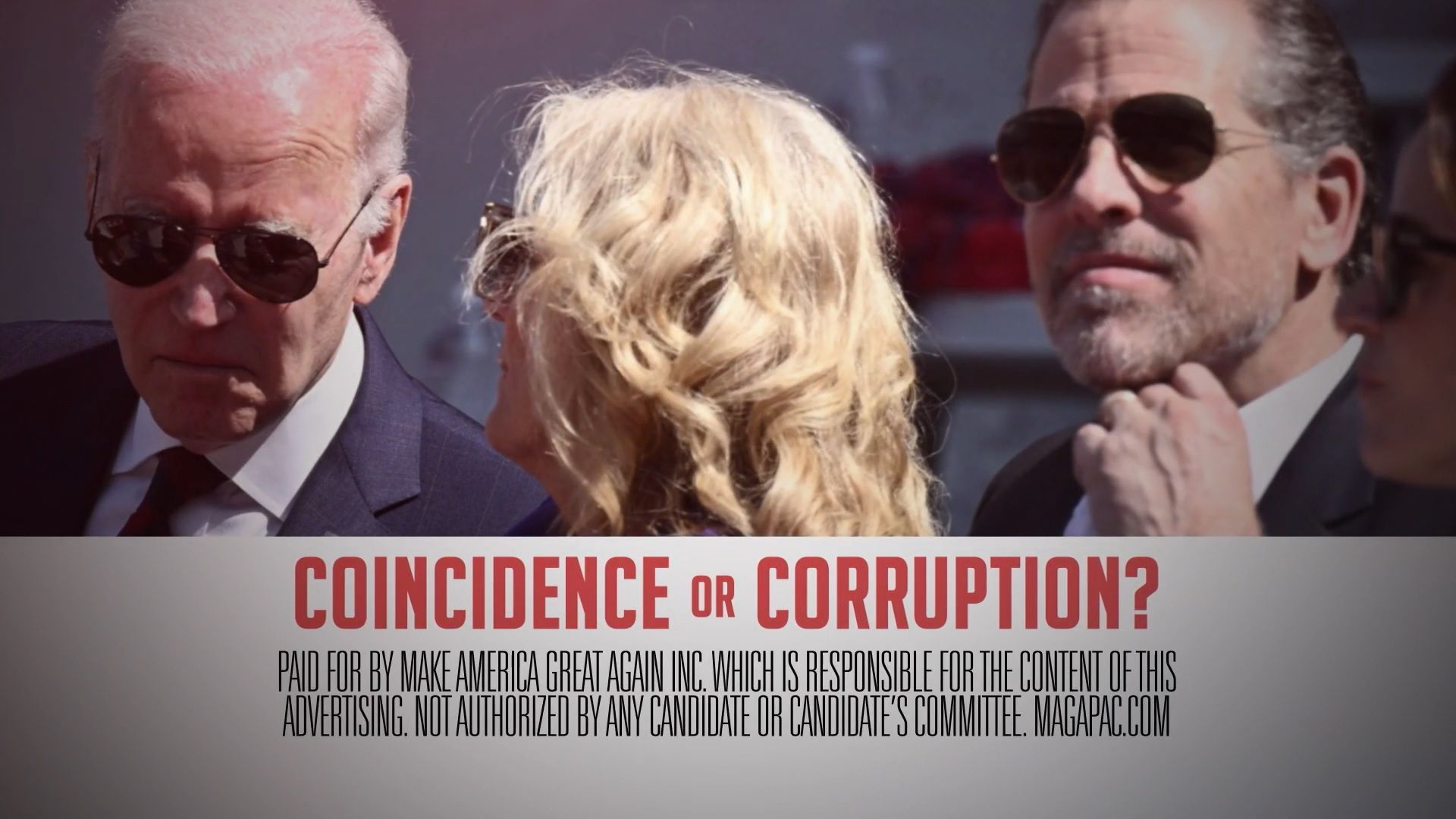
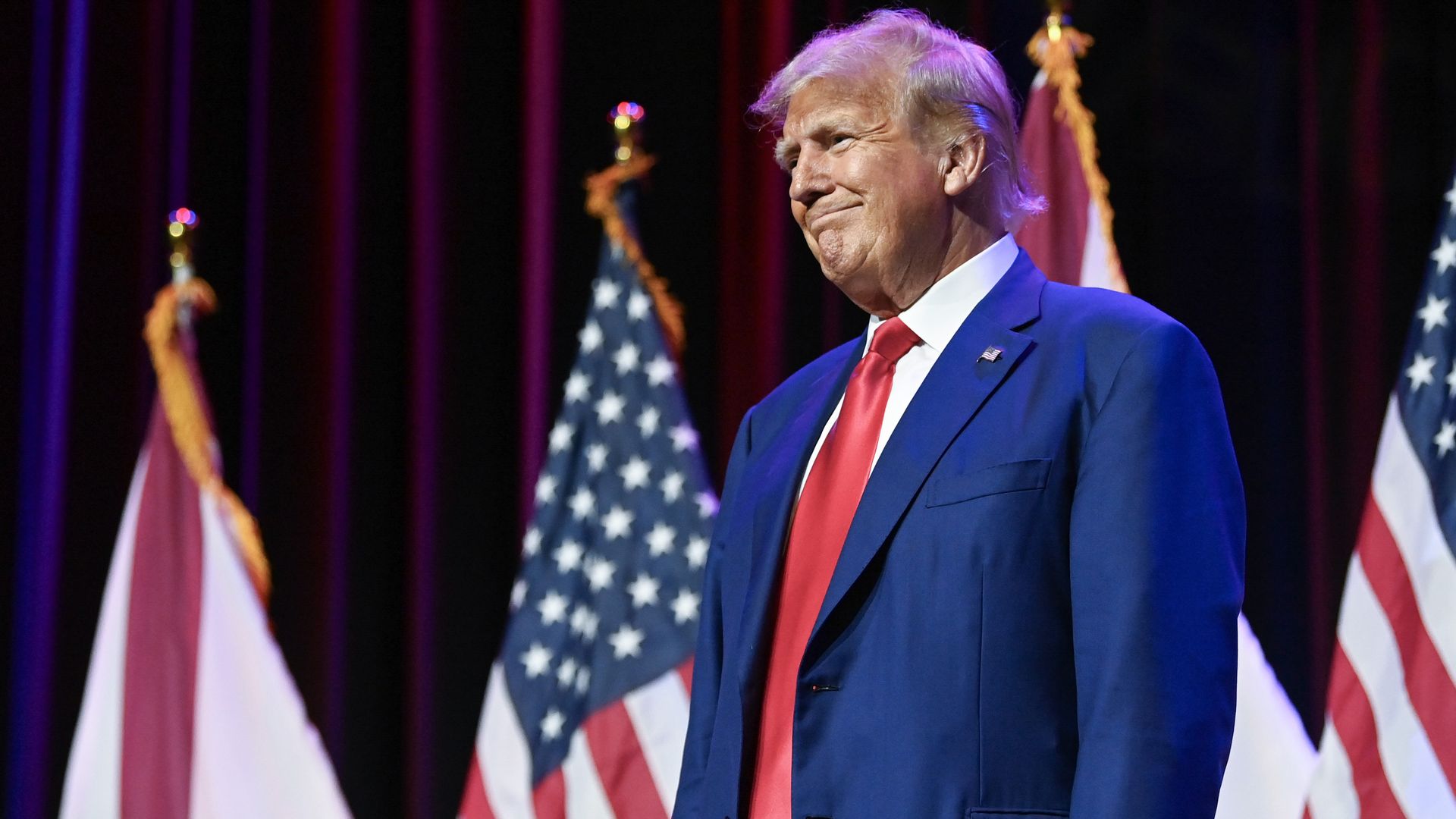
Why it matters: The spot, which will begin airing Monday, is the first ad from the Trump-allied super PAC that looks ahead to a general election race against Biden. Until now, MAGA Inc. has focused on attacking Florida Gov. Ron DeSantis — Trump's leading primary rival.
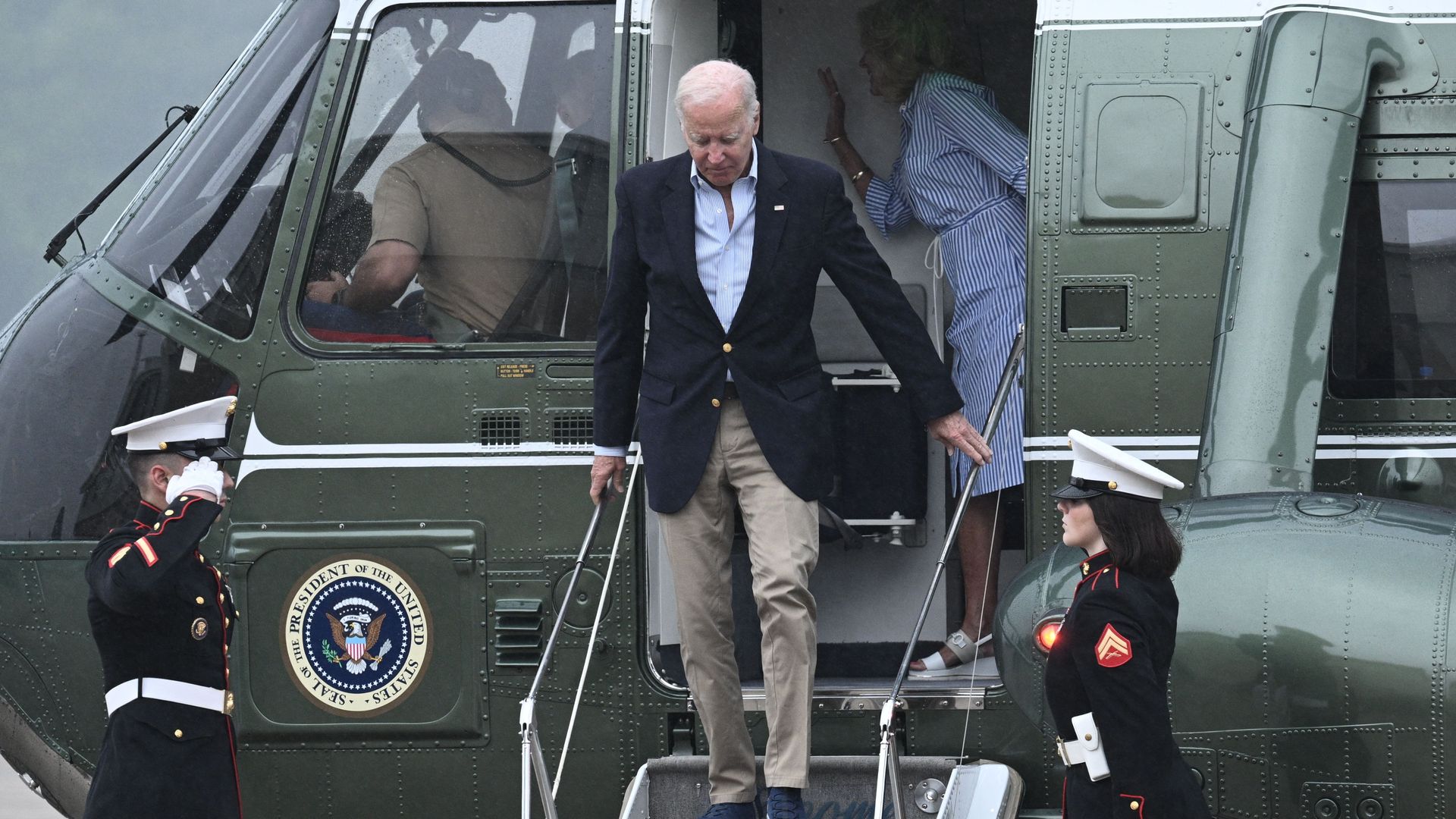
One of the main reasons President Biden is strugglingin polls against former President Trump is his glaring underperformance with a constituency that has long been overwhelmingly Democratic: non-white voters without a college degree.
Why it matters: As Democrats have made major gains with suburban and upper-middle-class voters since Trump's political ascendance, they've been losing support among blue-collar voters.
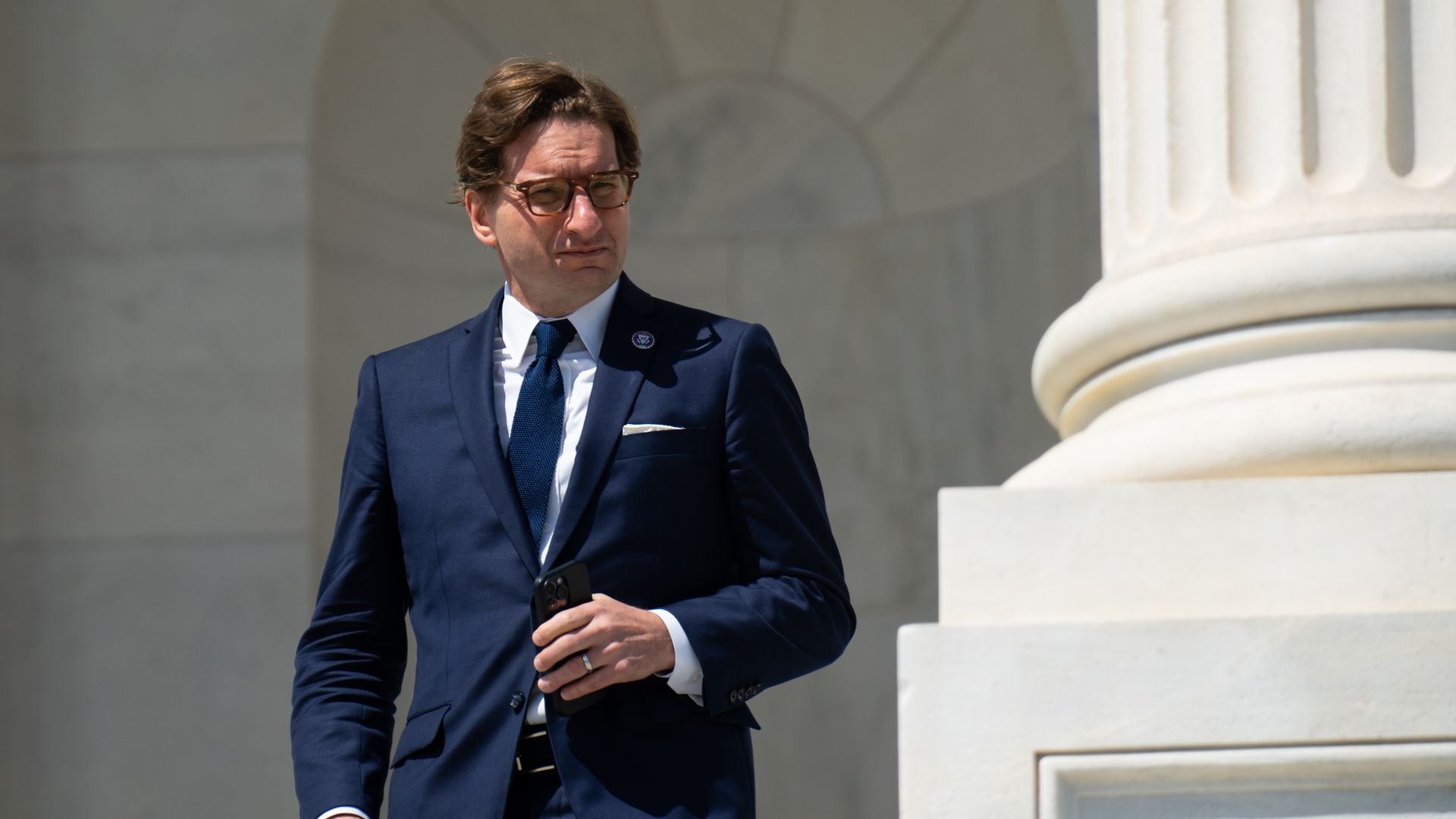
Rep. Dean Phillips (D-Minn.) remains undecided on a primary bid against President Biden but is not currently "well-positioned" for a run, he said in an interview Sunday.
Why it matters: The three-term congressman has refused to throw his support behind the president, advocating for a robust Democratic primary.
Five months before the first voting of the 2024 presidential race, candidates are burning through tens of millions in cash — especially Republicans trying to beat former President Trump.
Why it matters: Campaign "burn rates" offer a window into early aggressiveness — and are being stoked by the scramble to meet steep RNC requirements to join upcoming debates.
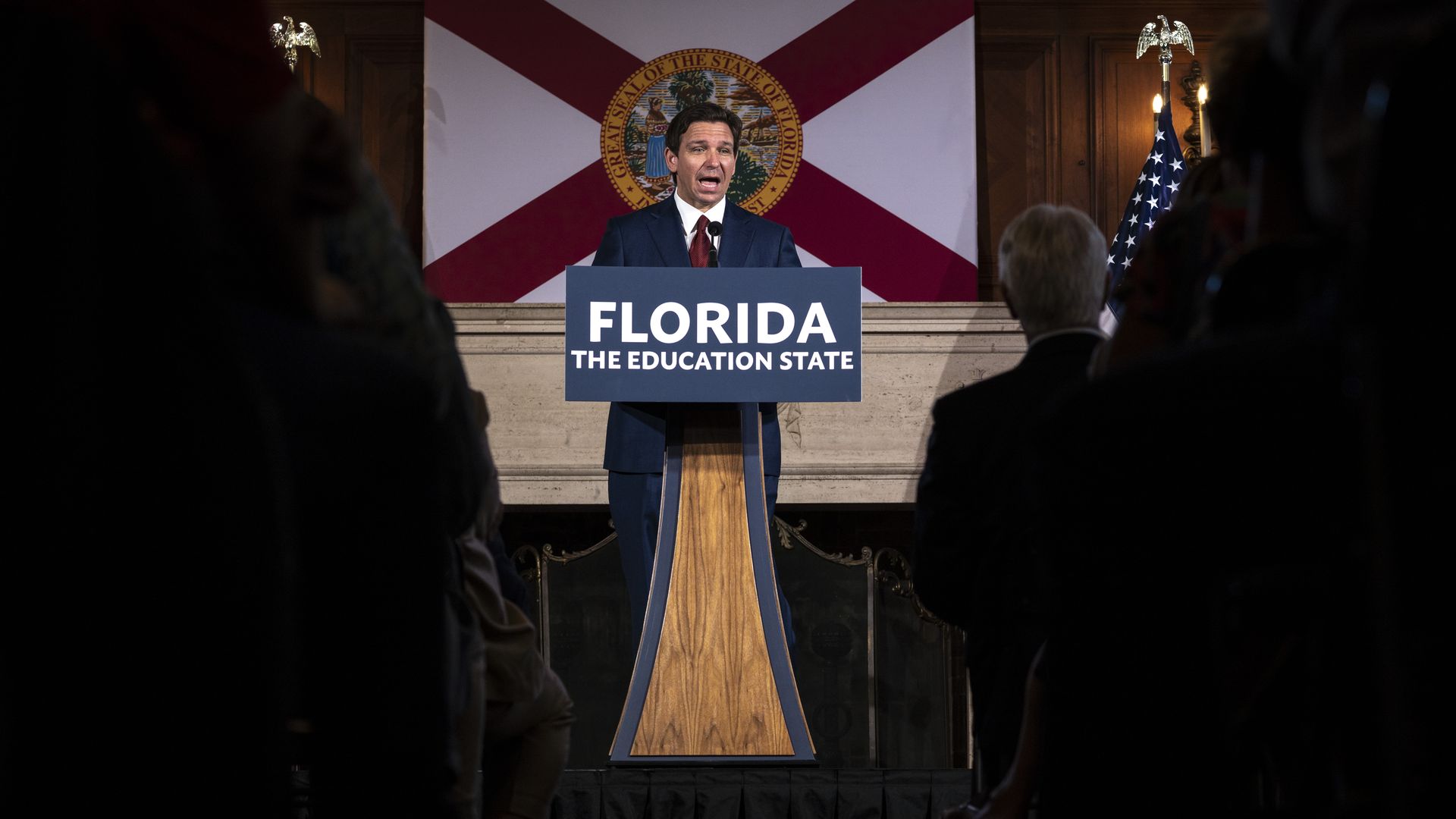
Florida could become the first state to offer a conservative-backed "classical" exam in lieu of the SAT and ACT for public college admissions.
Why it matters: The state's education measures have been a Republican bellwether nationally — driven by Gov. Ron DeSantis (R), who is seeking the Republican nomination in the 2024 presidential election.
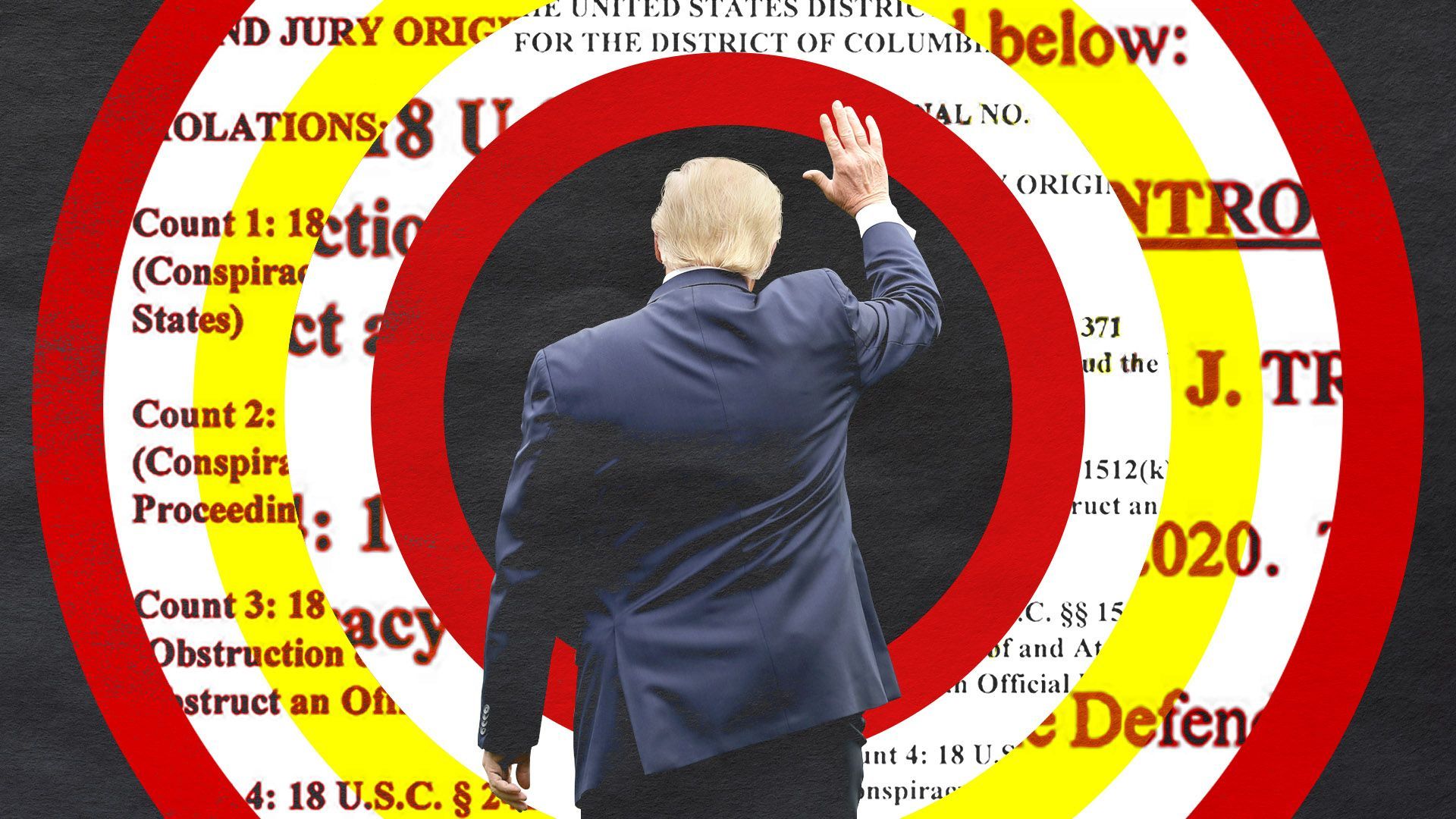
Top Trump officials privately concede some of the charges against him are damning, dangerous and provable.
Why it matters: If Trump is likely to lose in court in even one of his three — probably soon to be four — criminal prosecutions, he may turn to unprecedented, extraordinary measures for a way out.
What's happening: Trump appears to be working on three escape hatches to keep himself out of prison.
Delay trials until after the 2024 election, hoping he'll be president again and able to pardon himself.
Count on friendly judges to steer things in his favor.
Frame every defeat as political vendetta — and trust the Supreme Court will overturn any guilty verdicts.
Zoom in: Delays are the first order of business for Trump's legal team.
In Fort Pierce, Florida, where Trump's classified documents trial is set for May 2024, the former president's legal team is preparing to unleash a flurry of motions and challenges to slow-walk the court's "rocket docket."
The role of classified information — paired with a Trump-appointed judge, Aileen Cannon — is expected to cause delays as the parties fight over what evidence the jury will be permitted to see.
In Washington, Trump's lawyers have vowed to "re-litigate every single issue in the 2020 election" in a bid to prolong the discovery process and push the trial until after the 2024 election.
But Judge Tanya Chutkan, known for her tough treatment of Jan. 6 defendants, may not have much tolerance for stall tactics.
In New York, where Trump is scheduled to go on trial in March, Manhattan District Attorney Alvin Bragg is relying on an untested legal theory by charging state felonies related to federal campaign finance violations. There's a chance that a New York judge would toss the charges, though a federal judge was unimpressed with the Trump team's argument on that issue earlier this month.
Threat level: If Trump is reelected, he has signaled he will eviscerate the post-Watergate norm of Justice Department independence — allowing him to demand that the department drop the federal charges against him, if they're still pending.
If all else fails, some Trump allies say, the former president would appeal any convictions to the Supreme Court.
Whether that's actually feasible would ultimately depend on what he's convicted of, in which jurisdictions. It's a staunchly conservative court with three Trump-appointed justices. But appealing a criminal conviction all the way to the Supreme Court is designed to be extremely difficult.
Reality check: Everything will need to go right for Trump to avoid a conviction in three — possibly four — courthouses in the next 15 months.
Special counsel Jack Smith is determined to secure a speedy trial in both of his federal cases. The defenses Trump's lawyers have floated so far have been met with serious skepticism from legal experts.
The Supreme Court is no rubber stamp for Trumpism. Just look at its June ruling dismantling the independent state legislature theory, a once-fringe theory at the heart of Trump's efforts to overturn the election.
Between the lines: Even if Trump wins and pardons himself — which no president has ever tried — that wouldn't protect him from a state conviction in New York or Georgia.
Editor's note: This story has been corrected to note the location of Trump's classified documents trial is in Fort Pierce, Florida, not Miami. It has also been updated to include a federal judge's ruling pertaining to the Manhattan DA's case earlier this month.
Federal prosecutors have again asked that a judge place former President Trump under a protective order, limiting what he can publicly say about the ongoing election interference case, following a post to his Truth Social account on Friday.
Driving the news: On Truth Social, Trump wrote, "IF YOU GO AFTER ME, I'M COMING AFTER YOU!" which prosecutors included in the filing to illustrate how the former president uses social media to comment on ongoing legal matters.
About half of the world's population "can expect to develop" at least one type of mental disorder by the time they are 75 years old, according to a new study published in the scientific journal The Lancet Psychiatry.
Why it matters: The number of Americans experiencing mental health challenges has risen in recent years, particularly during the pandemic. The study finds evidence that certain disorders — such as depression and addiction — are also on the rise at the global level.
A 44-year-old agreement that established a framework for the U.S. and China to cooperate on scientific research is set to expire at the end of August — putting a longstanding pillar of relations between the two countries in question.
Why it matters: Whether the agreement — the first signed between the U.S. and China when they normalized relations in the late 1970s — is renewed, reworked or left to expire will send a signal to Beijing. Politicians and practitioners are now debating what exactly that message should be.