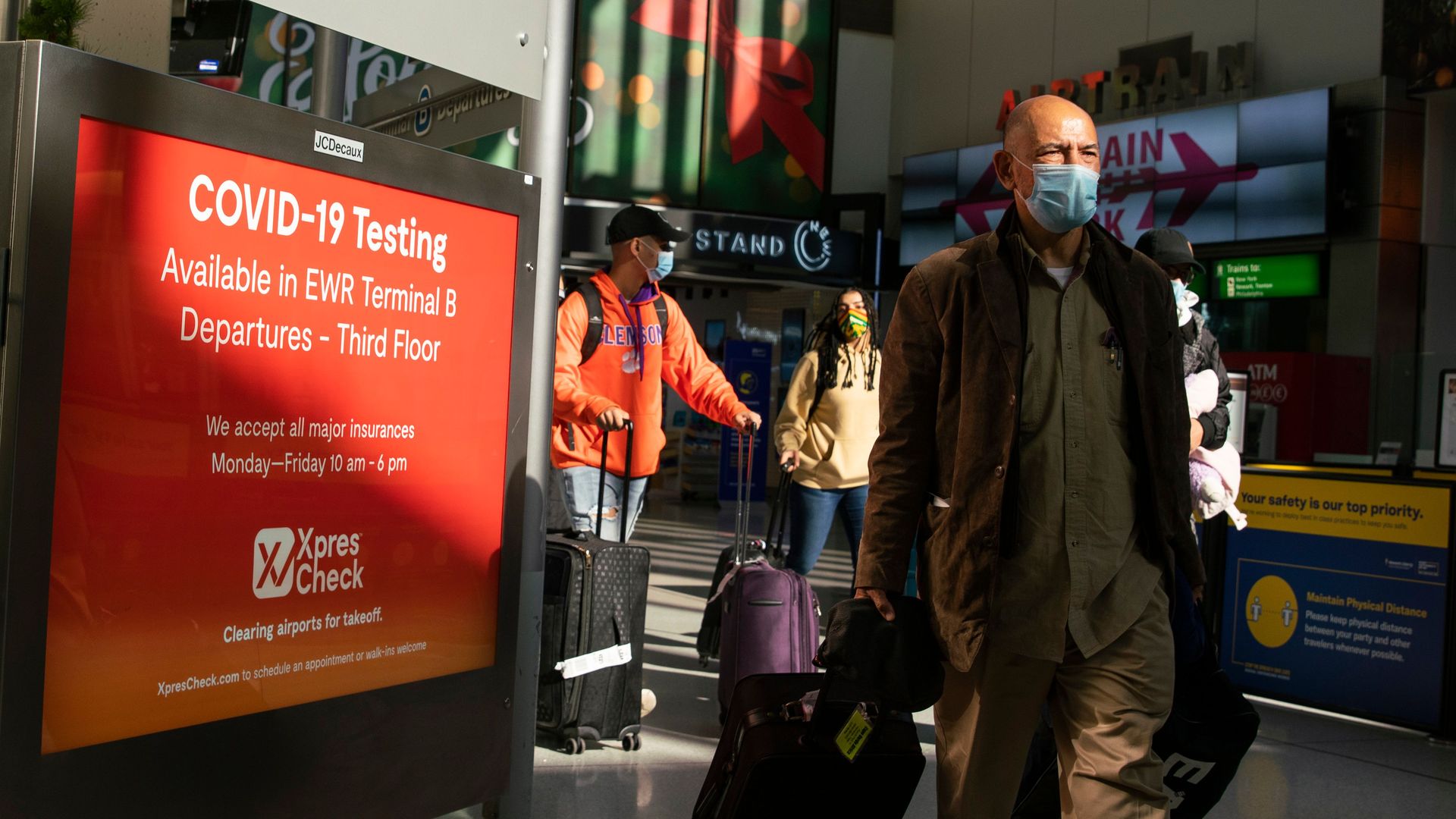
More than 1 million people flew through U.S. airports on Friday, according to TSA data, the second highest number since the coronavirus pandemic began hit the U.S. in mid-March.
Why it matters: As coronavirus cases and hospitalizations continued to soar this week, the CDC issued new guidance on Thursday advising Americans not to travel for Thanksgiving, warning doing so may increase the chance of getting and spreading COVID-19.
Why it matters: The grim milestone comes as the U.S. prepares for the Thanksgiving holiday, when millions of people, despite warnings, planning to travel and gather with family and friends.
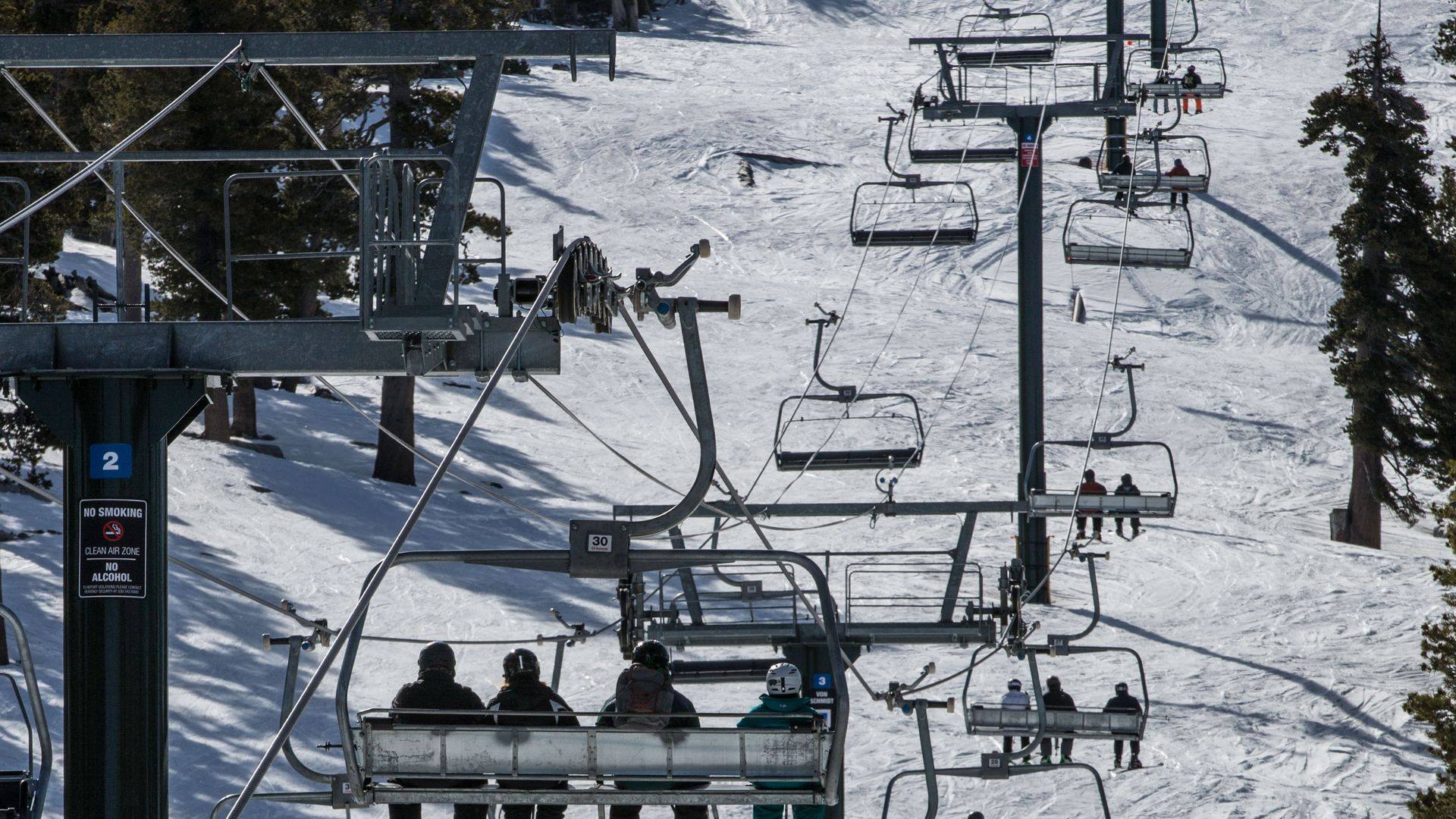
A collection of resorts across the U.S. are beginning to reopen their mountains to skiers by implementing fresh rules to prevent the coronavirus from spreading this winter season.
Why it matters: The ski industry, as many other service and recreation-based businesses, suffered from shutdowns at the start of the pandemic. Winter sports, such as skiing and snowboarding, involve "an element of risky behavior when it comes to viral infection, such as the closeness of riding lifts and trams," the Wall Street Journal writes.
A motorcycle rally in Sturgis, South Dakota attended by approximately 460,000 in August resulted in at least 86 cases of COVID-19 in neighboring Minnesota, including four hospitalizations and one death, according to a report released by the Centers for Disease Control and Prevention on Friday.
Why it matters: The CDC said its findings illustrate how large gatherings in one area can have an impact on surrounding areas, and highlight the importance of wearing face masks and social distancing.
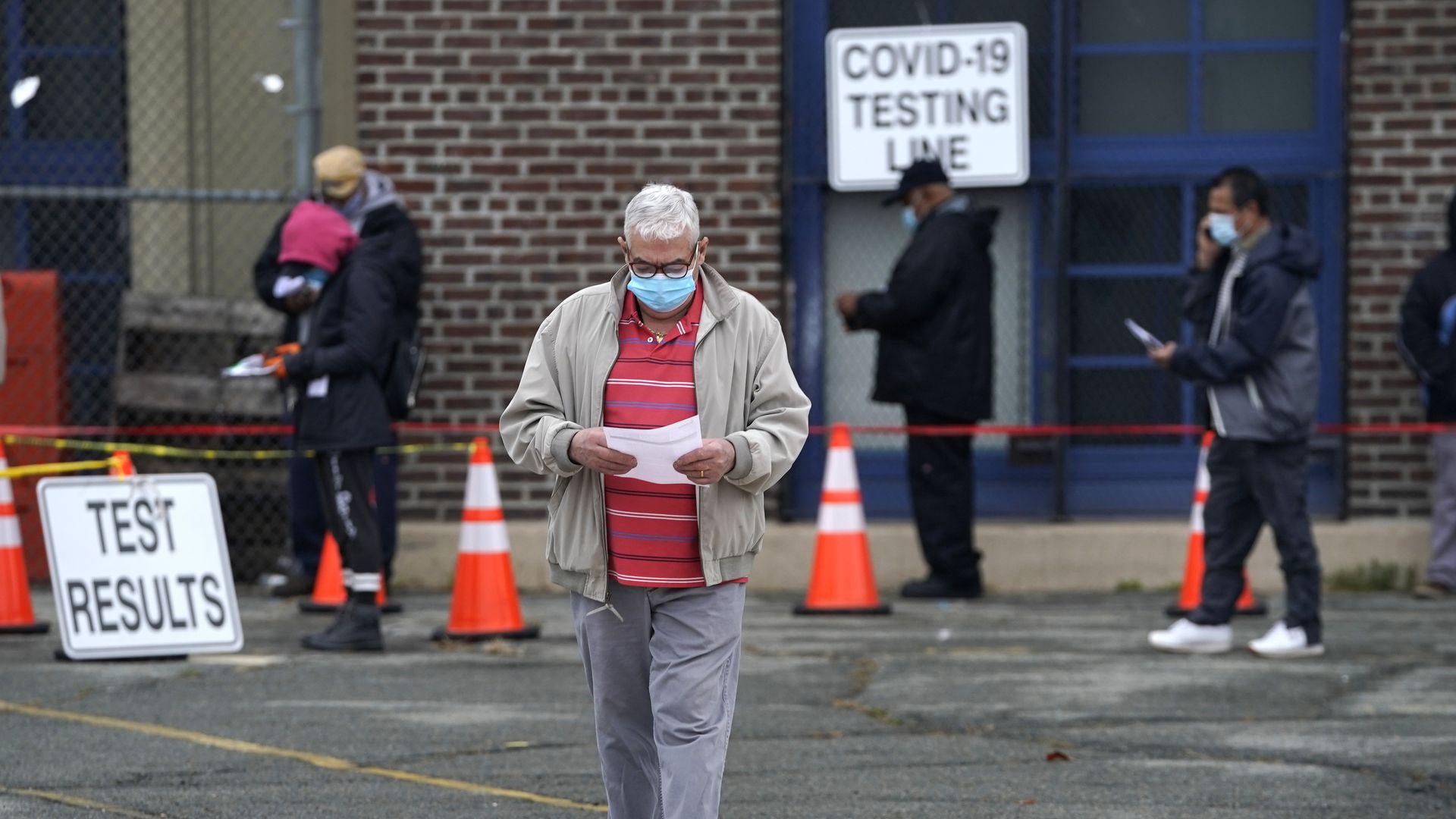
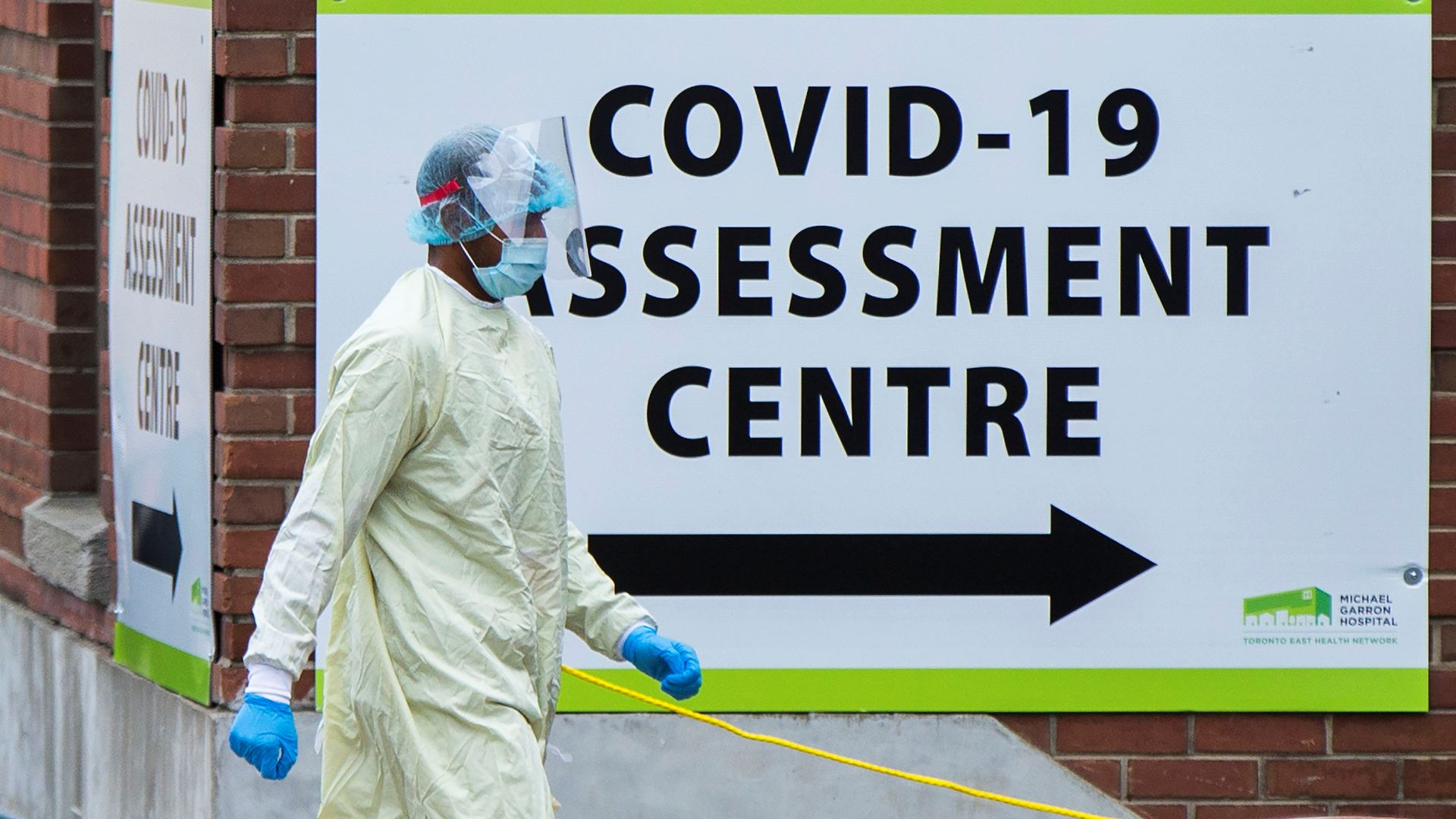
Long lines for tests have reappeared across the U.S. with cases surging and families hoping to gather safely for Thanksgiving.
The big picture: Although the CDC advised Americans to not travel for Thanksgiving to prevent contracting and spreading COVID-19, AAA and the Transportation Security Administration expect millions of travelers this holiday.
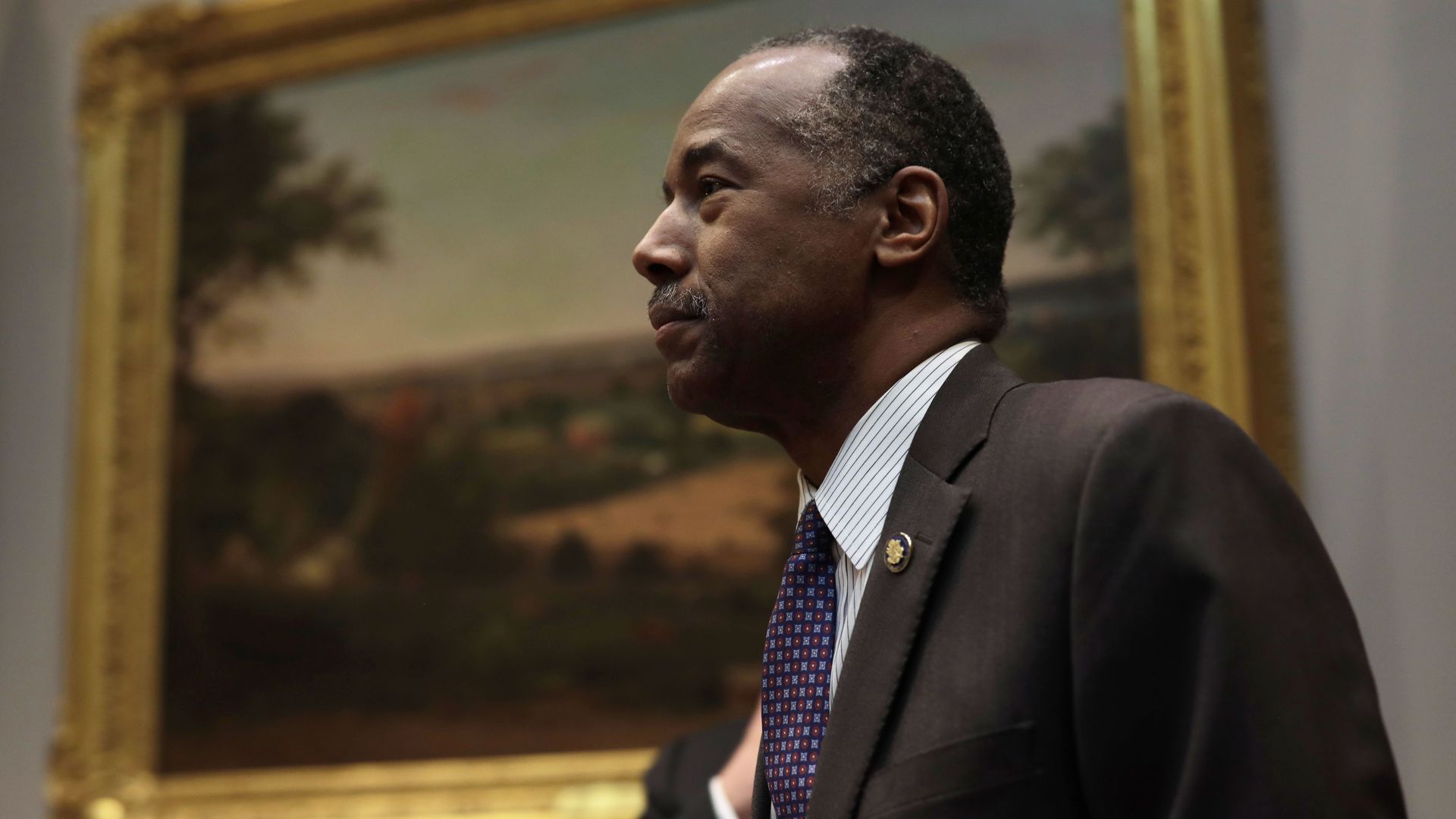
Housing and Urban Development Secretary Ben Carson said in a Facebook post Friday that he "became desperately ill" with the coronavirus, but he is now "out of the woods."
Why it matters: Carson tested positive for the virus on Monday. He had attended the White House’s largely mask-free election night party alongside other officials in President Trump's Cabinet, including chief of staff Mark Meadows, who also tested positive.
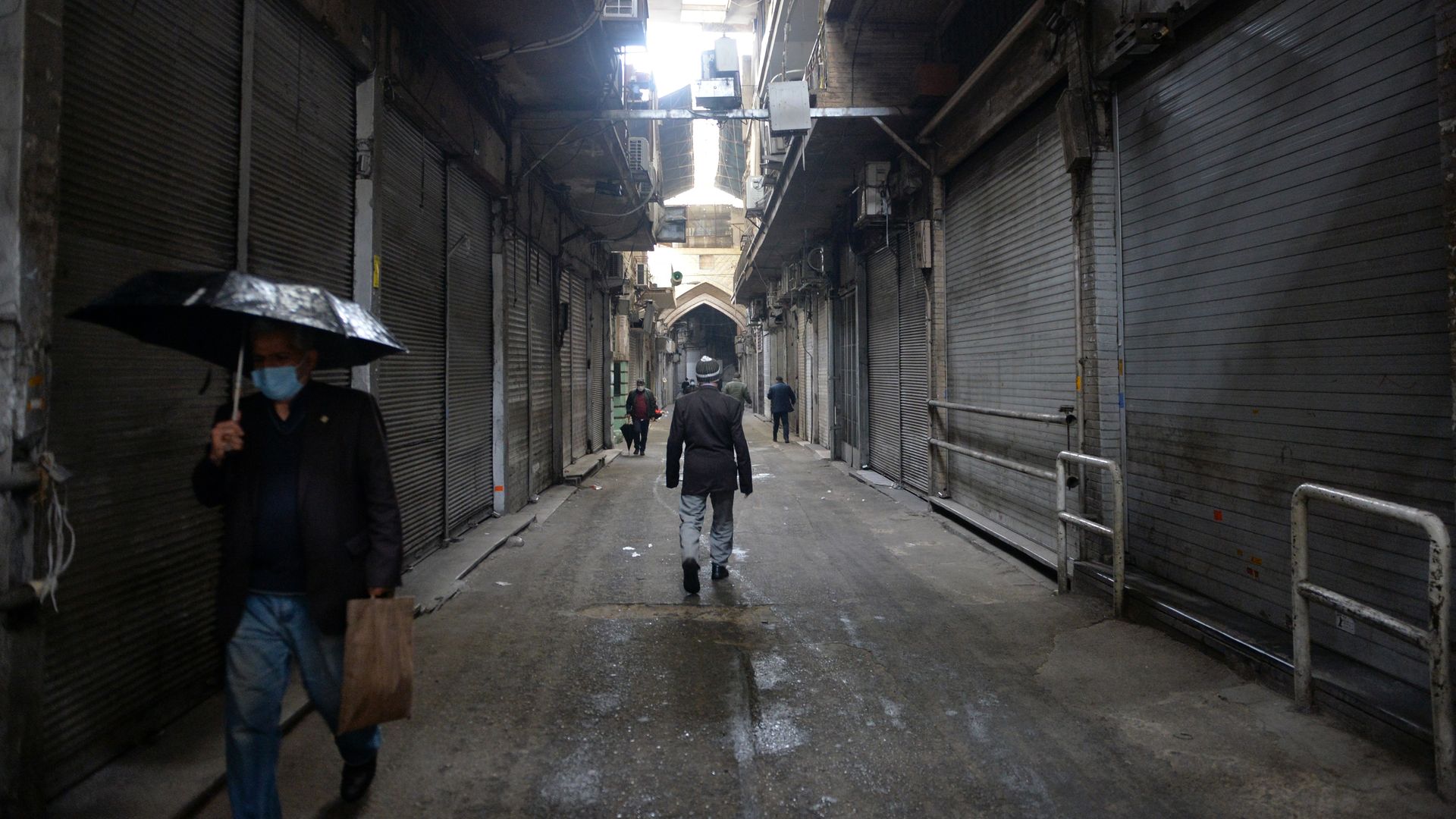
Iran on Saturday imposed tougher restrictions to slow the accelerated spread of COVID-19 in the country, closing businesses and limiting travel between its major cities, but stopping short of a complete shutdown.
By the numbers: The nation, which has topped 840,000 confirmed cases, also recorded a daily death toll above 430 for the past five consecutive days, hitting 479 deaths on Friday, according to Johns Hopkins University data.
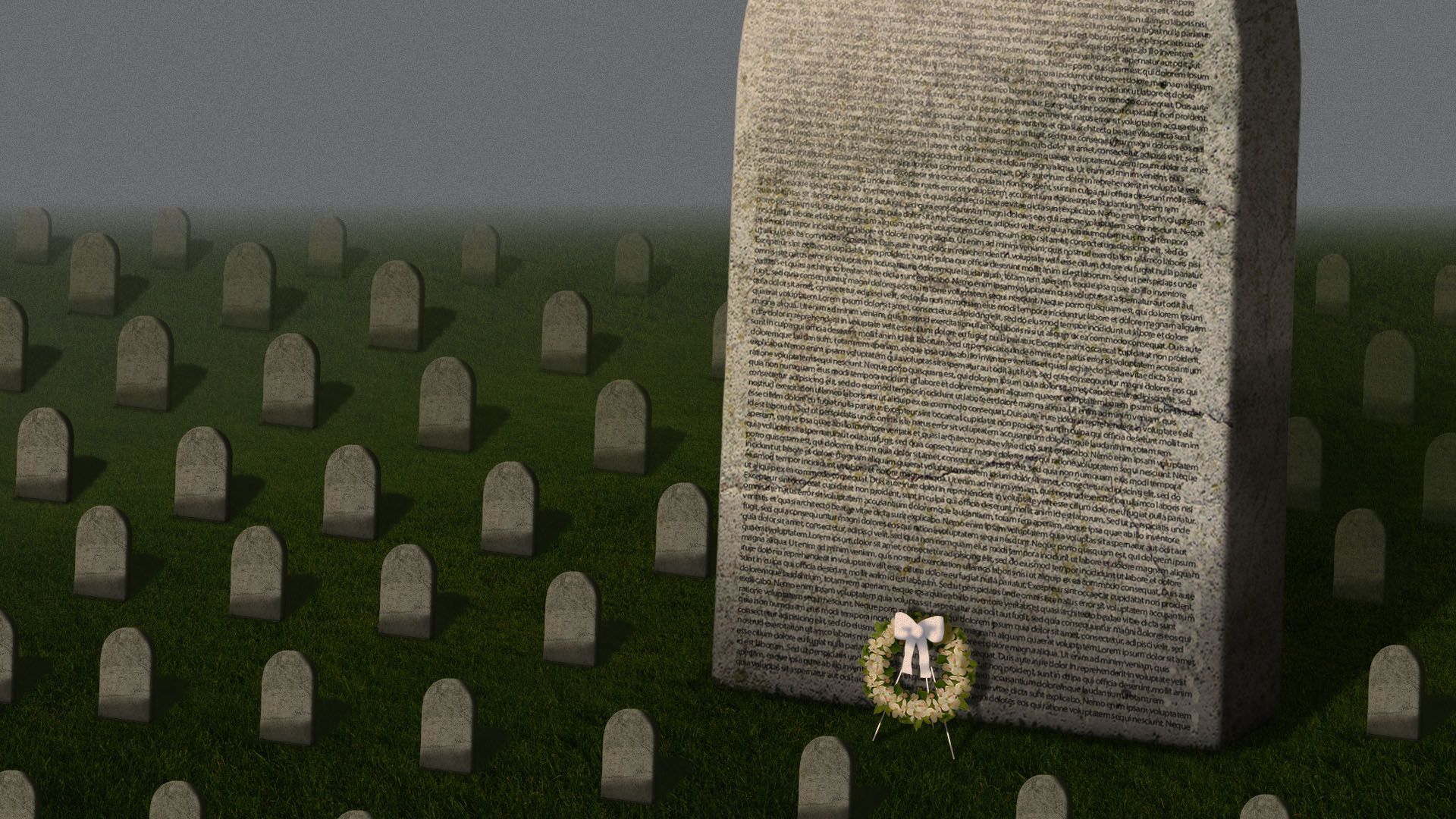
The U.S. passed 250,000 confirmed deaths from COVID-19 this week, a figure that is truly vast — too vast, perhaps, for us to comprehend.
Why it matters: The psychic numbing that sets in around mass death saps us of our empathy for victims and discourages us from making the sacrifices needed to control the pandemic, whileit hampers our ability to prepare for other rare but potentially catastrophic risks down the road.
Donald Trump Jr. tested positive for the coronavirus at the beginning of this week and has been in quarantine, though he is not experiencing any symptoms, according to a spokesperson for the president's son.
Why it matters: His diagnosis adds to the list of people associated with President Trump who have been infected by the virus, including the president himself.
Ontario officials announced new coronavirus lockdown measures for Toronto and Peel Region on Friday, as Canadian Prime Minister Justin Trudeau urged all residents to stay home, saying COVID-19 "cases across the country are spiking massively."
Why it matters: Canadian officials predict that by end of the month, the death toll from COVID-19 could be between 11,870 and 12,120, with the country's total cases between 366,500 and 378,600, Reuters reports. Canada has recorded 315,751 cases and 11,265 deaths since the pandemic began.
President Trump on Friday announced new regulations aimed at lowering the prices Americans pay for many prescription drugs.
Between the lines: It is unclear whether the rules can overcome expected legal challenges from the pharmaceutical industry, or if the incoming Biden administration will accept the regulations.
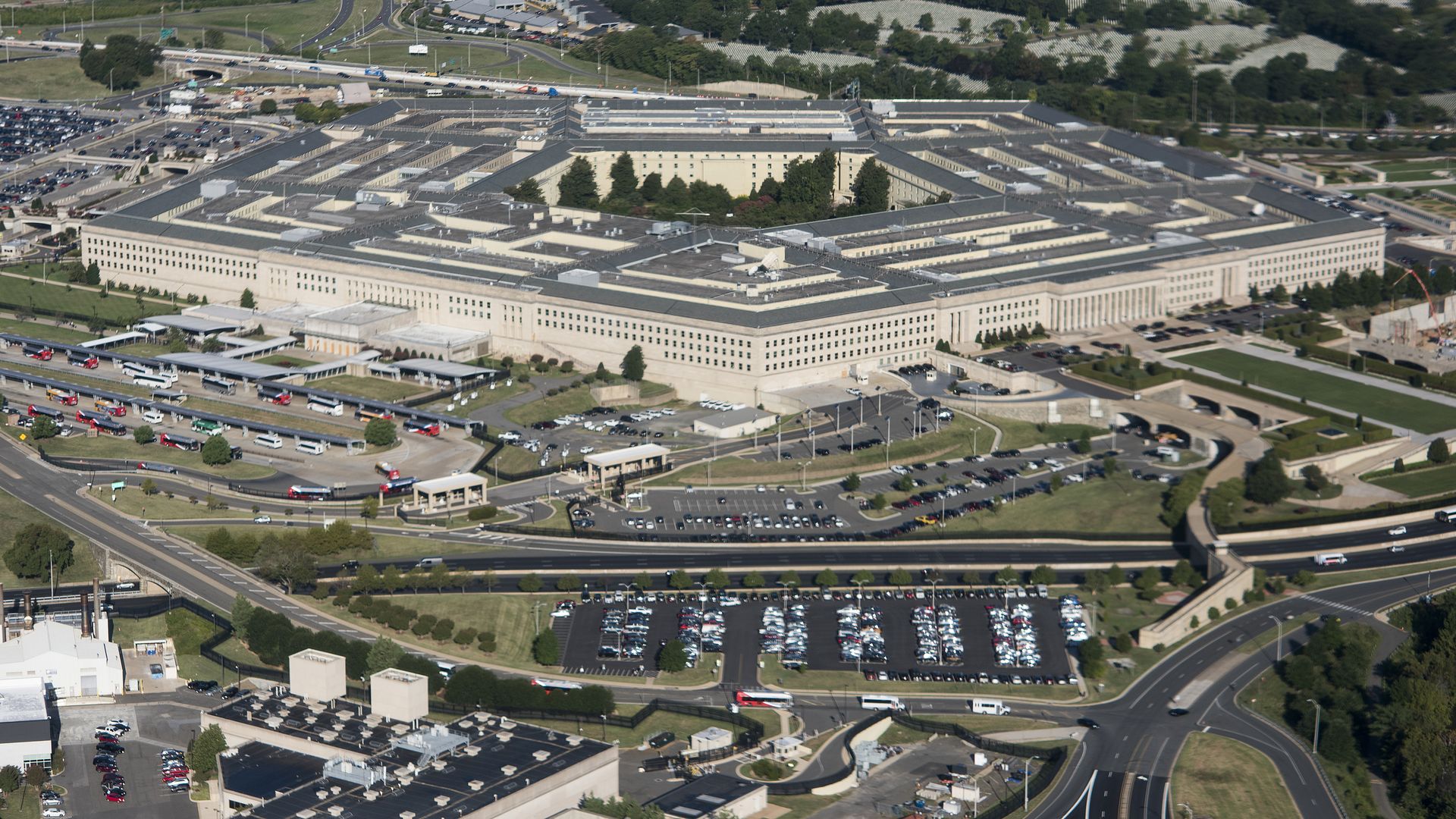
The Pentagon plans to add health restrictions for its workforce in light of a possible coronavirus outbreak among its civilian leaders, Politico reported Friday.
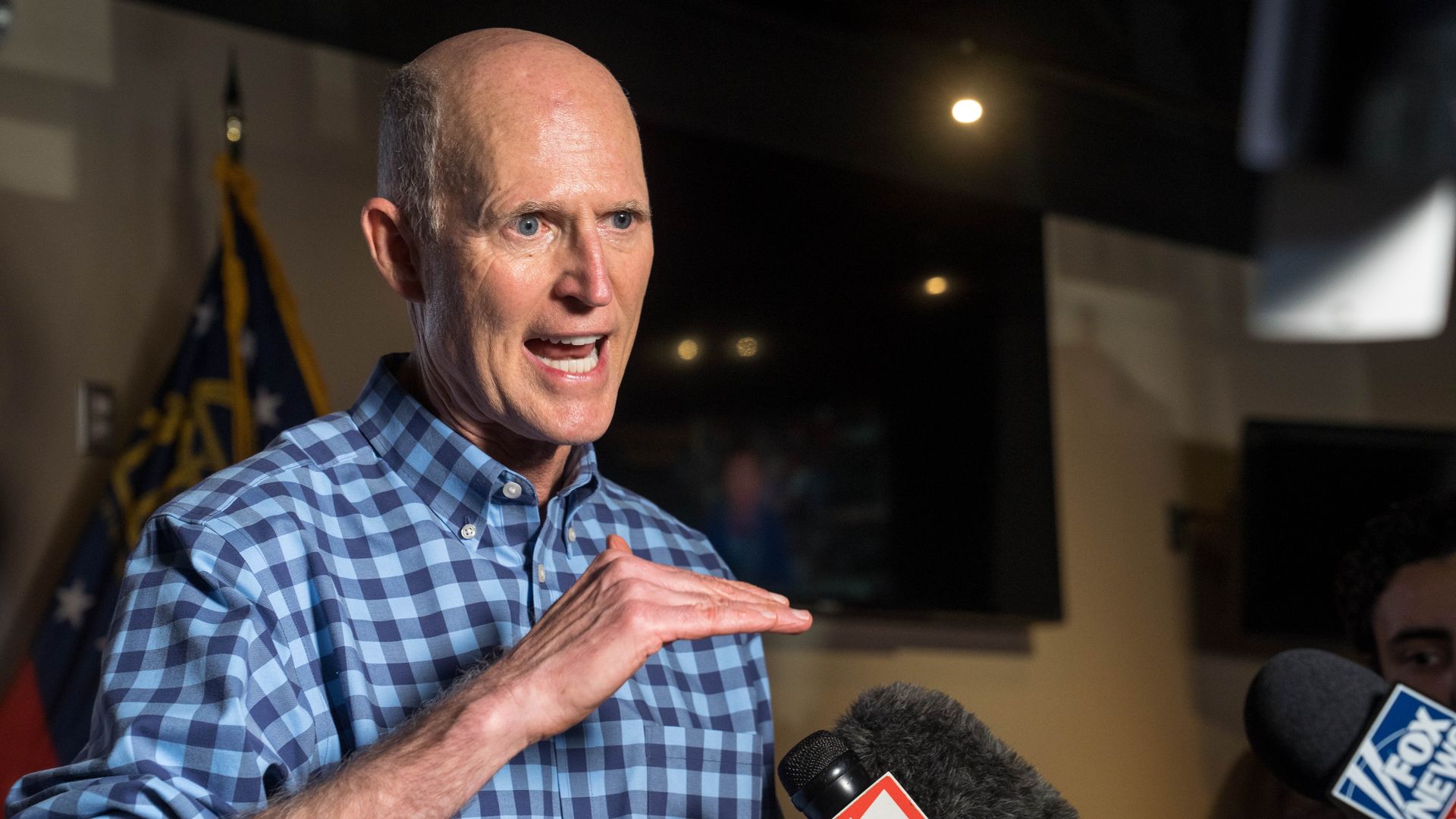
Sen. Rick Scott (R-Fla.) tweeted Friday that he tested positive for the coronavirus and is experiencing mild symptoms.
The state of play: Scott is the second Republican senator to test positive this week, following Iowa Sen. Chuck Grassley. Scott has already been in quarantine and says he'll now continue working from home until it's safe for him to return to Washington, D.C.
The U.S. is careening toward more than 2,000 coronavirus-related deaths a day, and could soon surpass the record set in the spring, The Atlantic reports.
The big picture: Even with treatment advances, a certain portion of people who are infected with the virus will eventually die. When you multiply this percentage by today's number of cases, the results are extremely grim.
School districts nationwide are facing a worsening teacher shortage because of the coronavirus, further complicating the tough decisions about whether to have in-person classes.
Why it matters: When teachers test positive, fall seriously ill or are self-isolating from potential exposure, many districts don't have enough substitutes to keep up.
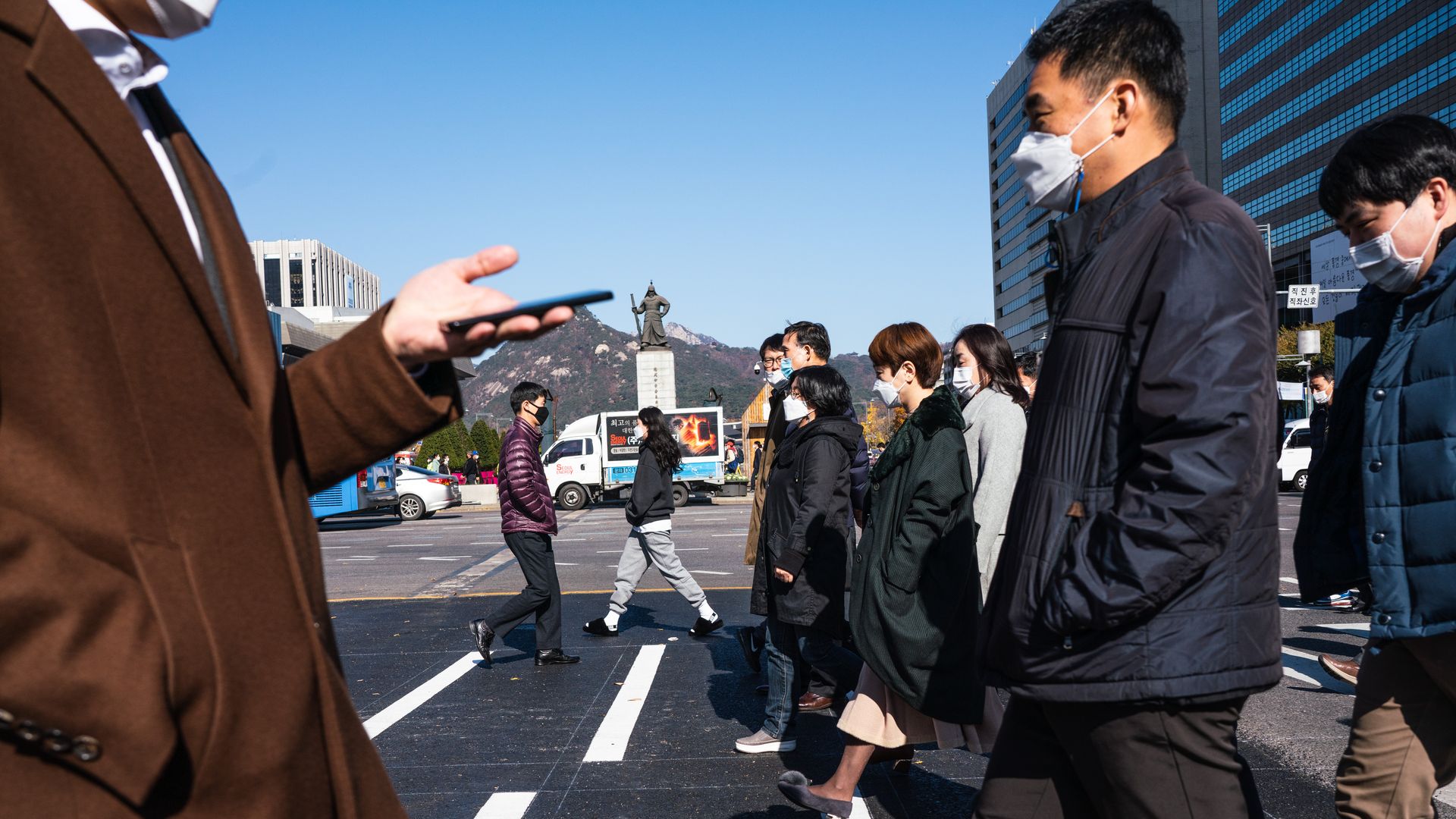
South Korea is urging people to stay home and avoid crowds following a recent uptick in coronavirus infections, AP reports.
Why it matters: The country has seen its number of cases increase steadily since itrelaxed several coronavirus-related restrictions October. Prime Minister Chung Sye-kyun on Friday (local time) asked the public to limit end-of-the-year parties, and employers to allow workers work from home.
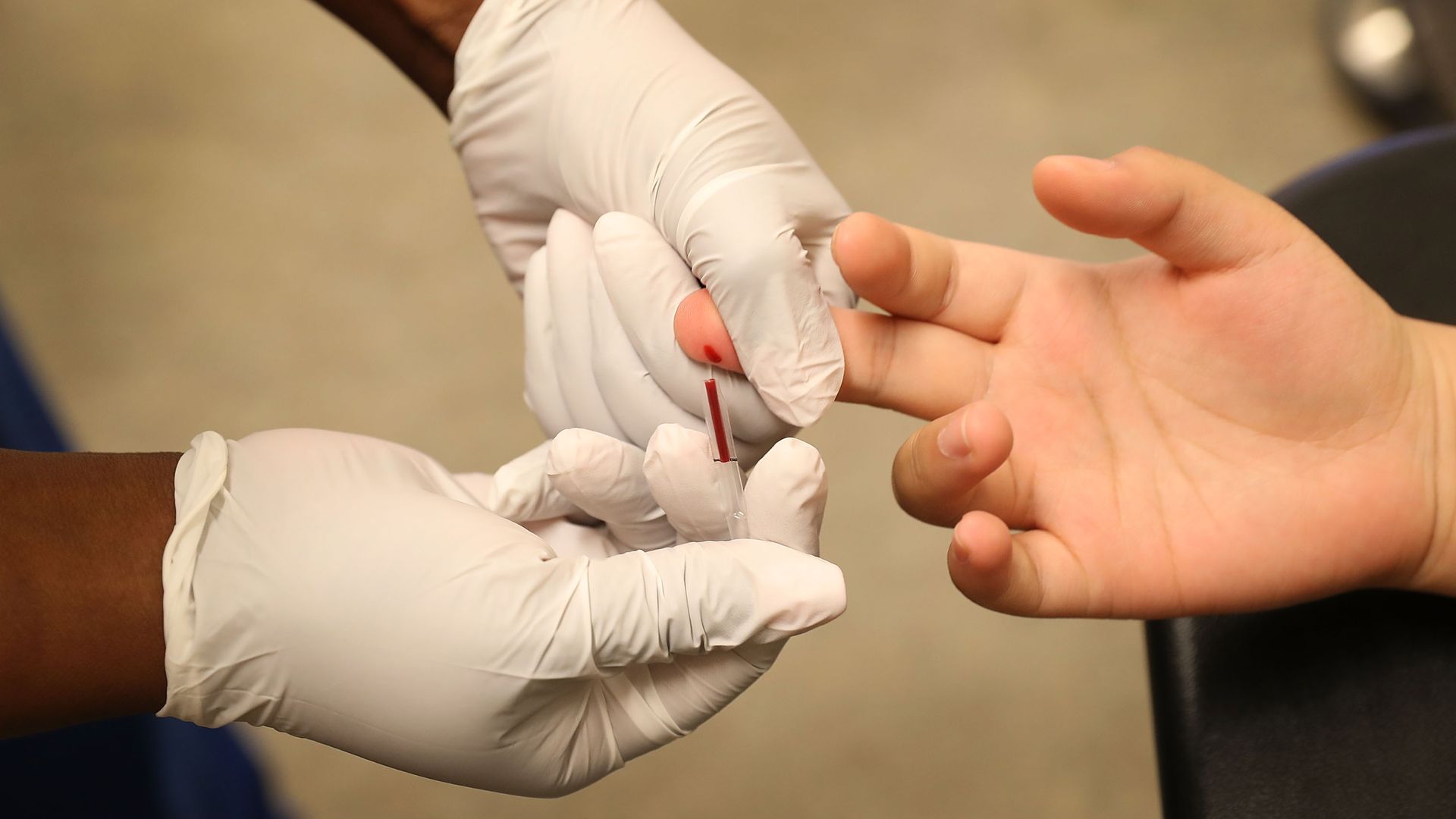
HIV-related deaths in the United States decreased significantly between 2010 and 2018 for all genders, ages, races and regions of the country, the Centers for Disease Control and Prevention reported in its weekly Morbidity and Mortality report on Thursday.
The big picture: CDC researchers said in a new analysis that the decline is likely the result of improvements in diagnosing infections, treatment and medical care, but noted the data highlights higher death rates among women and people of color.