Europe is now recording more coronavirus deaths than during its April peak.
The good news: The rate of new cases across the continent has leveled off, and it's even fallen sharply in several hard-hit countries. After weeks of growing fear, there is cause for optimism.
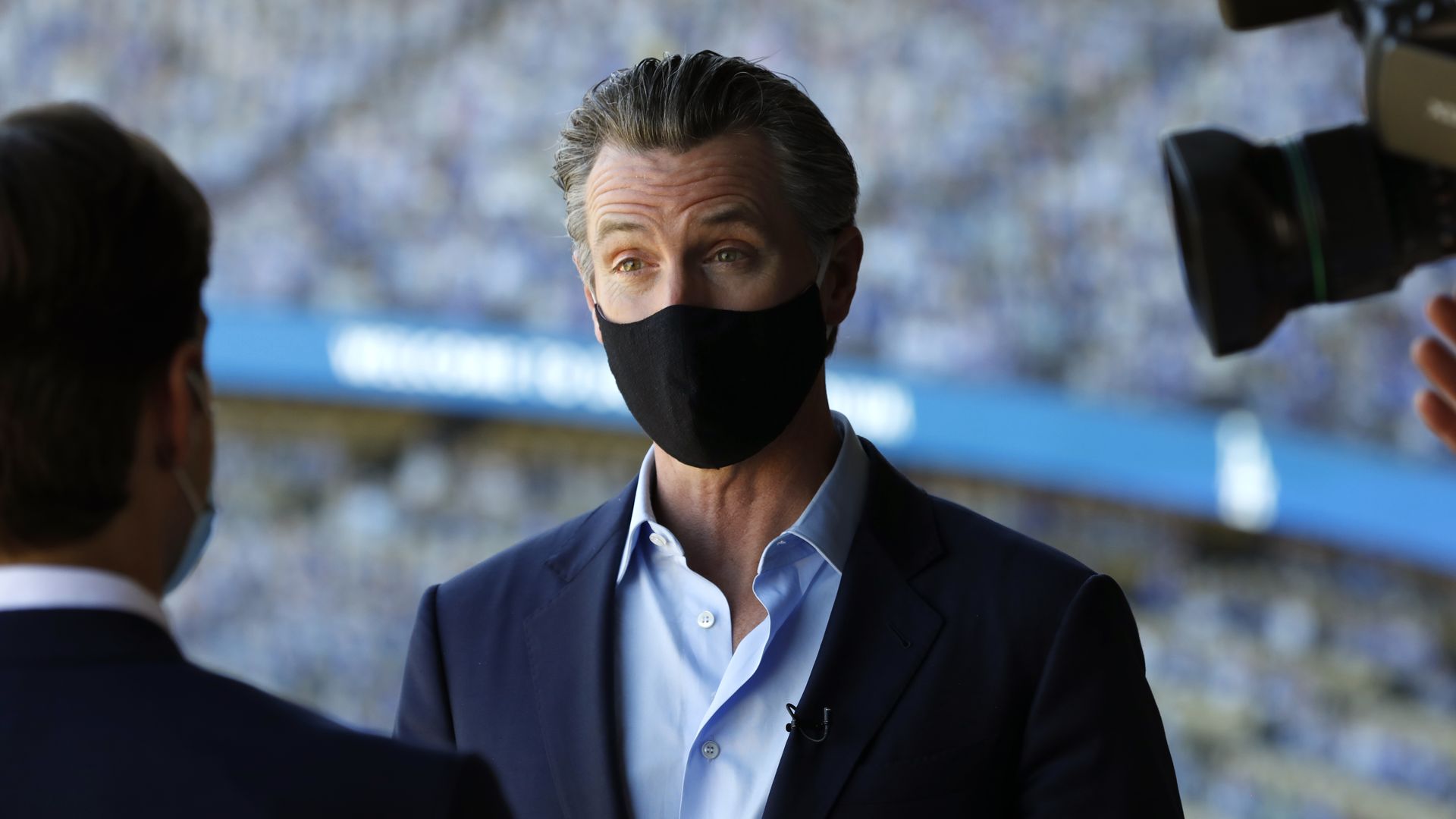
California Gov. Gavin Newsom on Thursday announced that the majority of the state will be under a limited stay-at-home order starting Saturday due to rising coronavirus cases.
The big picture: The announcement brings a monthlong curfew between 10 p.m. and 5 a.m. for residents in 41 counties, covering roughly 94% of the state's population. Newsom said earlier this week he was pulling an "emergency brake," halting further reopening plans, tightening restrictions on indoor businesses and strengthening mask mandates.
The World Health Organization praised New Zealand on Thursday for its "unique," targeted modeling technology and rapid COVID-19 genome sequencing that's seen the country avoid a lockdown last week despite having four current community cases.
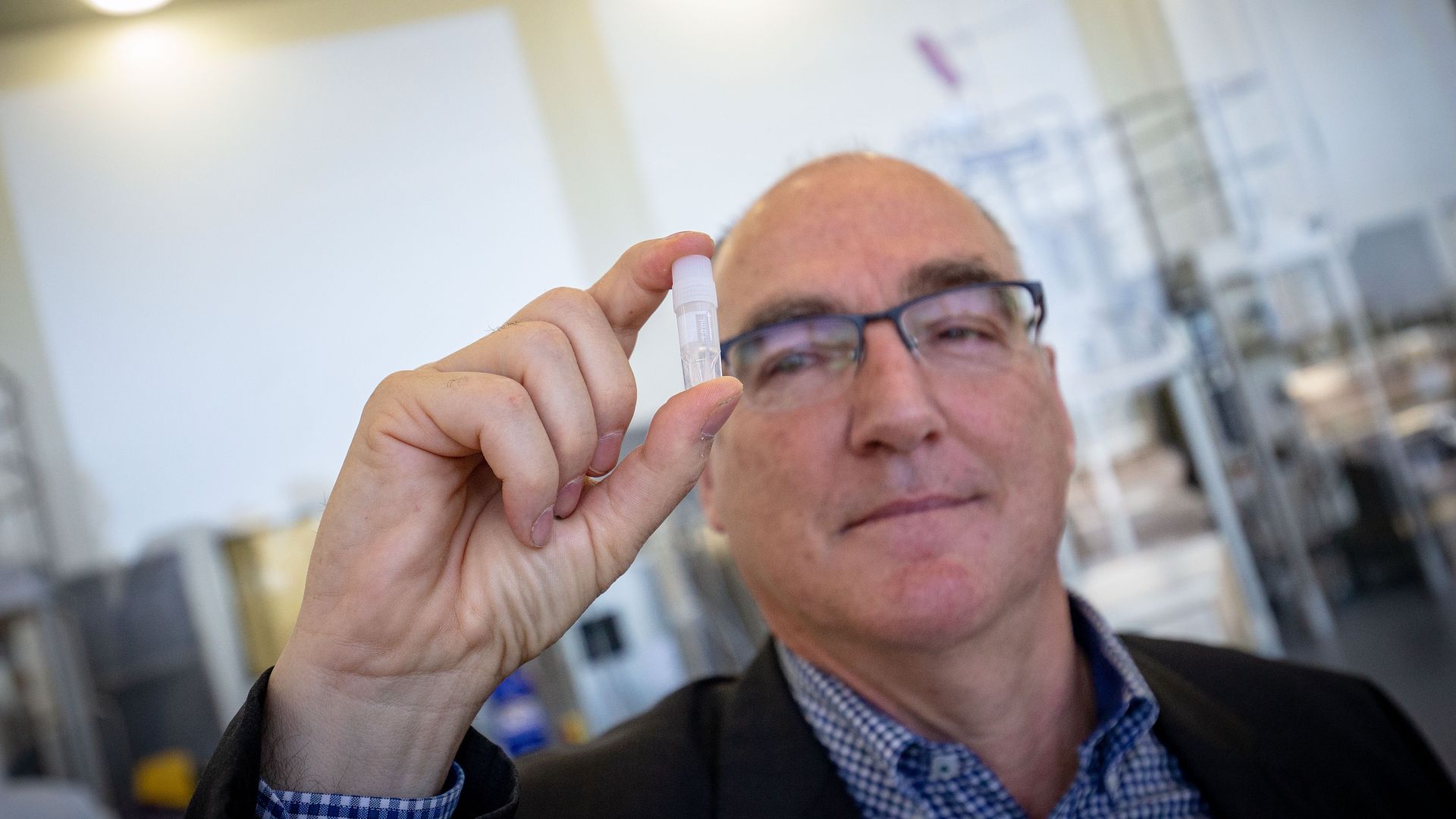
Why it matters: Coronavirus restrictions are growing across the U.S. and Europe, while NZ neighbor South Australia is under a strict lockdown. Geneticist Mike Bunce told Axios that genomic sequencing was "key" to the NZ government's decision not to reimpose restrictions beyond a mask mandate for some travel, effective Thursday.
The CDC issued new guidance on Thursday advising Americans not to travel for Thanksgiving, warning doing so may increase the chance of getting and spreading COVID-19.
Why it matters: The U.S. has seen over 1 million new coronavirus case in just this past week — and indoor household gatherings nationwide could make the situation even worse.
Today it's whatever adjective best describes the compulsion to slam your head against a concrete wall.
The difference between now and then is that we can see a light at the end of the pandemic tunnel, thanks to vaccine trial results from Pfizer and Moderna.
Americans are once again waiting in long lines for coronavirus tests — sometimes being turned away — and then waiting several days for their test results, the Washington Post reports.
Why it matters: This makes it much harder to know who has the virus and thus stop its spread, especially as the holidays approach. The longer someone has to wait for test results, the less likely it is that they'll remain in isolation until they receive them.
The leading coronavirus vaccines are shaping up to be on par with some of the most effective vaccines in medicine.
Why it matters: Vaccines with efficacy rates of about 95% — which both Pfizer and Moderna say they've achieved — will be more powerful weapons against the coronavirus than many experts had anticipated.
No state in America could clear the threshold right now to safely allow indoor gatherings.
The big picture: This is bad as the pandemic has ever been — the most cases, the most explosive growth and the greatest strain on hospitals. If businesses were closed right now, it would not be safe to reopen them. And holiday travel will be risky no matter where you’re coming from or where you’re going.
A COVID-19 vaccine from Oxford University and AstraZeneca is safe and produces strong immune responses in older people, per preliminary findings of a phase two trial published Thursday in The Lancet.
Why it matters: Coronavirus cases are soaring in the U.S. and across the world. The findings from the study of 560 healthy adults, including 240 people aged over 70, follow Pfizer's announcement Wednesday that its vaccine is 95% effective and Moderna's data released Monday showing its version has a 94.5% vaccination success rate.
The NFL announced Wednesday that all 32 teams must follow the league's "intensive" coronavirus restrictions for the rest of the season starting this Saturday.
Why it matters: The decision comes after the Las Vegas Raiders placed seven more players on its coronavirus reserve list, bringing the total to 11, according to ESPN.