The United States topped 250,000 coronavirus-related deaths on Wednesday as infections soar in nearly every pocket of every state in the country, according to Johns Hopkins University data.
Why it matters: The sharp rise in the number of cases and fatalities has accelerated calls for government action. Wednesday's news exceeded infectious disease expert Anthony Fauci's March prediction in which he said "we should be prepared" that COVID-19 could kill 240,000 Americans.
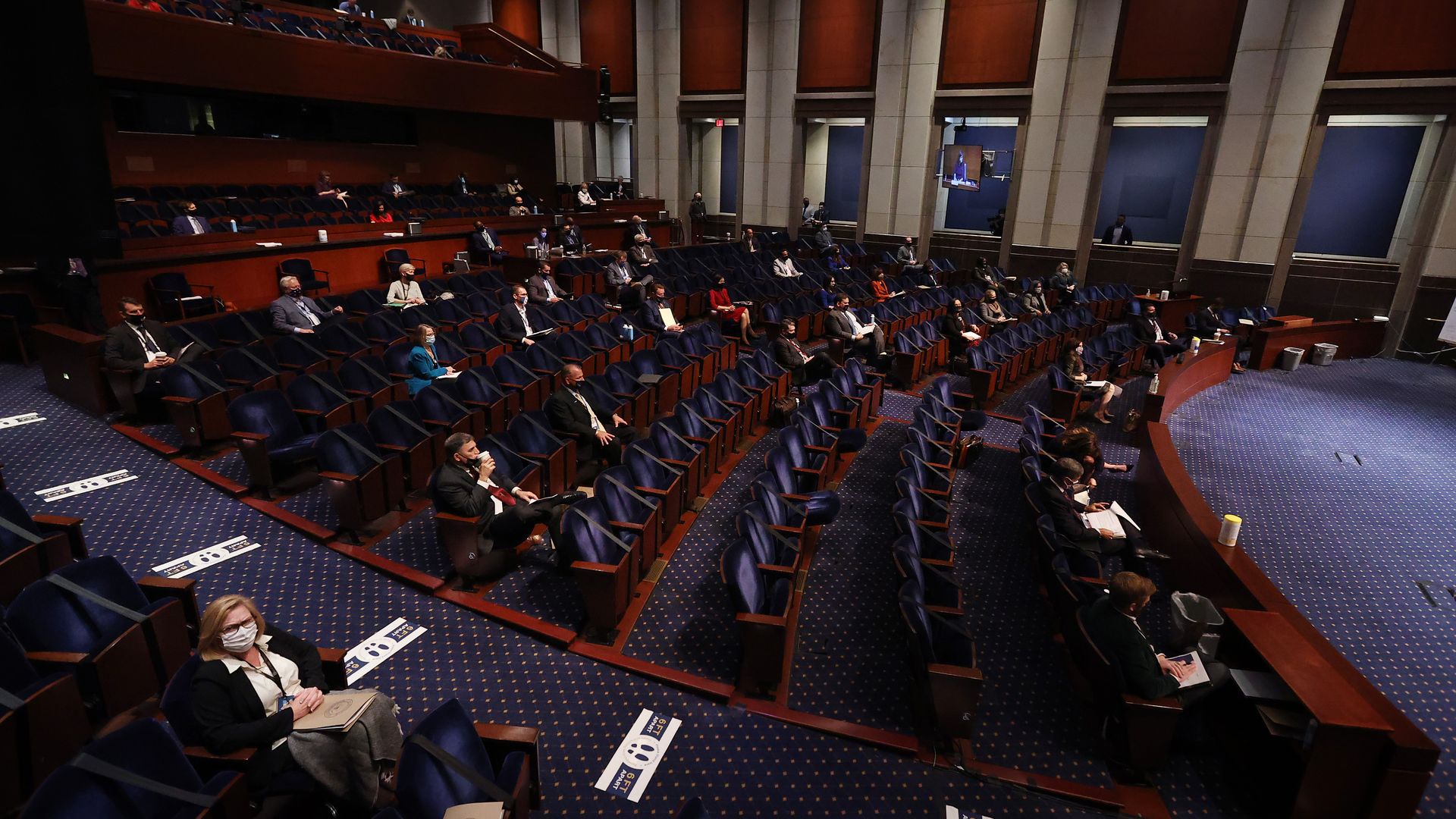
Reps. Dan Newhouse (R-Wash.) and Doug Lamborn (R-Colo.) have tested positive for COVID-19, increasing the tally of lawmakers across the U.S. who have contracted the virus.
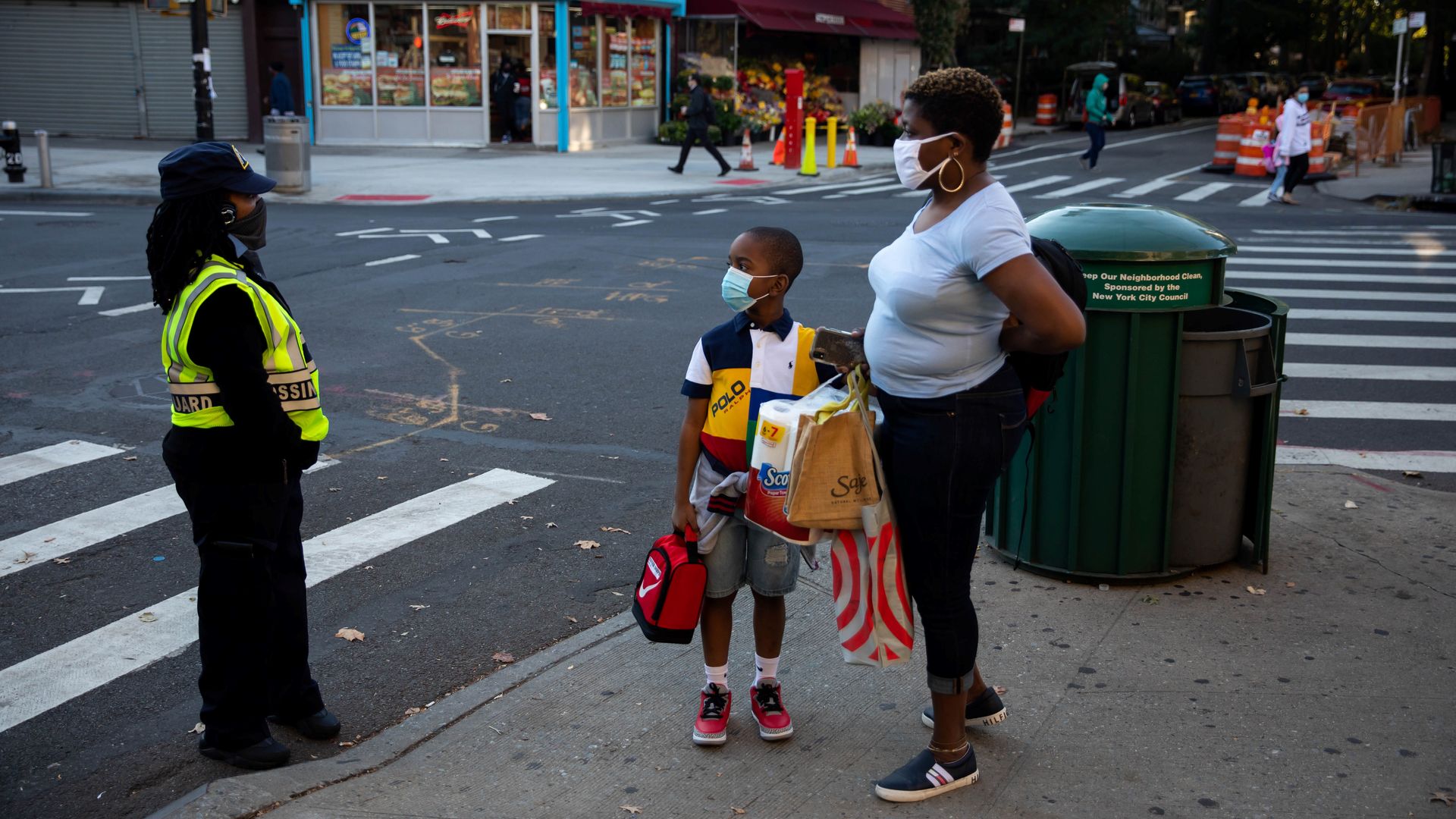
New York City's public school system will close for in-person learning beginning Thursday after coronavirus positivity rates in the city topped 3%, according to Mayor Bill de Blasio.
Why it matters: The city, which is staring down a second coronavirus wave after being the world's epicenter for the pandemic earlier this year, previously boasted having more students physically in classrooms than nearly any other locality in the country, per the New York Times.
Plenty of garbage startups have been funded over the past decade, including a couple of outright frauds — and tech innovation doesn't always move as linearly as we'd like, or replicate the future as imagined by TV scriptwriters.
Yes, but: While startups and their investors were being bashed on social media, at least a few of them were laying the building blocks for technologies that could help let humanity recover its ability to work, play and spend time with loved ones.
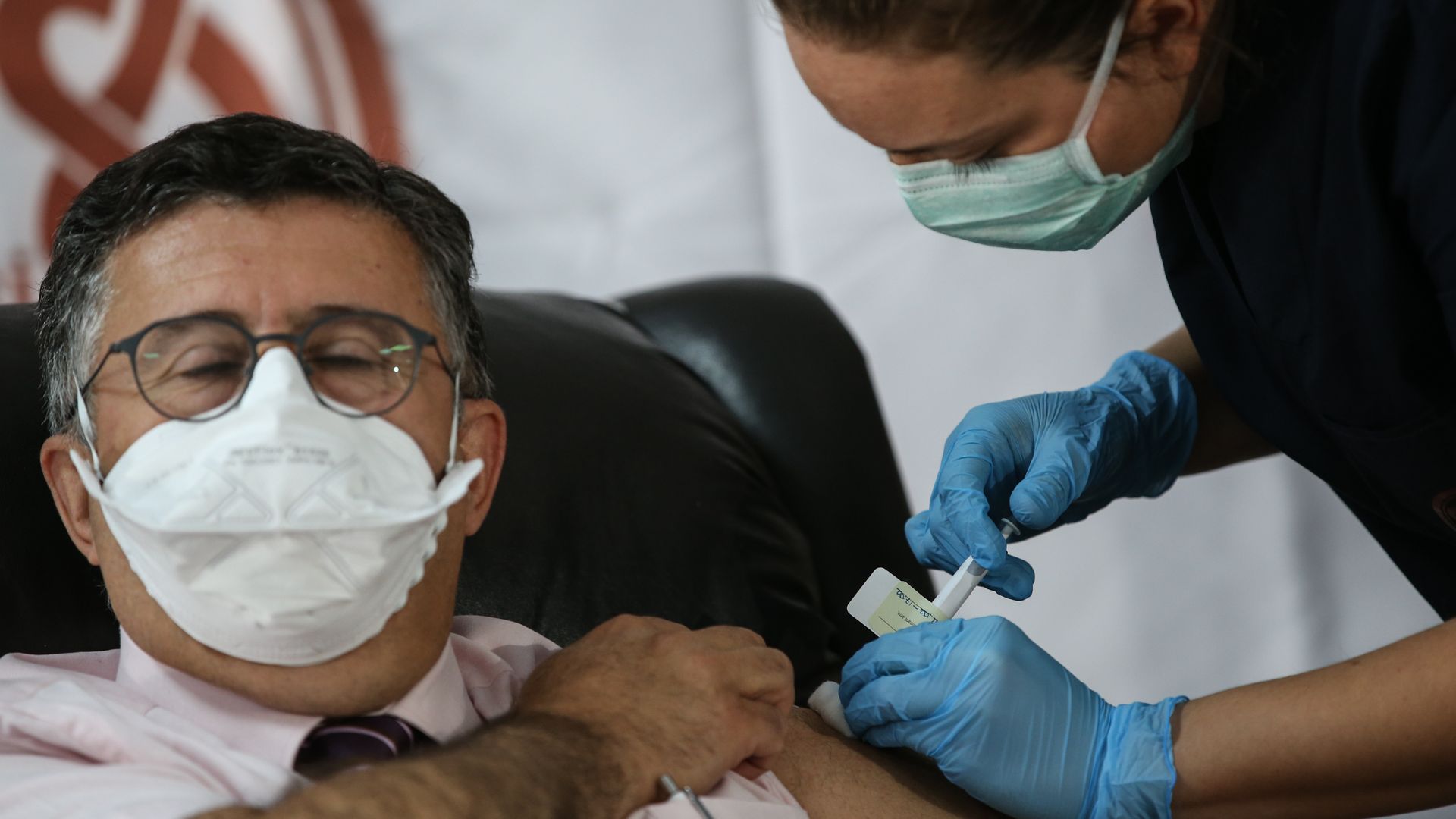
Pfizer said on Wednesday that its coronavirus vaccine is 95% effective and has no serious side effects.
The state of play: The company said they have enough safety data now and plan to request an emergency use authorization from the Food and Drug Administration "within days."
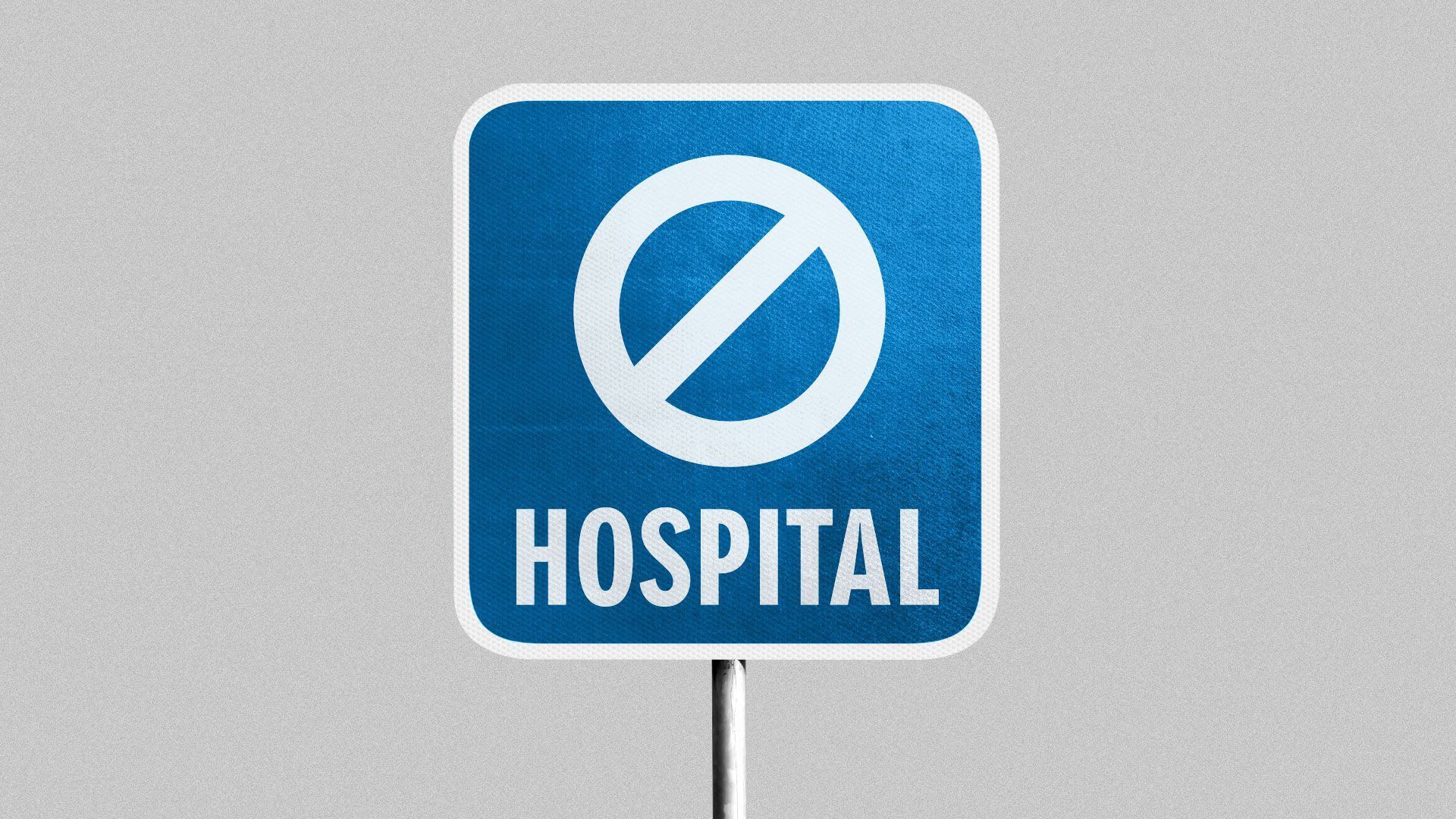
More than one in five U.S. hospitals don't have enough workers right now as hospitals fill up with coronavirus patients, especially in the Midwest, The Atlantic reports.
Why it matters: Even though doctors have gotten better at treating the virus, all that progress doesn't matter if there's no one to deliver care to a patient.
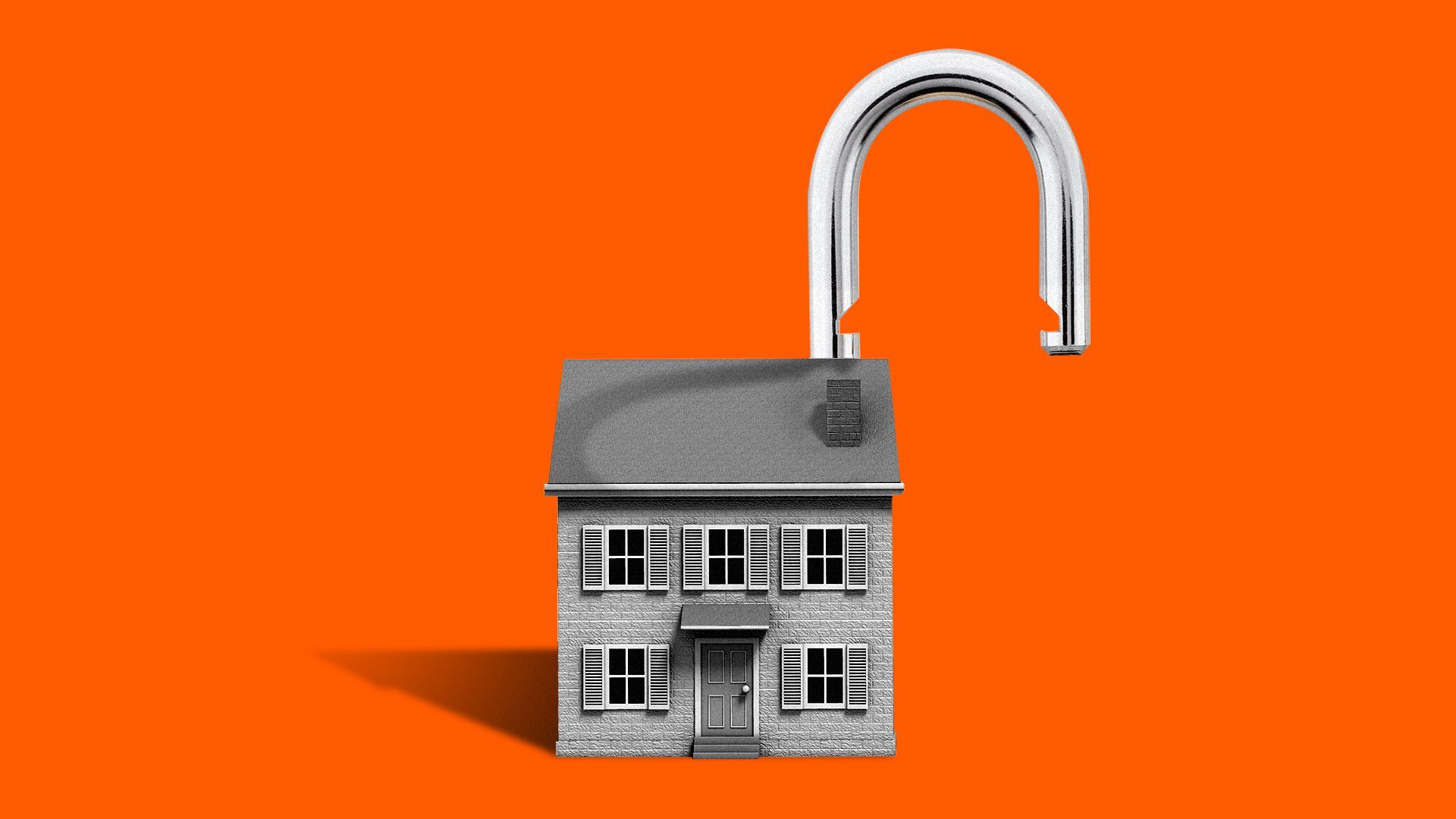
Coronavirus cases and hospitalizations are at new peaks, cities and states are weighing second lockdowns, and flu season is upon us — but we're all looking the other way.
Why it matters: Pandemic fatigue has set in and the nation has collectively stopped caring just in time for the holiday season. This Thanksgiving could be catastrophic for public health.
In the past two weeks, 83% of U.S. counties have seen their coronavirus cases increase, by an average of 156%.
Why it matters: This county-level map shows a more granular level of detail than our weekly state map, and makes clear that infections are soaring in almost every pocket of every state, in every region.
Less costly pandemic mitigation measures may slow the spread of the coronavirus just as well as lockdowns — if not better — according to a new study published in Nature Human Behaviour.
Why it matters: As cases continue to rise in the U.S., Americans may be more palatable to interventions that are less painful than the spring's stay-at-home orders.
Americans‘ trust in Joe Biden to provide accurate information about the coronavirus has grown across the board since his election win, according to the latest installment of the Axios-Ipsos Coronavirus Index.
Between the lines: It's the first time Biden won the trust of more than 50% of Americans since the poll started asking the question in August. But with the exception of Democrats, who are with him already, he still has room to grow.
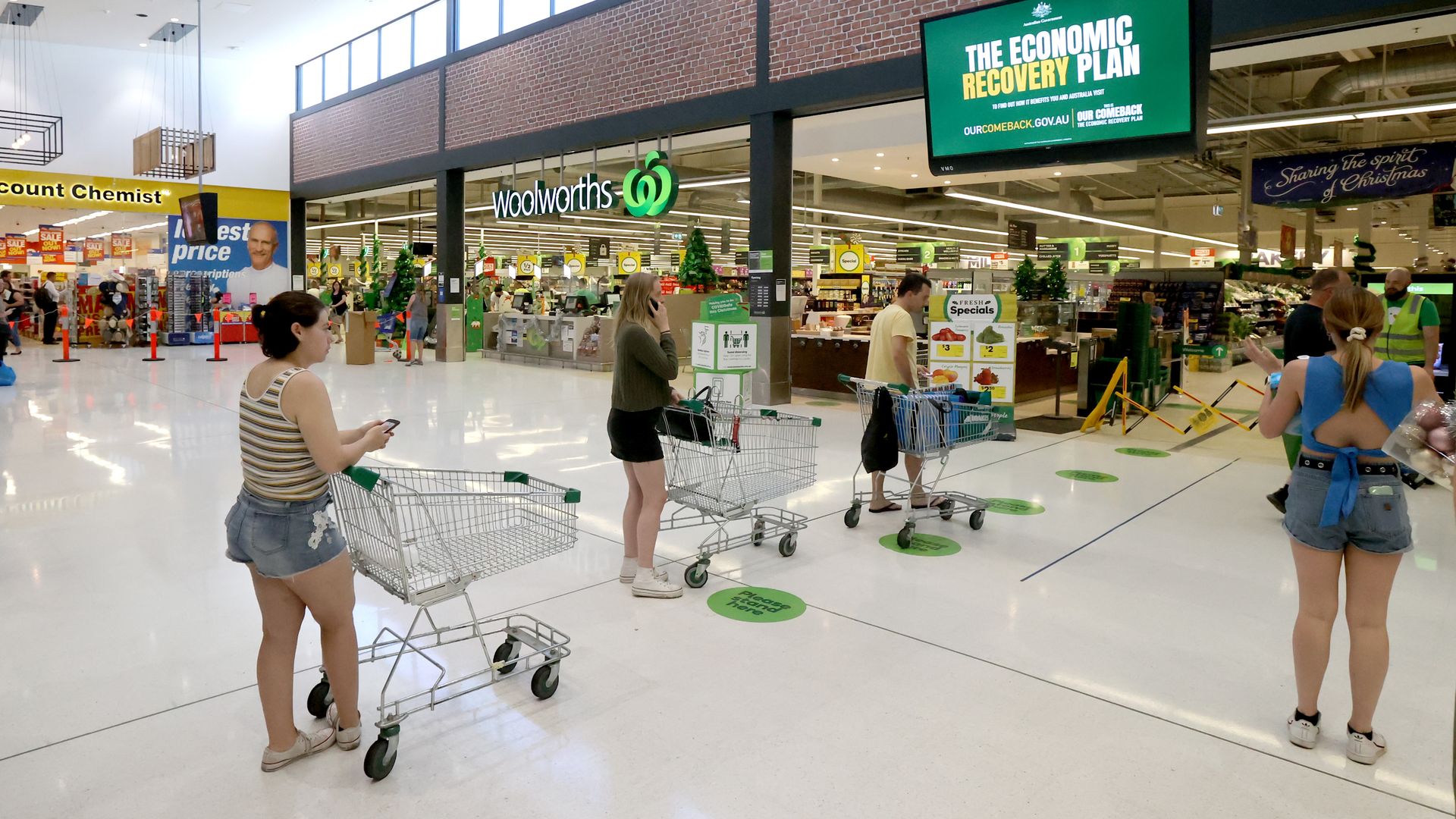
South Australia will enter a "circuit breaker" lockdown overnight in an attempt to quash a COVID-19 outbreak, state Premier Steven Marshall announced Wednesday, saying: "We are going hard and we are going early. Time is of the essence."
The big picture: 36 new coronavirus infections have been confirmed since the first community case for six months was detected in state capital Adelaide Sunday. All schools, construction, bars and eateries must close for six days from midnight. Only one person per household can leave home each day and exercise outside is prohibited under the rules. Regional travel and fast food delivery are both banned.
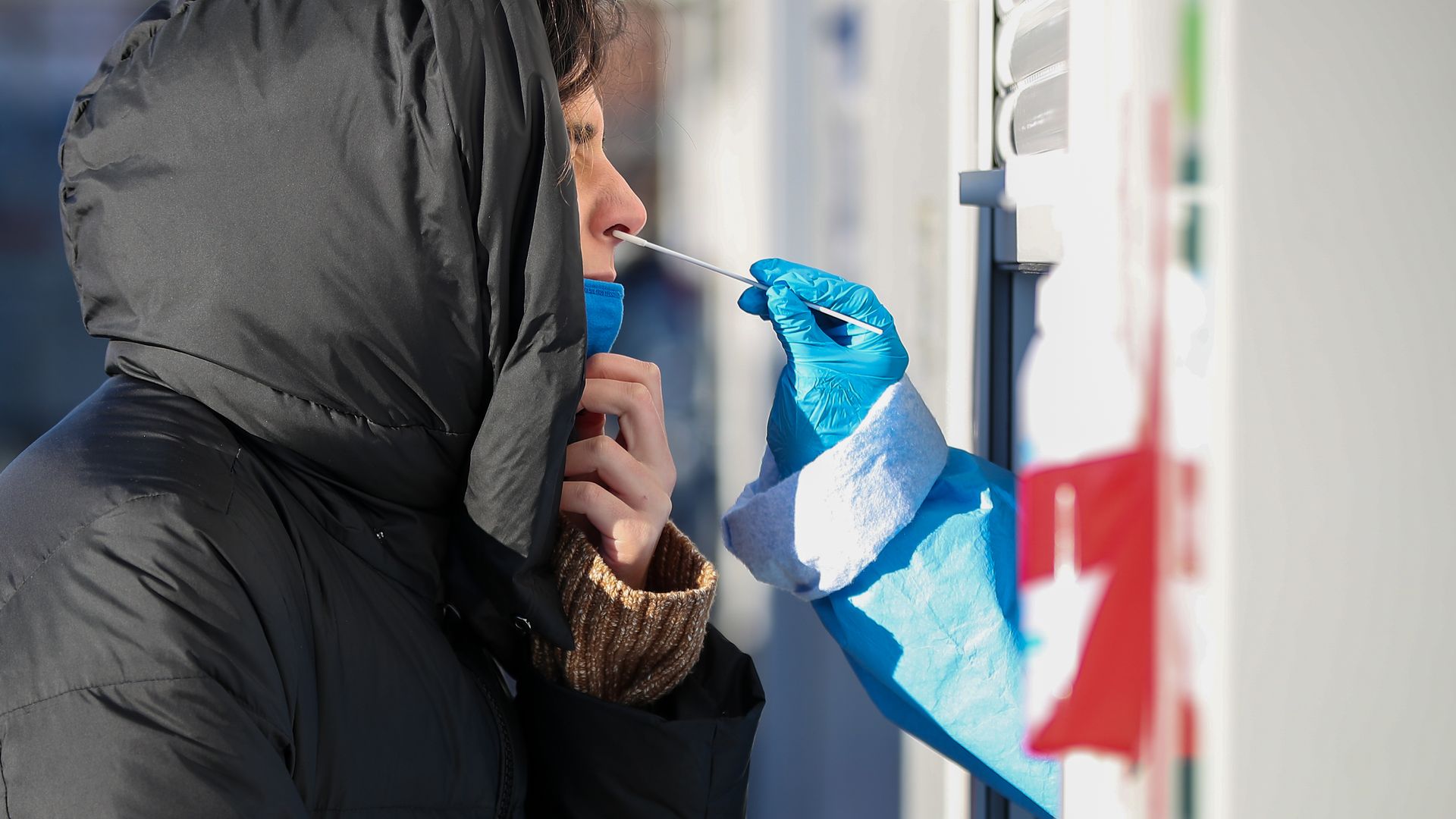
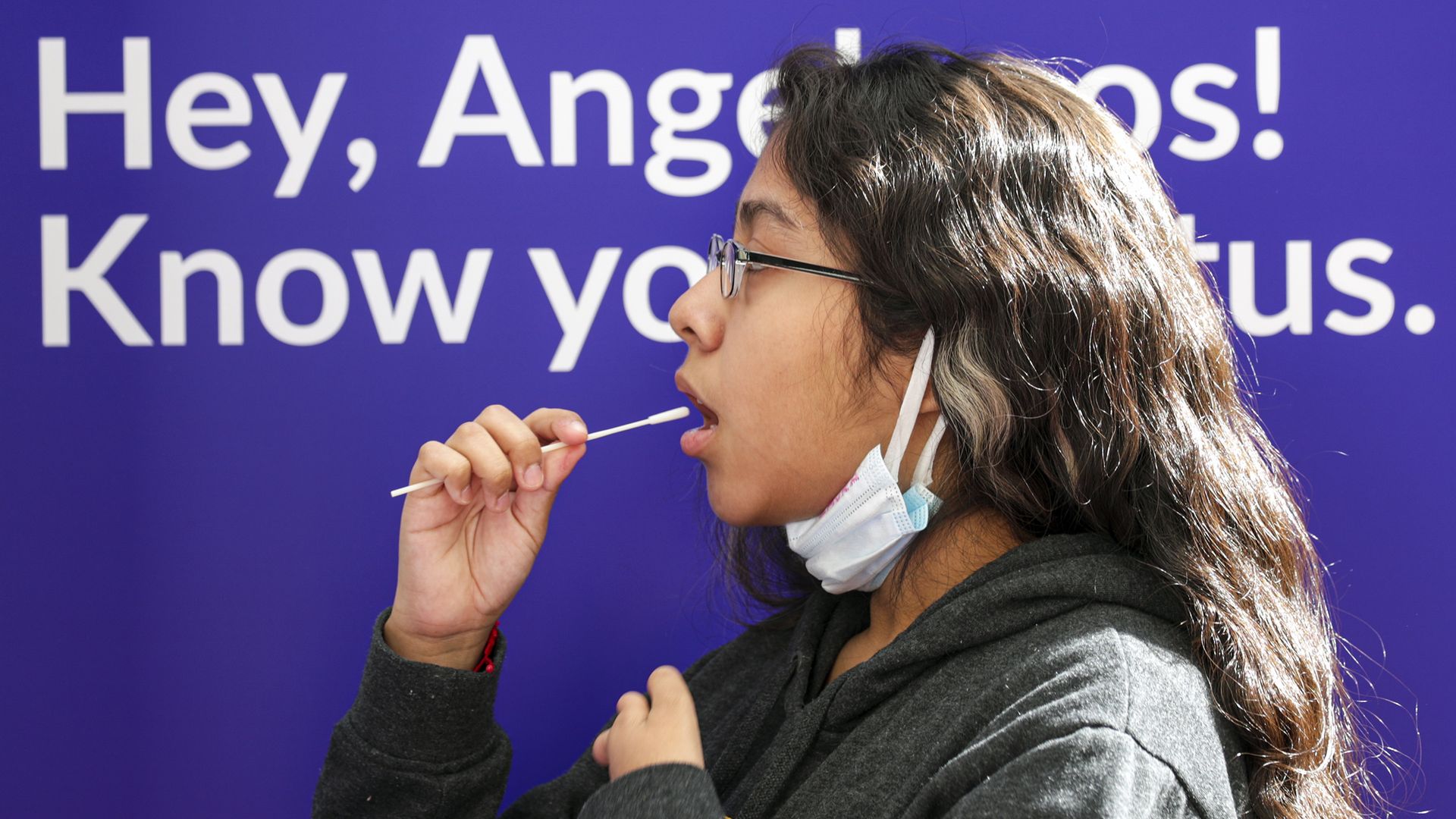
The Food and Drug Administration announced in a post Tuesday night that it has issued an emergency use authorization for the first COVID-19 test for self-testing at home — and it returns rapid results.