Moderna has joined Pfizer in approaching the vaccine finish line, with a vaccine candidate the company says was 94.5% effective at preventing infection. Pfizer's candidate, announced last week, was over 90%.
Why it matters: There could be two U.S. vaccines in distribution before the New Year. This is a reason for Americans to buckle down for one last stretch to help save lives.
Moderna Therapeutics today reported a 94.5% efficacy for its COVID-19 vaccine, which doesn't need to be stored at the same ultra-cold temperatures as does a similar vaccine developed by Pfizer. It also said short-term safety concerns, such as headaches and injection site soreness, self-resolved within days, and that it could have 20 million doses available by year-end.
Axios Re:Cap speaks with Moderna chief medical officer Tal Zaks about the new data, distribution, politics, and how it was preparing for this moment even before COVID-19 was discovered.
Moderna said Monday that its coronavirus vaccine candidate is 94.5% effective in fighting the virus, per an initial analysis released by the company.
Why it matters: The Moderna vaccine — alongside Pfizer's similarly effective candidate — provides another dash of hope that the pandemic currently raging across the world could be tamed by next year.
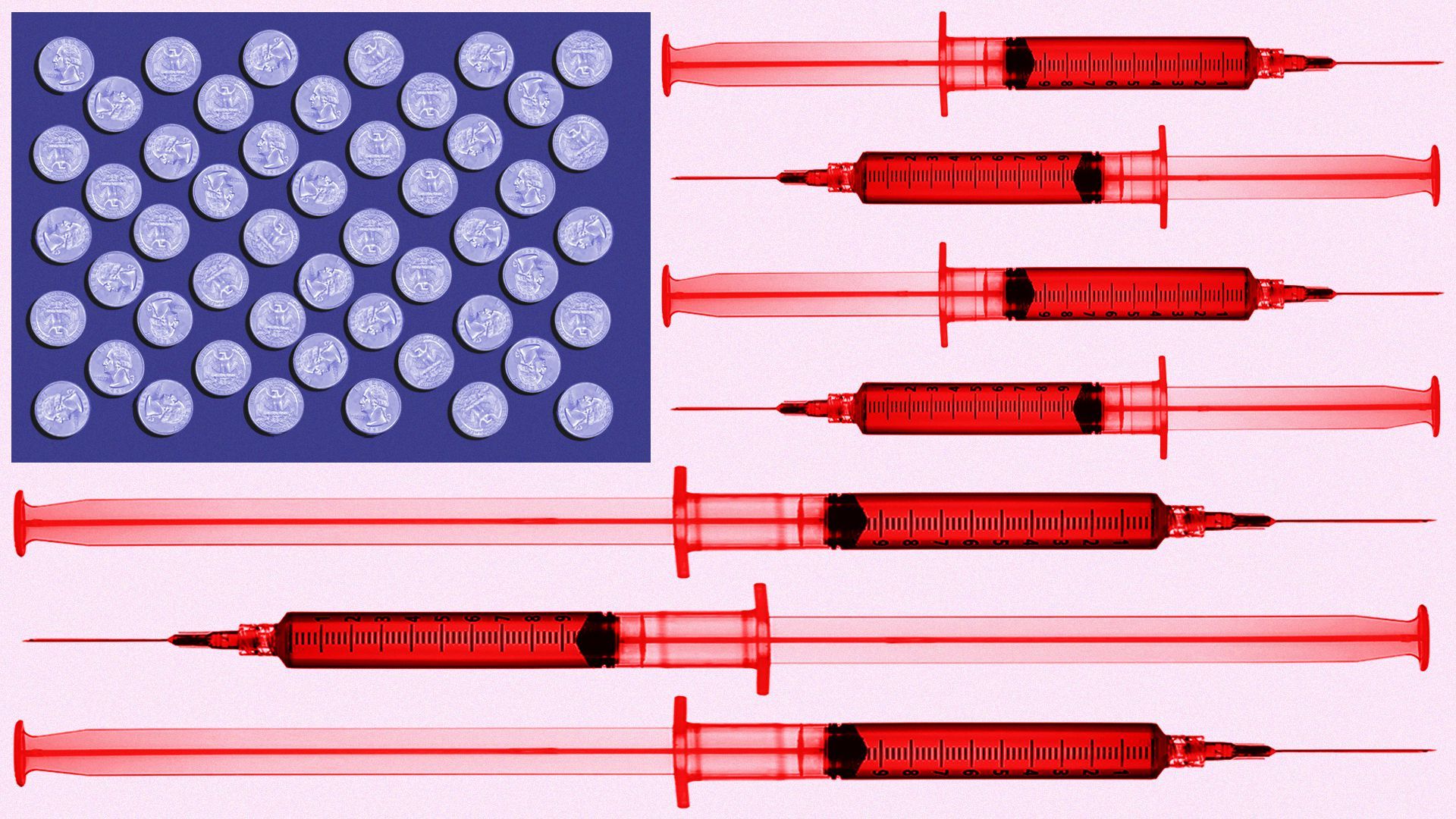
The coronavirus has sparked a new and highly competitive vaccine-development race, but competition in the sector had previously been declining for years, according to a report from the liberal Open Markets Institute, which was shared with Axios.
By the numbers: The number of drug companies producing vaccines shrunk considerably in the '80s and '90s, according to the report, leaving just eight companies producing recommended childhood vaccines in 1996.
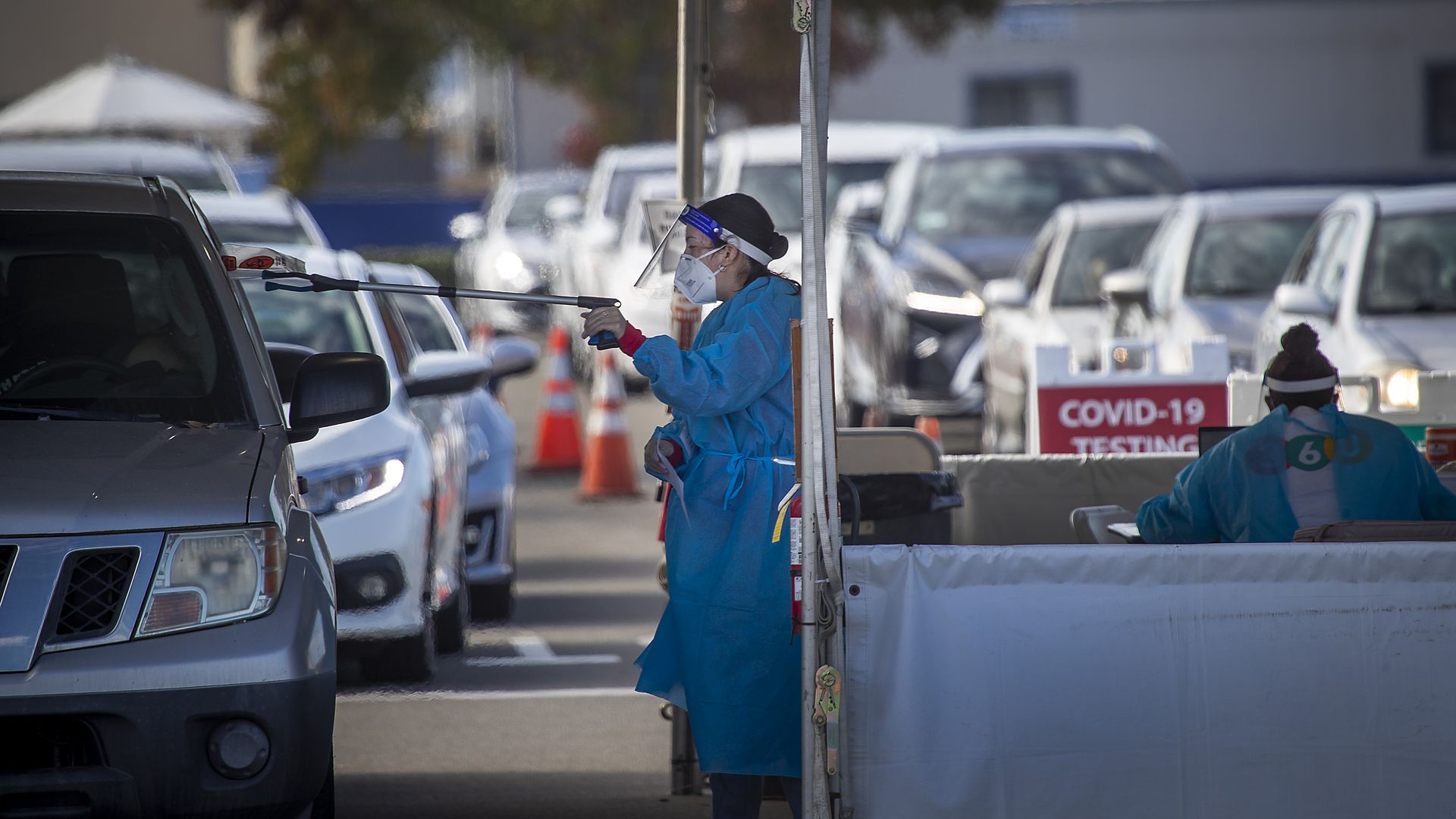
This sure feels like a crisis in the making: Health care workers are overworked, over-stressed and burned out — all as cases and hospitalizations keep climbing and climbing.
What they're saying: "The wave hasn't even crashed down on us yet. It keeps rising and rising, and we're all running on fear. The health-care system in Iowa is going to collapse, no question," Eli Perencevich, an infectious disease doctor at the University of Iowa, told The Atlantic.
This wave of coronavirus infections is hitting rural areas especially hard. While big cities have more total cases, rural areas are seeing more cases per capita — and they're at greater risk of running out of hospital capacity as cases pile up.
Why it matters: What started as an urban problem in the spring is now everyone's problem.
The U.S. recorded more than 1 million new COVID-19 cases in six days as the country surpassed 11 million infections Sunday, Johns Hopkins data shows.
The big picture: Cases, hospitalizations, and deaths from the coronavirus are accelerating across the country, as more governors and local officials announce new measures to try and curb the pandemic's spread.
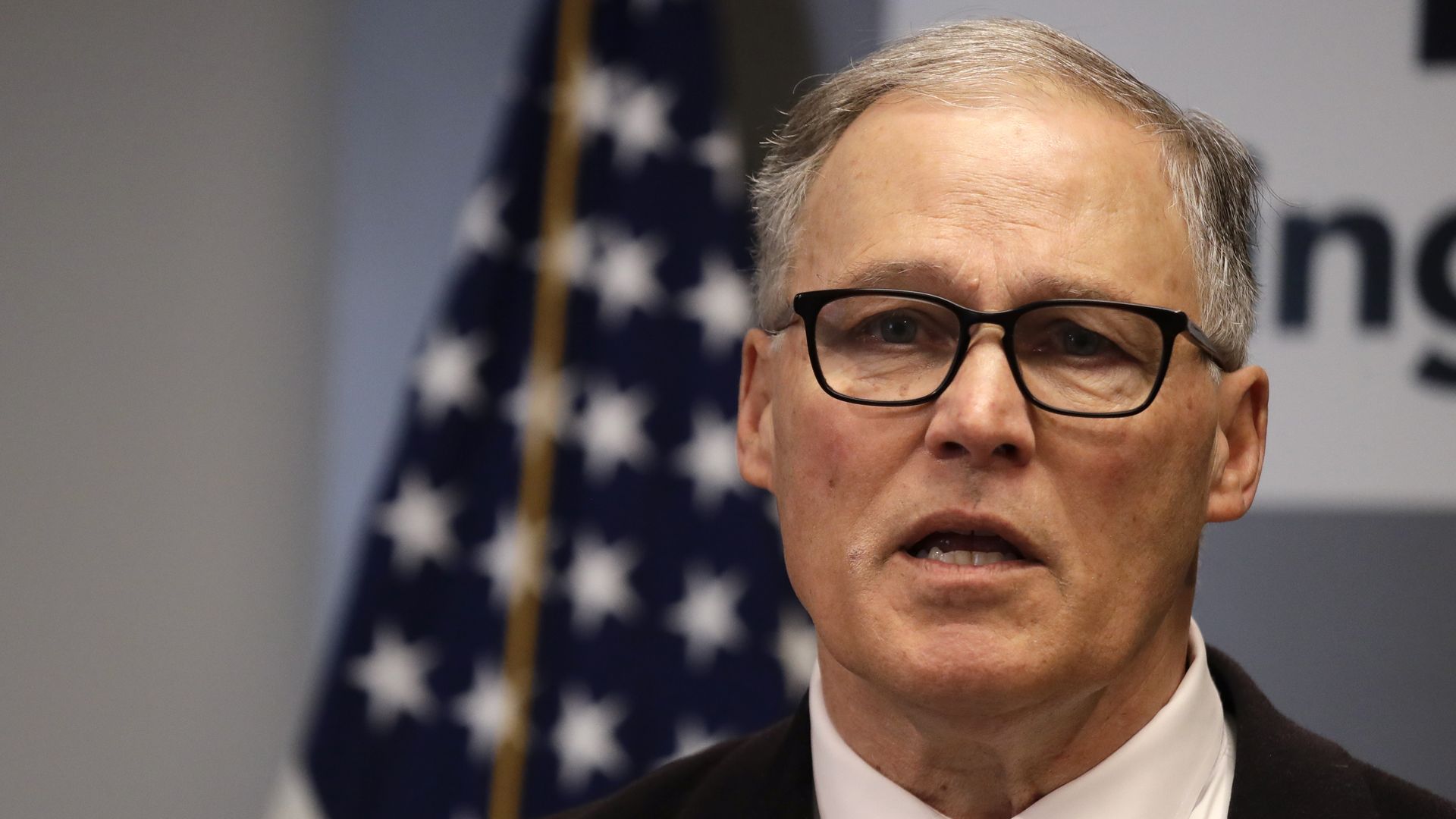
Washington Gov. Jay Inslee (D) announced Sunday new restrictions to mitigate surging COVID-19 cases, as he warned the state is "in a more dangerous position than we were in March, when our first stay-at-home order was issued."
What he's saying: Inslee said if left unchecked, the "raging" pandemic "will assuredly result in grossly overburdened hospitals and morgues, and keep people from obtaining routine by necessary medical treatment for non-COVID conditions."