Car sales rebounded in a big way during the second quarter, but they could have been stronger if production kept up with demand, according to new data released Thursday.
Why it matters: The global chip shortage continued to plague automakers, limiting the number of cars available for sale and in turn driving up prices.
Americans spend billions of dollars on July 4th food, but what Americans eat is beginning to change as health and sustainability become bigger factors in our collective diet decisions.
Axios Re:Cap goes deeper with Ethan Brown, founder and CEO of Beyond Meat, to learn about changing consumer tastes and what it means for the future of meat.
Pharmaceutical and medical device companies paid $9.1 billion in consulting fees, hotel stays, meals and royalties to physicians and teaching hospitals in 2020, a 16% drop from 2019, according to new data released by the federal government.
The big picture: The industry reeled back payments as the pandemic halted travel, speakers' programs and other junkets. But experts say, and data show, that the billions of dollars still may create inappropriate relationships and sway doctors to prescribe those companies' medications and devices.
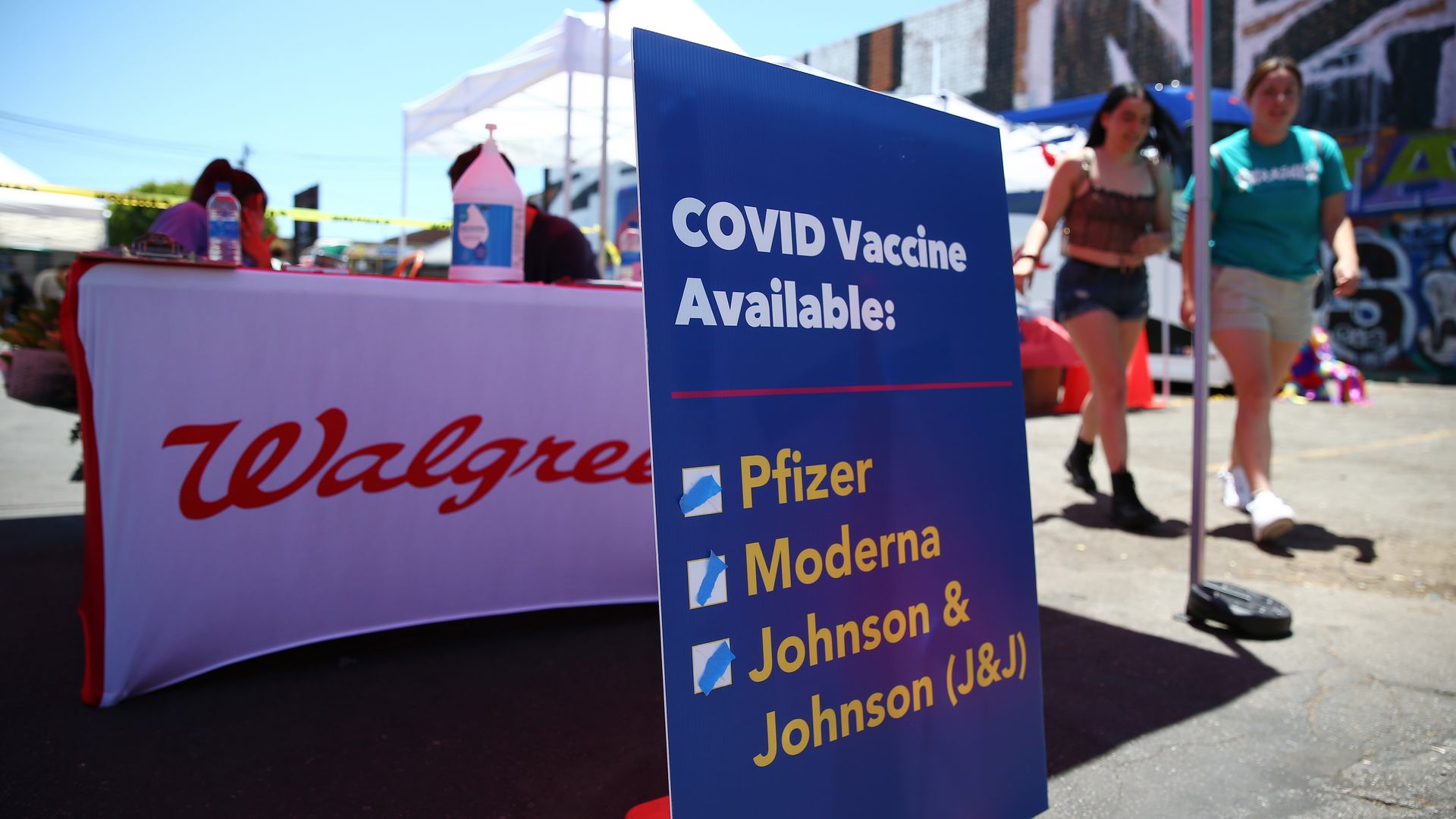
Walgreens has given out 25 million COVID-19 vaccinations in its stores this year, including 17 million from March through May.
Why it matters: Walgreens executives said the vaccines were the main reason why the company recorded higher foot traffic, sales and profits in the quarter. But this boost may be short-lived, as demand for vaccines has slowed down considerably since late April.
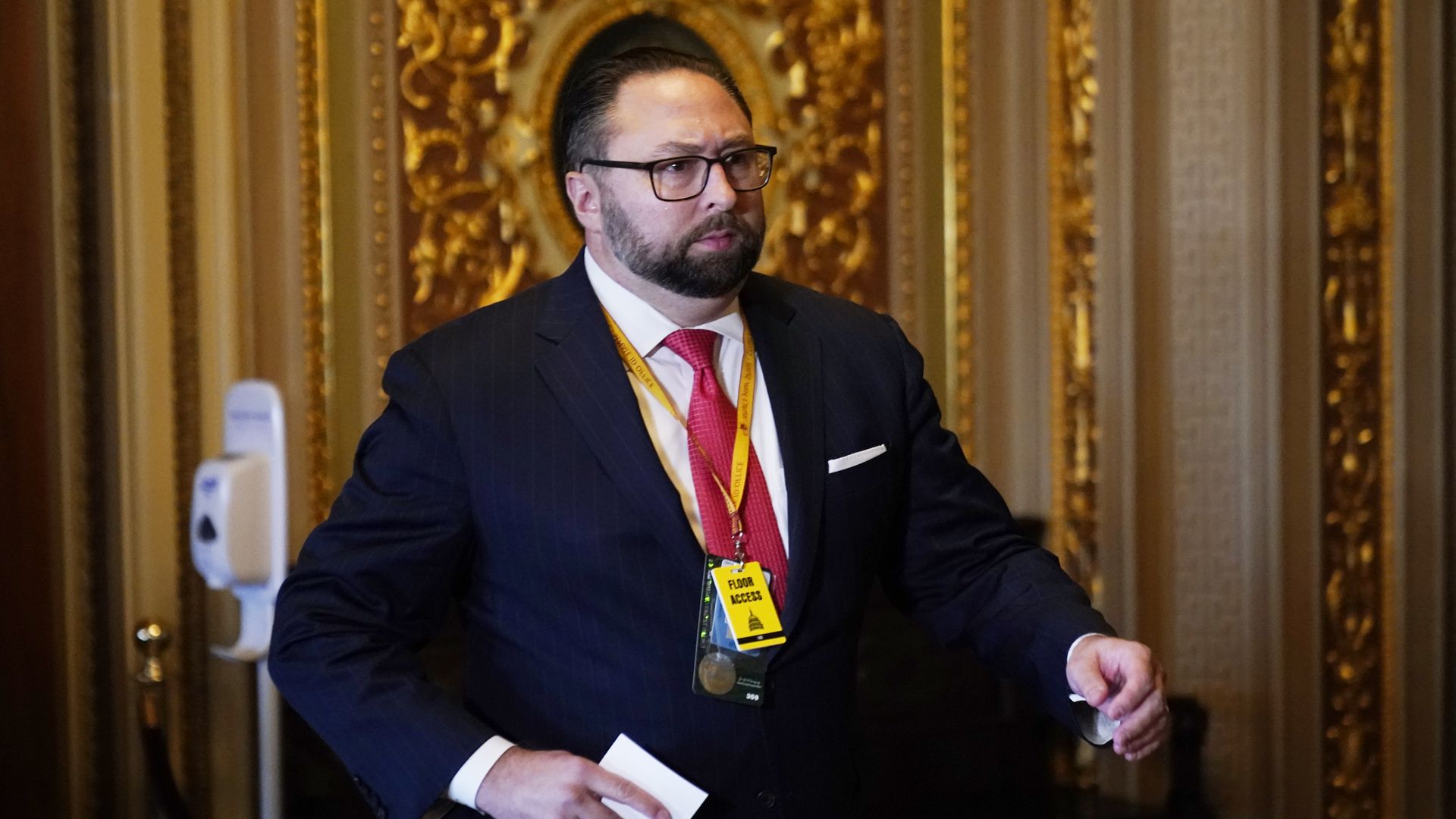
Jason Miller, an aide and close advisor to Donald Trump, is launching a new social app called “Gettr” in coming days, sources tell Axios.
Details: The app, which is in beta testing, appears in the Apple App Store and is described as “a non-bias social network for people all over the world.” News of the app was first broken by Politico Thursday.
Popular trading app Robinhood on Thursday filed for its initial public offering, and disclosed that it will set aside up to 35% of shares for retail investors who rarely get to buy at a company's IPO price.
Driving the news: Earlier this week, Robinhood agreed to pay a record $70 million in fines and restitution, as part of a settlement with the Financial Industry Regulatory Authority over providing customers with "false or misleading information."
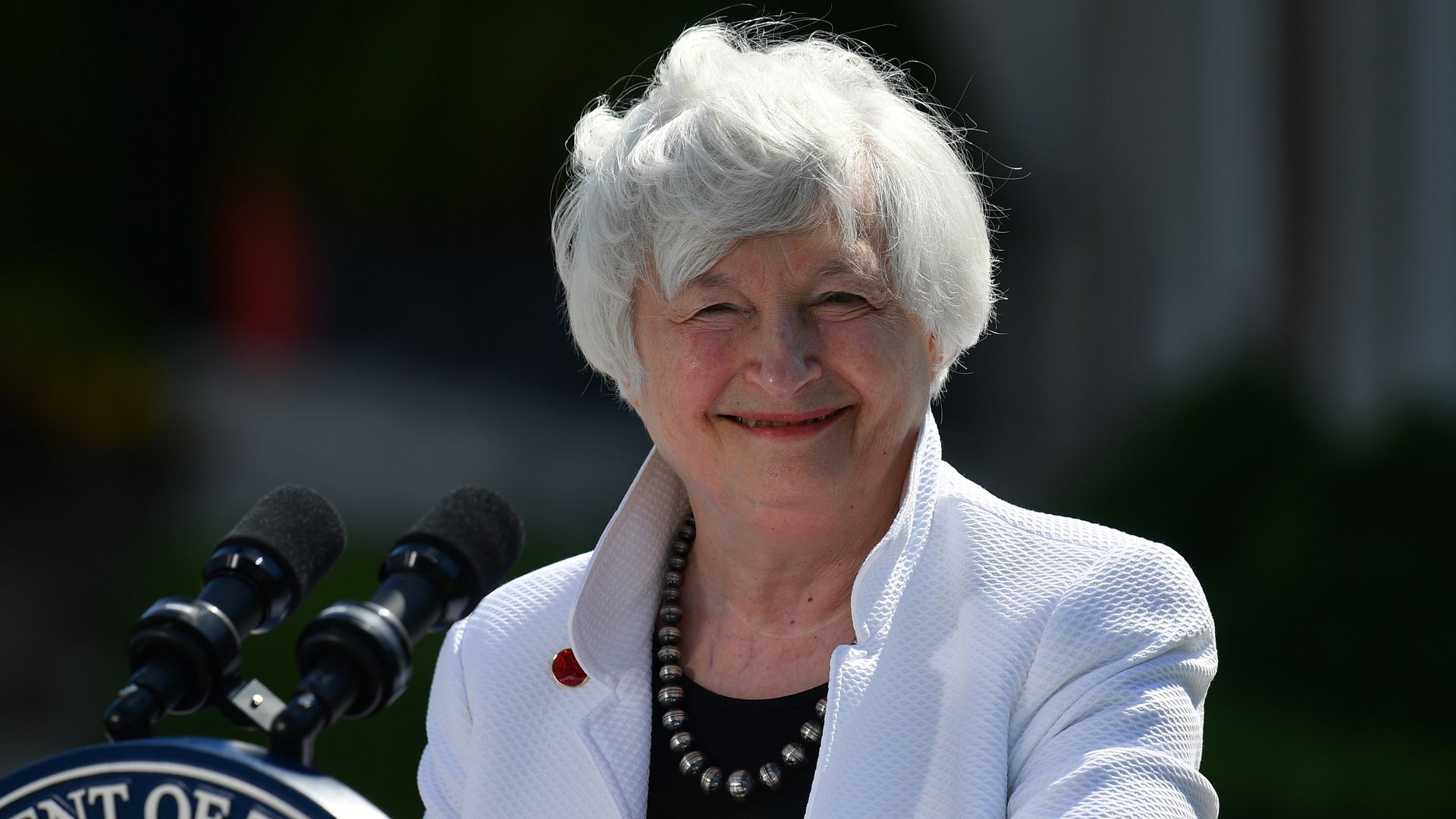
130 countries around the world — including, crucially, China and India — have agreed on a 15% minimum corporate tax rate, in a move designed to prevent what Treasury Secretary Janet Yellen called a "self-defeating international tax competition."
Why it matters: Corporations will have to pay tax of at least 15% no matter where they operate in the world. The OECD framework, agreed to Thursday but many years in the making, includes penalties for companies and jurisdictions attempting to bypass the rule.
While Robinhood pushes back against any suggestion that it is deliberately gamifying investing, another company about to go public — language-learning app Duolingo — is placing its gamification skills front and center.
Why it matters: According to Duolingo's prospectus, "the high engagement driven by gamification leads to consistent learning and demonstrable efficacy."
Concrete construction no longer lasts thousands of years, like the Pantheon in Rome. Instead, its lifespan is roughly 50-100 years, thanks to the way in which modern concrete is reinforced.
Why it matters: That means a multi-trillion-dollar bill is coming due right around now, in the form of concrete construction that needs noisy, dirty, expensive repair.
Meghan McCain said Thursday that she will be leaving ABC's "The View" in July after four seasons.
Why it matters: McCain, the daughter of late Arizona Sen. John McCain, is the only conservative host on the show, which has experienced some of its best ratings with her on the panel.
Zipline, a San Francisco drone delivery service best known for medical supply drops in Africa, raised $250 million at a $2.75 billion post-money valuation.
Why it matters: This comes as Zipline plans to expand into the U.S., via a pilot program whereby it will deliver medications and other health products ordered via Walmart. Or, put another way, Zipline is actually doing what Amazon has spent years promising to do.
COVID-19 fears are receding in the U.S., and this trend will have more and more Americans returning to work.
Why it matters: A slew of factors have kept Americans on the sidelines despite robust demand for workers, leading to labor shortages and inflation in some categories.
Give it up for the U.S. stock market. The S&P 500 has surged 14.4% from the beginning of the year through June 30, marking one of the strongest first halves of the year in history.
Why it matters: So far 2021 has been riddled with eye-popping moves in a handful of buzzy assets that grabbed everyone’s attention. And yet the stodgy U.S. stock market, propelled by booming earnings, has quietly delivered a fortune for investors.
Even as the COVID-19 pandemic recedes in the U.S., international travel remains highly restricted — and looks to stay that way for the foreseeable future.
The big picture: The ease of international travel has always depended on wealth and the kind of passport you own, but the geopolitical fracturing accelerated by the pandemic seems likely to make borders less permeable for all of us.