Chinese ride-hailing company Didi priced its initial public offering at the top of its range at $14, according to mediareports. The company is reportedly considering selling more shares than planned to raise more than $4 billion, and giving it a market cap of at least $67 billion.
Why it matters: Didi will be the second largest U.S. IPO by a Chinese company after Alibaba, which raised about $25 billion from investors in 2014. Didi also famously acquired Uber's Chinese business after an expensive battle to win the market.
It's not just the extra $300. A subset of workers around the country is getting shut out of the unemployment system altogether.
Driving the news: Of the 26 states cutting topped-up benefits, all but four are ending (or have already ended) the program that allowed self-employed, gig and freelance workers to collect jobless aid.
DataRobot, a Boston-based enterprise AI company, has quietly raised around $250 million in new funding led by existing investors Altimeter Capital Management and Tiger Global at around a $6 billion pre-money valuation, Axios has learned.
Why it matters: This is all about the promise of automated insights, allowing companies to build predictive models based on their reams of data.
Facebook CEO Mark Zuckerberg on Tuesday unveiled the company's newest product, an independent writing platform called Bulletin.
Why it matters: It's the latest feature Facebook has built to go after independent creators. It could also help Facebook's user base stay better connected to its platform.
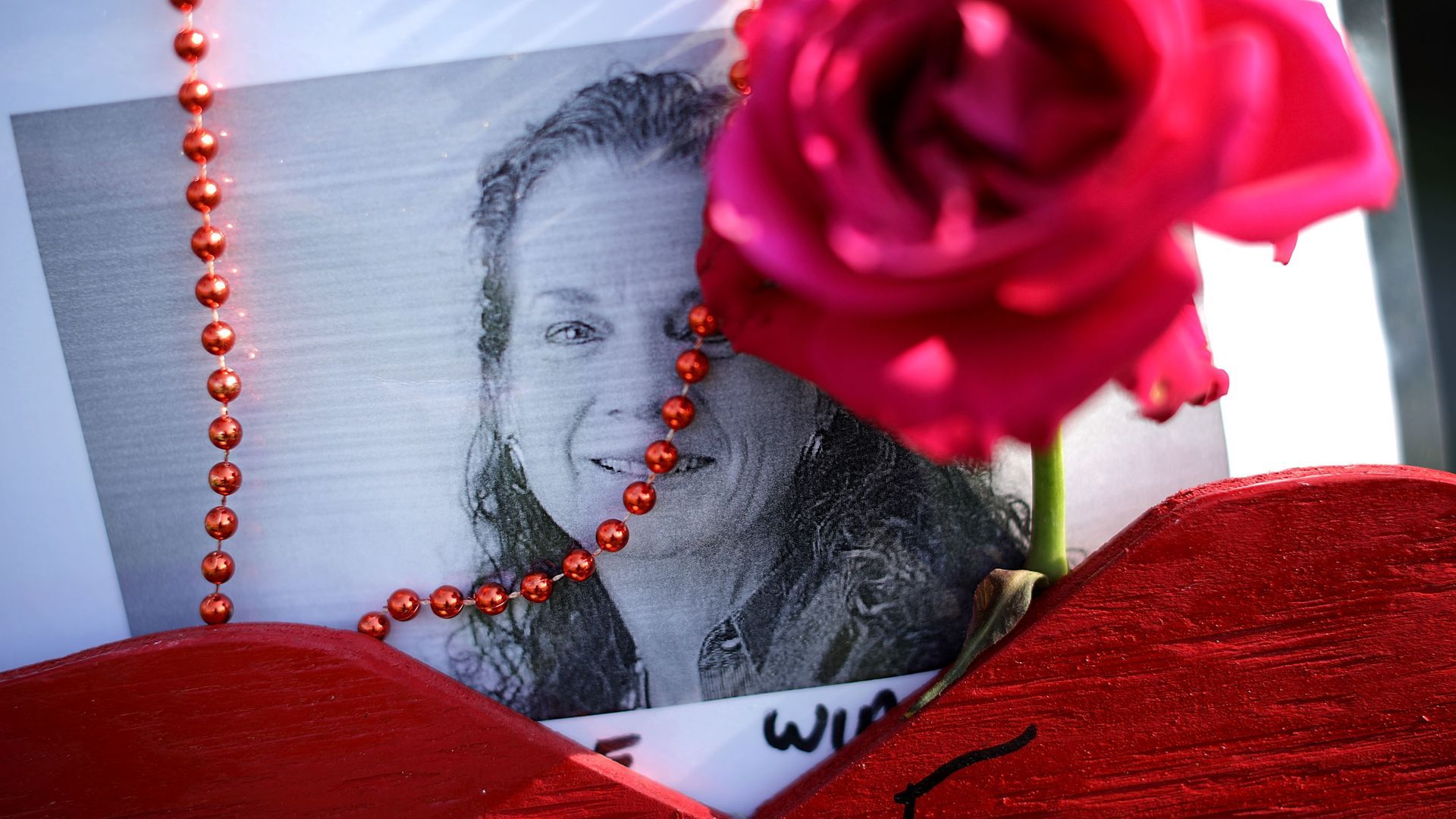
The Annenberg and Knight foundations will provide a total of $6 million in grants to support the early stages of building out the Fallen Journalists Memorial, Axios has learned.
Driving the news: Monday was the three-year anniversary of the mass shooting at the Capital Gazette in Annapolis, Maryland, which left five people dead.
Bridgepoint, a London-based buyout firm, announced IPO plans, whereby it will seek to raise at least £300 million at around a £2 billion valuation.
Why it matters: It remains unusual for private equity firms to list their shares, even in Europe where a few trailblazers beat U.S. firms to the punch. Particularly now that there's a mature industry whereby PE firm founders can monetize brand equity via sales of passive ownership stakes.
After months of testing, marketers are finally going to be able to start running video ads within console and PC games.
Why it matters: In-game advertising, a linchpin of mobile gaming, could be very lucrative for console and PC developers. But studios have been hesitant to adopt them, fearing that a clunky ad experience would mess with user engagement.
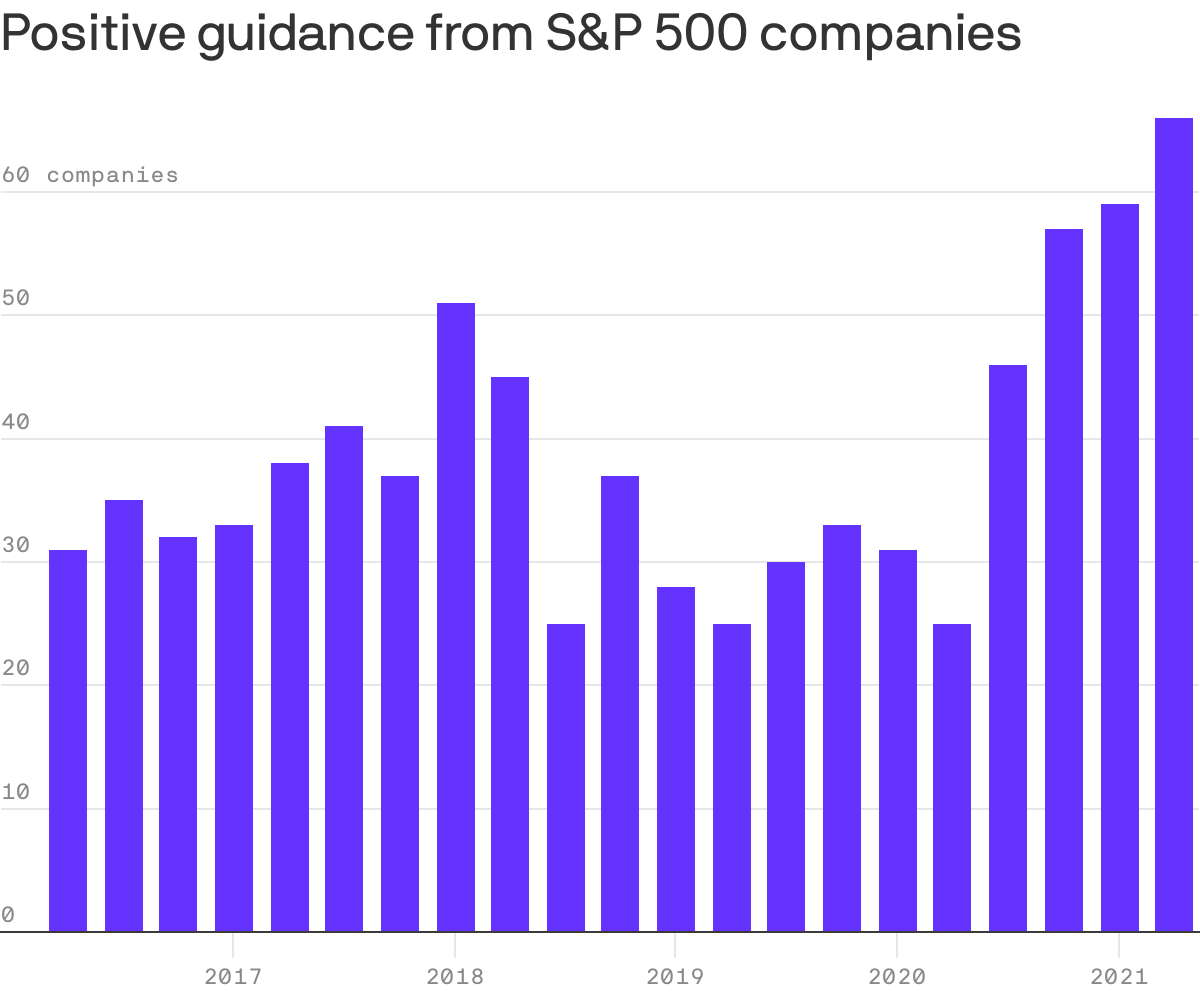
A record number of S&P 500 companies have said their second-quarter earnings would be better than what analysts expect.
Why it matters: Companies provide guidance, or their projection for their financial performance, so that the market isn’t too surprised when they announce actual results.
The second half of the year starts Thursday and from an economic perspective, it looks to be a lumpy but uphill climb.
Why it matters: The shape of the economic recovery will be defined by how the labor market grows, how spending drives inflation and how the Federal Reserve signals its plan to phase out crisis-era policies.
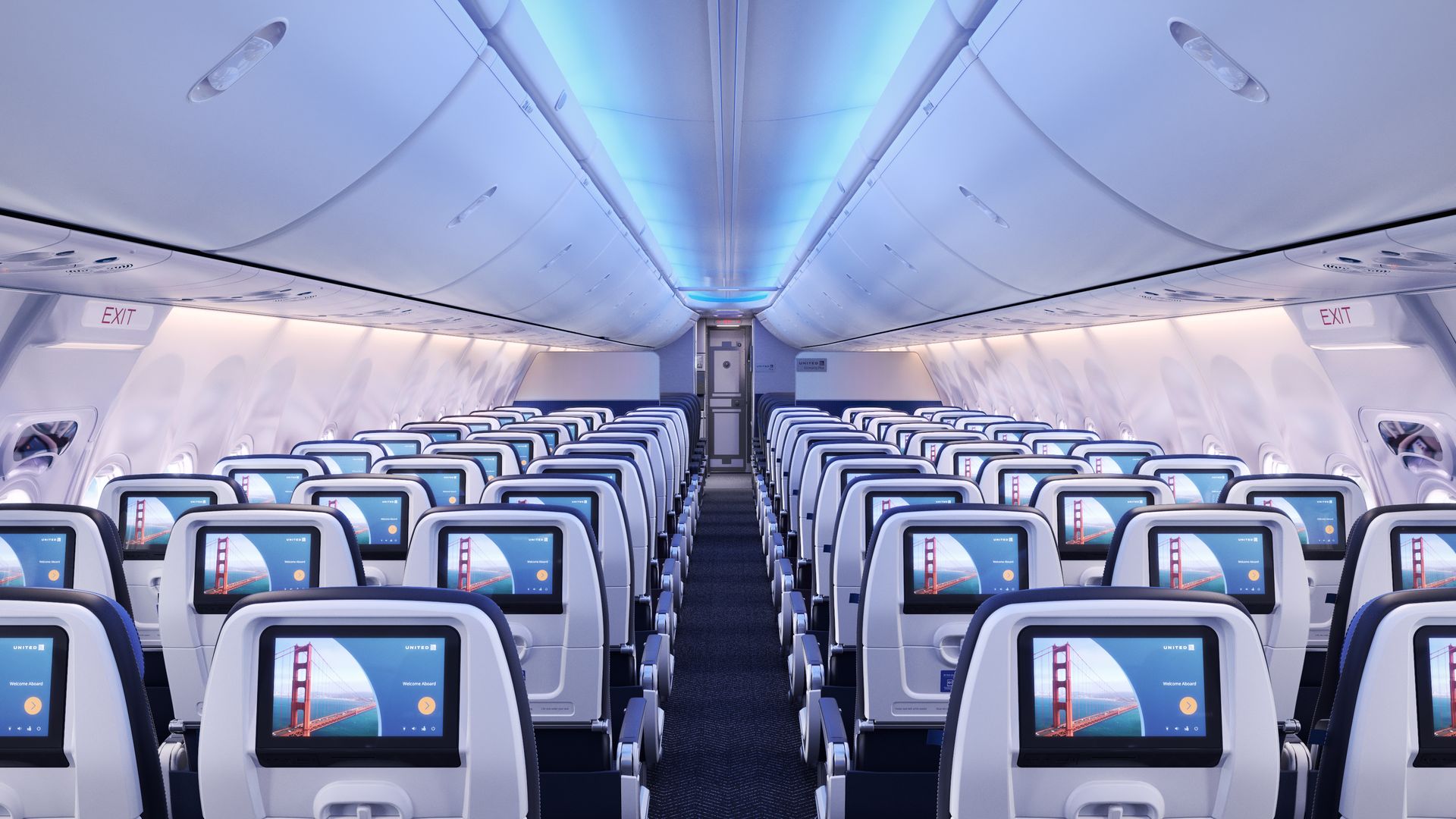
United Airlines just placed the biggest aircraft order in its history and expects to create 25,000 unionized jobs by 2026 in an effort to capitalize on the astonishing rebound in passenger travel.
Why it matters: This is one of those "go big or go home" moments for the airline industry, which was devastated by pandemic-related travel restrictions worldwide. Domestic leisure travel has bounced back, but business and international travel remain depressed, making United's plan a significant bet on future growth.
CLEARWATER, Florida — A co-working space called The Ring is taking the healthy workplace concept up a notch.
Why it matters: As people return to work after the pandemic, some office spaces are betting that workers would prefer to spend their days in health-conscious spaces.