Shortages of weight-loss drugs are driving pharmaceutical companies to scramble to shore up supplies.
Why it matters: Booming demand for anti-obesity drugs, known as GLP-1s, has led to a windfall of revenue for pharma giants like Novo Nordisk and Eli Lilly.
Palantir Technologies is reaping a surge of AI-related revenue earlier than anticipated, Nathan writes.
Why it matters: The company's sales jump — reported after yesterday's closing bell — illustrates how quickly artificial intelligence is lifting the tech sector to new heights.
Driving the news: Fourth-quarter revenue for the data-analytics company rose 20%, compared with a year earlier, which included a 70% jump in U.S. commercial revenue.
Three of the biggest sports TV companies in the U.S. are creating a joint streaming venture with all of their linear sports TV content, the firms announced Tuesday.
Why it matters: The new service is intended to reach sports fans ditching pricey cable bundles.
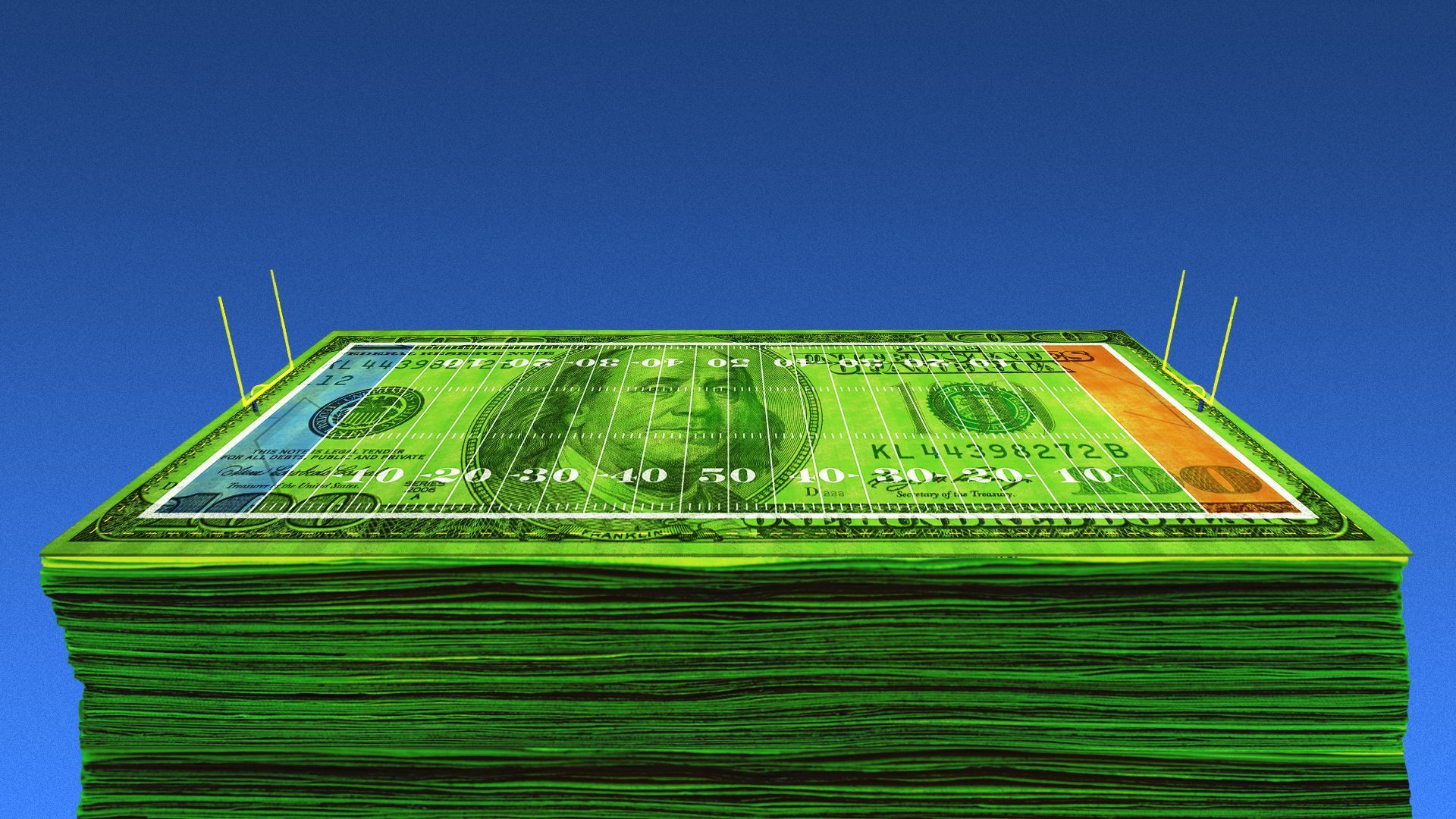
This year's Super Bowl will likely smash records for sports betting — thanks in part to Taylor Swift.
The big picture: Roughly 68 million Americans will likely bet on Sunday's game, the AP reports, citing industry estimates. They're expected to wager $23 billion.
Missing bolts likely contributed to an emergency blowout aboard a Boeing 737 MAX 9 during an Alaska Airlines flight last month, according to the National Transportation Safety Board's (NTSB) preliminary findings on the incident released on Tuesday.
Why it matters: The findings shed light on the near catastrophe that's reignited scrutiny on Boeing and its 737 MAX jets, which were previously involved in two crashes that killed 346 people.
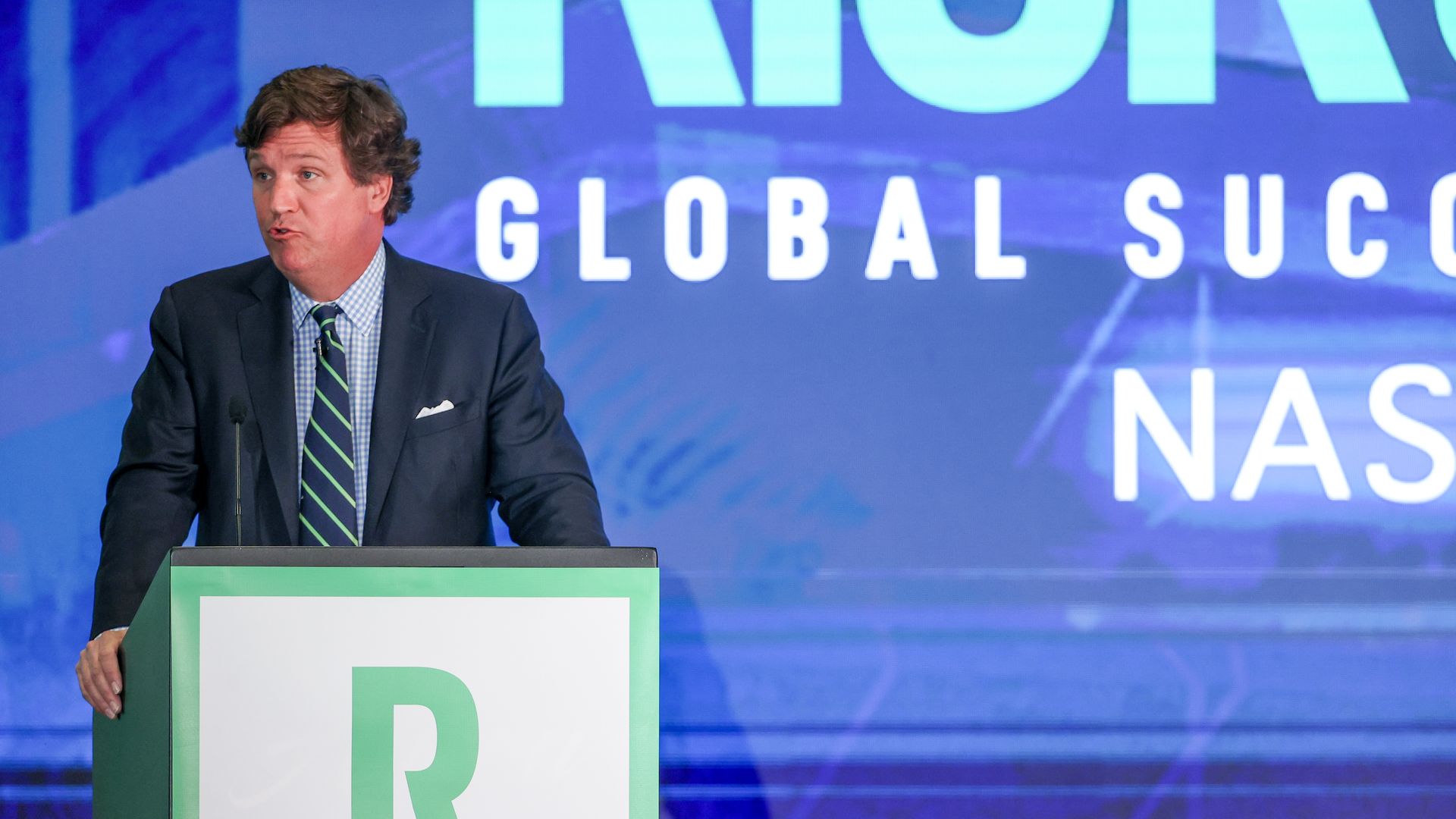
Former Fox News host Tucker Carlson said in a video posted to X on Tuesday that he is in Moscow to interview Russian President Vladimir Putin.
Why it matters: Putin rarely gives interviews, particularly to Western journalists. Carlson, however, is cited frequently on Russian state TV because of his opposition to U.S. support for Ukraine's war effort, embrace of other Russian-friendly narratives and criticism of President Biden.
Engagement with political newsand news generally is down considerably compared to the last presidential primary election cycle, as Americans continue to funnel their attention toward lighter topics, like sports and entertainment.
Why it matters: Record news interest last presidential election cycle, while bolstered by the onset of the pandemic, helped lead to the highest voter turnout in the 21st century — and near-record numbers among younger voters.
Delinquency rates on credit cards and auto loans spiked to their highest since the Great Recession, according to a New York Fed report out Tuesday.
Why it matters: The striking resilience of the American consumer is a key reason why the economy has avoided a recession. Emerging stress on household balance sheets is one of the few worrying signs for a U.S. economy that has continued to shrug off threats.
Starry — Pepsi's new Sprite alternative — has already racked up more sales in its first year than its predecessor Sierra Mist had in its last four years combined, company execs shared with Axios.
Why it matters: America's largest food company is making the latest move in the ongoing lemon-lime soda wars with itsStarry Super Bowl commercial debut Sunday.
YouTube TV now has more than 8 million paid subscribers, the company said Tuesday, making it one of the largest TV providers in the country.
Why it matters:YouTube TV is poised to surpass the leading satellite providers soon, and could have more subscribers than cable rivals in the next few years.
Substack is experimenting with a new pilot program that helps creators on its platform find advertisers and coordinate ad buys, Axios has learned.
Why it matters: Substack was built on the promise of liberating writers and podcasters from the pressures of the ad business by letting them directly charge their audiences. By dabbling with ads, the company is acknowledging the difficulty in scaling that model for everyone.
News companies are reversing course on hard subscriptions — once seen as a safer alternative to the volatile ad market — in favor of flexible paywalls, membership programs and more ads.
The big picture: A strategy focused mainly on subscriptions requires upfront spending on premium content. That takes time to pay off — and many publishers don't have the cushion for that in the current ad slowdown.
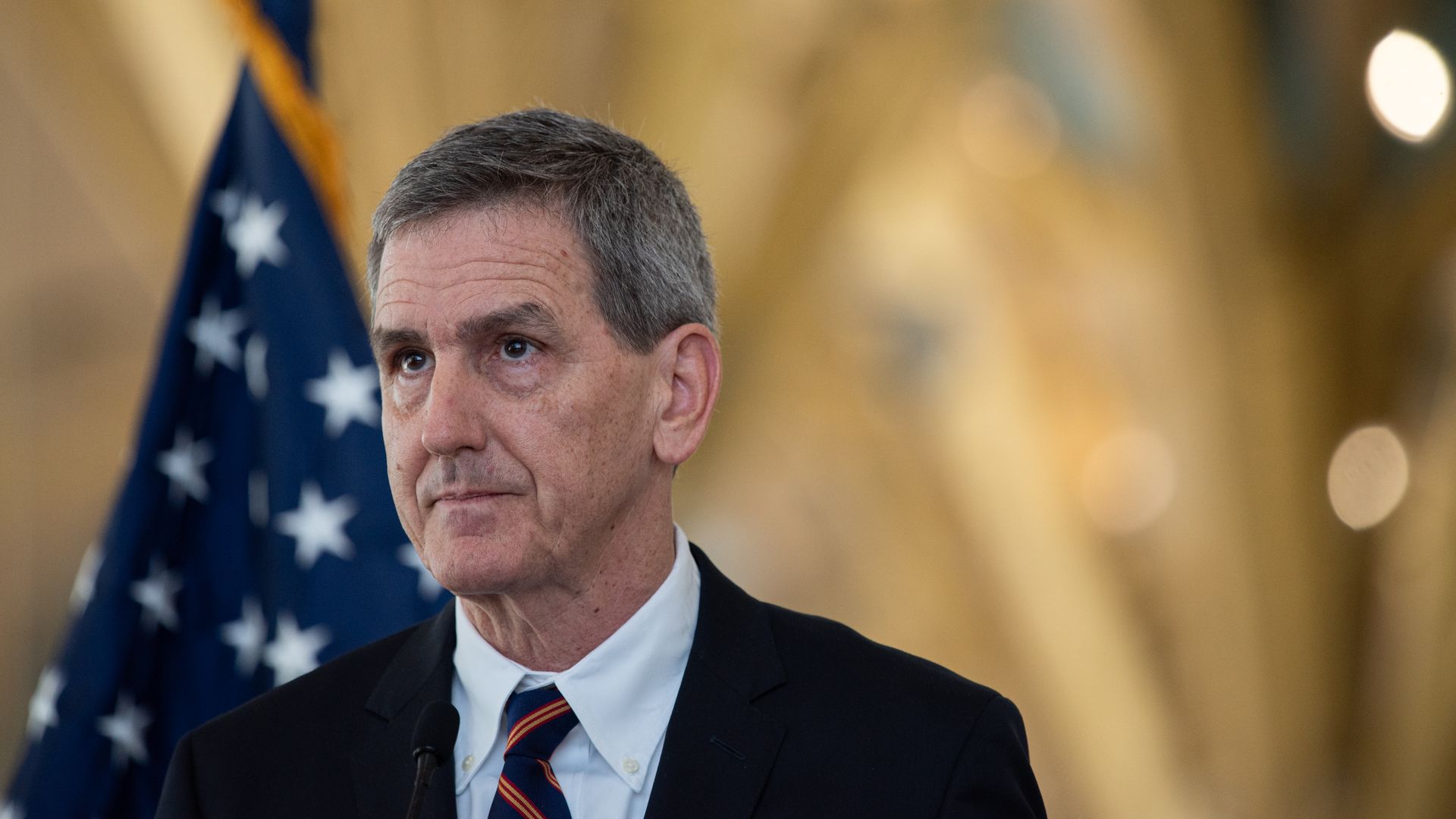
The head of the Federal Aviation Administration (FAA) told lawmakers on Tuesday he will use any authority available to him to hold Boeing accountable for any noncompliance that contributed to last month's 737 Max 9 accident during an Alaska Airlines flight.
Why it matters: FAA administrator Michael Whitaker told the House subcommittee on aviation that the agency will not grant Boeing any additional manufacturing expansions for the Max until it's resolved quality control issues.
FTX customers and creditors are likely to be repaid in full, an attorney for debtors of the failed crypto exchange last week told a Delaware bankruptcy court.
The big picture: The idea that FTX is anything but a smoldering crater, let alone an entity with billions of dollars worth of assets, is something of a narrative violation.
Code, a crypto payments organization, has raised $6.5 million in a seed round.
Why it matters: Code has built an app to take on one of the internet's oldest dreams: micropayments, the ability to spend tiny amounts of value for digital goods (like access to blog posts, live streams or digital art).
Spotify on Tuesday said it lost less money than it was anticipating in the final quarter of 2023, in its latest sunny earnings report.
Why it matters: For years, investors punished the audio giant for expensive investments in podcasting and a bloated staff that ate into its margins. Now, the company says, it's on the right track to meet their expectations.
The Fed's closely watched survey of senior bank lending officers, out Monday, suggests an improvement in access to credit for businesses.
Why it matters: Credit is the lifeblood of the U.S. economy, and it got much harder to come by after the Fed launched its rate-hiking campaign in 2022.
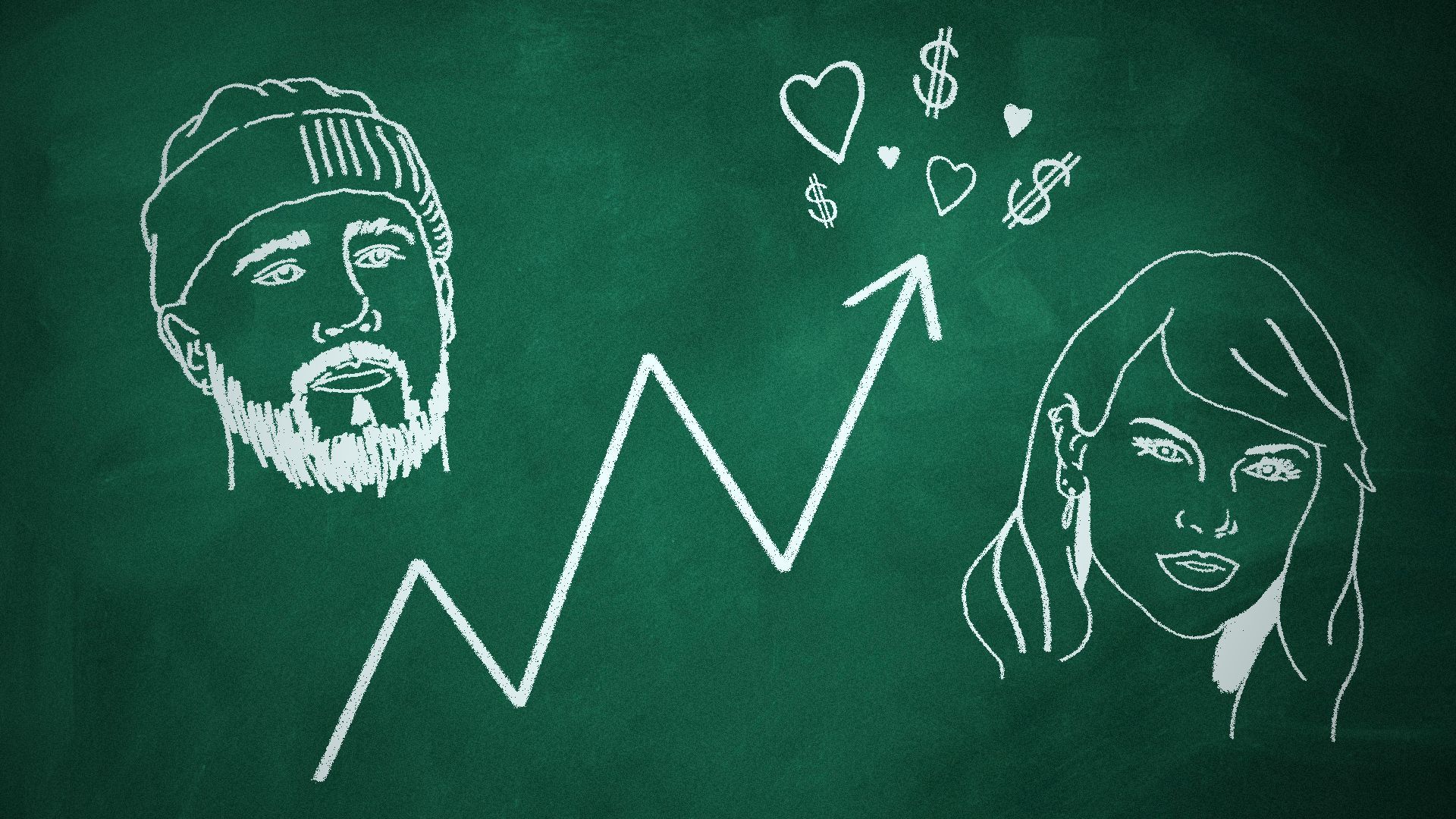
Taylor Swift's relationship with Kansas City Chiefs tight end Travis Kelce is more than just a love affair, it's an economics case study, says University of Kansas professor Misty Heggeness.
What's happening: She's created a Taylor Swift curriculum — Swiftynomics 101 — to help high school and college teachers convey economics lessons by analyzing the 34-year-old pop star's effect on the NFL's business.
Lyft will start doling out cash payments to drivers who make less than a minimum share of rider fares each week, the company announced Tuesday — part of a broader effort around pay consistency and transparency.
Why it matters: Gig drivers' incomes are often inconsistent, and heavily dependent on pricing algorithms tied to supply and demand fluctuations — even pop-up thunderstorms or Taylor Swift concerts can play a role.
Austin, Raleigh, Boise, Salt Lake City and Provo, Utah, top the Milken Institute's latest annual list of the Best Performing Cities, released first to Axios.
Why it matters: These metropolitan areas offer high wages, plentiful jobs, a (relatively) low cost of living and thriving tech sectors — making them economic models for the rest of the nation.
Beauty and health food brands are buying up ad spots for the Super Bowl on Sunday — a testament to football's growing popularity among women and young people.
Why it matters: Pop stars and influencers such as Taylor Swift and Alix Earle helped drive an unprecedented ratings bump for the NFL from the sidelines this season. Now consumer brands want to get in on the action during the Big Game.
Dartmouth men's basketball players are employees at their university and can proceed with creating a union, a National Labor Relations Board regional official determined Monday.
Why it matters: If they vote to unionize, the players at the Ivy League school in Hanover, New Hampshire, would become the first union of athletes in the NCAA.