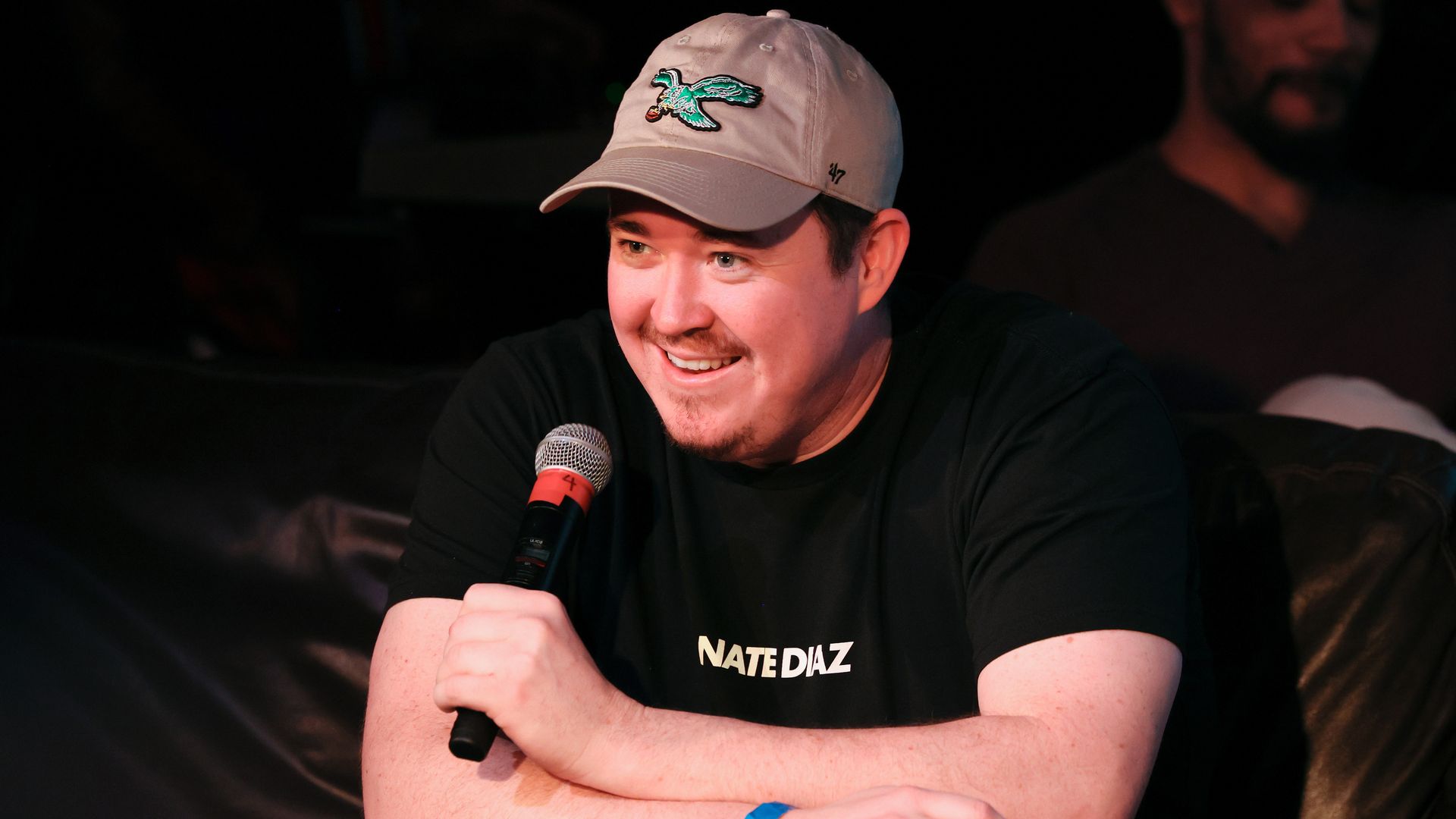
Shane Gillis will host "Saturday Night Live" on Feb. 24, nearly five years after he was fired from "SNL" due to resurfaced clips showing him using racial slurs and homophobic language.
Why it matters: The comedian's removal from the show's cast in 2019 days before he was due to make his debut came as public figures began facing increased accountability for past comments.
Some private equity firms buy alcohol companies, while others are teetotalers that avoid all "sin" deals. Then there's Cordillera, which is investing in the actual fermented fluids.
Driving the news: Cordillera last week announced that it's raised $62 million for a fund dedicated to buying and aging whiskey barrels.
Backstory: The Bay Area firm was founded 10 years ago to invest in niche, non-correlated assets. Or, as co-founder Chris Heller puts it, "off-the-beaten-path, weird stuff."
Early efforts included music royalties and litigation, although Cordillera likes to exit once others begin to enter. That led it to new areas like boating marinas and, more recently, barrels of whiskey.
"We had three different players in the spirits space point out to us an anomaly, which was that the aging curve for whiskey was particularly steep because the bourbon boom had caused demand to massively outstrip supply," Heller explains.
"So we ended up making a couple investments out of our second and third funds, and then decided it was worth a dedicated effort."
What to know: Most bourbon makers used to be vertically integrated, which meant they did the distilling, aging and distribution. Jim Beam, Jack Daniel's, etc.
But then came a new generation of craft brands that didn't have the money to build their own distilleries, and instead preferred to buy barrels.
Cordillera plays in that middle space, buying barrels from distillers, aging them, and then selling them to premium and ultra-premium brands.
The risk: It's been 17 years since "Mad Men" made brown liquor cool again, and there are some signs that demand growth is slowing.
In fact, Heller says he expects this to be his firm's only whiskey-dedicated fund, because the returns won't be as attractive in a few years.
Meanwhile, there also are some supply side worries that large, vertically integrated players could have a glut of shadow inventory that they'll roll into the market. Kind of like what happened when Seagram shut down in 1990.
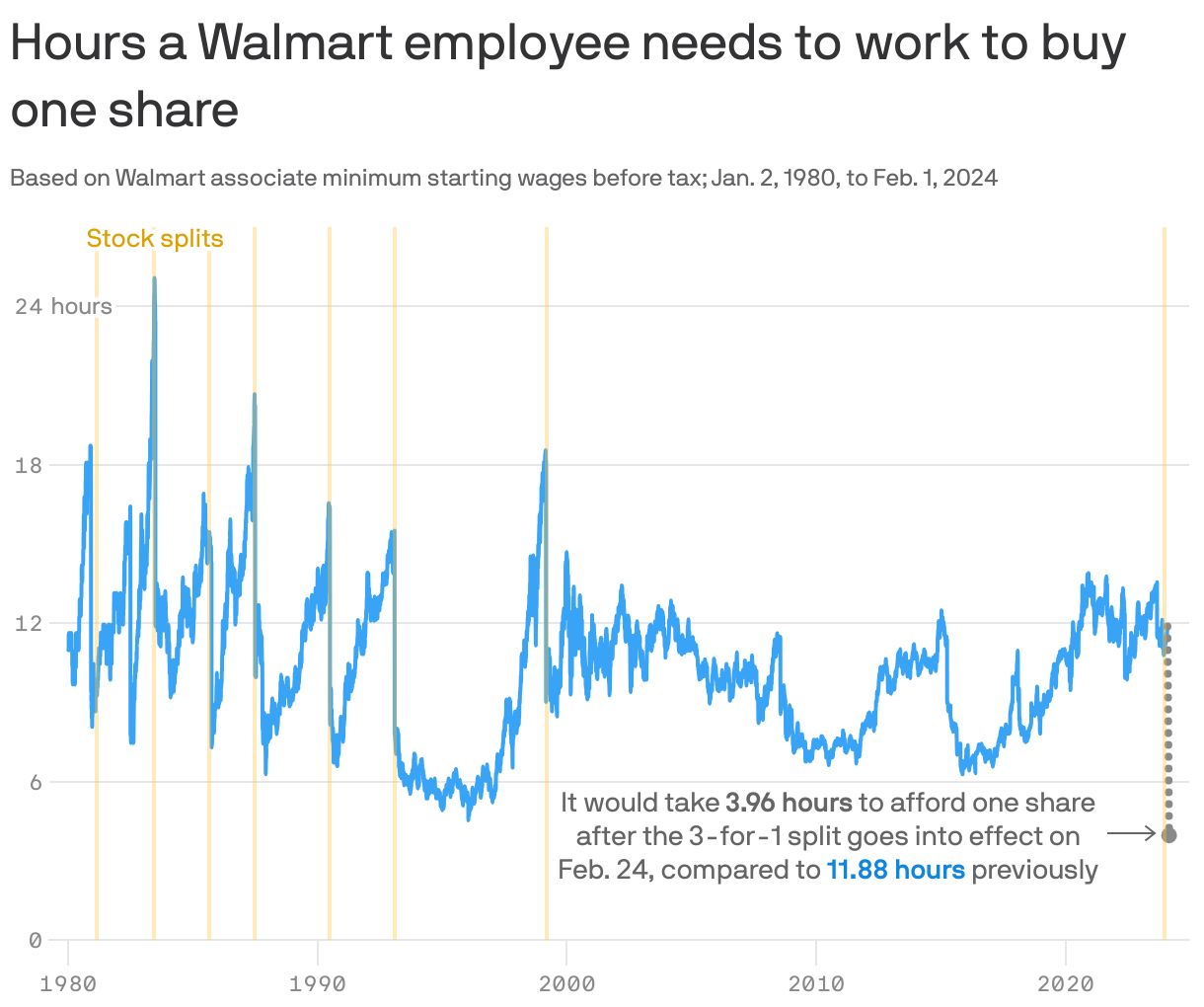
Walmart stock splits used to be a regular event — there were six of them just between November 1980 and June 1990. But it's now almost 25 years since the last one, in March 1999.
Why it matters: Nowadays, almost every brokerage, including Walmart's own Associate Stock Purchase Plan, allows the purchase of fractional shares, making a company's nominal share price less important than ever.
Deep reservoirs of individual and philanthropic wealth are being tapped in an attempt to save or rebuild the news industry. In reality, however, large amounts of up-front liquidity never seem to be the solution to the problem.
Driving the news: The demise of The Messenger this week is just the latest in a stream of headlines about small or fast news-media implosions. Its founder, Jimmy Finkelstein, wrote this in his note to staff:
Over the past few weeks, literally until earlier today, we exhausted every option available and have endeavored to raise sufficient capital to reach profitability.
Gambling platforms are unleashing plans to become the next great sports media companies.
Why it matters: Online sports betting is one of the fastest-growing markets — and it's only going to get even more competitive. The best content may well be key to winning the pot.