The U.S. Securities and Exchange Commission this week said it would not amend its controversial "gag rule" tied to settlement agreements.
Why it matters: The long-standing policy has been criticized over the years by targets of its enforcement actions, advocacy groups and even judges, who say the policy flies in the face of the First Amendment.
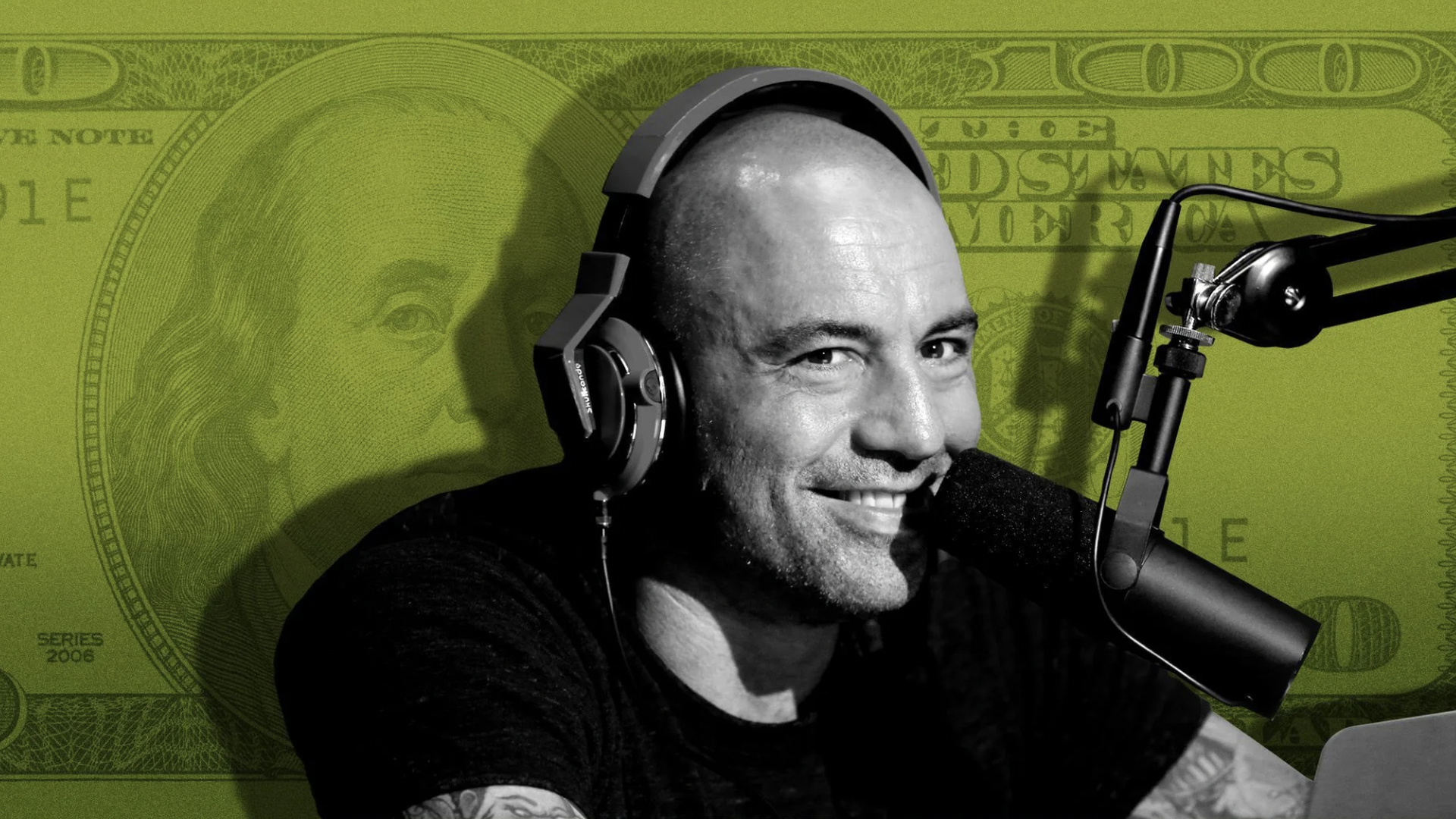
Spotify on Friday announced a new multiyear deal to distribute "The Joe Rogan Experience" podcast exclusively, while still allowing the show to be available on other platforms, including Apple, Amazon and YouTube.
Why it matters: The deal represents a shift in Spotify's podcast strategy toward owning the distribution and monetization rights to the show across its platform and others.
What we're watching: A zany ad featuring Sir Patrick Stewart and Peppa Pig, debuts for Lionel Messi and Kris Jenner, and a viral moment recreation from David and Victoria Beckham.
S&P Global has promoted Christina Twomey to global head of communications, Axios has learned.
Why it matters: In this role, she will oversee communications for all of S&P's global businesses divisions.
Details: Twomey reports to chief purpose officer Dimitra Manis and manages a team of more than 50 communicators who oversee reputation management, media relations, risk mitigation and internal communication.
What she's saying: "Today's communications landscape is more dynamic than ever," says Twomey.
"My role now is focused on ensuring a cohesive, omnichannel communications strategy that amplifies the impact of our strategic vision and investment areas."
What she's watching: Growing stakeholder demands, the increase of misinformation and disinformation, and the adoption of generative AI.
The Weber Shandwick Collective named Laura Schoen as chief health care officer; Pam Jenkins as chief public health officer; Jamie Dowd as president for health, Americas;Rachael Pay as president for health, EMEA; Nicole Arens as D.C. health care team lead; and Jamie Murphy Dawson as senior vice president.
Believeco:Partners has named Boston Consulting Group alum Mario Simon as CEO.
Axios:Andrew Childers is senior news editor; Claire Reillyis a social host for Axios Local — San Francisco; and Gregory Castillo is a social host for Axios Local — Texas.
Bloomberg:Brad Stoneis editor of Businessweek, and Tom Giles is senior executive editor for global technology news.
The Boston Globe: Erin Douglas is a climate reporter.
Business Insider:Julia Naftulin is an editor for special projects.
Chicago Tribune: Olivia Olander will cover state government.
Divorce has become a major life milestone replete with specialized parties, large support networks and a whole industry ready to capitalize on the big change — just like weddings.
Why it matters: Cultural attitudes toward ending a marriage have become far less negative, and in the process divorce has gotten more commodified, from services marking the transition to digital culture that lightens the mood.
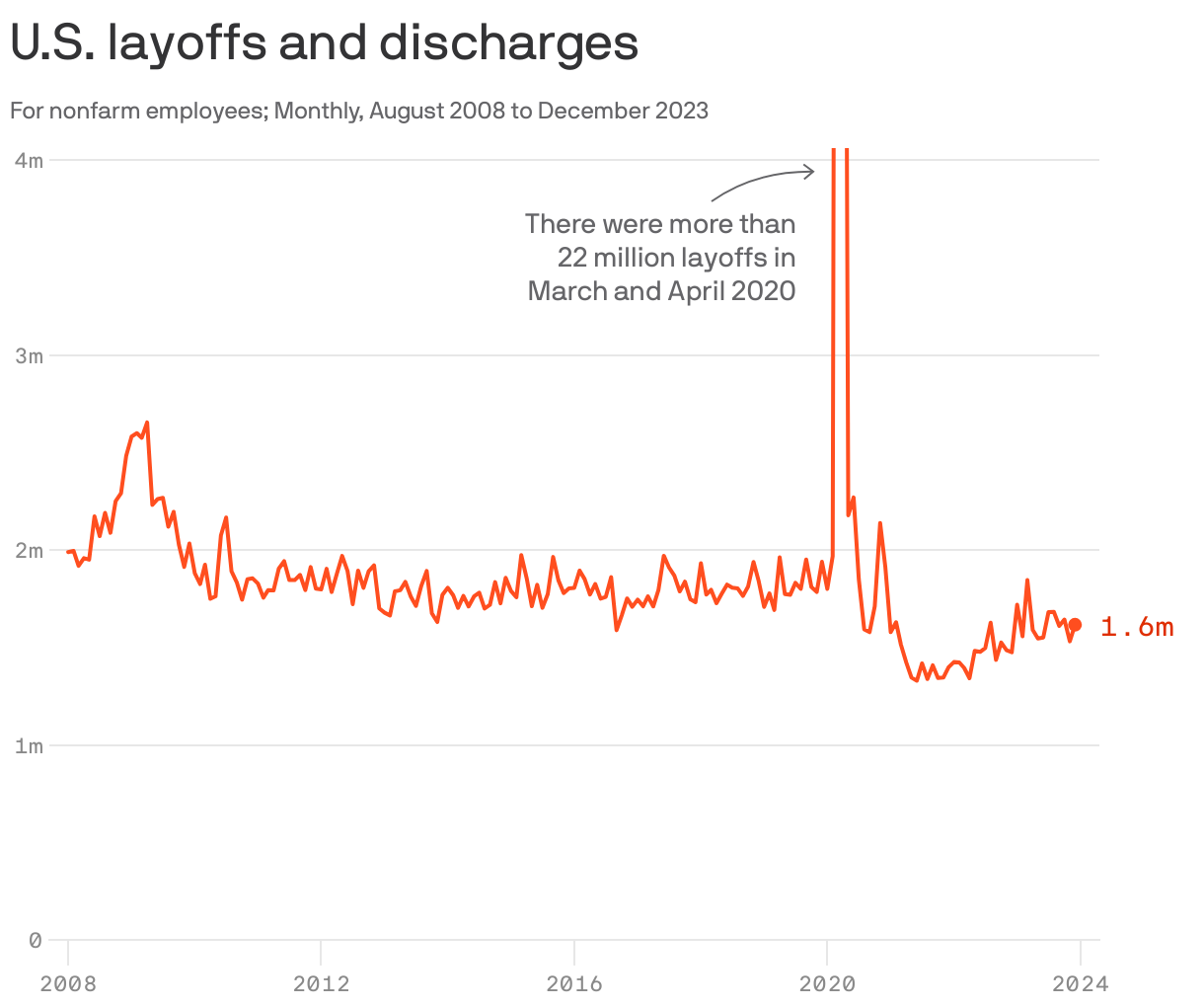
Data: Bureau of Labor Statistics, Fred; Chart: Axios Visuals
The stories about layoffs in media and tech are starting to make people freak out a bit over the health of the economy. But taking a step back, the high-level economic data isn't so worrying.
The big picture: The job market is cooling, but it's still pretty strong.
Welcome to the era of "loud budgeting," where speaking up about saving money and not overspending is no longer taboo.
Why it matters: The new personal finance trend — born on TikTok — is a quick reversal from last year's social media fad of flaunting luxurious purchases.
Stewart Butterfield, co-founder of Slack, told me the most searing lesson he learned starting a unicorn business is the seeping insidiousness of growing staff so fast that it creates mounds of make-believe, make-work, Jim VandeHei writes.
He calls it "hyper-realistic, work-like activities."
Why it matters: Most leaders and managers always want more — more staff, more budget. But more staff and budget beget more work. This can quickly create work just to fill time — and not fulfill critical work needs.
The Messenger was sued in a class action lawsuit by former employees Thursday, a day after the company shuttered, leaving roughly 300 people without jobs, or severance pay, according to the suit.
Why it matters: The lawsuit adds to the drama surrounding the sudden closure of the news site — which burned $50 million in cash in a few months after launching, leading to its demise.













/2024/02/01/1706822187755.gif?w=3840)